
The Plan B Option supports students to focus just on the Tasting Research component of the program as well as documentation of Climate Justice and Resilience participation. This equals H2 headings “d, e, g, i” rather than “a-i.” However, for wk 10 all students are expected to assemble with care an integrative post of “a-i” for the winter case study of their choice. This post should be curated and presented in correspondence with this Wk 10 Integrative Final Post Guide (also shared on Canvas).
TO CURATE: < French cure-r (in Old French to take care of, to clean) < Latin cūrāre to care for, take care of, cure, < cūra care. –OED
__________________
[#a: Film Assignment due each week by 9 AM on Canvas]
#1d: Case Study Tasting Research:
- Case Study Tasting Research Response Form: Completed on the .doc form provided and copied and pasted here. Do not upload a file.
#1e: Stuckey’s Taste Book Experiments
- Taste Book Experiment Response Form: Completed on the .doc form provided and copied and pasted here. Do not upload a file.
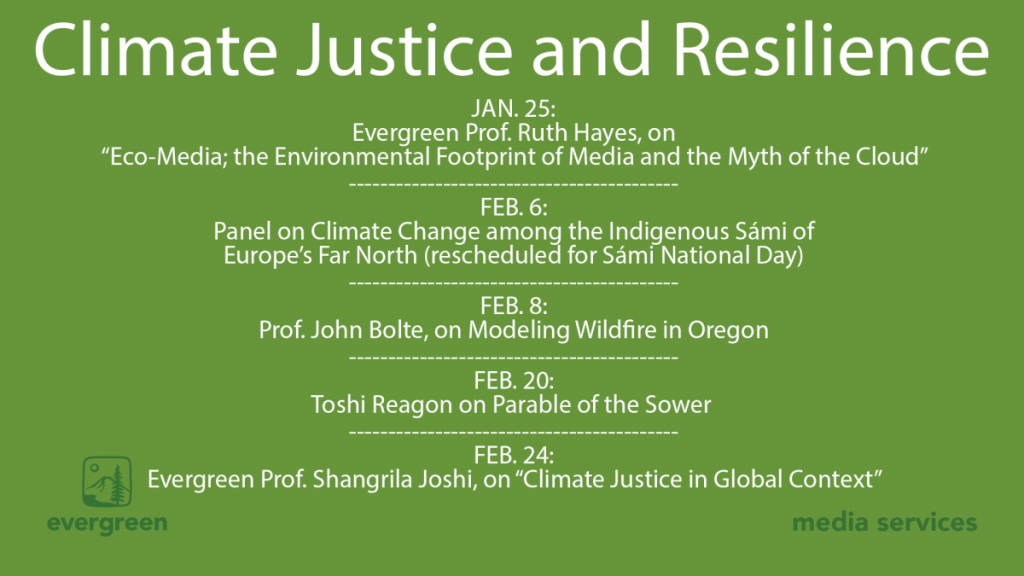
#1g: Climate Justice and Resilience Event Series
Click here for the link to the winter quarter Climate Justice and Resilience Event Series with details, zoom links, and recordings. Provide your notes and insights regarding the Climate Event and T/M program thematic questions here. Do not upload a file.
#1h: Foodoir: Your Story of Tasting Place
Here’s where you write (draw, cook, scan, photograph, document) your engagement with the foodoir of your choice. Always begin by providing 1-3 sentences of a key quote from your foodoir (with author, title, page #) that you’ll be responding to by creating your own story of taste and place. Create a reading schedule week one in order to read approx. 1/9 of the book each week or go to “Plan B” and work off fall quarter foodoir materials for Micheal Twitty’s The Cooking Gene. Choose your ONE foodoir from this list (also provided on the TM syllabus): Farming While Black by Leah Penniman, The Rise: Black Cooks and The Soul of American Cooking or Yes, Chef: A Memoir by Marcus Samuelsson, The Flavor Equation by Nik Sharma, The Gastronomical Me by M.F.K. Fisher, The Sioux Chef’s Indigenous Kitchen by Sean Sherman or if new to T/M winter quarter use Plan B: Michael Twitty’s The Cooking Gene following the prompts provided below. See each week on the fall quarter Tasting Research website and student URLs for examples (e.g., Sarah Dyer wrote her own foodoir!).
SW will be providing a prompt from Harold McGee’s Nose Dive each week, which students can choose to juxtapose with their foodoir quote, or not. Nose Dive locates the human sense of taste in relation to the evolution of plant earth. It also provides a blueprint for doing taste research, beginning and ending with McGee’s story of tasting grouse. Why? All students will be supported to develop their own independent research project for 4-12 credits during the spring quarter, or sooner as your interests take form.
Quotes from fall quarter’s weeks 1&9 reading from Michael Twitty’s The Cooking Gene:
“The Old South is a place where people use food to tell themselves who they are, to tell others who they are, and to tell stories about where they’ve been (xii).
The Old South is a place where food tells me where I am. The Old South is a place where food tells me who I am. The Old South is where food tells me where we have been. The Old South is where the story of our food might just tell America where it’s going (xvii).
’We need a blueprint as individual and as a people’ (11).
‘What’s the best thing you ever cooked?’ I asked my mother.
‘A little black boy named Michael; I cooked him long and slow,’ she replied (13).
The disruption of the black family, the interruption of an important community-driven ethnic economy, the engendering of a poor diet, an urgent desire to suppress learning and education, and a culture of unrelenting violence–these and all the dependency, instability, and toxic thinking that wen along with them were the fruits of King Cotton, none of which black America has been able to fully purge from its system. (358)
Little bits of stories mixed with recipes and techniques, treats, and tips come out as she rehearses the family dead in her mind: how to wash collards, sorting through field peas, the right way to chew sorghum and sugarcane …. (360).
Our food was never just food. (365)
Michael Twitty
Like our program’s focus on terroir/meroir, the focus of Michael Twitty’s The Cooking Gene is food and place. But, for Twitty understanding the taste of place requires being able to tell a story that locates the storyteller in relation to food and place. The Cooking Gene as a food memoir is part of a rapidly growing field of popular and academic interest in the intersectional politics of food. During fall quarter we read The Cooking Gene as a “blueprint” for writing our own “foodoirs.” During winter quarter you will read the story of your choice of an author’s identity as an eater to consider your own story of self, food, and place.
PROMPTS: In what ways does (and doesn’t) your author’s writing provide a blueprint for yours? What do you choose to eat and why? Who cooked you and who cooked for you? How has that cooking—and its history–shaped your taste preferences and experiences? As you experiment with crafting words to communicate your taste experiences be sure to include that process in your story. What characterizes your experience of the relationship between your mouth as an organ of ingestion and an organ of disgestion? How do your hands relate to your mouth and to your keyboard? Where, when, and how is your thinking embodied?
The final part of your Tasting Lab post each week should include writing toward your own foodoir. Ground/anchor your writing in relation to a specific quote (or series of quotes) from each week’s chapters from The Cooking Gene or the foodoir of your choice. Note: Like his book, Twitty’s WordPress website, Afroculinaria, is award-winning. What about both inspire you?
Suggested Length: 100-200 words.
1 Pingback