
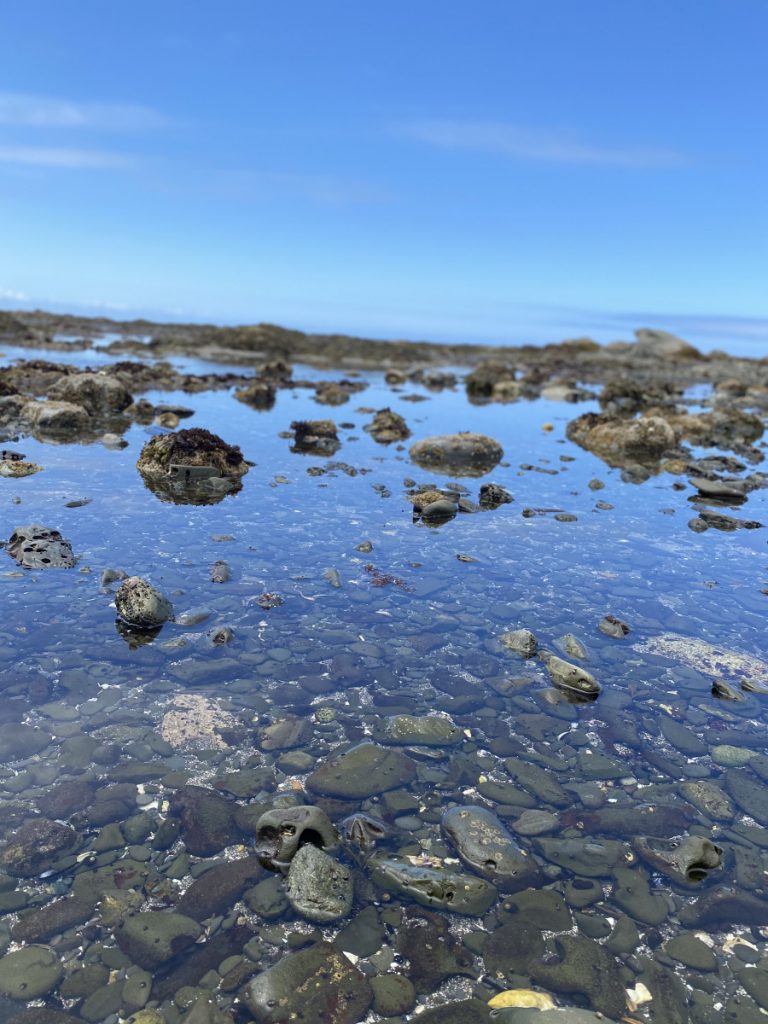
Here’s where our Tasting Research with Foodoir curriculum lives as components: d) Case Study Tasting Research; e) Stuckey’s Taste Experiments; and h) Foodoir: Your Story of Tasting Place. However, following the integrative week 10 presentation assignment from fall quarter, during winter quarter you’ll create an integrative post every two weeks for each case study. Integrative posts should include appropriate highlights from your work in these components: a) Film Series; b) (un)Natural Histories; c) Regenerative Agriculture; f) Sustainable Entrepreneurship; g) Climate Justice and Resilience Events; i) Bibliography. The word “appropriate” invites each student to engage in components according to availability as well as student interest. The breadth and depth of your highlights for each component will vary depending on that case study’s curriculum and corresponding campus events as well as student interest. A thorough and curated case study of your choice is due week 10 when you present it as a cumulative winter quarter project.
Struggling with WordPress or the curriculum? Discuss with faculty the option of Plan B for focusing on weekly case studies and a single final cumulative using PowerPoint.
Note: #3.5 Tea is a special event focused on an Oolong Tea Tasting as part of Evergreen’s Lunar New Year Celebration. No integrative post is required but participating students are encouraged to document their tasting experience.
#4a: Film Series: Program Questions in Scenes and Overview
Have you watched the film(s) required for this week of our case study and turned in your film assignment through Canvas? This quarter the film assignment asks you to choose a scene that you found compelling and tell a story about it in relation to one of our program questions. Note: Each week you are required to copy and paste your current week’s assignment to the top of your Film Series Cumulative Document so that you have a single file with each of your weekly assignments–including faculty comments–to turn in week 5 on canvas and to post week 10 on your wordpress website with your final integrative case study.
Wk 7: Geoduck and Seaweed
Note: All films are required viewing. Choose one scene from one film for the writing assignment.
- Three Feet Under: A Duckumentary, Evergreen Library streaming service (Dir. Justin Bookey, 63 min, 2003).
- Why this $300 clam is so important to Native Americans and China (Al Jazeera, 20 min, 2019)
- Meet Eddie Huang, the memoirist who inspired ‘Fresh Off the Boat’, Soraya Nadia McDonald, Washington Post, 2013. Scroll down for film trailer (3 min).
- How Chef Jacob Harvests and Cooks Wild Seaweed (Eater, 11 min, 2020)
Wk 8: Geoduck and Seaweed
- Introducing Humboldt State University’s New Seaweed Farm, Humboldt Online (2 min, 2020)
- 3D Ocean Farms with Bren Smith of GreenWave (Classy Org, 20 min, 2016)
- Meet the Women Growing the California Seaweed Economy, Civil Eats (website), Alexander Sammon (2018) along with viewing Zanzibar’s Seaweed (5 min, 2019) and Zanzibar’s Female Seaweed Farmers (5 min, 2019), CNN on Evergreen Library’s AVON streaming service (log in required)
- Seaweed Farming in Washington State Agenda: Videos of UW Sea Grant Conference. Choose any 90 minutes of talks, but begin with “Seaweed Farming Overview: Species and Applications” (Thomas Mumford, 44 min, 2019)

#4b: (un)Natural Histories
#4c: Regenerative Agriculture
#4d: Case Study Tasting Research
Geoduck and Seaweed Tasting with Emily Wilder, MBA, Greener, and author of “Dr. Donna Haraway’s Work Interpreted Through Food” (written during her Terroir Program internship: Marketing the Evergreen Terroir), and new employee of ?! Find out spring quarter when Emily returns for an oyster tasting at the Evergreen beach.
Resources Emily referenced in her presentation, including her PPT are available on canvas, wk 7, Wed Tasting Research module.
Seaweed ILC Presentation with Annie Jessee, Evergreen senior and intern at Burnt Ridge Nursery
Materials Needed:
● 4 mugs or canning jars
● Boiling water (during the 10:45am break)
● A thermos with additional hot water
● Seaweed samples
● Your favorite tea (black, green, or herbal)
● Dinner plans
Geoduck and Seaweed Tasting Research Guide and Response FormGeoduck_Seaweed-WorksheetDownload
Download, complete, and then copy and paste your completed form onto your #4d Geoduck and Seaweed Tasting Research website component. Do NOT upload as a file.
#4e: Stuckey’s Taste Book Experiments
Hello again! It is Caleb here with preparation notes for the last Stuckey Taste Book Experiment we will be doing this quarter!
For this week’s experiment, we are going to look into the role that salt plays in flavor, and more specifically, how salt interacts with the basic taste of bitterness. For example, many of us have surely enjoyed eating a grapefruit (my personal favorite is to drizzle honey over the grapefruit) but have you ever added salt to the fruit before eating it? Grapefruit is classically sour and bitter but undoubtedly grapefruits have their own layer of sweetness. Many believe that the addition of salt accentuates the sweetness of the grapefruit!
To prepare for the week 8 tasting labs, please read through the Salt (pp175-194) and Bitter (pp195-207) chapters of Stuckey’s Taste Book. These chapters do an incredible job of framing the interaction of salt, bitter and sweetness to create different flavor profiles of the food we are eating.
OPTIONAL – the Netflix series: Salt, Fat, Acid, & Heat does an incredible job of highlighting these 4 aspects of food. If you have access to Netflix and want to take the time to watch the Salt episode, it is very interesting, beautiful and knowledgeable.
Materials for the lab:
- Bitter Nail Tea (small twisted tea leaves that were provided to you)
- 4 clean cups/mugs
- Spoon
- Boiled water
- Table Salt
- Sugar or Honey
- Palate Cleanser (saltine crackers, lemon water, etc.)\
- Optional but HIGHLY RECOMMENDED: Grapefruit
We will be walking through 1 Taste experiment together: Taste What you are Missing: Experiencing Mutual Suppression – pp192&193.
In addition to this experiment, I will do a 2nd experiment on my own but I invite you to join me if you want! The only additional materials you would need to participate would be a grapefruit. The 2nd experiment is called Taste What you are Missing: The bitter-masking power of salt – pp194.
I will post photos of the two experiments below: Taste: Experiencing Mutual Suppression – pg 192DownloadTaste: Experiencing Mutual Suppression – pg 193DownloadTaste: Bitter-Masking Power of Salt – pg 194Download
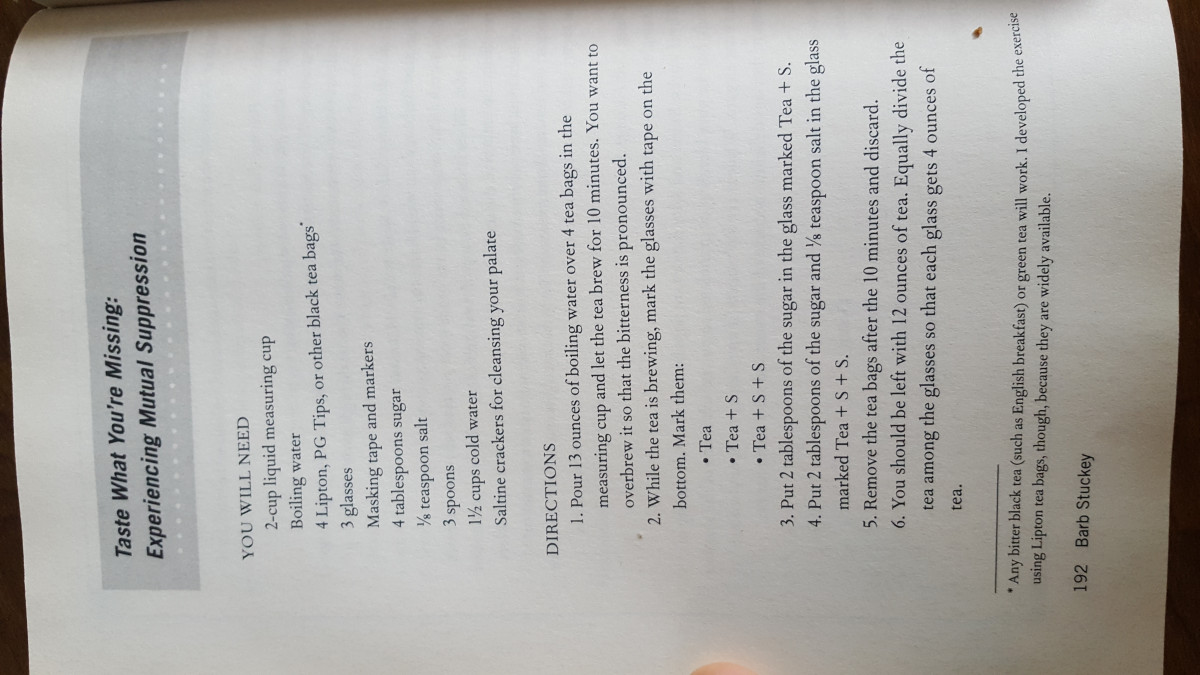
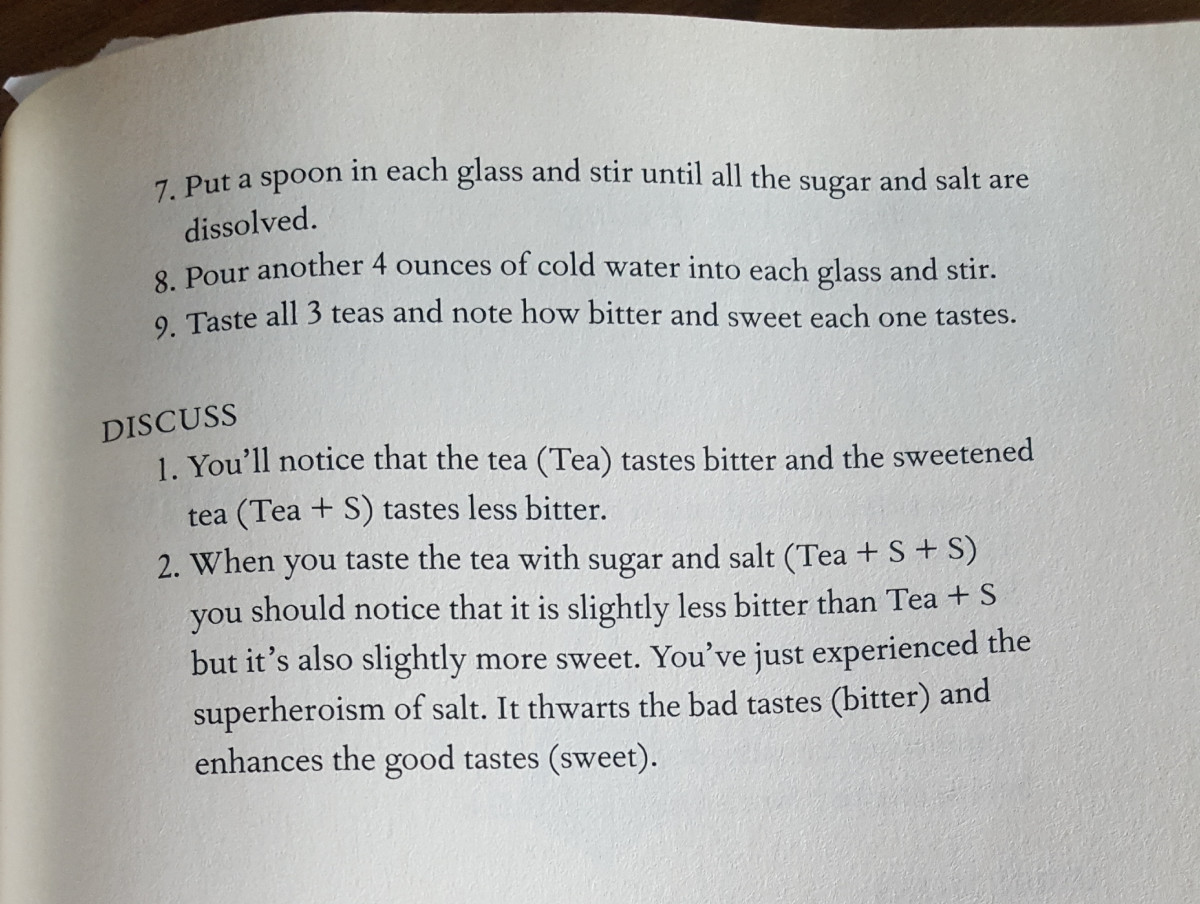
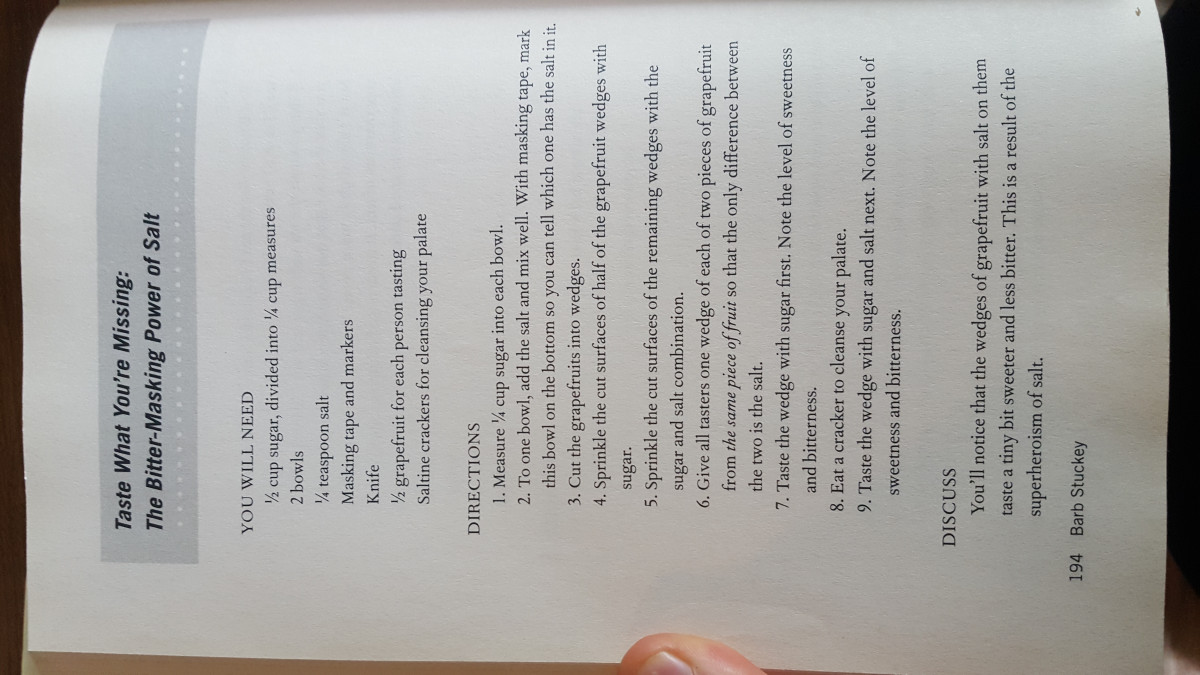
Below will be the Experiment Guide and the Question Form the correlate to this week 8 lab: Taste-Book-Experiment-Guide-Week-8DownloadWeek-8-Experiment-Guide-Question-FormDownload
#4f: Sustainable Entrepreneurship
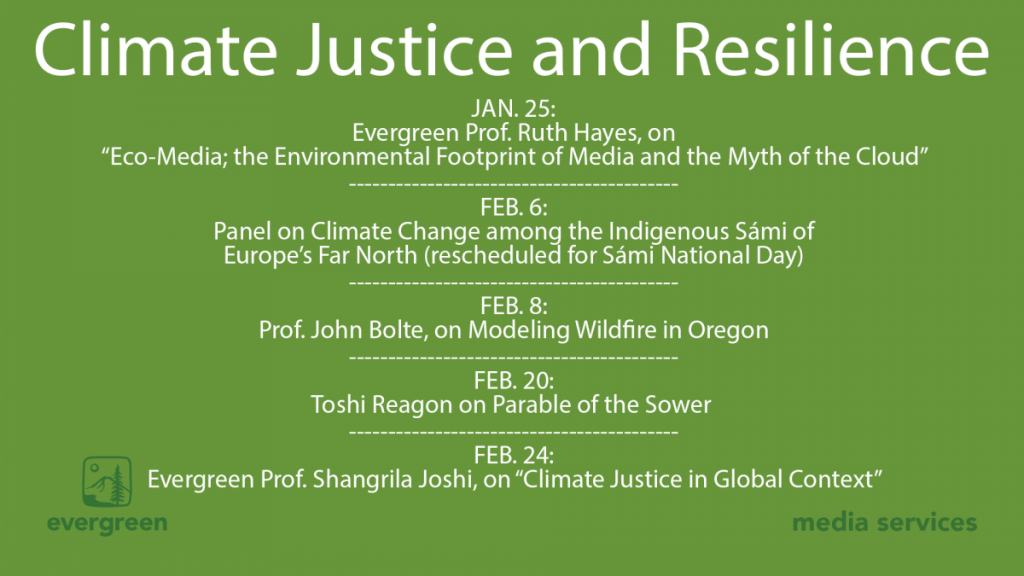
#4g: Climate and Resilience Event Series/Seminar
Click here for the link to the winter quarter Climate Justice and Resilience Event Series with details:
#4h: Foodoir: Your Story of Tasting Place
Here’s where you write (draw, cook, scan, photograph, document) your engagement with the foodoir of your choice. Always begin by providing 1-3 sentences of a key quote from your foodoir (with author, title, page #) that you’ll be responding to by creating your own story of taste and place. Create a reading schedule week one in order to read approx. 1/9 of the book each week. Choose your foodoir from list provided on the TM syllabus. If you’re new to TM winter quarter another option is to read the fall TM foodoir, Michael Twitty’s The Cooking Gene following the prompts provided on the fall quarter website. SW will be providing a prompt from the TM list of possible foodoirs and as time allows a multi-week shallow but focused dive into Harold McGee’s Nose Dive, which students can choose to juxtapose with their foodoir quote, or not. Nose Divelocates the human sense of taste in relation to the evolution of plant earth. It also provides a blueprint for doing taste research, beginning and ending with McGee’s story of tasting grouse. All students will be supported to develop your own independent research projects for 4-12 credits during the spring quarter, or sooner as your interests take shape.
“Proust’s orange [madeleine] encouraged me to see my taste of grouse as an invitation to consider its mysteries. It was a call to stop and think and learn, to ask, Why did that bird have such a strong and distinctive flavor?”
HAROLD MCGEE, NOSE DIVE (P XIV)
NEW FOODOIR OPTION FOR #4: Use the hypothes.is loaded file from Nose Dive available under the week 7 module, Wed AM Tasting Research component, to respond to the 7 prompts SW has placed in the text using hypothes.is. I really really look forward to reading your annotations! This option can replace or supplement your week 7 foodoir work.
As you read your chosen author’s story of her/his/their identity as an eater, consider your own story of self, food, and place.
- In what ways does (and doesn’t) your chosen author’s writing provide a blueprint for yours?
- What do you choose to eat and why? Who cooked you and who cooked for you?
- How has that cooking—and its history–shaped your taste preferences and experiences?
- As you experiment with crafting words to communicate your taste experiences be sure to include that process in your story: what characterizes your experience of the relationship between your mouth as an organ of ingestion and an organ of disgestion?
- How do your hands relate to your mouth and to your keyboard?
- Where, when, and how is your thinking embodied?
The final part of your Tasting Lab post each week should include writing toward your own foodoir. Ground/anchor your writing in relation to a specific quote (or series of quotes) from each week’s sequential chapters from your choice of a foodoir.
Like his book, Twitty’s WordPress website, Afroculinaria, is award-winning. Does the author of your foodoir also have a website or use other social media? What about the foodoir and social media inspire you?
Suggested Length: 100-200 words.
#4i: Bibliography
You are required to learn and use a standard reference style such as APA or MLA as demonstrated here at the Online Writing Lab (OWL).
Leave a Reply