If I had more time I would have dove father into specific recipes that are related to certain holidays and festivals the Finnish celebrate, and why these holidays and festivals came to be.
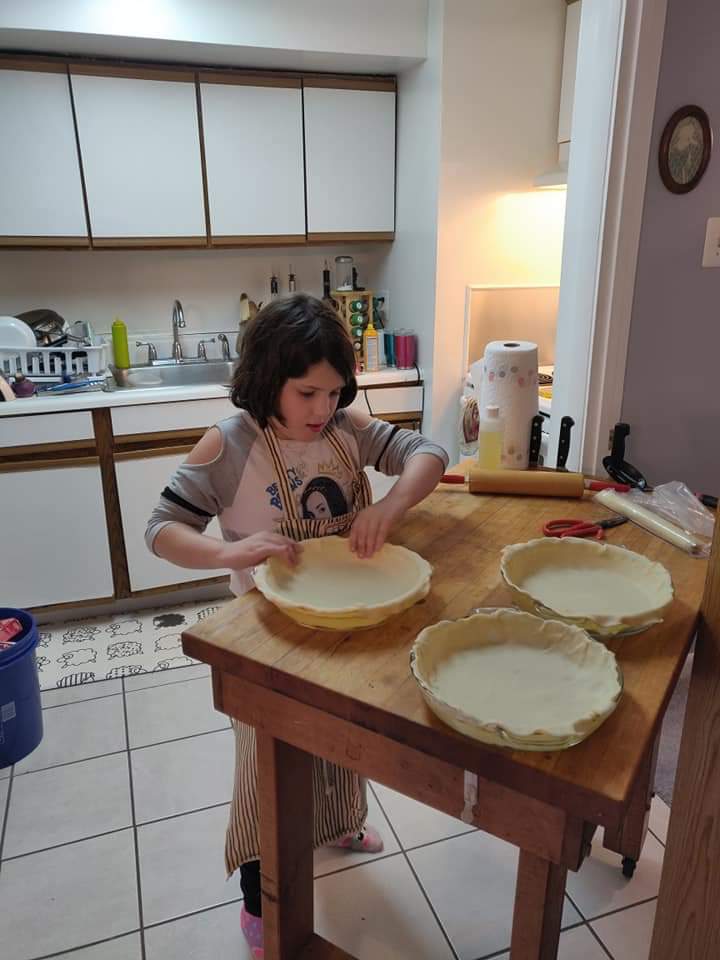
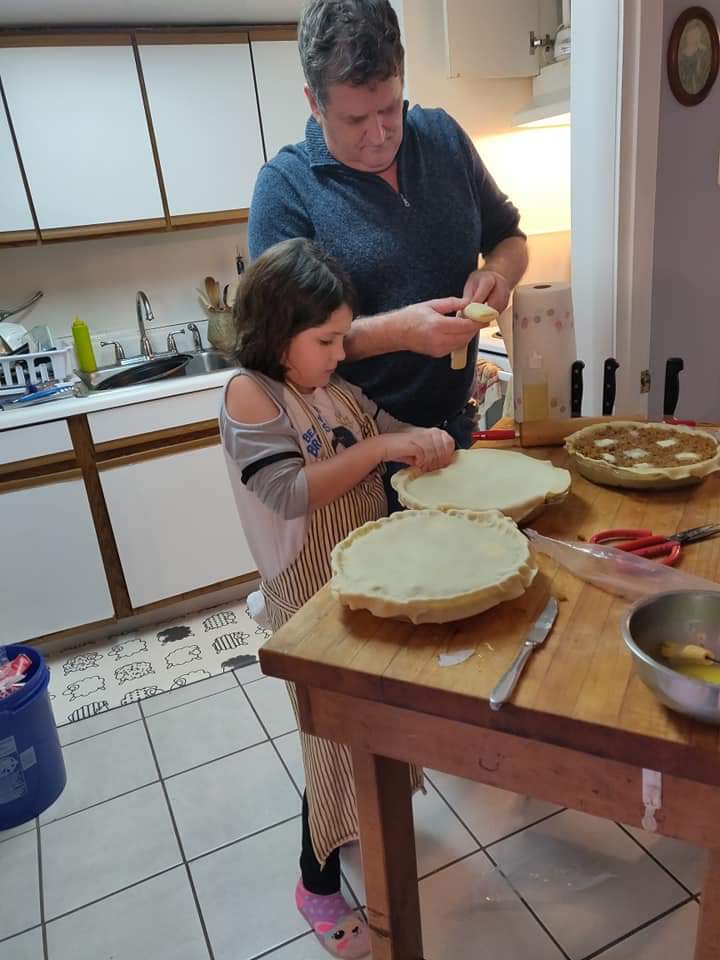
I also would have dug farther into my family recipes, if I had the time. Since many Finnish did not write down their recipes and just passed them down through generation to generation, some things have been lost down the road. Some family members have some recipes, while others have been taught the recipes. As my family has lost a majority of the later generation it is now hard to come across known family recipies. My uncle was kind enough to write up a recipe for me, and my young cousin who loves cooking with Grandpa, for pasty, that my Grandmother and Great Uncle had taught him to cook. If I had had the time, cooking pasty would have been my next dish on my list to make.
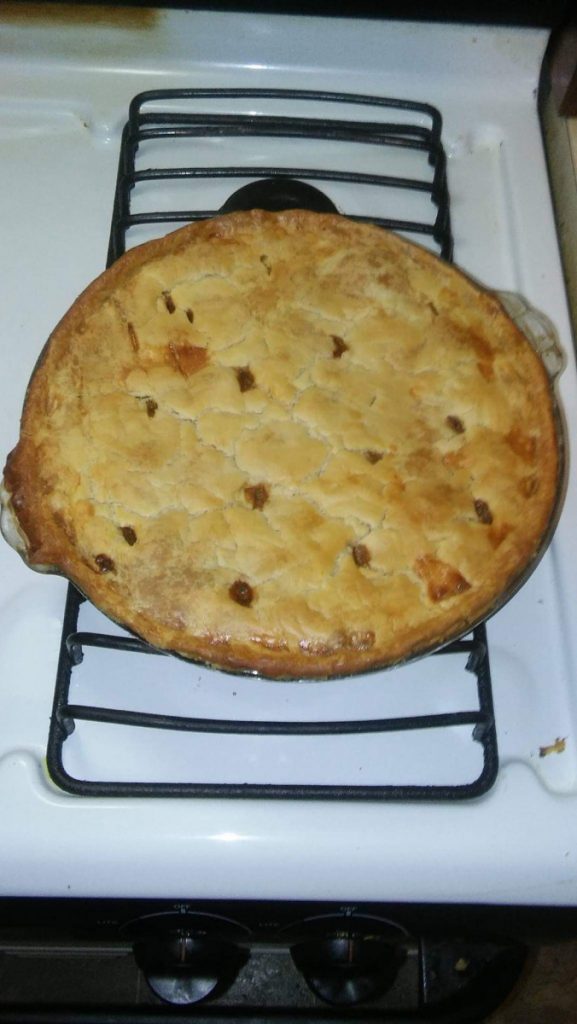
Pasty
By: Gordon Dingman
Smells like coming home.
This dish is probably one of my first food memories. I remember whenever we went to visit my grandparents (the Mattila side) up in Ely MN one of the first meals would be Pasty. There would also always be Bisket men (recipe will have to come from someone else) waiting for us. My mother often told us that when she was growing up her mother and some of the other wives would make pasties in their traditional folded over form. These were wrapped in paper, put in a pail, then delivered by my mother and her friends to their fathers working the open pit mines on the Iron Range.
As the years went by and I grew older there always seemed to be Pasty there when family would congregate at my parents’ house.
Ingredients – a brief history.
- My uncle Gordie inadvertently taught us all the importance of using only lean cuts of beef. Uncle Gordie was a quasi-vegetarian, which means as long as aunt Jill was with him, he was vegetarian. When she was not with him, it was bring on the meat. On one particular trip where my uncle was flying solo, he and I went out to buy meat for Pasty. He convinced me to buy the fattiest chuck roast we could fine since “fat is where the flavor is”. Let me just say that, several hours after the Pasty had been consumed, there was a high demand for the bathrooms.
- My mother never put pork in her Pasty. When her nephew, my cousin Nick, and his wife Paula came to visit the recipe changed for me. My mother was making Pasty while they watched and when she only added beef they both asked why no pork. Mother said Pasty has no pork to which Paula said that when you buy Pasty meat prepackaged in Ely it always has a combination of the two. My mother seemed surprised but from then on, her pasty still stayed pork free.
Over the years, I have taken over as the family Pasty maker and pork has been part of the recipe since I like the flavor. This has not been without controversy since some members of our family like the addition of the pork and others do not since it is not “how grandma made it”.
- The recipe my mother used when I was growing up did not have parsnips or turnips in them but back in the days before produce was picked and then shipped before it was ripe, rutabagas’ had a much better flavor. I have found that adding the turnips and parsnips helps bring back the flavor I remember. Just to clarify I had started to do this before my parents passed away and they both approved of the additions.
- The first few times I made pasty, I was determined to make it the way my grandmother and mother did. This meant chopping and slicing all the ingredients by hand. When I bought my first good food processor that came to a halt. I still slice the meat by hand but about 75% of the other ingredients I put in the processor and give it a rough chop, (a blender will not work unless you want to make pasty soup). The other 25% of the ingredients I still hand chop to give the pasty some texture.
- Hint; I would recommend a very sharp knife.
Ingredients – this should make two pies.
- 1 ½ lbs. lean beef (top or bottom round roast)
- ½ lb. pork
- Russet (baking) potatoes
- 2 large carrots
- 2 medium sized onion (Vidalia or Spanish)
- 1 softball sized Rutabaga
- 2 small turnips
- 1 parsnip
- Garlic powder to taste (start with a couple of teaspoons and add more during the cooking process if you think it needs it.
- Salt and pepper to taste
- Pie crust
- 1 stick butter
- 1 egg
Condiments
- Dill pickles
- Gherkin (sweet) pickles
- Pickled Beets.
Directions; Pasty mix
- Slice the meat into ¼-inch cubes and then brown in a pan in small patches. Transfer each batch into a crock-pot.
- In a food processor rough chop the onion, parsnip, turnip and add to the crock-pot.
- In a food processor, rough chop about 75% of the rutabaga, carrots and potatoes. Add to the crock-pot.
- Slice into ¼-inch cubes the remaining carrot, rutabaga and potatoes. Add to crock-pot.
- Add garlic powder, salt and pepper.
- Cook low and slow for 2-3 hours stirring occasionally and tasting it occasionally to see if it needs more seasoning. This is the hard part of making pasty in that you need the right consistency, which just comes with practice. After about two hours, start checking the consistency. There should be some sign of liquid in the pasty mix. If you push the top of the mix and liquid forms around the spoon, let the pasty keep cooking without the lid to get rid of some of the liquid. If the mix looks dry add some beef stock or bouillon and let it cook for a while.
- At this point, take a small spoonful of the pasty and see if the meat and veggies are cooked/soft. If they are, start filling.
Directions; filling the pies.
- Preheat the oven to 325 degrees.
- Lightly grease the bottom of the pie plates. I use deep-dish pie plates but it does not really matter.
- Place one piecrust in the bottom of the dish and spoon filling in until the plate is almost completely full.
- Slice the stick of butter into slices and place intermittently around the surface of the pasty mix. Do not skip this step.
- Place another piecrust on top of the mix and use grandmas’ finger pinch technique to seal the crust. If you feel a chill down your spine, you know grandma is watching and does not approve of your technique.
- Crack the egg into a bowl and whisk it.
- Using a pastry brush apply the egg wash to the top crust.
- Pierce the top crust in several places to let the steam escape.
- Place in the oven and bake for about one hour until the crust browns and the filling starts to bubble.
- Remove from the oven and let stand for about 10-15 minutes.
- Slice and serve. Just remember, it is impossible to get that first slice out cleanly. And don’t forget to put some butter on top of your slice before you mash it up.
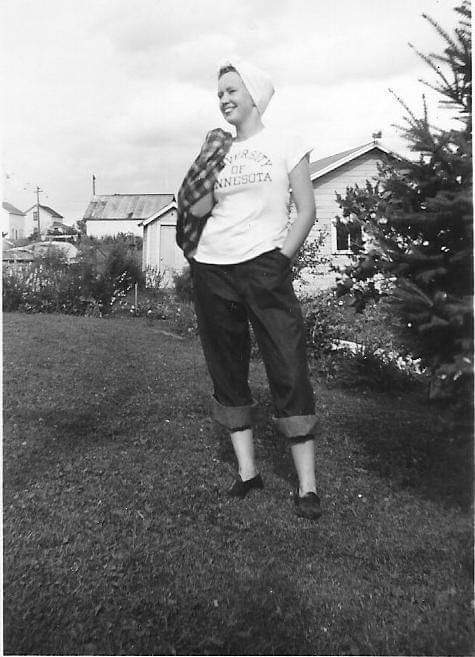
Grandma Virginia 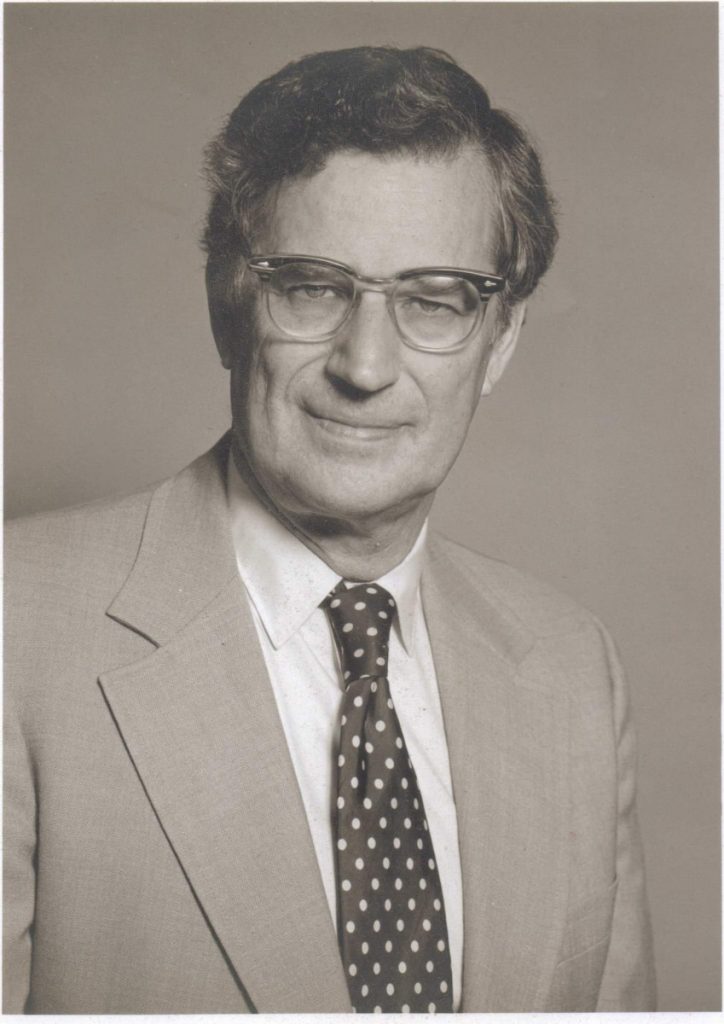
Grandpa Robert 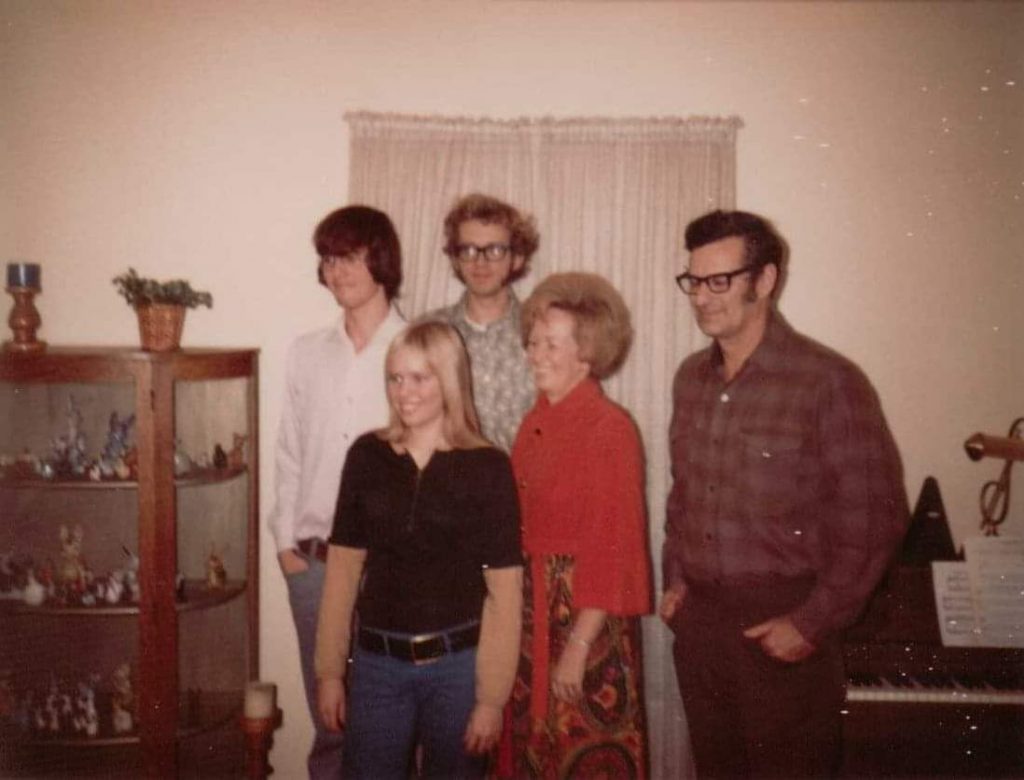
Uncle Gordy, Dad Jim, Aunt Marj, G&G 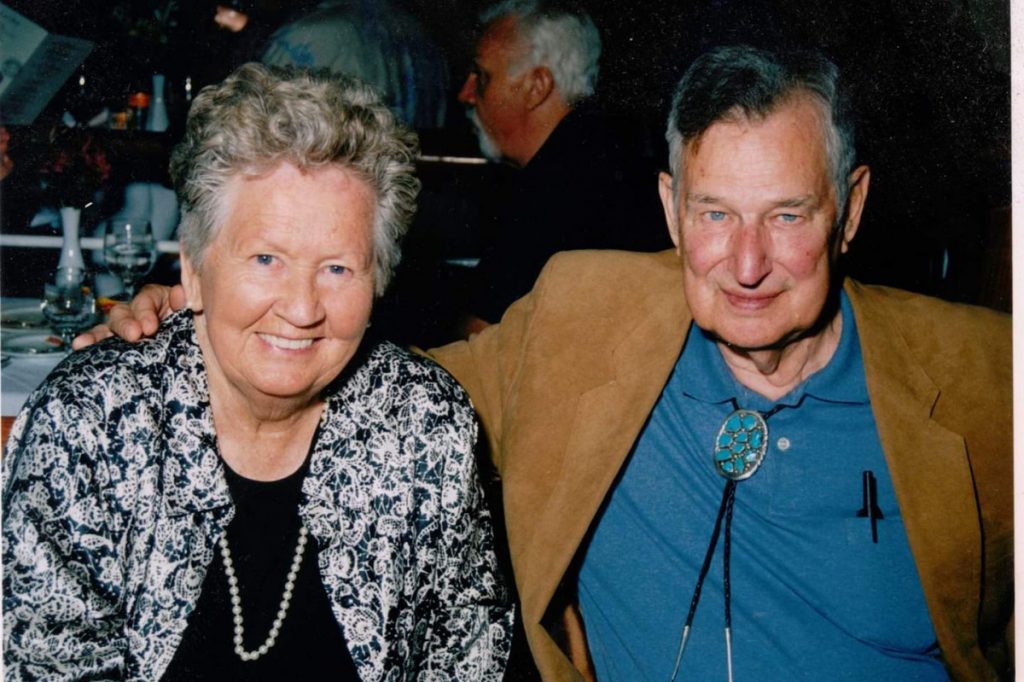
G&G 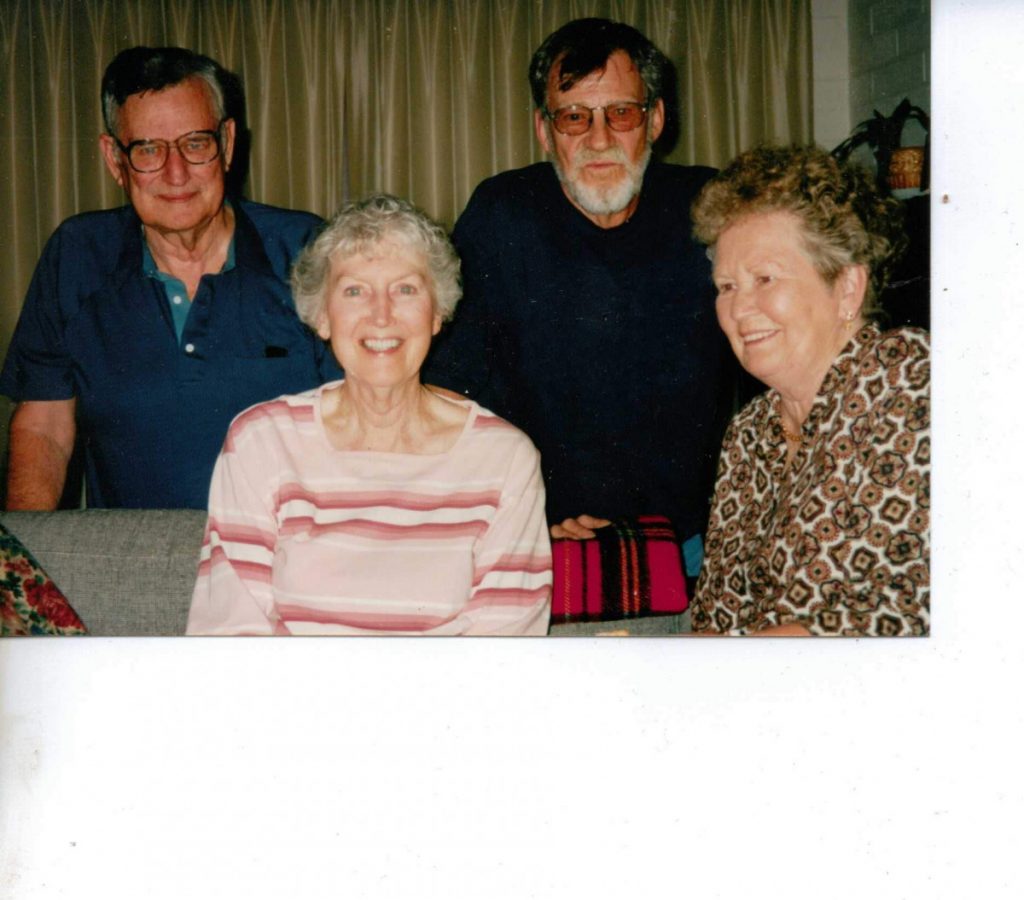
Grandpa, Great Uncle Gordy, Great Aunt Jean, Grandma
This family has taught me so much in the world of cooking and baking. They have given me a passion and love for food and wine. Though I have lost them, they still live through me in my cooking and baking along with me eagerness to search and explore the world.
Photos courtesy of Gordon Dingman