Rye Bread – Ruisleipä
I found this unsoured Finnish rye bread recipe in The Great Scandinavian Baking Book by Beatrice Ojakangas, on page 18.
I first started off by making my yeast mixture of sugar, warm water, and active rising yeast and let that rise for a little bit.
I then mixed together salt, melted butter, rye flour, and yeast until it was smooth. I slowly started to add all-purpose flour until I got a stiff dough.
Next I kneaded my dough on a floured surface until it was smooth and not sticky. I then rolled the dough around in my greased bread bowl, covered it, and let it rise.
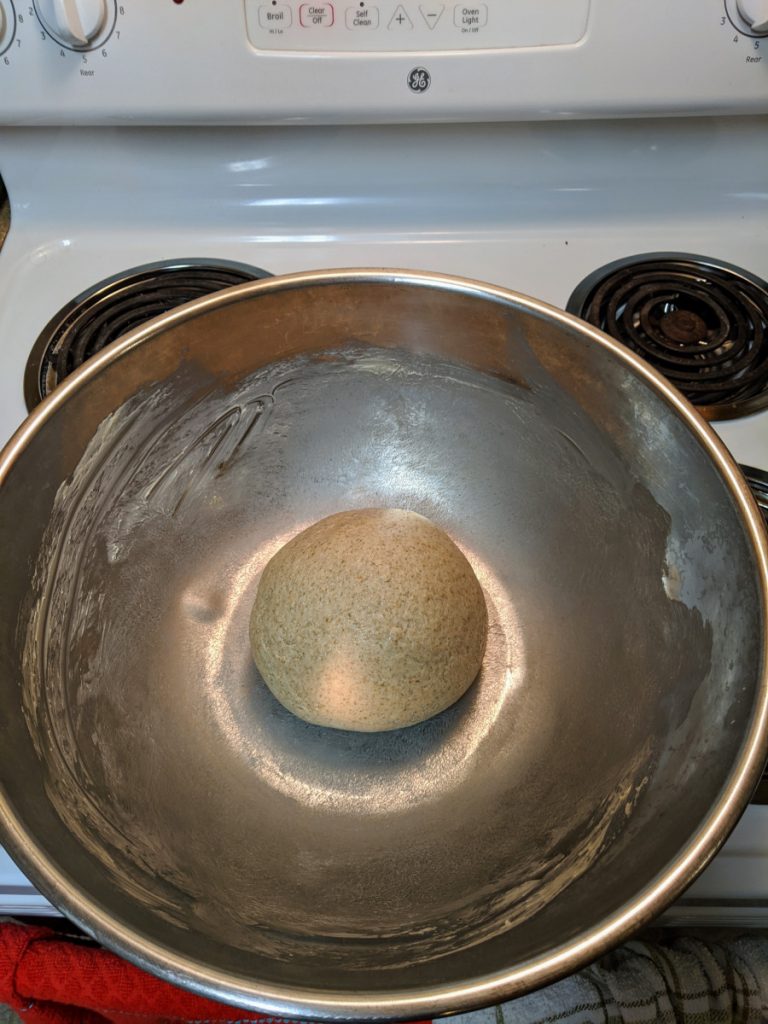
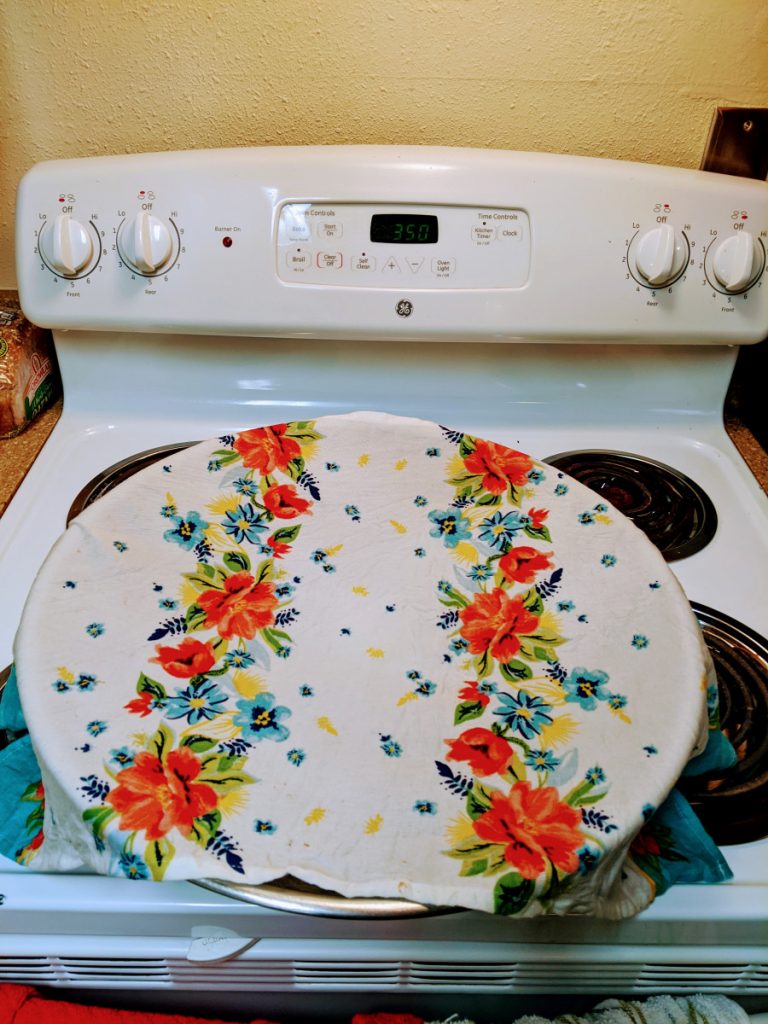
After the dough had doubled in size I divided the dough in half and created a round loaf and a flatter loaf with a hole in the middle. I then let those rise for about thirty minutes. Before I placed the bread in the oven I stabbed the loafs with a fork all over the place and then brushed them with water.
Right when the loafs came out of the oven, still piping hot, I brushed them with melted butter.
I served the traditional flat loaf with the hole in the center to my class. The bread was gobbled up very fast and I had several people asking for the recipe.
Sometime around 1065 (first written notations) rye became a domesticated crop in Finland. The rye plants adaptability to harsh weather and poor soil, along with its short ripening made it a great crop for the Finns. This in turn made it a staple crop of Finland and a staple to their cuisine.
The Finnish had a God specifically for rye called Rukiin Jumala.
Finnish rye bread is much different from other rye breads found around the world. Finnish rye bread is much lighter and definitely not as sweet.
In western Finland many breads, specially soured rye breads, are made with a hole in the middle of the bread. This is so the bread can be hung on a pole that is located just below the ceiling in the kitchen. This not only is a great storage idea, it also keeps pests, such as mice, away from the bread. This traditional soured rye bread was usually only made twice a year, once in spring and once in fall. Since hundreds of loafs of bread were made at once, this hole in the center made it so the loafs could be easily stored and aged. Since many Finnish people are very fond of the traditional shape it is very easy to find bread with a hole in the center when out shopping, along with that many people still make their own bread this way today.
Finnish Pancakes – Lattyja
These pancakes are very similar to a crepe as they are unleavened.
For these pancakes I found a recipe in Homemade: Finnish Rye, Feed Sack Fashion, and Other Simple Ingredients From My Life in Food by Beatrice Ojakangas, found on page 34.
I started by whisking together eggs, sugar, and salt. I then added buttermilk, butter, and flour and whisked till smooth. This recipe says to let the batter sit for one hour before cooking your pancakes; it also says that you can let the batter sit over night, which is what I did.
The next day I brought the batter into class and made Finnish pancakes for the whole class. I had one batch of batter that was the regular recipe and another batch of batter that I had added cinnamon, nutmeg, and cardamon too.
These pancakes can be served for breakfast with syrup or jam and also for dessert with berries and whipped cream.
I personally could not have had enough of these pancakes and wanted to cook many more.
Photos by: Valerie Dingman