Food Lab with CTA Stephen Garfield
Navy Bean Puree, Pork Chops, Sauteed Kale & The “First Plate”
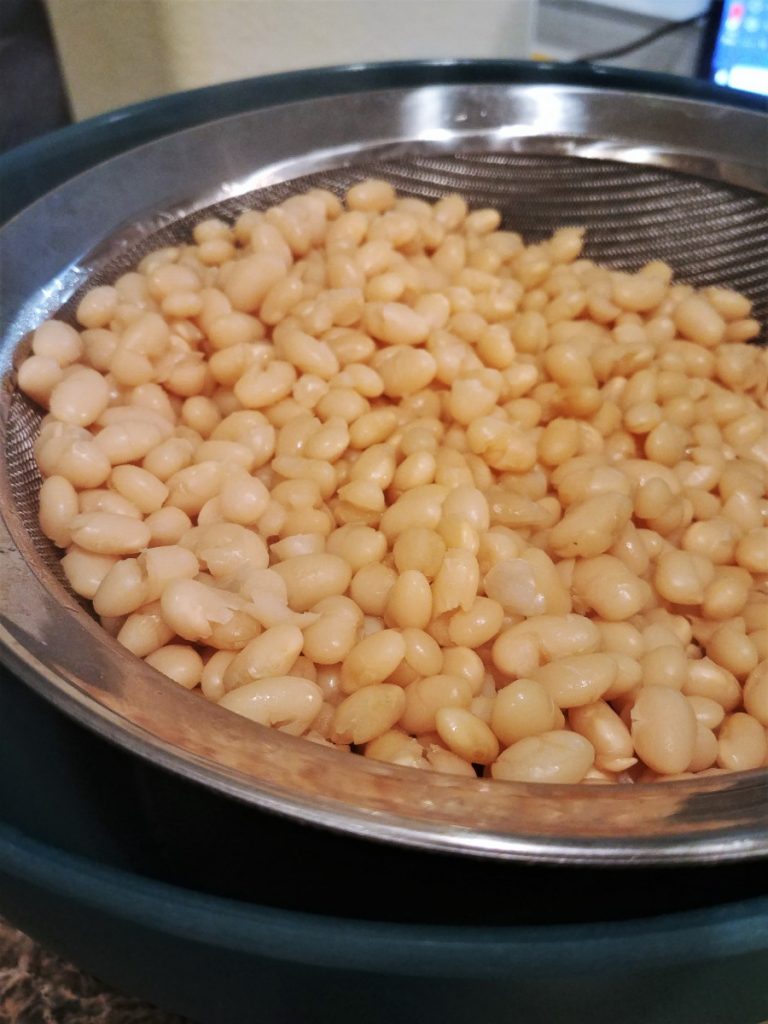
This week, I thought I could take a slightly more relaxed approach to the lab, so what you’ll see is basically just me sharing a normal dinner-making process with you all.
As this week’s memoir is in some ways a return to week three, I decided to return to both the question of “eating well,” as well as to our old friend: beans.
In week three, we went over some of the main ways people consider eating well: eating your fill, eating for your health, and eating as recreation (in a word, snacking!). For week five, I decided to approach the question of eating well from a slightly different angle.
What has eating well meant in the past, here in America? More specifically, what did we consider a solid dinner?
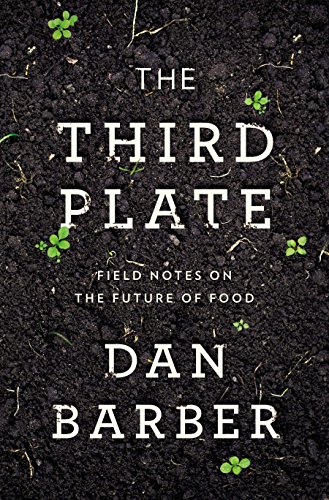
As renowned farm-to-table chef Dan Barber notes in the introduction to his 2014 book The Third Plate,
“How do we eat? Mostly with a heavy hand. For a long time, the prototypical American meal has featured a choice cut–like a seven-ounce steak or a boneless, skinless chicken breast or a fillet of salmon–and a small side of vegetables and grains.”
THE THIRD PLATE, PP. 11-12
Speaking of choice cuts, if we turn a couple pages after the week three Kurlansky reading, we see him point to Angelo Pellegrini’s description of his eating experience upon arriving in America as a poor Italian immigrant: “I found, first of all, the meaning, the consumable, edible meaning, of a simple word, lost in the dictionary among thousands of others–the meaning of the word abundance.” (Choice Cuts, 415)
The next entry in Kurlansky’s collection, from Joseph Wechsberg, describes the task of cooking for the barbaric tastes of Americans: “[Americans] want grillades–steak, sirloin, châteaubriant, lamb chops. Their doctors have told them that grilled red meat is healthy for them. Allez, allez! There is more to cooking than steaks. Here we are trying our best and they complain!” (Choice Cuts, 420)
This basic equation for a meal was the expectation for most food-secure Americans during the 20th century. It’s what I grew up on at home, spending many of my teenage dinners chewing through well-done hunks of meat, boiled potatoes, and frozen vegetables reheated in the microwave.
Dan Barber imagines that we can think of the evolution of Americans’ expectations for a meal as a progression from plate to plate. The prototypical meal described above would be “the first plate.” He says that for the most part, we as eaters have moved on from that expectation, that we are now living in a world where we expect the “second plate,” in which we know where the ingredients were grown, and generally have a more conscientious approach to eating. The “third plate” would represent the future of responsible eating.
Which leads us nicely into my food lab response prompts for this week:
- What do your plates look like? What did you grow up expecting for dinner?
- Do you have the same expectations now? What has changed?
- Do you think your expectations will continue to change?
I don’t expect you all to cook what I’ve made this week, as it isn’t out of Heirloom Kitchen, but I’ll list the ingredients I used anyway, just in case:
Ingredients for Pork Chops:
2 pork loin chops, 6-7 ounces each
For the marinade:
1/4 cup extra-virgin olive oil
3 tbsp balsamic vinegar
1 tbsp soy sauce
3 garlic cloves, crushed
1/4 medium onion, sliced
1 tsp brown sugar
Ingredients for Navy Bean Puree
1 1/2 cups dried navy beans
2 bay leaves
3 small garlic cloves
1/2 cup extra-virgin olive oil
Ingredients for “Apple Relish”
3 small Red Delicious apples, peeled, cored, and chopped
3 tbsp butter
3 sprigs fresh thyme (1/2 tsp dried thyme)
1/2 tsp fresh ground black pepper
2 tsp kosher salt
Ingredients for Sauteed Kale
About 7 large Lacinato kale leaves, stemmed and chopped
1/2 medium yellow onion, julienned
2 tbsp extra-virgin olive oil
Salt and pepper to taste
Leave a Reply