
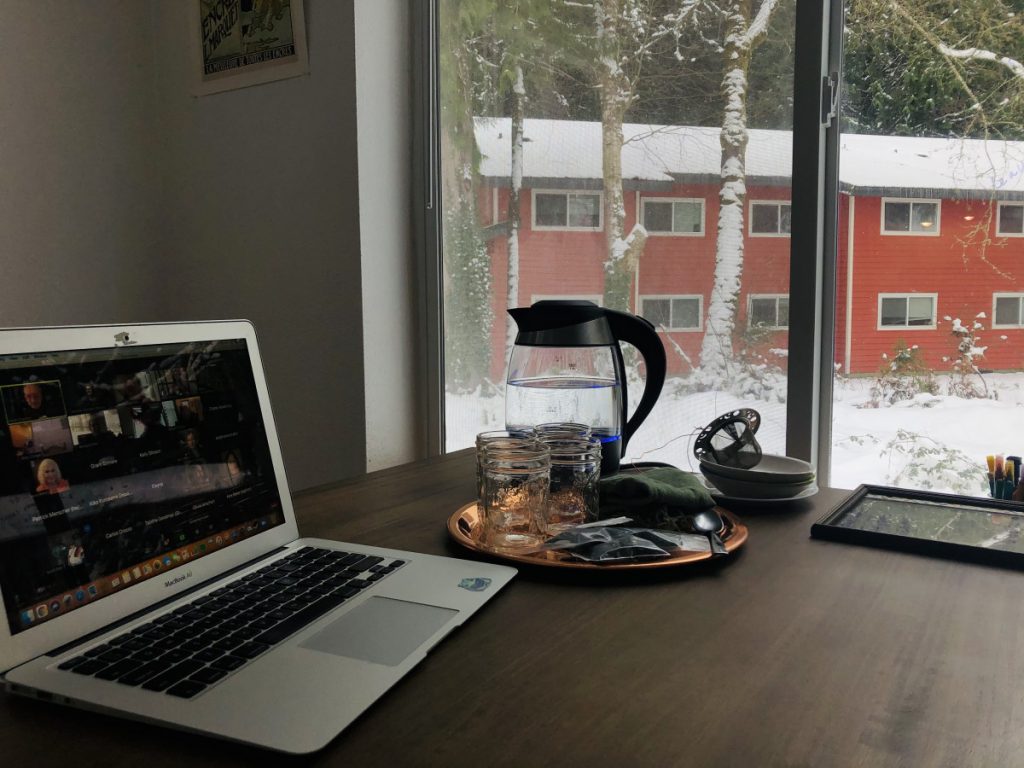
Dewey Meyer guided us through an oolong tea tasting to celebrate the Lunar new year. She discussed how this year is the year of the ox, which represents tenacity and hard work. I set up by the window and enjoyed a snow-covered view.
Tea ceremonies in china are big and small, and in Meyer’s experience, always very welcoming.
Today we tasted three kinds of Oolong. Oolong tea undergoes a more complicated process than most tea. It is aged through oxidation. All true “tea” comes from the species Camellia sinensis.
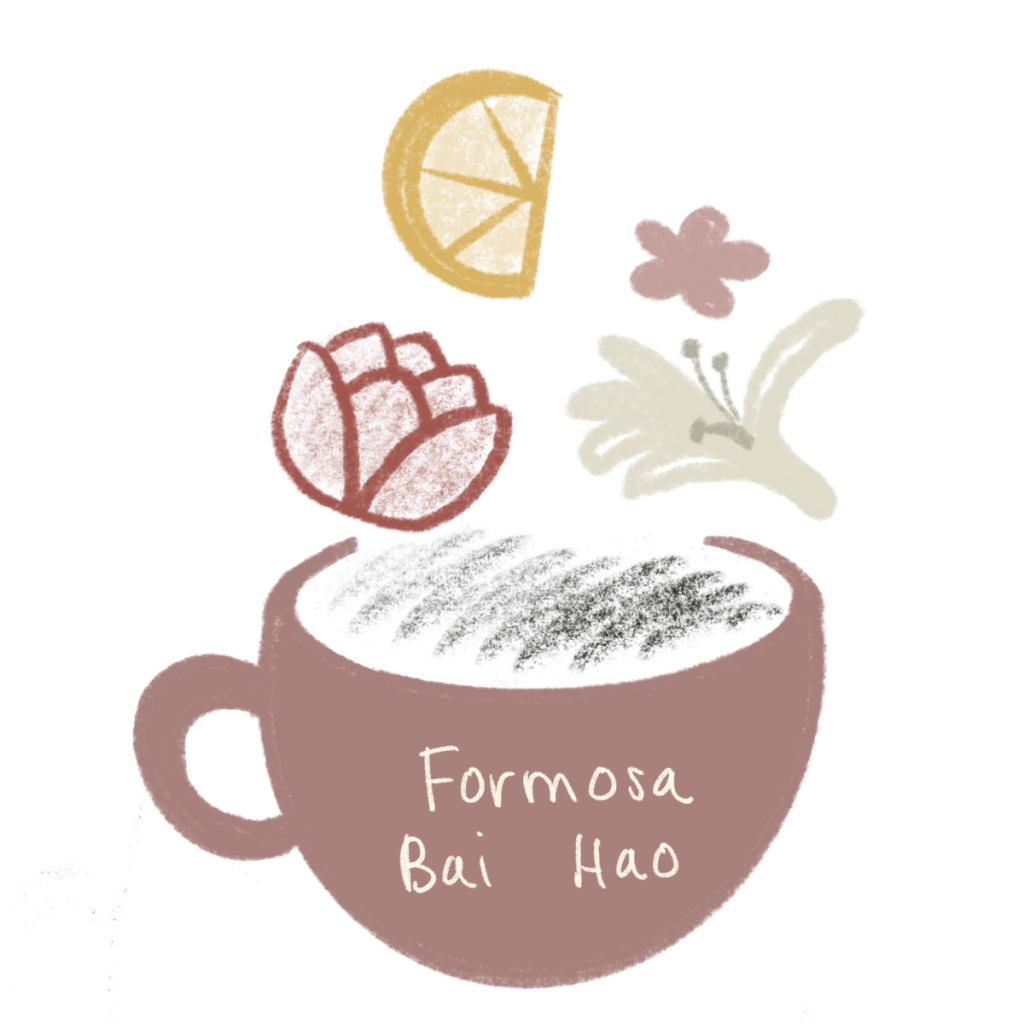
Formosa Bai Hao
- Aroma: lemon, rose, honeysuckle, cherry blossom
- Color: darker gold-green, like alfalfa
- Flavor: apricot, orange, straw, honey
- Body: thick
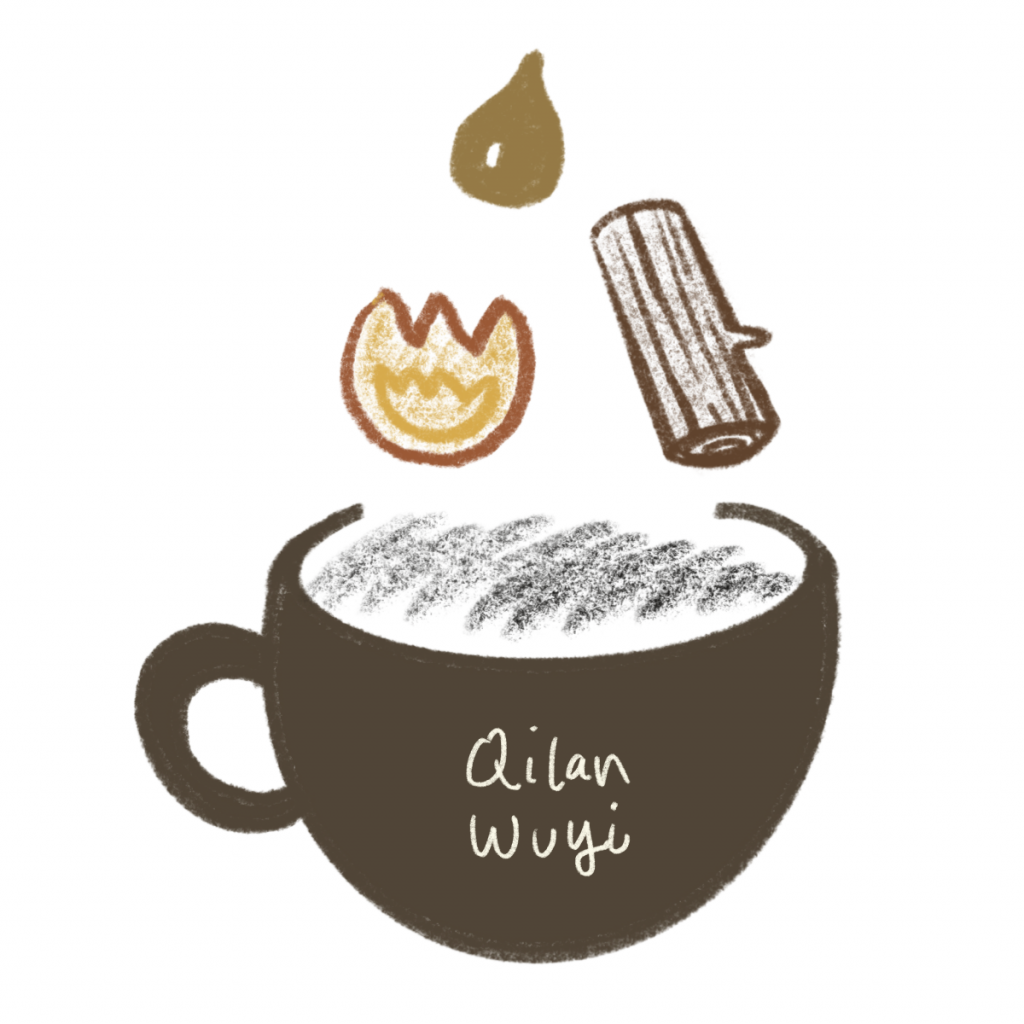
Northern Qilan Wuyi
- Aroma: toasty, caramel, burnt sugar
- Color: dark copper
- Flavor: bitter, wood, straw, honey
- Body: thick but astringent
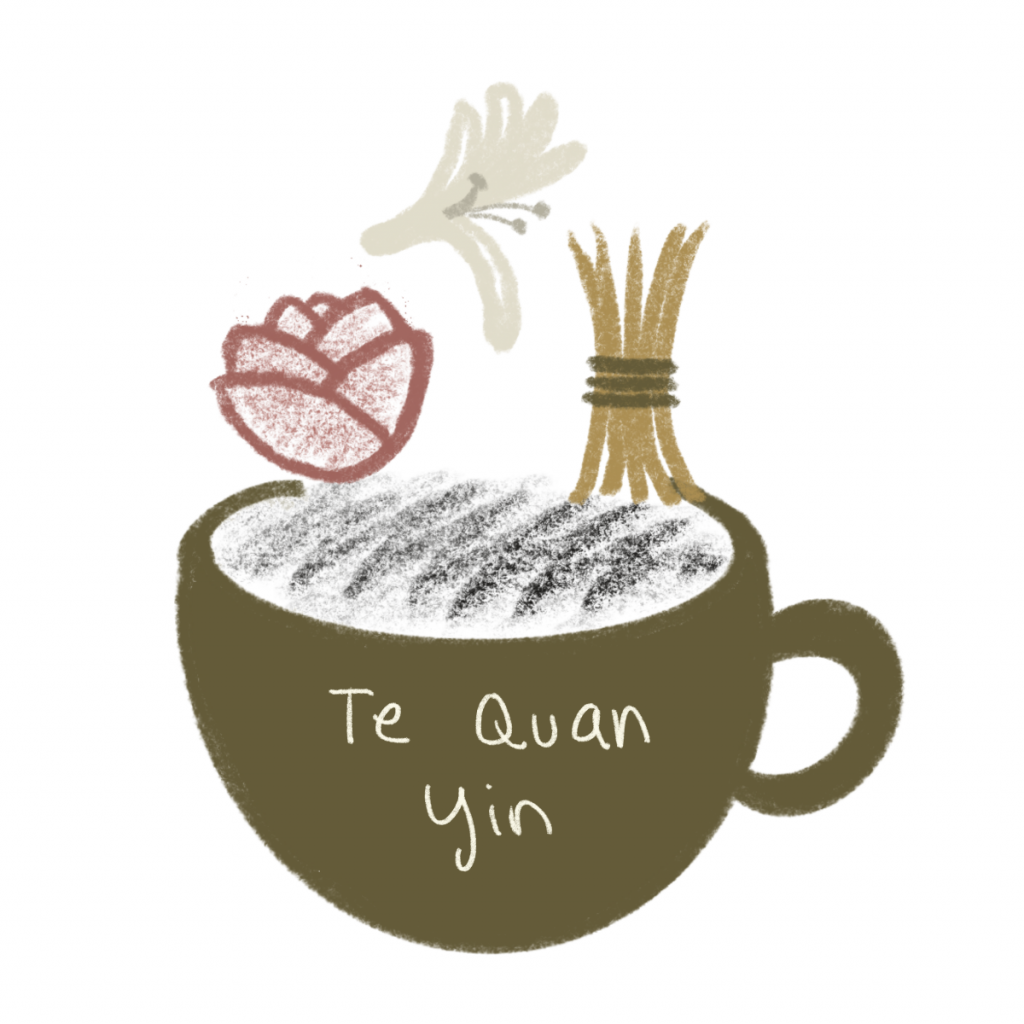
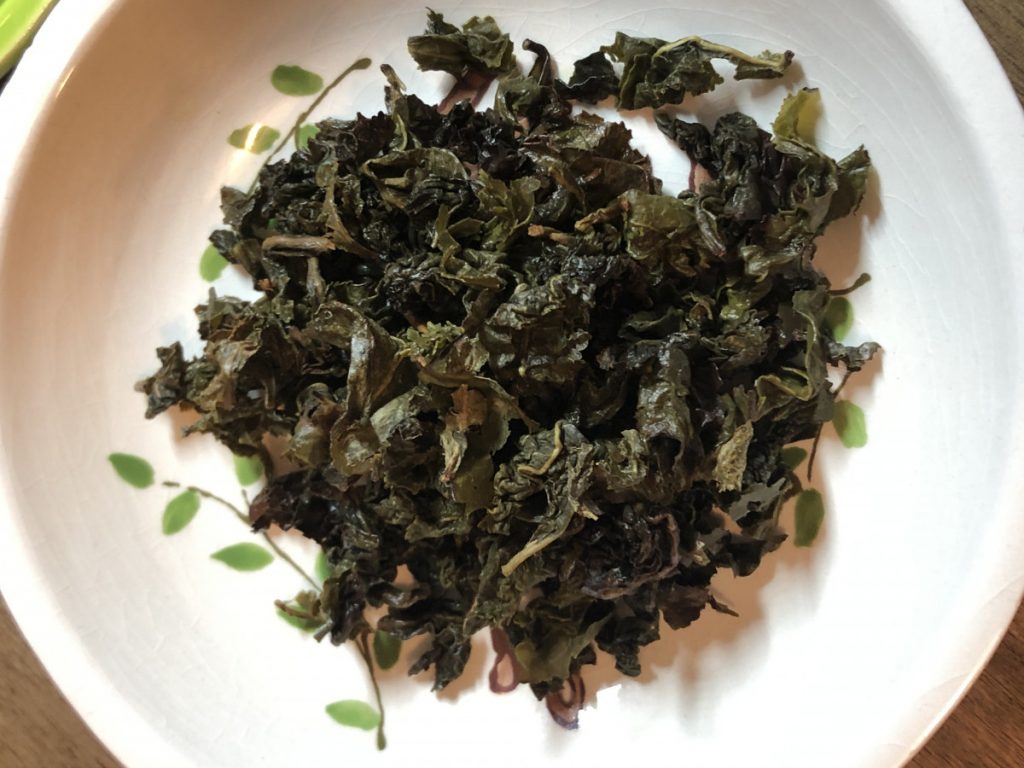
Southern Te Quan Yin
- Aroma: rose, honeysuckle, honey, and straw.
- Color: pale gold-green
- Flavor: grass, rose, honey, slightest bitter
- Body: thick
This tasting opened my eyes in a really unexpected way. For the first time, I noticed how floral and complex tea is. Without labeled and colorful boxes, I could appreciate the teas for how they really taste. Usually I drink tea to curb hunger, warm me up, or avoid coffee. From now on I’ll appreciate tea for what it is (and be chronically disappointed in commodity bagged teas).
All images credit to myself, Corinne Stewart, unless otherwise indicated.
Leave a Reply