
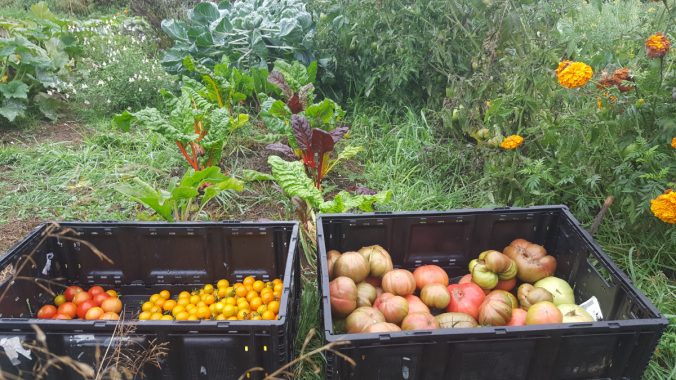
Tasting trials with students and faculty of the Terrior/Merior program – Fall 2020
We come together in an effort to look at regeneratively/organically grown vegetables from a wider lens, with an appreciation and respect to the complicated systems that are involved in the growth of plants. As farmers, students, teachers, and consumers, we have the awesome opportunity of connecting around the shared values of responsibly grown fruits and vegetables, as well as perpetuating the rich cultures that thrive anywhere food is appreciated.
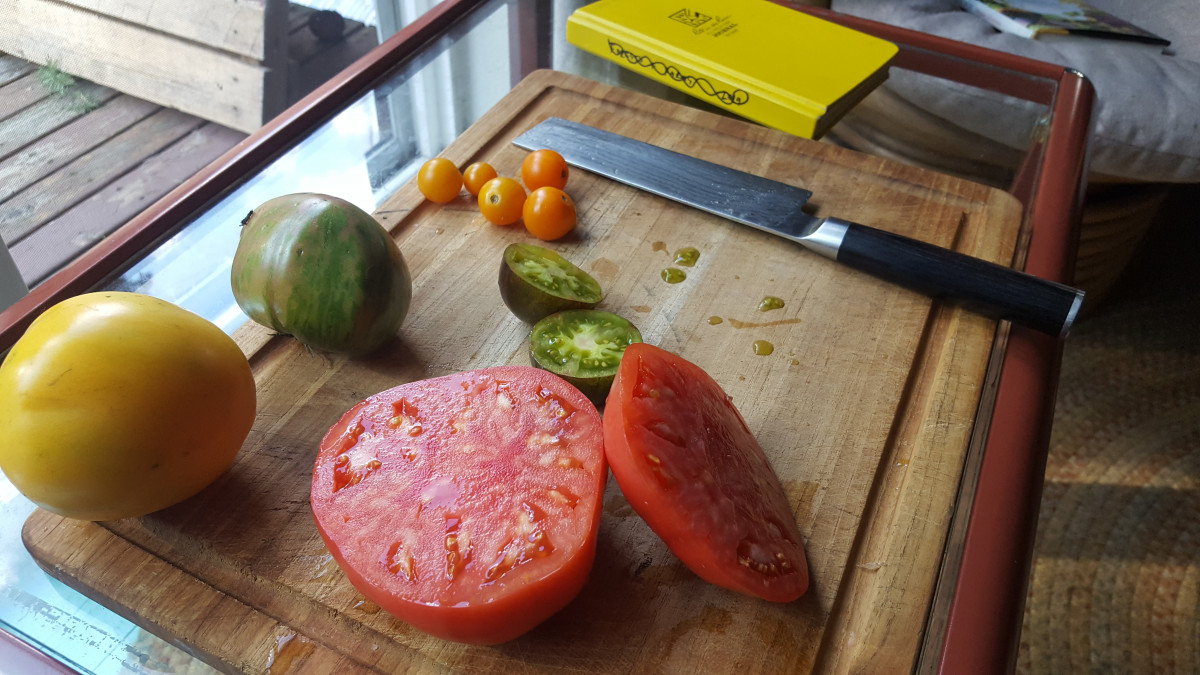
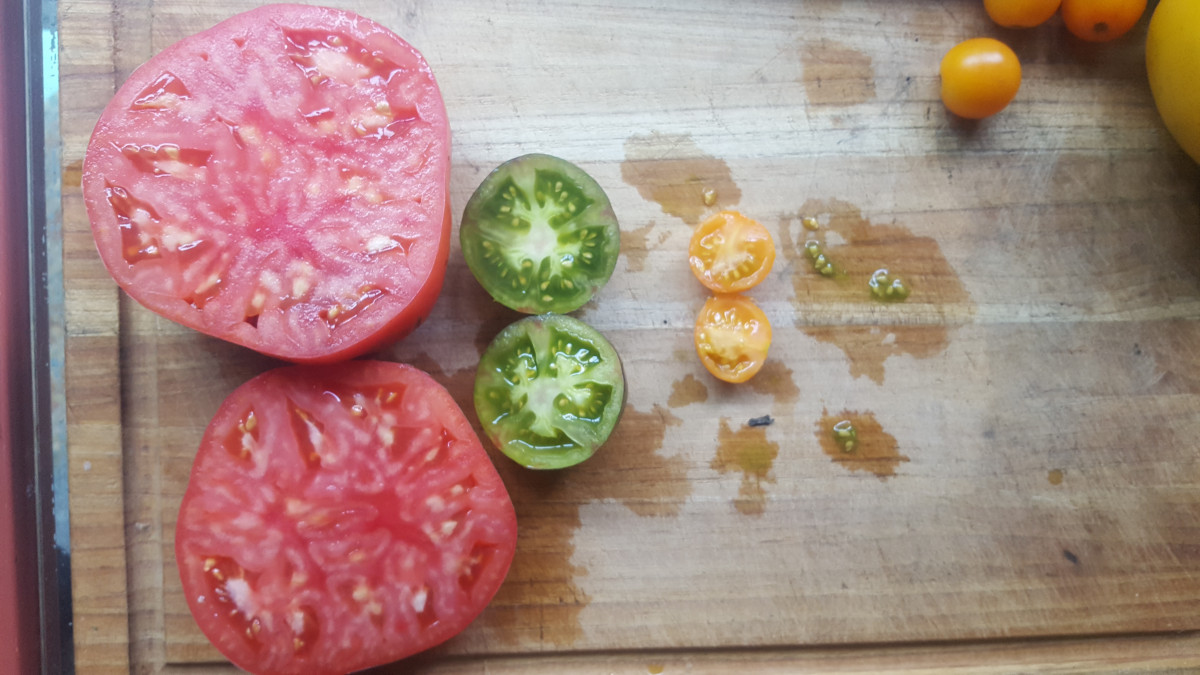
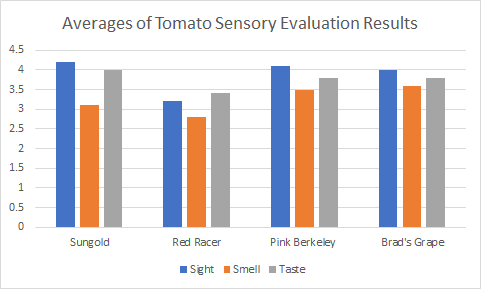
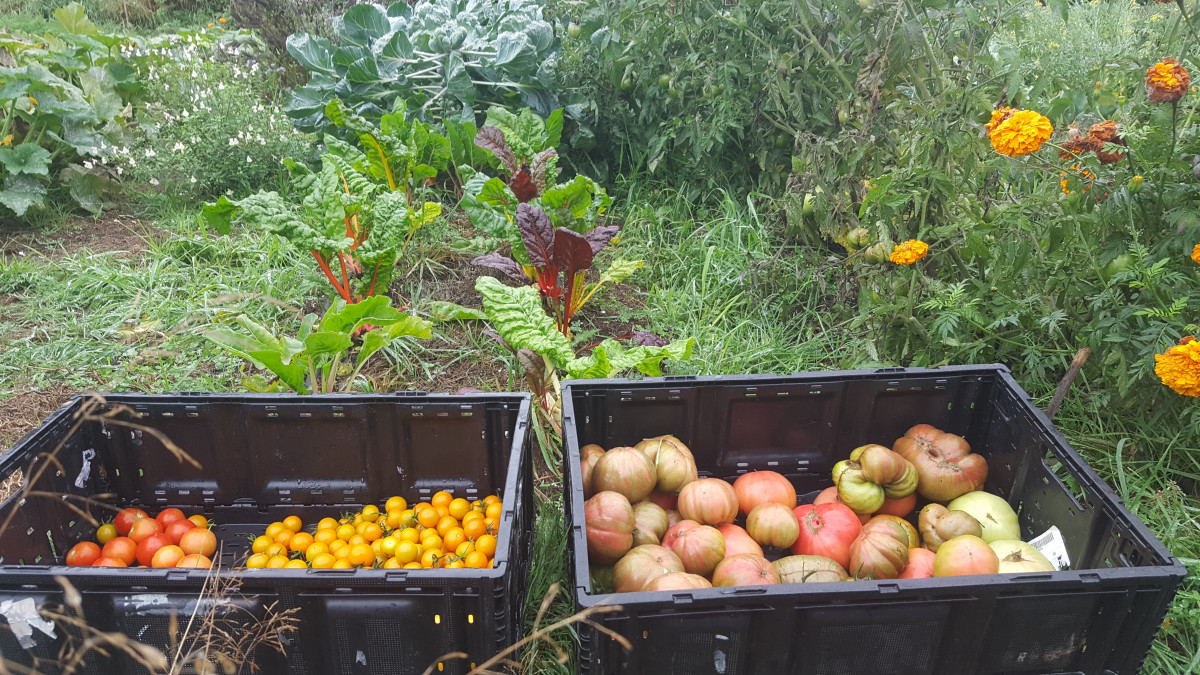
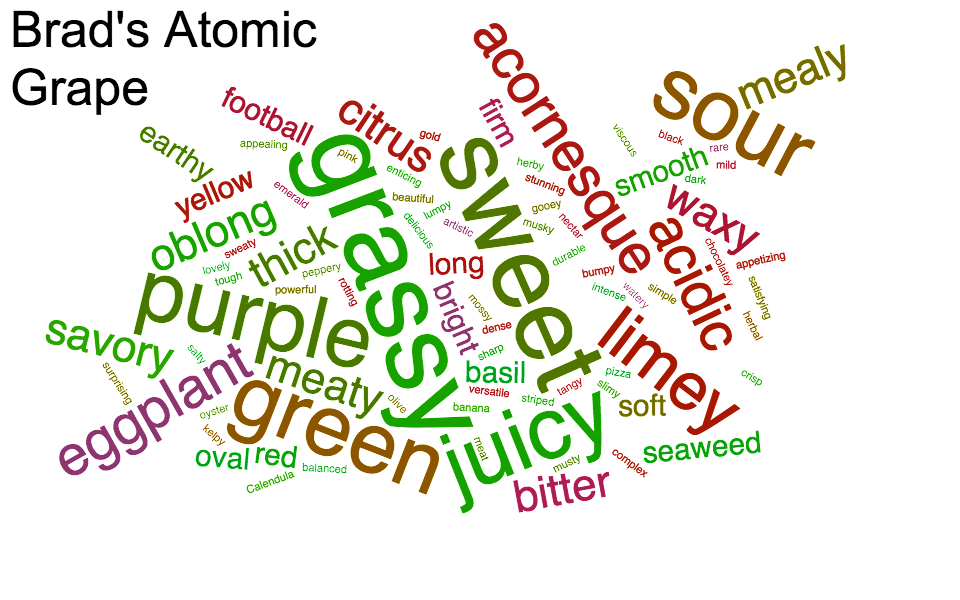
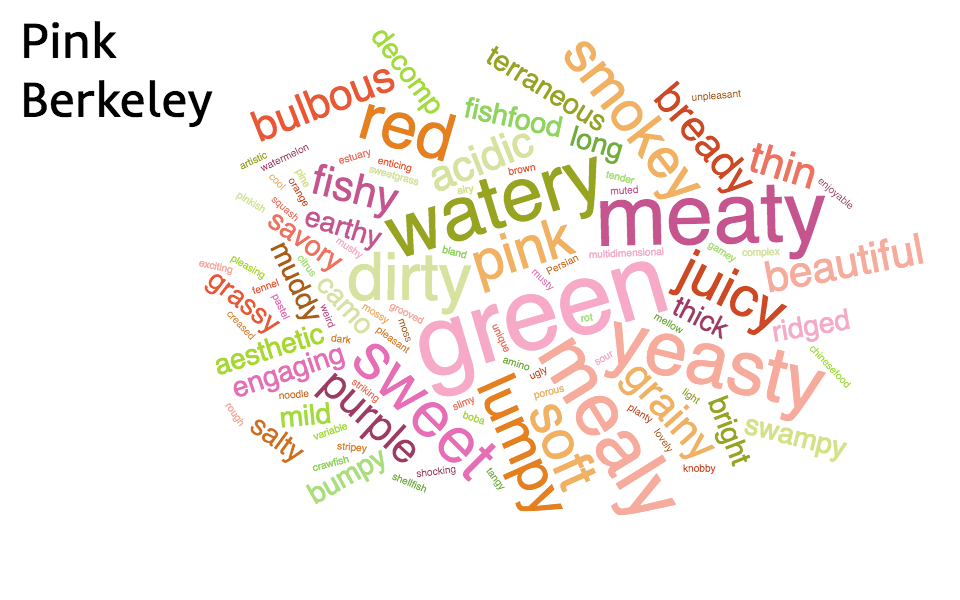
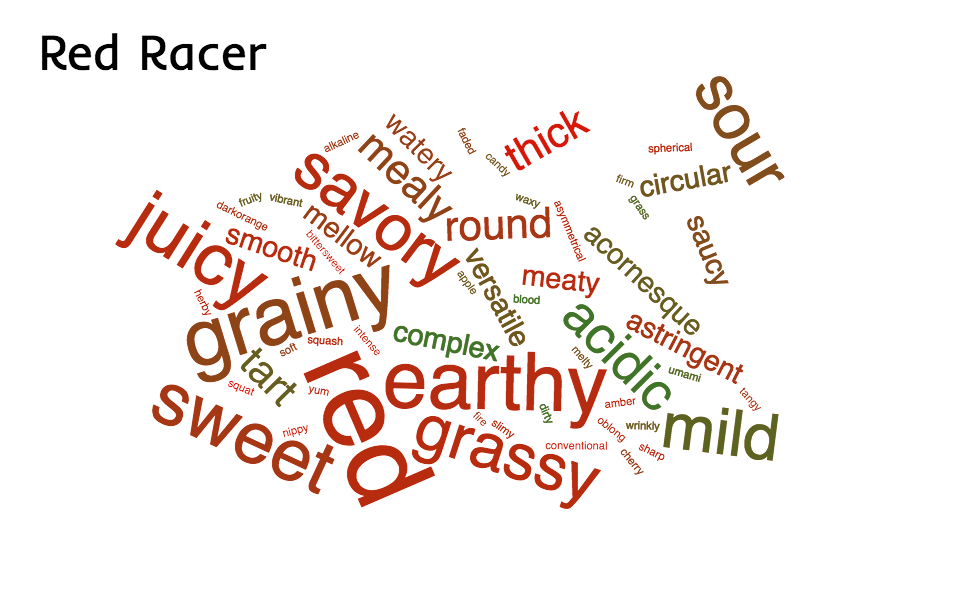
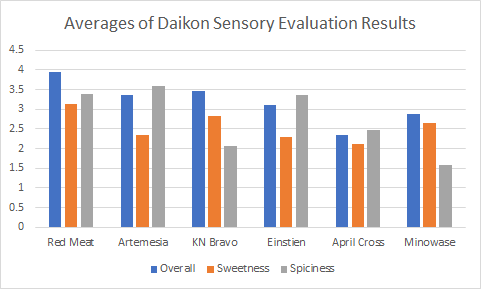
I was asked to host a few tasting trials with the Terrior/Merior program, taught by Dr. Prita Lal, Dr. Sarah Williams, and Dr. Steve Scheuerell. Our hope was to have 3 separate tasting trials that featured tomatoes, daikon radish and radicchio, in that order. In these tastings, the students and I would be taking detailed and creative notes on the differences of appearance, smell and taste of the varieties at hand; ratings would also be passed on by each student for the different sensory characteristics in order to catalog overall preferences by a group of individuals, giving us multiple data sets for each variety.
The tomatoes would come from my own personal farm business, and the daikon and radicchio would come from the field variety trial that I am managing on the Evergreen Organic Farm. The tomato tasting would happen week 2 of the Fall quarter, Daikon on week 3, and radicchio during week 8. During these times of remote learning, we had to come up with a safe solution for getting these fruits and vegetables to the students. We decided that a distanced pick up site for any student willing and able to come grab the tasting kits would be our best option, we decided to use the Evergreen Organic Farm’s parking lot as our meeting location. For students that were not able to make it to the pick up/distribution, alternatives to our vegetable varieties were given, and no student would be required to participate if they didn’t feel comfortable shopping for alternatives.
Tomato Evaluation: Week 2
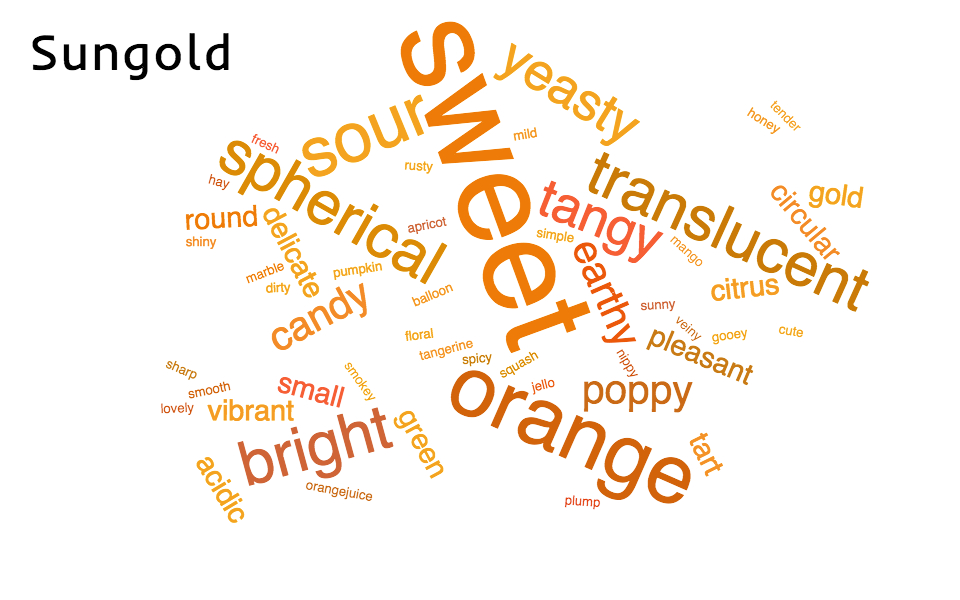
For this tasting trial I provided the students with 4 different varieties of tomato: Pink Berkeley Tie-Dye, Red Racer, Brad’s Atomic Grape and Sungold. I was thinking that having a diverse array of tomato-types would lend a rather clear distinction between the varieties as the we carried on with our evaluations – this would also squash any myths that say ‘all tomatoes are the same’. The Pink Berkeley being a large heirloom variety, Red Racer – a sauce tomato, Brad’s Atomic – a green/grape variety and Sungold – a classic sweet cherry tomato.
Before the sensory evaluation took place, I gave a short power point presentation on tomatoes as a whole that went into some detail about the different kinds of tomatoes and what a farmer may look for when choosing their varieties. In addition to the power point, I gave the students an evaluation matrix that would aid them in cataloging their thoughts and ratings of the various tomatoes. This matrix would also make it easy for me when collecting and recording the individual data. Copies of these are here:
Daikon Radish Evaluation: Week 3
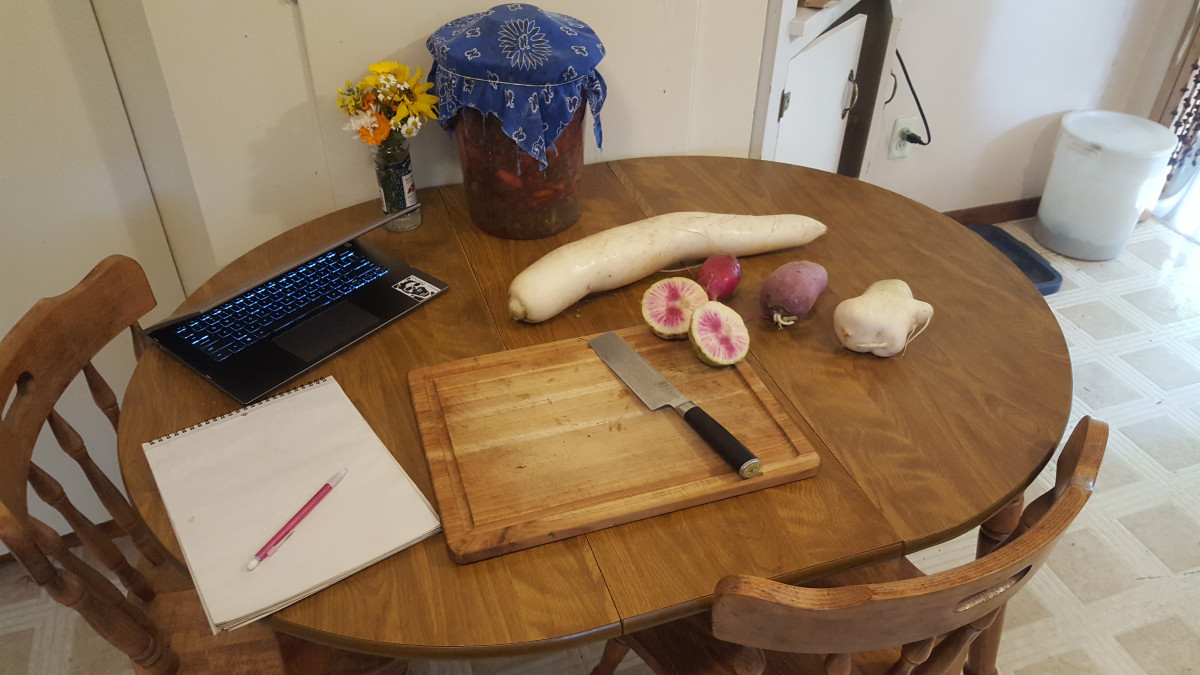
Much like the tomato evaluation, the students were provided multiple varieties of daikon radish that they would evaluate for differences in appearance, smell and taste after a short power point presentation.
Where the tomatoes were grown for profit and were highly controlled (fertilized, sheltered from weather, etc.) the daikon were grown in a field variety trial and were left relatively unmanaged in order to show how these varieties fare in situ with little to no manipulation, I only kept the plots relatively weed free to give the plants a fighting chance. For more information on the daikon variety trial, visit this.
There are 6 varieties of daikon in this variety trial: KN Bravo, Einstein, Minowase Summer, April Cross, Red Meat, and Atremisia. Photos of the individual Varieties can be found here.
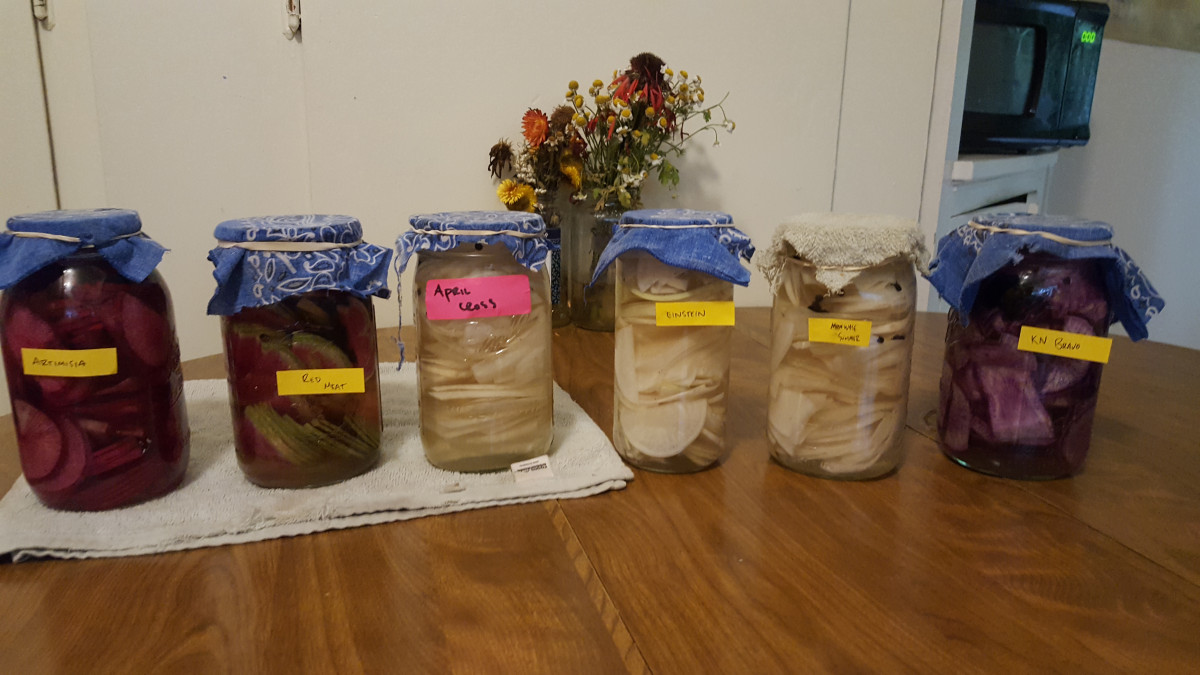
In addition to the raw daikon, I gave the students a sample of pickled daikon of each variety in order to try and observe how flavors are altered during fermentation and preservation practices. This added a whole new layer to this sensory evaluation and enabled all of us to look at these raw vegetables in a whole new light.
Radicchio Evaluation: Week 8
One. Rad. Tasting.
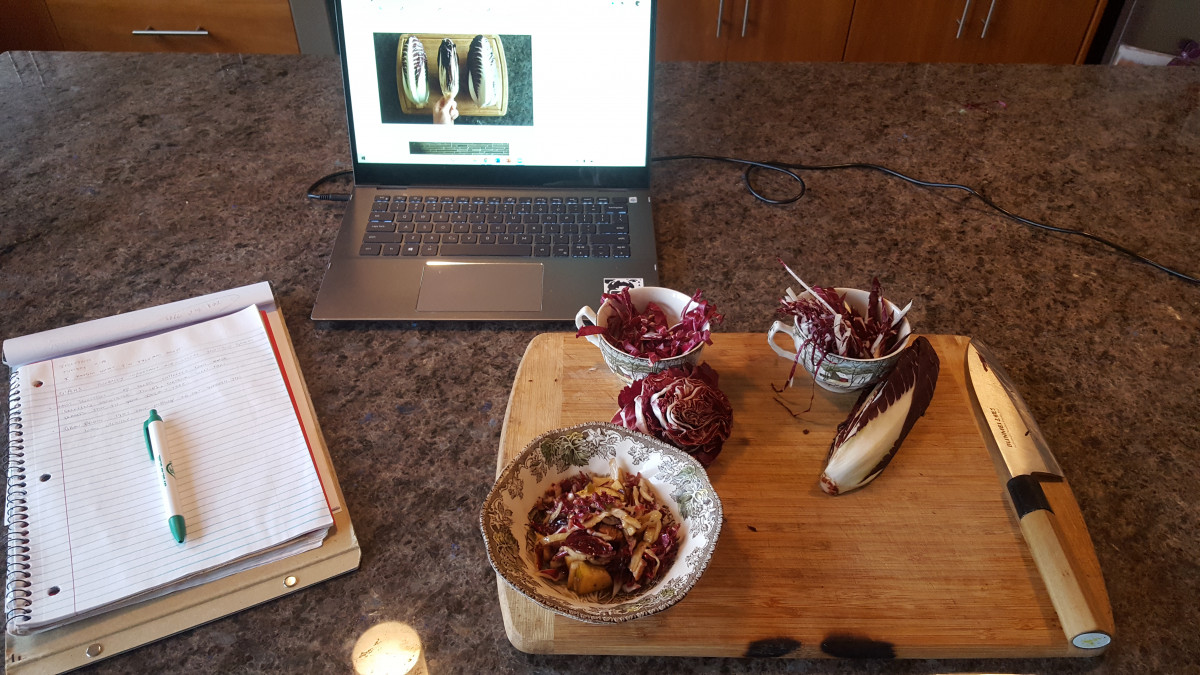
I got to host my first ever Radicchio tasting on Nov 18th with the Terroir/Meroir students. However, the format for this tasting was slightly different than the ones I have facilitated in the past. To start, this tasting took place in conjunction with the Evergreen Climate Academy Webinar series (more info here), and was co-hosted by Lane Selman of OSU and The Culinary Breeding Network. To fit this into the webinar, the students and I would have to have much back and forth but they would still have the opportunity to follow along with the tasting, having picked up samples from me of the Radicchio at hand.
I featured 2 radicchio types, grown by Calliope Farm and by me at my farm space, as well as a prepared salad that incorporated all 5 taste sensations into the salad (recipe in the tasting form).
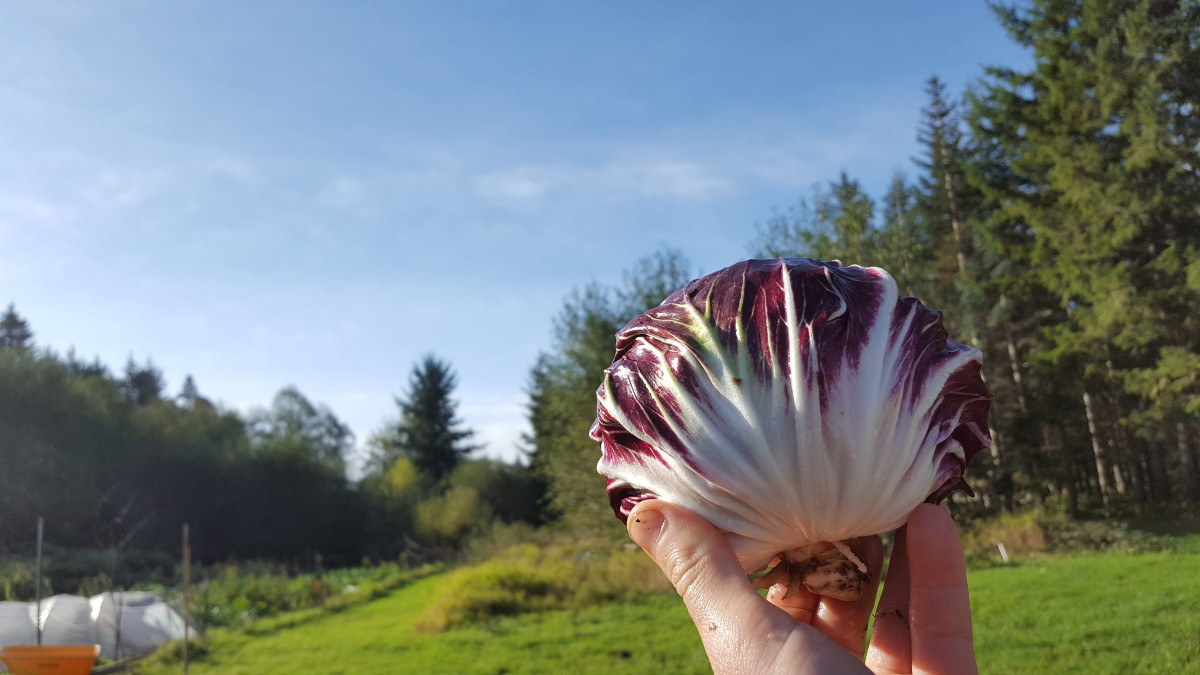
First Variety is a Chioggia type of radicchio called Sirio – seeds purchased from Osborne Seed Company:
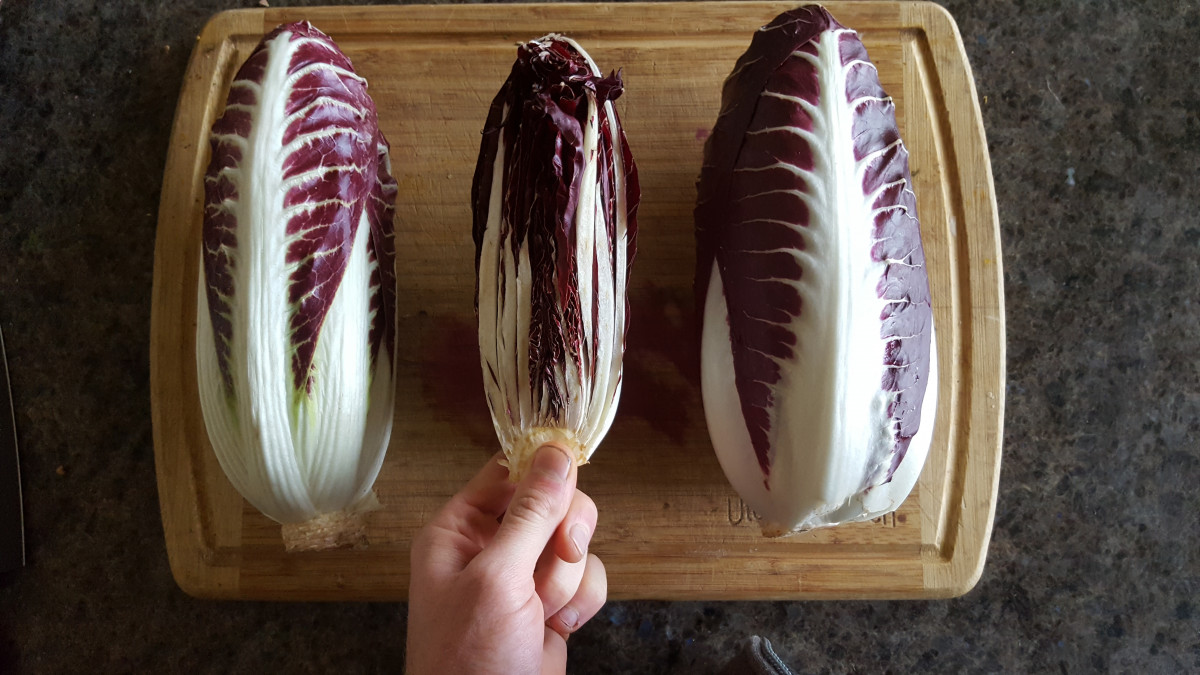
The second variety is a Treviso Precoce type radicchio by the name of Baldo, also purchased from Osborne Seed Company.
The students were asked to follow along to my tasting of the varieties and to fill out the tasting sheet that I will attach below.
As you can see in the form, the students were asked to assess the flavor and to give an subjective rating for each radicchio. To take the evaluation of the radicchio even further, the students were asked to begin interpreting the differences in flavor and to begin building vocabulary that may be included in the description of various radicchio, much like the ‘squash wheel’ that was created by the Culinary Breeding Network.