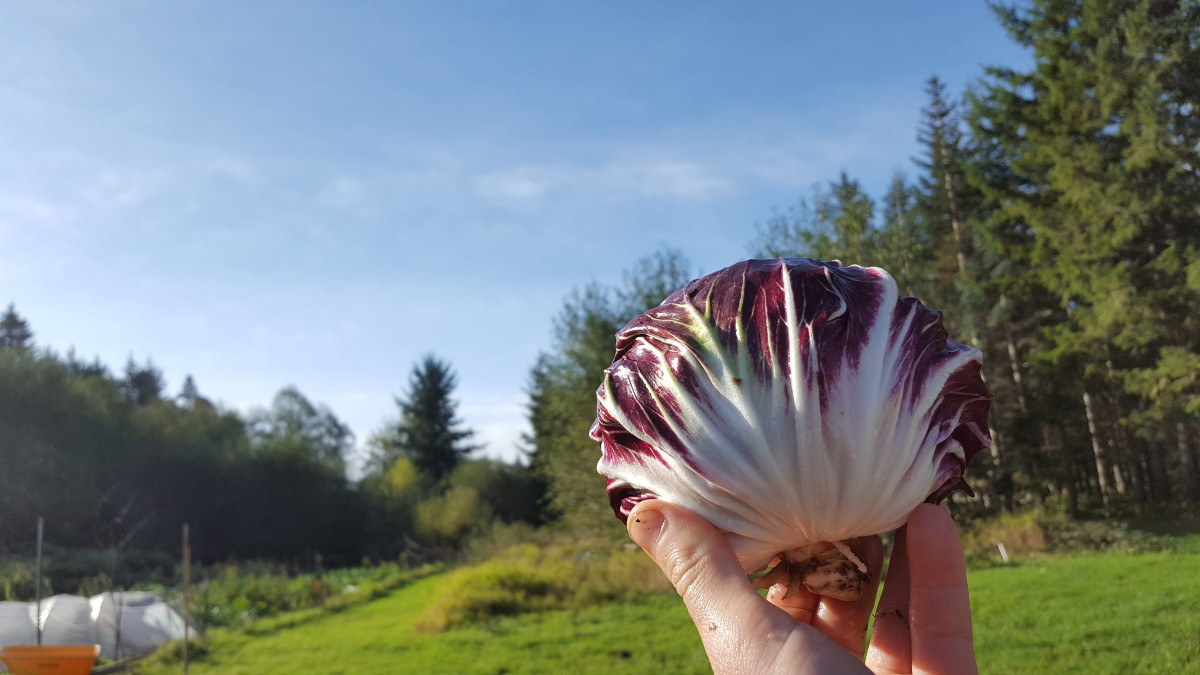
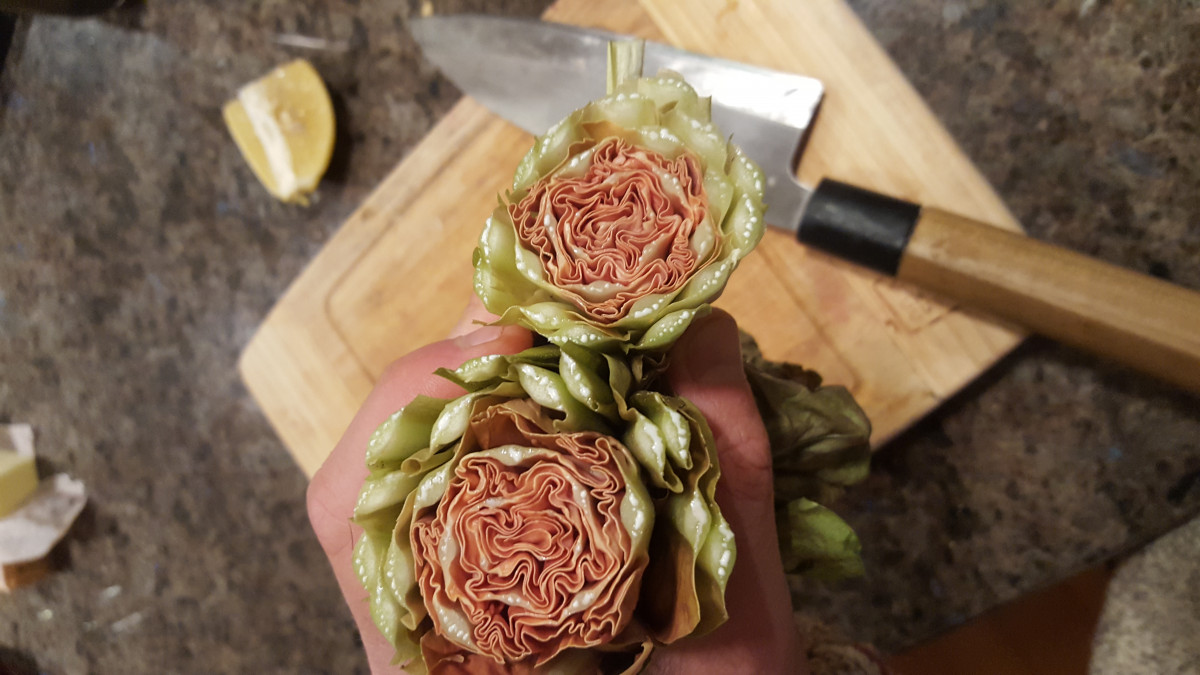
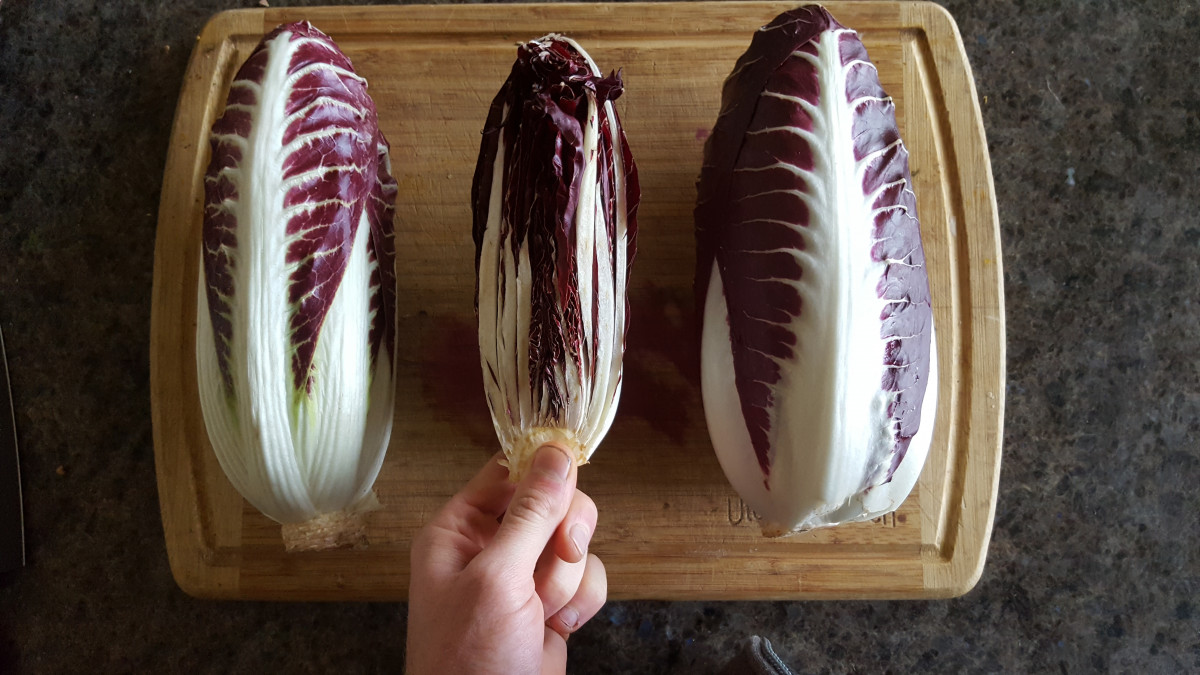
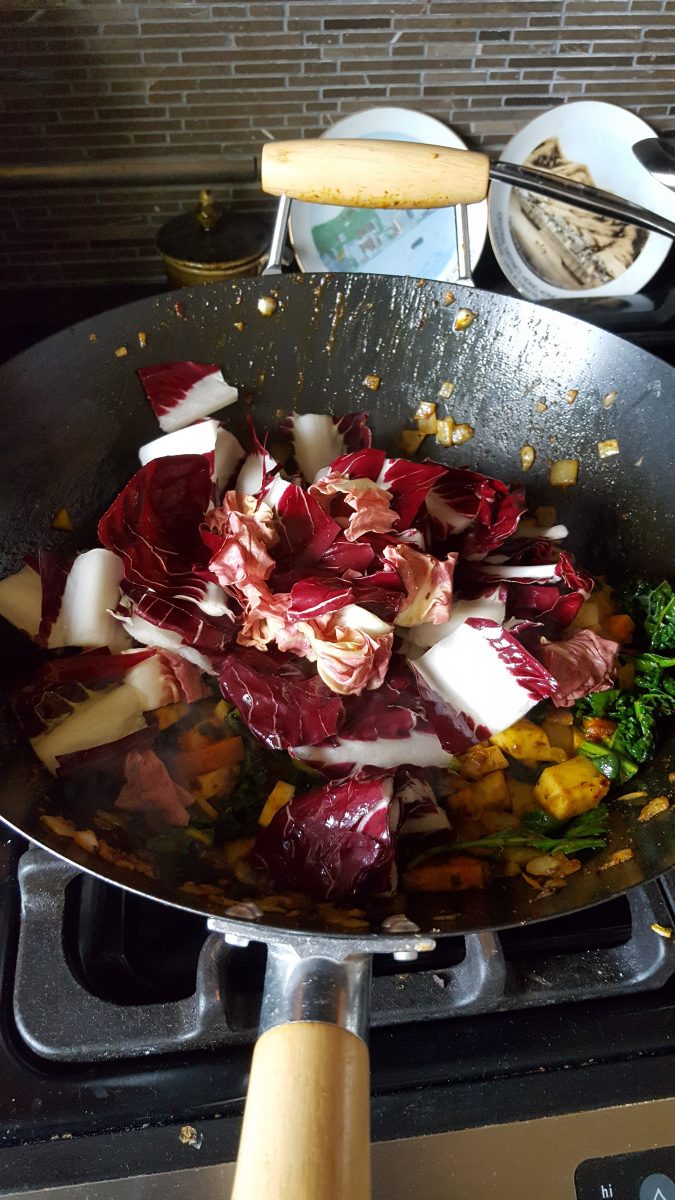
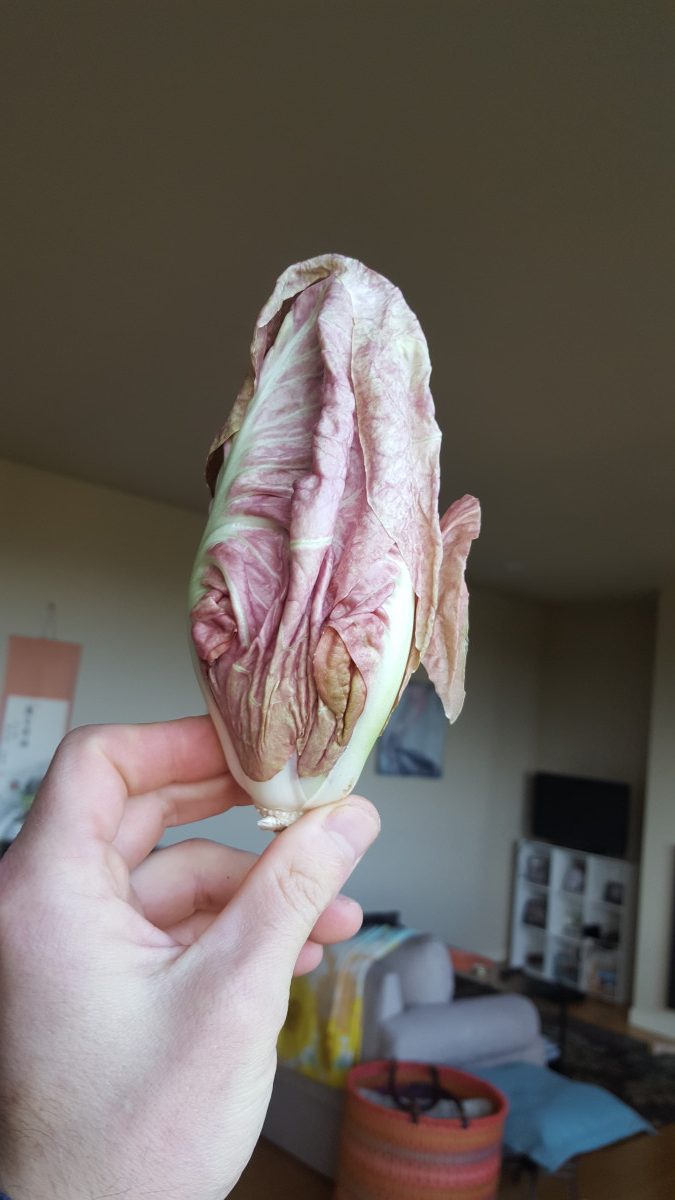
I have just been brought into the fold by my fellow radicchio lovers, bitterly joining the exploration of wonders the radicchio have to offer. This beautiful crop can bring color and warmth to the cold, dreary days of winter, but I am only just beginning to understand this bitter movement. May my taste-buds lead the way.
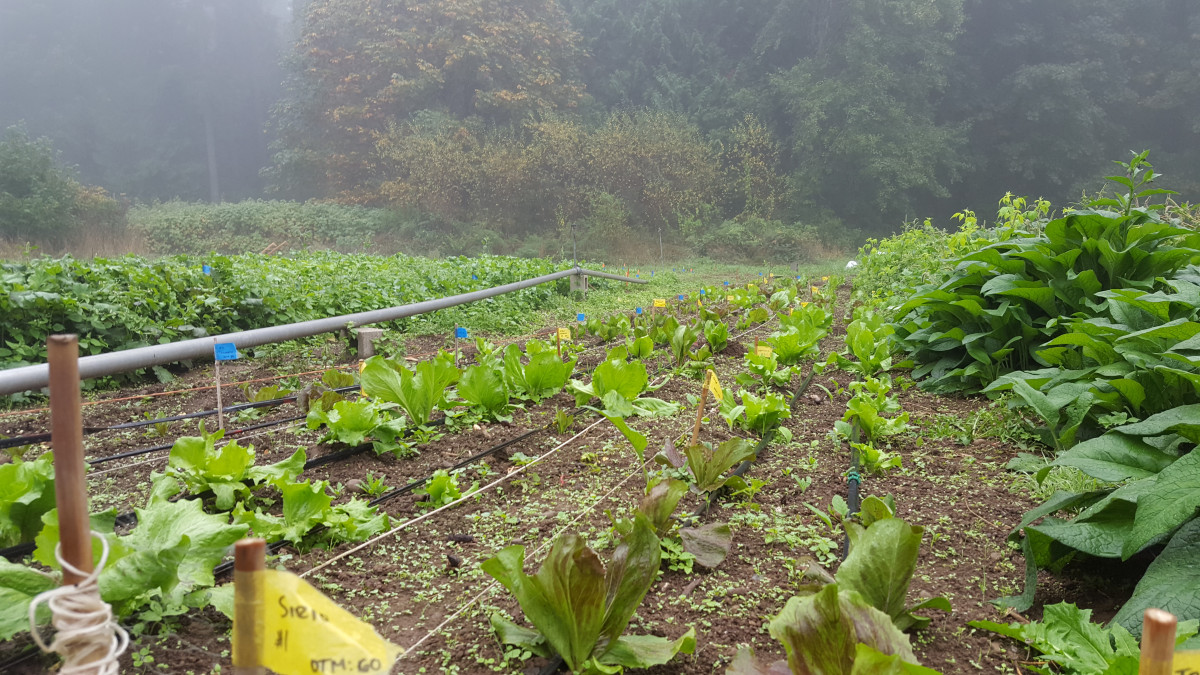
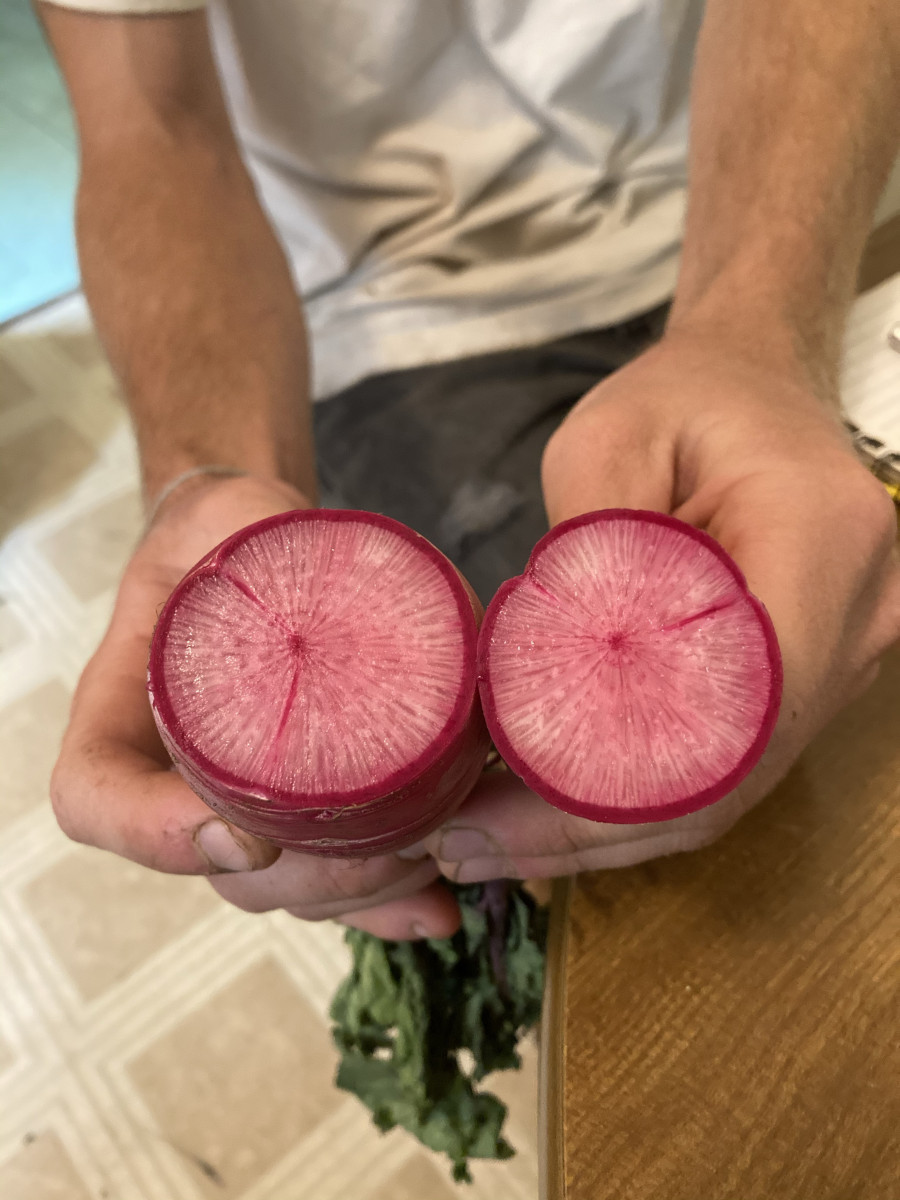
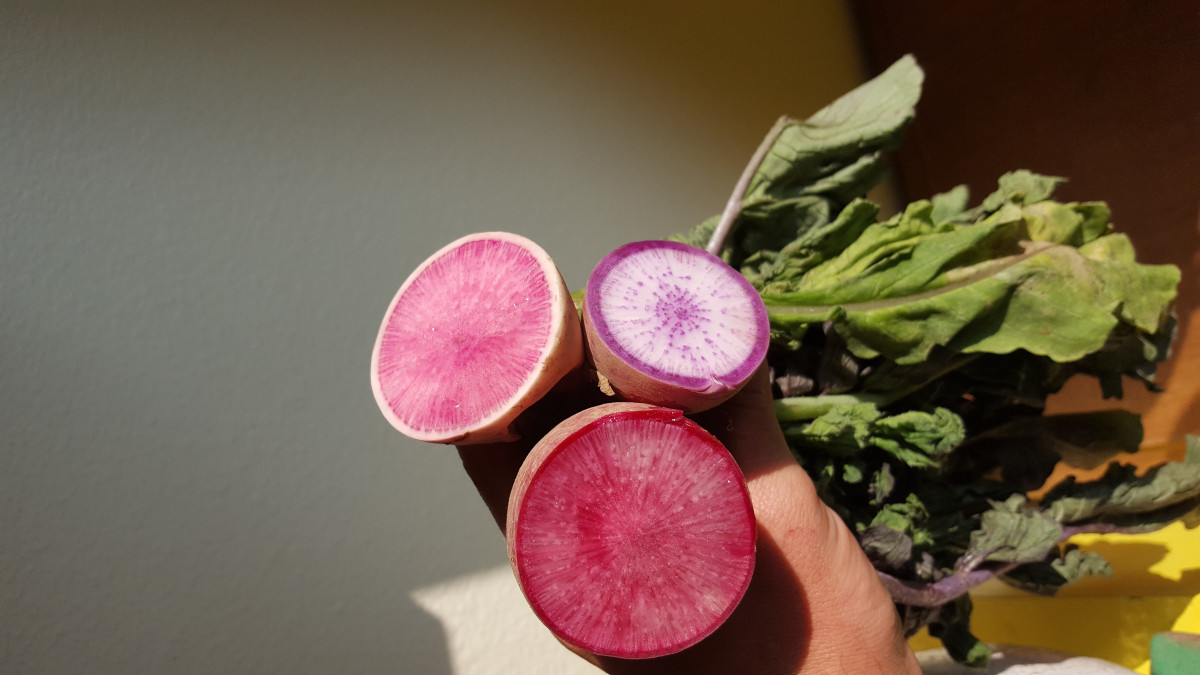
Sirio, Red Chioggia Radicchio*Wolf Whistle* for the cross section of RosalbaBalto Rosso di Treviso Precoce from Caliope Farm
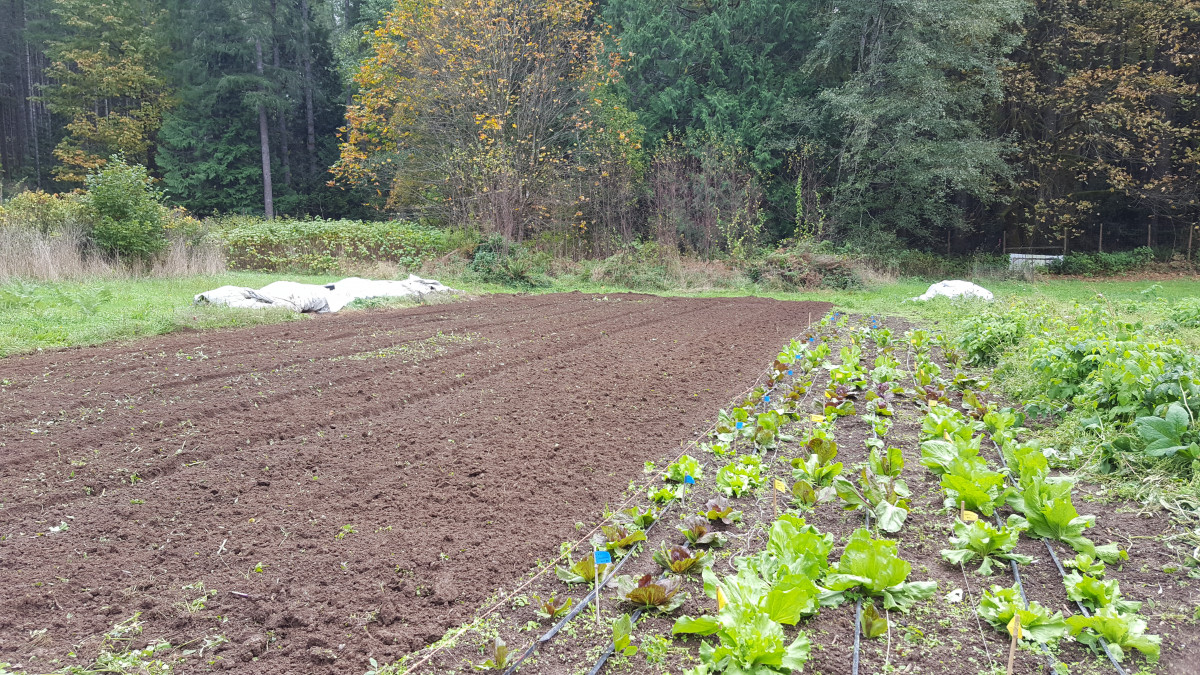
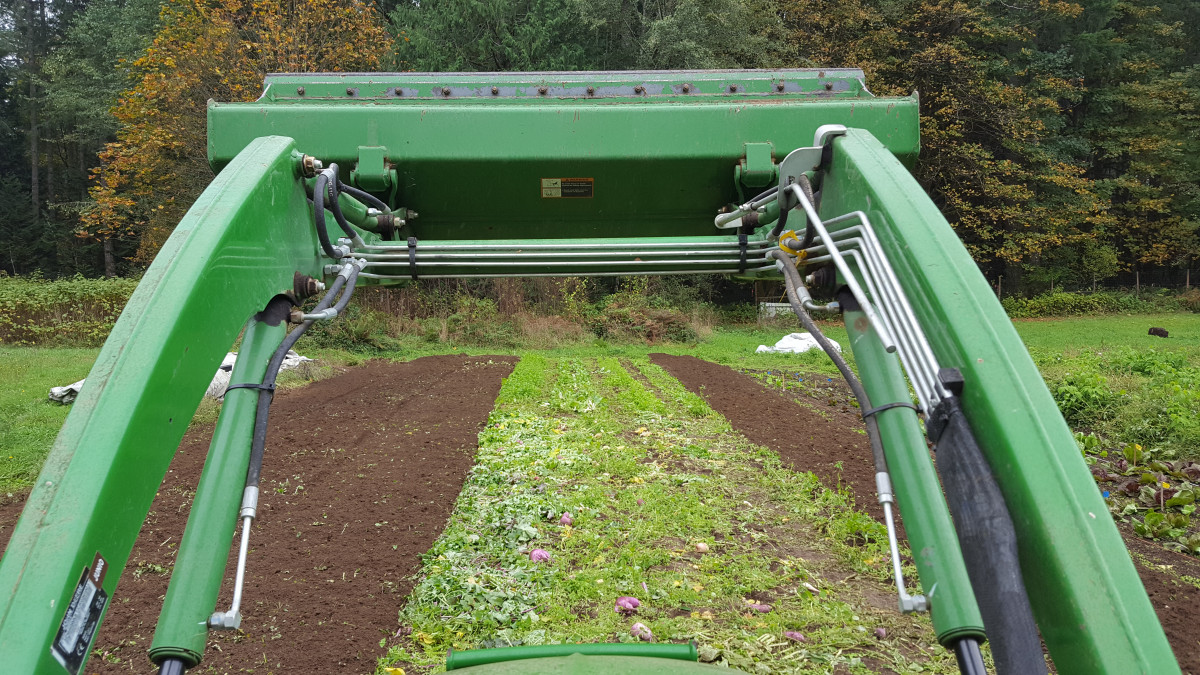
After months of seeding, weeding and eating, the 2020 Brassica field trial has been turned over to the wonderful bacteria and fungi of the Evergreen Organic Farm. After a full field harvest and subsequent data collection, I had the cathartic joy of cleaning and spading the field plot that I was in charge of for the better part of the summer and fall. Now comes the exciting data analysis!
BeforeAfterMy view from atop the always trusty John Deer, equipped with the amazing spading implement
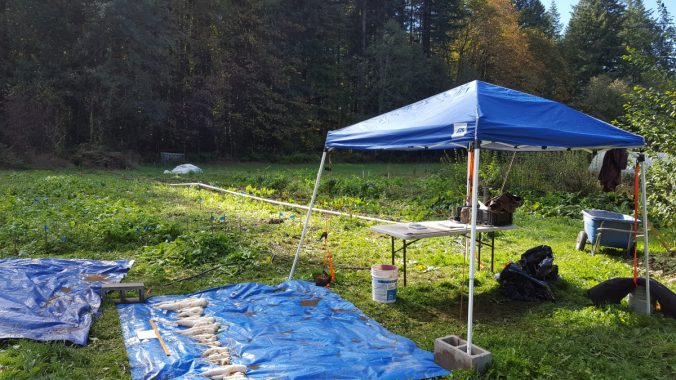
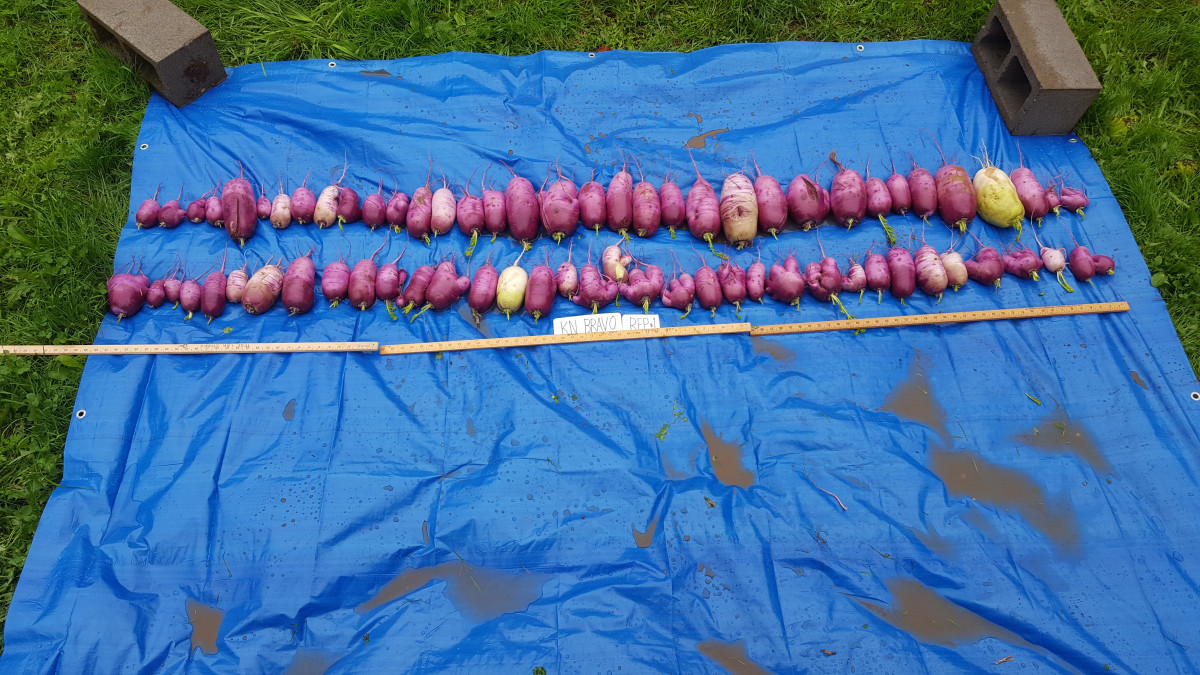
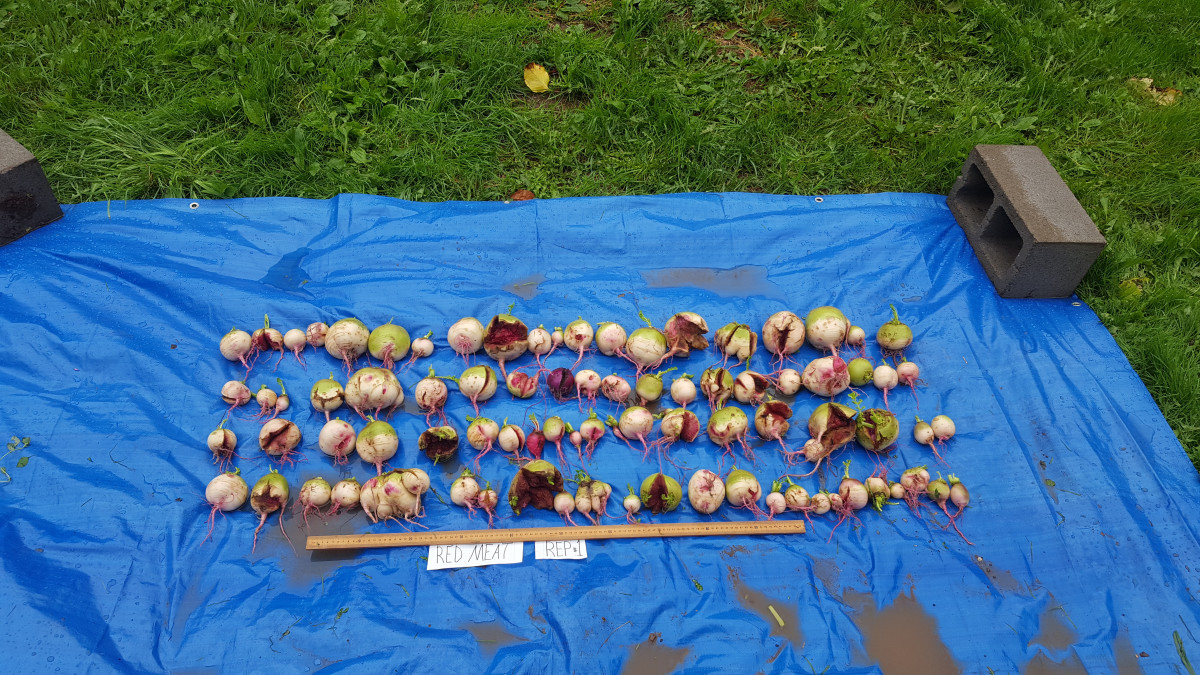
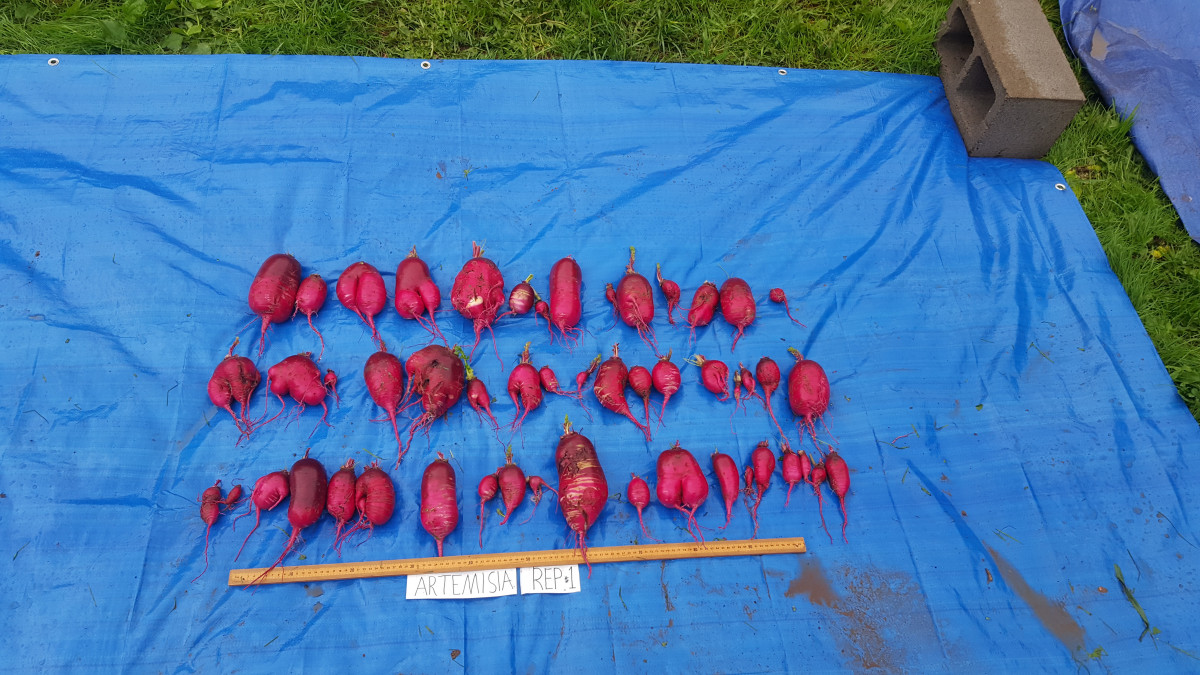
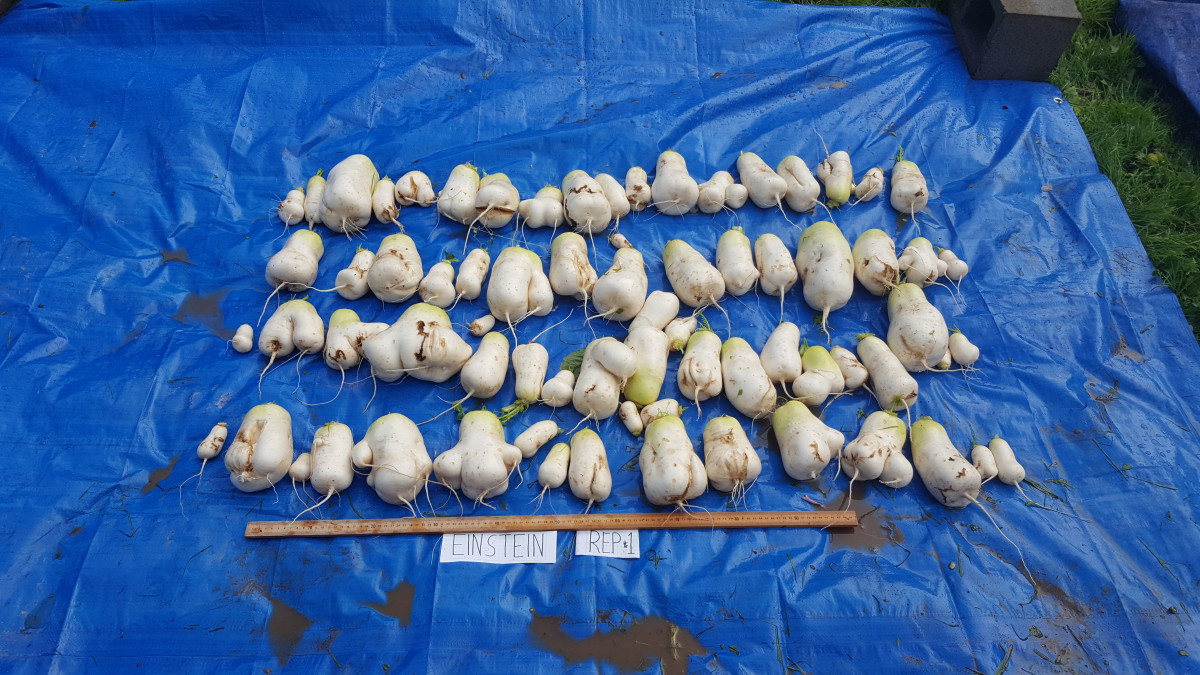
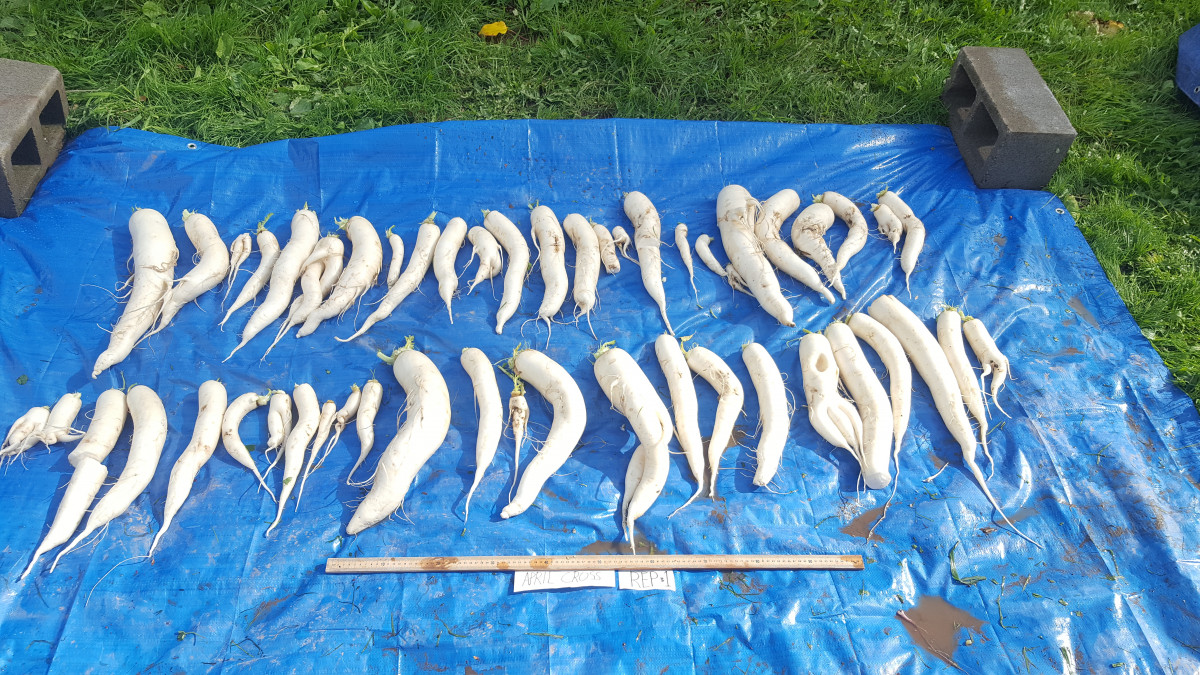
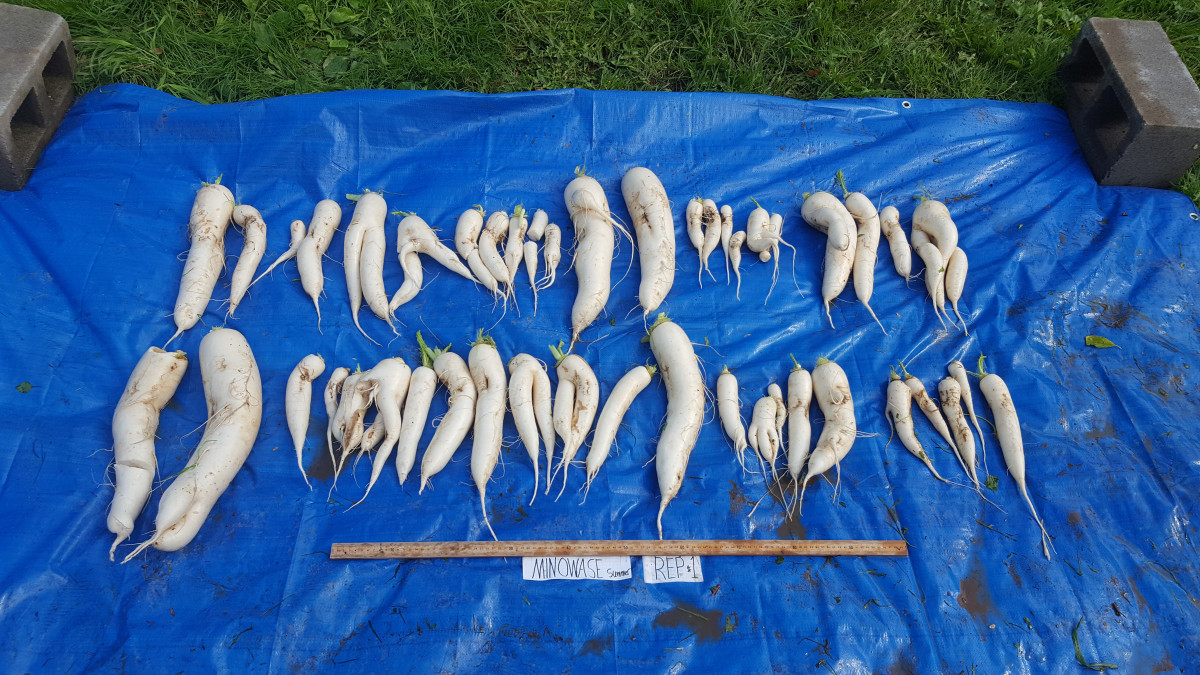
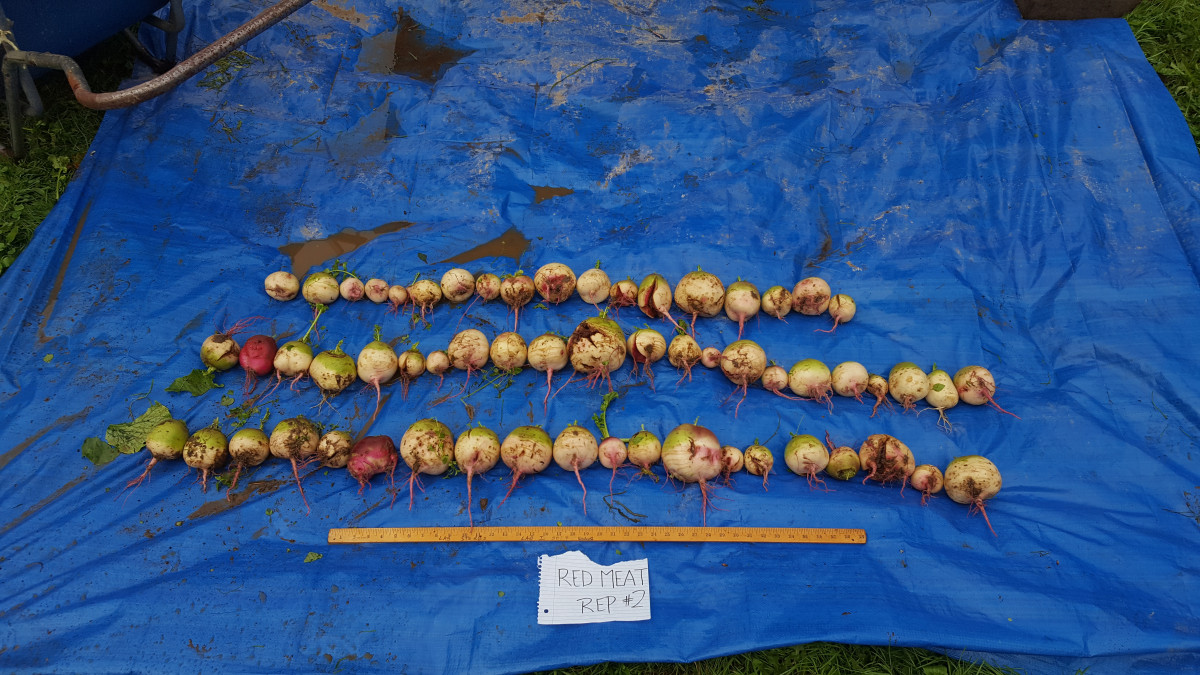
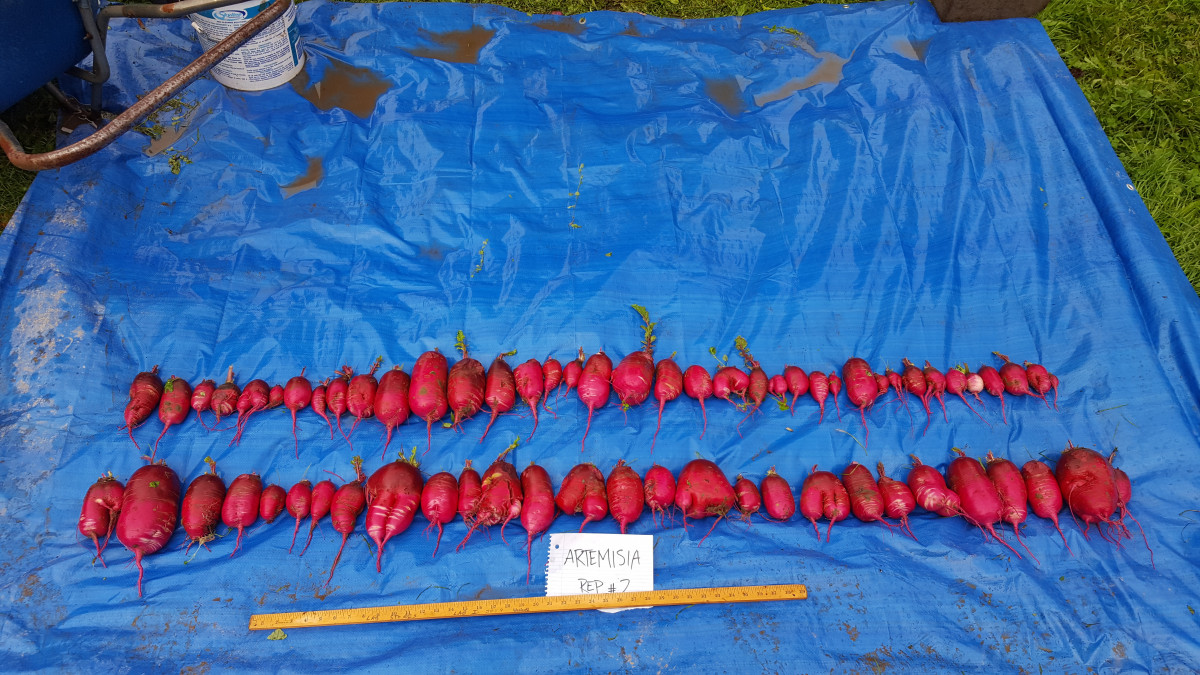
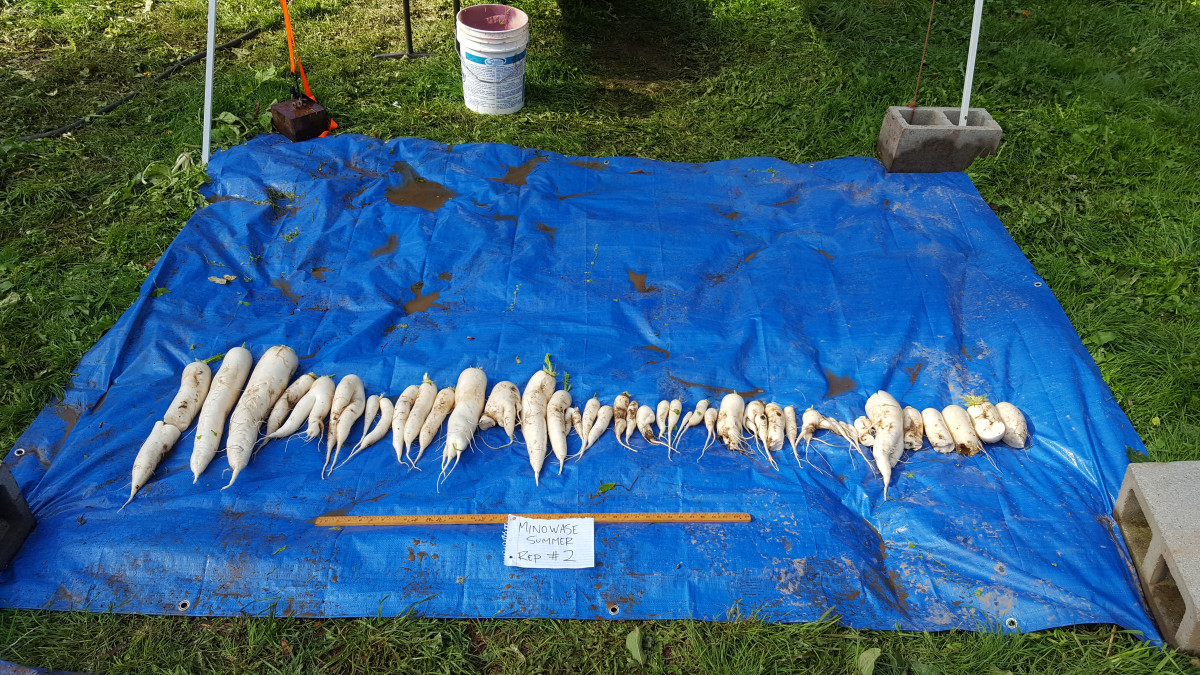
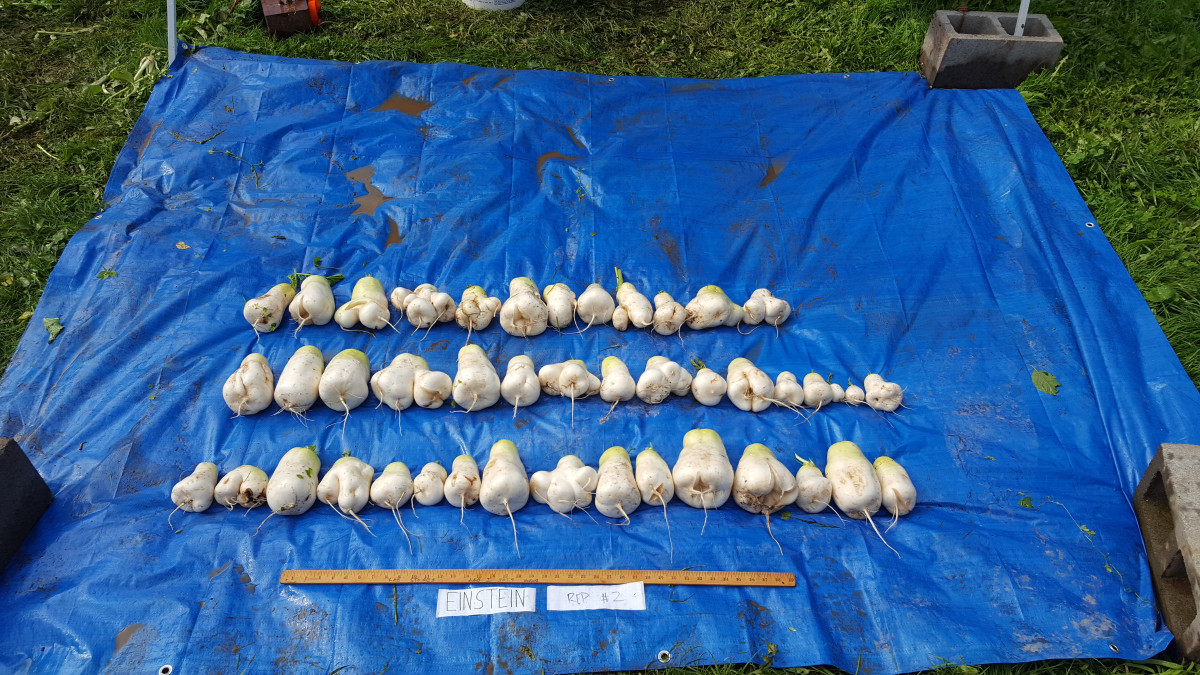
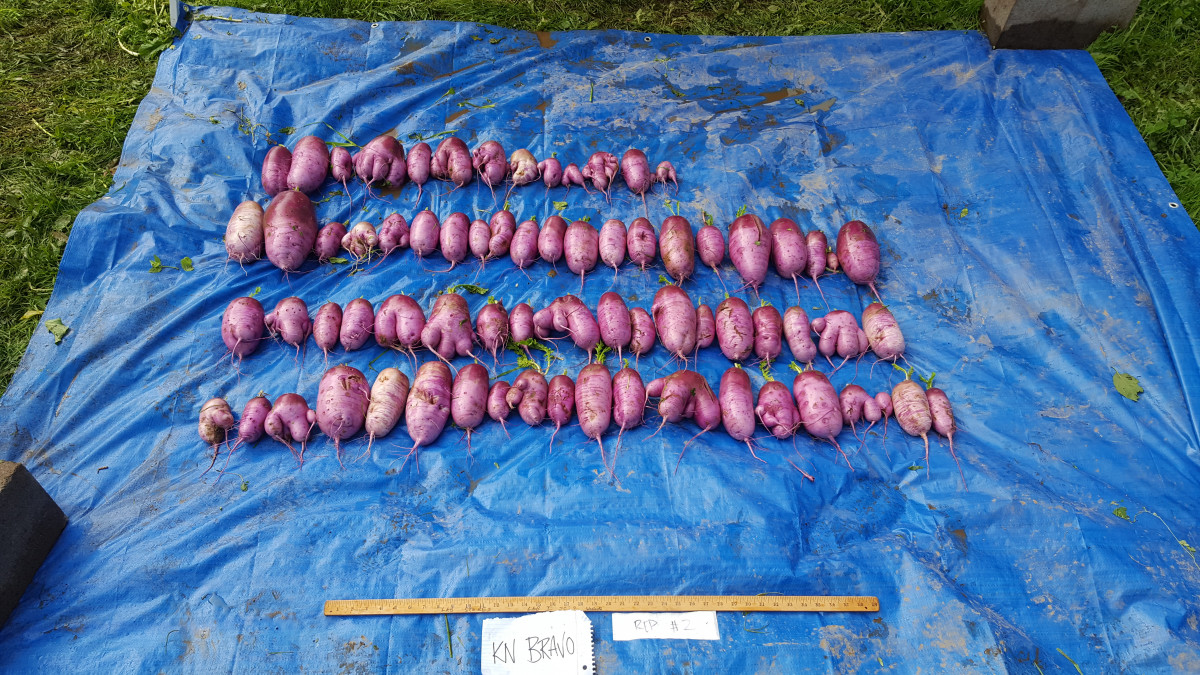
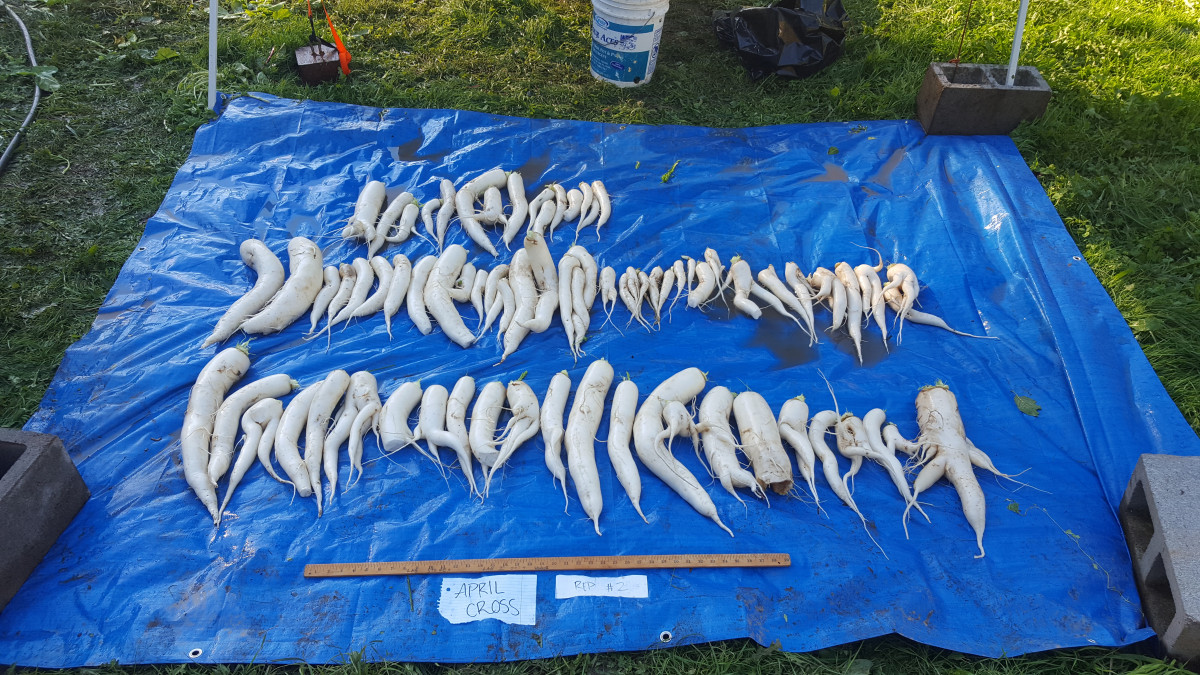
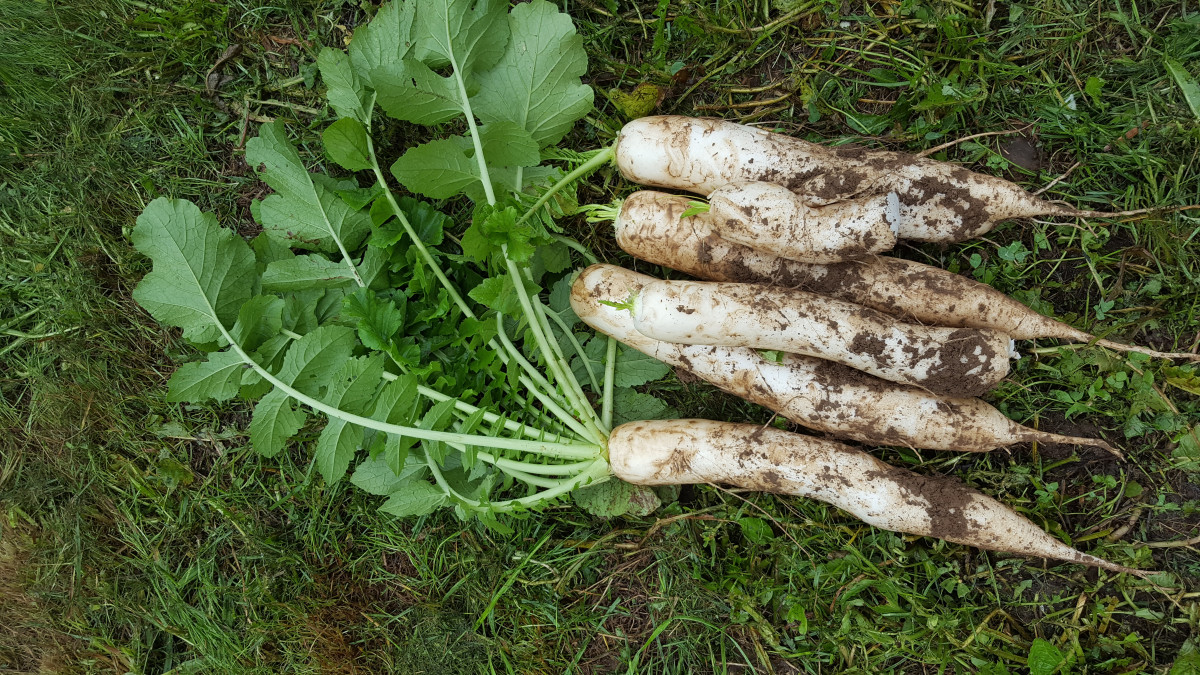
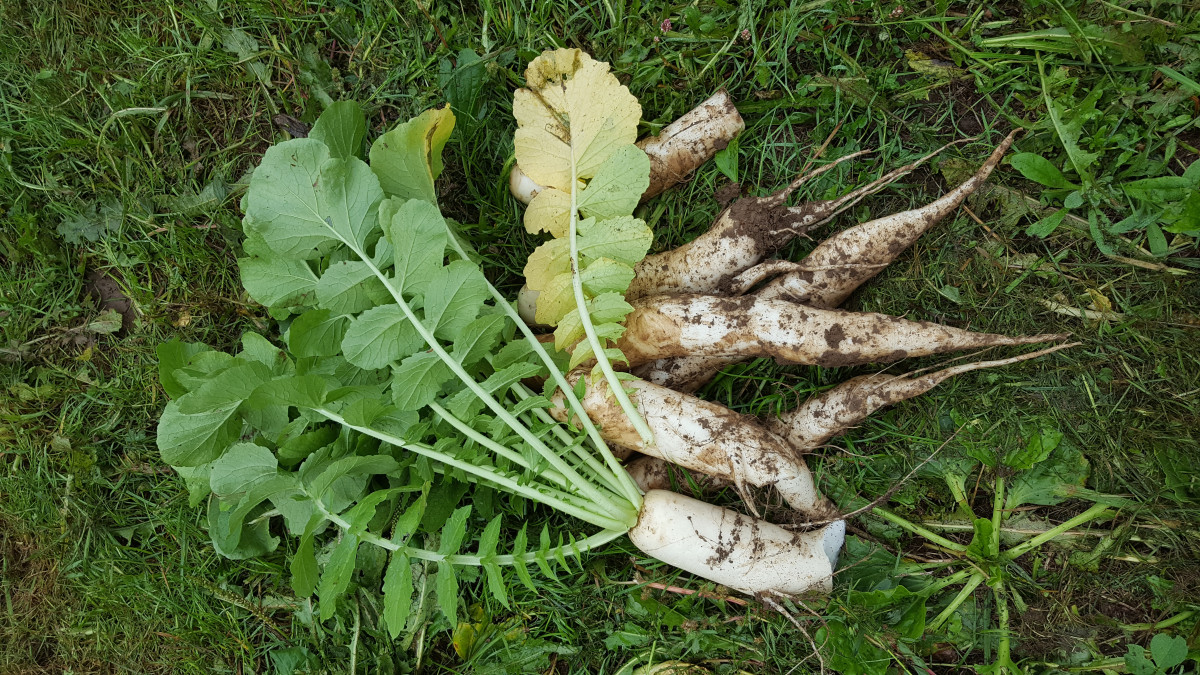
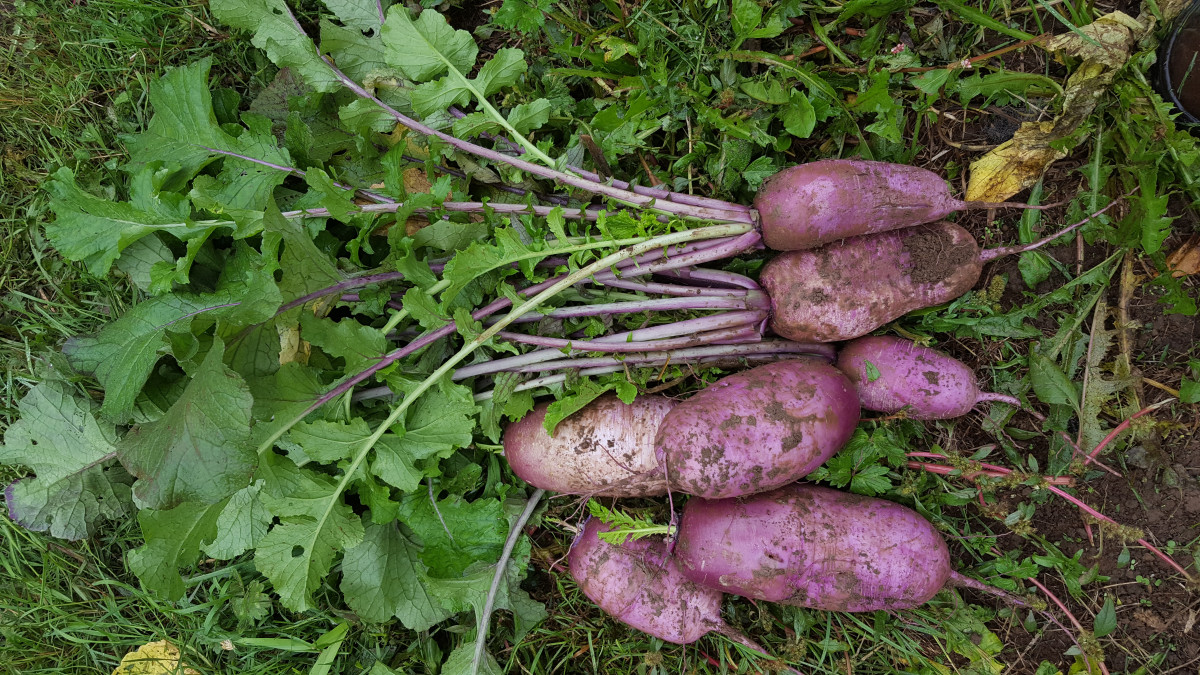
On October 13th & 15th, 2020 I harvested the entirety of the daikon field trial (3 replications) and collected data on each radishes length, width, weight – as well as any signs of worm damage that may have an effect on marketability. The data collected will be put into excel and assessed for factors that may distinguish the 6 varieties from one another. In addition to these distinguishing factors, I will assess each variety’s individual performance through all 3 replications in order to try and find any constant characteristics that could be used as helpful information for future growers.
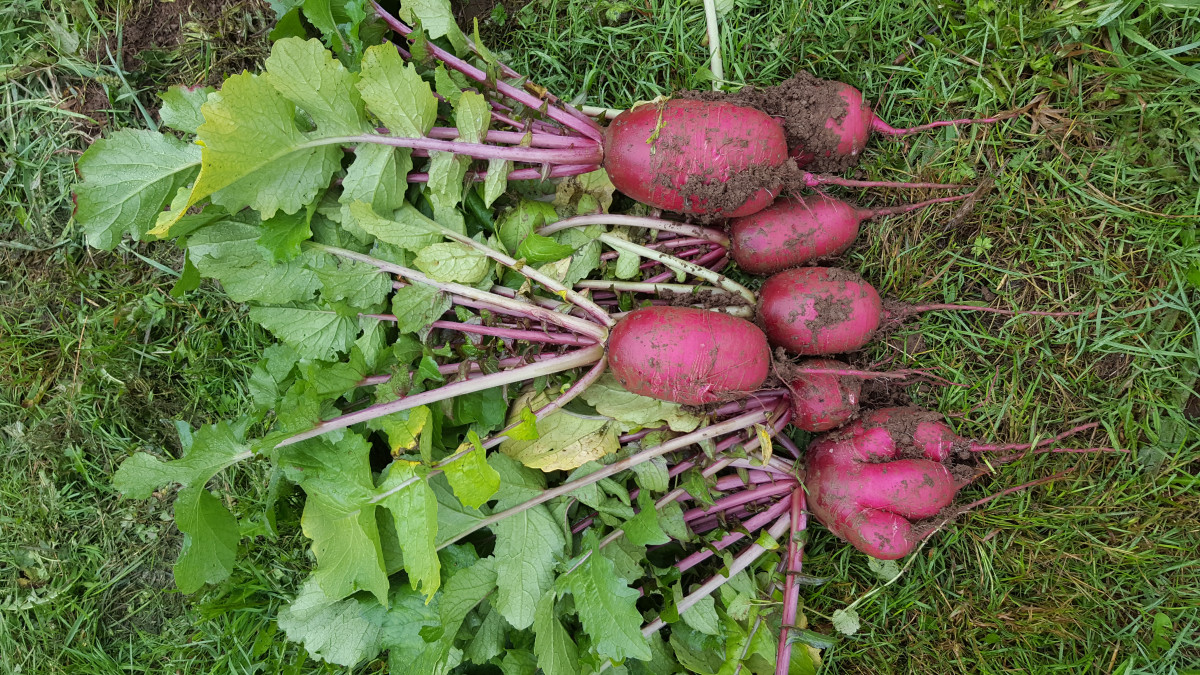
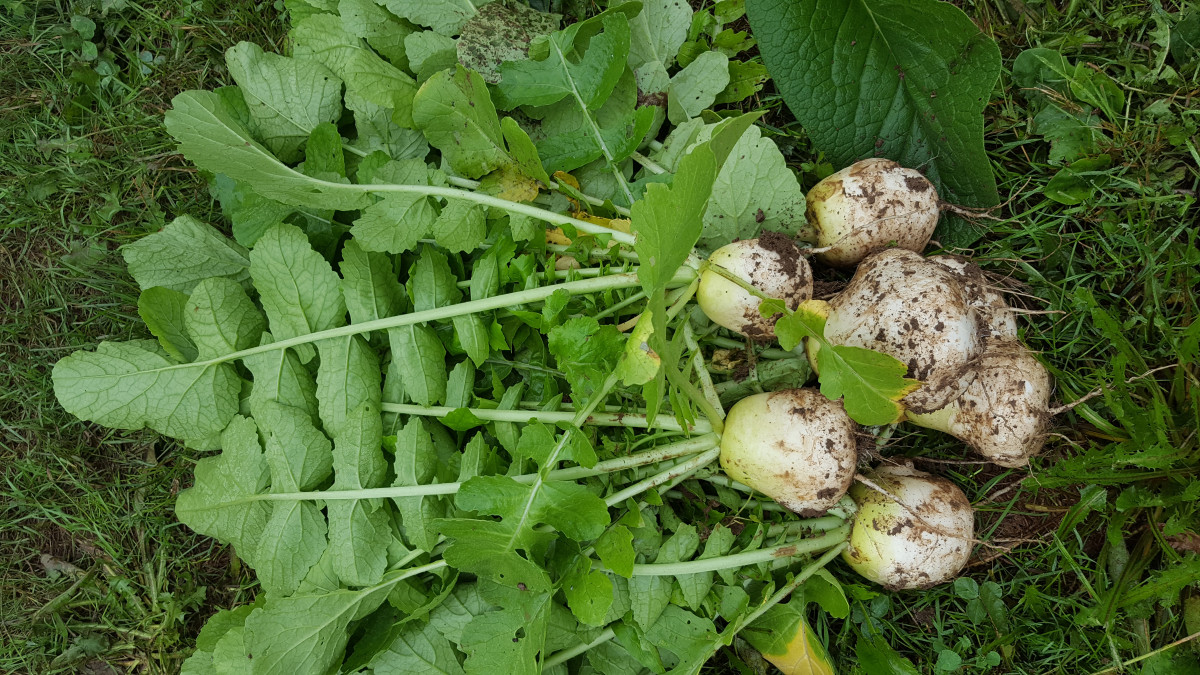
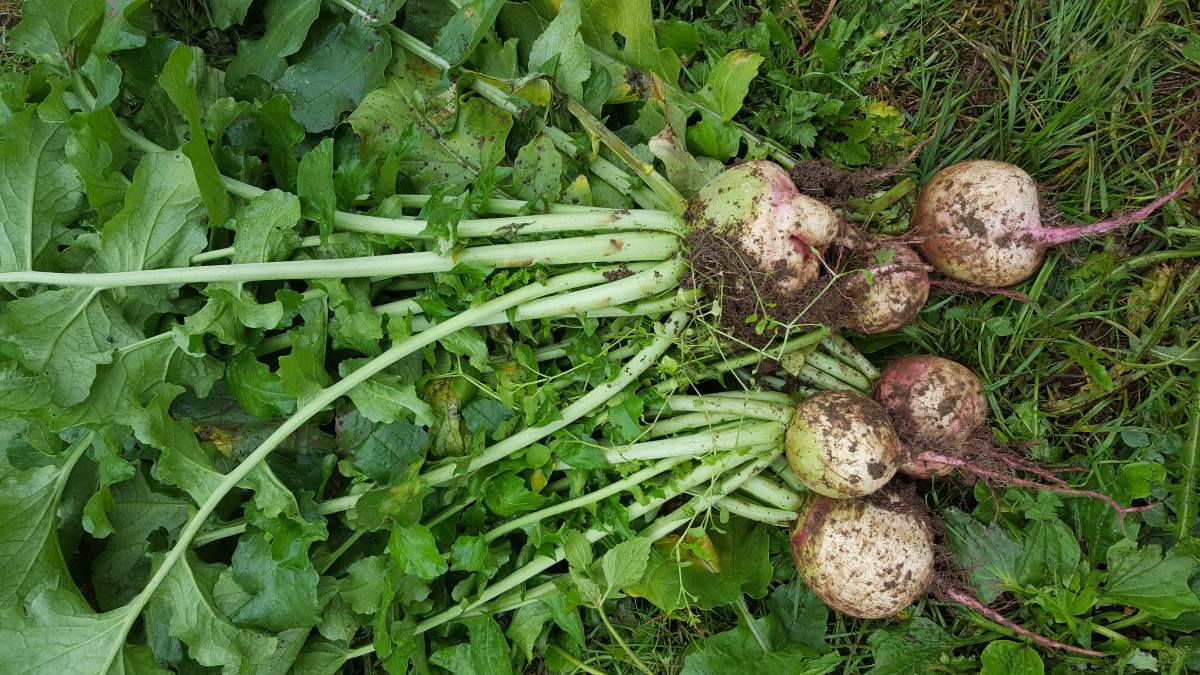
Einstein Daikon, photo by Caleb poppeRed Meat Daikon, photo by Caleb PoppeMinowase Summer Daikon, photo by Caleb PoppeApril Cross Daikon, photo by Caleb PoppeKN Bravo Daikon, photo by Caleb Poppe
Thursday, October 1st: Today was the initial harvest of daikon and arugula for a tasting trial; Martha Rosemeyer, and her program Food, Health, and Sustainability came to me with an interest in holding a tasting trial around these two crops. After harvesting and washing enough produce for the students, the crops were bunched and cut into portions, with the help of Diane Nelsen, so that each student would get a sample of each variety. In accordance to COVID regulations, these tasting will have to be held remotely which will lead to a plethora of possible issues but we are lucky enough to have devoted students, staff and faculty that are willing to do what is necessary to make this work. In order to get the vegetables to the students, we safely packaged them into ‘kits’ that the students will pick up at the Organic Farm during their normally scheduled farm stand. This will allow for zero contact interactions AND give the students and opportunity to stop by the farm market stand to buy additional produce while supporting the farm! Thank you to everyone involved in making all of this possible. We will continue to harvest and distribute the tasting kits in this manner for all future tastings.
Results of Martha’s remote tasting:
With respect to daikon, ‘Artemisia’ was the spiciest = 5 and most preferred for fresh eating, with ‘Minowase Summer’ as the second preferred, probably by people who didn’t prefer the spiciness.
With respect to arugula, they articulated that none was particularly spicy. In preference, ‘Astro’ was number 5, most liked. They liked the toasted, nuttiness– and Uber number 2 with balanced flavor and dissected leaf appearance.
I am interested in the progression of flavor vs. size with both arugula and daikon radish. Each of these crops can be harvested throughout different parts of their life-cycle, often the harvest is dependent on what the intended use will be for the crop. If a consumer is planning to put some strips of shaved daikon on a couple of salads for a family dinner, a 45 lb daikon is veritably overkill, but if making a large batches of fermented pickles, a 45 lb daikon may be the perfect size.
The same goes for arugula, some farmers like to harvest arugula when it is young and quite tender or they may cut the arugula at the base and allow it to regrow so that they can get multiple harvests from the same planting. I am interested in how the flavors of these crops change as growing progresses. Will flavors intensify? Get milder?
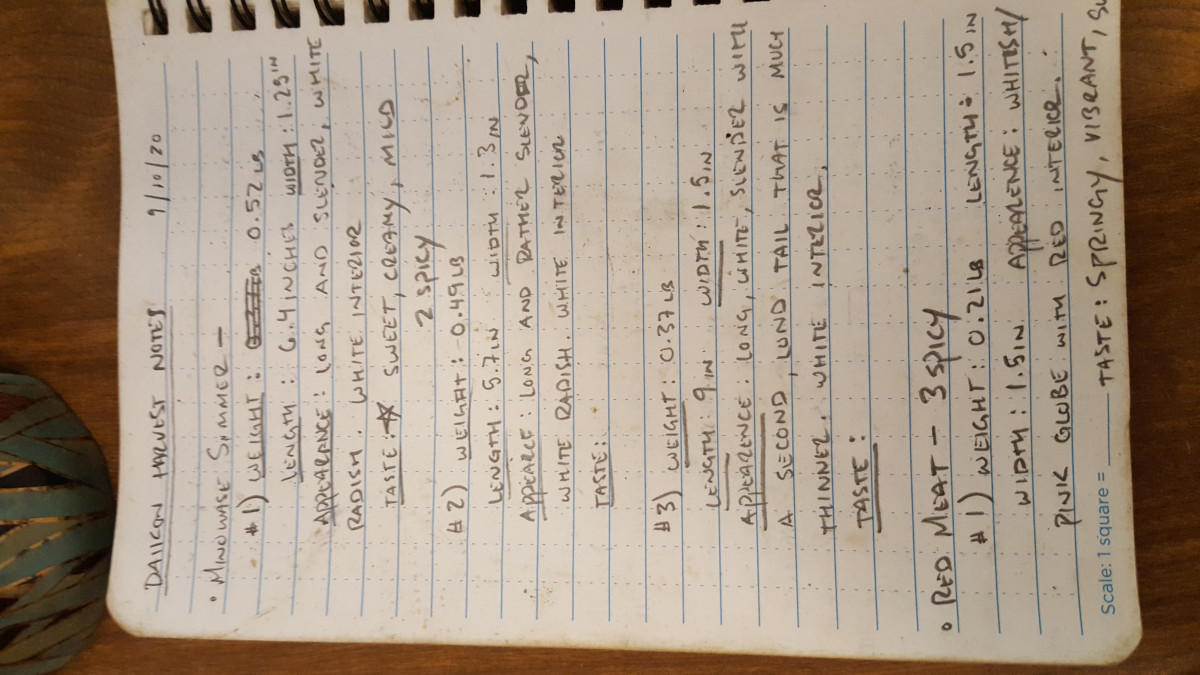
To help me move towards understanding the changes that these crops take, I recently harvest some fully grown arugula from each variety that hasn’t be touched since its seeding as well as a single daikon from each replication that was approx. 1in in diameter at the shoulder. I took some data from each of these harvests, such as weight, length, width, and notes on appearance and flavor. I will use this information to compare to future tastings of the same crops.
One page of many.
I am always excited when I finally get to taste and compare the flavors of vegetables from the same species, you may think that once you’ve had a daikon, you’ve had all daikon but that is plainly incorrect. Some of the radishes I tasted today were spicy and creamy, others were earthy and tangy, some sweet and citrus-y! The power of veggies is not lost on me – I am looking forward to having others taste these as well!
For generations coastal communities have looked both to the land and to the sea to feed their people. As a ‘land-farmer’ myself, it is easy for me to overlook the potential for a diversity of flavors, traditions and culture that encompass food taken from the seas; in our corner of the Pacific Northwest, we have the great privilege of having the best of both scopes in our back yards. With a temperate climate, fertile lands, and the Puget Sound all working in harmony, a great many people have (and still do) thrived off of an abundance of food found right here in Western Washington.
‘Terroir’ and ‘Meroir’: French terms for external and internal conditions of the land and sea, respectively, and how these conditions of origin affect flavors of food and drink. For instance, two oysters harvested from two neighboring inlets may have incredibly different flavor profiles. Although the oysters could have been separated by no more than a mile of water, the conditions of the waters that they grew in may have been remarkably different; temperature, food source, algae, etc. all influence the flavors of an oyster and thus create a difference in merior from one inlet to the next.
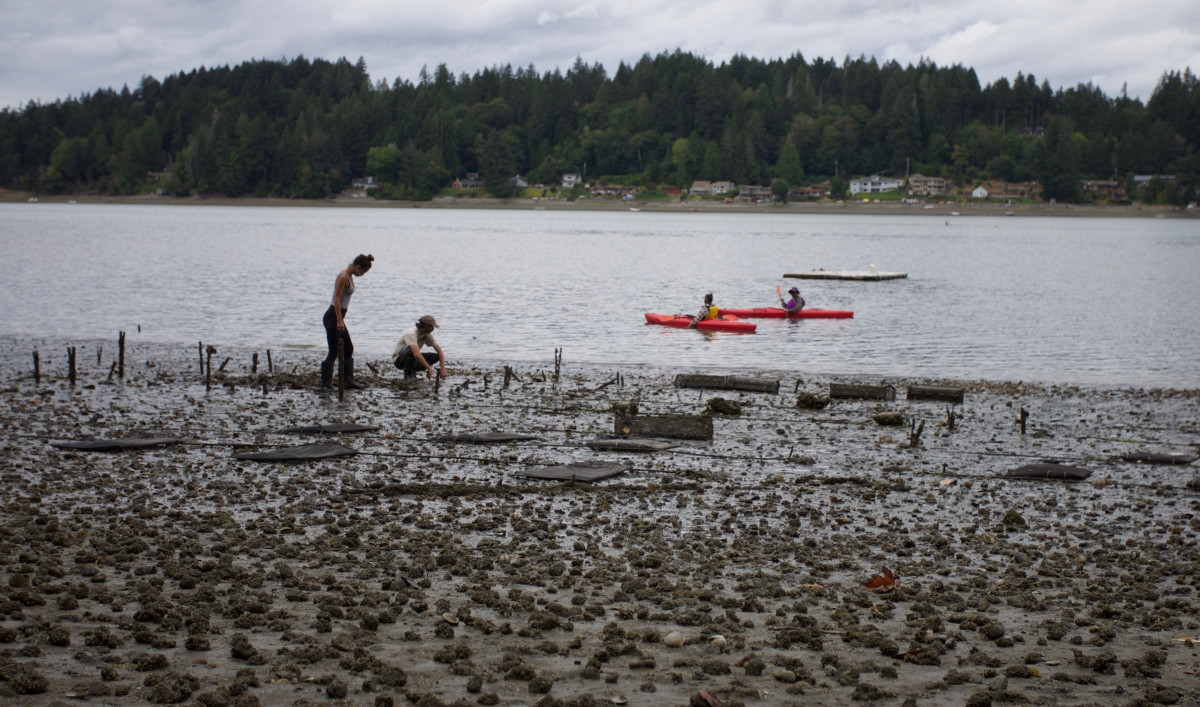
In an effort to pay homage to the people and cultures of both land and sea, and to explore a few of the different flavors of Evergreen, I have teamed up with Makenna Madrano, the SURF student-representative in charge of re-vamping the Evergreen State College Oyster beds. With her work on the Evergreen Campus beaches and my work at the Evergreen Organic Farm, we are hoping to produce some foods that are highly sought after throughout the world, and to share these with our community of students. Not only is it my goal to look at the differences in variety within a given crop, but to also learn about different pairings of crops (for instance, oysters and radicchio) that may hold some culinary significance.
It is my opinion that the best way to learn about flavors is to smell first and then taste. We can read about and ponder foods all day, but when in it comes to a true understanding of ingredients, one must put it in their mouth and contemplate.
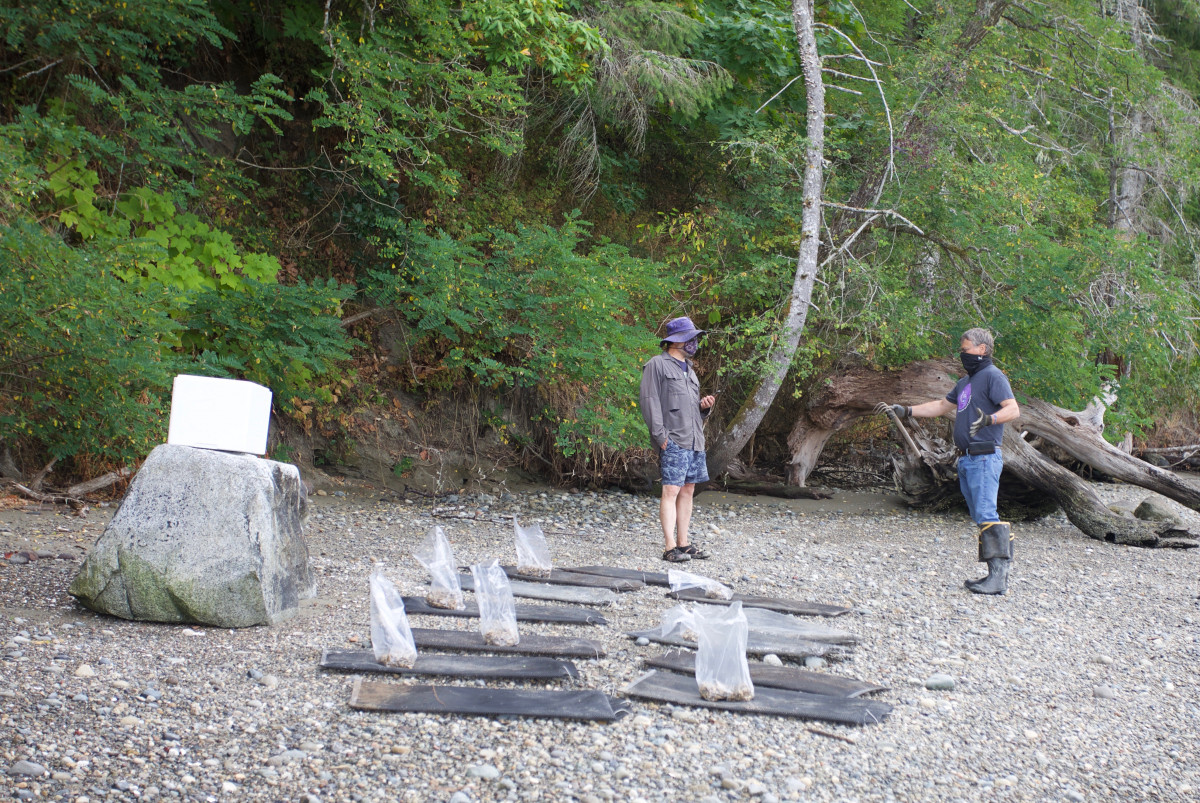
Oyster ‘seed’ ready to be set and placed
There are few places on this planet that allow for such fertile growing conditions for both vegetables and shellfish and it is our goal to highlight the joys and culture around these two western-PNW staples!
All photos in this post are courtesy of Ryan Richardson, Evergreen Photoland Lab Manager.
You can find more information about Makenna’s work on her blog: …………
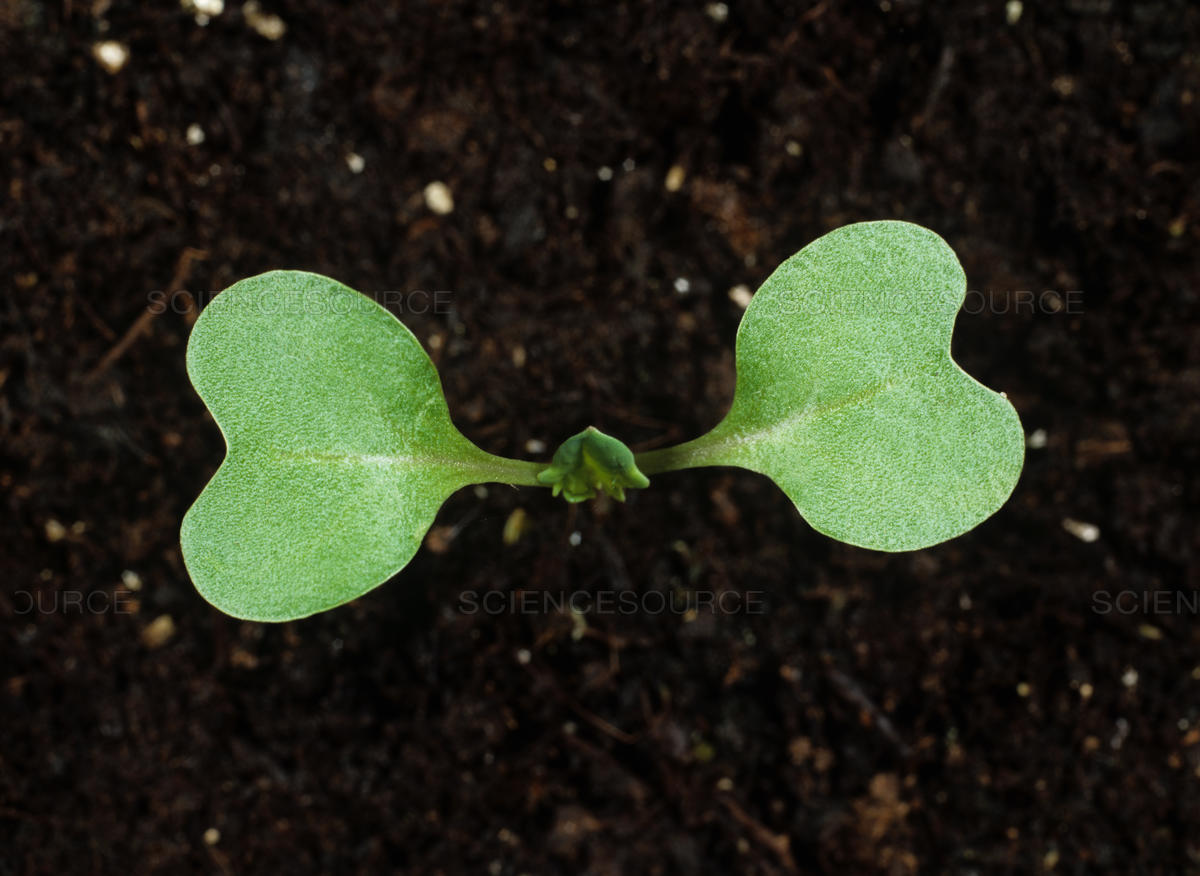
This is a lesson in plant-family imposters! Above is a photo of a brassica’s cotyledons – at this stage, it is nearly impossible to know whether that plant would grow into a cabbage, brussel sprouts, broccoli, etc.
Growing brassicas in the PNW is like growing seaweed in the sea, it’s the way things were meant to be. Brassicas, such as daikon radish, bok choy, or arugula, appreciate the temperate climate just as much as I do and don’t require the growing degree days that, say a tomato or pepper require. This is all to say that Brassicas feel right at home here in Olympia, WA, and because of this you can be sure that there may be brassica-family weeds in your fields.
While watering the daikon trial plots, Steve (check the who are we page for more info) noticed a number of young daikon radish plants starting to bolt and go to seed. If this were the case, the plants that were bolting would be useless as a marketable vegetable seeing as they skipped the part of their life cycle that involves the enlargement of our delicious radish root. Knowing, though, that Brassicas are vary similar morphologically, and can be incredibly hard to differentiate at a young age, we wanted to be sure of the identity of the plants that were bolting.
Plants may bolt ahead of schedule when stressed or when planted at a time in the season that doesn’t have their normal growing conditions. For instance, I planted some leeks at my own farm too early, while the soil was still cold. Once the soil got warmer, and the leeks got to size, they began to bolt and send out their scapes. Normally this wouldn’t happen until they had been over wintered and the weather began to warm but because they had been planted into cold soil, the leeks had been tricked into thinking they had been over wintered and were ready to flower.
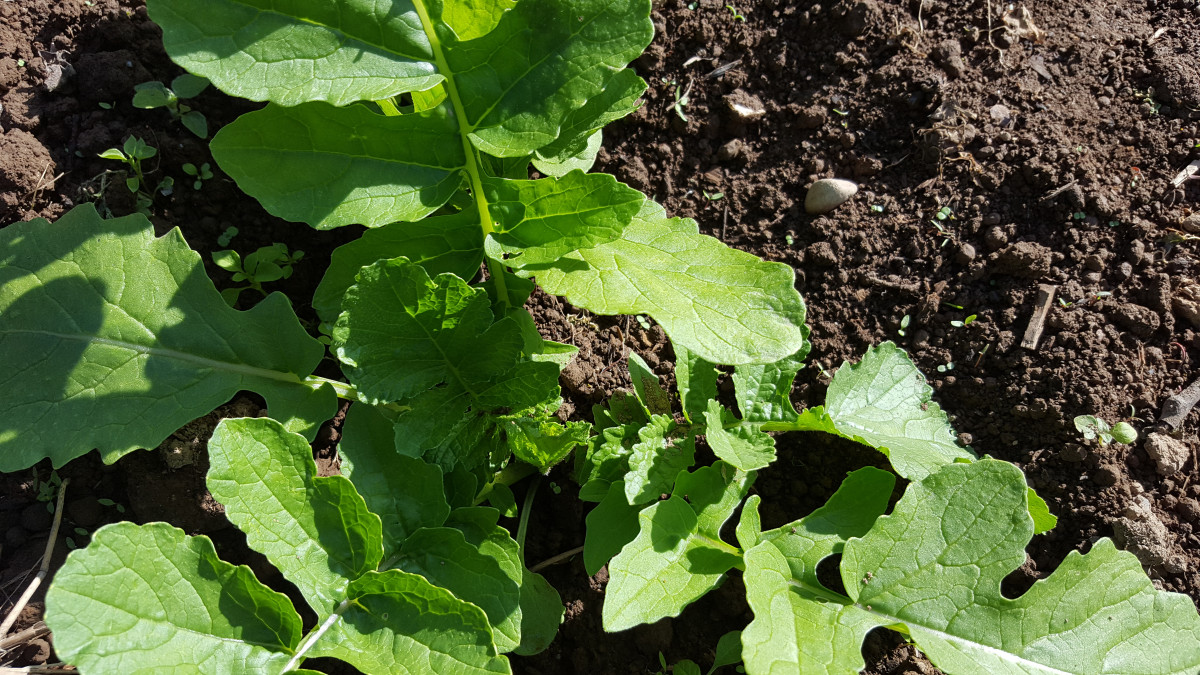
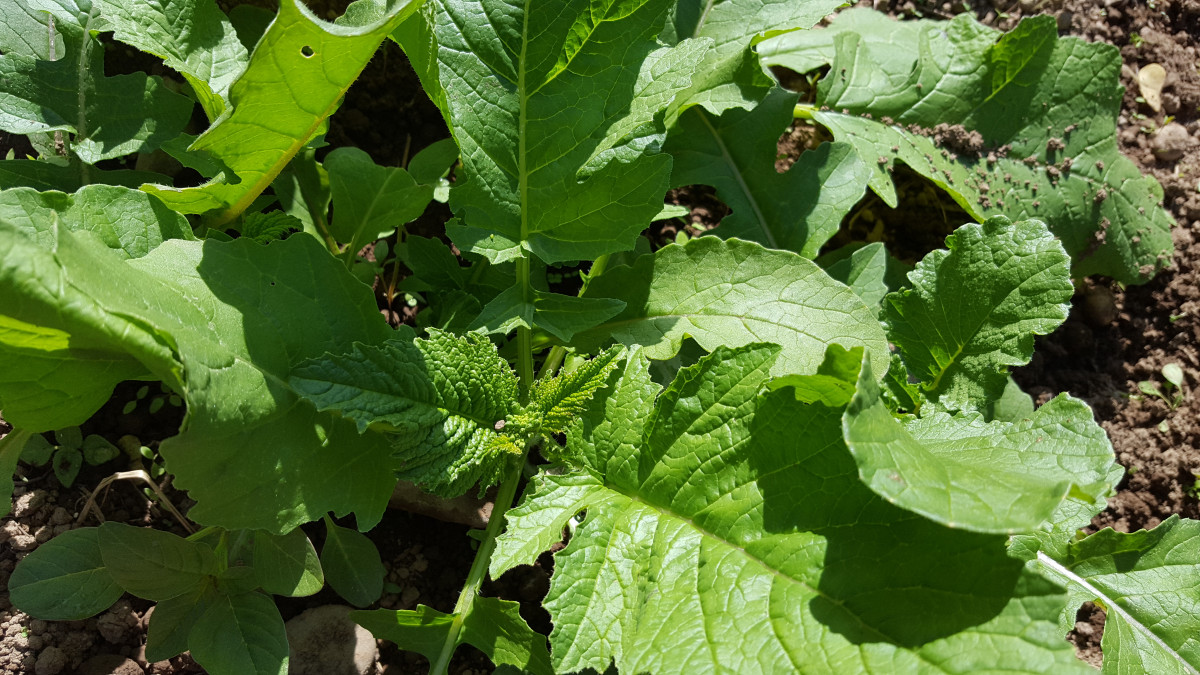
Daikon Rasdish, MinowaseImposter, Probably Field Mustard *Notice the little flower cluster in the center of the plant.
As you can see, they are quite similar.
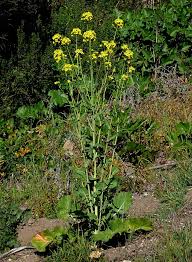
After looking closely at the plants that were bolting and at varieties of daikon, especially the red/purple varieties (we were fairly certain that these plants were indeed daikon because of the coloration on their leaves) I was able to find subtle differences in their morphology that made me confident that the bolting plants were not daikon but simply an imposter that hadn’t been weeded due to its similarities. At this point, the weeds have been removed to make room for our desired crop. Below is a photo of what our imposter could look like when full grown and flowering.
Adult Field Mustard
This is a great example of how knowing similarities and differences in plant family characteristics can aid you in managing crop/weed interactions in your fields; knowing a plants life cycle can be a great and crucial first step in deciding how to move forward with managing it.
In addition to the daikon radish and radicchio trials, I wanted to incorporate two more of my favorite crops: arugula and pak choi (bok choy). Not only are these two crops tasty, diverse, and popular culinary staples, they have a much quicker rate to maturity than that of daikon or radicchio; arugula can mature in up to 25-35 days and pak choi in approx. 45 days. My plan for these two crops is to have them seeded on a 10 day cycle, allowing me to have a steady flow of these crops for various tasting trials with the Terrior/Merior program at Evergreen State College.
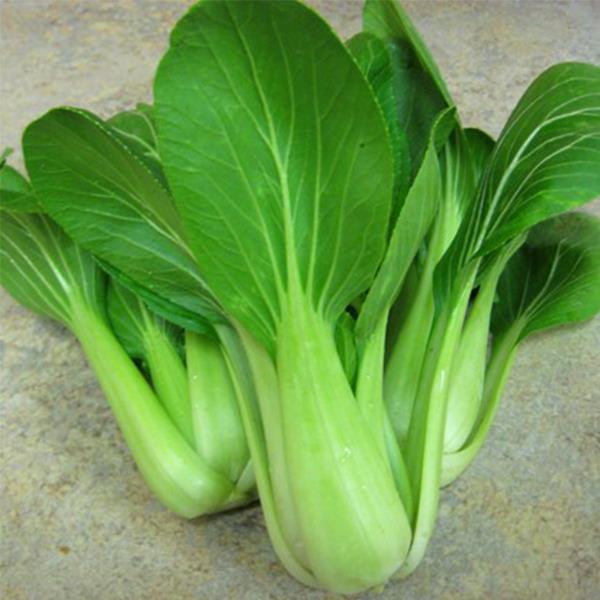
Pak Choi: This crop, more commonly known as bok choy, has always fascinated me. The petiole of a pak choi leaf being rigid and juicy while the leaf, tender and flavorful. The size of a pok choi plant can range from 5 inches tall to 20 inches tall and come in many different shapes, as well as colors. There are varieties of pok choi that are all green, some that are purple, and commonly found is the white stem/green leaf varieties that are commonly sold in grocery stores. For my own experiment, I chose 6 different varieties that range in size and color configuration. I am curious to see how these crops handle late season climatic changes as well as heavy shading from the surrounding forest as the sun begins to drop lower on the horizon. It will be interesting to see how the differences in shape, size and color coincide with the flavor profile once these reach the tasting trials. Varieties chosen: Joi Choi, Yoshi, Mei Qing, WinWin, Li Ren, and Tonko.
Tonko, Pak Choi
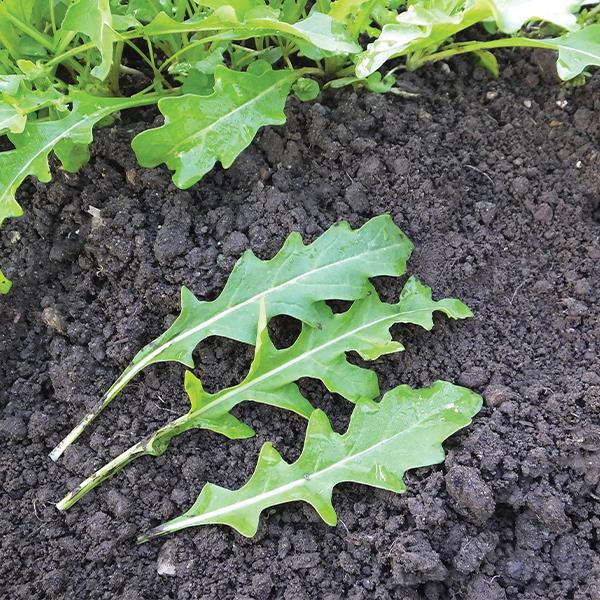
Arugula: To this day, arugula remains to be one of my favorite leafy greens. This crop, while rather easy to grow, takes any salad or salad mix to the next level. Arugula commonly has a peppery flavor and often has a ‘sharp bite’ once being initially bitten into, but I am always surprised at the rather drastic differences in flavor from variety to variety. In addition to differences in flavor, the leaf shape of arugula can be toothed, lobed or simple.
Aside from the tasting trials, I will be watching the arugula for signs of bolting (during what summer temperatures we have left) and also how the varieties react to shade stress. Varieties chosen: Roquette, Surrey, Uber, Astro.
There was a time where I was unsure whether the 2020 radicchio trial would get the ‘all clear’, so I decided that I wanted to pursue some personal interests with regards to vegetable variety trials.
Daikon Radish: I have been incredibly fond and fascinated by the wild and strange daikon radish for some time now. These exceptional plants have many interesting uses; not only are daikon beautifully diverse in color, shape, and flavor, they can be used as a deep soil-penetrating cover crop that aid in breaking up compacted soils while adding copious amounts of organic matter both above and below ground, suppressing weeds, and slowing soil erosion.
Aside from these perks, my particular interest in these daikon is their ability to be processed and turned into value added products such as kimchi and pickles. Yes, I see a lot of potential in their flavor, but I also think that the different colors from variety to variety have the potential to make some truly aesthetically striking fermented products. My intention is to hold some tasting trials that allow for the tastee to try the kimchi next to the corresponding daikon radish, and compare from variety to variety.
Using the SURF budget I purchased seeds for 6 different varieties of daikon: Einstein, Red Meat, Artesia, Minowase Summer, April Cross, and KN Bravo.
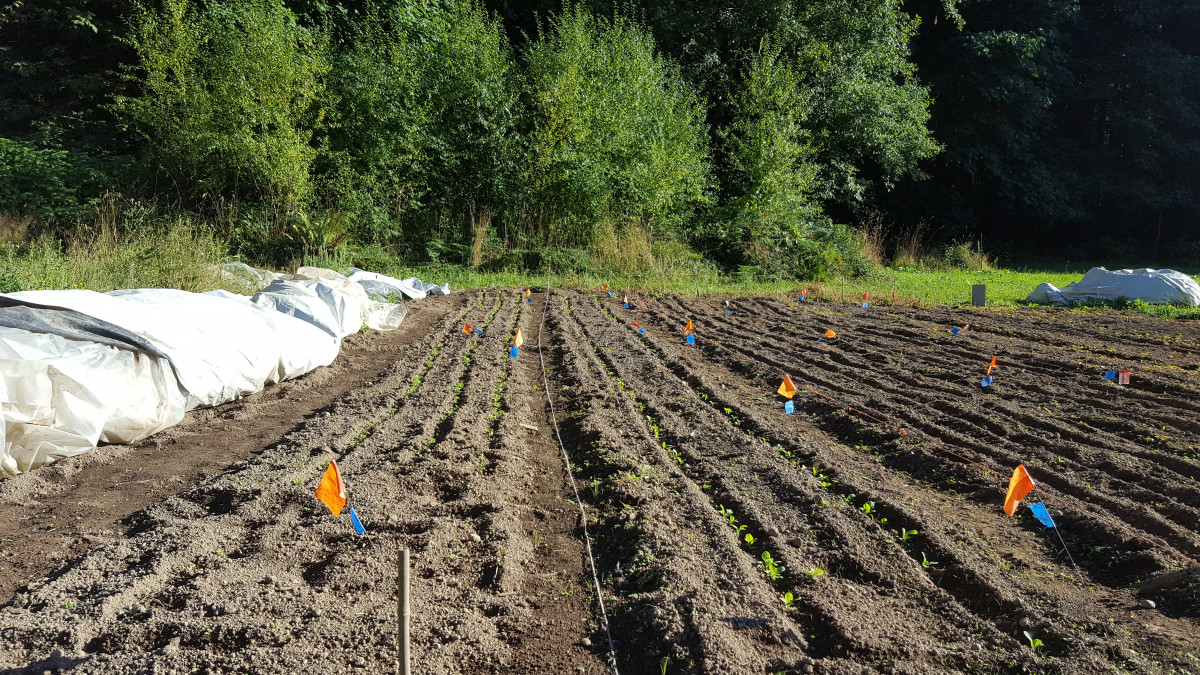
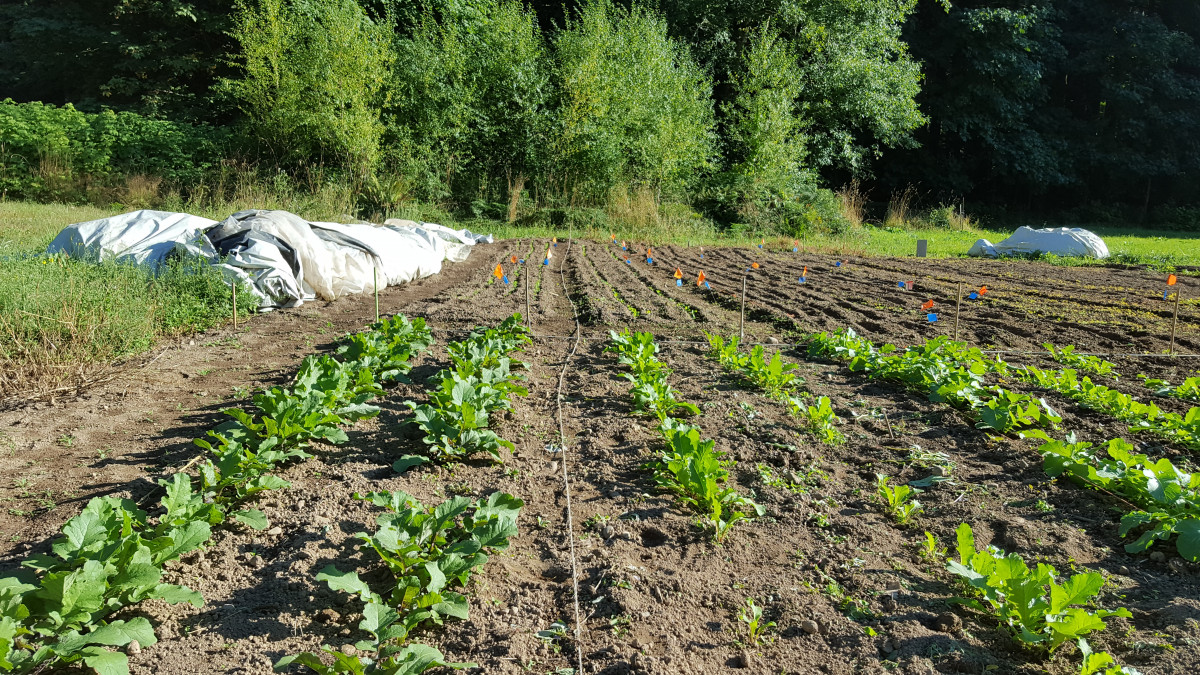
With some of the space allotted to me at the Evergreen Organic Farm, I was able to seed 3 replications, side-by-side, with each replication containing 15 bed feet of each variety. In total, I have 45 bed feet of daikon radish for each of the six variety. On August 3rd I direct seeded two rows per bed, trying to keep a 3-4″ spacing between seedlings.