
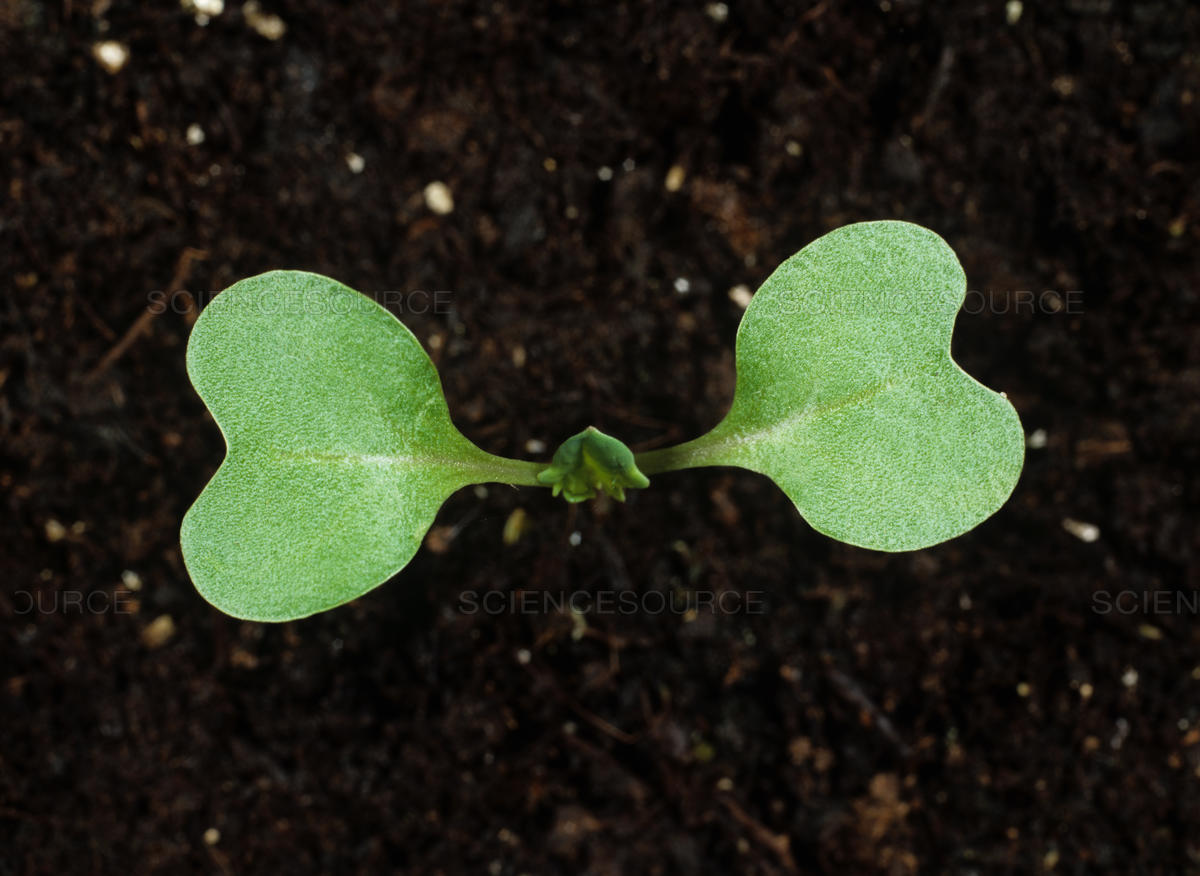
This is a lesson in plant-family imposters! Above is a photo of a brassica’s cotyledons – at this stage, it is nearly impossible to know whether that plant would grow into a cabbage, brussel sprouts, broccoli, etc.
Growing brassicas in the PNW is like growing seaweed in the sea, it’s the way things were meant to be. Brassicas, such as daikon radish, bok choy, or arugula, appreciate the temperate climate just as much as I do and don’t require the growing degree days that, say a tomato or pepper require. This is all to say that Brassicas feel right at home here in Olympia, WA, and because of this you can be sure that there may be brassica-family weeds in your fields.
While watering the daikon trial plots, Steve (check the who are we page for more info) noticed a number of young daikon radish plants starting to bolt and go to seed. If this were the case, the plants that were bolting would be useless as a marketable vegetable seeing as they skipped the part of their life cycle that involves the enlargement of our delicious radish root. Knowing, though, that Brassicas are vary similar morphologically, and can be incredibly hard to differentiate at a young age, we wanted to be sure of the identity of the plants that were bolting.
Plants may bolt ahead of schedule when stressed or when planted at a time in the season that doesn’t have their normal growing conditions. For instance, I planted some leeks at my own farm too early, while the soil was still cold. Once the soil got warmer, and the leeks got to size, they began to bolt and send out their scapes. Normally this wouldn’t happen until they had been over wintered and the weather began to warm but because they had been planted into cold soil, the leeks had been tricked into thinking they had been over wintered and were ready to flower.
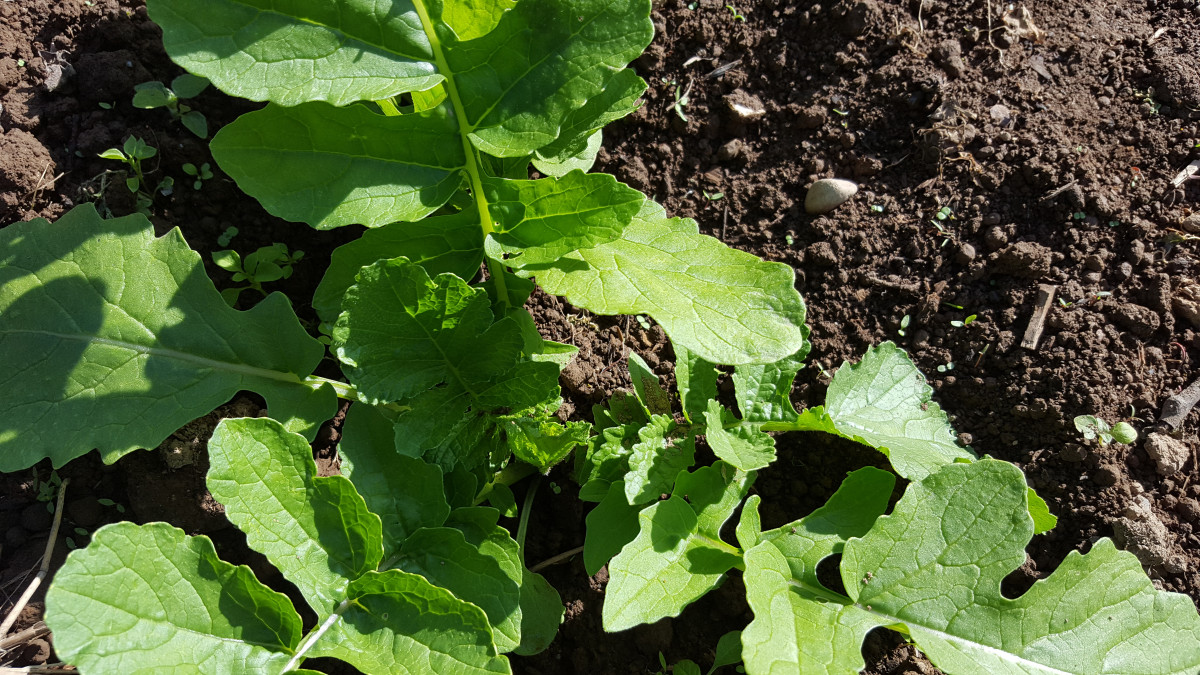
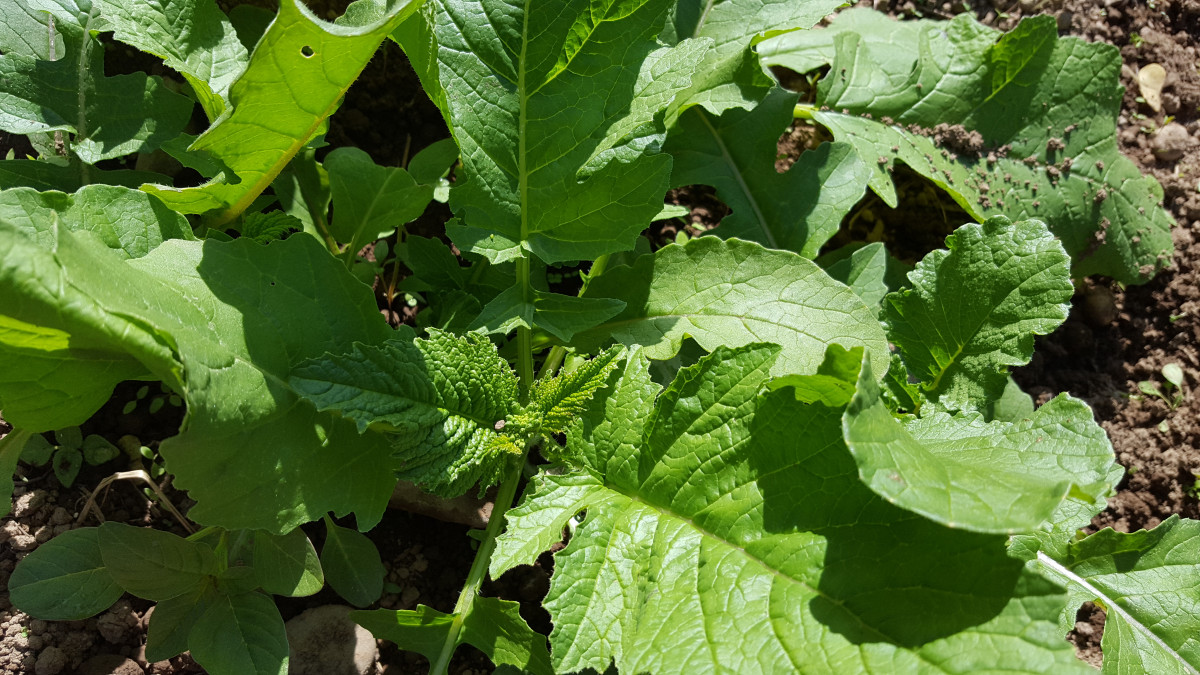
As you can see, they are quite similar.
After looking closely at the plants that were bolting and at varieties of daikon, especially the red/purple varieties (we were fairly certain that these plants were indeed daikon because of the coloration on their leaves) I was able to find subtle differences in their morphology that made me confident that the bolting plants were not daikon but simply an imposter that hadn’t been weeded due to its similarities. At this point, the weeds have been removed to make room for our desired crop. Below is a photo of what our imposter could look like when full grown and flowering.
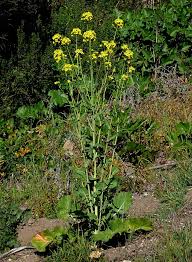
This is a great example of how knowing similarities and differences in plant family characteristics can aid you in managing crop/weed interactions in your fields; knowing a plants life cycle can be a great and crucial first step in deciding how to move forward with managing it.
Leave a Reply