“Winemaking here is in its infancy, but 20 years down the road having the designation will be a bigger deal. As the wineries here mature we will likely develop regional styles of our own. Right now, we’re just trying to please our local customers.”
– Lynita Delaney, co-owner of Elmaro Vineyard in Trempealeau, WI
Muckian, Michael. “Wine from the Mississippi to The Ledge.” Isthmus, Isthmus Community Media, Inc., 3 Oct. 2019, isthmus.com/food-drink/drinks/wisconsin-is-home-to-three-american-viticultural-areas/.
Wisconsin is made up of 5 distinct wine regions: Door County, Glacial Hills, Driftless Region, Fox Valley, and Northwoods Region

Wisconsin has three American Viticulture Areas: the Upper Mississippi Valley, Wisconsin Ledge, and Lake Wisconsin.

Lake Wisconsin AVA was established in 1994 and is located in South Central Wisconsin and borders both Lake Wisconsin and the Wisconsin River. The first grapes, in this area, were planted by Agoston Harazthy in 1847.
The Lake Wisconsin AVA covers 43.75 sq miles within Columbia and Dane counties. Here most vineyards are planted at elevations of around 800 to 900 feet above sea level and have gravel and sandy loam deposits from the glaciers. The most commonly used grape in this area is the Marechal Foch.
The Upper Mississippi Valley AVA, created on June 22, 2009, covers 29,914 sq miles and is located along the Upper Mississippi River in Northeast Iowa, Northwest Illinois, Southeast Minnesota, and Southwest Wisconsin. It is currently the largest designated appellation in the world. The boundaries of this AVA share the unique geographical parts of the driftless Paleozoic Plateau.
The third and most recent AVA, the Wisconsin Ledge, was officially created in 2012 and is 3,800 sq miles located within Northeaster Wisconsin, Door, Kewaunee, Manitowoc, Sheboygan, Ozaukee, Washington, Dodge, Fond du Lac, Calumet, Outagamie, and Brown counties. This AVA is mostly surrounded by the waters of Lake Michigan, Winnebago, Green Bay, and Fox River. Here the glacial soils are made up mostly of gravel, sand and clay laid over a limestone bedrock. There is also an aquifer below this area that provides mineral rich ground water for the vines, this also encourages deep root growth. Most vineyards within this AVA are on the eastern facing slopes, this helps with constant air movement and warmth from Lake Michigan.
“The Wisconsin “ledge,” as it’s sometimes known, is 10 degrees warmer than the rest of the state, which makes for a longer growing season and longer “hang time” for the grapes. I went back 110 years in climatological studies to show authorities that this was not a recent phenomena. The lakes surrounding us act like heat sinks and even minor things like fog have positive influences.” – Steve DeBaker owner and winemaker of Trout Springs Winery in Greenleaf and was the lead in the effort to create the Wisconsin Ledge AVA

Wisconsin grape industry has recently exploded. The majority of Wisconsin vineyards were planted between 2005 and 2010. Many have shown commitment to planting more vines and creating larger commercial vineyards.


| Wisconsins Top Wine Grapes | |
|---|---|
| Frontenac | -introduced in 1995 is the first in a series of new wine grape varieties developed by the University of Minnesota -very cold hardy as low as -30 F -very disease resistant, good resistance to powdery and downy mildew -produces dry red wine, rose’, and port -cherry, blackberry, black currant and plum notes -grapes with high sugar and high acidity |
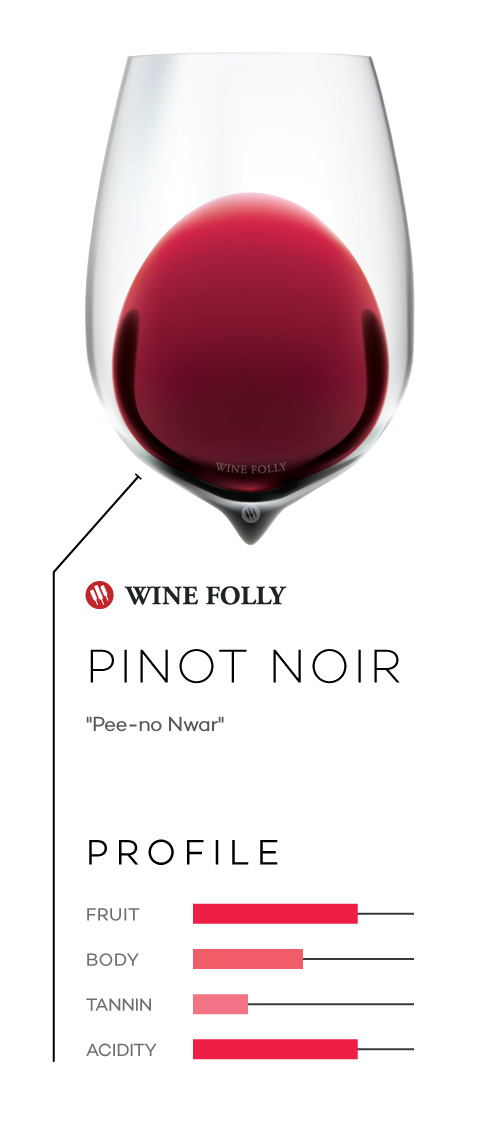
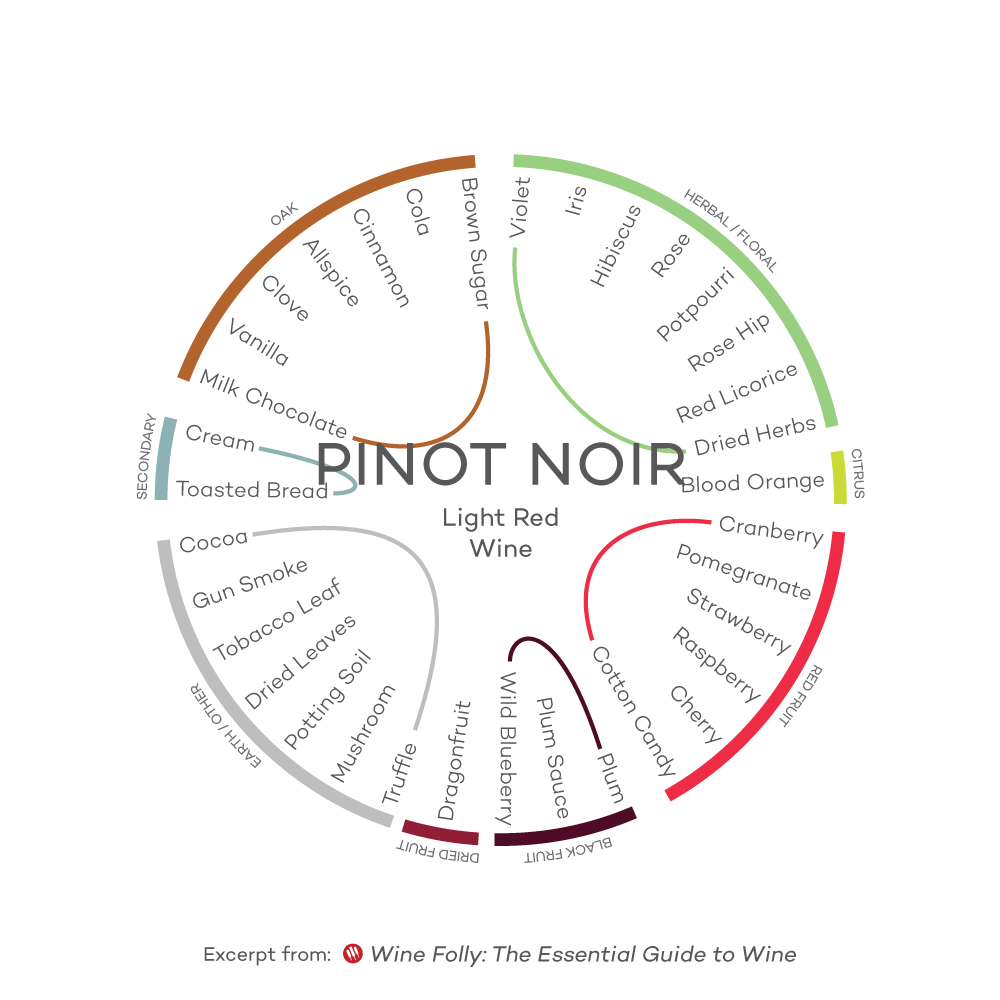
| Marquette | -very cold hardy temperatures as low as -36 F -cousin of Frontenac and grandson of Pinot noir -resistance to downy mildew, powdery mildew, and black rot -high sugar and moderate acidity -attractive ruby color -pronounced tannins -notes of cherry, berry, black pepper, and spice -represents a new standard in cold hardy viticulture and enology |
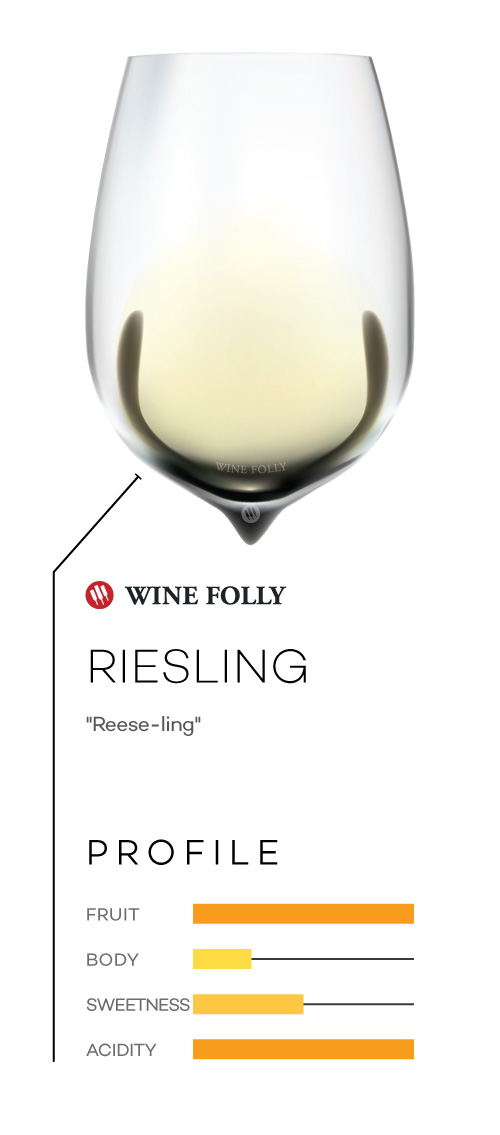
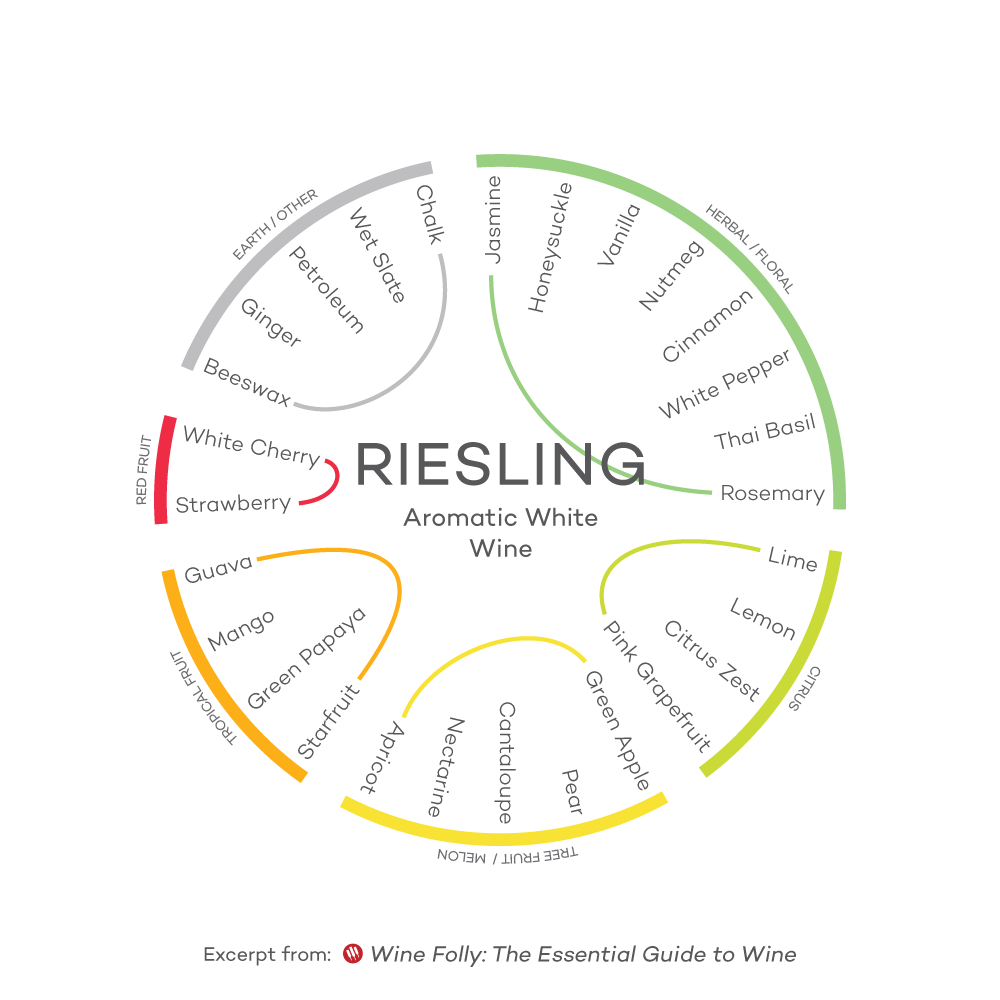
| St. Pepin | -sister seedling of LaCrosse -it is a pistillate -when well ripened, fruit quality is similar to Riesling -makes a fruitier wine -due to its winter hardiness and low acidity, it can be made into ice wine in the north -developed by Elmer Swenson |
| La Crescent | -from the University of Minnesota -winter hardy to temps of -36 F -moderately susceptible to black rot and powdery mildew -intense nose of apricot, peach, and citrus -excellent as a dry or sweet wine |
| Frontenac gris | -from the University of Minnesota -a bud sport of Frontenac, almost identical, but lacking dark skin color -Hardy to at least -38 F -moderate susceptibility to powdery mildew and black rot and very low susceptibility to downy mildew -suitable for high quality table and dessert wines, possibly ice wine as well -aromas of peach, apricot, citrus and pineapple |
| Marechal Foch | -good resistance to the usual diseases -can be made into a variety of wines ranging from a light red wine similar to Beaujolais, to a more extracted red wine with intense dark purple color and black fruit flavor, to a sweet, fortified, port-style wine |
| LaCrosse | -hardy to -25 F -disease resistance are moderate -one of the leading white wine varieties in Upper Midwest -makes a good stand alone varietal wine, can also used for blending for lighter wines to add body and finish -when fermented in oak makes a nice dry wine -aromas of pear, apricot, and slightly Muscat, citrus, & floral, -developed by Elmer Swenson |
| St. Croix | -excellent table grape, and is also great for red wine -good resistance to powdery mildew and black rot. -hardy to -32 degrees F -makes a medium to full-bodied, dry, deep red wine with soft tannins and good fruit aromas of currant and other dried fruit -developed by Elmer Swenson. |
| Edelweiss | -sweet and has a pleasant flavor -winter hardy but may require winter protection for reliable fruiting in zones 3 and 4 -has excellent disease resistance -can make a sweet white wine with mild, fruity Labrusca flavor and an excellent dessert white wine -can also be used as a table grape, and for juices and jellies -developed by Elmer Swenson |
| Prairie Star | -developed by Elmer Swenson in 1980 and released around 1994 -excellent winter hardiness and moderate disease resistance -used for blending to help add body to more neutral wines -produces a neutral white wine with good mouth feel and finish |
| Brianna | -very cold hardy and shows good fungal resistance -used as a table grape and produces a nice white dessert wine -semi-sweet with pineapple nose and flavor. -developed by Elmer Swenson |
| Sabrevois | -sister variety of St. Croix, but with better winter hardiness reported up to -35 degrees F -very good disease resistance -black wine grape developed by Elmer Swenson -when picked early can make a high acid, medium bodied complex red wine with good tannins -its varietal wine has been reported to age well and improve after two years in the bottle -a 50-50 blend with Frontenac has been recommended -if pressed early it can make a desirable rose’, but is best as part of a blend with other red hybrids with high sugars |


Out of the 72 counties within Wisconsin, 49 of them have reported to having at least one vineyard.


The post popular wine grape varieties, indicated by growers, to be planted in the future are Marquette, La Crescent, Frontenac, Frontenac gris, and St. Pepin.

Prior to 2007 Frontenac, Marechal Foch, St Pepin, La Crosse, Marquette, St Croix, La Crescent, Edelweiss, Frontenac gris, and Prairie Star were the top varieties planted. Between 2007 and 2010 things changed a little, Marquette, Frontenac, La Crescent, Frontanc gris, St Pepin, Prairie Star, St Croix, Brianna, Edelweiss, and Sabervois were the most planted varieties.

In 2010 an estimated totoal of 690,799 pounds of grapes were harvested.


The five native grape species that have helped create these cold hardy gapes are Vitis Riparia, V. Berlandieri, V. Rupestris, V. Labrusca, and V. Aestivalis.
| V. Riparia | Found from Canada to Texas, Atlantic Ocean to Rocky Mt Very cold hardy tolerant to phylloxera and resistant to fungal diseases |
| V. Berlandieri | Found in central Texas and eastern Mexico tolerance to high pH soils |
| V. Rupestri | Found from Texas to Tennessee tolerant to phylloxera and resistant to fungal diseases found in rocky creek beds almost extinct |
| V. Labrusa | Found in Georgia to Southeastern Canada, with Indiana as its western limit cold hardy susceptible to phylloxera |
| V. Aestivalis | Found in Eastern North America drought tolerant tolerates wet and humid summers cold hardy |
Vitis Vinifera produces 99% of the worlds wine
The Alexander Grape was Americas first hybrid, a cross between V. Labrusca and V. Vinifera possibly. Found in 1740 in an old abandoned vineyard from around 1680 in Philadelphia.
Wisconsin’s first vineyard was planted in Sauk City, which is now Wollersheim Winery, in 1846 by Agoston Haraszthy. He later founded the Buena Vista Vineyard in Sonoma, California and was called the “Father of California viticulture.”
So how did the breeding of cold hardy grapes start? In 1908 the University of MN created the grape breeding program. In 1969 Elmer Swenson of Osceola, WI began working with the grape breeding program at UWM. Here Elmer crossed the first American Hybrid with more and more V. Vinfera to create grapes that resembled more and more the European style of grape. After Elmer Swenson’s retirement from UWM in 1979 Trollhaugen, Petite Jewel, Summersweet, Lorelei, Swenson White, Prairie Star, St Croix, St Pepin, LaCrosse, Brianna, Alpenglow, Shannon, Espirit, Kay Gray, Sabrevois, and Louise Swenson were all released.
“It’s a cooler climate, which keeps the acids from metabolizing in the grapes, giving the wines their backbone. AVA designations will serve Wisconsin’s wine industry in terms of both growth and recognition. But ultimately we need more vineyards in the ground if we want to create a style unique to Wisconsin. We need more growers making more wine before people can start saying, ‘Aha! That’s what a Wisconsin Ledge Marquette wine tastes like.’”
-Steve Johnson, owner and winemaker at Parallel 44 Vineyard & Winery in Sturgeon Bay, WI.
Muckian, Michael. “Wine from the Mississippi to The Ledge.” Isthmus, Isthmus Community Media, Inc., 3 Oct. 2019, isthmus.com/food-drink/drinks/wisconsin-is-home-to-three-american-viticultural-areas/.