
Chapter 3 and 5
Chapter 3 is a road map on the idea of prepping and cooking vegetables for use throughout the week. And I wanted to provide a few examples of the variety of ways you can use prepped without feeling repetitive. This not only preserves the freshness of the produce you’ve just procured, but a little bit of time up front can save you time on a busy day without compromise of flavor and enjoyment. Adler begins the chapter with basic rules of thumb when prepping vegetables – roasting, preparing, tasting and all of the do’s and don’ts wrapped in advice that transfers to all of your kitchen adventures. Then she gives you the gift of a thousand ways to use these prepped vegetables – and they are good.
“By the end of the week, you will have eaten vegetables a dozen ways a dozen times, having begun with good raw materials only once. You will also have had a number of satisfying conversations . . . You will have been silently practicing that ancient conversation in which cooks and their materials used to converse, feeling out unfamiliar conjugations, brushing up.” Pg 52
I am also excited about chapter 5, reading it was one of those moments when you read someone’s words and it is as if they are narrating your thoughts. She wonderfully and succinctly navigates key advice when it comes to cooking. She writes:
“If we were taught to cook as we are taught to walk, encouraged first to feel for pebbles with our toes, then to wobble forward and fall, then had our hands firmly tugged on so we would try again, we would learn that being good at it relies on something deeply rooted, akin to walking, to get good at which we need only guidance, senses, and a little faith.”
We aren’t often taught to cook like that, so when we watch people cook naturally, in what looks like an agreement between cook and cooked, we think that they were born with an ability to simply know that an egg is done, that the fish needs flipping, and that the soup needs salt.” Pg63
Often people tell me they aren’t good at cooking and ask how I know what to do – I will direct them to this chapter. Paying attention and using all of your senses is key and one of the most asked questions I get is “how many minutes should I cook this?” Adler answered this better than I can:
“No matter how well a cookbook is written, the cooking times it gives will be wrong. Ingredients don’t take three or five or ten minutes to be done; it depends on the day and the stove. So, you must simply pay attention, trust yourself, and decide.” Pg64
We can easily forget that cooking with simple ingredients, using all of our senses, simple tools and without the pressure of perfection or the expectation of award-winning presentation can and often does produce magical meals. The ability to look into the refrigerator, pantry or garden and piece together a meal with what you have on hand can be accomplished by anyone. Allowing ourselves to cook with wonder and misstep is key to learning how to know what to do.
Here are some of my favorite and I think useful quotes on using your senses – taste, sound, smell, touch and heart – from this chapter:
“Only by tasting can you learn to connect the decisions you make with their outcomes.”
“Listen as though you could cook something just by hearing it.”
“For your nose to be as useful as it can be, associate what you smell with what you taste and see and hear.”
“When you touch the food you cook, you develop intelligence in your fingertips.”
“A meal is cooked by the mind, heart, and hands of the cook, not by her pots and pans.”pg 64
As you can tell these may be my favorite chapters, I highly recommend reading and learning from them. The squash salad I made follows her recipe on page 45, A Vibrant Vegetable Salad. I am going to change up my posting a bit and post separately the recipes and process for the food I prepared this week. This will help to create handouts for the farm stand and for you to easily navigate what I am getting out of the text and what I am cooking. Stay tuned and please contact me or leave a comment if you have any questions, comments or feedback!
“As long as you taste curiously, and watch and feel and listen, and prick your way toward food you like, you will find that you become someone about whom people will say that cooking seems to come naturally, like walking.” Pg 66
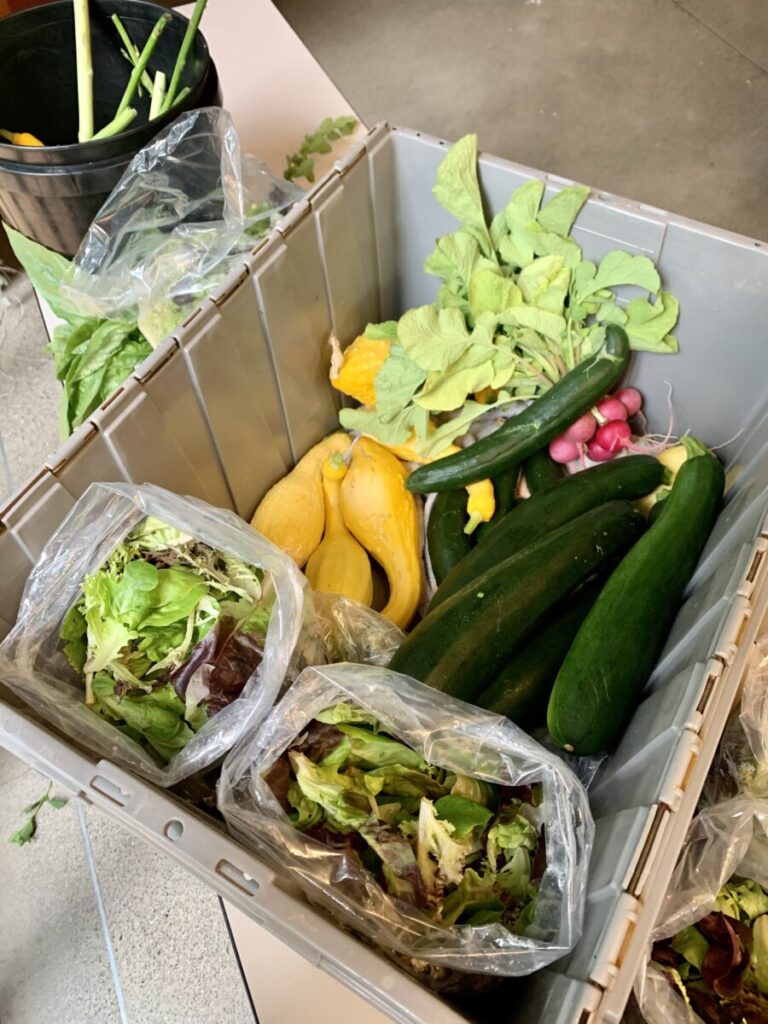
Here is the ingredient list and a few notes for the menu this week.
Ingredient List:
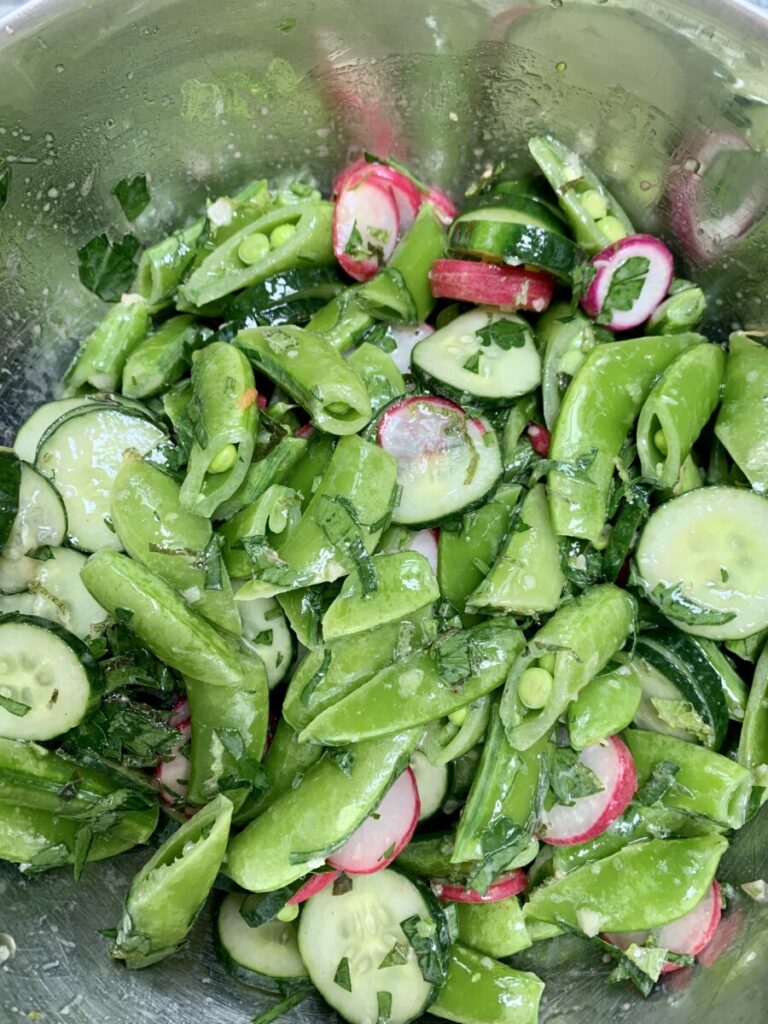
Snap Pea and Mint Salad:
Snap Peas
Radish
Cucumber
Sunflower Seeds on the side
Dressing
Olive oil, Dijon, garlic, salt, mint, parsley, lemon.
White Bean and Red Rice Vegetable Soup:
Broth:
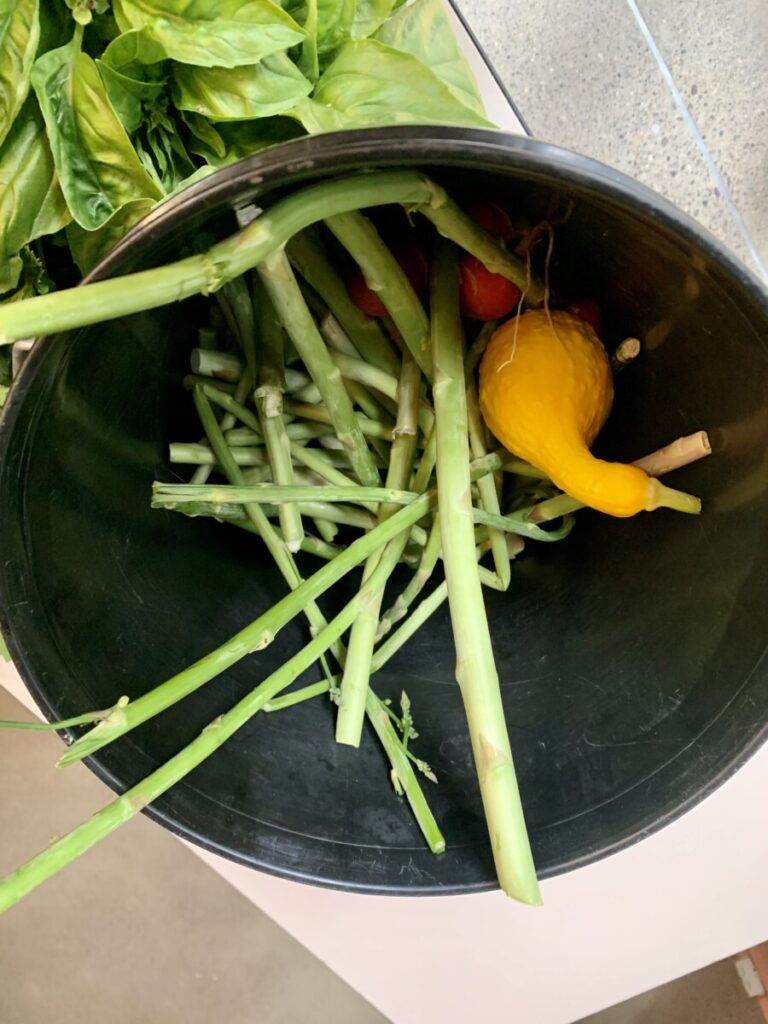
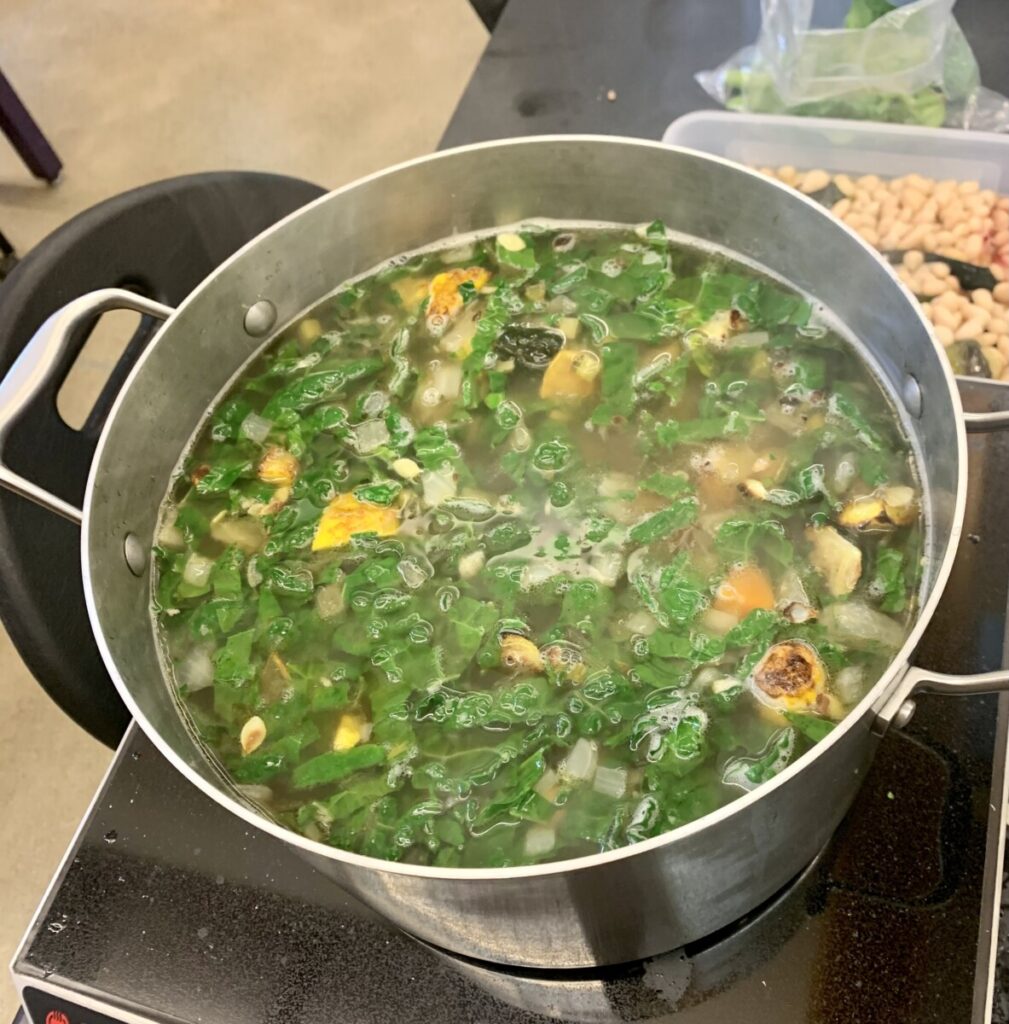
Water, asparagus, summer squash, zucchini, snap pea, garlic, onion, herbs.
Soup:
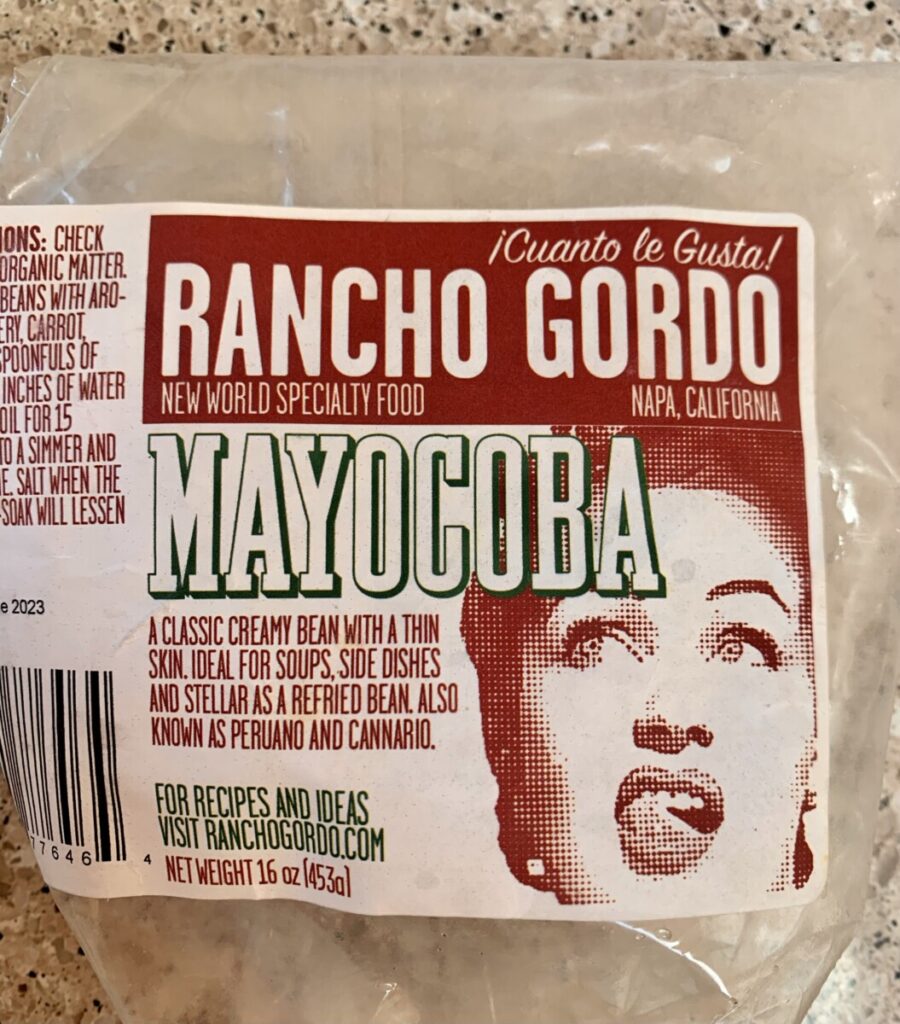
Onion, garlic, carrot, kale, summer squash, zucchini, bay leaf, white bean, red rice, apple cider vinegar, salt, olive oil
Squash and Red Rice Salad:
Summer Squash
Zucchini
Radish Tops
Red Onion
Red Rice (cooked in white bean broth)
Dressing:
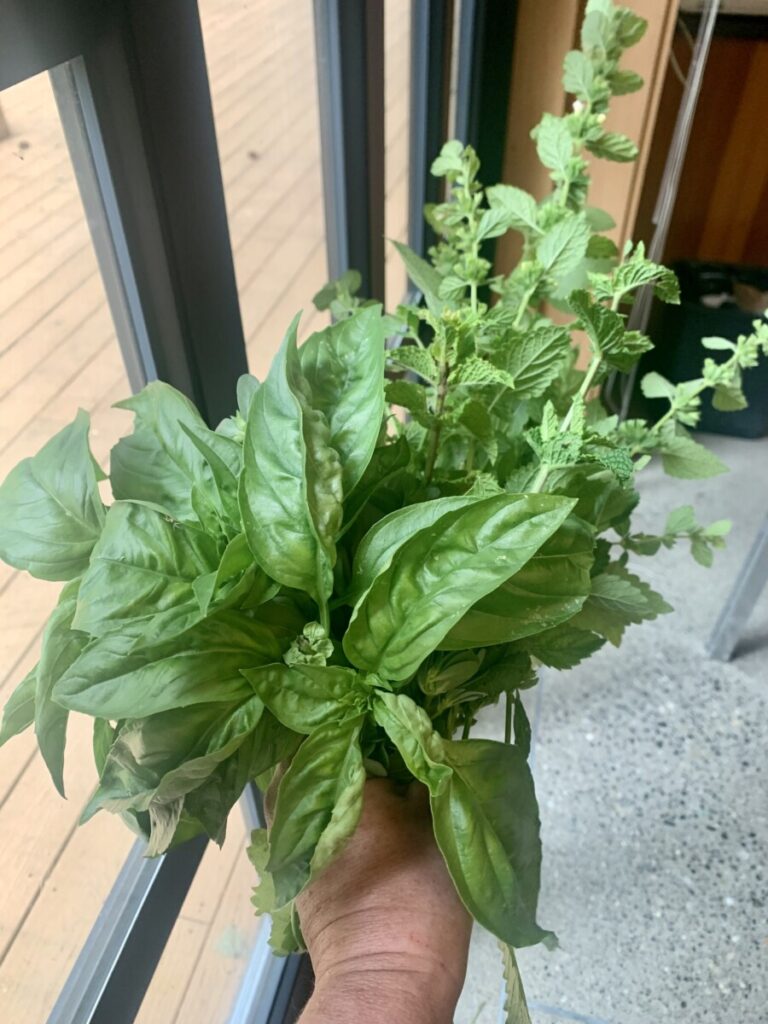
Olive oil, red wine vinegar, Dijon, garlic, salt, parsley, lemon, mint, lemon balm
Walnuts on the side
Green Salad with Herb Vinaigrette:
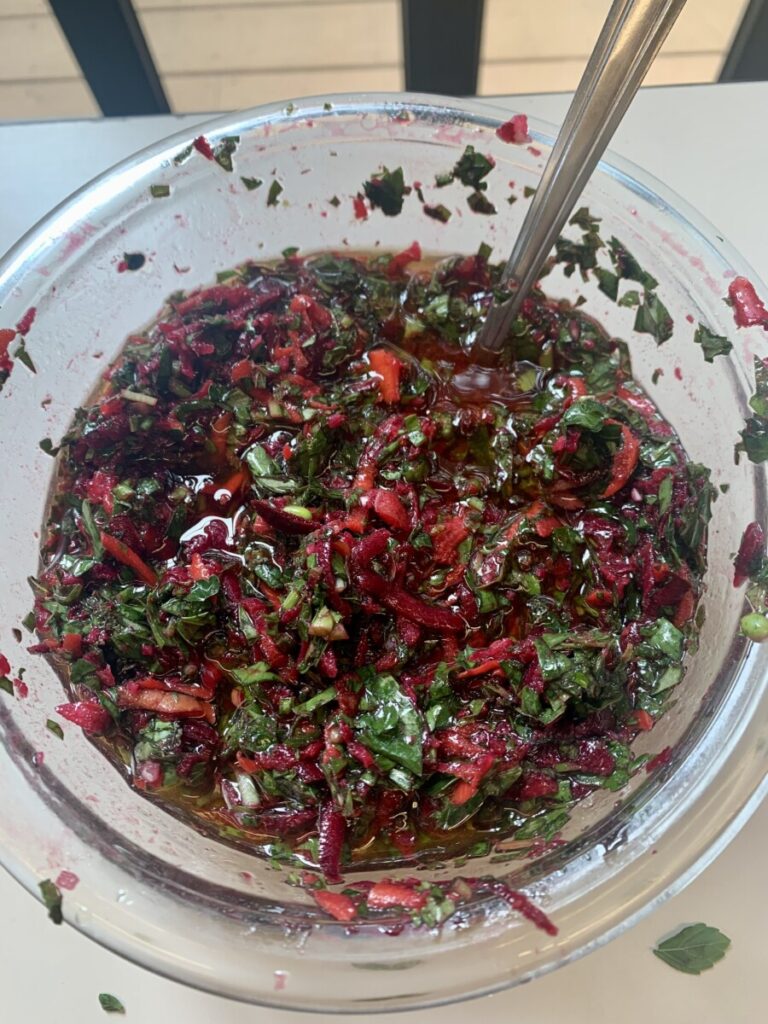
Directions: Mix Dressing with salad – best if as many servings as possible are mixed with dressing becoming fully tossed before serving. Stir the dressing thoroughly, use a small amount and toss, adding more dressing as needed. Careful not to over dress.
Salad greens, cucumber, peas
Dressing:
Carrot, beet, radish, garlic, salt, Dijon, vinegar, basil, parsley, mint, lemon balm, olive oil