
By Dawn Mischele Arn
When I was a child, my papaw was my culinary hero. He would come over for lunch some Sundays, and I was always so excited to see him. I remember a time when I could barely wrap my little arms around half of his belly. Every single time, he would tell me that he remembers when I was born. “You used to fit from here to here!” he would say, pointing from the inside of his elbow to his wrist. And every time he would compare my newborn-self to a football and pretend to run down the field with me. He’d pick me up and go “Ey! Touchdown!” and we would giggle together. Then, we would steal a leftover doughnut from that morning and head into the kitchen together.
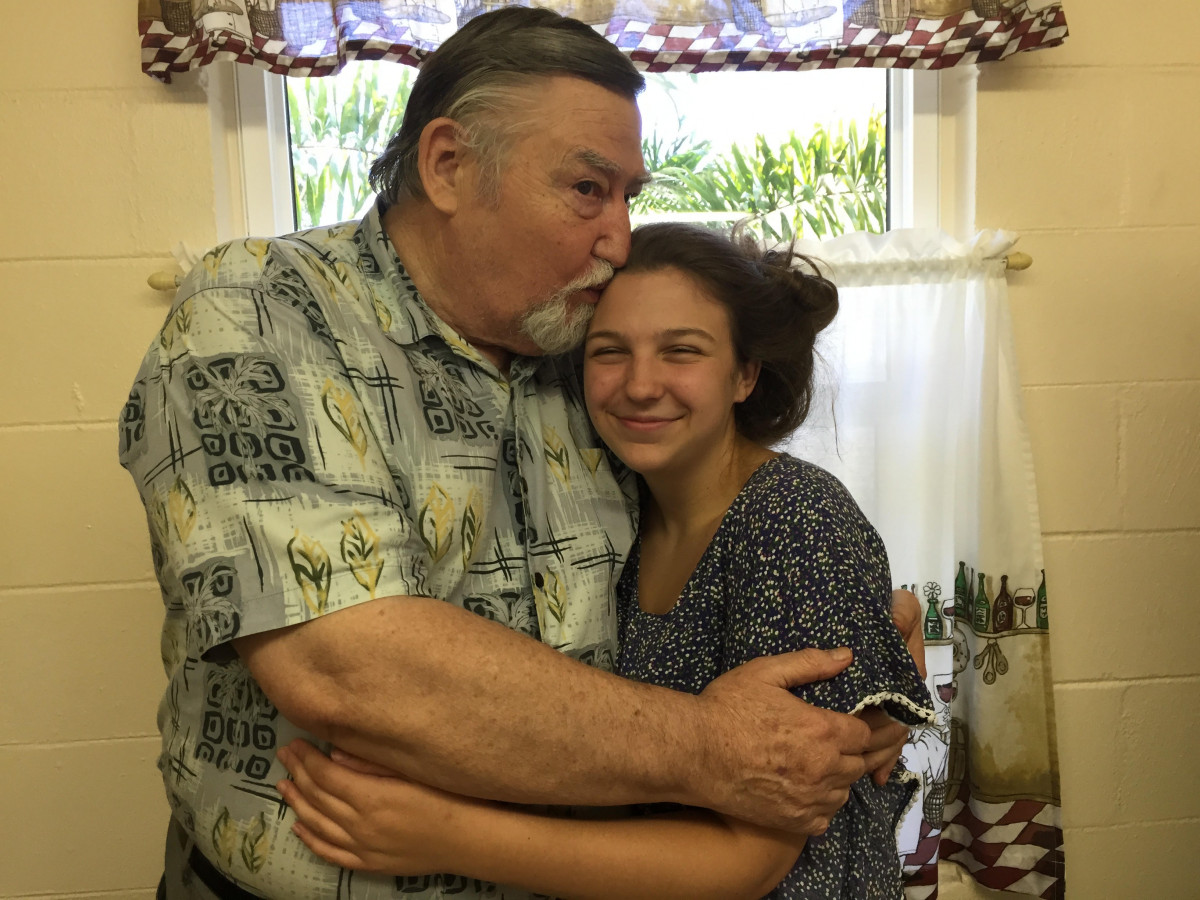
You could say that my grandfather was a bit eccentric, and you wouldn’t be wrong, but I thought he was a silly, creative, and hilarious genius. Part of his silliness was that he would always put on an over-the-top Italian accent while we were cooking. He did this so often and so well, that by the time I was 8 years old, I was convinced we were part Italian. I was shocked when someone finally broke the news to me. All that time together in Papaw’s Italian kitchen had me convinced that we were at least partially descended from who I thought were the best cooks in the world.
This, however, was untrue. I recently took a DNA test with Ancestry.com and the results are in: I am white. The majority of my bloodline (66%) hails from England, Wales and Northwestern Europe, and the remainder is made up of the surrounding areas: 18% Germanic European, 10% Sweden, 3% Norway, and 3% Ireland/Scotland. I can’t say I know enough about the classic dishes of those cuisines to know if they influenced the way my grandparents ate, nor myself. On my mother’s mother’s side, we can trace her history all the way to the American Revolution, perhaps even The Mayflower. I don’t know much about my mother’s father’s side.
Papaw didn’t have an easy childhood and doesn’t like to talk about his parents all too much. I do know that after he escaped his parents at age 5, he grew up on his grandmother’s farm in West Virginia. He has fond memories of his grandmother, Mamaw. Papaw got his love for food from Mamaw; she fed him well with fresh ingredients and a healthy dose of love. There’s a glassy, far-away look in his eye when he talks about her; perhaps it’s happiness, or the pain of missing her, or remembering how much hard work went into the food he describes. Most likely it’s a combination of it all, and it’ll be the same look I have in my own eyes when I tell my children about Papaw.
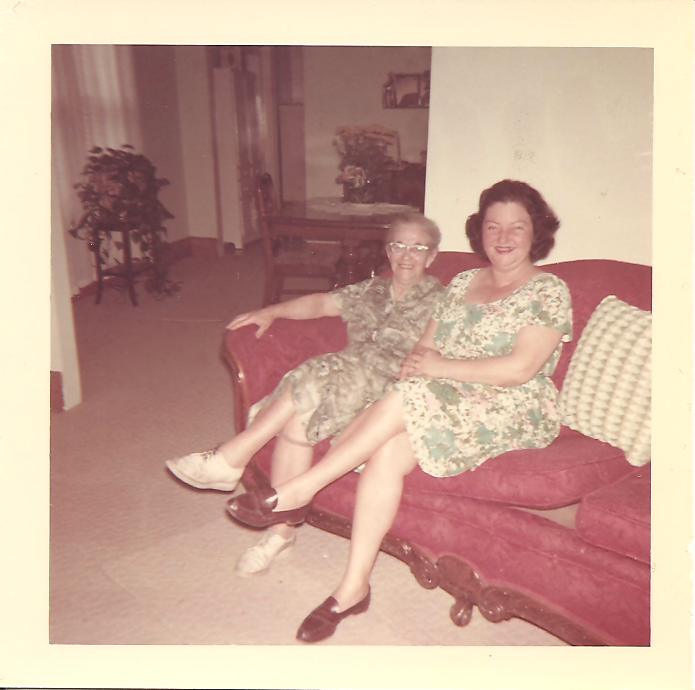
Mamaw (left) and Papaw’s mom, Stella Cole (right). 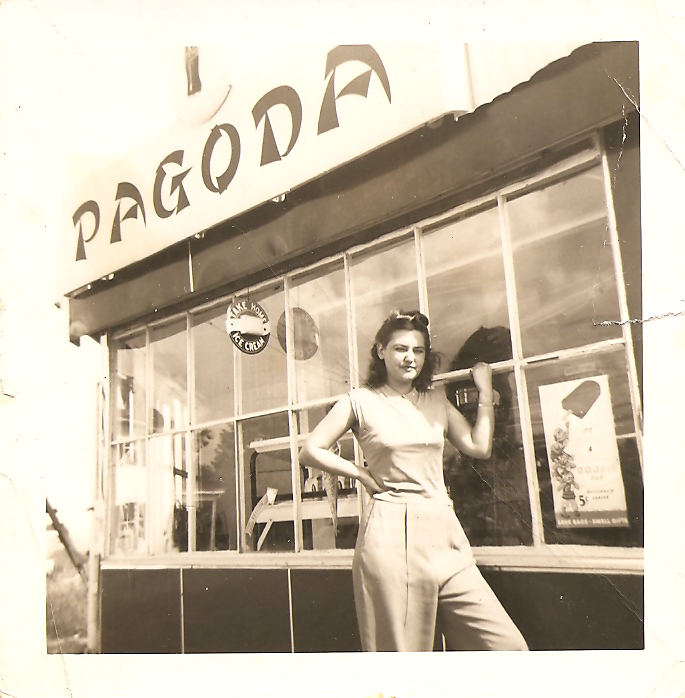
Stella Cole was a cook at Pagoda; this is what inspired Papaw’s love of cooking (and eating).
Growing up in rural Florida our ethnic cuisine options were limited to the “Oriental/Hispanic” aisle of the grocery store, and Panda Express. This may be racism, or simply the demographics weren’t interested in different cuisines enough for a new business to thrive in the area. The town where I grew up was a NASA town, and after the space program was all but mothballed, the economy suffered. Because of this, the main businesses that were able to stay open were the ones that had been there for years, and the fast food restaurants. Although, if you were willing to travel the half-an-hour it took to get anywhere other than nowhere, there was really good Mexican food. In town, there was a pizza place that had been around forever and two barbeque spots: the popular chain Sonny’s BBQ, and a mom and pop shop called Louis’s BBQ Shack, which I always thought had the best sweet tea in town.
Looking back now, there’s a distinct difference between the kind of Southern cooking we did at home and the kind of Southern cooking we got when we ate out. The main difference is that the Southern that you could get at the barbeque restaurants were clearly influenced by the Black style of Southern cooking: creamy and flavorful baked beans, hush puppies covered in powdered sugar, BBQ sauce and rubs on every kind of meat the South had to offer. As a child I found the Black Southern food to be overwhelming and intriguing all at the same time. I remember once in the second grade we had some kind of family-recipe potluck as part of a history project. I can’t remember what I brought, the only thing I remember is the only Black student in the whole class bringing his dad’s cornbread and it being gone in an instant. I told him I didn’t know cornbread could be moist and sweet, I thought it was always crumbly and bland. I’ll never forget the proud look on his face that just read “That’s what I’ve been trying to tell you!”
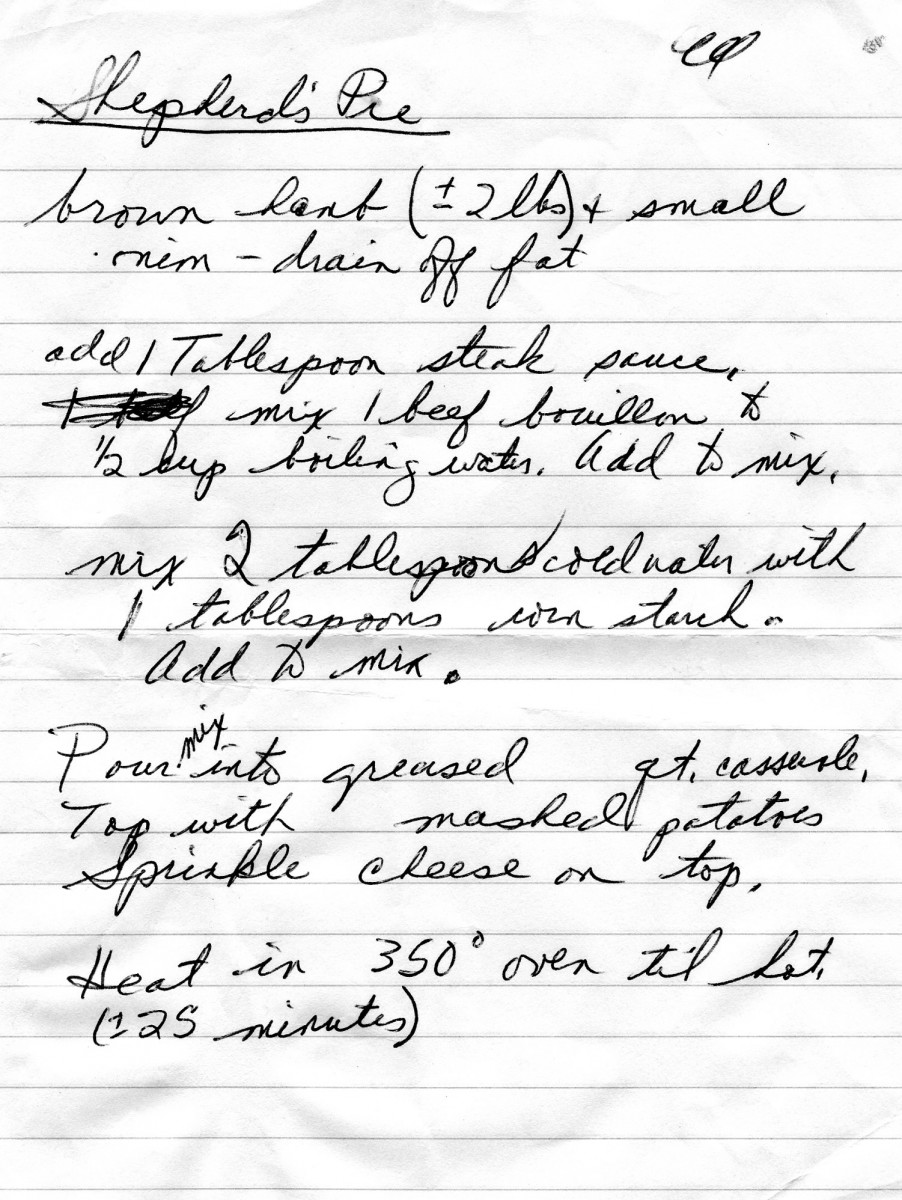
The kind of southern cooking we did at home was white: white gravy, white biscuits, white potatoes, and steaks well done with nothing but salt and pepper. Maybe these are real-time echoes of the past; the white European blood showing itself as a lens to my culinary present. I spent the majority of my childhood between my mom’s house and my grandma’s house. My mom’s parents got divorced when she was 14, and my parents got divorced when I was 4, at which point we moved from California to Florida. My single mom was a teacher, studying to get her master’s degree and National Board Certification at the same time. Because of this, we spent a lot of time at my grandma’s house. She only knows how to make a few meals: spaghetti and meatballs, meatloaf, shepherd’s pie, and “baked” (but actually microwaved) potatoes. Are you noticing a trend? Top three ingredients: meat, potatoes, dairy. While these four meals will only get you so far, the main reason my grandma didn’t cook that often is because she hated to do it. Every time my mom cooks for her (to this day) she exclaims “Wow, it’s so nice to have a wife!” and laughs at her own joke. All of this, to say that we ate out often: Publix subs with fried chicken, cheddar cheese, and shredded lettuce, and Wendy’s chicken nuggets, a frosty, and fries were the most frequent options at grandma’s house. After dinner we would do homework, watch NCIS or Dancing with the Stars, eat ice cream and go to bed. My grandma eats ice cream at the same time every night; in fact, it’s how she remembers to take her cholesterol medicine.
My mom, although having a breadth of recipes in her repertoire, used a lot of the same ingredients: chicken, beef, dairy, pasta, potatoes, breads and sugar. The more I think about where our culinary influences came from, the longer the list gets: West Virginia accounts for the beef and potatoes, Florida takes responsibility for the chicken and sugar, Papaw’s obsession with Italian and French food accounts for the pasta, bread and sugar. We also felt the influence from our close proximity to the southern border both when we lived in California and in Florida; salsa, guacamole, tacos, quesadillas, and lots and lots of tortilla chips. Every year, my mom, siblings, and I made the trek back to California to see family friends and my father. Each trip was always centered around the foods we could only get on the west coast: Jamba Juice, In-n-Out, Wood Ranch, California Pizza Kitchen, and Chick-fil-A (before they expanded). I was always thrilled to share these meals with people that I loved, and often had not seen in a while. I find it fascinating that in this class we are engaging in “culinary tourism”, something I have been doing since before I was old enough to pronounce the same words. This influenced my relationship with food from a young age; I was always aware that food could play the role of something to bring people together, even across the country. It also made me overtly aware of the scarcity of some foods and how they can become the hallmark of a special occasion. Ironically enough, the “special foods from across the country” have reversed themselves now that I live on the West Coast. Now we look forward to Steak ‘n’ Shake, Sonny’s (Louis’s closed), and those now nostalgic Publix subs.
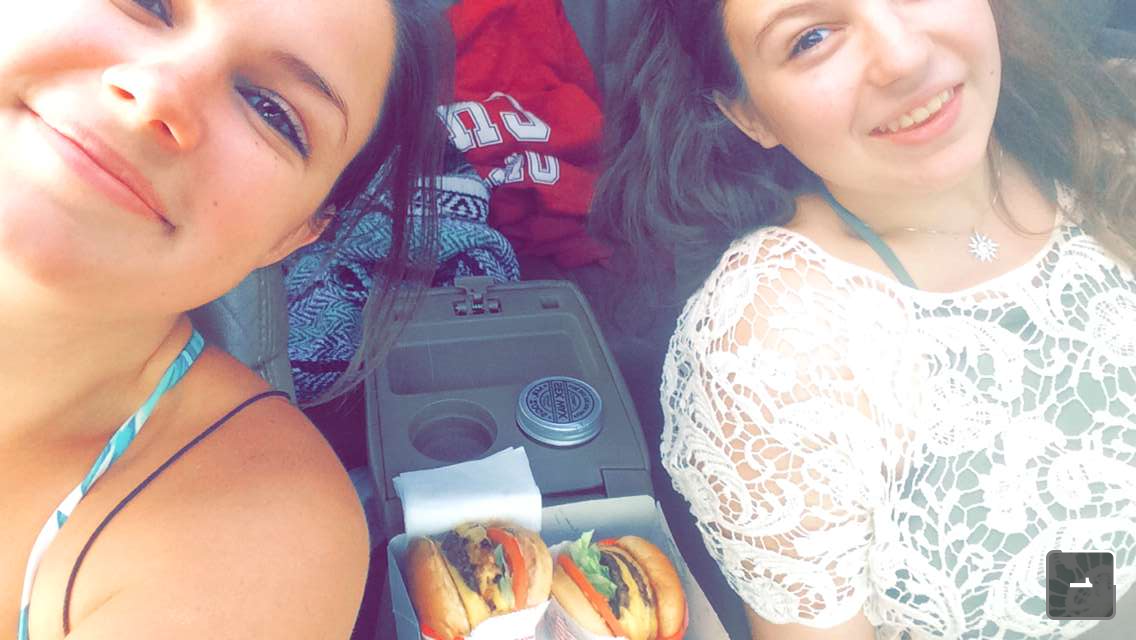
Before moving to Washington, I can’t remember one meal that didn’t contain meat in some shape or form— even green beans were cooked in pork fat and served with bacon bits. Once I moved north, my palate expanded quite rapidly. I started eating sushi, pho, Thai and Indian curries. I fell in love with the cuisine of the Global East. Despite this budding affection for new and exciting cuisines, I never lost my love and appreciation for the cuisines and dishes I grew up with: Southern, American, Italian, sandwiches, and grilled meats. All of these come together to form the palate I had going into the rest of my life.
Fast-forwarding through all of the character building, albeit unrelated, life events of middle and high school, we arrive here: The Evergreen State College. When I first arrived, I was weary of gaining the Freshman 15: an all you can eat buffet for three meals a day plus little self-control equals a very unhealthy student. However, the food served at said buffet proved not to be as enticing as I had originally imagined it would be. For the first few weeks I was adventurous, eating the various entre meals that they served. But after one too many trips to the bathroom (and eventually not enough trips to the bathroom) I decided to stick to the basics: burgers and fries. This isn’t exactly the well-balanced diet I had intended for myself. Although the Greenery may not have provided me with the nutrition I needed, what it lacked in health it made up for in community. Everyone has to eat, and all first-year students have to have a meal plan, so inevitably we ended up congregating there.
For all of its faults, I will always love the Greenery, because it’s where I met my partner. Kenny is a beautiful, kind and compassionate man whose wit and charm know no ends. He also happens to be a vegetarian Buddhist. Often times when I tell people that I went vegetarian when I met Kenny, they assume he laid down some sort of ultimatum: never let meat cross your lips or you will never have me. This is not the case at all; at first, I tried to be respectful by not eating much meat around him. After a few weeks of hanging out regularly, he offered a friendly challenge: try it. For one week, don’t eat meat. I was game, so to speak, and after that one week, I honestly felt a lot healthier. Kenny shared some literature with me about the harmful practices of factory farms and let me make my own choice, and I chose to stop supporting systems that blatantly disregard the well-being of all lifeforms on earth.

After I went vegetarian, things were really weird for a while. I didn’t know what a meal was that wasn’t centered around meat, so I mostly ate side options. For almost a month after the switch, I lived mostly on the Greenery’s salad bar and French fries. Sometimes I would venture out into the gluten-free options and eat some plain quinoa and their very spicy hummus (which Kenny affectionately called “spummus”), but aside from that my diet was fairly carb heavy. It took me a long time to learn how to work protein into my diet, and what a meal with veggies for the main dish even looked like. Luckily, my old friend pasta had my back to help me transition into a vegetarian diet. Three years into my vegetarian lifestyle, and I still struggle with it sometimes. The most beneficial thing that I’ve learned to help me is to look to cuisines of the Global East. Perhaps it’s because I live with a Buddhist that I made these connections, but I found that the places where Buddhism was associated with tended to have more meatless dishes— a hypothesis that was confirmed by reading Cuisine and Empire by Rachel Lauden.
Looking to the Global East helped me find ways to eat protein and vegetables instead of just macaroni and cheese. By looking at Chinese cuisine, I learned that tofu was more than just something floating at the bottom of miso soup (although this is still one of the most delicious ways to eat it, in my opinion), and that it didn’t always have to be soggy and flavorless. Tofu is bland by design so that you can imbue it with spices and flavor-boosters like garlic and ginger. One of my new favorite tricks is to put that boring white block in a tofu press; once you’ve squeezed out all the liquid, you can marinate it in whatever you’d like: soy sauce, Worcestershire sauce, garlic and lemon juice. Plus, it crisps up delightfully when pan seared. The best thing about tofu is that it is a blank slate.
If you turn your eyes to India, you can learn so much about the importance of spices. I had no idea that curry wasn’t a spice, but a blend of spices, the same as tikka and garam masalas. You can make a delicious and well-balanced meal by combining some spices, vegetables, and coconut milk for a luxurious sauce that goes well with rice. I find it fascinating how often Indian cuisine uses yogurt to add acid and fat, balancing out the spices and starches. Another great thing Indian food introduced me to was lentils; dahl is a vibrant, aromatic, and hearty meal that comes together with little more effort than it takes to make a stir-fry.
To bring my exploration closer to home, I returned to an old favorite of mine: tacos. Of course, these weren’t the tacos I’d had before; they weren’t meat, cheese, lettuce, tomatoes, and sour cream. Instead, I looked to the wisdom of the Native Americans and their Three Sisters Garden. My tacos had black beans, corn, and sweet potatoes. The traditional Three Sisters garden would have squash instead of sweet potatoes, and nothing about this was a traditional taco (especially because we used huge flour tortillas, so it was more of a burrito really), but we used what we had to make something delicious. Once I concocted this mishmash of cultures and cuisines, Kenny was hooked. Thus was born our own version of Taco Tuesday, and it’s been a tradition ever since.
Taco Tuesday was just the beginning of me understanding how to make vegetarian meals. A lot of it had to do with making a schedule: Mondays are black bean burger days (I make enough to have leftovers for fast lunches throughout the week), then Taco Tuesday, Wednesdays are for stir-fries, Thursday I make a full on gourmet meal that makes me happy to cook and eat, and Fridays we have frozen pizzas because who really has the energy for anything more than pizza and beer on Fridays? What about the weekends, you ask? I cooked all week! Fend for yourself. Maybe if we’re feeling rich, we’ll go out to eat, and if it’s soccer season you’ll definitely find us at the sports bar eating garlic fries for dinner. The menu tends to change as our schedules demand, ensuring the fast meals land on our busiest days. I try to always keep one fancy meal per week to feed my culinary creativity, and let’s face it, my taste buds. It’s been a long journey to get to the point where I feel confident in my ability to be able to whip up a healthy and delicious vegetarian meal when I need to. I’ve added new meals to my arsenal (chickpea salad sandwiches) and erased the ones we only ate because I didn’t know how to make anything better (spaghetti with sauce from a jar and broccoli to make it “healthy”).
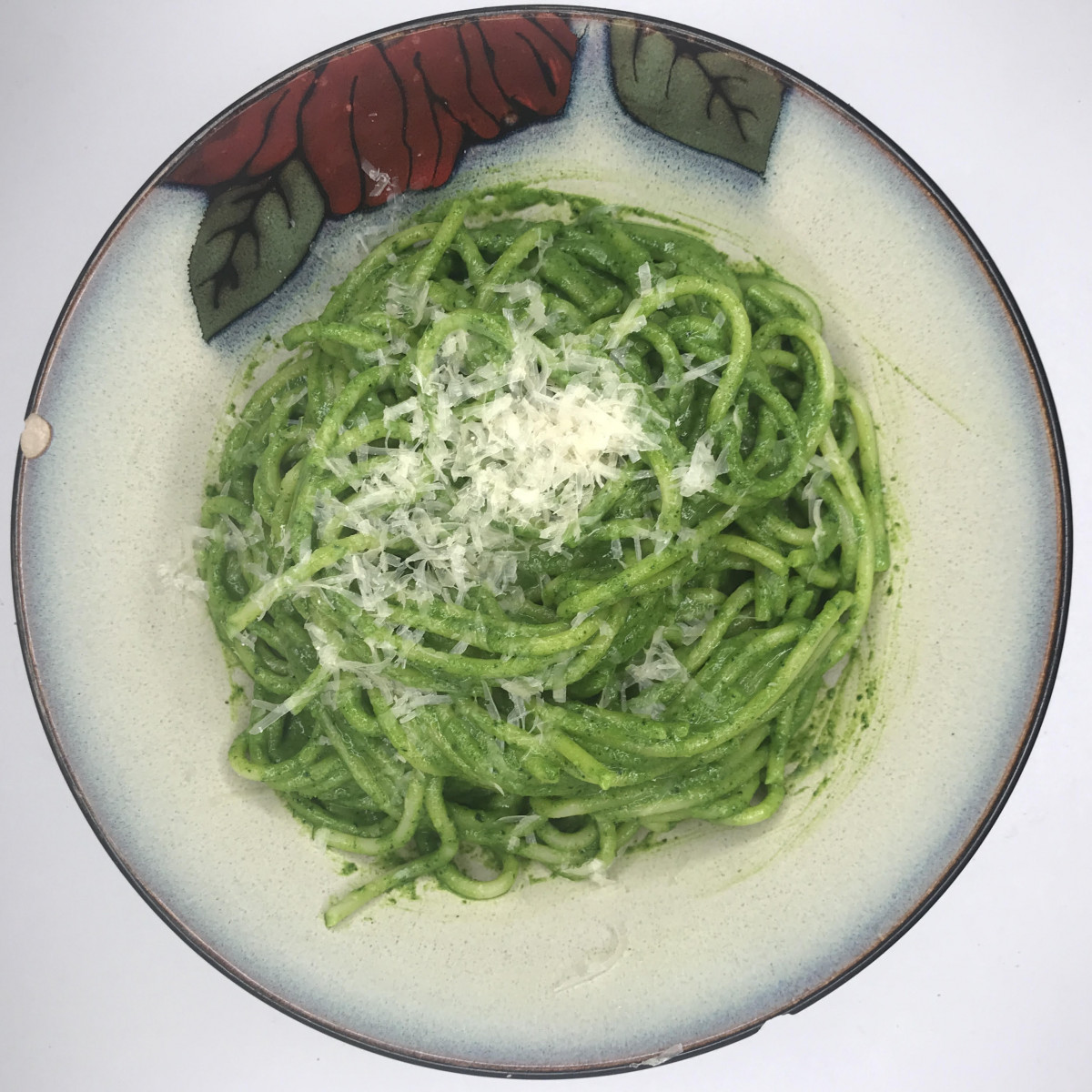
Even the meals that felt like we were suffering through had a place in the expedition towards climbing the meatless mountain. Whether it be figuring out how to eat something other than salad and fries, or dedicating myself to being able to make the perfect Thanksgiving gravy, everything I’ve learned has helped me grow into the eater I am today. And who knows, maybe I’ll master making the perfect vegetarian chicken tender: a crispy, crunchy outside with melt in your mouth moist “meat” inside the carb-y case. Even if I don’t, I know there’s no such thing as a botched attempt. Kenny always reminds me that I didn’t fail, I just learned how not to make something. There have been several times where having him in my kitchen has made me feel better, and I’m truly thankful for that. I always know that if I’m struggling to figure something out, I have a network of support (and a shared document full of family recipes) to fall back on. I’m grateful for every person, place, and plate that produced my palate.
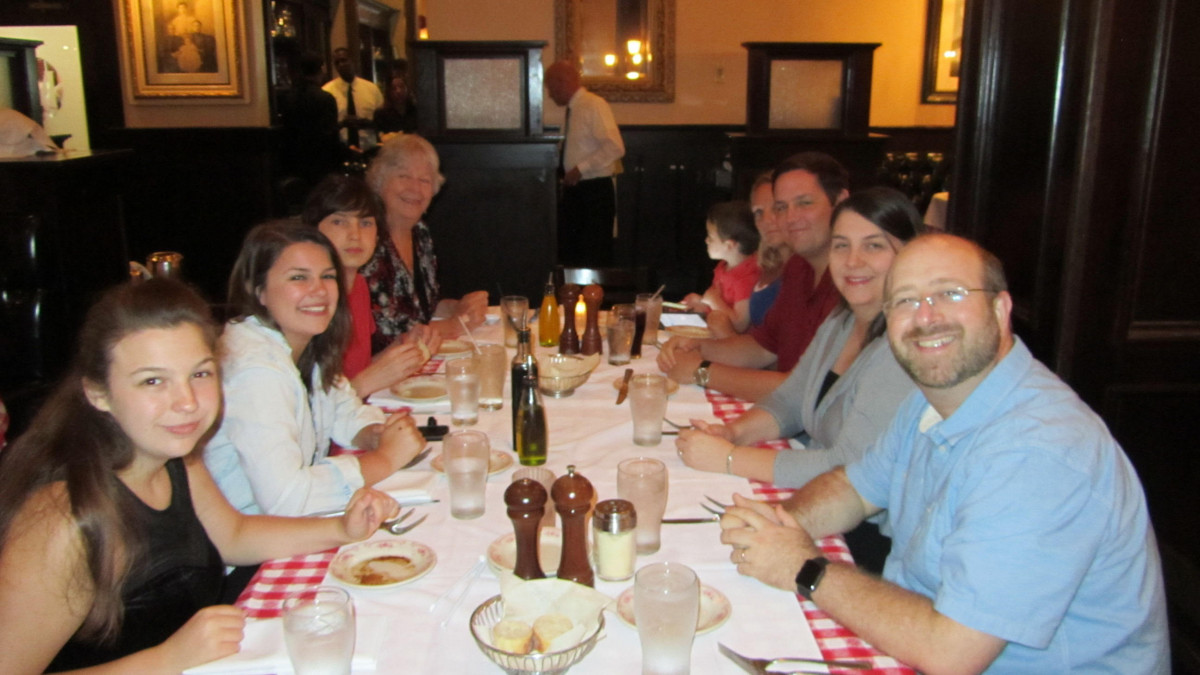
Me, Danielle (sister), Ben (brother), Grandma, Ethan (cousin), Aunt Erica, Uncle Grant, Jeannette (mom), and Steve (stepdad)
Photograph taken by Opa, my grandfather, who prefers to remain behind the camera.