
I would like a weir.
Nicola Shirley-Phillips of The Source Farm via WhatsApp prior to our departure for Jamaica
During the chaotic lead up to our study abroad pivot from Trinidad to Jamaica, I had the good fortune to reach out and attempt to lay some groundwork before the travel was even approved. Through pure providence, I have an extended family connection to The Source Farm Ecovillage, specifically Nicola Shirley-Phillips, Colleen Williams, and Nomi and Dwight Shirley. Not about to let a perfect one-for-one replacement site slip by a number of WhatsApp conversations led to an eventual link up while on ground!
During the conversations, the lack of water access for the Guango Wild Garden Conservancy (GWG) was brought up. Without water, the processing center at the site was unusable, and by extension the Source’s activities with the Ujima Organic Market suffered. This seemed like the perfect place to apply some nondestructive learning in the form of labor support to the effort.
Conversations lead to the understanding that emplacing a weir. Awesome. Now wtf is a weir?! Put simply, a weir is a kind of restricted flow barrier placed in a channel. It holds water upstream in a weir pool, and allows a flow-through, or crest, that can manage the holding pool height, weight/pressure of water upstream, and down stream flow all from a single point. As cool as it sounds, there is a lot of variation to weir design and it can have major impacts on its effectiveness, longevity, and usefulness.
I’m a hands on learner, so armed with all of humanity’s collective knowledge, I grabbed some scrap aromatic cedar off-cuts, a handsaw, my dog, and some plucky determination before setting off for a backyard creek to test different weirs.
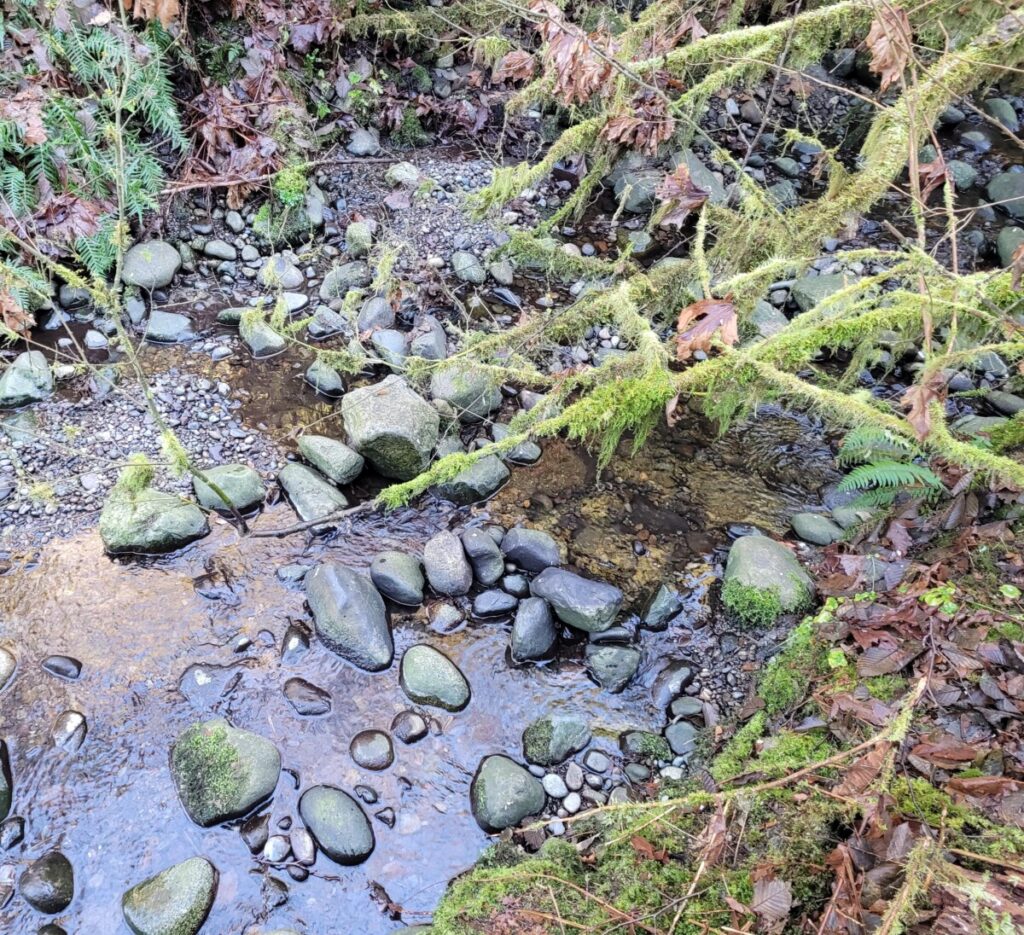
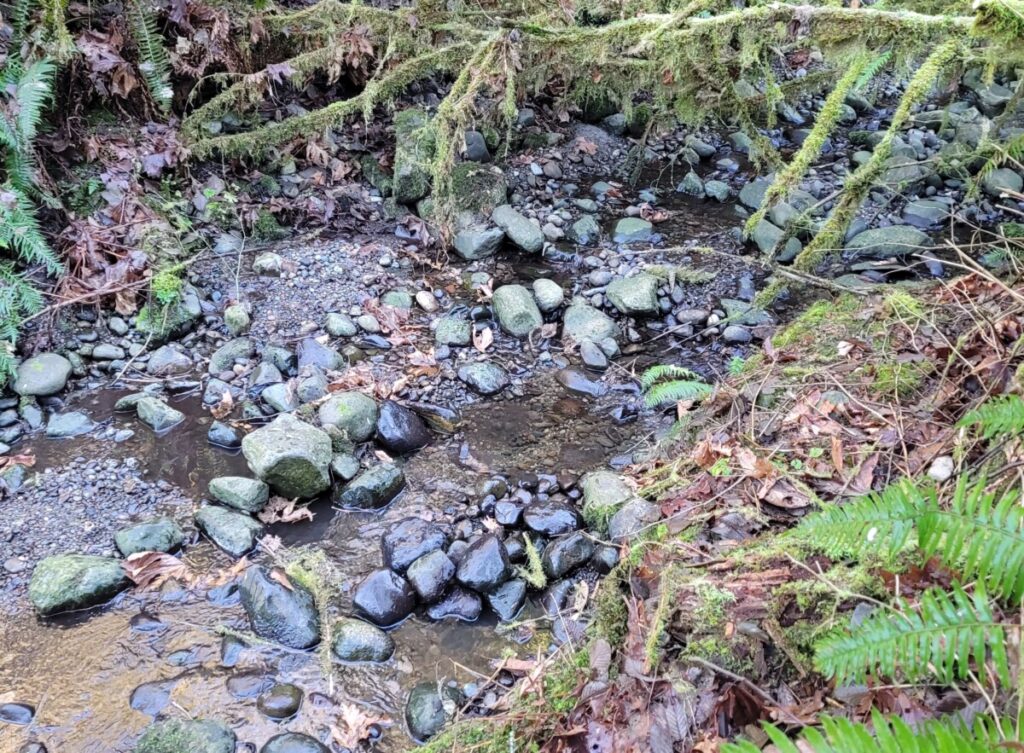
The opening of a weir is called an orifice. It determines the flow-through capabilities of the weir, as well as its water retention capacities in the weir pool. Trial an error was the name of the game. 20° V notch weir? Too small. 90° V notch weir? Too big. 4″ Rectangular Weir? Too basic. 4″ Rectangle-to-45° Compound weir? Too complicated. It seemed my stock of cedar was destined for a waterlogged graveyard of failure.
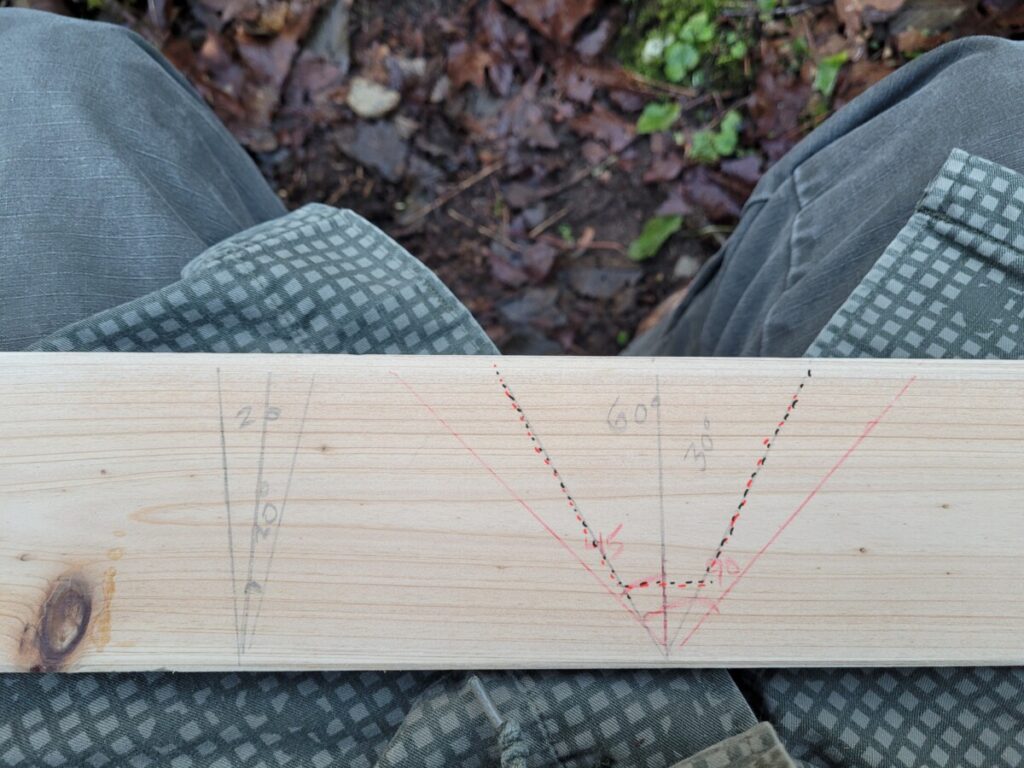
Before giving up and going back to being Curt in the Dirt with no water creds, I tried a trapezoidal weir. A V notch whose bottom is a simple flat edge. Perfection. The V allowed for increasing outflow as the water backed up, while the half-rectangular bottom allowed for consistency. Eureka!
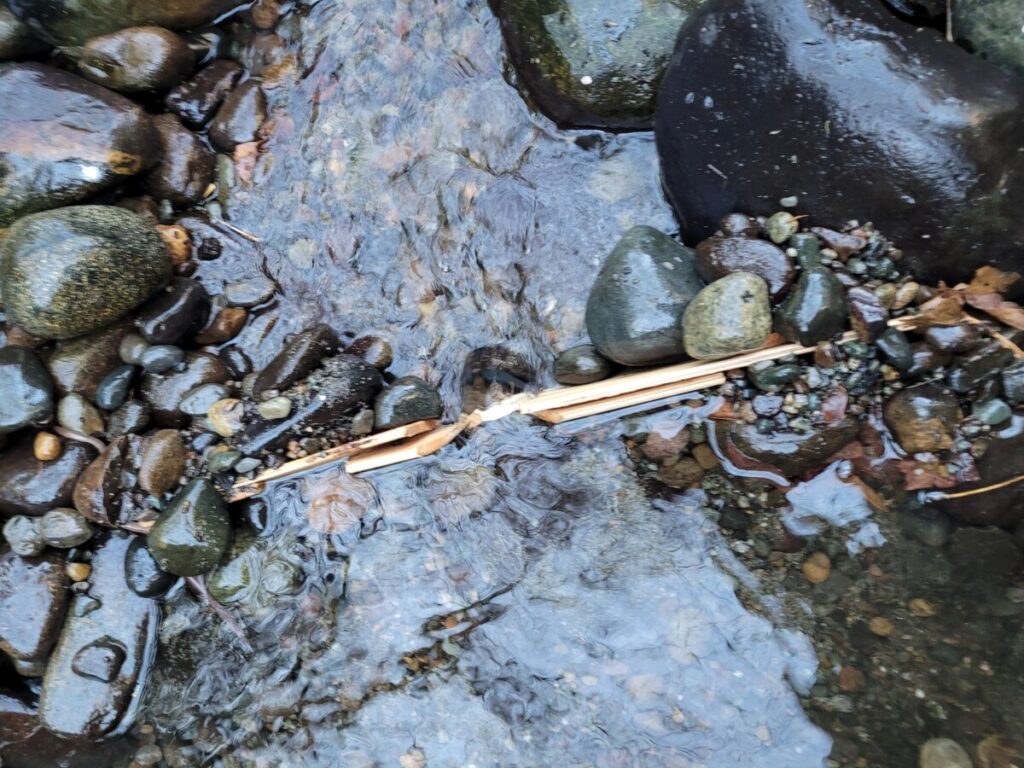
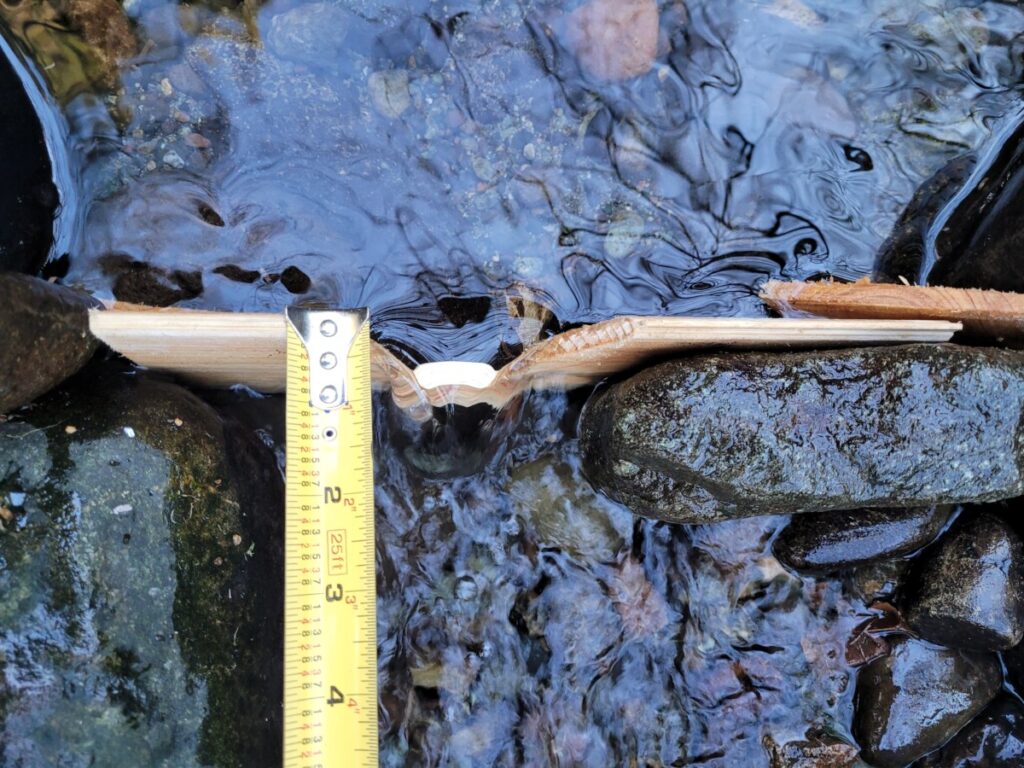
I left the weir in place for 15 minutes to track pool growth and retention. I observed my spillway (made of a piled stone “leaky” weir) offload the overflow of the weir pond. I measured the crest and reinforce the downstream flow with flat stones to prevent scouring (washing away/removal of the stream bed due to crest flow). All was working. The lessons learned in observing failure made the observations of success sweet indeed!
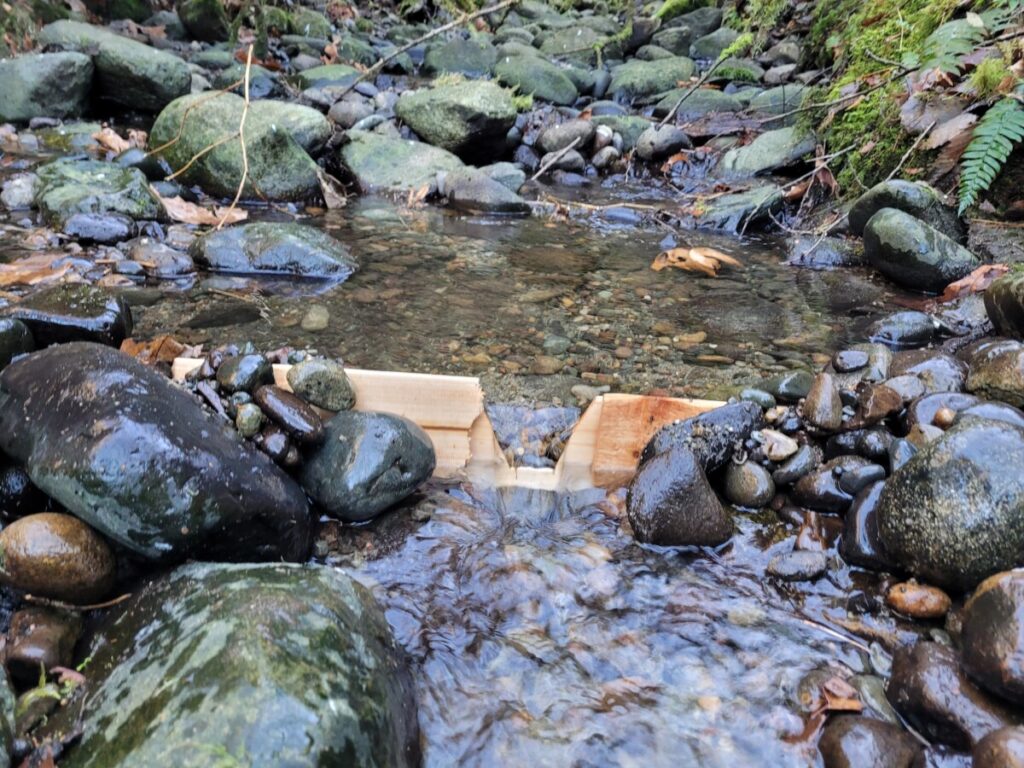
I may not be a Hydro-engineer, but I could play a passable one on TV.
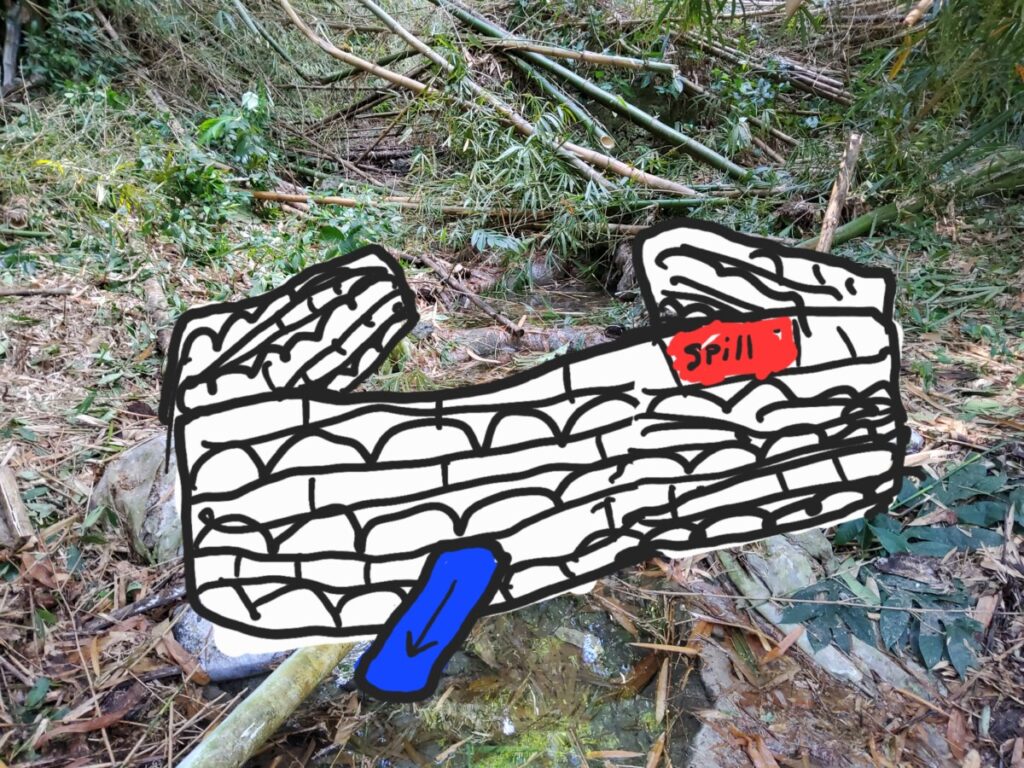
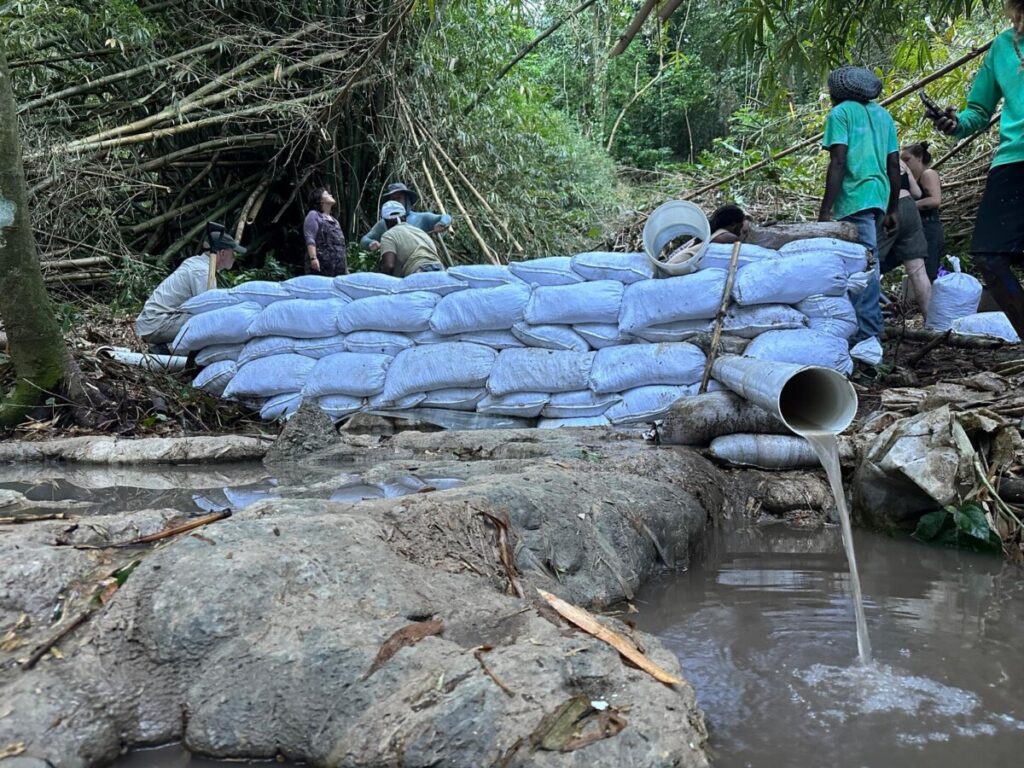
As the trip solidified and the timelines were laid out, the GWG water project would morph and grow. Ultimately a three-sided catchment would be designed and emplaced, and my 60° trapezoidal weir would never manifest. But all was not lost! A sediment/debris screen would be added to the back of the catchment box. It’s design? A leaky weir, baby! We got there in the end.

I regret nothing. I learned a LOT in my research and testing. While it did not materialize in the planned project, there is nothing stopping it from being useful in my future. Basically I learned on my own time (yuck). I will leave you with this: a video of a handsome dog and his unqualified, self-taught owner talking about things of which he only has a basic grasp. Enjoy!