“I don’t want it if it ain’t got that Bonnet on it.”
Curtis Baker, pepper aficionado.
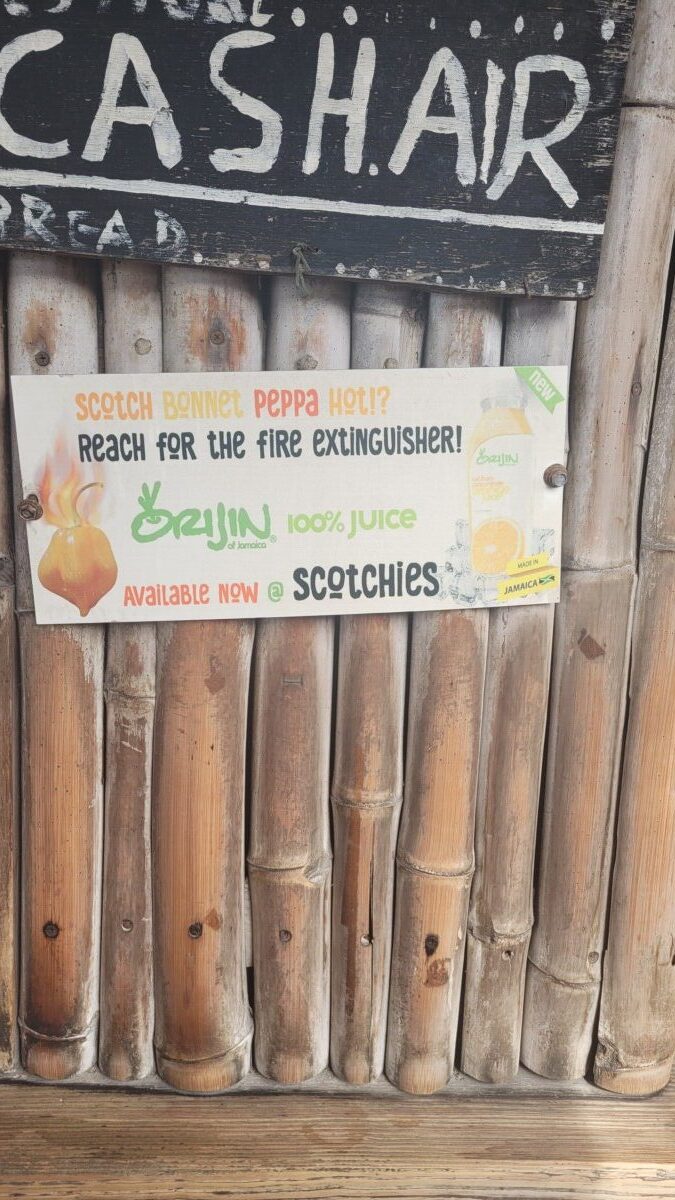
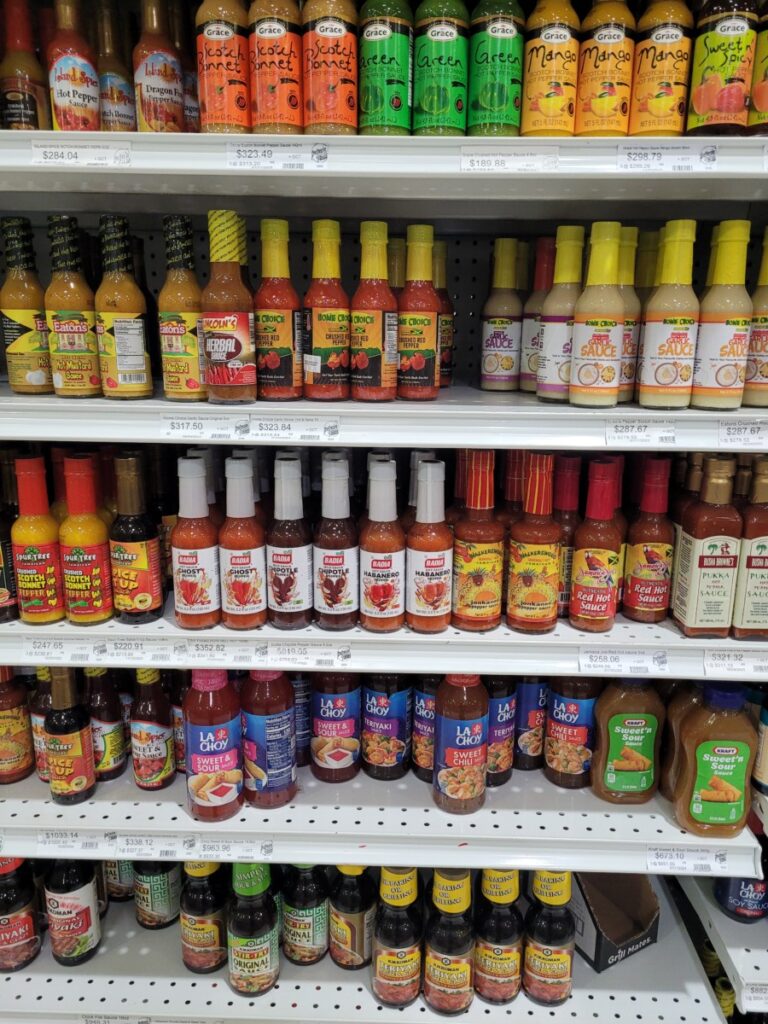
Week One in Jamaica brought me to Montego Bay International Airport. From there, our bus headed east to St. Ann Parish, through Ocho Rios, (past Ferngully!) to Durga’s Den. In that time I encountered the (in)famous pepper that is as Jamaican as Reggae music, running fast as hell, and ‘herbal cigarettes’. From roadside shops, to the table top sauces, street corner vendors, to the broth served with our dinner, the Scotch Bonnet, Capsicum chinese, is everywhere. Touted for it’s mid length burn, tolerably high pungency (spiciness) and crisp fruity flavor, this little pepper finds it’s way into almost everything.
It is believed that the first peppers to inhabit the islands of the Caribbean were small, spherical pods commonly called bird peppers (DeWitt, 1999). These Capsicum annuum were eventually cultivated into the jalapenos and anchos through human intervention. They were spread by birds that sought the bright red fruits as a source of vitamin A, (invaluable for brightly colored plumage) and because birds have no receptors for capsacian, the chemical that makes peppers ‘hot’ to the taste.
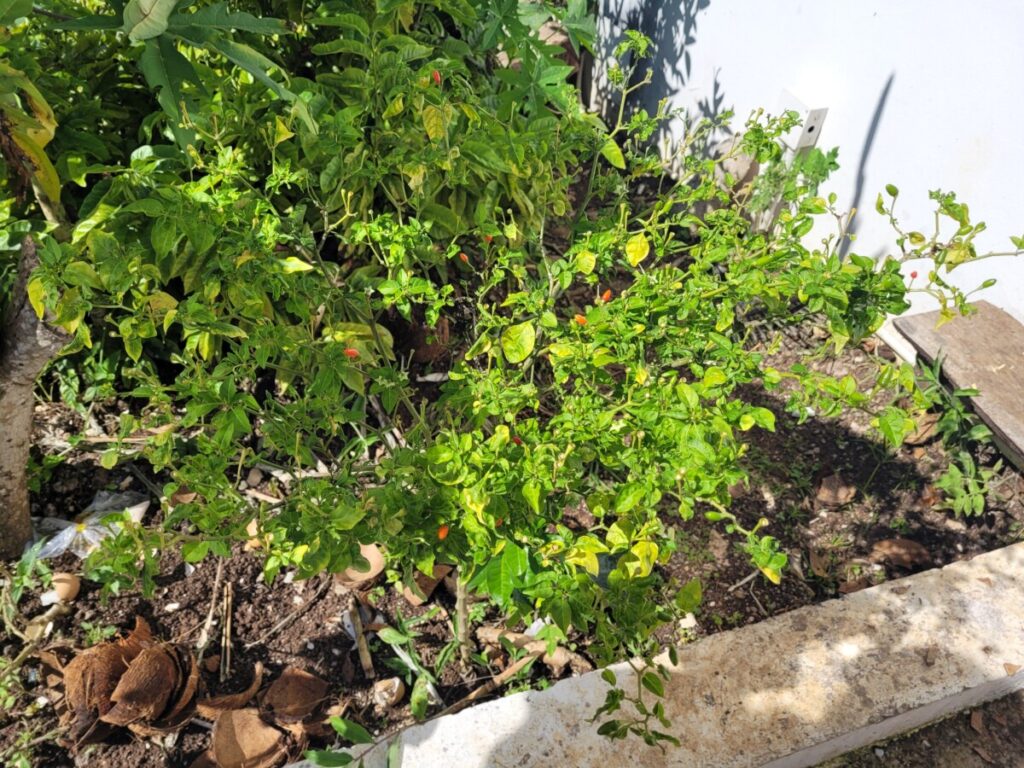
But we are not here for bird peppers. We came for the crown jewel in Jamaica’s pepper basket; The Scotch Bonnet.
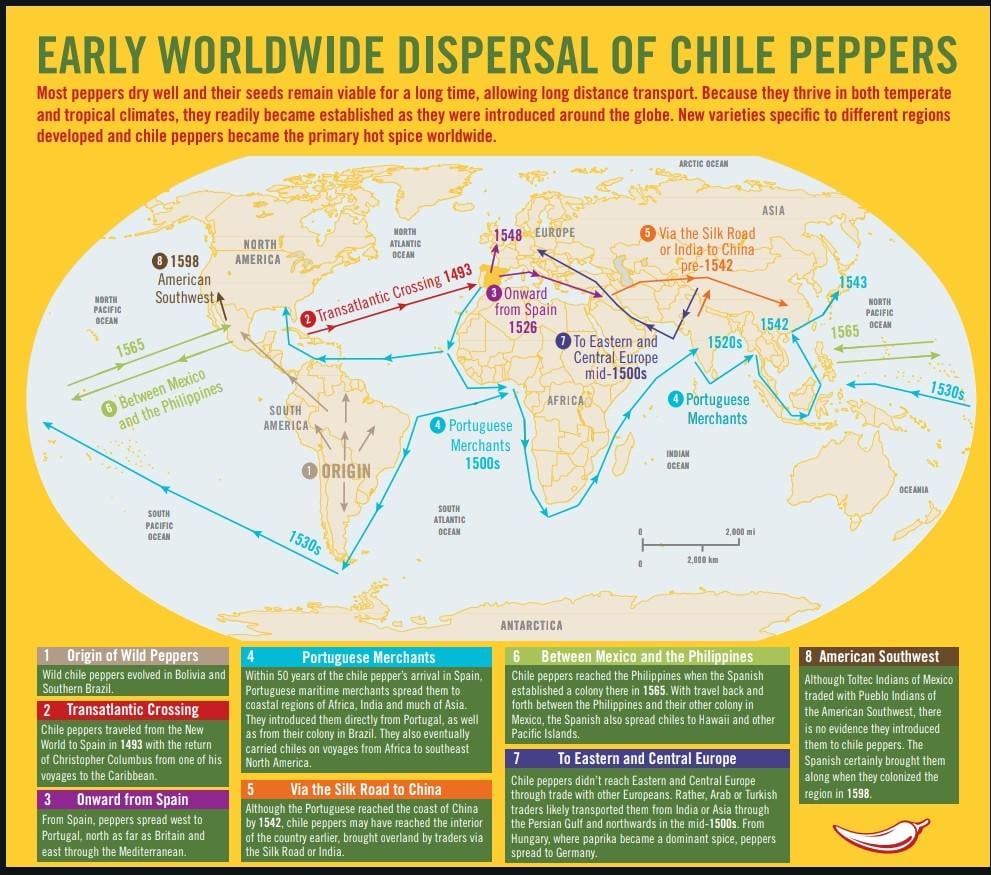
Introduced from the Amazon Basin where the species originated, the seeds were carried and cultivated by [Arawak peoples], Capsicum chinese formed, seemingly on each island, specifically adapted pod types, called land races, of the species.
(Dave DeWitt, the Pope of Peppers)
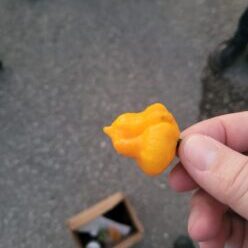
The Caribbean is home to many of these ‘land races’, or cultivars, with names like Habanero in Mexico (which means from Havana, where the pepper originated), Goat Pepper in Haiti, Bonney Pepper in Barbados, Congo Pepper in Trinidad, Puerto Rican Rocatillo, Cuban Cachucha Pepper, and the star of the show; Jamaica’s Scotch Bonnet. The pods of these chinese vary in shape from small berries ¼” long to wrinkled, enlongated pods over 5″ (DeWitt, 1999)