“Oh no. Let me make you a real sauce Curtis.”
Celine Ramjit, in response to my attempt to use store bought hot sauce at breakfast.
After the “discovery” of chile peppers by Europeans, slave ship captains combined pepper juice with palm oil, flour, and water to make “slabber sauce” that was served over ground beans to slave aboard the ship.
The Chile Pepper Encyclopedia
Peppers were seen as the gold of Caribbean after actual gold failed to materialize. Unfortunately for Columbus’ ambitions, the fruit of the islands failed to gain traction with the spice loving wealthy of Europe. Something that could be easily grown locally was looked down upon and considered lesser than the black pepper corns of Asia.
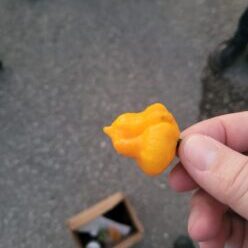
The most basic hot sauces on the islands were made by soaking chopped Scotty Bs in vinegar to make pepper pickles, then sprinkling the fiery vinegar on foods. Over the centuries, each island developed its own style of hot sauce by combining the crushed peppers with other ingredients such as mustard, fruits, or tomatoes. Homemade hot sauces are still common on the Caribbean islands (DeWitt, 1999).
Arawak-Carib words you may know include barbecue, canoe, hammock, hurricane, and tomalley. The oldest known hot sauce, taumalin, uses tomalley (the greenish innards of cooked crabs and lobsters) mixed with minced chinese peppers, most likely habanero (Walsh, 2013).
At the end of week two, we had planned to visit Portland, Jamaica, home of not just Jerk, but the world-famous Boston (Beach) Jerk. Our timeline got blown up, (big surprise) and the easy answer was to cut that portion of the day to preserve a reasonable arrival time at the Bath Fountain Hotel. While we may have all missed out of true Boston Jerk, I have pulled a recipe from The Hot Sauce Cookbook to serve as a holdover until the next time you’re on the extreme eastern end of Jamaica.
- ½ cup fresh thyme leaves
- 15 scallions (white and green parts) trimmed and chopped
- ¼ cup finely diced and peeled fresh Jamaican ginger
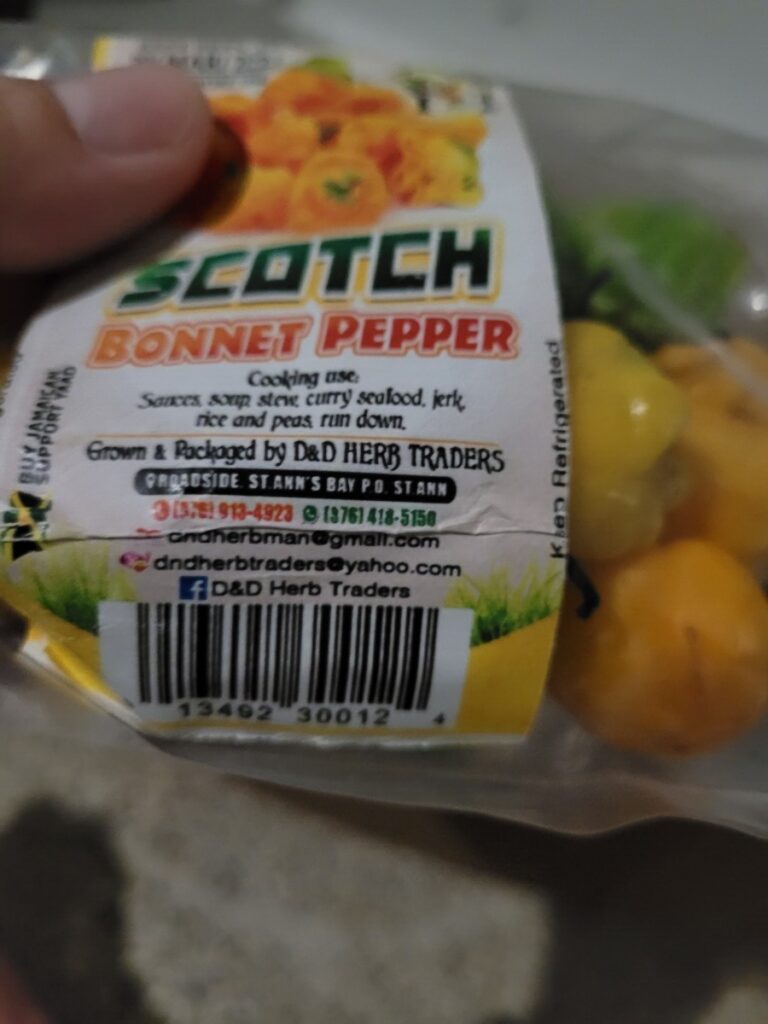
- 3 steamed Scotch Bonnet peppers (seed-in)
- ¼ cup peanut oil
- 5 cloves of garlic, chopped
- 3 bay leaves
- 1 tablespoon freshly ground black pepper
- 1 tablespoon freshly ground coriander
- 2 teaspoons freshly ground allspice
- 2 teaspoons salt
- 1 teaspoon freshly grated nutmeg
- 1 teaspoon freshly ground cinnamon
- juice of 1 lime
Combine all of that goodness in a food processor. Process to a thick, chunky paste. The sauce will keep if refrigerated in a sealed container, for several months. This makes 4 cups.
Want to get silly and Jerk a chicken?
- 1 Three pound chicken, split in half
- 1 to 1 1/2 cups of the above Boston Jerk rub
Pack the rub around both chicken halves under the skin. Put them in a sealed container in the refrigerator over night. One hour before grilling, take the chicken out and let it come to room temperature. Light up charcoal (like an adult) 30 minutes before you are ready to grill in a water smoker or covered grill. When the coals are covered by ash, spread the coals, and sear the chicken halves, turning to brown both sides. Make a pocket in the coals, and place a drip pan in that pocket. Place the chicken over the drip pan, and when it begins to sizzle, add sweet wood around the coals so as to smolder the wood, not burn it. Keep the temperature between 250° and 275°. Refuel with small chunks of charcoal and sweet wood as needed.Smoke the chicken for 90 minutes or until the internal temperature is 165°. It should be crispy and well done, and the rub should be black and crusty (Walsh, 2013).
Now wish you had just stopped for fat stacks of real B-Jerk in Portland and lament the evils of the Democratic process.