
Photo by Val
#1a: Film Series: Program Questions in Scenes
Week 1 films:
Gather (Sanjay Rawal)
This Earth is Mine–‘Rock Hudson in Napa Valley Archival Stock Footage, (Henry King)
The Rocks in Walla Walla with Geologist Kevin Pogue
Week 2 films:
The Wine Wars
Red Obsession (David Roach, Warwick Ross)
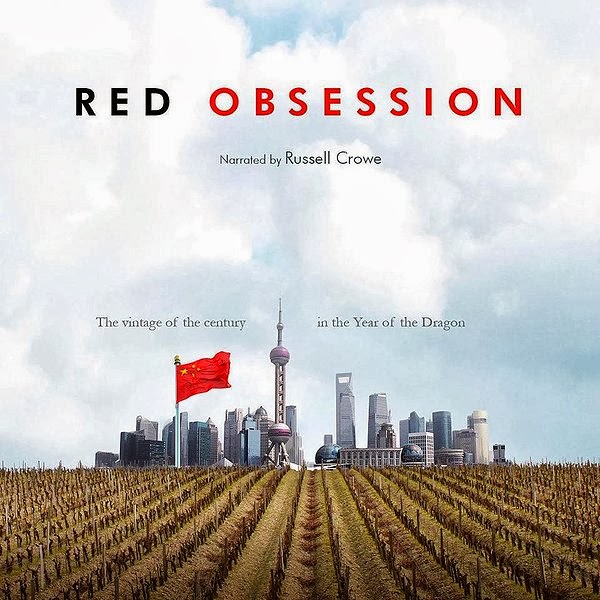
I chose minutes 9:06 to 11:42 from Red Obsession, calling it Miracle Vintages. During this time Francis Coppola, Andrew Caillard, and Paul Pontallier talk about what it is to be a good vintage and how it
happens. Paul Pontallier, the technical director of Chateau Margaux, talks about how after the harvest of 2010 they believed that this year was going to be as good or better than the great vintage of 2009, all due to extraordinary coincidences of perfect weather conditions; Francis Coppola, owner of Inglenook, explains how wine tells a story of its history, from its place and land to the weather during the growing season; to create this perfect vintage, that only happens 5-6 times every 100 years, there has to be rain,
sun, wind, and temperatures all in the exact proportions, it’s a miracle. These exact proportions of sun, wind, rain, and temperature all help create the best grapes, these amazing grapes are the key in mediating terroir in wine. In my opinion if you do not have the best of the best of grapes then there is no way for the natural flavors from where the grapes came from to be able to shine in all their glory.
#1b: (un)Natural Histories & #1c: Regenerative Agriculture
I used Growing Winegrapes in Maritime Western Washington to learn how to use hypothesis.
- South to west facing slopes are best for GDD accumulation and sun exposure. Slopes can aid in cold air drainage.
- East facing aspects tend to produce the best wine grapes. It has an earliest exposure to the sun to warm the vine and soil and photosynthesis can then start earlier. An easterly aspect promotes effective temperatures and allows the grapes sun exposure without overheating.
- GDD (growing degree days) Unit of measurement to compare heat accumulated in a growing season from 1 April to 31 October. 50 degrees is the base temperature for grapevines to grow.
- Red wines should be fermented between 70 and 85 degrees to get better colors and tannin extraction and white wines should be fermented between 45 and 60 degrees to help preserve fruitiness. To help heat up the fermentation one can use a heating belt, insulation wrap, or a heating panel among other things. To cool down the fermentation process one can just an ice bath or a glycol chiller.
- Most wine on the market now days should not be aged, as it is at its perfect state on the shelf, if the wine sits for too long it will likely turn. Always avoid direct sunlight and place bottles in a dry dark place. It is best to store between 45 and 65 degrees, if possible, aim for 55 degrees, and 70% humidity and avoid fluctuating temperatures. And last make sure to not store your bottles upright as it can dry out the cork.
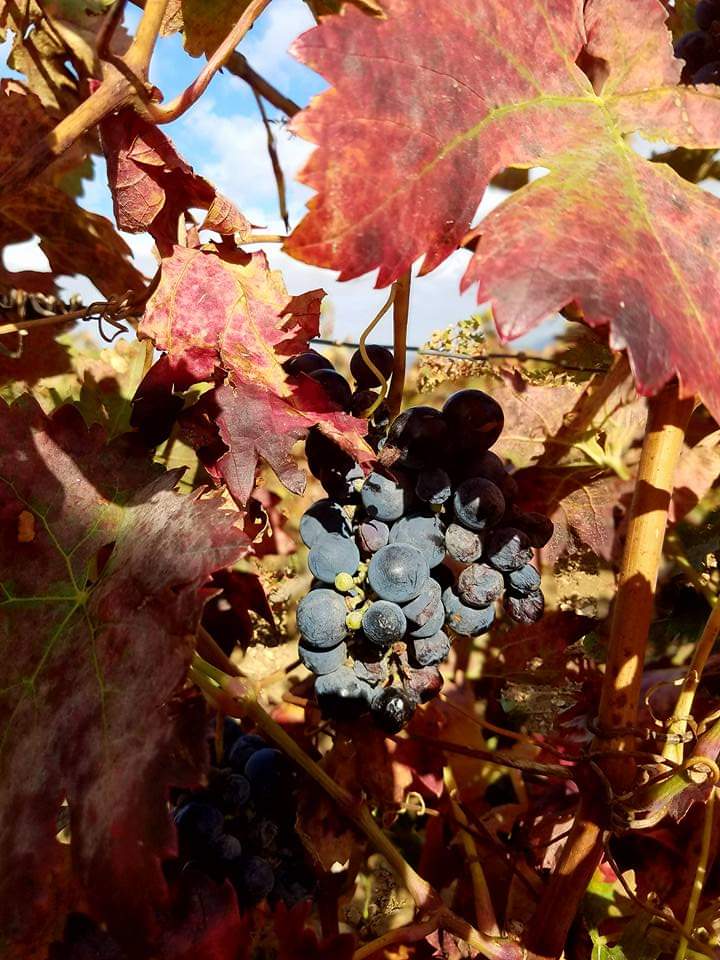
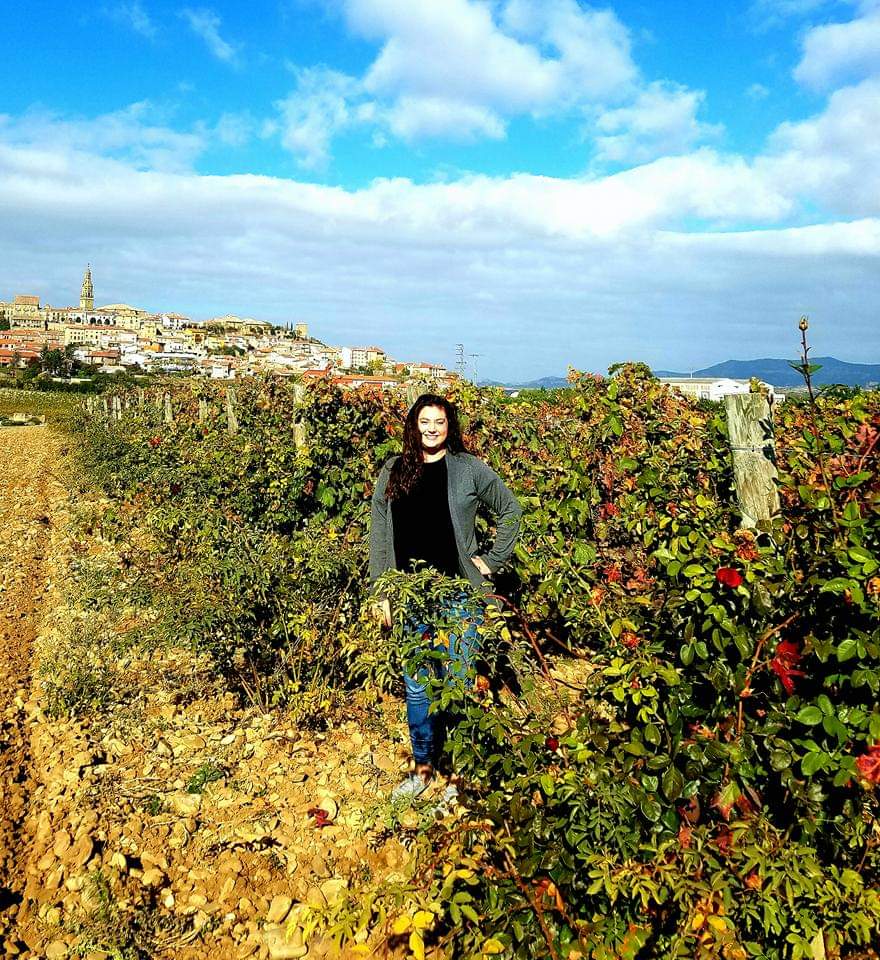
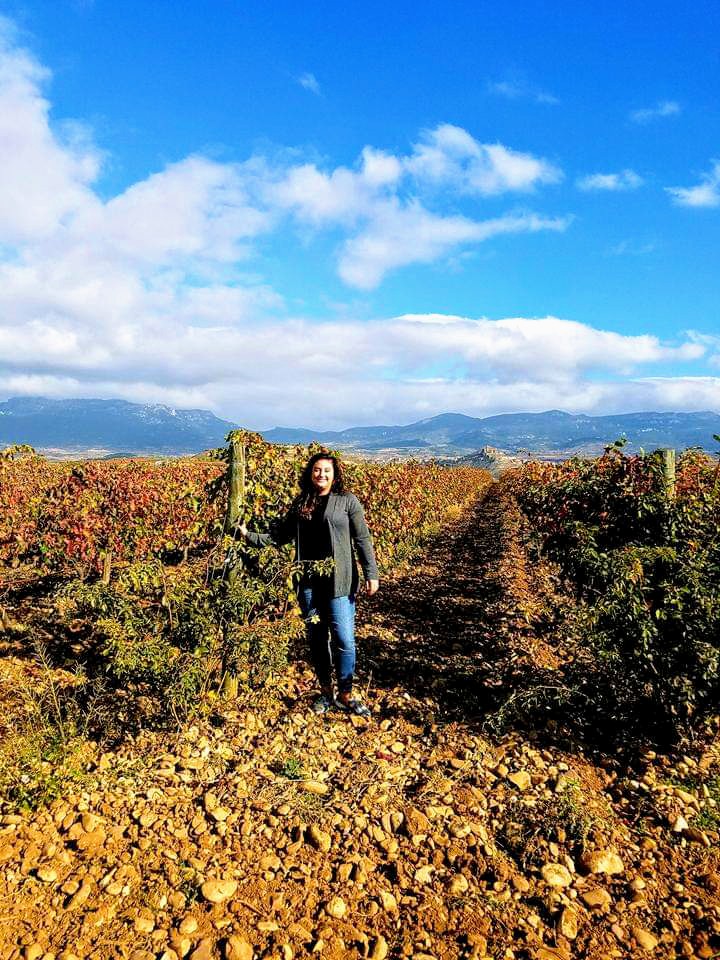
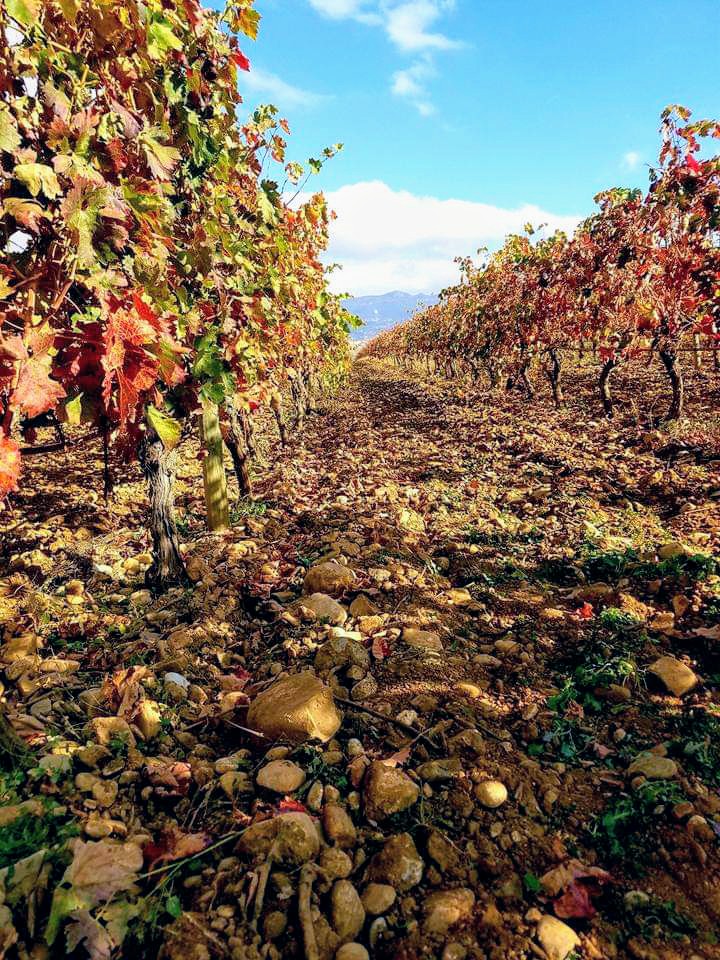
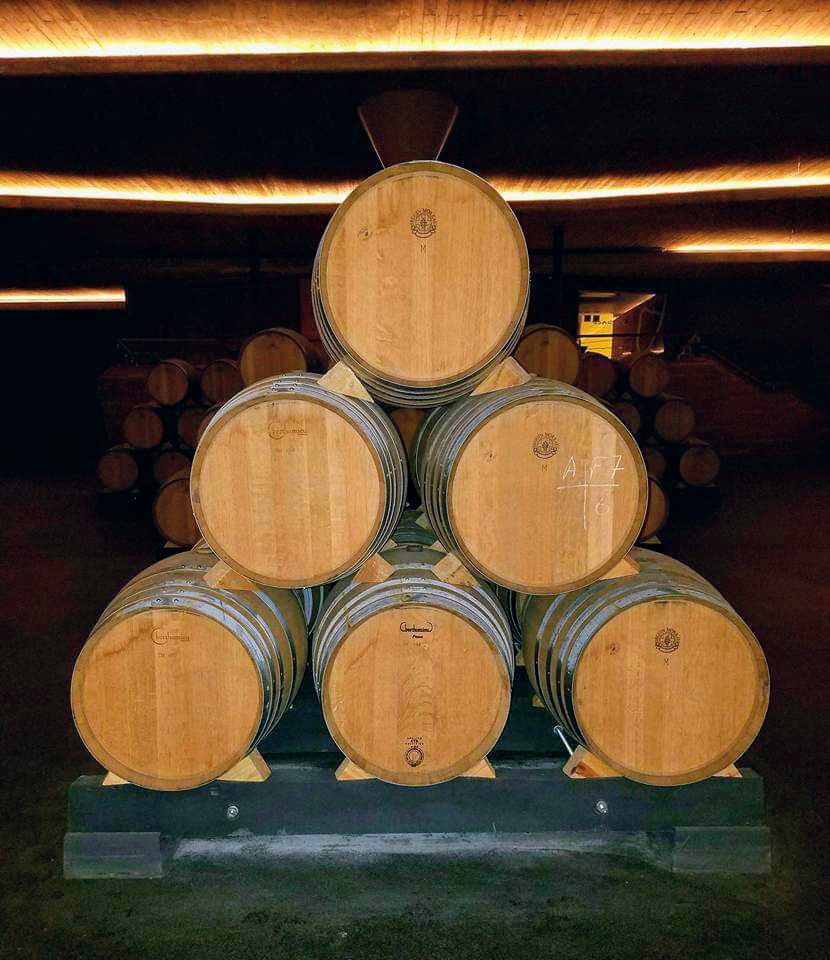
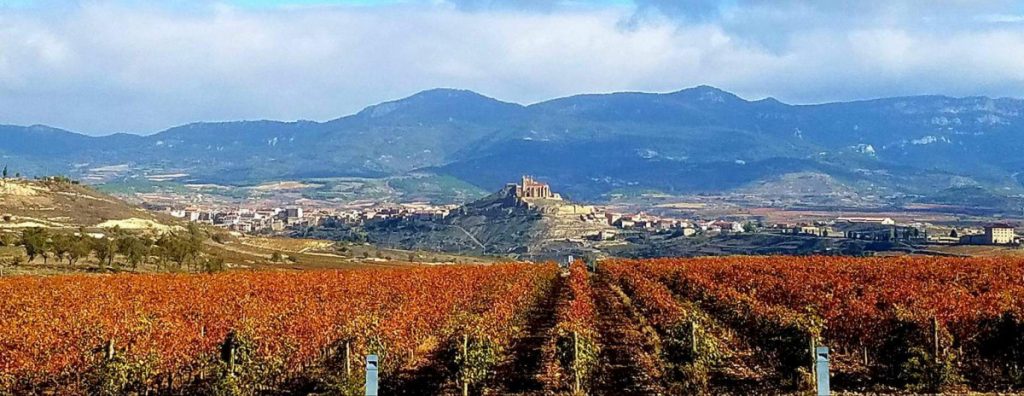
Vivanco Bodega in La Rijoa wine region of Spain
Photos by Val
https://vivancoculturadevino.es/es/
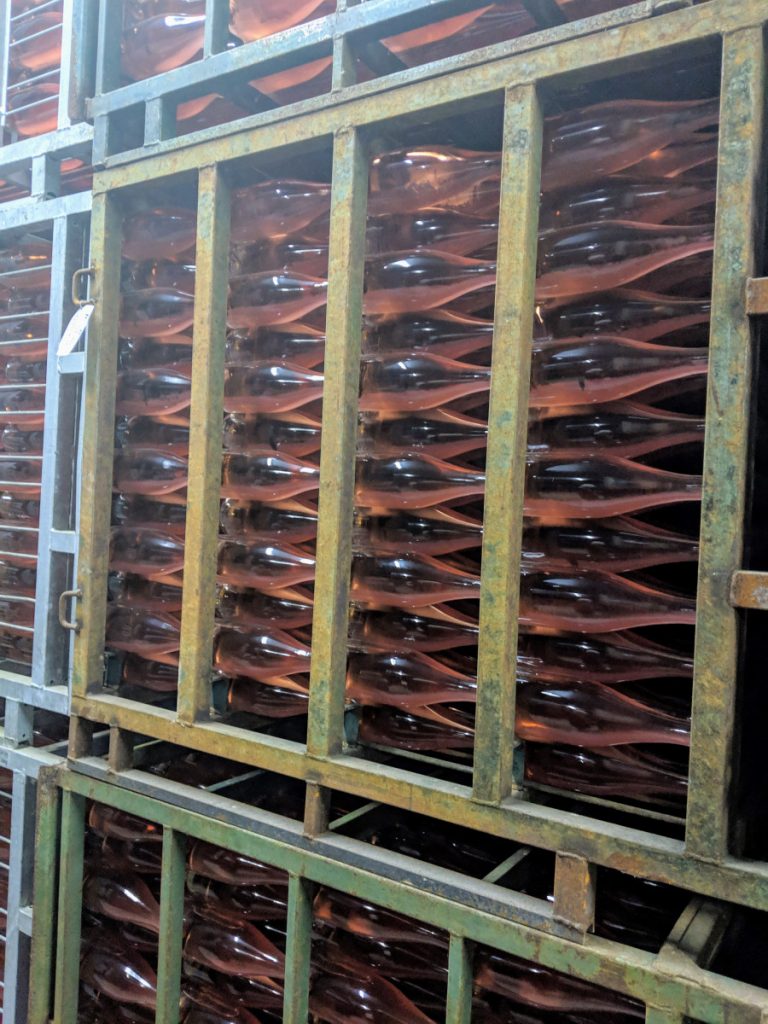
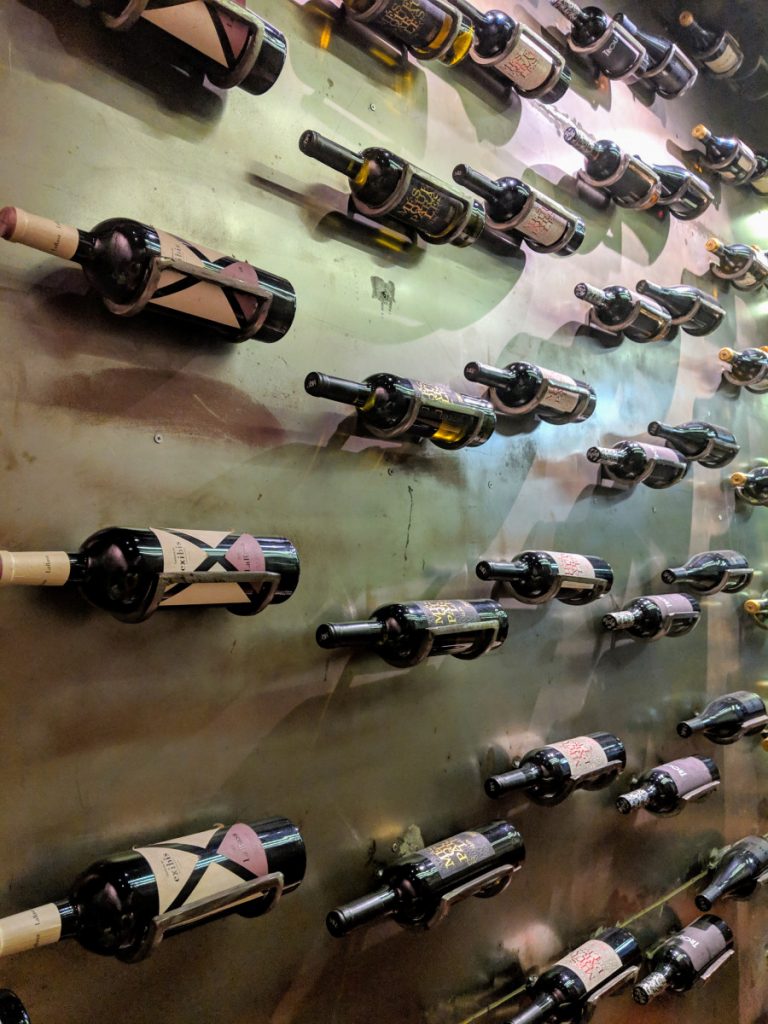
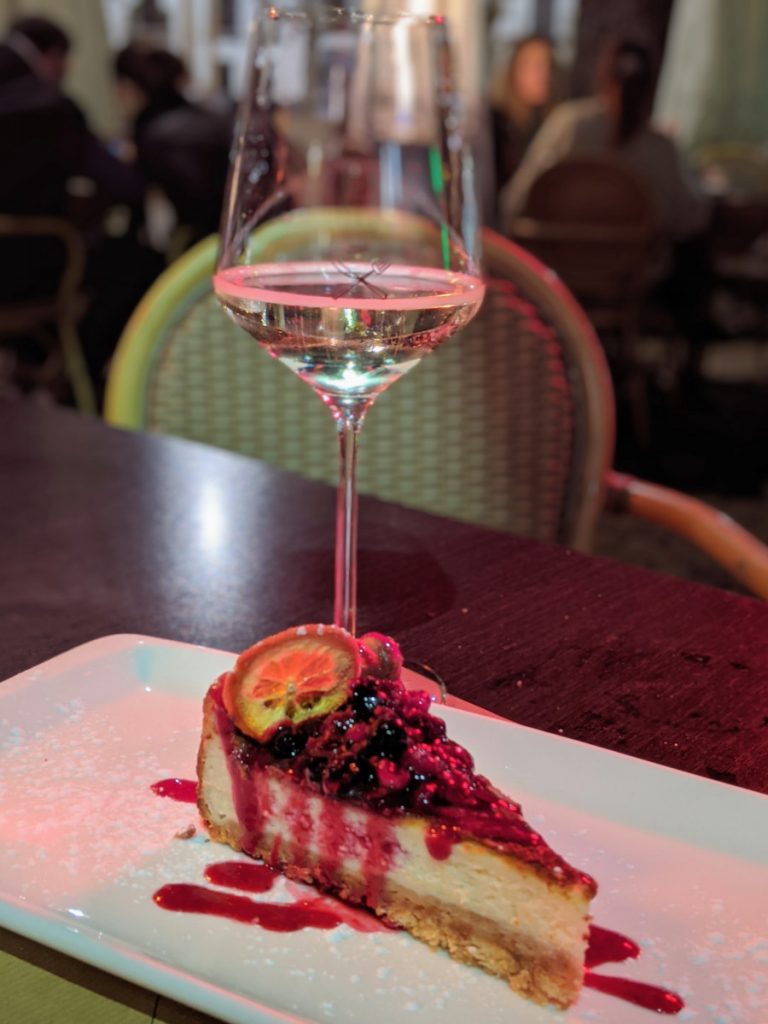
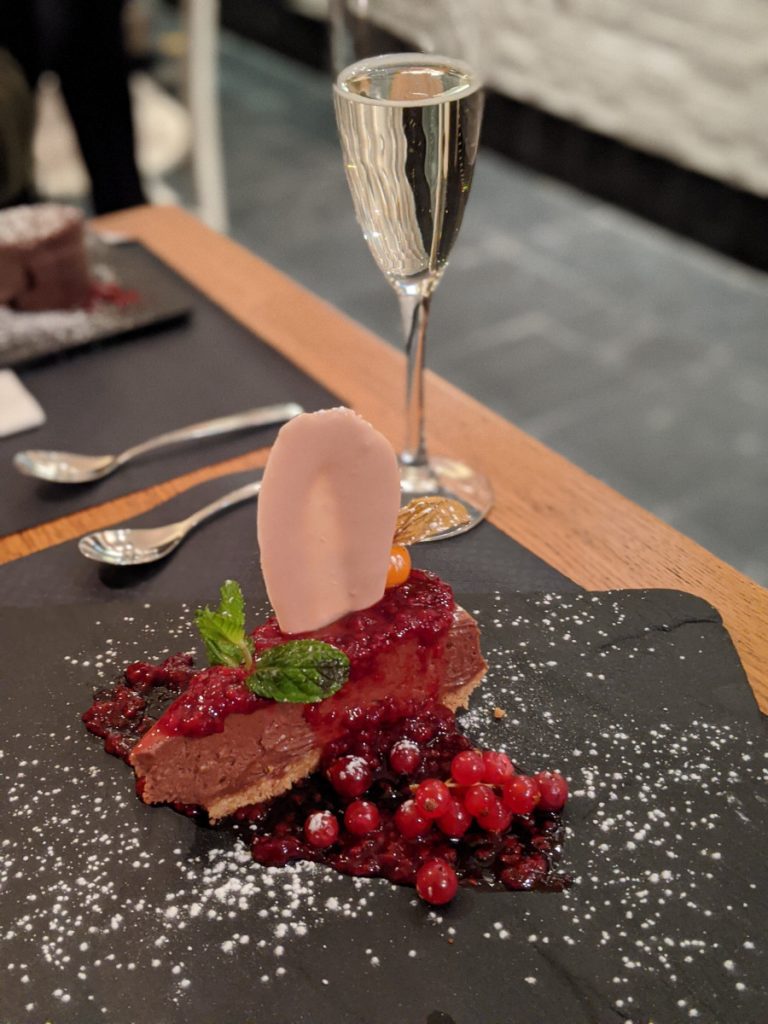
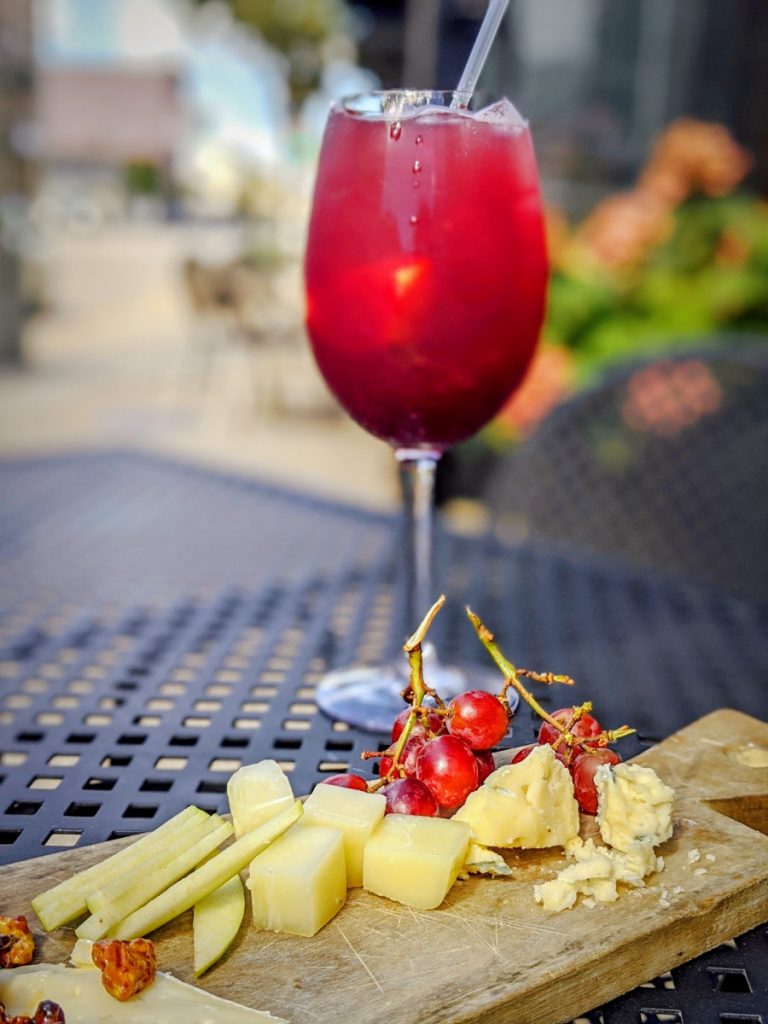
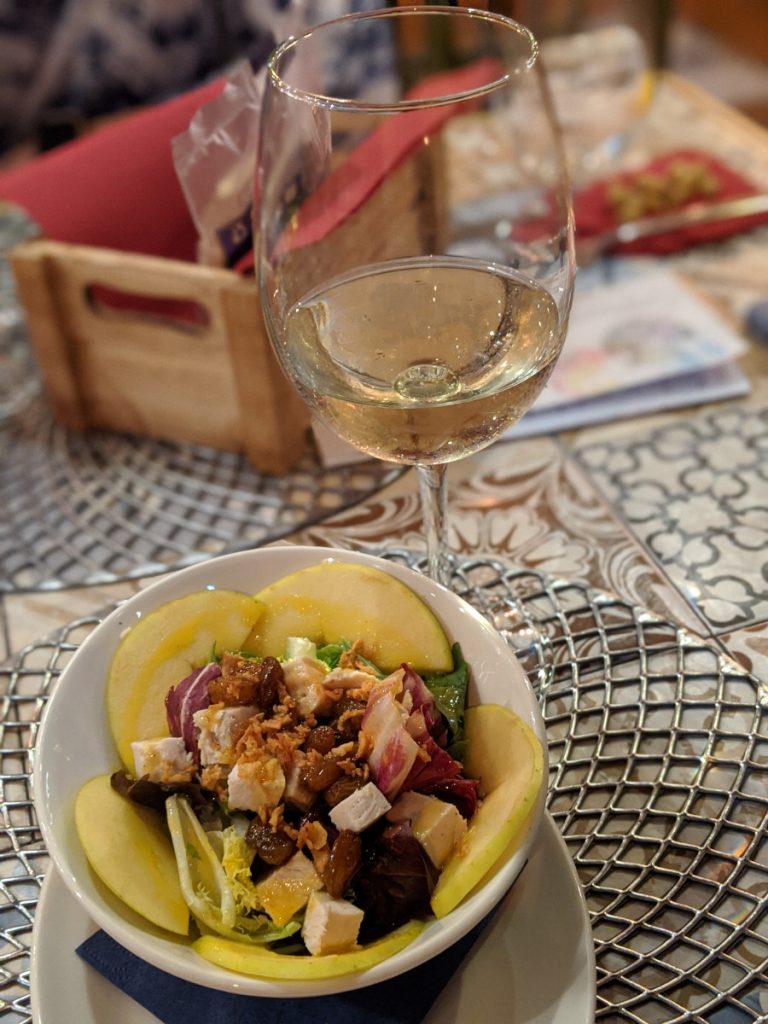
Photos by Val
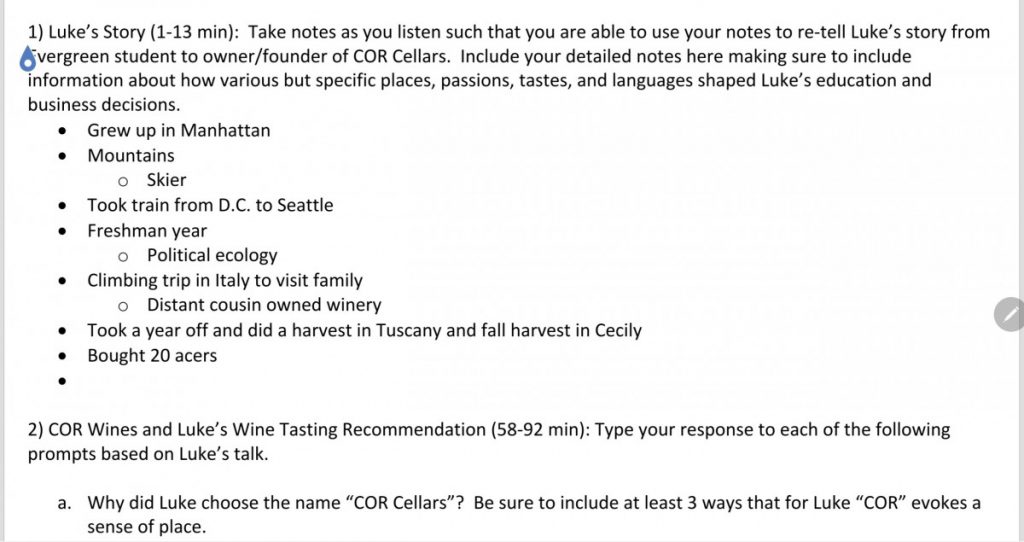
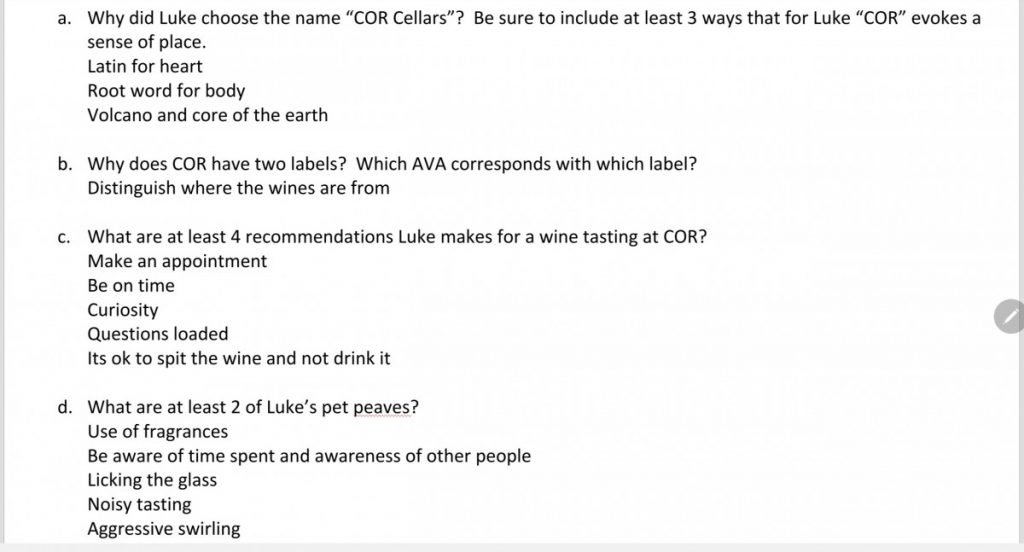
#1d: Case Study Tasting Research: Wine
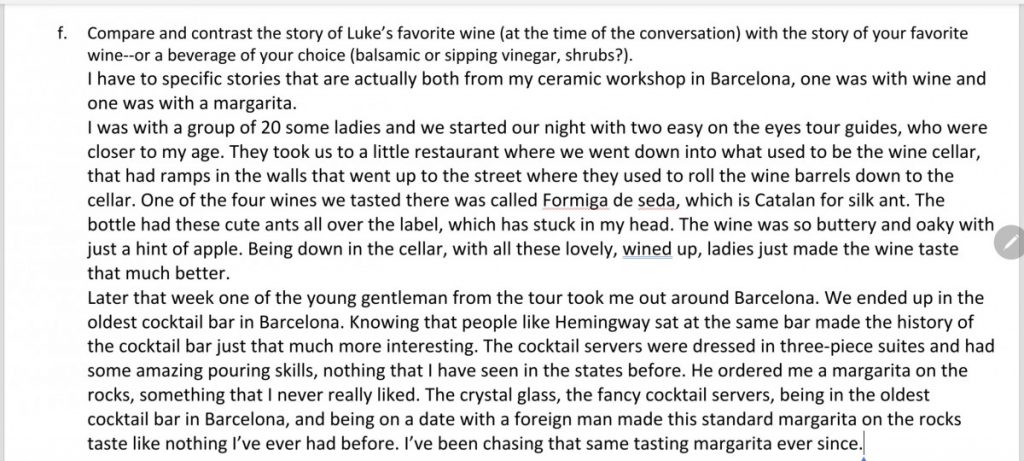

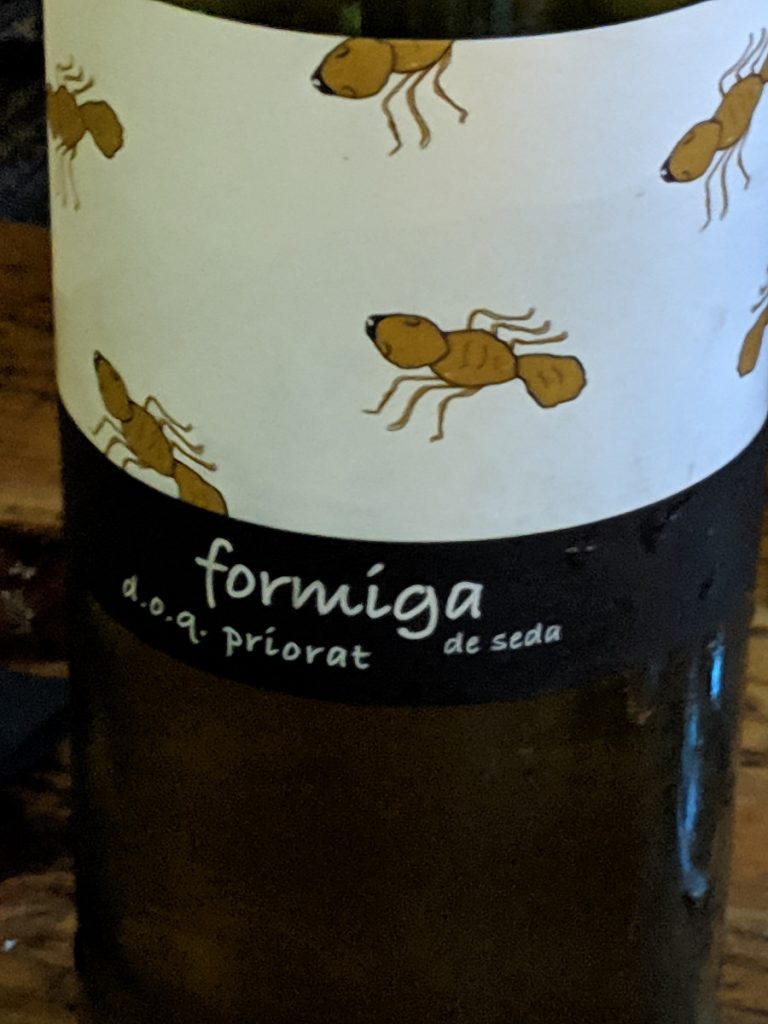
Bastaix Resturant
http://www.bastaix.com/
#1e: Stuckey’s Taste Book Experiments
#1f: Sustainable Entrepreneurship
- An emergence of problems
- Public awareness of pollution resource scarcity issues-global warming
- Danger and repercussions of catastrophes- Chernobyl- Exxon Valdez
- Early connections to health issues
- Sustainability is the capacity of our human society to continue indefinitely within these natural cycles
- In a sustainable society nature is not subject to systemically increasing-
- concentrations of substances extracted from the earths crust
- concentrations of substances produced by society
- degradation of physical means
- Three P’s- Triple bottom line
- People
- Planet
- Profit
- Classical economics is incomplete
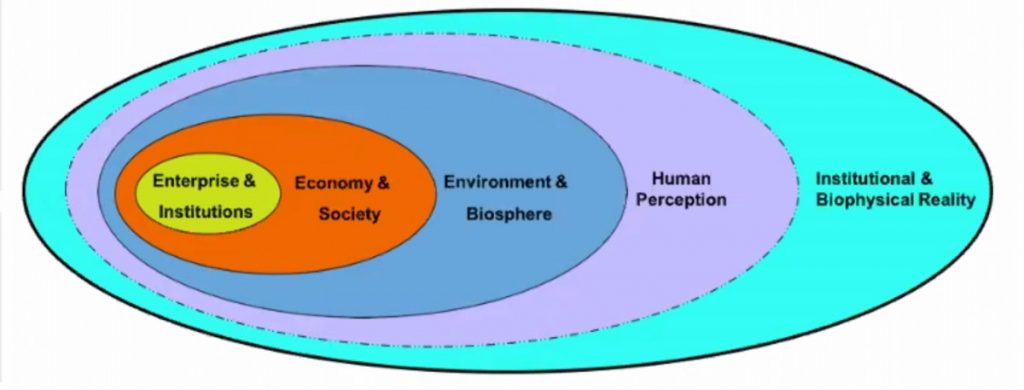
- Changes in the scale and types of human activity are creating sustainability challenges and new ways to understand economy and society
- We need new ways to be strategic that builds on a fuller picture of how the world works
#1g: Climate Justice and Resilience Event Series
#1h: Foodoir: Your Story of Tasting Place
“She did almost everything with it, cut, carved, and minced, and chopped, and even used it to turn things in the oven, as if it were part of her hand. It was a long one, with a bright curved point. She brought it with her to our house, and called it her French knife.” – The Gastronomical Me, p.12
A couple years back I worked at a local cakery. I was really enjoying learning about frosting cakes and cupcakes and got along great with the owners. I did a lot of prep work, cleaning, and washing dishes. The longer I worked there and worked more mornings with the husband, I started to realize the sexist and racist things he would say. It started to really bother me, but I needed the job and the money. In Sequim we have lavender festival during the summer and it gets crazy busy everywhere. After lavender fest was over the owners gave me a gift card for being such an amazing employee over the crazy week. It was not that long after this, when I had to prep some battery by cutting up mangos. Now the knives here were not very sharp, I am pretty used to having sharp knives in my kitchen, and it was pretty hard to cut up the mango into the itty bity pieces that were needed. Two days later when I showed up for work, I was presented with a paper plate with a couple dried up mango pieces that weren’t fully cut through, and I was just completely chewed up and spit out by the husband. He completely criticized me and my skills, there was no showing me or explaining or anything like that. I literally went from basically employee of the month, if they had such a thing here, to the worst employee ever. Things just continued to go downhill from here. His criticism of my work just became toxic and I could no longer please him with anything I did. I have ptsd most times I pick up a knife to cut anything in my own kitchen to this day. His words and actions cut through my core and it still affects me.
Leave a Reply