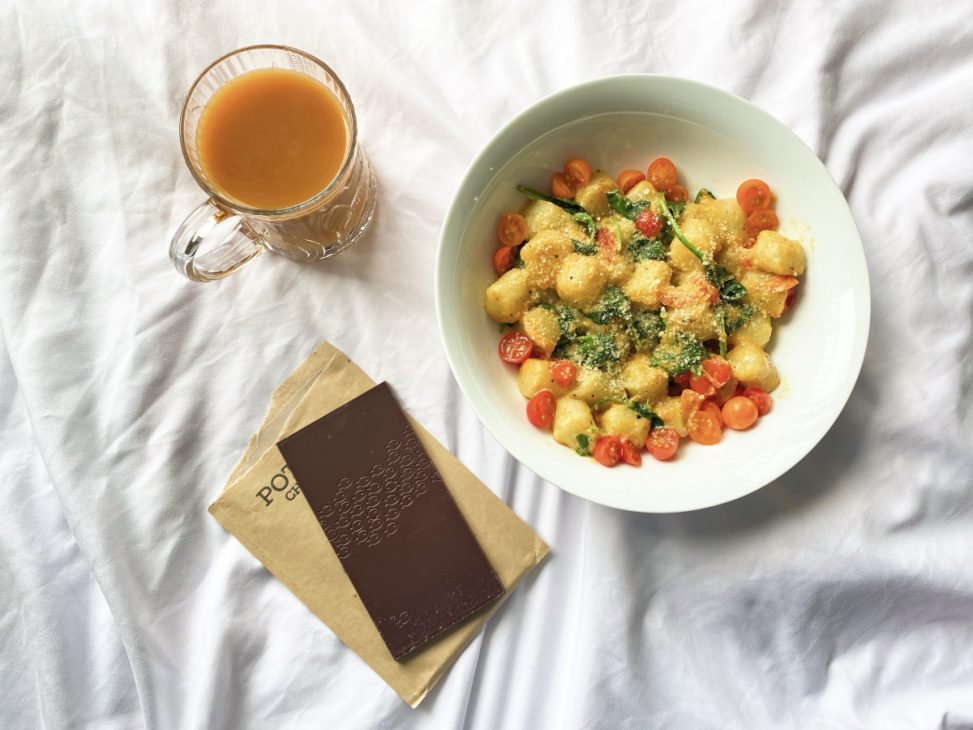
History of Rooibos Tea (Aspalathus linearis)
Rooibos is native to the mountains of Cederberg in South Africa. The meaning of rooibos is ‘red bush’ in Afrikaans. Many have tried to grow rooibos outside of South Africa, but failed, as rooibos can only grows in its homeland, The specific unchanging terroir of rooibos is what makes it unique. This tea has been cherished for thousands of years, originating with the San people, South Africa’s earliest hunter-gathers. The San people used rooibos as a medicinal herb.
Rooibos’ expansion across the world is tied to the Chinese tea trade – when Cape Town became a resting point for European traders. When drinking tea became especially popular in Europe, settlers sought out to discover new teas…leading to their discovery of rooibos.
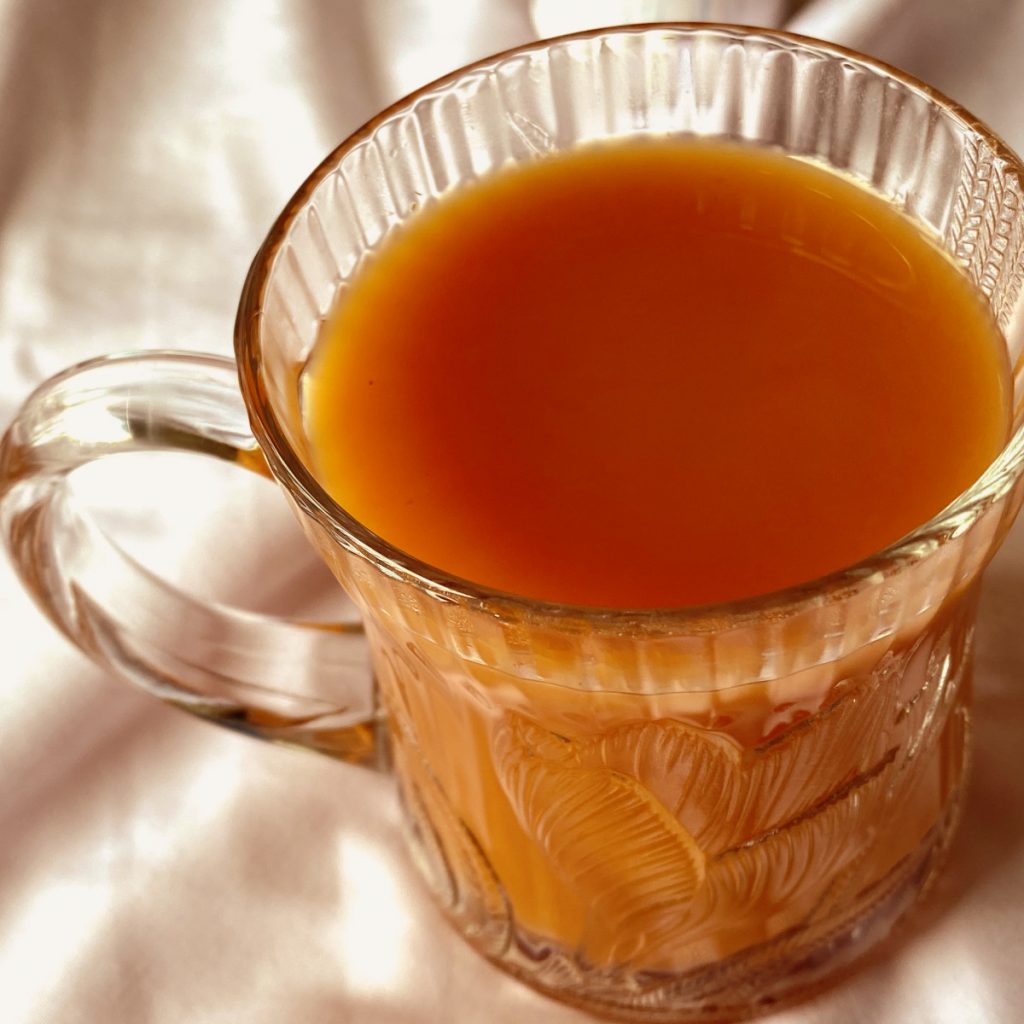
Types of Rooibos
Wild VS Domestic: Wild rooibos still grows in mountains of South Africa, but undomesticated leaves are spicier than the leaves of plants tea farmers had domesticated over the years. The rooibos leaves only turn red during the drying process.
Green Rooibos- In the 90s, green rooibos was created using unfermented rooibos leaves. Green rooibos is high in antioxidants and has a tart flavor.
Short-cut VS Long-cut-Rooibos also comes in different cuts; short-cut rooibos usually comes in bags, but doesn’t impart as much flavor or have as the loose-leaf long-cut rooibos. Long-cut leaves are only available in loose-leaf form and has a floral and sweet flavor.
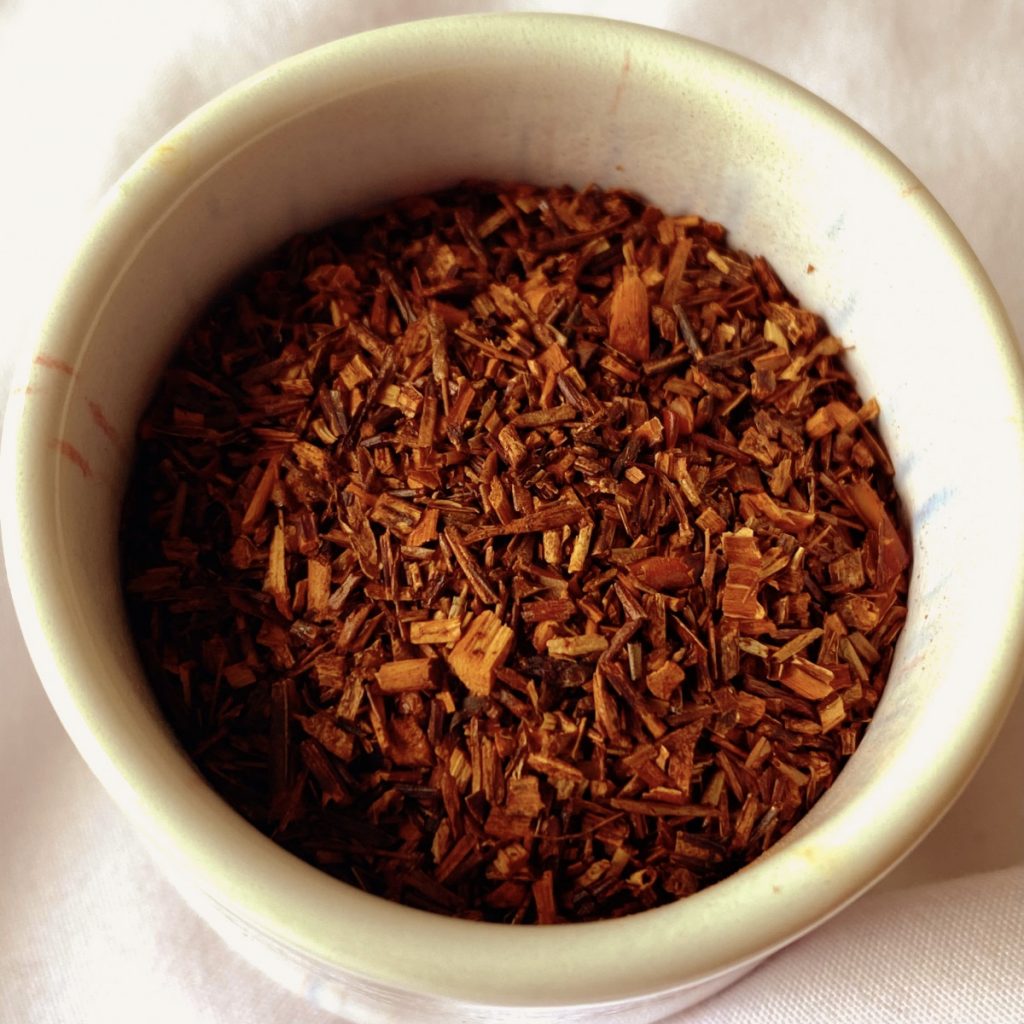
Health Benefits of Rooibos
Due to the high levels of polyphenols the rooibos plant contains, drinking this tea can provide numerous health benefits.
Glowing Skin- Rooibos tea contains alpha hydroxy acid, which is one of the main ingredients in skincare products/treatments such as chemical peels . Alpha hydroxy acid helps reduce wrinkles, irritation and redness. Rooibos also contains zinc, which has the potential to treat skin conditions like eczema. Lastly, rooibos contains the enzyme dismutase which has anti-aging properties.
Rooibos Soak for Irritated Skin
Make a pot of Rooibos tea using three cups of boiled water and two teabags and pour it into a bowl. Pour the tea into a warm bath or use as a face rinse.
Allergy Relief–
Drinking rooibos tea also relieves allergy symptoms as a natural alternative to antihistamines from the drug store.
The antihistamine property in rooibos is called quercetin. Quercetin relives symptoms of allergies, like congestion, a runny nose, and sneezing.
Quercetin blocks certain cells that release histamines and trigger allergic reactions. Rooibos is not a replacement for allergy treatments, but drinking a cup of tea every day can help minimize your immune response to allergies.
Rooibos also contains the bioactive flavonoid known as chrysoberyl, which has anti-inflammatory and antioxidant effects. This can relive allergy induced asthma.
Control Diabetes-
Drinking rooibos tea can help control diabetes and also prevent type 2 diabetes. Polyphenols in rooibos tea regulate blood sugar levels and increase glucose tolerance. Aspalathin-enriched green-rooibos also lowers blood glucose levels.
Other Benefits-
There are numerous other benefits to drinking rooibos tea that are still being studied such as the possibility of aiding in curing certain forms of cancer.
Rooibos has even been shown to help improve liver function through cell restoration, so it is a great hangover cure!
Hangover Cure from Infused: Adventures in Tea
Steep 1 tsp. of rooibos in 5 oz. of water for 3-5 minutes.
Strain and mix in 1 tsp. of maple syrup, half the juice of a lemon, and a pinch of sea salt.
All About Gnocchi
The dumpling, gnocchi, is usually associated with regions in northern Italy, These dumplings can be made with a variety of ingredients such as: flour, corn meal, semolina, ricotta, and even vegetables.
The word gnocchi either comes from the word nocca, which means knuckles, or from the Lombard word knohha, which means knot.
The most popular potato gnocchi that we know today can date back to sixteenth or seventeenth century Europe after Spanish explorers brought potatoes from South America to Italy.
Other forms of gnocchi have been around since the Renaissance era. In fifteenth century Lombardy, gnocchi was made of bread, milk, and ground almonds. They called this dish zanzarelli. Later, egg, flour, and water were added to the recipe and it became known as malfatti.
via: Pasta’s Predecessor: The History of Gnocchi by Con Poulos
Gnocchi Recipe:
Ingredients:
One bag of cauliflower gnocchi from Trader Joes (or any other gnocchi of your choosing)
A handful of cherry tomatoes
Three cloves of garlic
A bag pf organic baby spinach
1 cup grated parmesan cheese
1/2 jar of alfredo sauce of your choosing
A pinch of cayenne powder, paprika, garlic powder, salt and pepper to taste
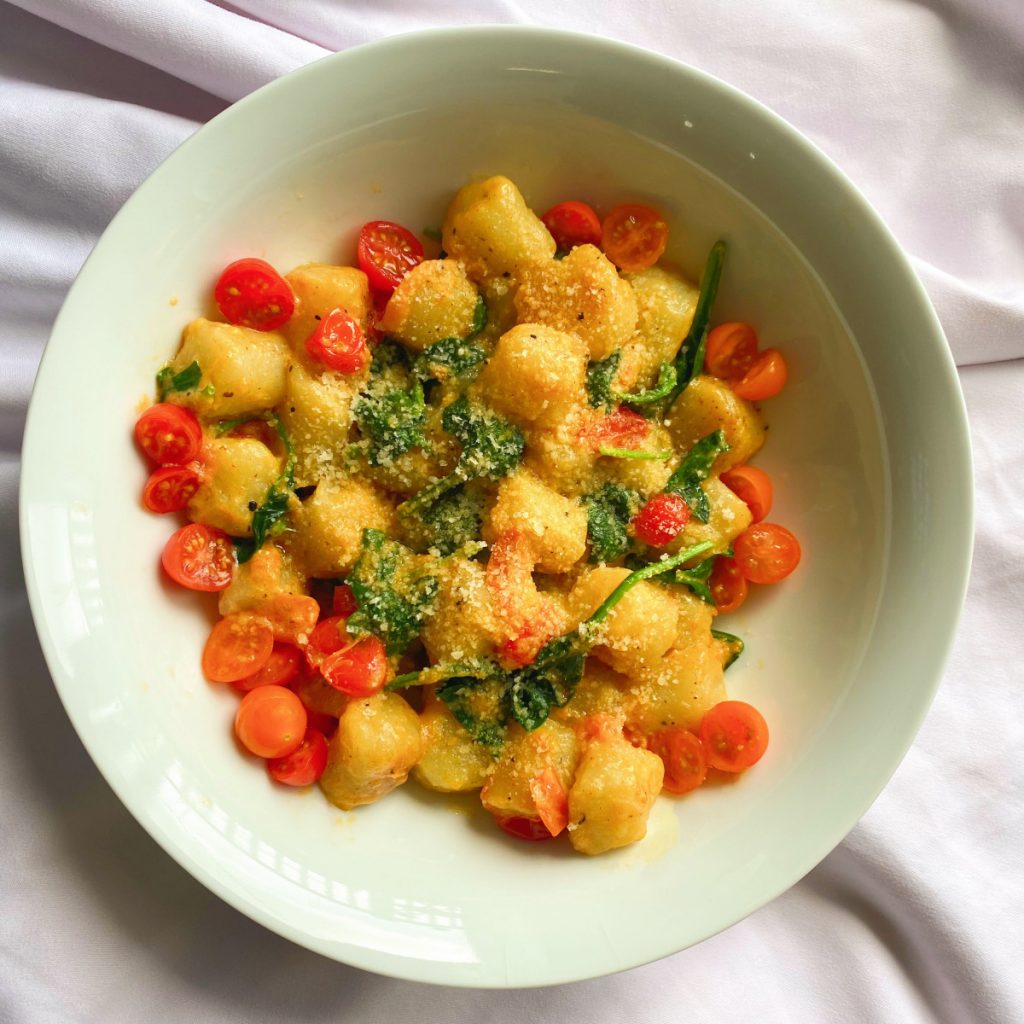
Chop all of your cherry tomatoes in half, set aside.
Using the whole bag of frozen gnocchi, cook the dumplings on medium heat in some olive oil (cook for 6-10 min depending on texture preference)
Once the gnocchi is cooked to your liking, throw in the cherry tomatoes, baby spinach, alfredo sauce and spices on medium heat until sauce is fully incorporated and veggies are wilted.
Place the dumpling veggie mixture in a bowl and top with grated parmesan cheese.
To make the recipe vegan, use cashew alfredo sauce and nutritional yeast instead of cheese.
Potomac Chocolate
Founded in 2010, Potomac Chocolate is a small American craft chocolatier from Woodbridge, Virginia. They were the first chocolatier in the Washington DC metropolitan area. Their chocolate is made with only two ingredients: cacao and sugar, with no added cocoa butter or emulsifier.
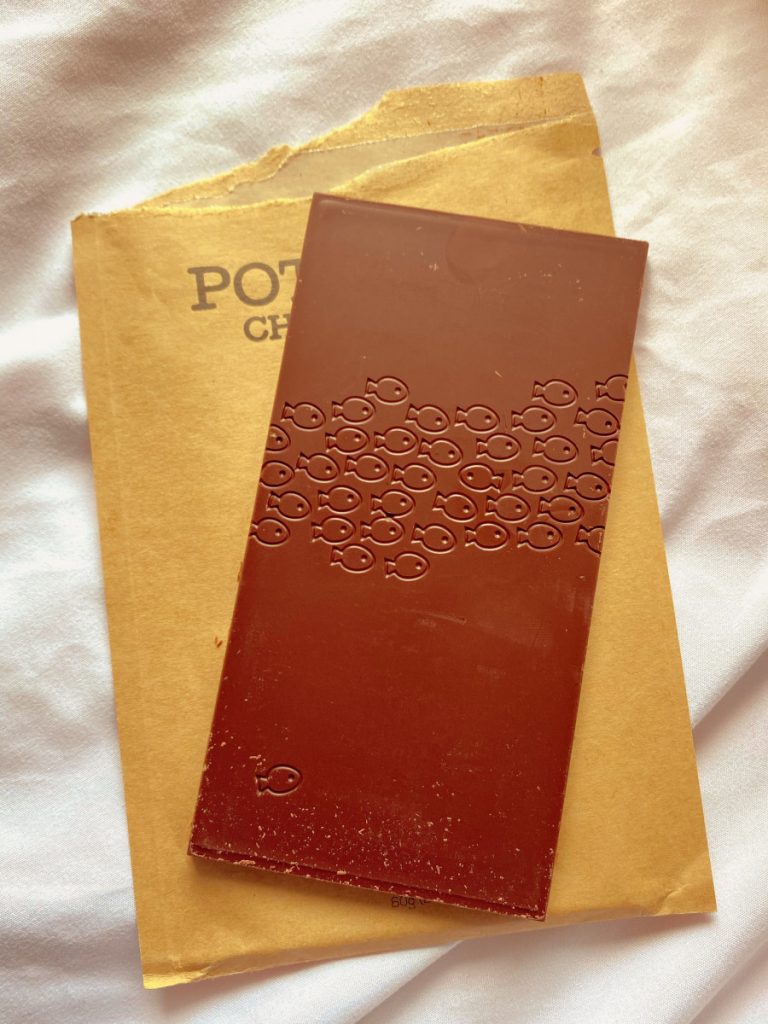
Cacao Reign: Ucayli River, Peru
From the website:
“For years, I made two bars using cacao from San Martín, Peru–it was actually my second-ever origin! Earlier this year (2020), I ran out of it and the organization I partnered with no longer imports cacao… So, I took this opportunity to switch to Ucayali River, a cacao I’ve long wanted to work with. I received my first sample of this cacao a few years ago and was blown away.
Much like my San Martín dark milk bar, this dark milk chocolate has a lot of fruity notes (I taste figs, bananas, and cherries) with a great chocolate base and a nice creaminess from the milk rounding out the flavor.”
This bar is 65% cacao and has less sugar than the 70% bar . The addition of milk and cocoa butter replaces some of the sugar.
The cacao for this bar comes from Meridian Cacao, who works directly with cacao producers and farmers to ethically import cacao into the US.
CACAO FROM THE UCAYALI REGION
There are three groups of cacao from Ucayali region: Trinitario, CCN-51 and what the locals call “comun”. The comun varietal is similar to Trinitario, but less bitter and astringent. Ucayali River Cacao only uses the comun and Trinitario varieties.
Leave a Reply
You must be logged in to post a comment.