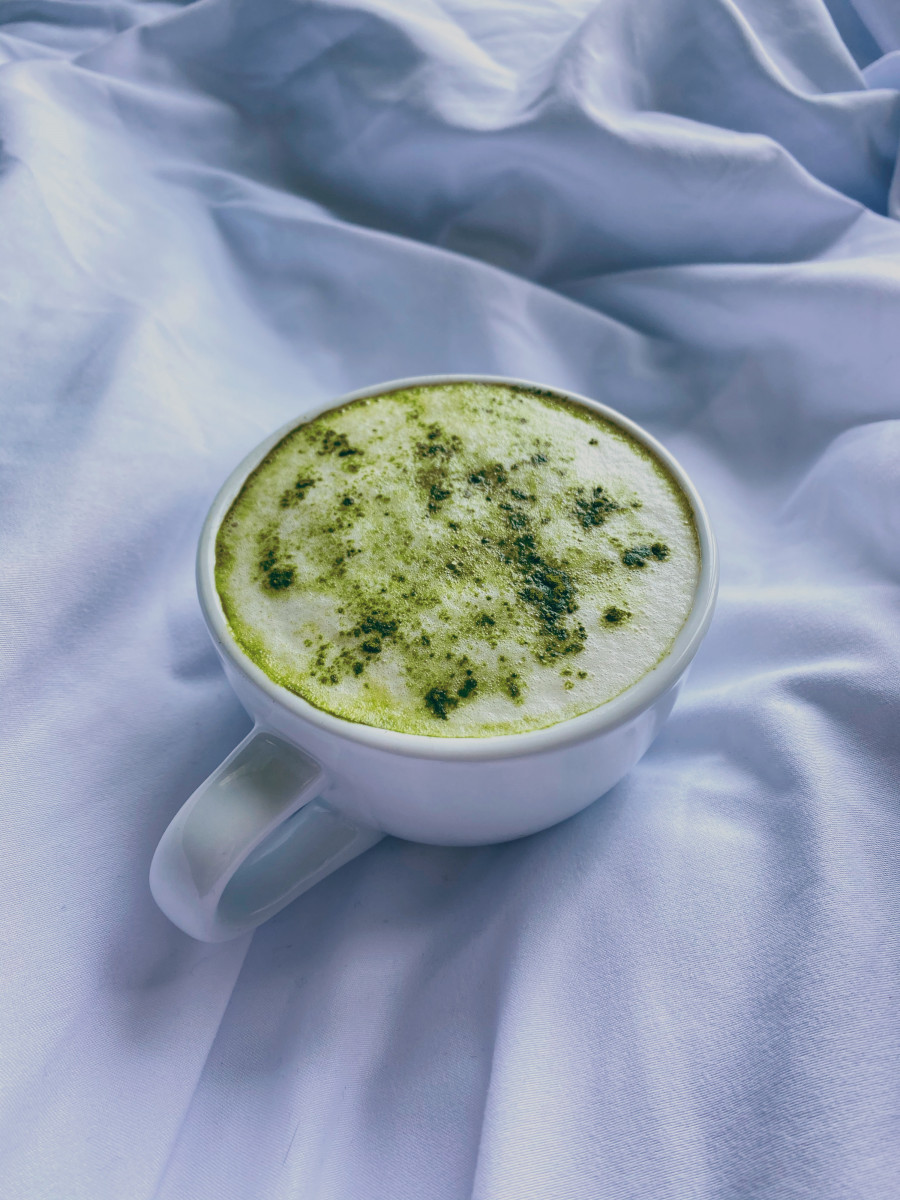
What is Matcha?
Matcha comes from green tea leaves that have been turned into a fine powder. The leaves are grown in the shade which causes the plant to produce more chlorophyll than average green tea. The added chlorophyll gives matcha an electrifying green color. This tea originates in Japan and is traditionally used in tea ceremonies.
What are the Potential Health Benefits of Drinking Matcha Green Tea?
For starters, one teaspoon of matcha powder has half the amount of caffeine than a cup of coffee. In comparison to regular green tea leaves, Matcha contains twice the amount of caffeine.
Matcha produces the amino acid, L-theanine, which elevates levels of GABA, serotonin, and dopamine in the brain. This effect leads to relaxation, alertness, and energy. The combination of caffeine and L-theanine in matcha brings both vitality and pleasure.
In matcha, there is also the antioxidant catechin, epigallocatechin gallate (EGCG). This antioxidant concentration in matcha is two-three times greater than average brewed green tea. EGCG has shown some evidence to even have cancer-fighting properties, although this has not been proven.
Does Quality Matter?
The greatest safety concern in regards to matcha is where it was produced and processed. When a whole green tea leaf is consumed, lead poisoning is a major health concern. In short-term exposure, lead can cause anemia and loss of memory. Extended exposure can create a high blood pressure, reduced fertility, and even kidney disease.
All tea leaves grown in certain regions are more at risk to lead, arsenic, and cadmium contamination due to excessive industrial pollution. These contaminants in the air are extremely likely to go into the soil of the tea plants. The processing of the tea leaves may also pose many health risks. The only way to avoid these risks is buying organic matcha to prevent pesticide contamination and buying matcha grown/processed as far away from heavy metal and nuclear hotspots like Fukushima, Japan.
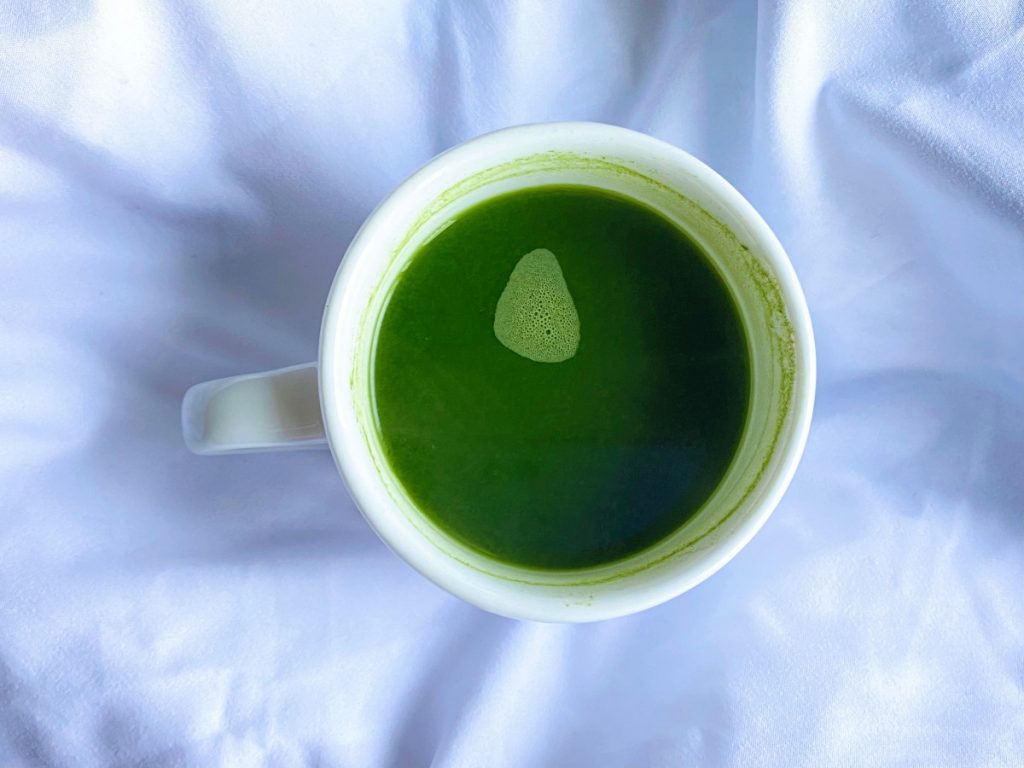
Key Points:
• The brighter the green, the higher the quality (don’t drink matcha that looks brown).
• The combination of caffeine and L-theanine can cause a calm and alert stat
• Purchase matcha grown in Japan away from Fukushima to avoid heavy metal contamination.
What is a Matcha Latte? Is it Against Tradition?
A lot of American matcha drinkers have no clue what real matcha actually tastes like because they are used to this green tea being mixed with lots of cream and sugar. Matcha powder has such a bitter, malty flavor that does not appeal to the average American palate. To fit American’s typical fatty and sweet palate, many cafés add heaping amounts of syrup to the matcha powder as well as steamed milk to make a ‘matcha latte‘. This way of drinking matcha tea is very different than the way it is traditionally enjoyed in the East.
The Dos and Don’ts of Matcha:
-Matcha should be sipped from a bowl, not a mug or a to-go cup
” Drinking matcha is a sensory experience: you cup the bowl with your hands, take it to your lips, and breath in all those luscious matcha fumes as you sip. The bowl acts as a sort of dome over your nose and mouth; you can’t get that from a teacup.” –April Walloga
-Matcha should be an all day indulgence
Matcha is an all-day beverage in Asian households: the tea is enjoyed in the morning, afternoon, and after dinner. Some people also use it during meditation to help them focus.
-Matcha should be drank quickly
If you let matcha sit for too long, all of the powder settles at the bottom. This tea needs to be drank quickly for the full experience.
-Matcha shouldn’t be mixed with milk and sugar
Matcha should simply be mixed with hot water (not boiling) and no sugar. When you mix matcha with milk and sugar, you just taste the pleasant part of it, while the full-bodied flavor of matcha makes you wonder what your tasting and why it feels so different from other tea experiences.
-Matcha prep should only take 1-2 minutes
All you really need is a whisk and a bowl to make matcha. Traditionally, matcha is prepared in two ways: usucha and koicha. The creamier version, usucha, is the most common. Koicha is as thick as paint and reserved for tea ceremonies.
From: Walloga , April. “Americans Are Obsessed with Matcha Tea — but We’re Drinking It All Wrong.” Business Insider, 27 June 2015.
–
Leave a Reply
You must be logged in to post a comment.