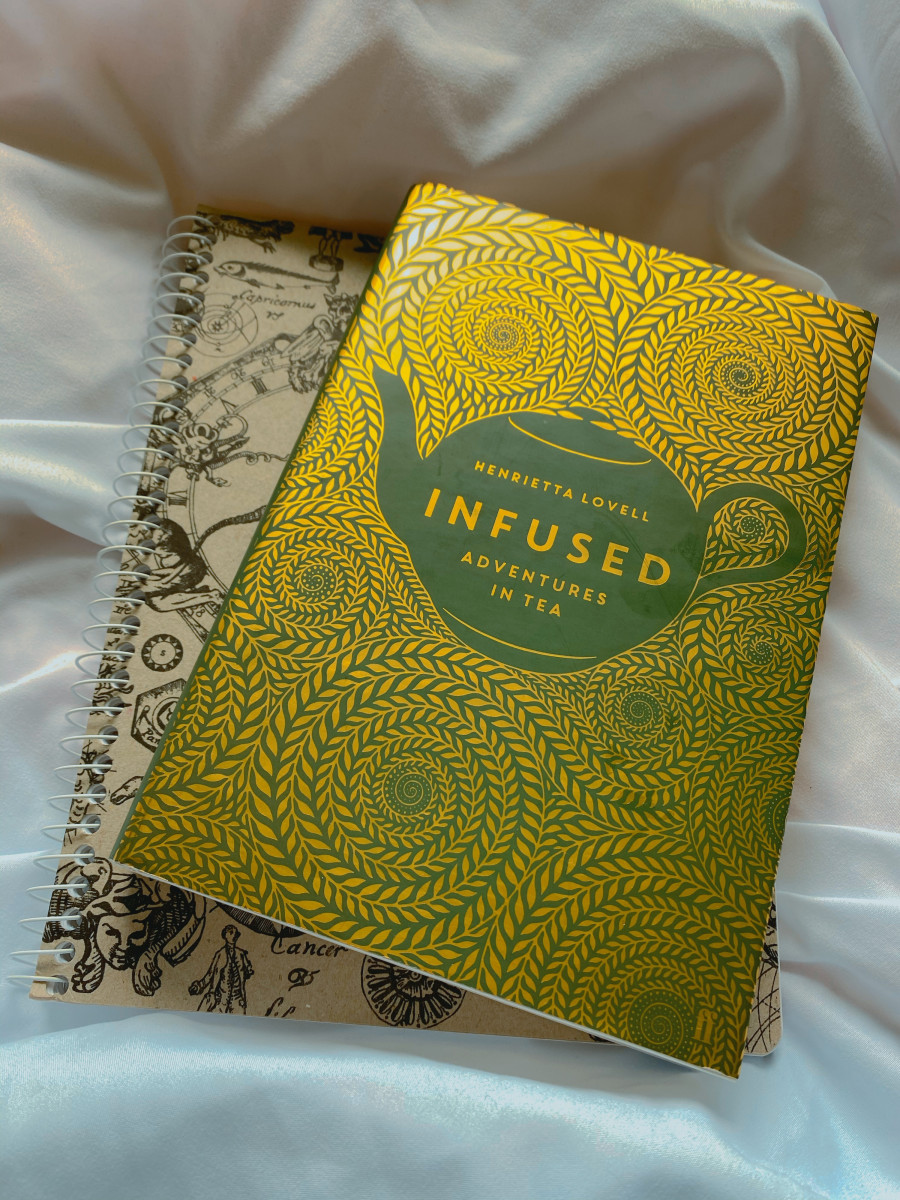
The foodoir, Infused: Adventures in Tea, the author, Henrietta Lowell, tells an exploratory tale of traveling the world in search of the secrets to an amazing cup of tea. Lowell watched her father die of cancer and then got cancer herself just after starting her tea company, Rare Tea.
https://www.instagram.com/rareteacompany/
The first tea Lowell tried was a cup of Darjeeling in a fine bone china tea cup off the coast of south-west Scotland. This was the moment she fell in love with the culture of drinking tea. The woman that introduced Lowell to tea came from India and grew up drinking Darjeeling with no cream, no sugar, just pure tannic bliss.
After Darjeeling, Lowell fell in love with oolong. The oolong was served to her in the harbor of Hong Kong and it was a Tie Guan Yin, or “Iron Goddess of Mercy“. This tea awakened her lifelong journey to discover the different terroirs of tea.
Where does Tea come from?
All tea comes from the same plant, but they are all processed differently. Where it grows, how you harvest it, and how the leaves are crafted are the factors that determine what a tea will become. From one plant, you can make, black, green, white, oolong and pu’er tea.
Green Teas-Delicate handling with heat and pressure
Black Teas-Crushing and breaking the leaf to oxidize it (oxidation can also be wrongly called fermentation in China, but the only truly fermented tea is Pu’er).
What are Tannins?
Tannins are a flavonoid molecule in tea that contributes to the characteristic of bitterness and astringency. The astringency happens because the tannins attach themselves to proteins in your saliva, so your tongue dries out. They also bind to other proteins and fats, so milk in tea reduces the effect.
Rare Teas Discussed in the Book:
Bai Hao Yinzhen-Silver Needle: The first downy spring bud of the Da Bai varietal. These unopened buds are plucked during a small window during the beginning of spring (between March 20th and April 5th).
Malawai Antlers: A white tea made from the tender stem, not the leaves. The shape resembles the horns of a young deer. This tea can be steeped almost endlessly and continues to change in flavor and aroma. The flavor notes are apricot and wood.
Nepalese Black Tea: Grown in the Himalayas, this floral tea pairs well with extremely dark chocolate. It was also be used to make masala chai with black peppercorns, cloves, cardamom, cinnamon and fresh ginger (milk optional).
Meghalaya-The Adobe of Clouds-Lakyrsiew Estate: This tea comes from the forest region of Meghalaya in north-east India. The flavor notes are similar to bitter burnt sugar and caramel.
FUN FACT: In this region, the people have kept matrilineal system where the youngest daughter inherits the families wealth.
Jin Jun Mei-Tarry Lapsang: These tea leaves are kept whole instead of broken and then smoked with a pine from a permitted protected forest in a wooden hut. Most cheap Lapsang teas today use cheap oils to replace the strong smoke scent, but Tarry Lapsang uses extremely potent and rare Wuyi pine wood.
Gyokuro: Made from similar leaves to ceremonial matcha, this high grade green tea can be infused up to 10 times.
Almond Blossom: This flower must be picked at just the right moment as the very first flowers blossom and are heavy with pollen. The flavor is similar to almonds with a hint of honey and artichoke and smells like marzipan. The blossoms only come from old fruit trees that don’t produce as well as they used to.
*Tea pairing idea for the future: caviar and tea or sea urchin and tea ex. sturgeon caviar and pu’er*
Making the Perfect Cup of Tea
- Use a non-porous teapot that is glass or ceramic
- Use dechlorinated water
- Choose unflavored fair trade loose leaf teas over store bought tea bags
- To make a more flavorful tea, use more tea leaves instead of steeping the tea for a longer time.
- For black tea that you’re adding milk to, use water just under a rolling boil, but for all other teas, wait a few minutes after the water has boiled before steeping your tea.
Leave a Reply
You must be logged in to post a comment.