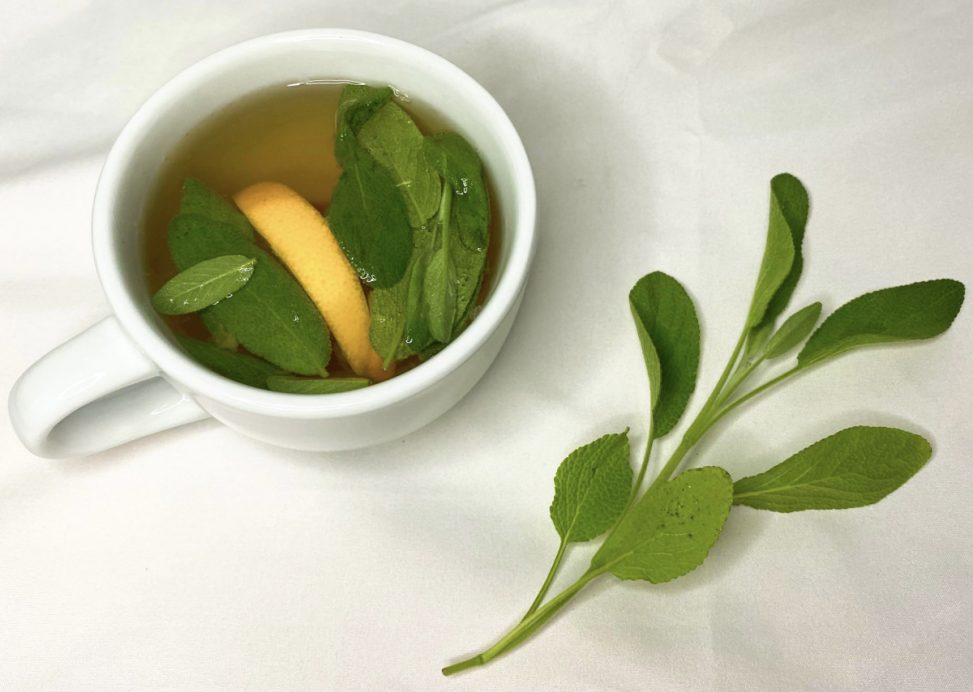
Origins of Greek Oregano Tea
In ancient Greece, Hippocrates (460-370 B.C.E), the father of medicine, used herbs from the Greek countryside as the basis of primordial medical science. These herbs were considered as the “cure-all”, and they are still widely used throughout Greece to supplement standard medicine. Greece is famous for their use of unique herbs and spices.
Greece’s special landscape is what makes the Greek flora so abundant. Of the 7,500+ different species of plants growing in Greece, approximately 850 of them are only found within the country. Some of the best medicinal and culinary herbs grow there naturally. Some of these herbs are chamomile, mountain tea, sage, thyme, oregano and basil which are chosen along with many other Greek herbs by high-ranking chefs all over the world.
Historically, Greek oregano originated on the mountain slopes of Greece. The name “oregano” meaning “joy of the mountain”.
According to Greek mythology, the scent of oregano was constructed by the goddess Aphrodite to symbolize happiness. In ancient Greece, wedded couples were crowned with oregano garlands. These oregano plants were also placed on tombs with the intention to bring peace to departed spirits.
The healing properties of oregano has been used for centuries. It is a powerful antibacterial and antifungal. It is also used as a painkiller and as an anti-inflammatory. Oregano tea can be made into a treatment for indigestion, cough suppressing, and as a menstruation stimulator. Hippocrates, the first known doctor that used oregano, used the herb to aide digestive and respiratory issues.
The leaves and flowering stems from the oregano plant are natural antiseptics because of high thymol content it contains and oregano contains a good source of fiber, iron, calcium, vitamins A, C and K, and omega 3 fatty acids. According to experts, oregano can assist in helping people maintain a clear complexion and prevents toxins from harmfully affecting skin.
Above all, Oregano is not only a flavorful ingredient, but a crucial addition to Greek Cuisine.
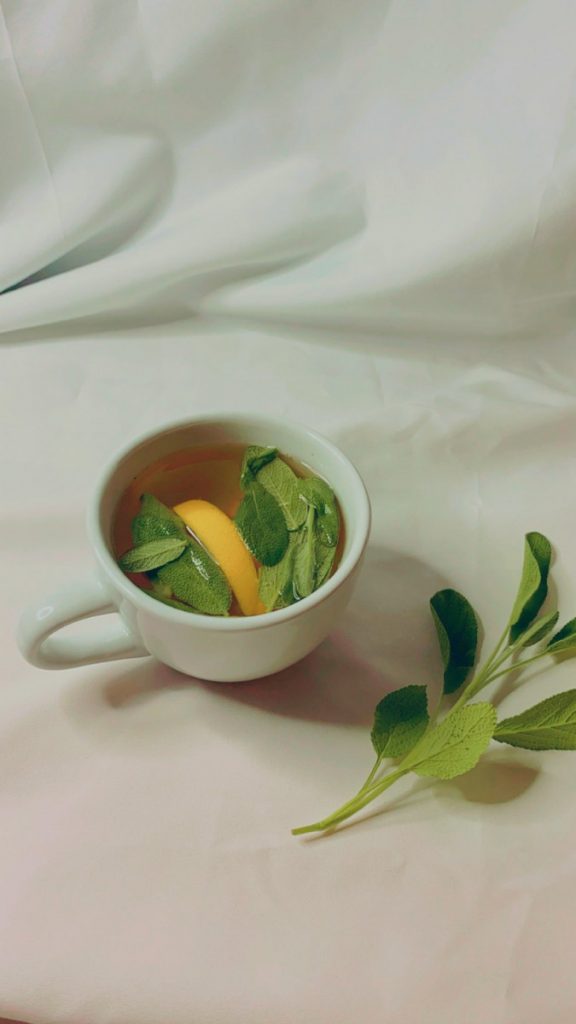
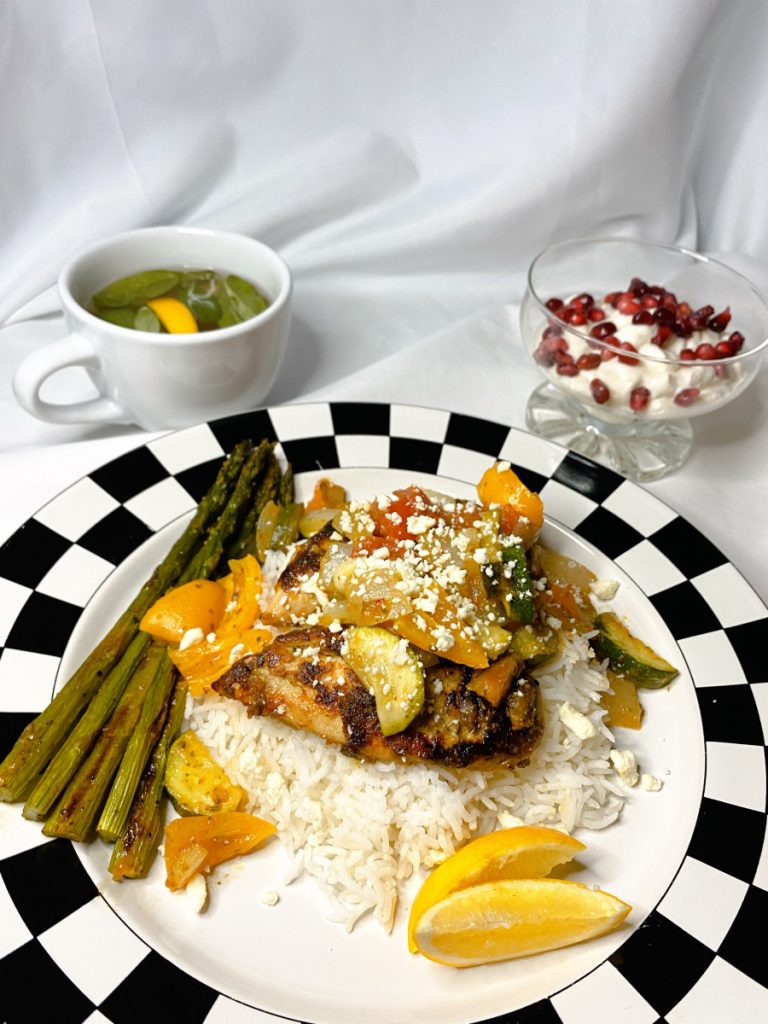
For this pairing lab, I decided to go try something traditional and simple; fresh oregano leaves, a slice of lemon and manuka honey to make a calming cup of herbal tea.
The product was surprisingly tasty and would also be lovely as an iced tea.
I was amazed with how much flavor such a simple combination of ingredients can bring. This was the perfect tea to balance out an intensely spiced Mediterranean meal.
Importance of Organic Tomatoes
After reading Tomatoland during my fall quarter at Evergreen, I have a completely new outlook on the importance of buying only organic tomatoes. In this non-fiction book, there is evidence that shows the risks pesticides bring to the farmworkers producing this crop. By continuing to only by local, organic, small-scale tomatoes, we can bring justice to the farm workers enduring these dangerous conditions and start to shut down exploitative corporations.
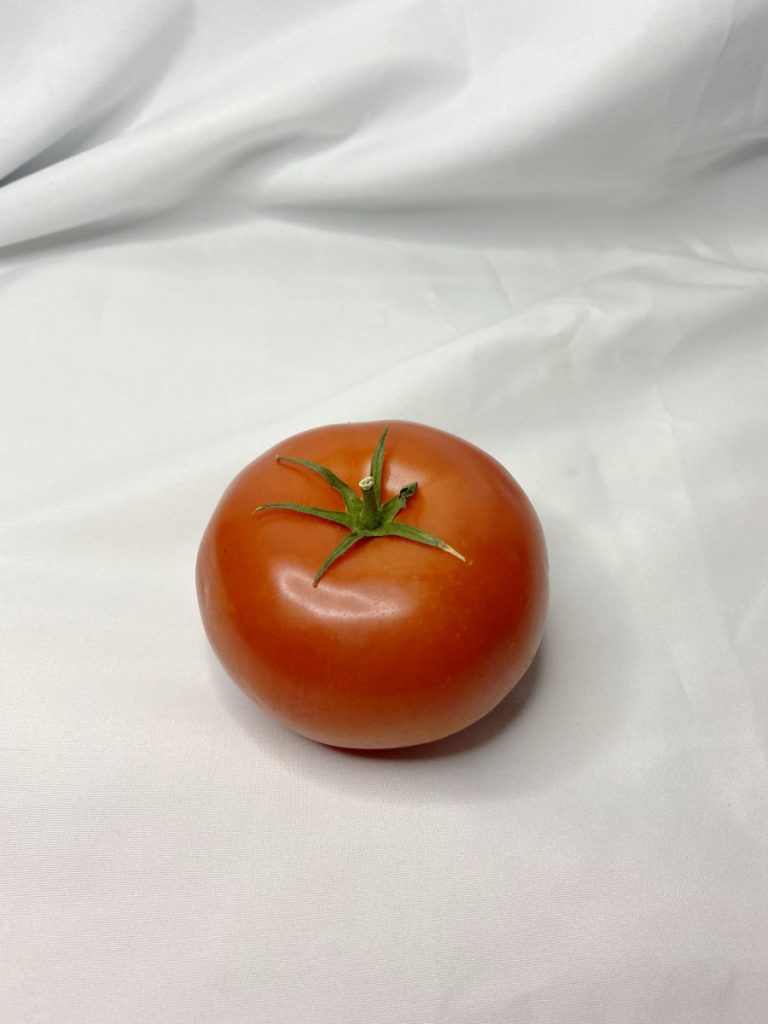
For this pairing lab, I used strictly organic and local vegetables and hormone-free/cage-free organic chicken breast.
Greek Yogurt and Pomegranate Seeds-A Classic Greek Treat
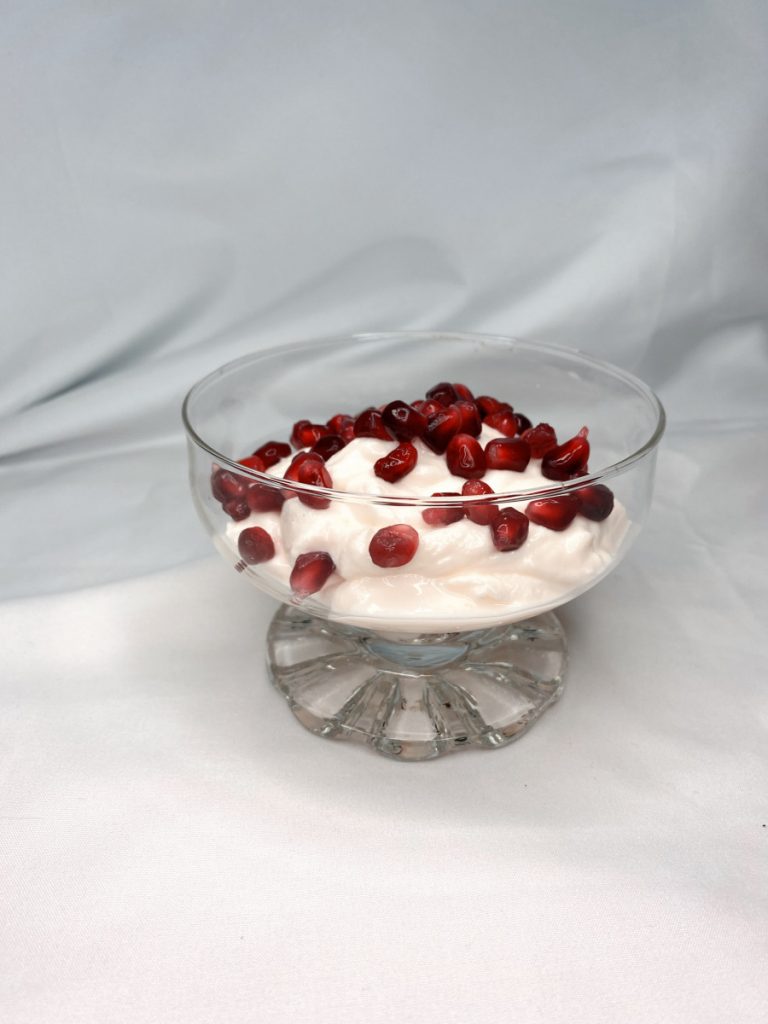
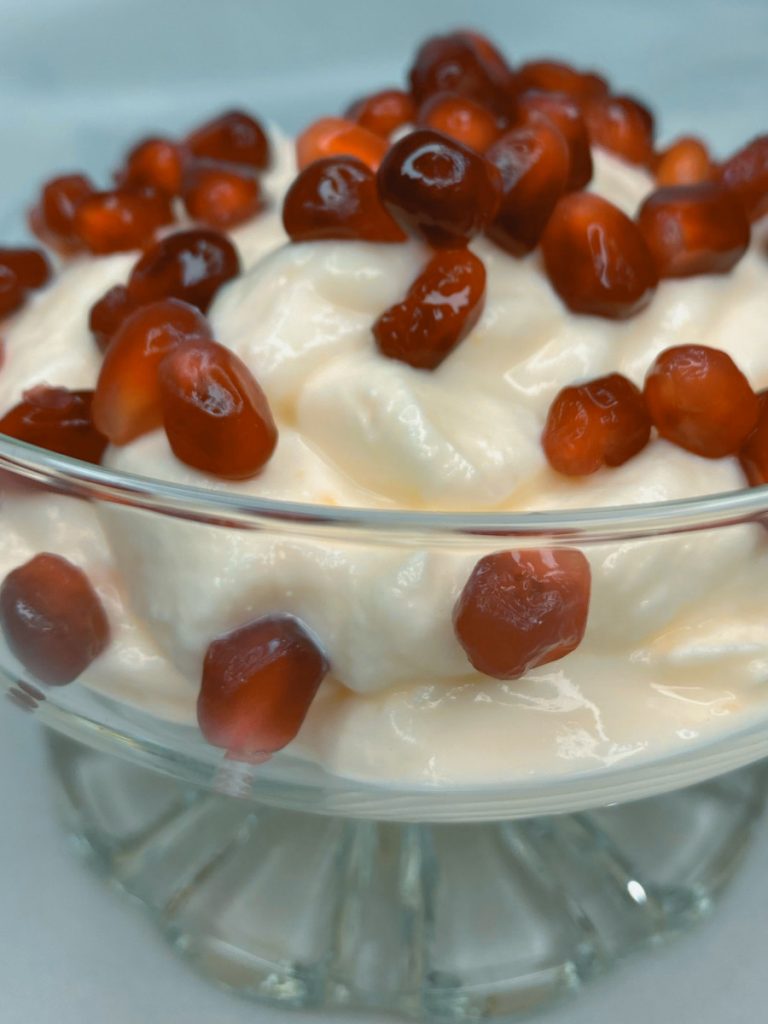
Instead of using chocolate for this meal, as it is uncommon in Greek dishes, I decided to highlight the tangy flavor of apricot Greek yogurt and pomegranate seeds.
This complimented the rest of the meal by bringing in creamy and sweet flavors that mellow out intense spices like cayenne and oregano.
Mediterranean Chicken Recipe:
Ingredients: six chicken breasts, one orange or yellow bell pepper, two zucchinis, a heaping handful of asparagus, one large tomato, three garlic cloves, one onion, two meyer lemons, feta cheese, white basmati rice, flour, avocado oil, cumin, paprika, coconut sugar, worcestershire sauce, lemon white vinegar, olive oil, zhoug sauce (trader joe’s), garlic powder, pepper and sea salt.
-Marinate chicken breast in 1 tbsp. worechestershire sauce, 1/2 tbsp. lemon white vinegar, 2 tbsp. olive oil, 1 tbsp. zhoug sauce, 1 tsp. garlic powder, 1 tsp. coconut sugar and salt and pepper to taste. 30 minutes on each side. Chop vegetables and start cooking white rice while waiting (I used one cup of rice and two cups of water in a rice cooker).
-When the chicken is done marinating, toss each breast in a mixture of flour and cayenne powder before placing them in a pan at medium heat to cook with a splash of olive oil. Preheat the oven at 375.
-While the chicken is starting to crisp, sauté the vegetable mixture without the asparagus on medium-high heat. Add zhoug sauce and cumin/paprika as desired.
Flip the chicken after the largest piece is beginning to brown on the bottom. Place the asparagus and a few lemon wedges on a pan. Pour a generous amount of olive oil on top with a bit of cracked black pepper and coarse sea salt. Bake the asparagus for 20 min or until crispy.
Once the veggies and chicken are cooked to your liking, remove from heat.
Plate the meal as so; rice on the bottom, asparagus and a lemon wedge on the side, two pieces of chicken breast on top of the rice and the vegetable mixture on top of the chicken. Top with feta cheese and/or flash-broiled pine nuts.
ENJOY !
Homemade Zhoug Sauce
While Zhoug Sauce (pronounced Zoog) actually comes from Yemen in the Middle East and not from the Mediterranean, I felt as though the flavors in this sauce paired beautifully with the Greek oregano and spices such as paprika and cayenne.
Ingredients:
2 bunches of fresh cilantro
5 cloves of garlic
3 jalapenos (whole)
1 tsp. cardamom powder
1/2 tsp. cumin powder
1 tsp. sea salt
3/4 cup olive oil
1/2 tsp. chili flakes
1 tsp. lemon juice
Throw in a food processor and enjoy over meat, rice, veggies, etc.!
Leave a Reply
You must be logged in to post a comment.