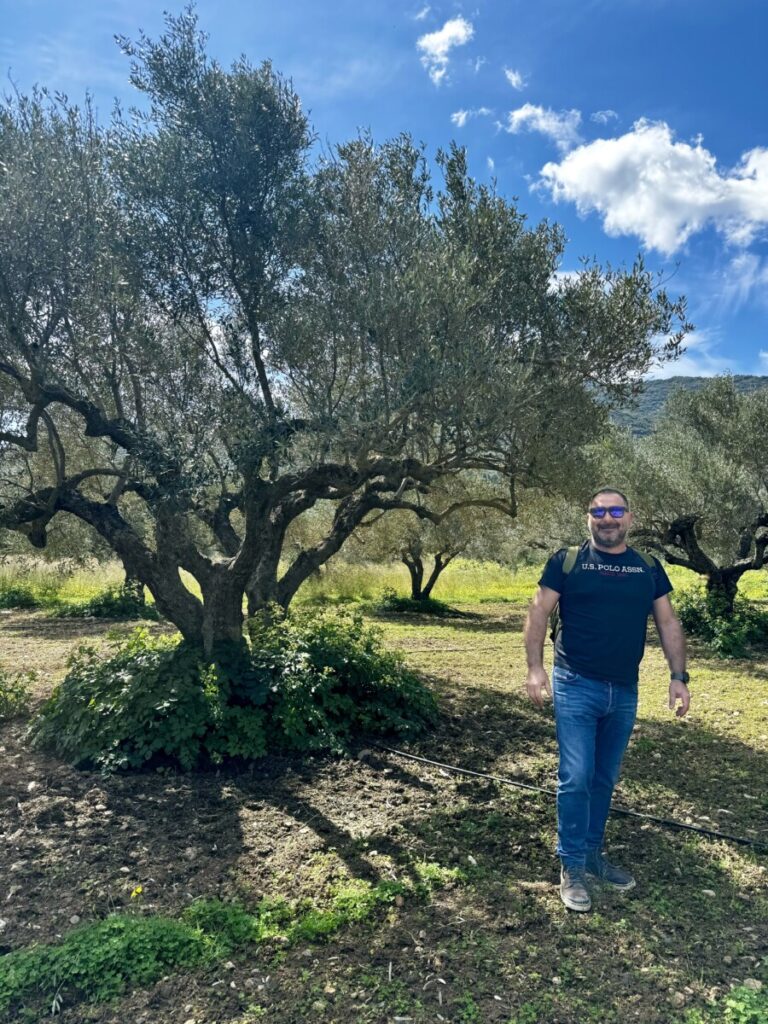
Athens

A fitting spot to begin my study abroad where I will look into the relationship between oleotourism and the preservation of ancient olive trees. Athena’s olive tree. Athens is named after the fierce goddess. She and Poseidon competed for the title of the cities’ protector and namesake. Poseidon stood atop the Acropolis, spit the ground open with a stab of his trident and a salt water spring flowed from the earth, promising the people the bounty of the sea. The people were moved but they already had access to the sea all around them. Athena took her turn, produced a seed and planted it in the ground atop the Acropolis. An olive tree grew as a promise to the people of the city that she wold provide food, medicine, oil, fuel and wealth for centuries to come. The people felt cared for and Athena became protector and namesake of Athens.

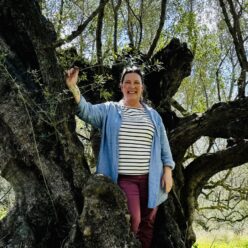
Atop the Acropolis a temple was constructed to celebrate this achievement and was built around the olive tree. The structure and the tree were burned during the Persian wars. This tree that I stand beside was planted as a reminder of the story and the tree.
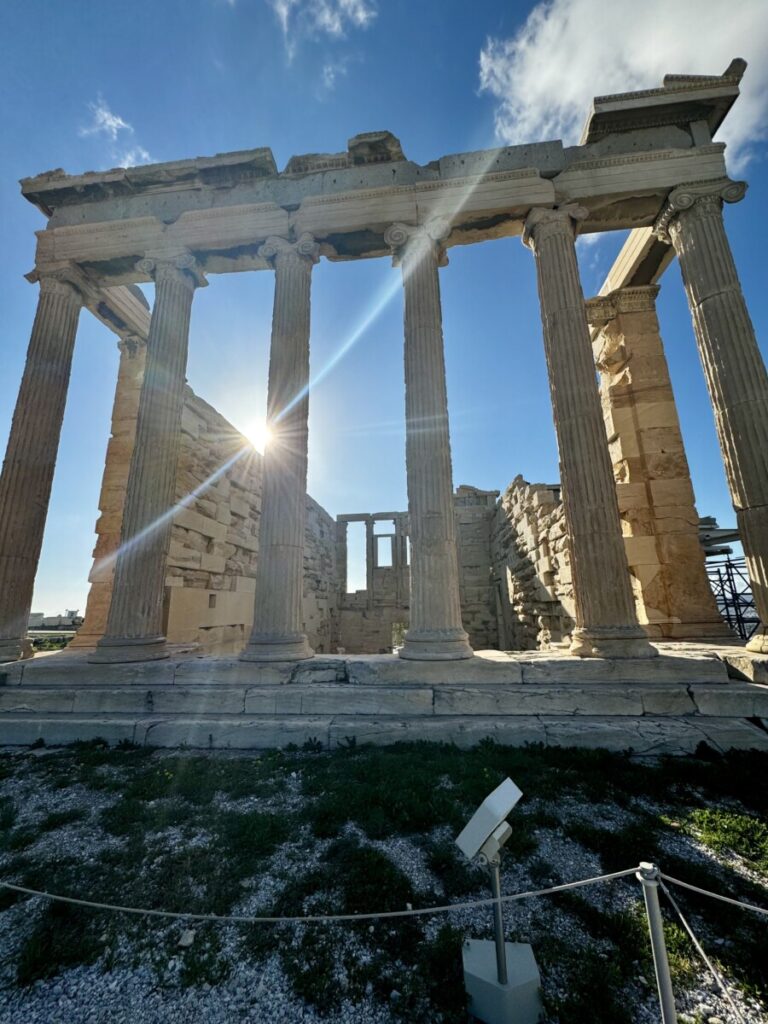
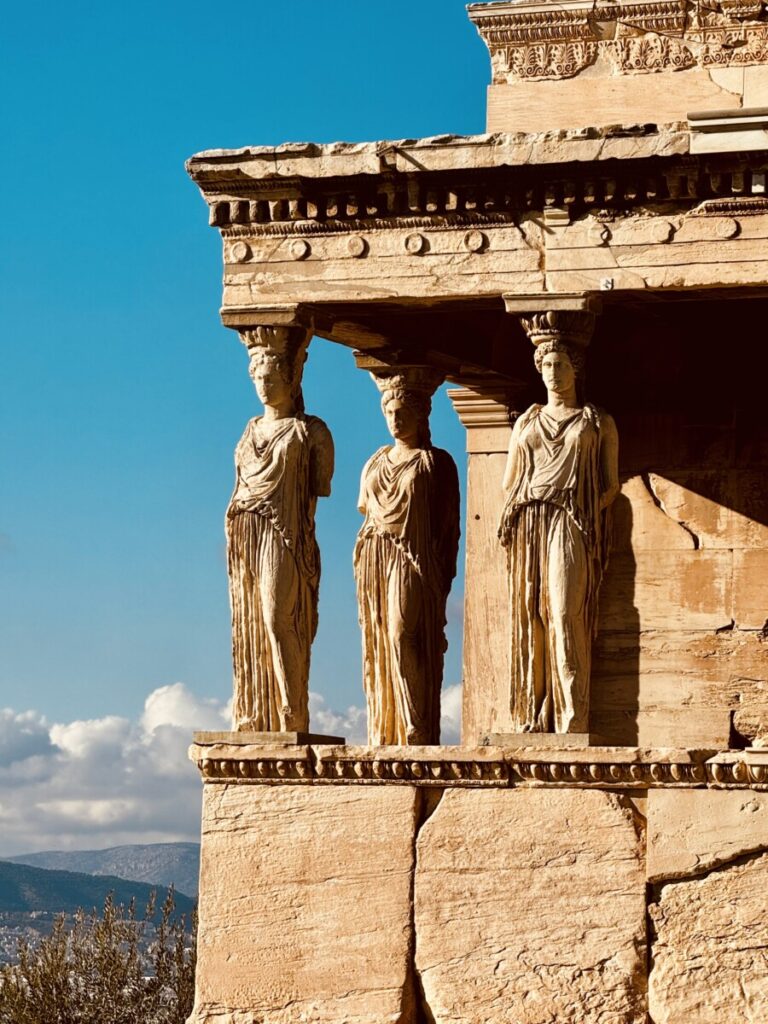
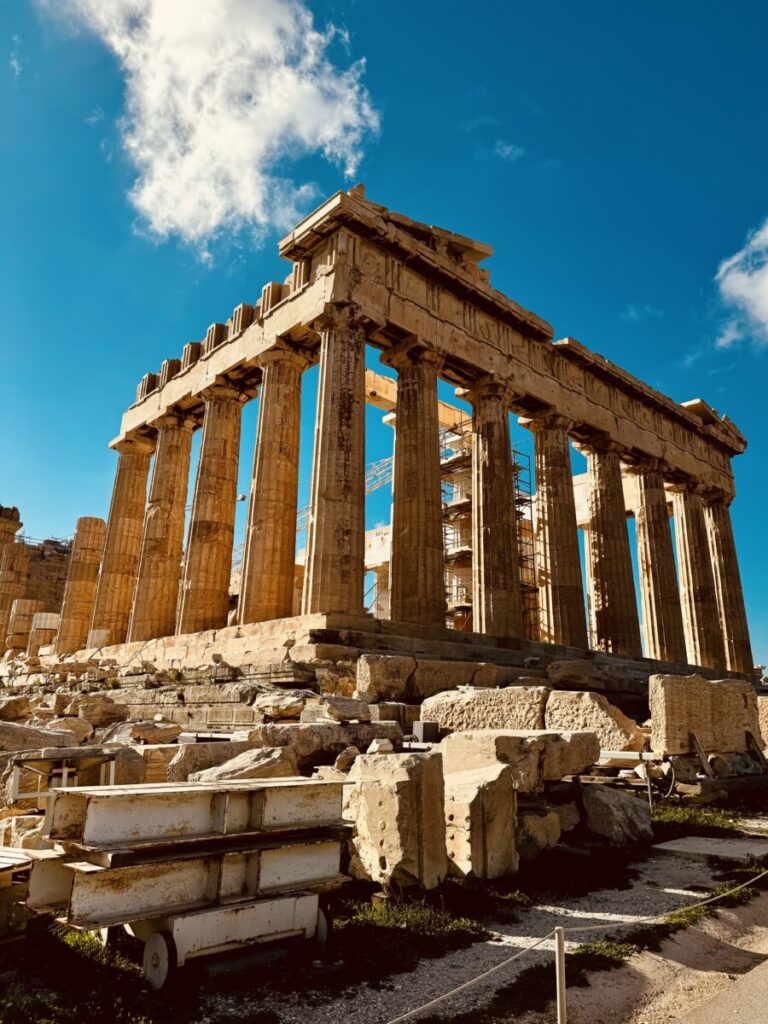
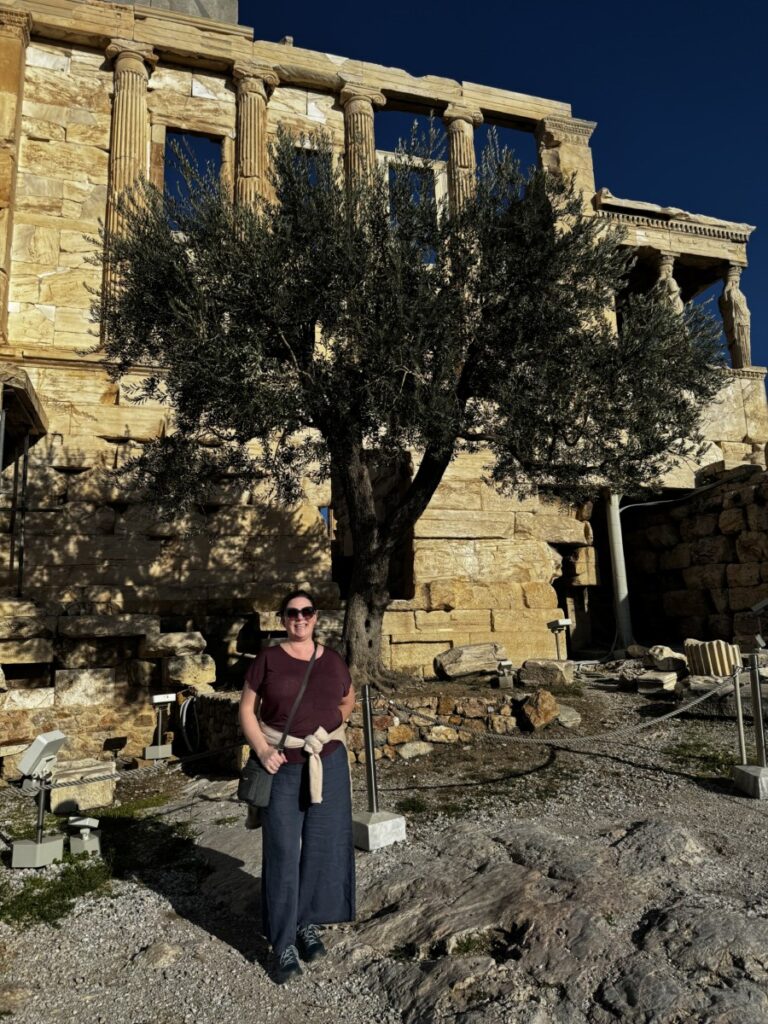
I decided to begin my journey in this magical place next to this beautiful tree.
Crete
The Tree of Vouves
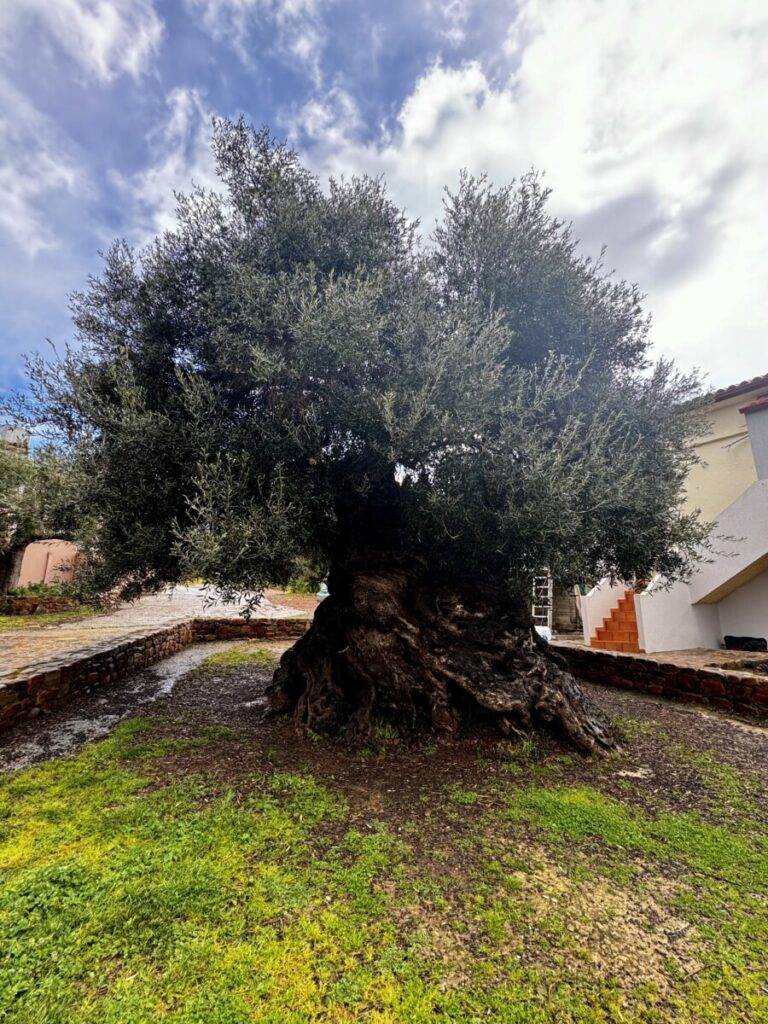
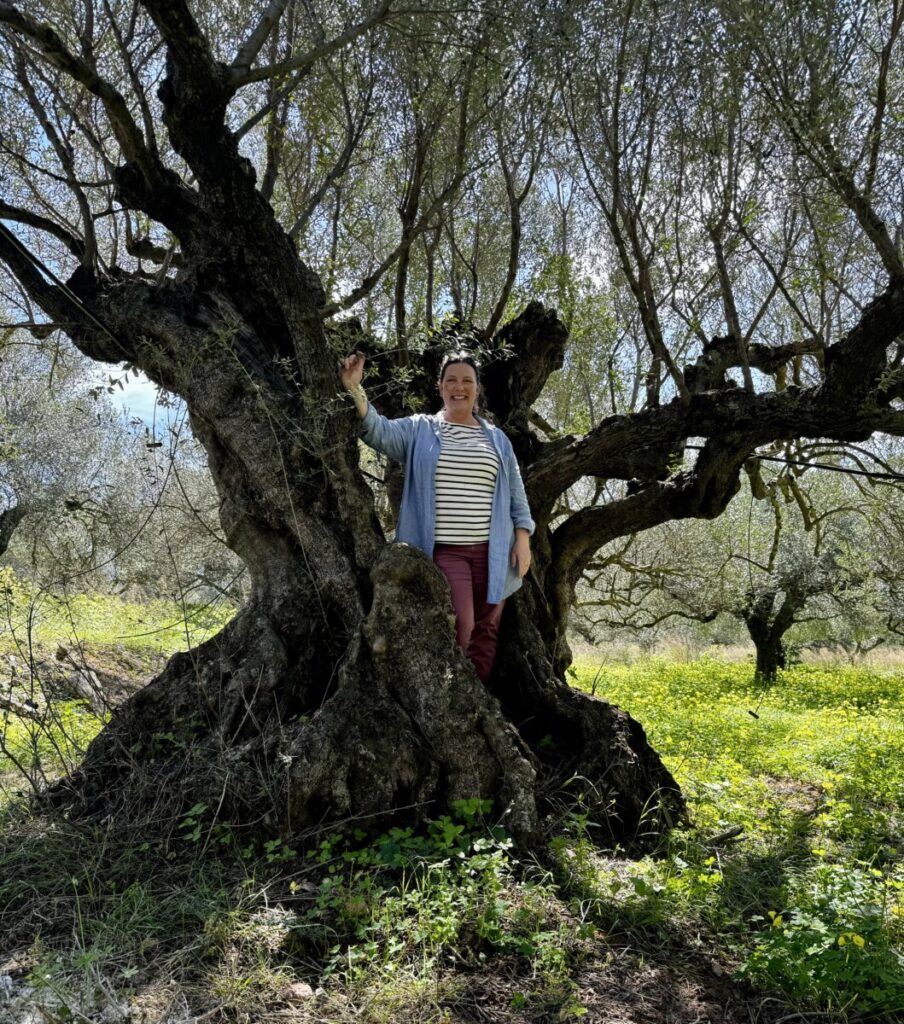
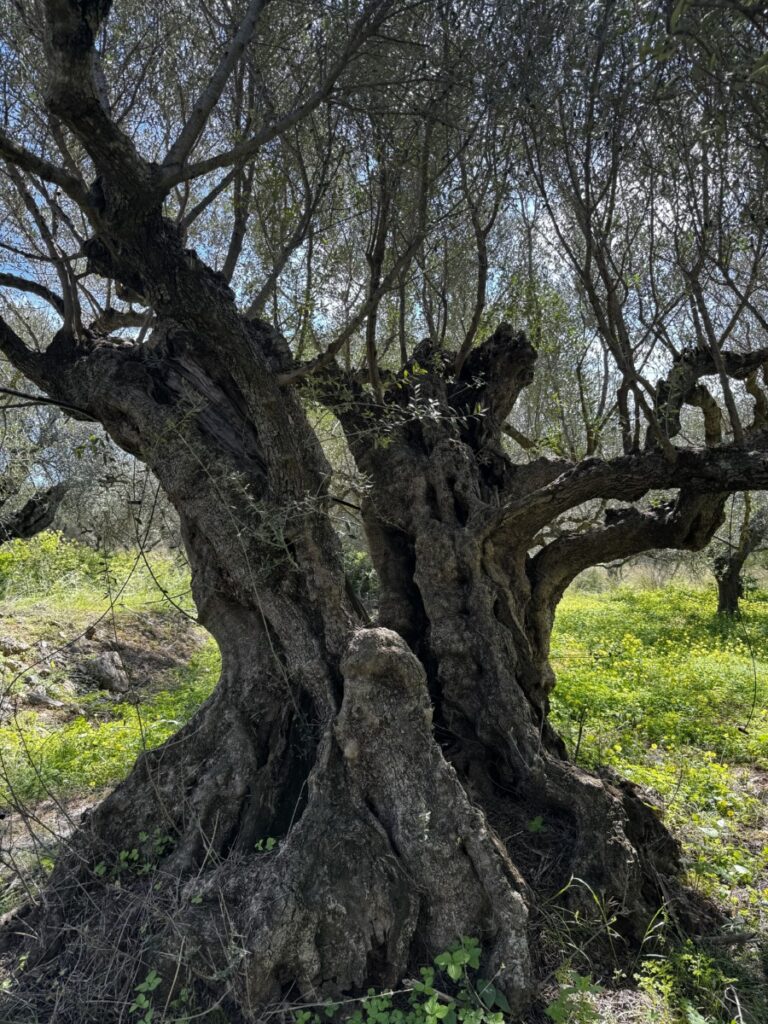
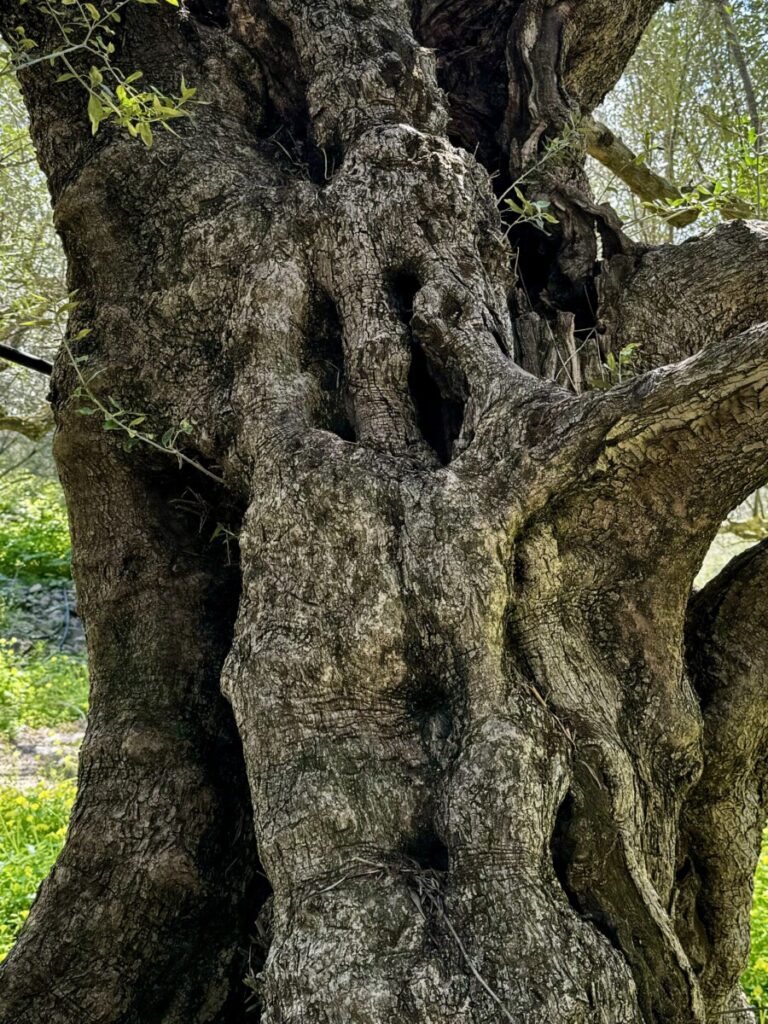
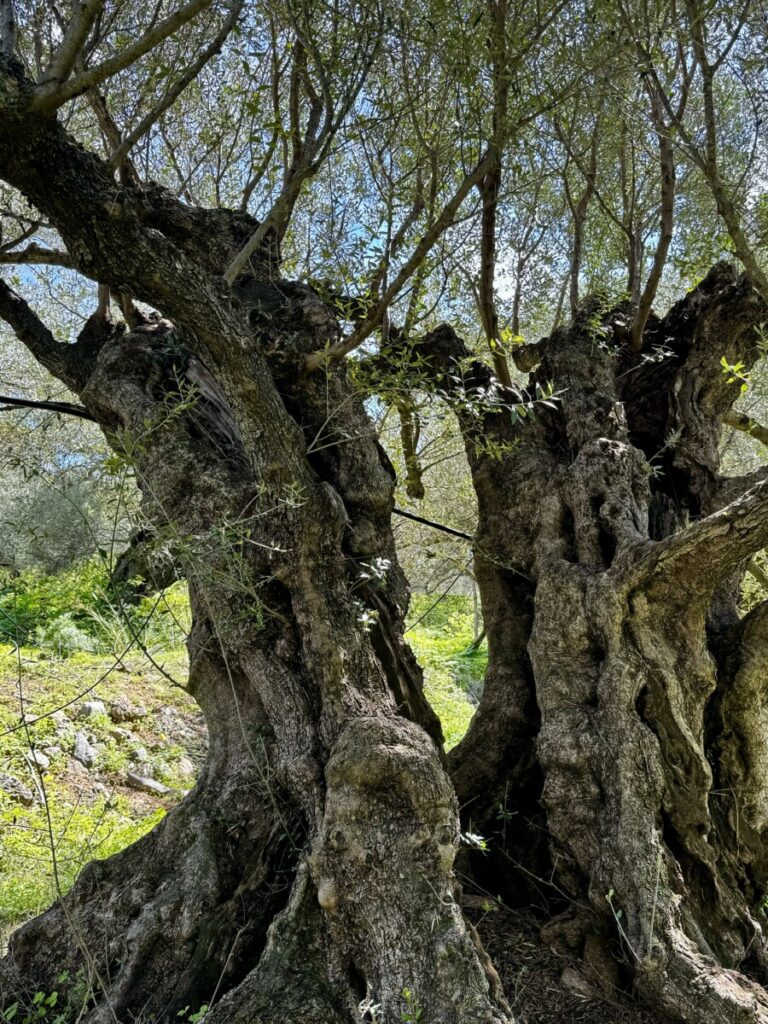
My second stop is the majestic tree of Vouves. One of the oldest olive trees in the world. It dates 4,000-6,000 years old. Dating olive trees is a bit tricky, that is why the large date range. It could possibly be the oldest olive tree in the world. Some trees in Syria and Palestine could be older and have not been dated. It is huge. I wish I could have gotten a better picture but it was dumping rain.
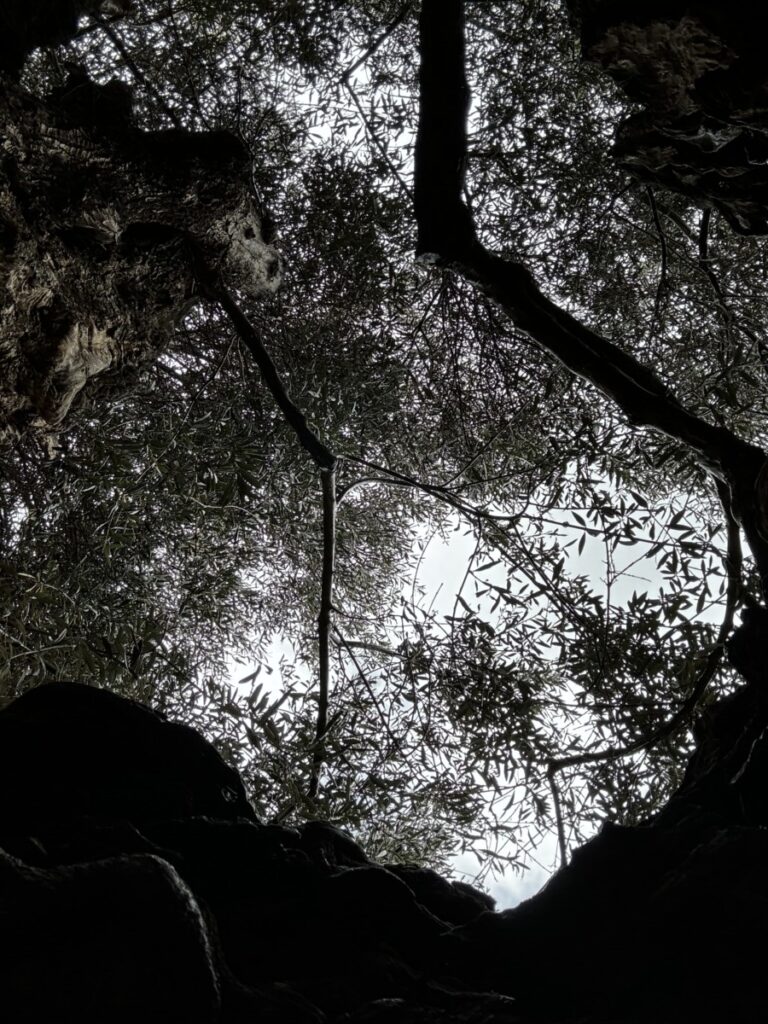
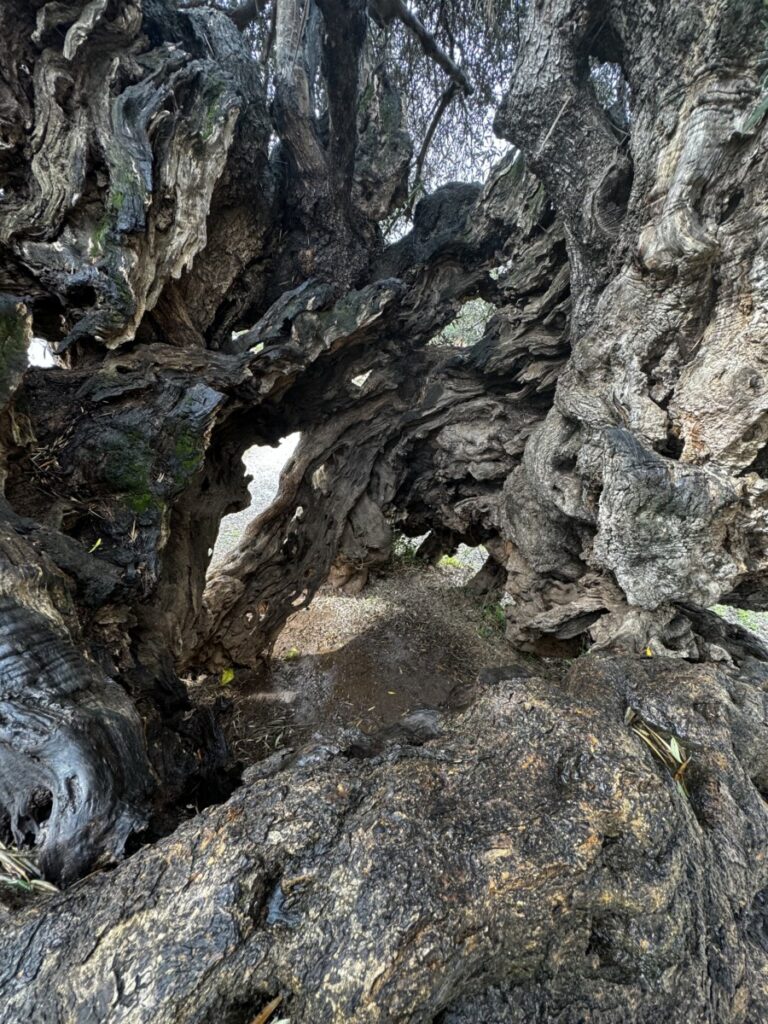
The tree still produces olives and they press the oil in a ceremony every year. The strength, resilience and longevity of these trees is amazing. Being here woth it you can’t help but to think of all its seen, all of the people who’ve climbed its branches and drunk its gold gift.
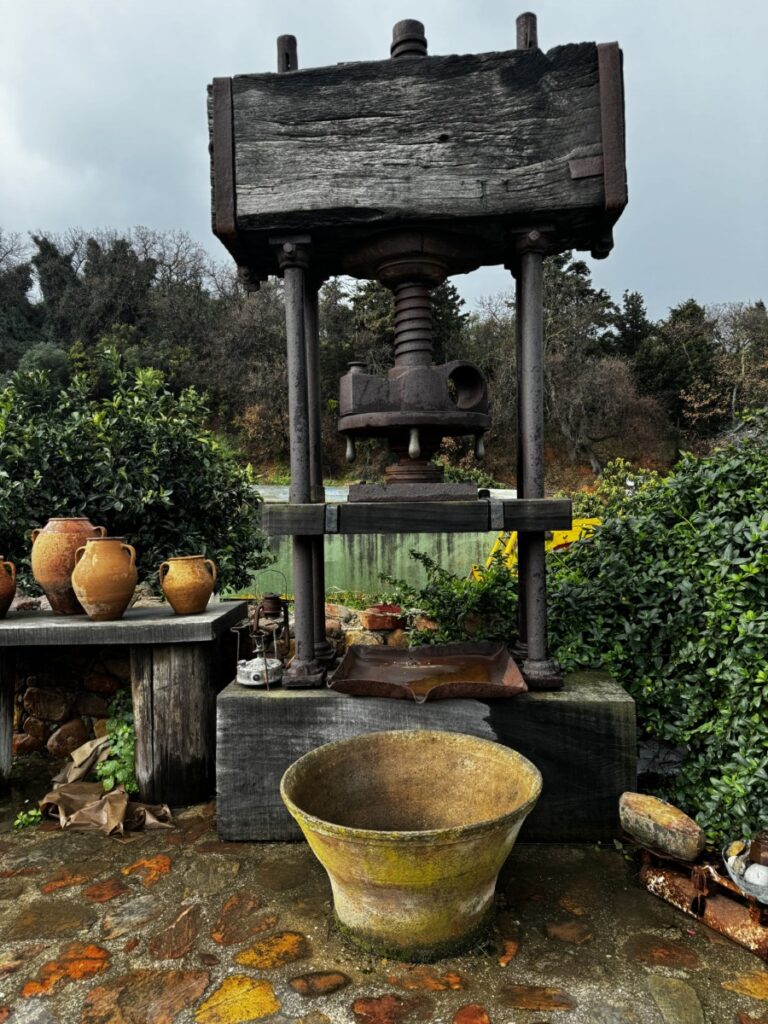
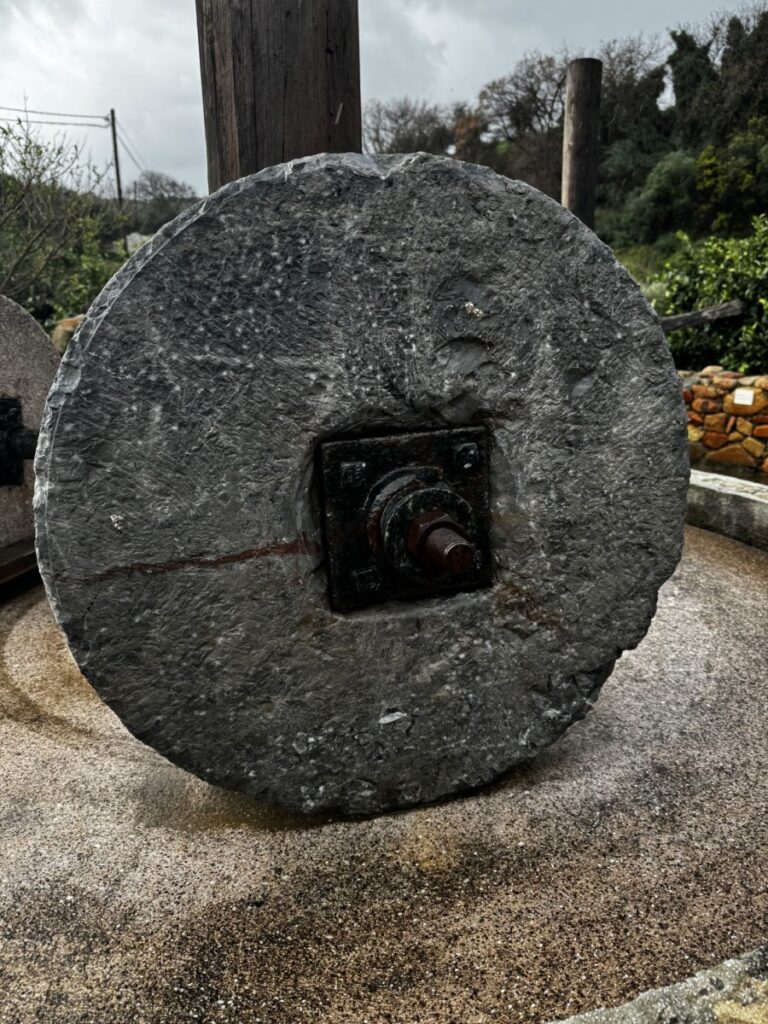
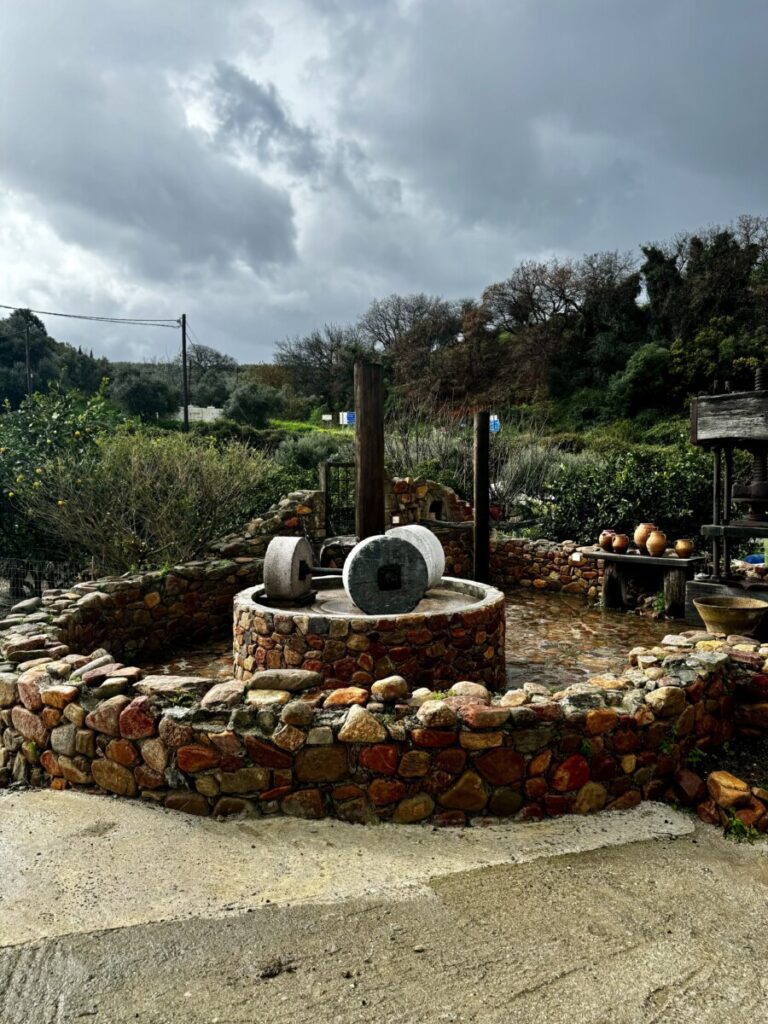
Goats, God and Gold
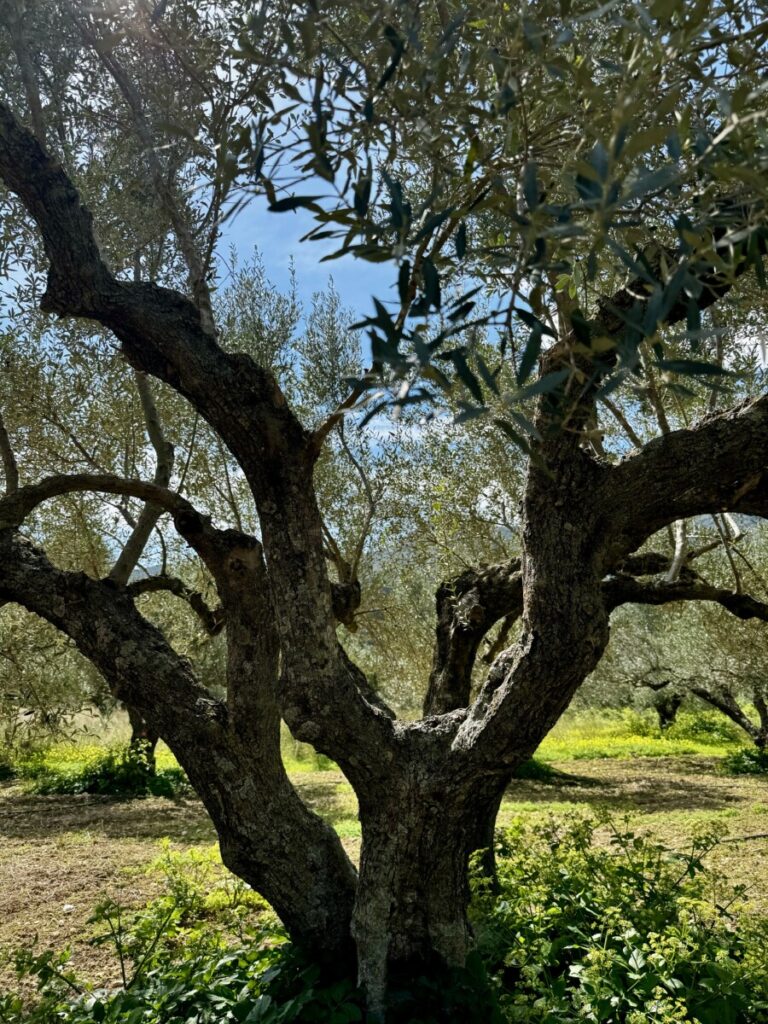
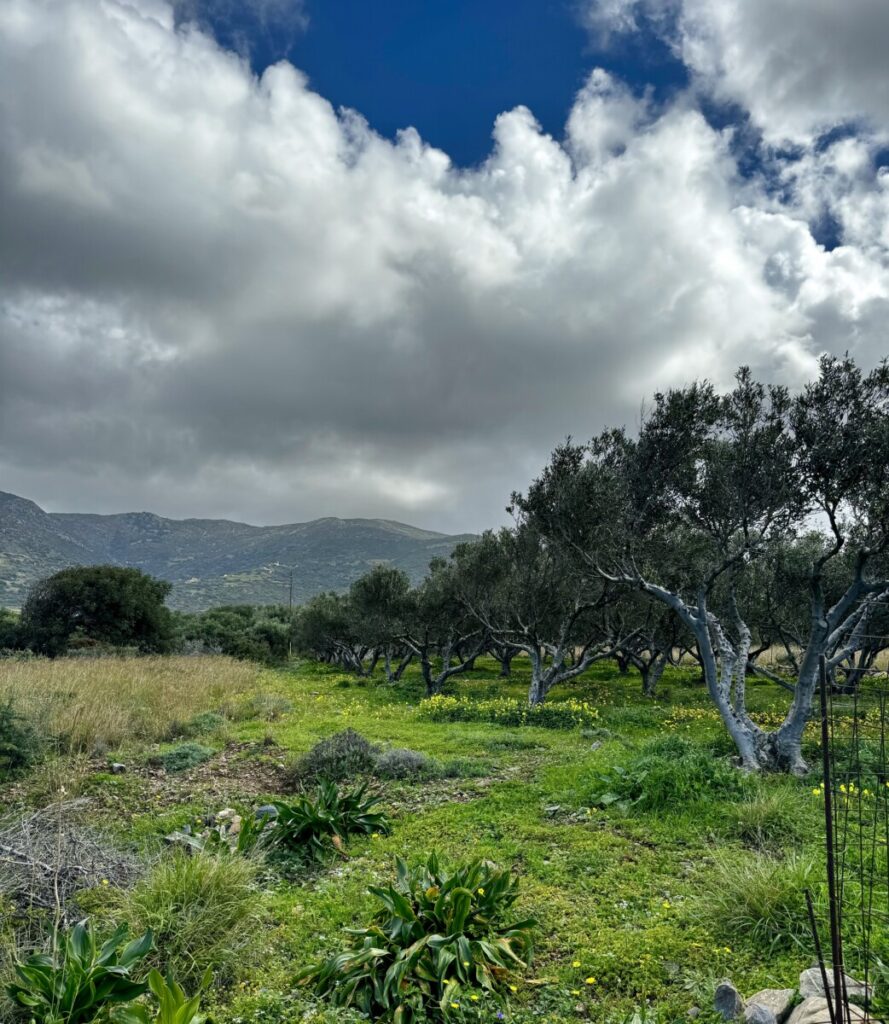
This was a phenomenal drive, narrow winding roads through mountains and valleys and views of the sea at every turn. Olive trees have been here for so long they have become part of the natural fauna. Take a look closer, those green hills and valleys are planted with olive trees.
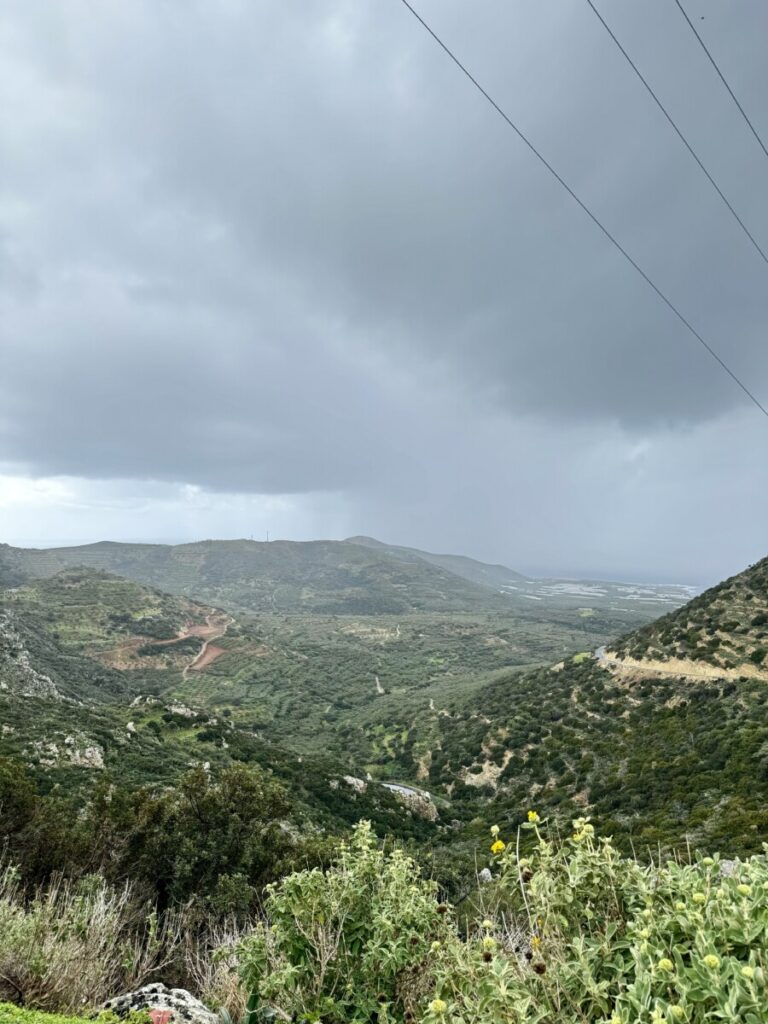
Some orchards are in such a steep grade I got dizzy looking down on them. Villagers planted back in these deep crevices to keep their trees from pirate attacks. Planting each tree with a stone barricade, now crumbled down the hillside the tree is left as if it will careen over the side.
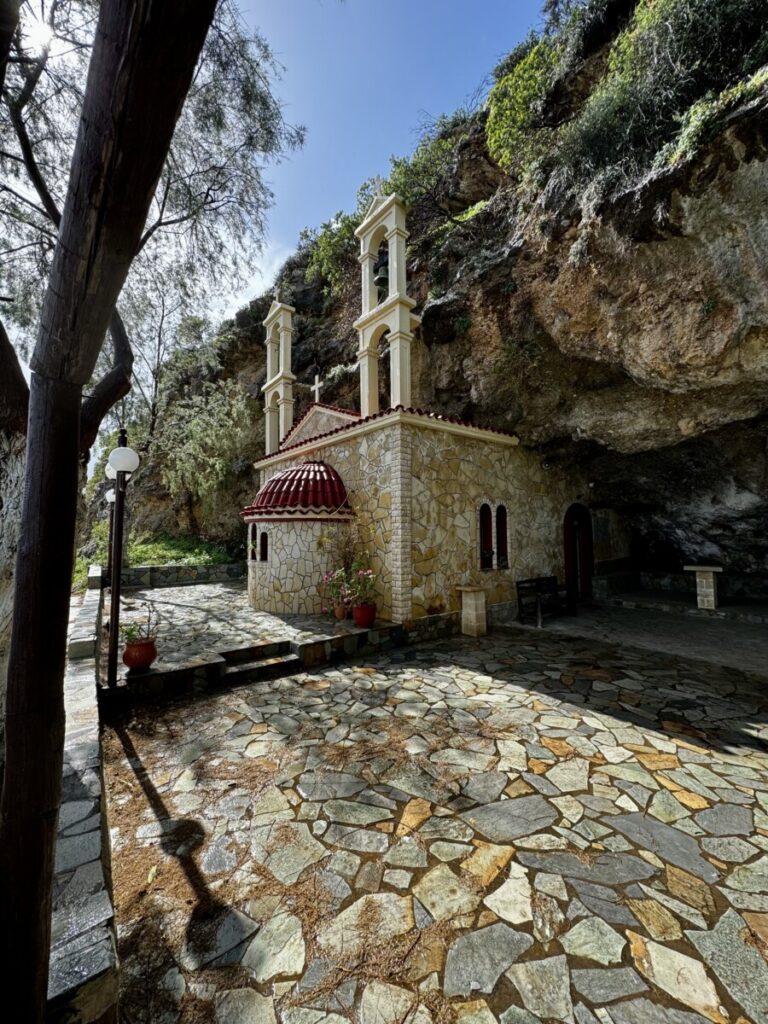
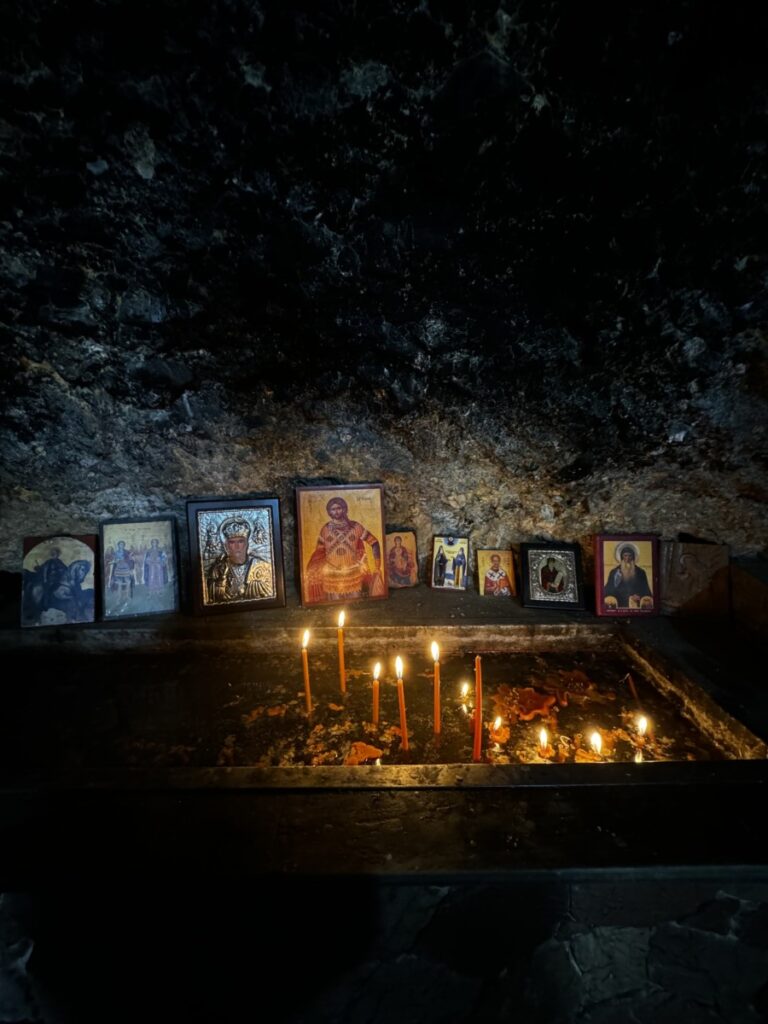
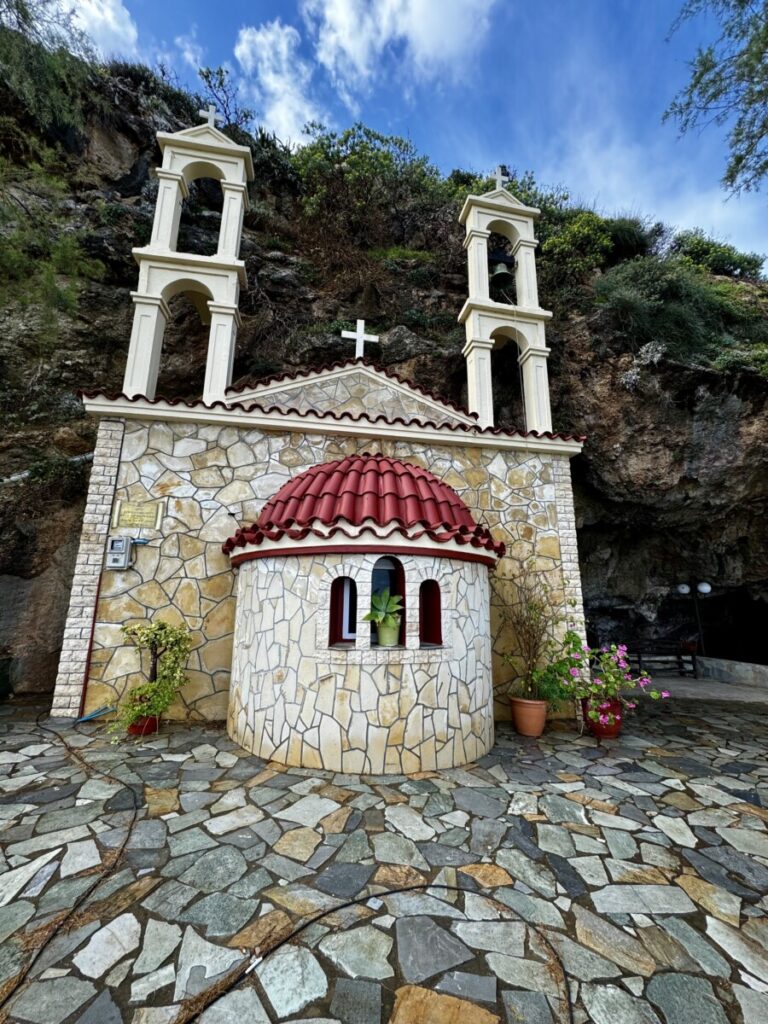
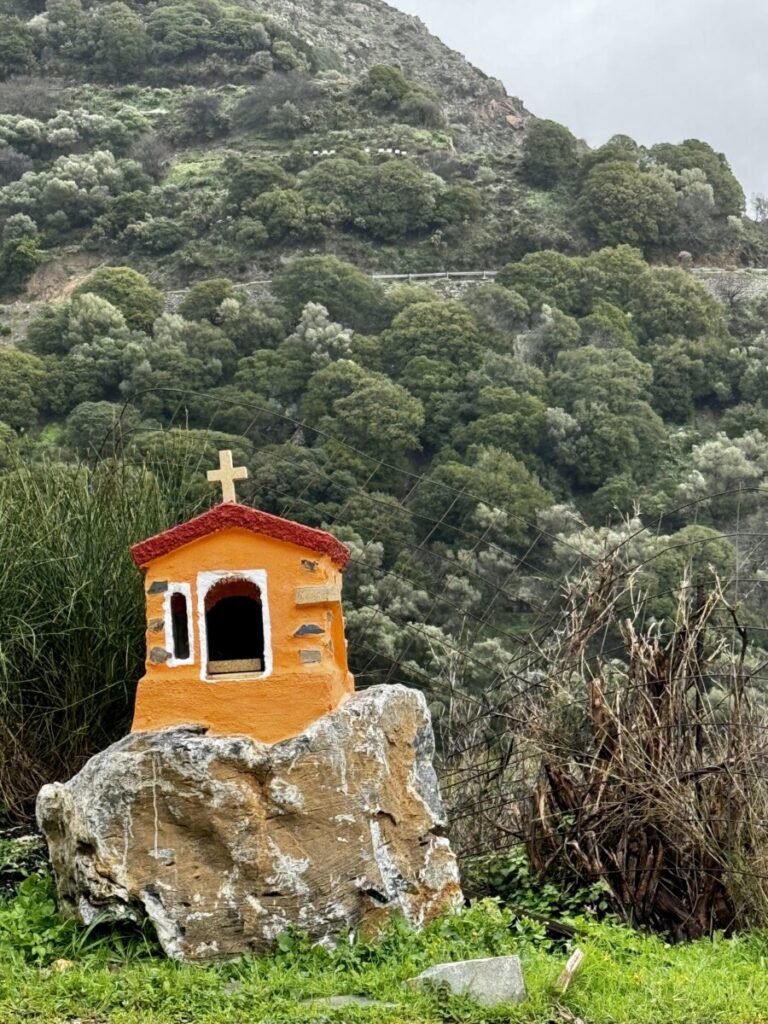
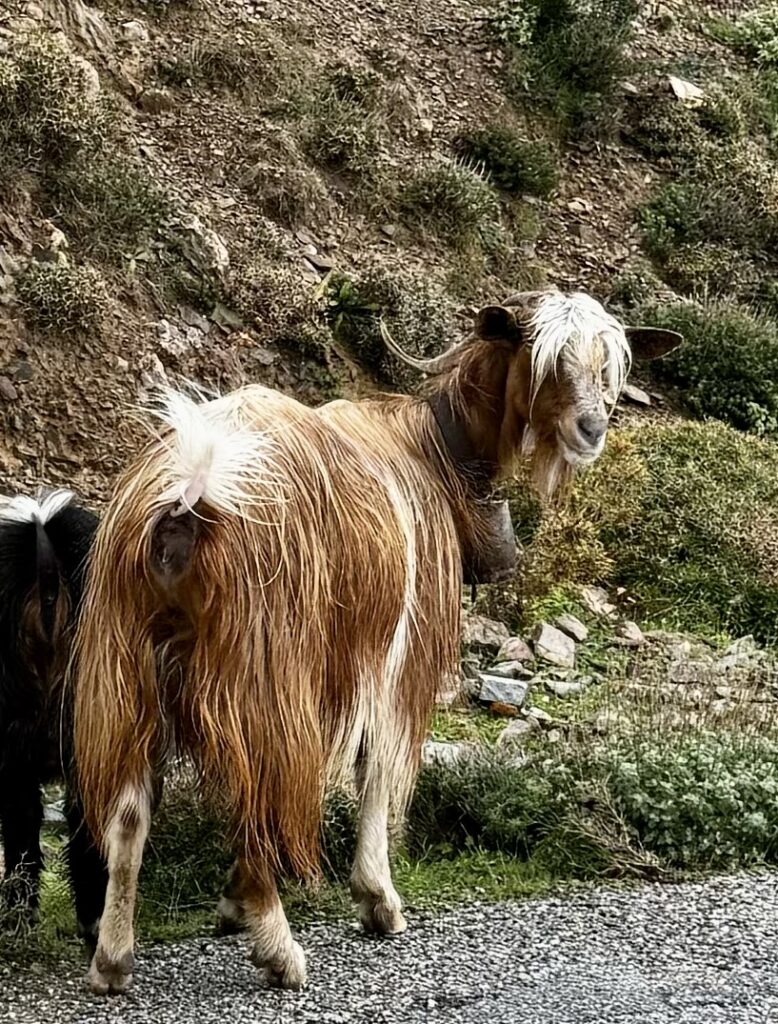
People live in little villages, not on their orchards. The only things out here between sparsly located, 5 building villages are goats, the little churches or the trees.
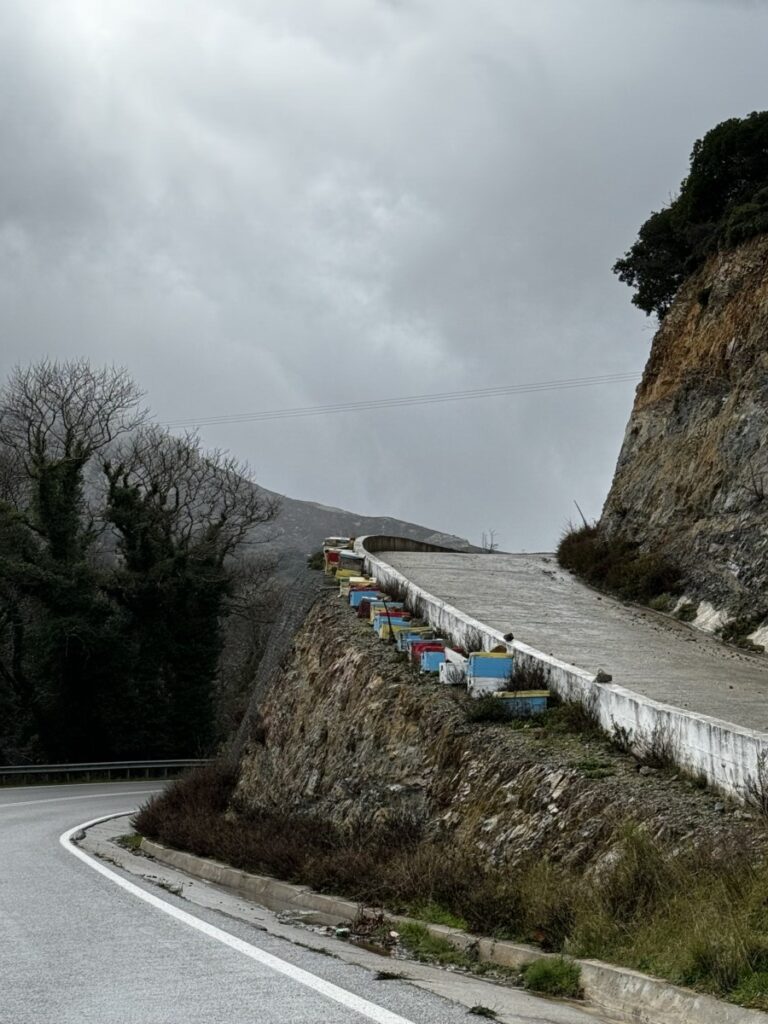
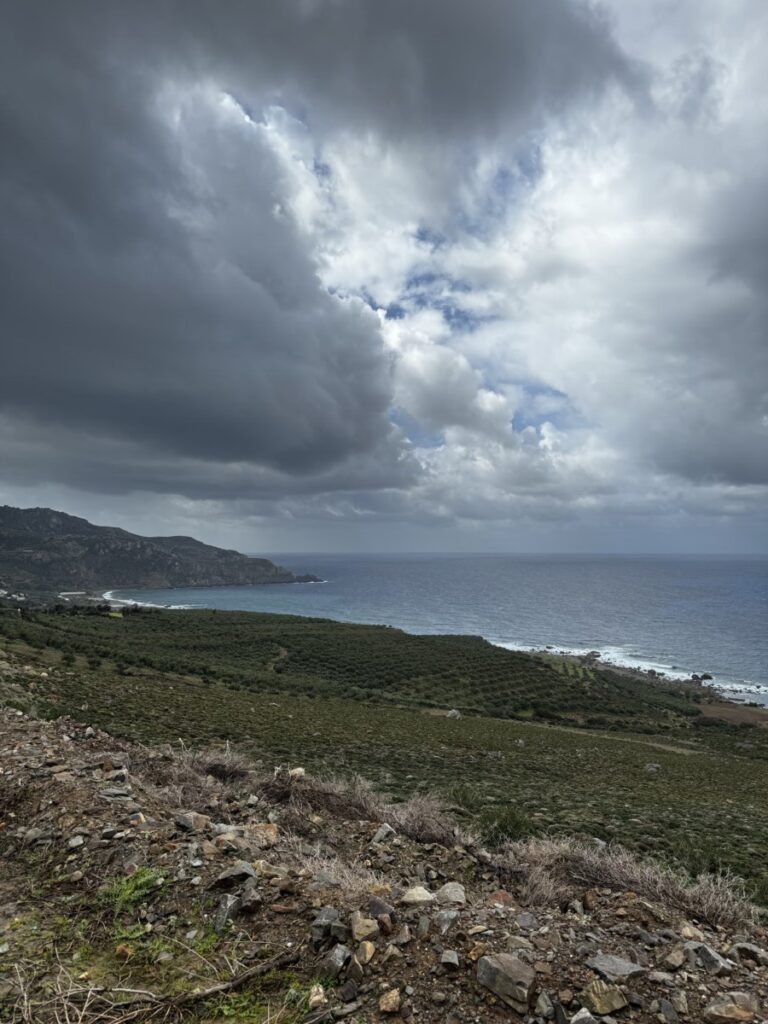
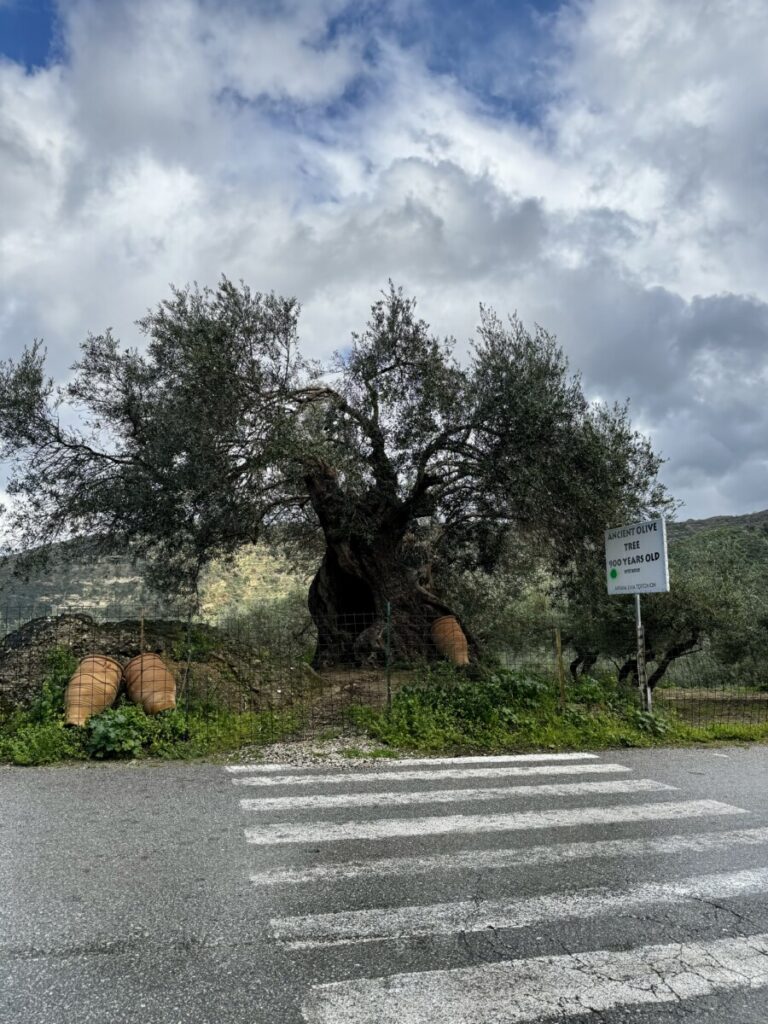
I spent hours driving to my next location, wondering how on earth I would ever be able to explain this to anyone. When I say there are olive trees all over this island, I mean every crevice, every ditch, every yard – from the sea to the mountaintops. What a promising and auspicious way to begin my trip.
Villa Taos
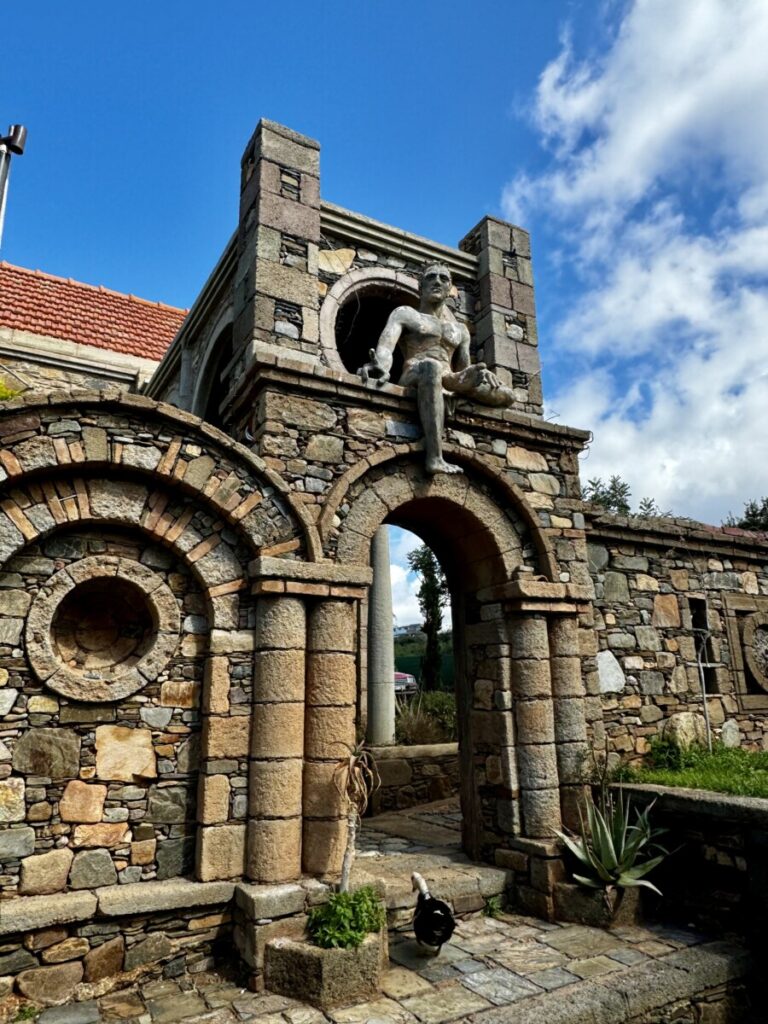
Yet again I am struck with wondering how to put a place and experience into words. What an amazing place built by wonderful people. When I began this trip I was nervous and afraid of making connections with people, why would they want to talk to me and would I be able to communicate with the language barrier. So many of the writers I love have written about traveling and the people they meet, dinners and conversations and the making of new friends. I had no idea how to do that and it was a far off idea that that would ever be me. How did they do it?
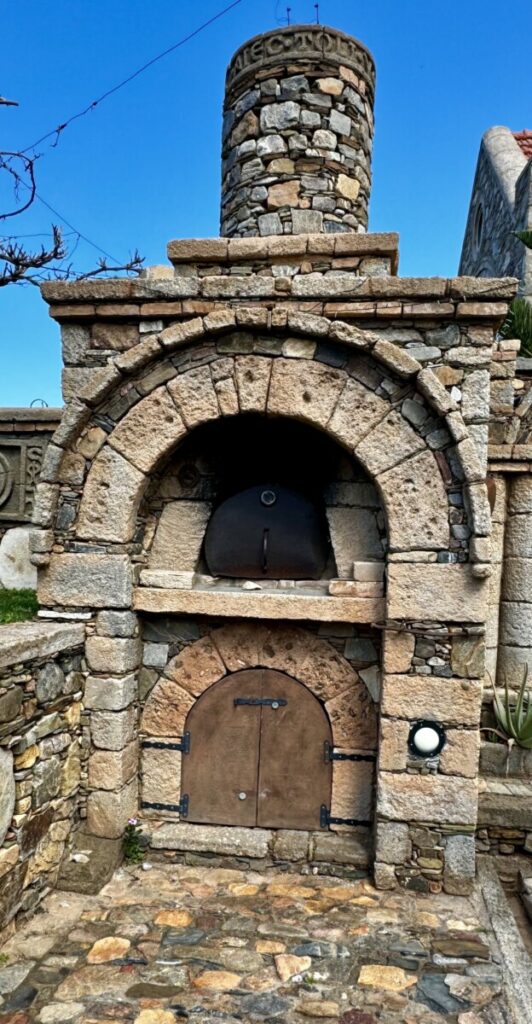
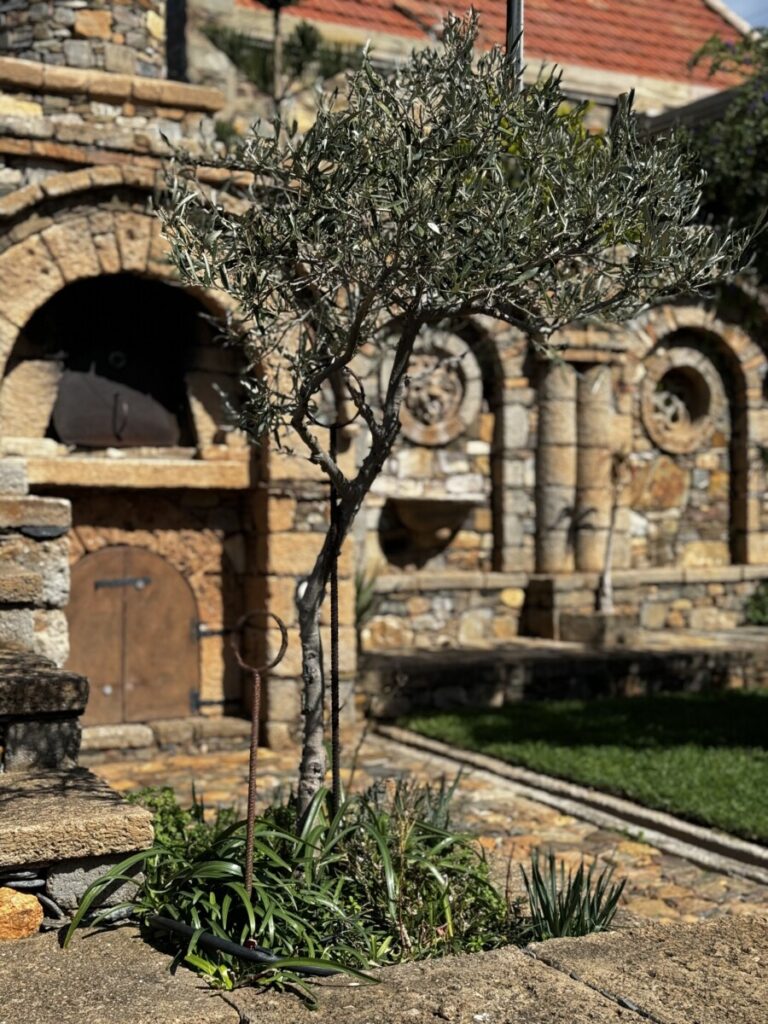
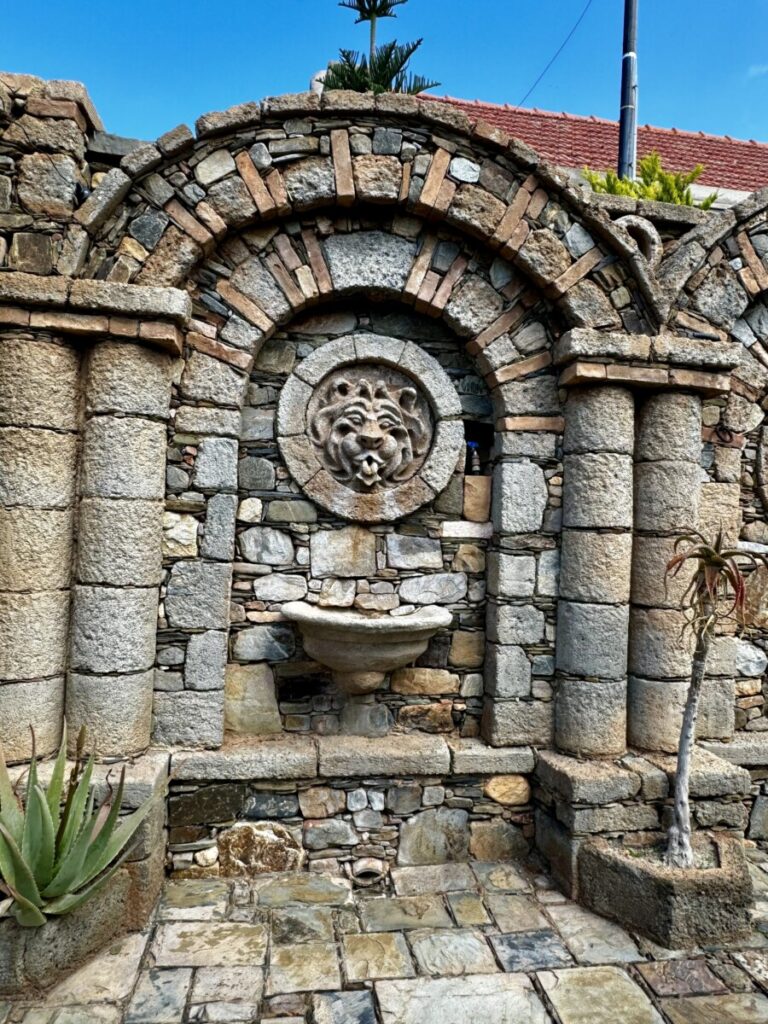
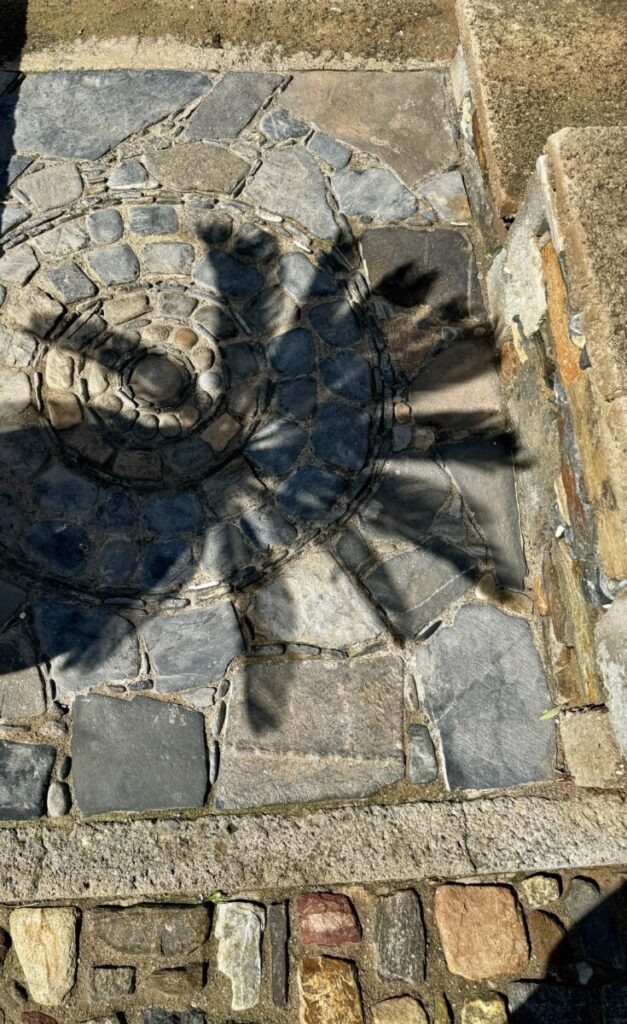
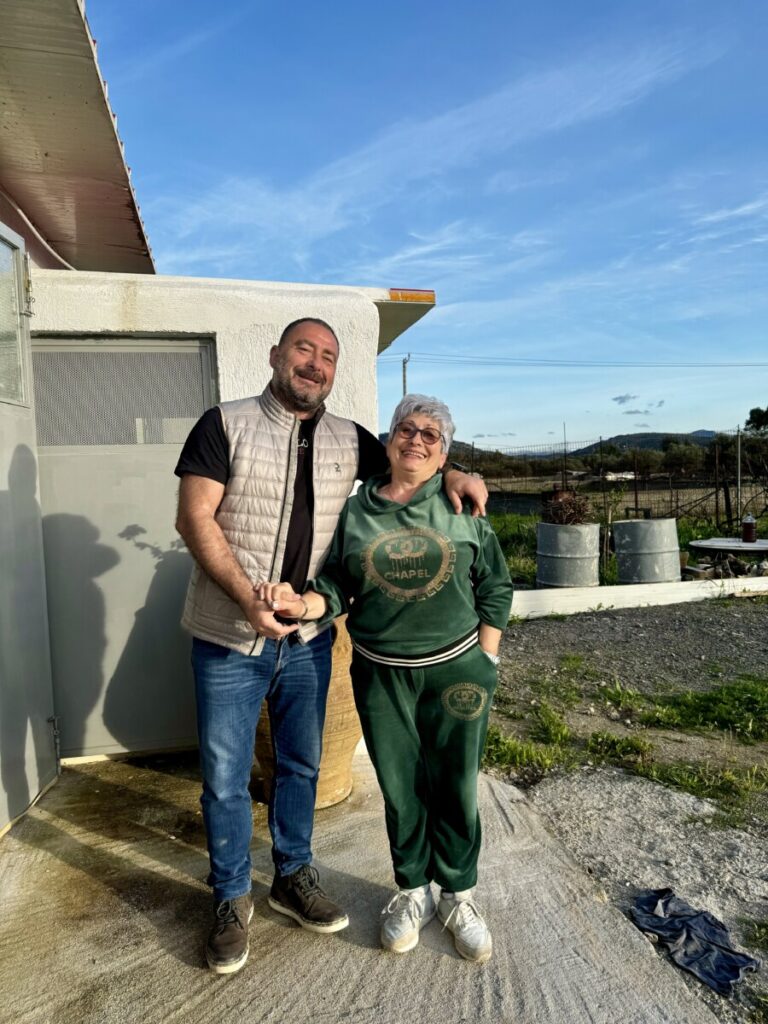
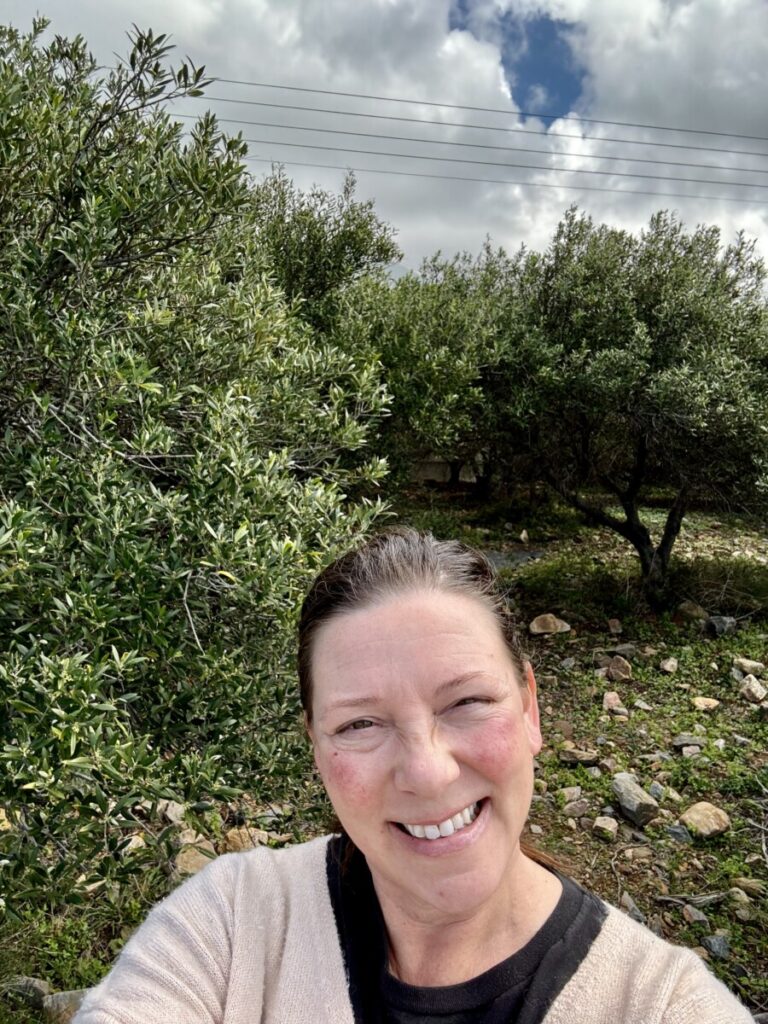
Well I found myself in just that situation. I found Giorgios and Angeliki’s farmstay and thought it would be the perfect place to stay for a few days, learn about their olive oil and have a peaceful place in the middle of nowhere, nothing more to do than walk the beautiful land, to complete my work for winter quarter before heading into my whirlwind tour of producers and tours and interviews. I did not expect the hospitality, beautiful place and wonderful new friends.

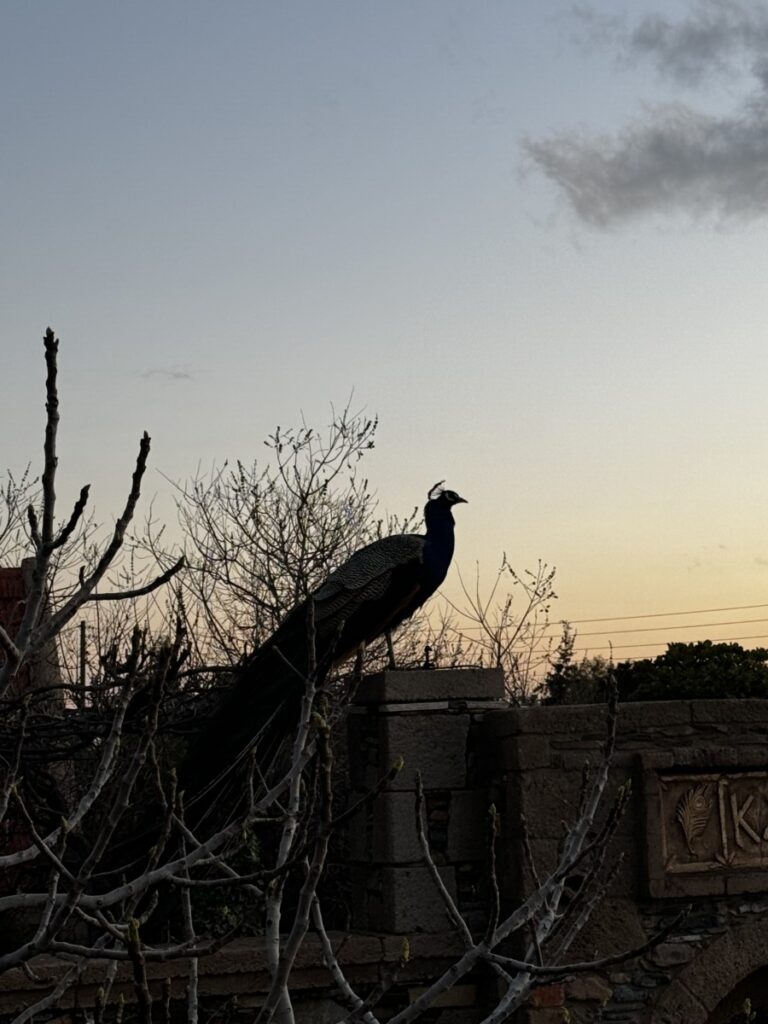
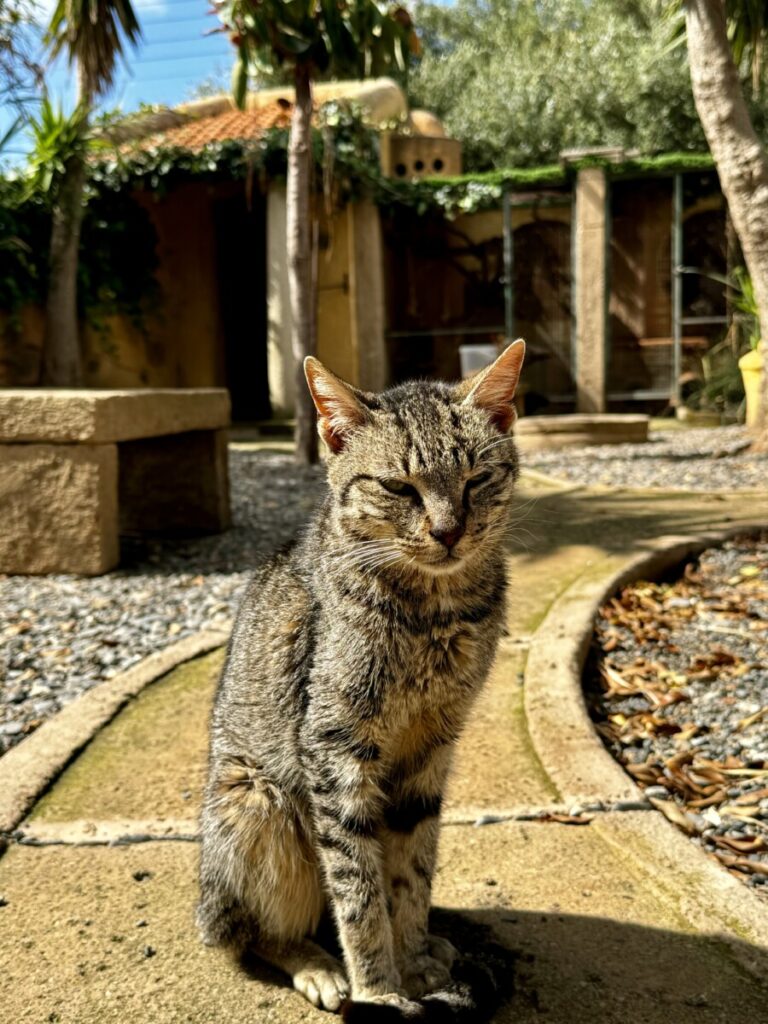
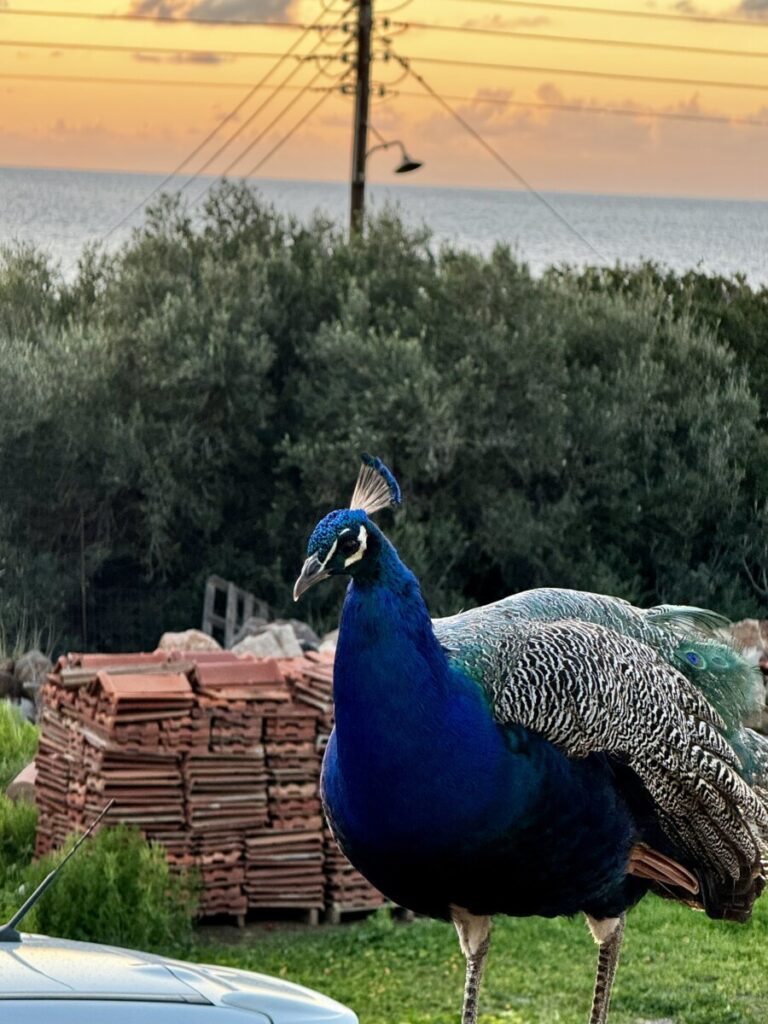
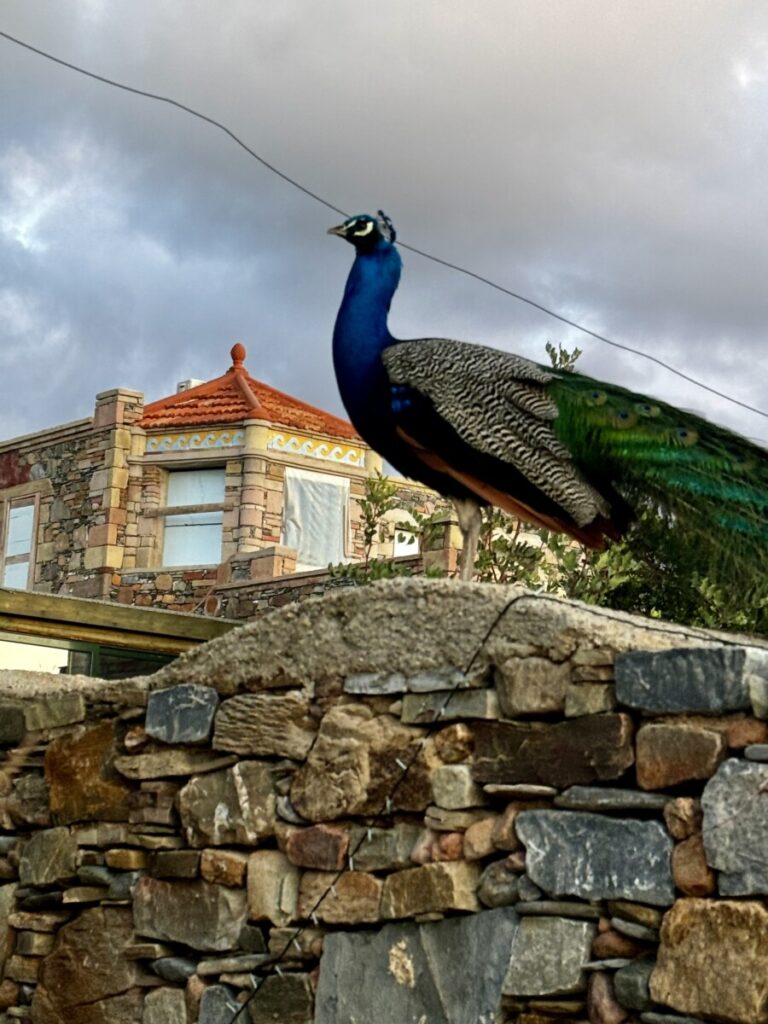
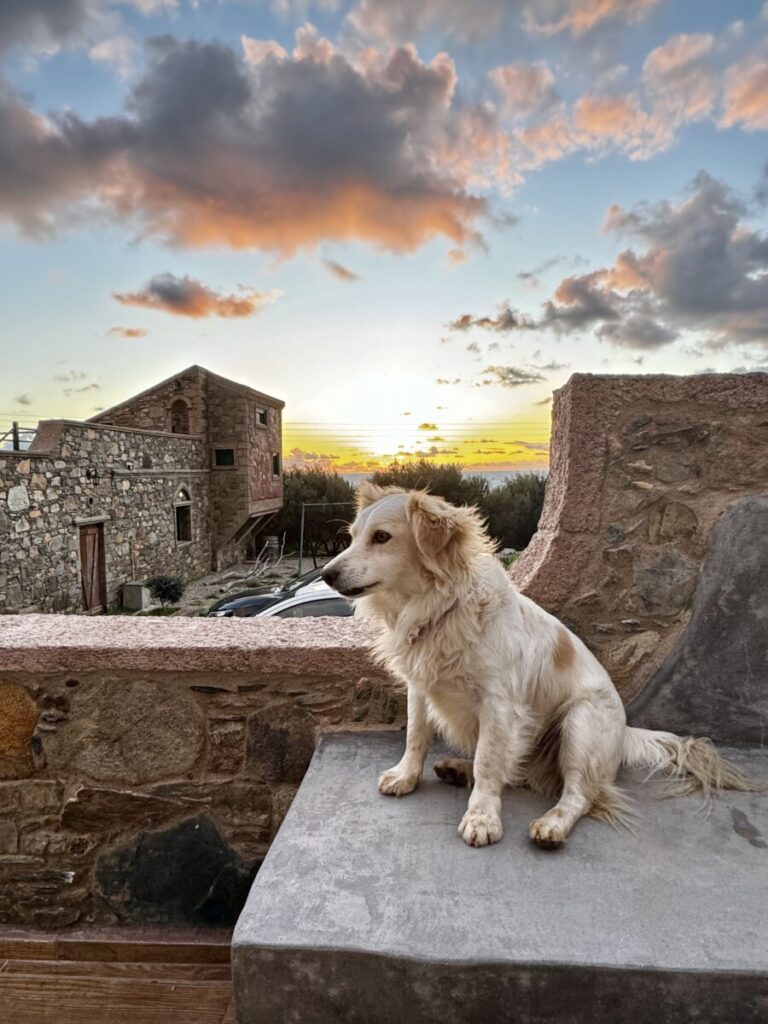
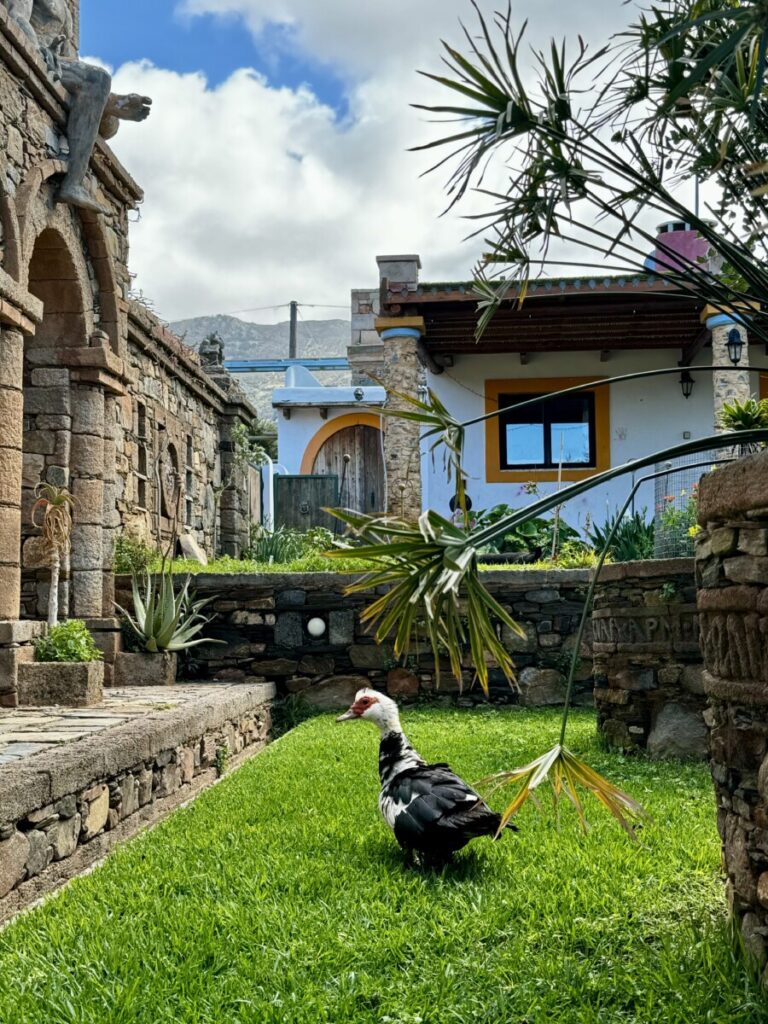
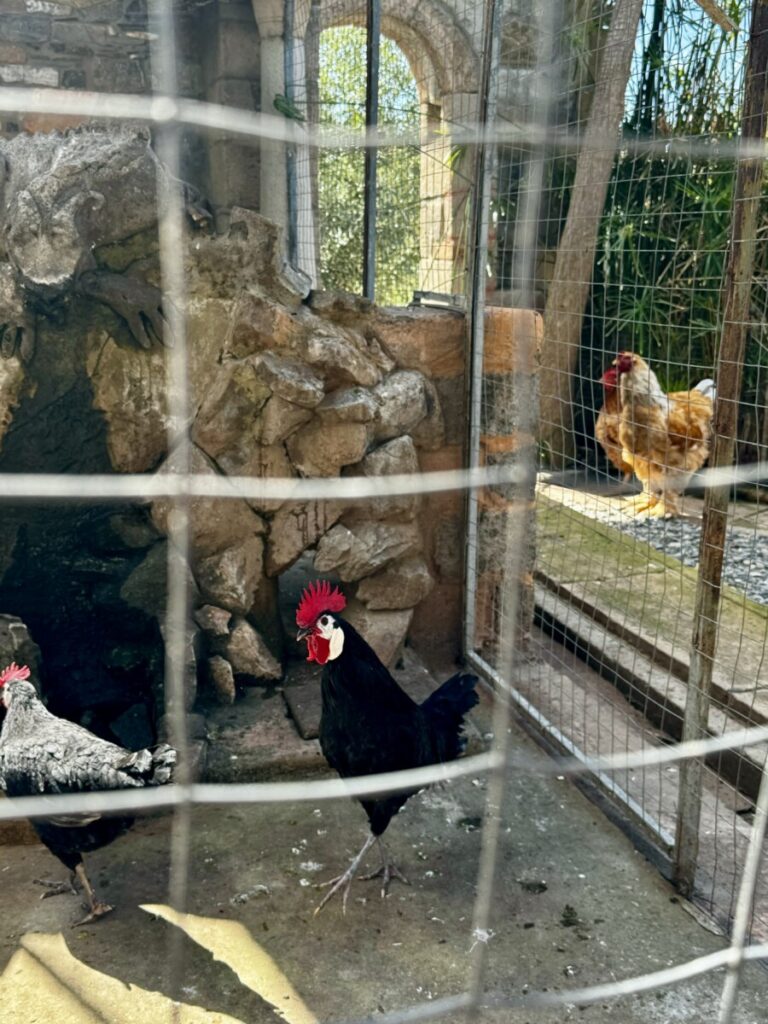
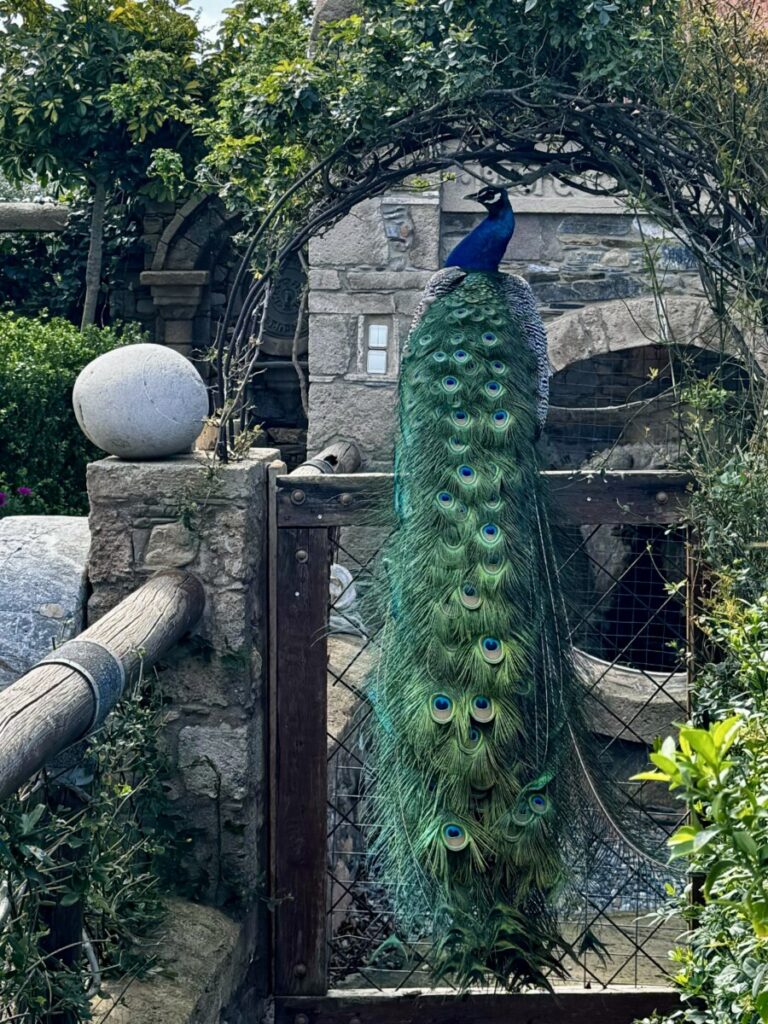
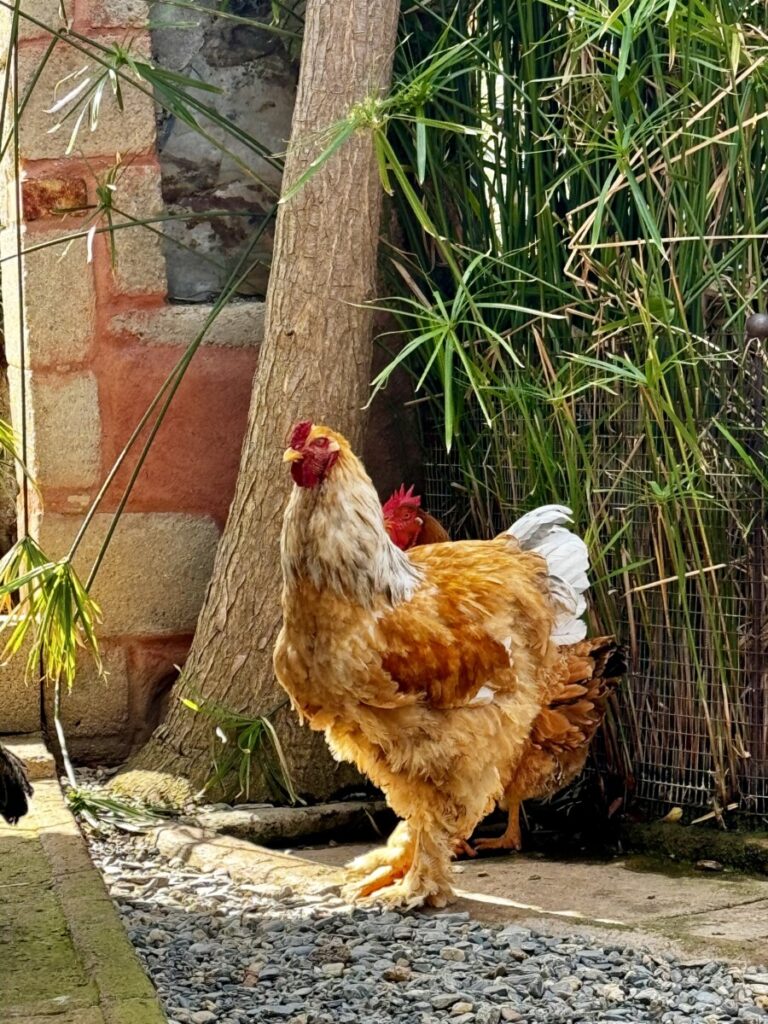
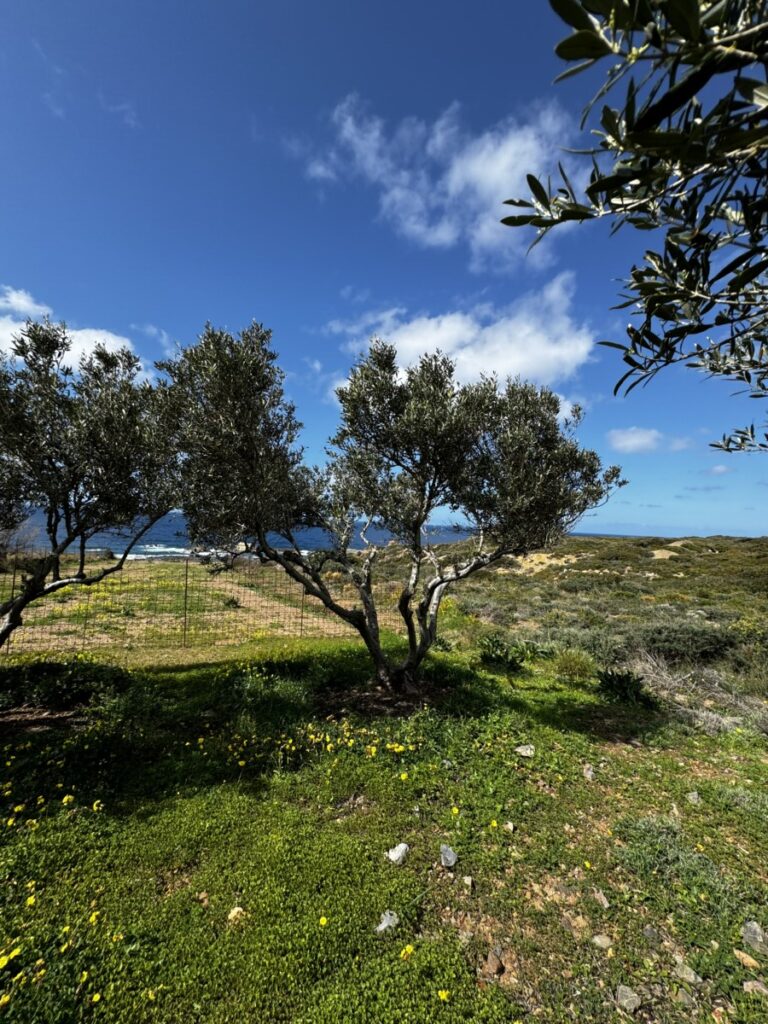
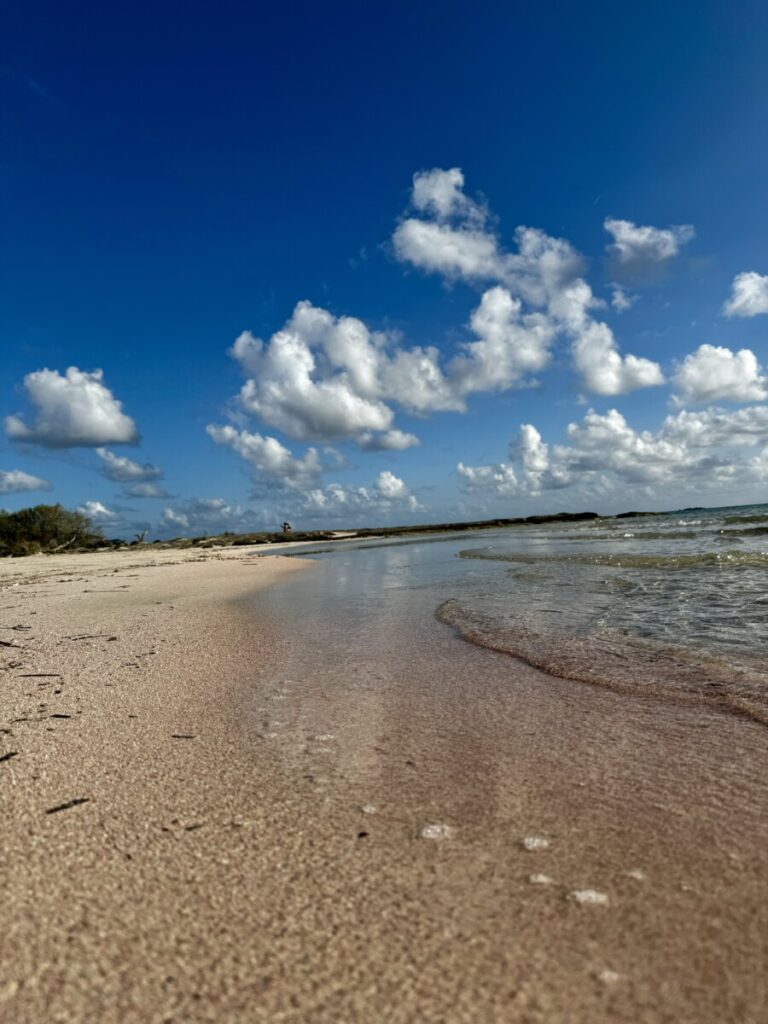
Giorgio and Angeliki have spent years building this amazing home. They bothe grew up in this village and decided to raise their lovely family on his gradfathers land overlooking the sea. It is built in the traditional Cretean stonework, using material from the land. He is an amazing architect and stonemason and their home is welcoming and filled with the sights and sounds of the waves crashing, birds singing and sunshine.
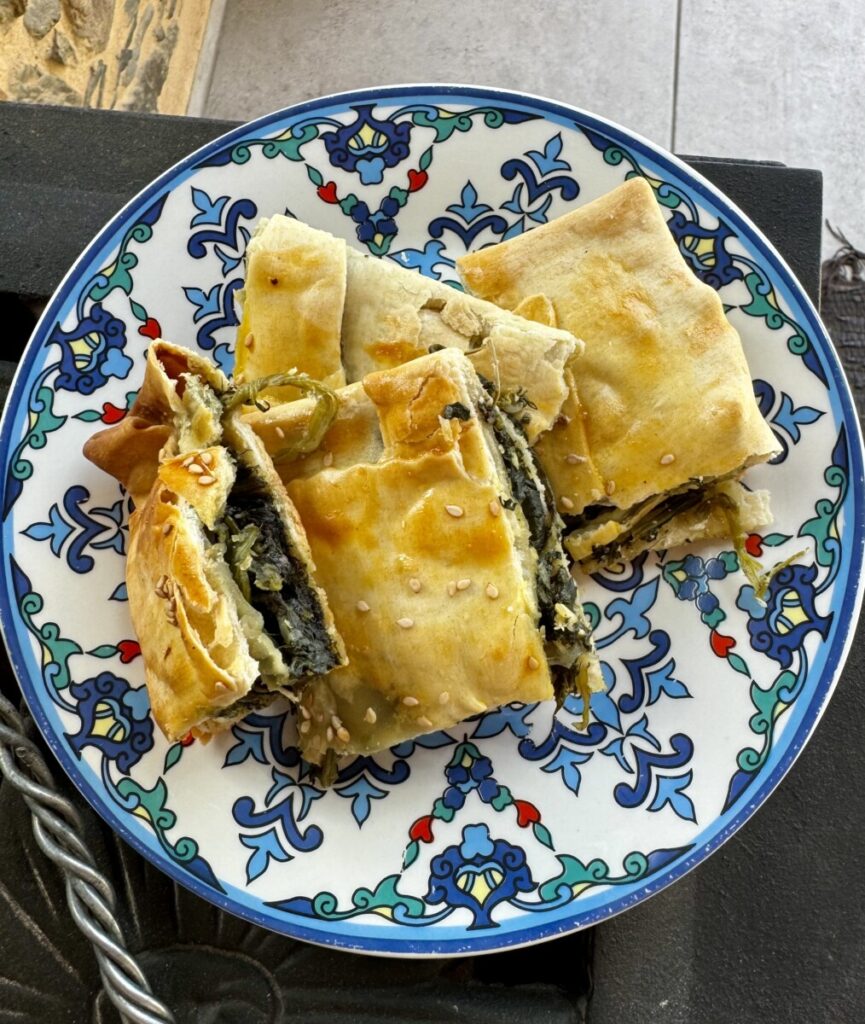
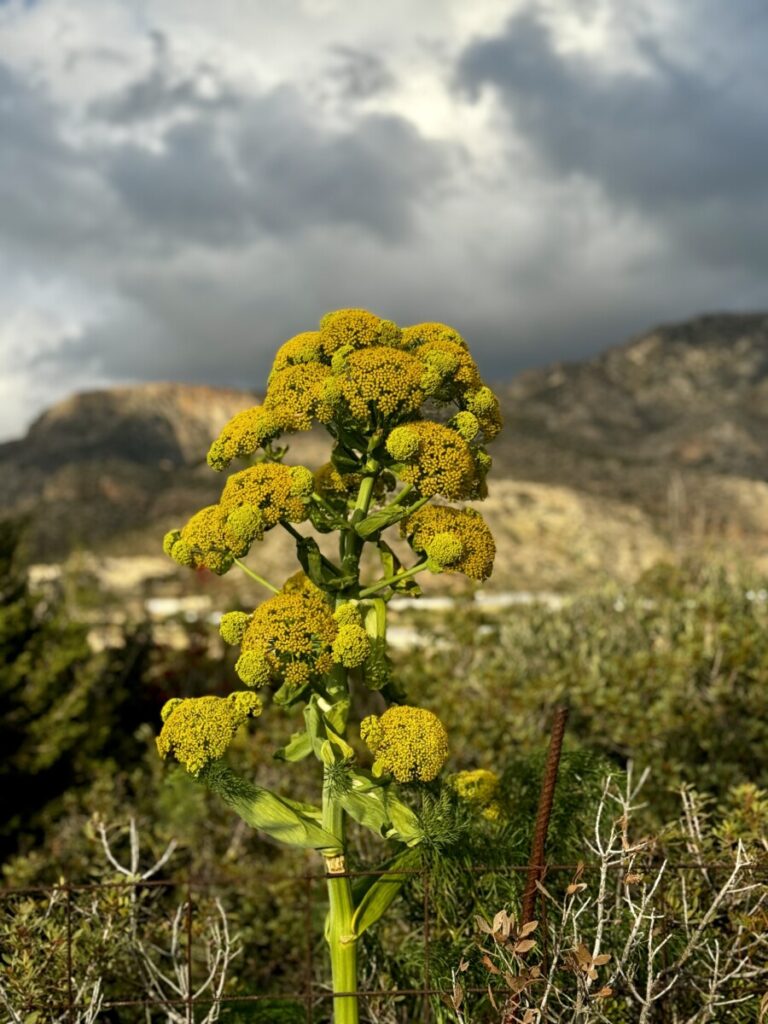
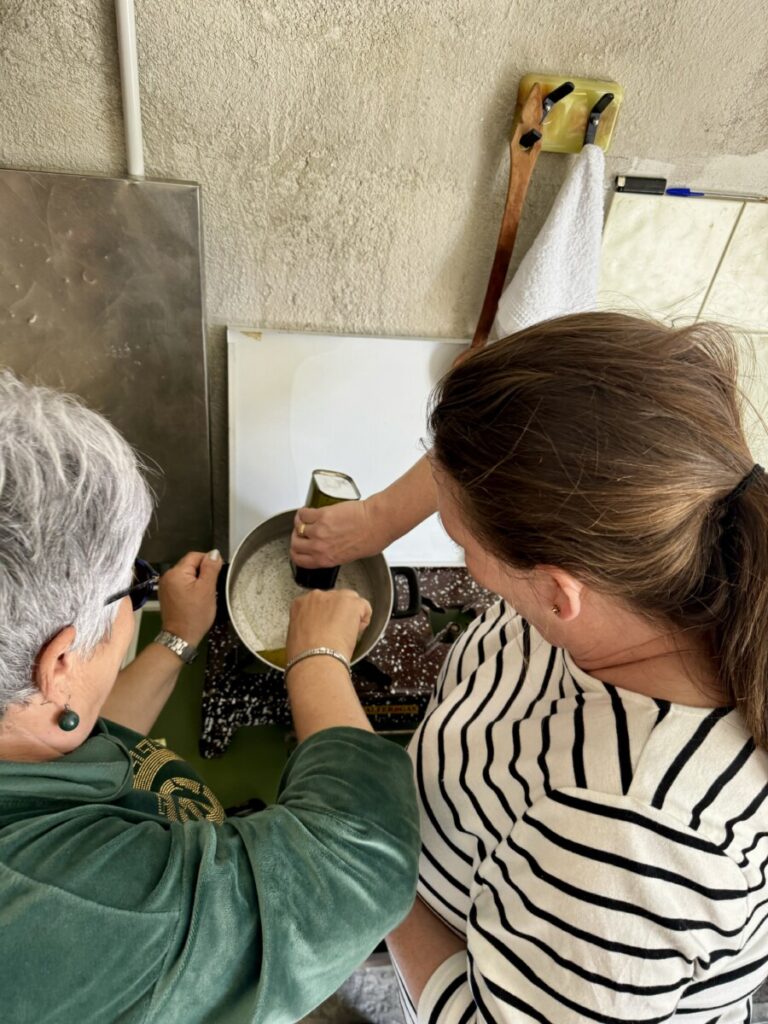
The first night I was there they invited me to dinner. A truly Cretan meal – famous for their healthy food and lifestyle I was beyond excited. Angeliki made stuffed tomatoes with rice and wild fennel, sauted greens, bread, yoghurt and lemon The ingredients were from neighbors, their own yard and foraging the hills behind their home all drenched in the olive oil they made. It was delicious beyond measure. Dining with them and their 5 kids was a delight and reminded me that we are all the same. It was beyond lovely. We had a great conversation and Giorgios told me the story of the land, the reason the olive trees are planted on the steep hills was to protect them from pirates! His land and olive trees has been in his family since they can remember. I couldn’t believe I found myself learning and meeting people and experiencing their culture. They are wonderful and I have made my first friends on my trip.
Crete O’Live
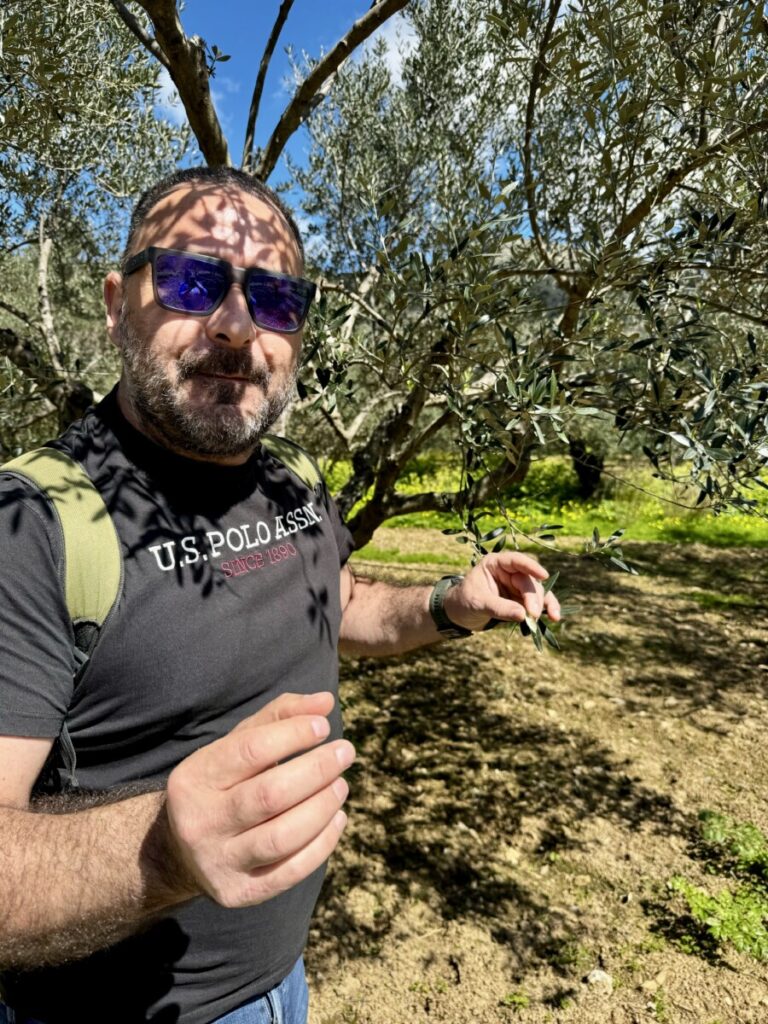
Where to begin. Niko met me in a little town about 4 hours away from Villa Taos. The drive was beautiful and to my suprise Crete has snow capped mountains, who knew! Niko quit his day job as a CEO of a large oil producer in Athens when he longed to move back home to Crete. He started Crete O’live a cooperative oil production company giving small farmers an outlet for their olives that was sustainable, regulated and a higher quality processing. It is an amazing program that uses everything, even the waste to power the mill.