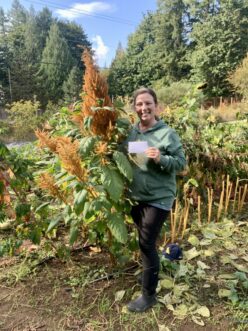
What’s Your Grouse (Foodway) or Land-Based Learning Burning Question and Why?
Week 5
Memory, what is the significance of memory and food. What ties do we have to our food that are influenced by memories and how are foodways affected by this connection?
Week 10
What is the importance of preserving traditional food ways and how does gastro tourism play a role?
NW Chocolate Festival
Week 2, October 7, Bellevue, WA
My first taste of real white chocolate did it for me. I was always one of those that thought white chocolate was not real chocolate. I really thought it was just sugar, wax and vanilla candy. The complex floral, slightly sweet and butter fat rich creaminess in my mouth was exhilerating.
“Flavor often blooms in the mouth.” McGee pg 531
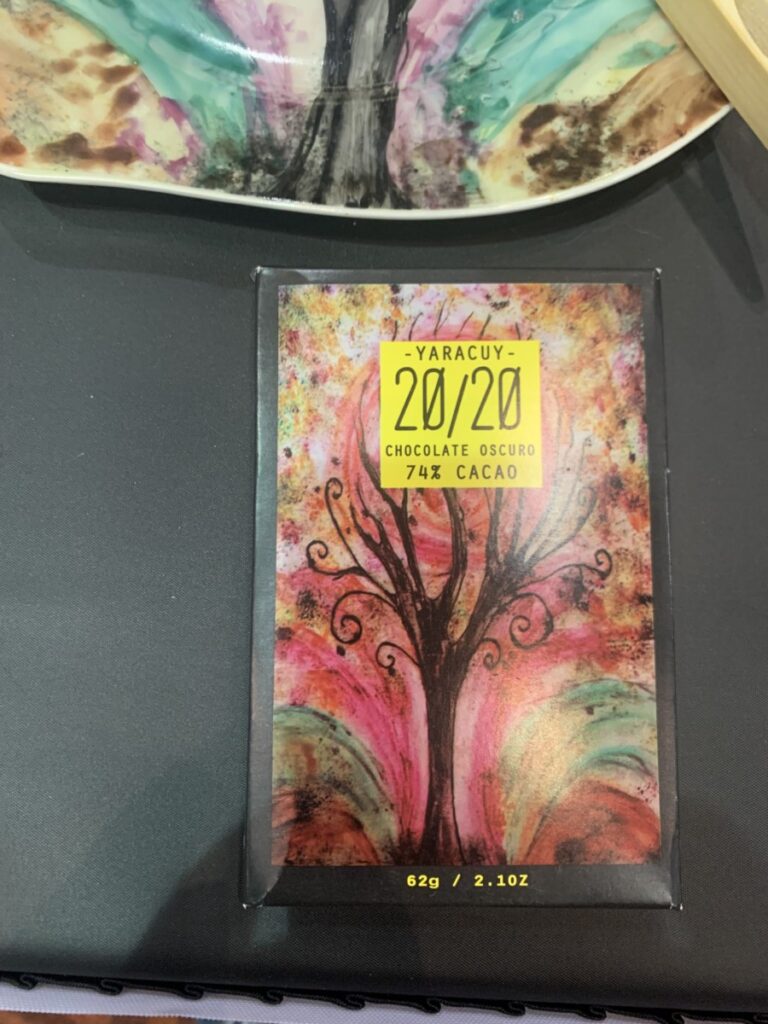
McGee summed it up for me here. White chocolate blooms in the mouth, chocolate for that matter blooms in the mouth. I feel that this quote relates to chocolate above any other food.
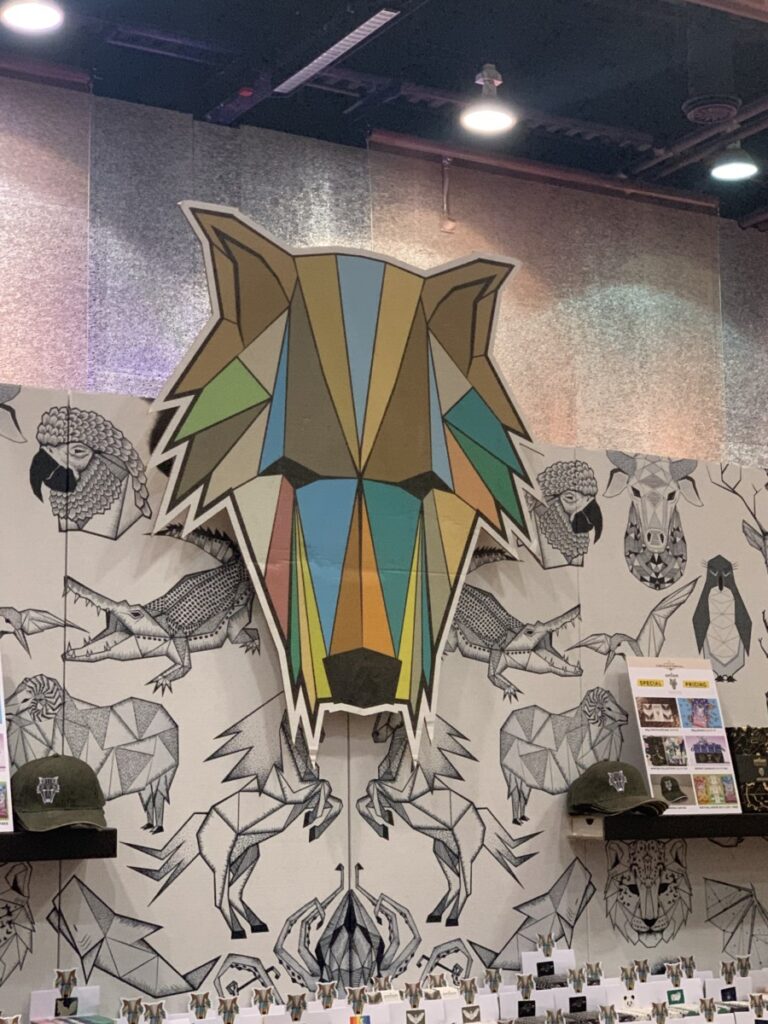
I love chocolate, so a whole day of tasting chocolate had me excited from the start. It was a bit overwhelming I might add and I quickly got over that! Booth after booth of chocolates, some I never heard of and many I never had the opportunity to compare in real time.
There were so many new experiences and favorites. I will share two that stuck out to me.
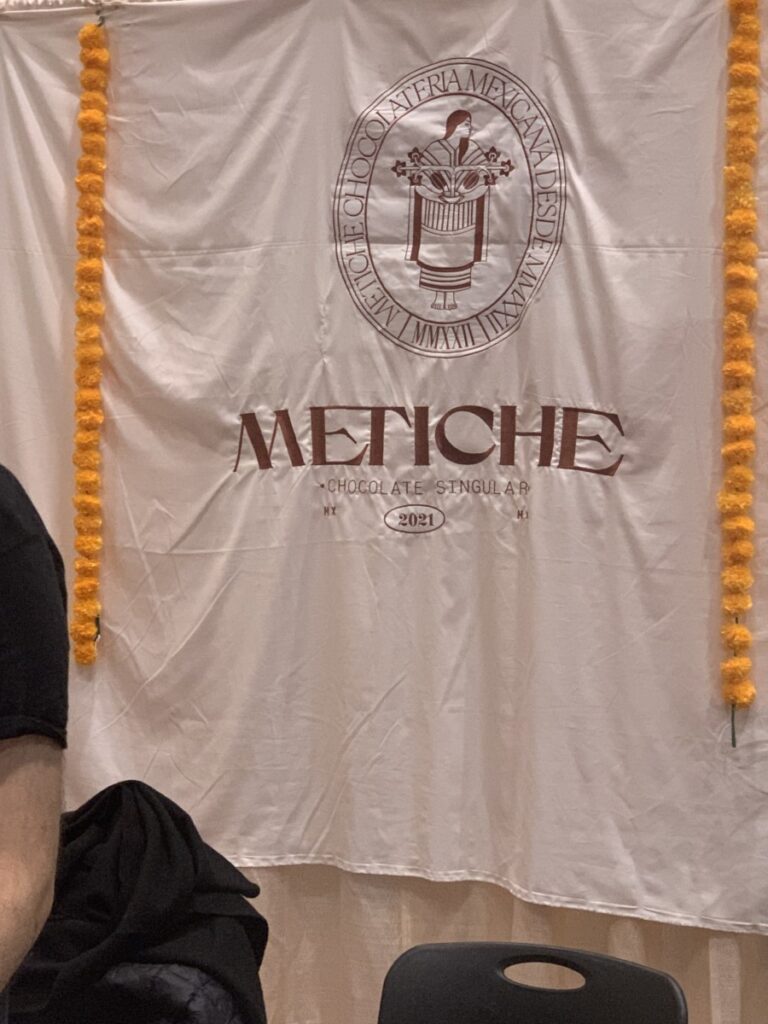
Metiche Chocolate Singular, Mexico
Tasted: 75% Criollo Mexico with Pataxte. Pataxte is called ” the unlucky cousin of cacao”. It is not cacao, it is closely realtae. It grows wild in Mexico and is sometimes mistaken for Cacao. Sarah told me about it and I had to seek it out to try it. It was difficult to separate from the chocolate as it was sprinkled on top. It was earthy, mild , toasted rice notes. It was fun to try something I never heard about before.
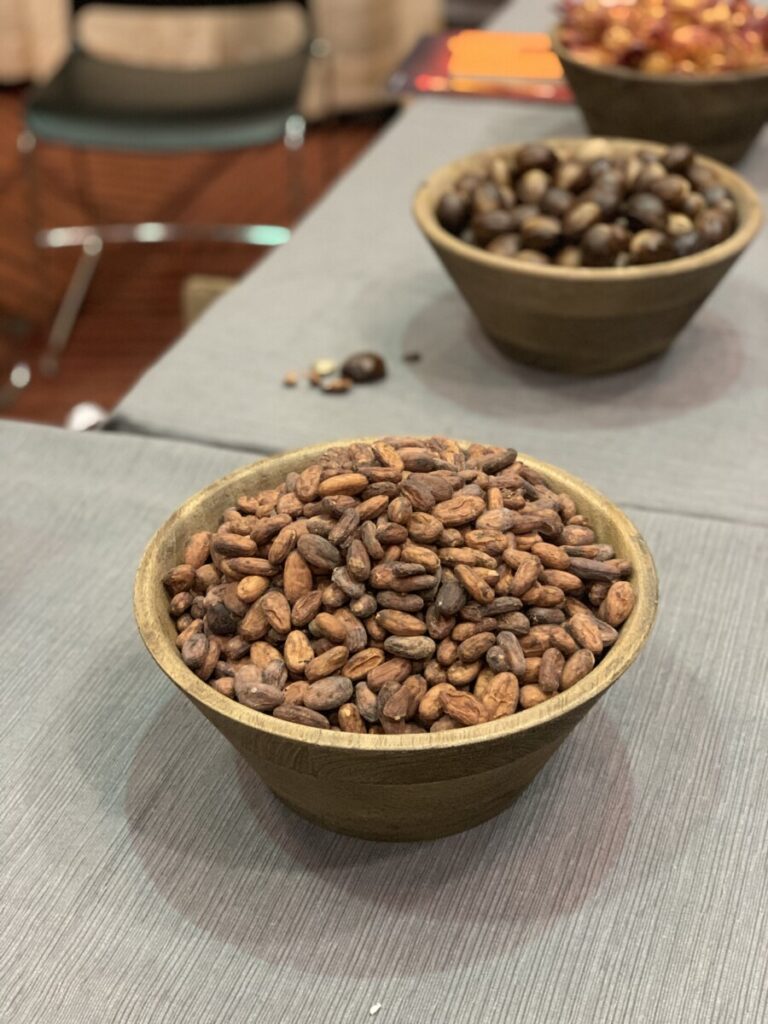
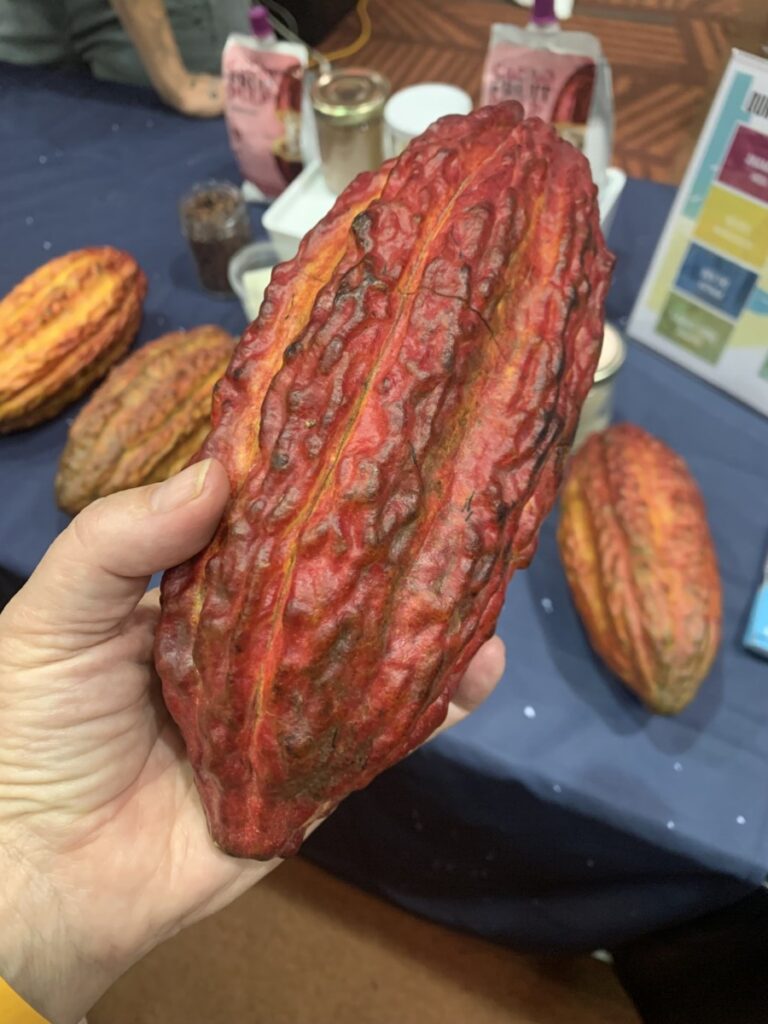
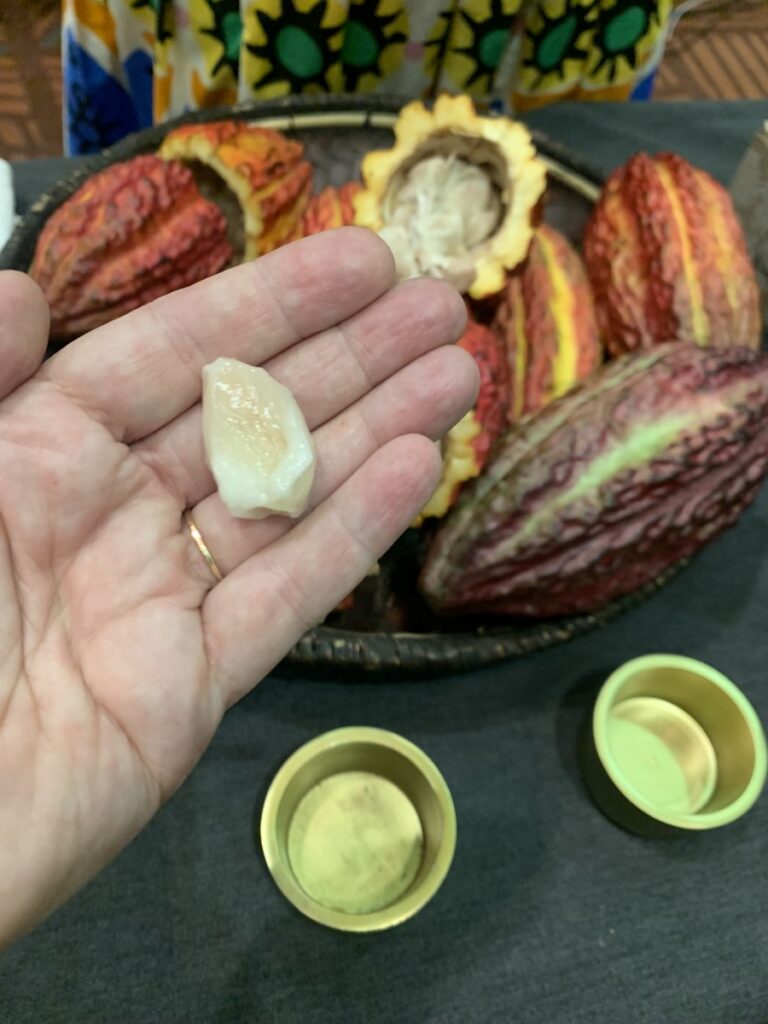
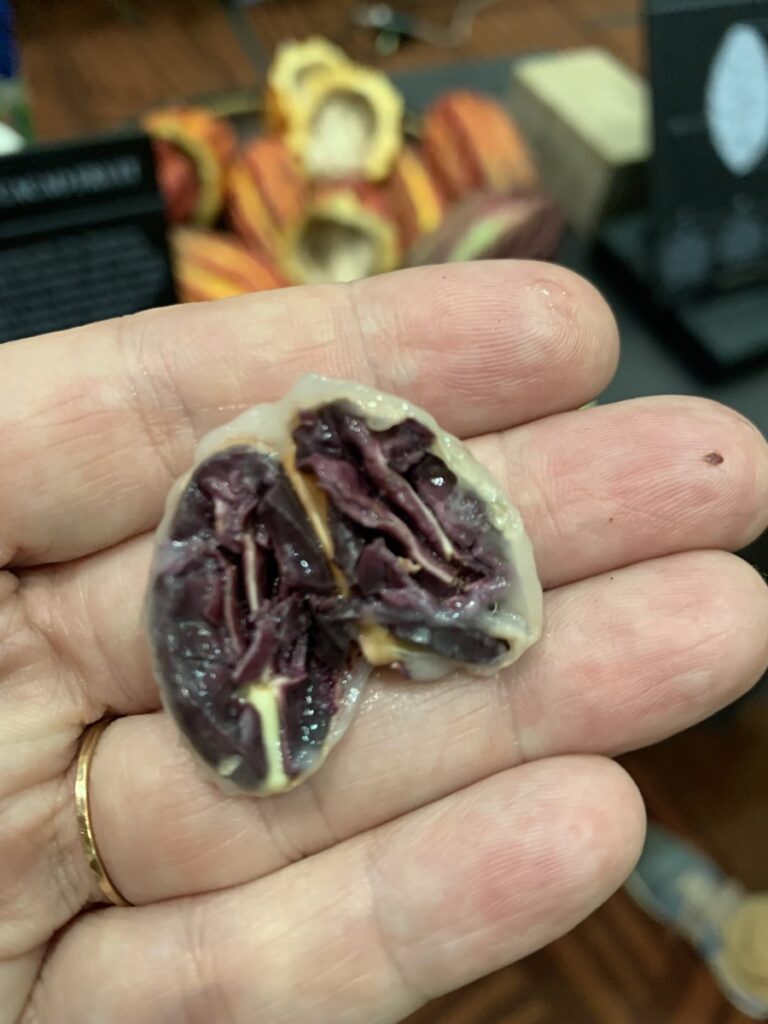
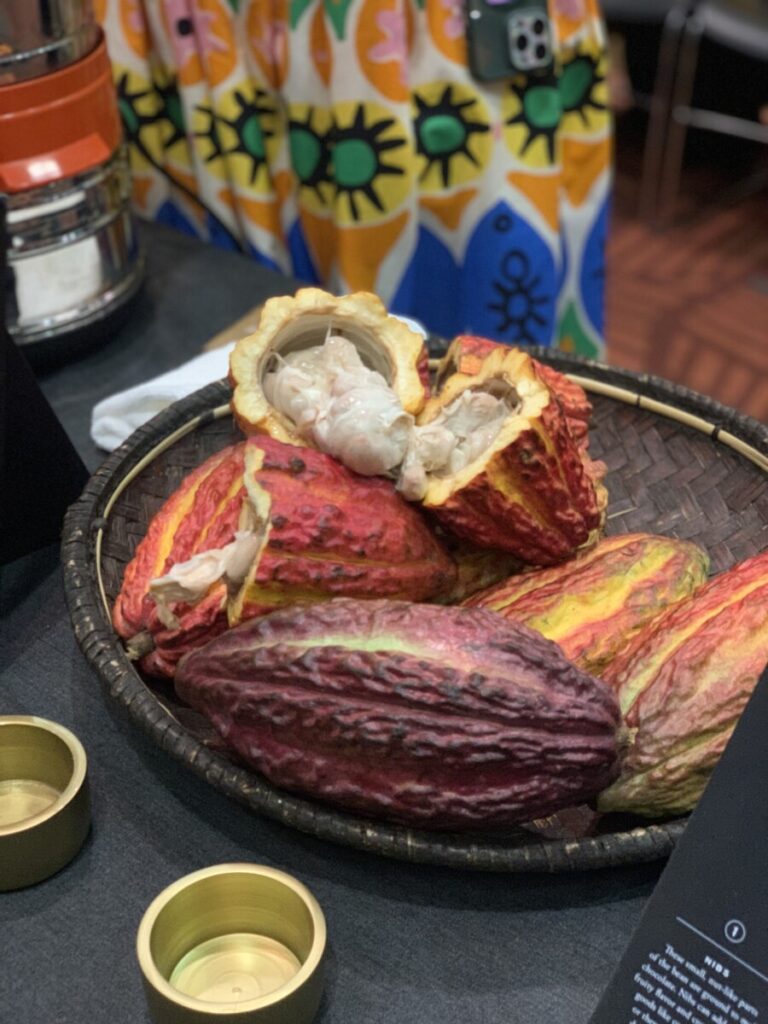
Fruit of the Cacao Pod
This was super exciting! There was fresh cacao and we were able to try a pod with the pith and the pit. The white pith was slimy, custard texture. It tasted like tutti fruti, mangostein, sweet tart and I loved it. I cracked open the seed and it was a beautiful purple color and bitter.
Sessions I attended:
“From Myth to Molecule”
Brigitte Rasine, author of The Jaguar and the Cacao Tree
A discussion on cacao’s mythic origins and the sacred to the relations and impacts of todays cacao market.
“Our Fair Share: The Size of the Specialty Chocolate Market”
Carla Martine: Ececutive Director, Lecturer, Fine Cacao and Chocolate Institute; Harvard University
A comprehensive discussion on the specialty chocolate market and alternative to the concentrated industrial chocolate market.
Kennedy Creek Salmon Run
Week 8, November 16. Kennedy Creek Salmon Trail
9,032 Live, 485 Dead
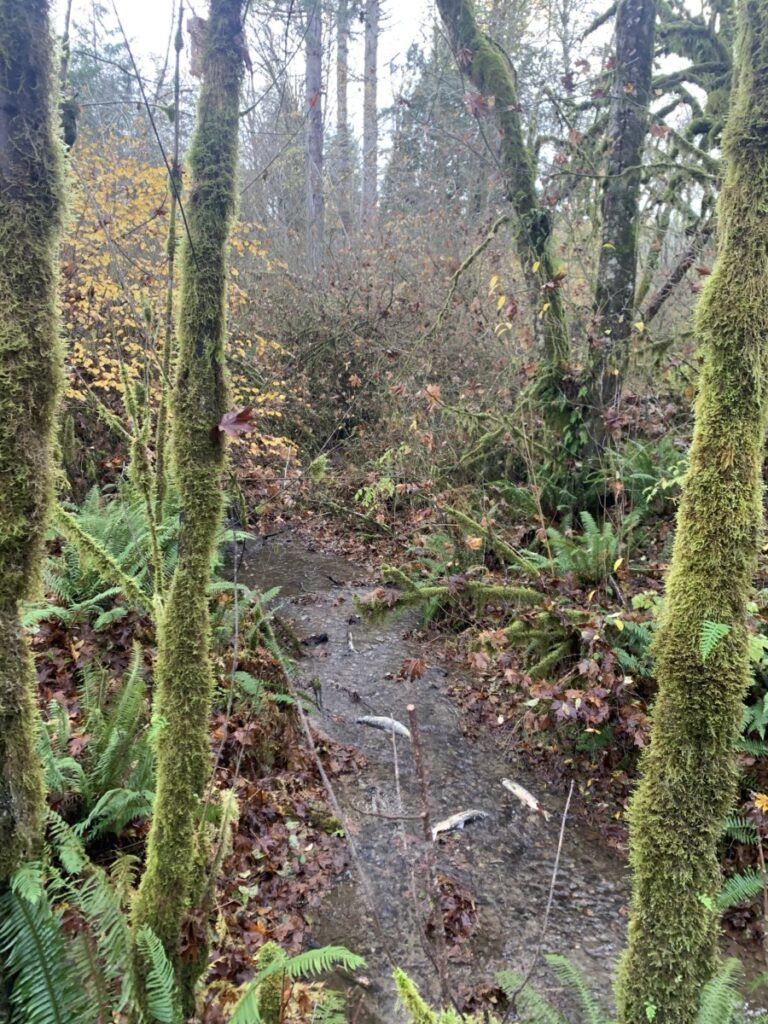
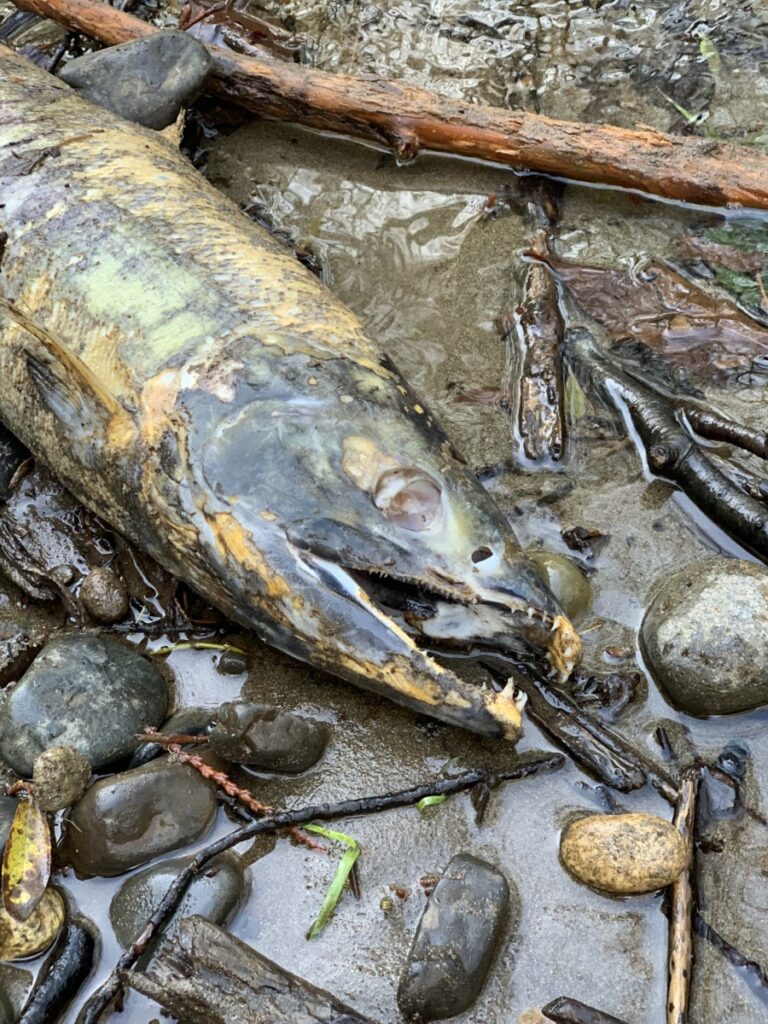
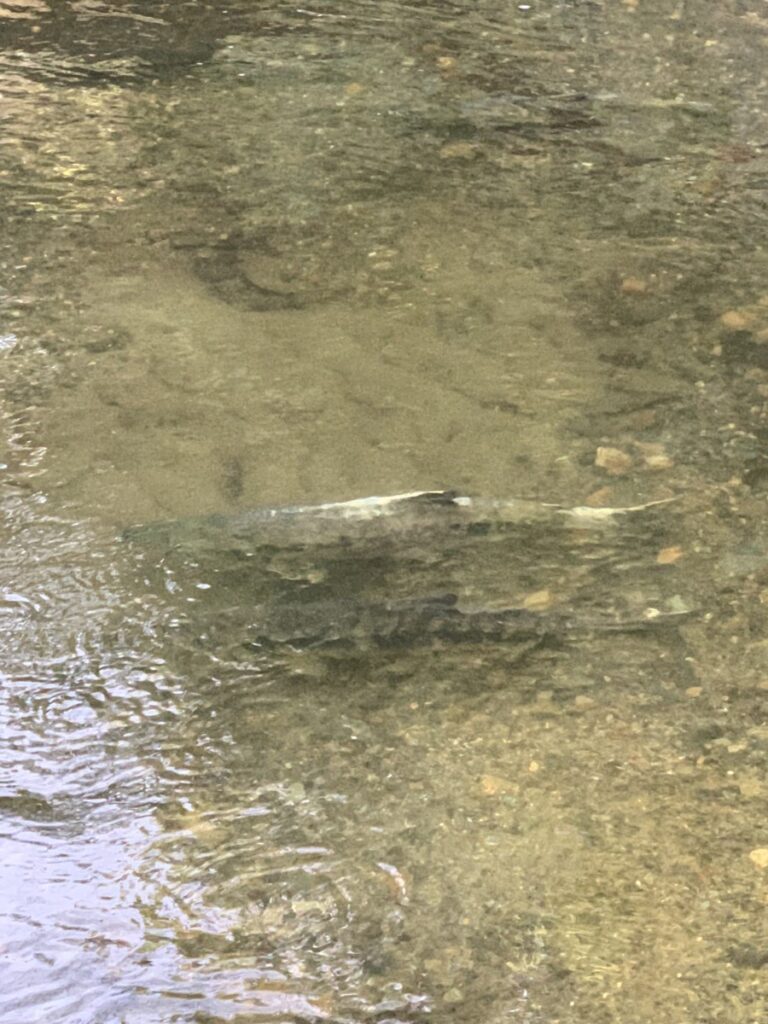
It was a beautiful fall day, sunny and very cold. When I was young, 8 or 9 years old I was lucky enough to hike up through the tributaries of the Kenai River in Alaska. I vividly remember the bright red bodies and pionting snarling mouths of the spawning salmon. I remember feeling bad for them, all that work just do die in the shallow water, bright red bodies strewn against the rocks. I did not understand then the beauty of their death. In the years since I haven’t paid mind to their death. Living in the Pacific Northwest I know that Salmon are important, they feed other animals, and us as humans., they are a keystone species which I never really thought about except they are important to our ecosystem. And I never fully grasped their contribution until our field trip to Kennedy Creek today.
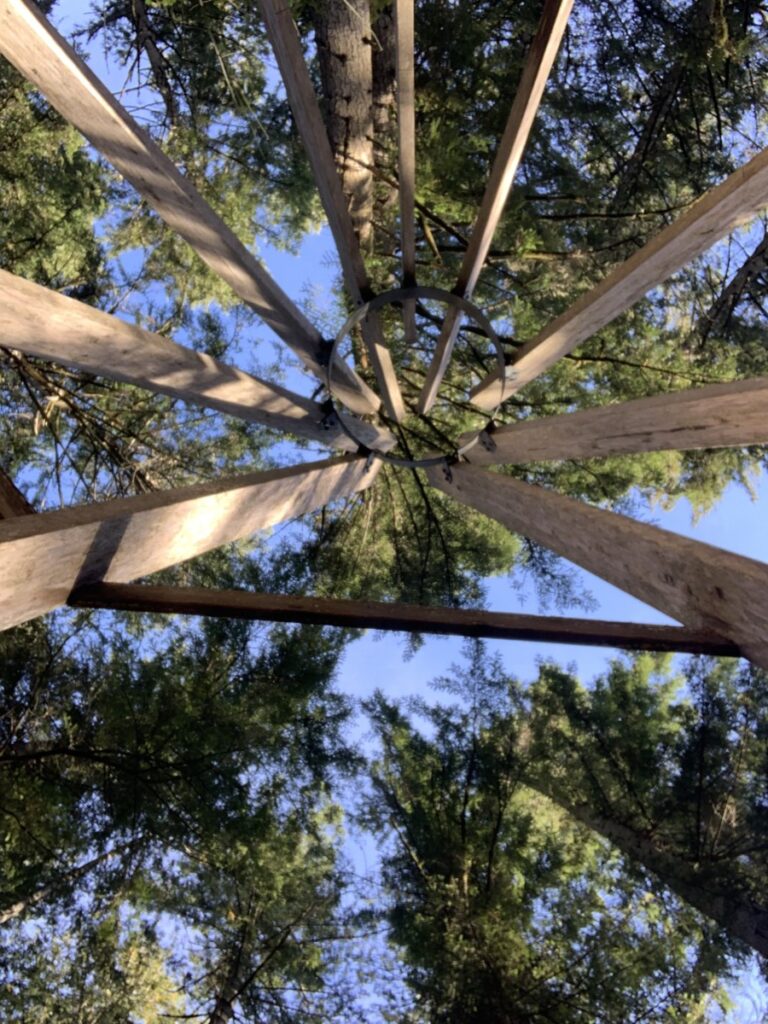
Returning to see the spawning, turmoil, exaustion and death it all made sense. The amount of nourishment they provide to animals and the land. I learned there is marine DNA in the surrounding fauna from their bodies. The salmon are so important it blew my mind. The learning process and witness of this event was beautiful and full of information. Acknowledging the land we were standing on is the Ancestral Land of the Squaxin Tribe and learning about the respect and honor given to the Salmon, eating the delicious smoked Salmon and being out in nature was an experience that brought it all home to me. I will be returning every year!

There are two goals in the experiential learning process. One is to learn the specifics of a particular subject, and the other is to learn about one’s own learning process.”
— David A. Kolb