Eating Memoir week 2
“To a person like me, whose parents grew up in England in the Swinging Sixties, and who has never been hungry, these wretched life stories are hard to comprehend. But in China, they are normal: … almost everyone you meet over the age of fifty has similar tales to tell. Yet still, … a Mao poster hangs in pride of place, over the Mah Jong table” (Dunlop, 2008, p. 182).
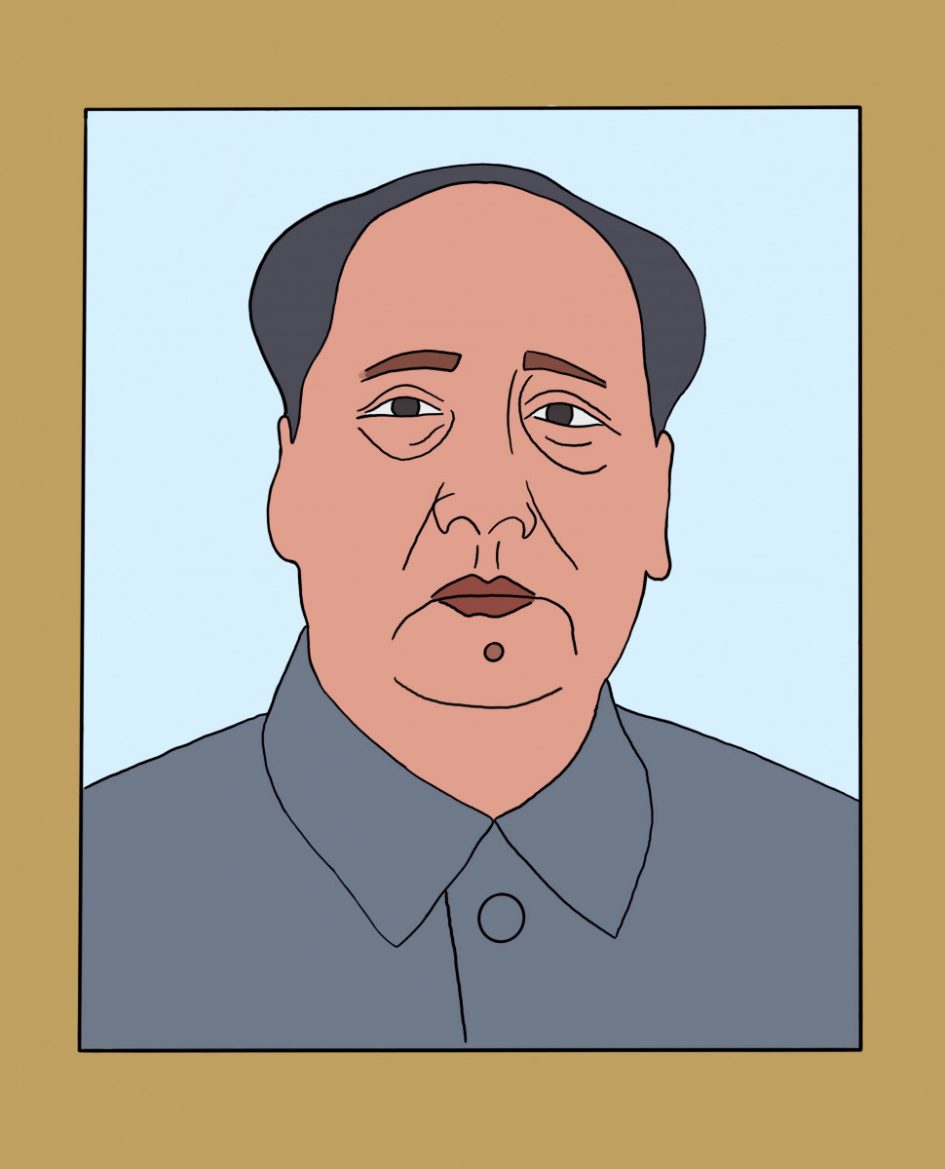
This last November, I had the opportunity to visit China with my girlfriend. I saw for myself the giant portrait of Mao Zedong in Tiananmen Square that Dunlop references in Chapter 10 of Shark’s Fin and Sichuan Pepper: a Sweet-Sour Memoir of Eating in China, which many locals were referring to as the “MAOna Lisa.” Some people explained how comforting it was that, much like the Mona Lisa, the eyes of Mao followed wherever you walked; everyone was always within his gaze.
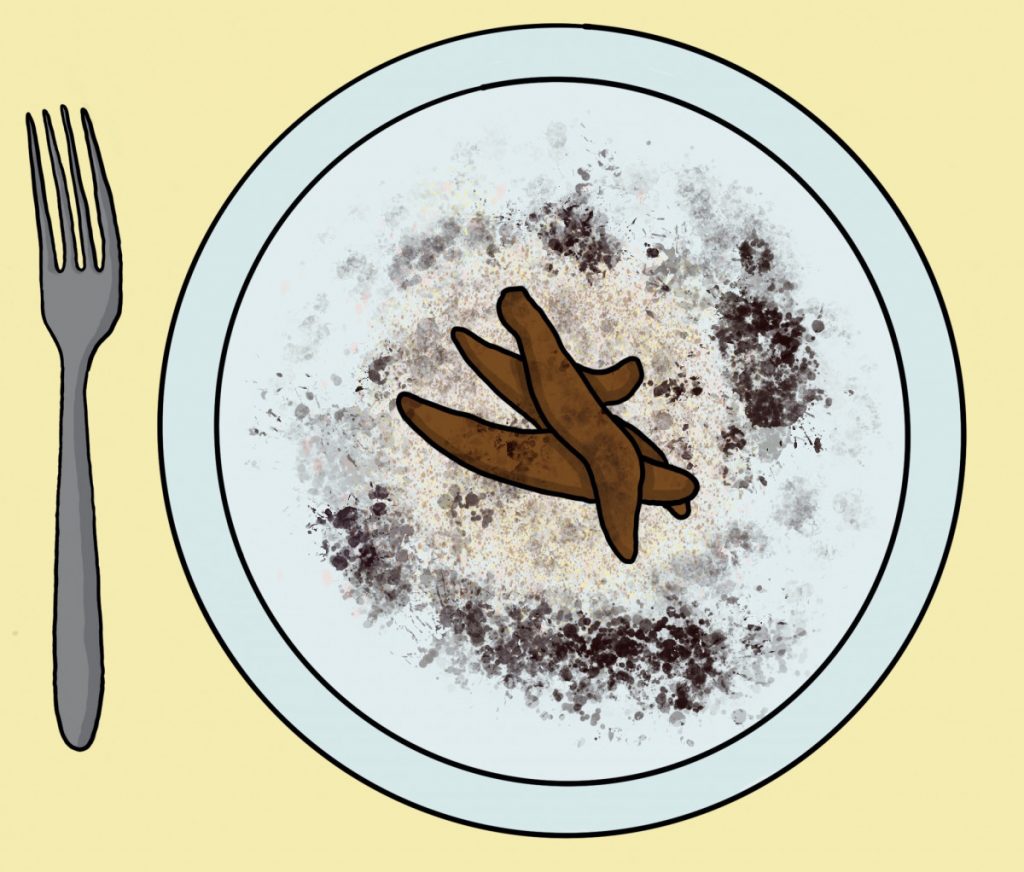
For China, in the twentieth century, food was political. The Great Leap and the Cultural Revolution were political movements promoting communist idealist ideology as the way to bring food to all. Of course, both of these movements brought about effects that were very much the opposite- starving 30 million people. This made food even more political, because in order to obtain a sustainable amount of food, people had to resist their leader. Simply surviving could be a bold political act of resistance. Yet, as I have stated above, people still praise his name to this day, over ten years after the publishing of Dunlop’s book. And even then, acknowledgment to the drastic shortcomings of Mao were long overdue.
Food can be political in many ways. Dunlop illustrates how political food can be when she asks the critical question, “was I contributing in some way to the Mao cult, and making myself complicit in the collective brainwashing of the Chinese people, by my fascination with the Chairman’s diet” (Dunlop, 2008, p. 182)? This question was one that I related to, because being vegan, I’ve had to think a lot about the ways my food choices contribute to political issues, such as climate change, and the (mis)treatment of animals. For me, choosing not to support companies that mistreat animals or the earth is a political choice. Even if my individual decision to boycott the meat and dairy industry as a whole doesn’t make a substantial difference, I will still know that I wasn’t complicit and that I personally didn’t contribute to things that I do not support.
Dunlop later explains, “Mao has, in a weird way, become a part of my cultural and emotional landscape. His image swings from the widescreen mirrors of buses and taxis… it hangs on the sitting-room walls of many of my friends… His presence looms large over China… I’m used to him now, desensitized” (Dunlop, 2008, p. 183). It is very important that we remain aware and critical of the things that become a part of our emotional and cultural landscapes. It is important that we don’t become desensitized to injustice. For me, an example is the meat industry, but there are many examples that are not food-related. Remaining critically aware is the best way to resist oppression, and food can serve either as fuel for injustice, or as resistance to it.
Food Lab
For the food lab, I did a bit of modification, but still tried to remain faithful to the recipe. Other than changing the recipe to make it vegan, I also had to make a some modifications because I wasn’t able to obtain some of the ingredients, such as the potato. I made do with what I had and was able to come up with the marinade in the recipe. I cooked up some vegan chicken in the marinade and served it on some rice for my whole family. Everyone enjoyed it, except for my little brother, who said it was too salty.
Leave a Reply