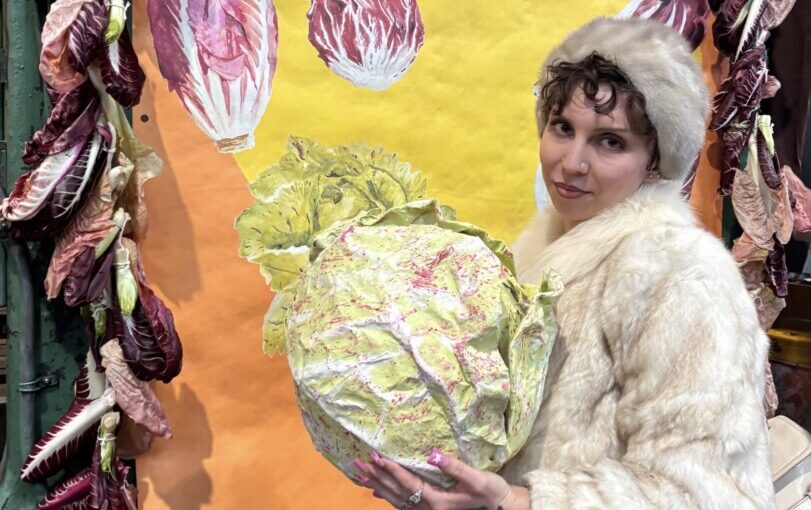
Radicchio (Cichorium intybus L.) is a leafy chicory known for its bitter taste and vibrant red or variegated leaves. It is in the Asteraceae family and requires entomophilous pollination. Radicchio features phenolic compounds containing anthocyanins which help fight against inflammation and cancer. Cultivation involves sowing seeds in modular trays during summer, transplanting seedlings with adequate spacing, and maintaining weed-free soil with sufficient watering. This crop grows best at 60-65 degrees fahrenheit or 15.5-18.3 degrees celsius. Protective measures, such as using fleece, can shield plants from harsh weather. Harvesting occurs when the plant forms a firm, grapefruit-sized head.
Forcing is a technique used to produce tender and less bitter leaves. This involves digging up the plants, trimming the leaves, and placing the roots in water or moist sand in a dark environment to encourage the growth of blanched leaves. Forcing usually takes place for about 15-25 days. This method is traditional in certain Italian regions and results in high-quality radicchio.
The origins of radicchio cultivation trace back to the Veneto region in Italy, with historical records indicating its development in the late 19th and early 20th centuries.The town of Dosson di Casier in Treviso is particularly noted for its association with this vegetable.
Incorporating radicchio into winter gardens can add vibrant colors and flavors to the plate during colder months. varieties like ‘Palla Rossa’ and ‘Rossa di Verona’ are popular choices for their crisp texture and distinctive taste.