Amalia Leguizamón: “Environmental Injustice and Genetically Modified Soybeans in Argentina”
Prita Lal and Amalia Leguizamón, May 12, 2021
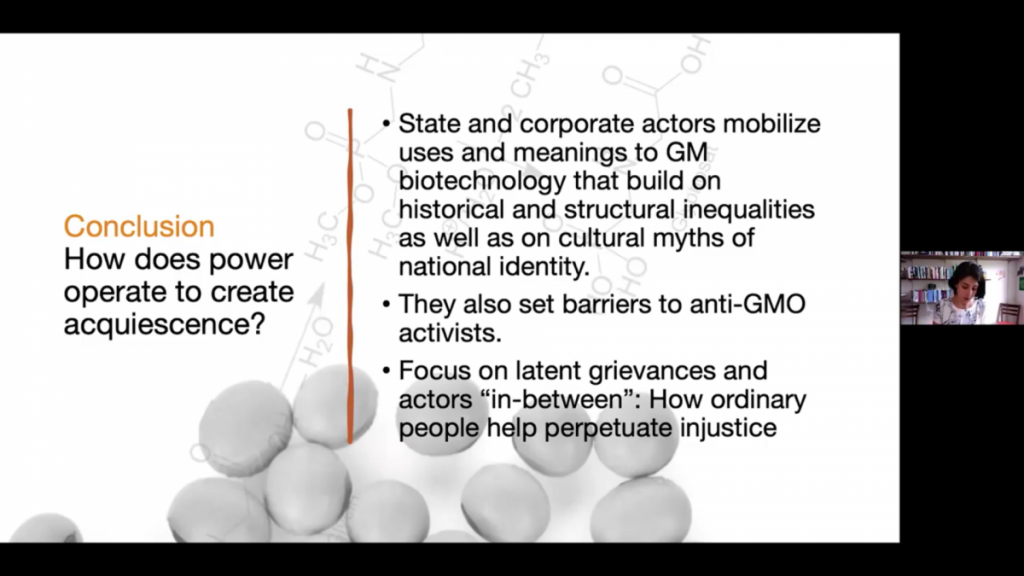
Amalia Leguizamon walks us through her research for her book Seeds of Power, which examines GM soy crops in Argentina. It was a stark view into the machine of global industrial agriculture, very thorough research.
Her reference to state and corporate actors reminded me of a book I read years ago, Confessions of an Economic Hitman by John Perkins. The calculated effort over generations to put GM soy in the fields of small communities feels like something similar to red lining, but on a much larger scale. How can or could or should we “liberate” a community that doesn’t understand, or doesn’t want to face, or doesn’t even realize that they are being exploited?
“To name the world as gift is to feel one’s membership in the web of reciprocity. It makes you happy—and it makes you accountable. Conceiving of something as a gift changes your relationship to it in a profound way, even though the physical makeup of the “thing” has not changed. A wooly knit hat that you purchase at the store will keep you warm regardless of its origin, but if it was hand knit by your favorite auntie, then you are in relationship to that “thing” in a very different way: you are responsible for it, and your gratitude has motive force in the world. You’re likely to take much better care of the gift hat than the commodity hat, because it is knit of relationships. This is the power of gift thinking. I imagine if we acknowledged that everything we consume is the gift of Mother Earth, we would take better care of what we are given. Mistreating a gift has emotional and ethical gravity as well as ecological resonance.
How we think ripples out to how we behave. If we view these berries, or that coal or forest, as an object, as property, it can be exploited as a commodity in a market economy. We know the consequences of that.
Why then have we permitted the dominance of economic systems that commoditize everything? That create scarcity instead of abundance, that promote accumulation rather than sharing? We’ve surrendered our values to an economic system that actively harms what we love. I’m wondering how we fix that. And I’m not alone.”
“Store my meat? I store my meat in the belly of my brother,” replied the hunter. “
“In summer, when the boughs are laden, Serviceberry produces an abundance of sugar. Does it hoard that energy for itself? No, it invites the birds to a feast. Come my relatives, fill your bellies, say the Serviceberries. Are they not storing their meat in the bellies of their brothers and sisters—the Jays, the Thrashers, and the Robins?
Isn’t this an economy? A system of distribution of goods and services that meets the needs of the community? The currency of this economic system is energy, which flows through it, and materials, which cycle among the producers and the consumers. It is a system for redistribution of wealth, an exchange of goods and services. Each member has an abundance of something, which they offer to others. The abundance of berries goes to the birds—for, what use does the tree have of berries other than as a way to make relationships with birds?”
“If the abundance had been hoarded, if Juneberries acted solely for their own benefit, the forest would be diminished.”
I could have really quoted the whole essay because every word was placed appropriately and with such thoughtfulness. I drank them up like cool well water on a warm day, deeply. It seems to me that a gift economy would be the answer to redistribute our resources and feed our neighbors. I guess the biggest hurdle is that not everyone wants to keep their brother’s or their neighbor’s belly full. I too have thought of the fruits of shrubs and trees as gifts, it’s hard not too. And yet have felt frustrated when the birds get there first.
“Land was considered a gift from the Creator. Therefore, it could not be sold. It belongs only temporarily to the generation that was using it who were essentially stewards of that land for future generations. Among some of the plain’s tribes, land was inherited from mother to daughter.” 23:25
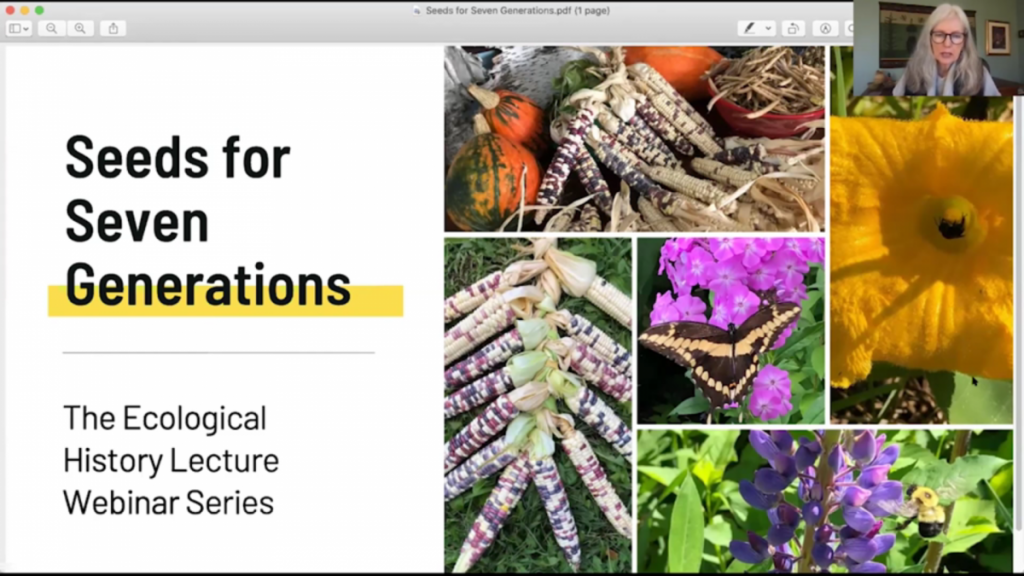
I found Diane Wilson’s expansion of her essay, Seeds for Seven Generations, very profound. Her story telling abilities combined with historical knowledge felt like a walk through history. I am even more inspired to pursue the craft of gardening, especially now that I can see it as an act of disobedience against capitalism. I really appreciated her insight into Three Sisters Gardening, seeing as how that’s a part of what I am working on now. It is a little warmer here than where she is, but it was still valuable to hear her thoughts on planting beans and corn separately, which was something that came up in research as well.
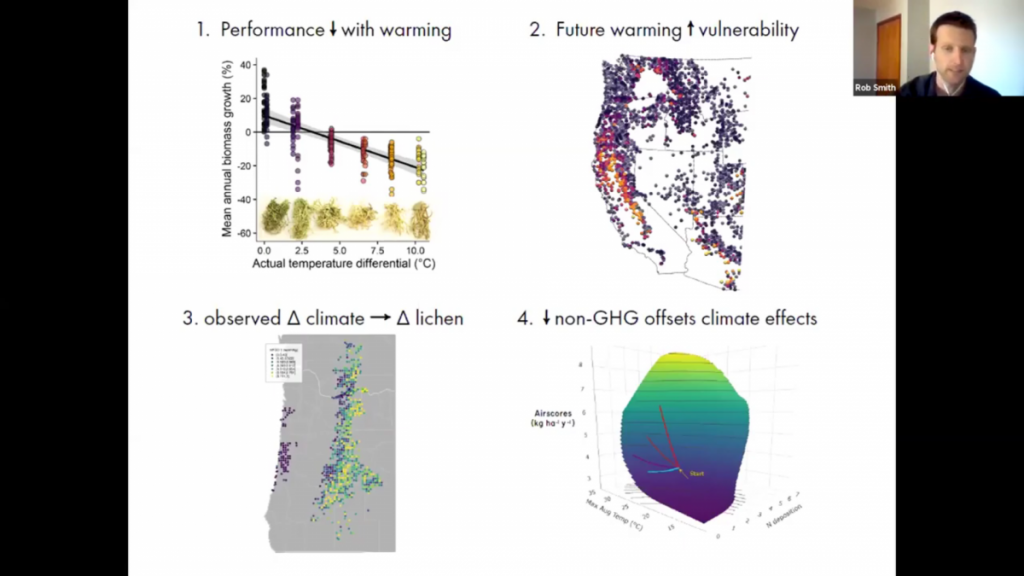
Dr. Rob Smith: Climate Change Modeling With Lichen Communities
This lecture was so totally fascinating! Lichen are some of the oldest organisms in the world, and are made up of an amazing relationship between fungi and algae. It makes so much sense that we could use them to measure air quality and gauge temperature change. Dr. Smith had many great graphs that I thought really helped make the data he was presenting tangible. I am hopeful for a future where we can be more in tune with the natural world, be aware of multiple biological indicators, and use the tools that nature grows to restore our biosphere.
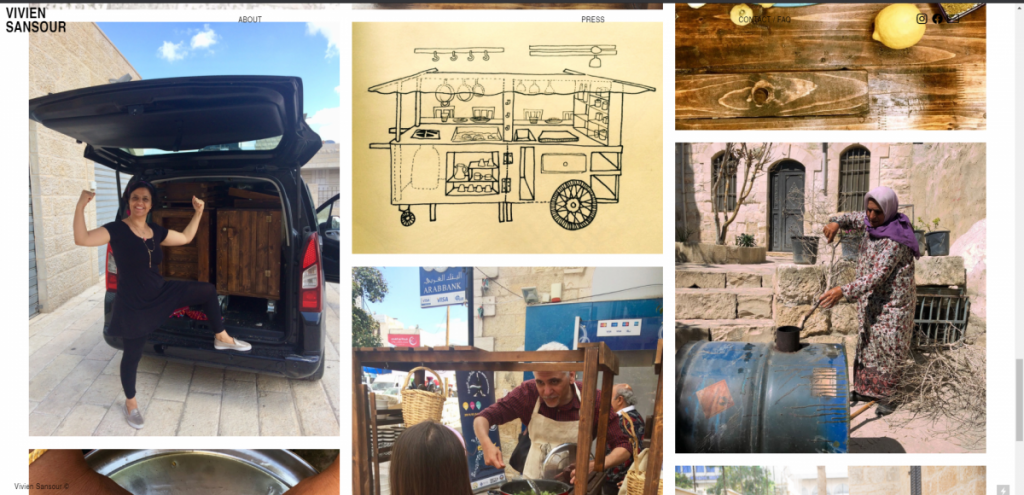
Vivien Sansour: Palestine Heirloom Seed Library and The Traveling Kitchen
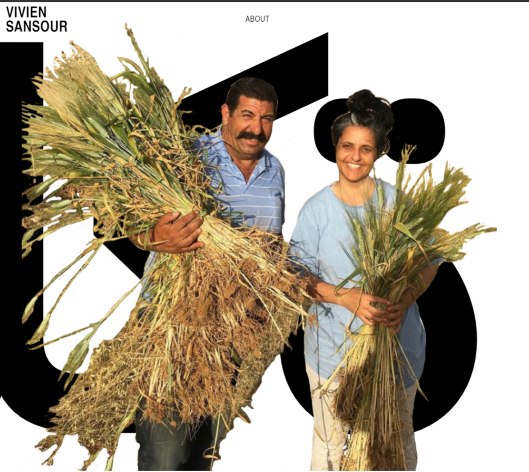
Vivien Sansour is a writer and activist who founded the Palestine Heirloom Seed Library. After witnessing the decline of her native foods, Vivien started the seed library, and later the Traveling Kitchen, to keep the culinary traditions of Palestinian foods alive. You can now buy Palestinian varieties of okra, chard, spinach, wheat, mallow, a squash called Yakteen and more, available at Disarming Design.
“Heirloom seeds also tell us stories, connect us to our ancestral roots, remind us of meals our families once made at special times of the year. The Palestine Heirloom Seed Library (PHSL) is an attempt to recover these ancient seeds and their stories and put them back into people’s hands. The PHSL is an interactive art and agriculture project that aims to provide a conversation for people to exchange seeds and knowledge, and to tell the stories of food and agriculture that may have been buried away and waiting to sprout like a seed. It is also a place where visitors may feel inspired by the seed as a subversive rebel, of and for the people, traveling across borders and checkpoints to defy the violence of the landscape while reclaiming life and presence.”
I found this work to be incredibly important because so much of the “Western diet” has commodified the same 30 or less single varieties of crops on such a vast scale that many varieties and species of edible foods are going extinct. We will need heirloom varieties if we want any chance to adapt to climate change. Often it is small home gardeners who are the stewards and seed keepers, and who are responsible for heirloom varieties still existing.
Point of Origin: One on One with Reem Assil
This was one of my favorite episodes of the podcast. It gave the listener significant insight into the food service industry and an example of how to cultivate a better work and community environment. I think the model of employment and employers should be implemented at every restaurant ever, because too often do you hear someone in the industry telling the absolute worst stories about working in kitchens. I appreciated Reem Assil’s total honesty when it came to leadership and business and the pressure she feels to keep up the momentum for a better future for restaurants. Her openness about the struggles of Palestinian identity erasure certainly put into perspective a harsh reality that is for many Palestinian people.
Fresh Fruit, Broken Bodies: Migrant Farmworkers in the United States By: Seth M. Holmes
“Although the farm management – including Shelley, who supervises the white picking and checking crew – sees the employment of white teenage checkers as developing positive values toward agriculture and diversity in the valley, checkers learn also that they deserve to have power over Mexicans, even those old enough to be their parents or grandparents. The teenagers are paid minimum wage while being allowed to talk and sit most of the time; the pickers have to kneel constantly and work as fast as possible in order to keep their jobs. The white checkers are given power over how many pounds are marked for the pickers, and I observed more often that not that checkers marked less weight on the cards that the scale displayed. Numerous times over the course of my fieldwork I observed supervisors telling checkers that the laborers should not pick more than thirty pounds of berries per bucket. In addition, they indicated that the pickers would try to “get away with” putting more berries per bucket because they were “lazy”. Of course, There was no way for me to estimate precisely how much the berries in my bucket would weigh. And I experienced picking strawberries as anything but lazy. The checkers are also allowed to treat the pickers as people who do not deserve equal respect. This serves to further develop the lenses through which symbol violence, the naturalization of inequality, is effected. In additional, Laura pointed out that the farm’s management sometimes work directly to keep labor positions and ethnicities segregated.” -Chapter 3, p.70
This book was hard to read. There are so many layers to peel back here, in this specific passage. I wonder if white teenagers were assigned as “checkers” on plantations, if plantation owners put their family members in positions of powers on the farm. Surely, those teenagers would grow to be grown people who then have these set of opinions about other people with different skin. Who would go on to raise and teach their teenagers an inflamed sense of superiority, and this cycle could have lasted until the industrialization of agriculture, where it is still happening now. I have a younger sister who is very impressionable, granted I don’t think now, at this time, she could learn this bad behavior, but what if this was 20 years earlier, or just 10 years earlier. Aren’t we all just a product of our environment, good or bad? What would my role have been and would I have continued the cycle?
Real Life application and observations of concepts covered in Soil Science!
Buzz and Blossom Garden:
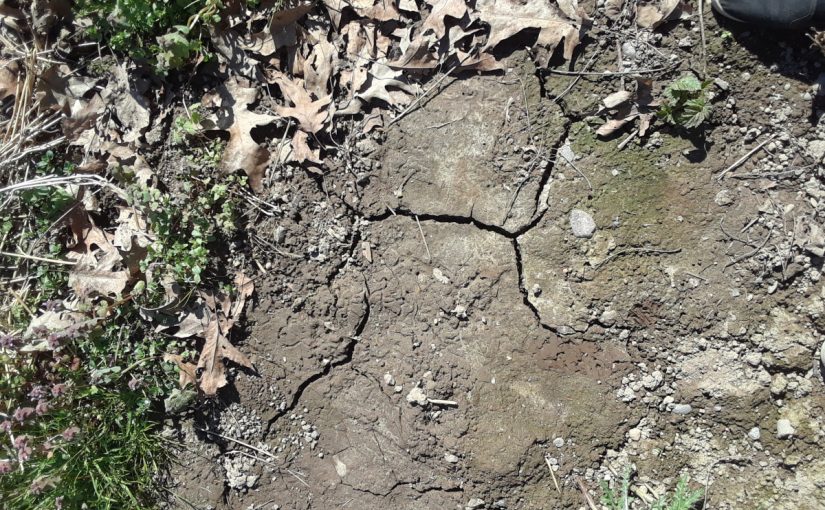
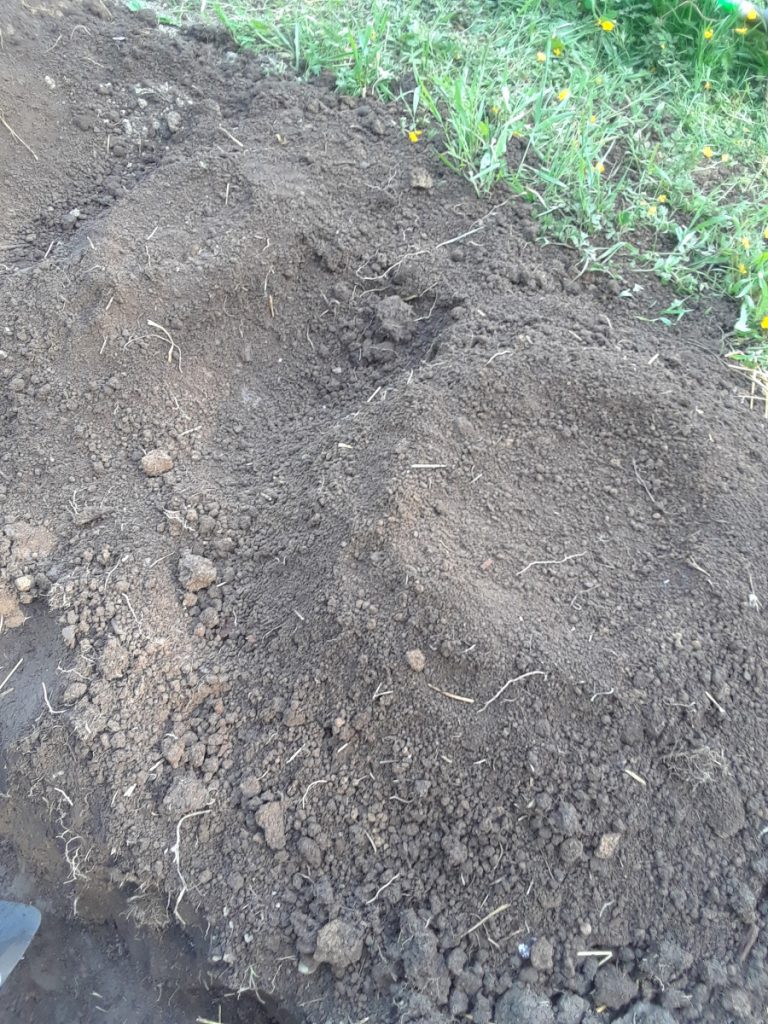
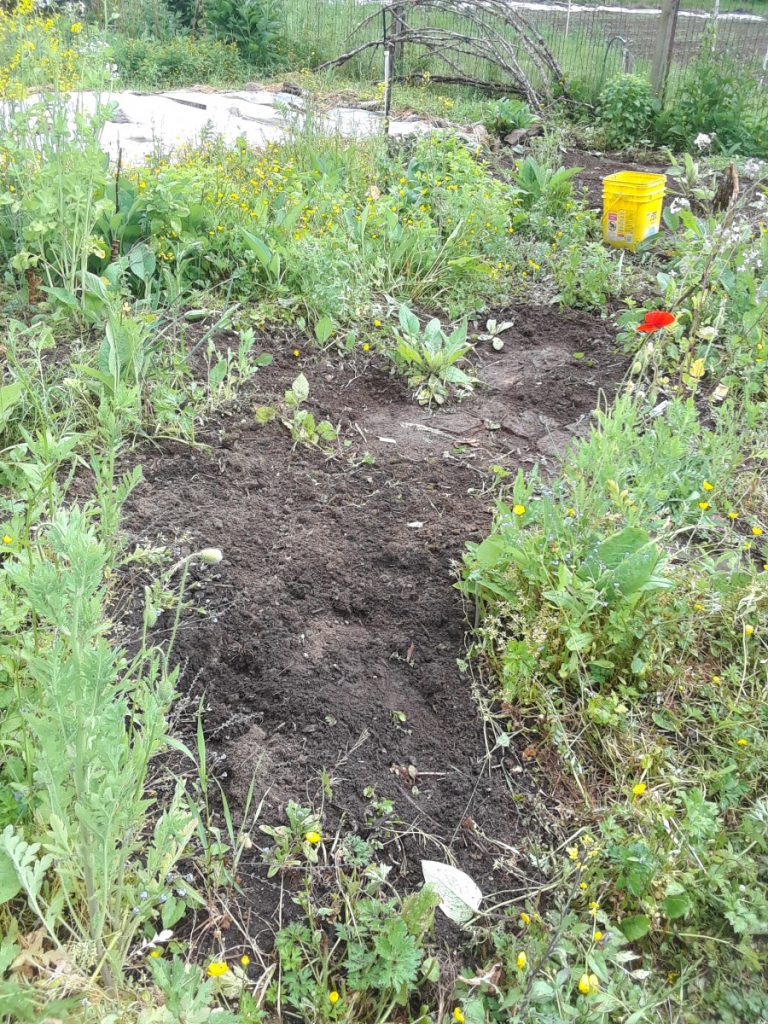
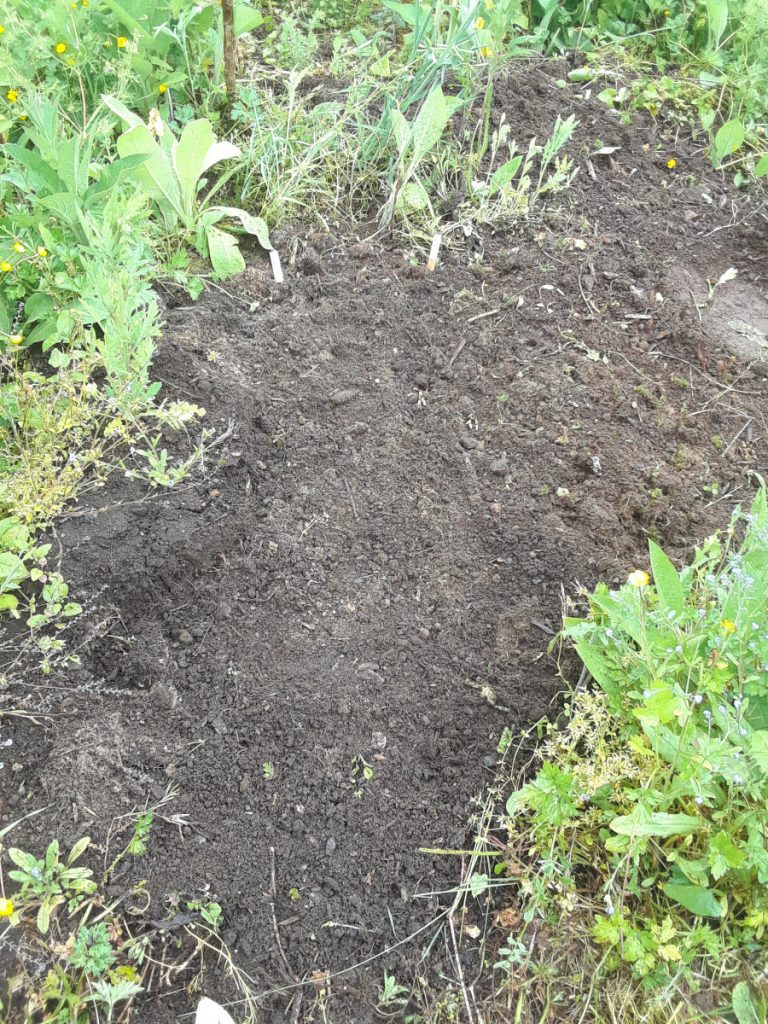
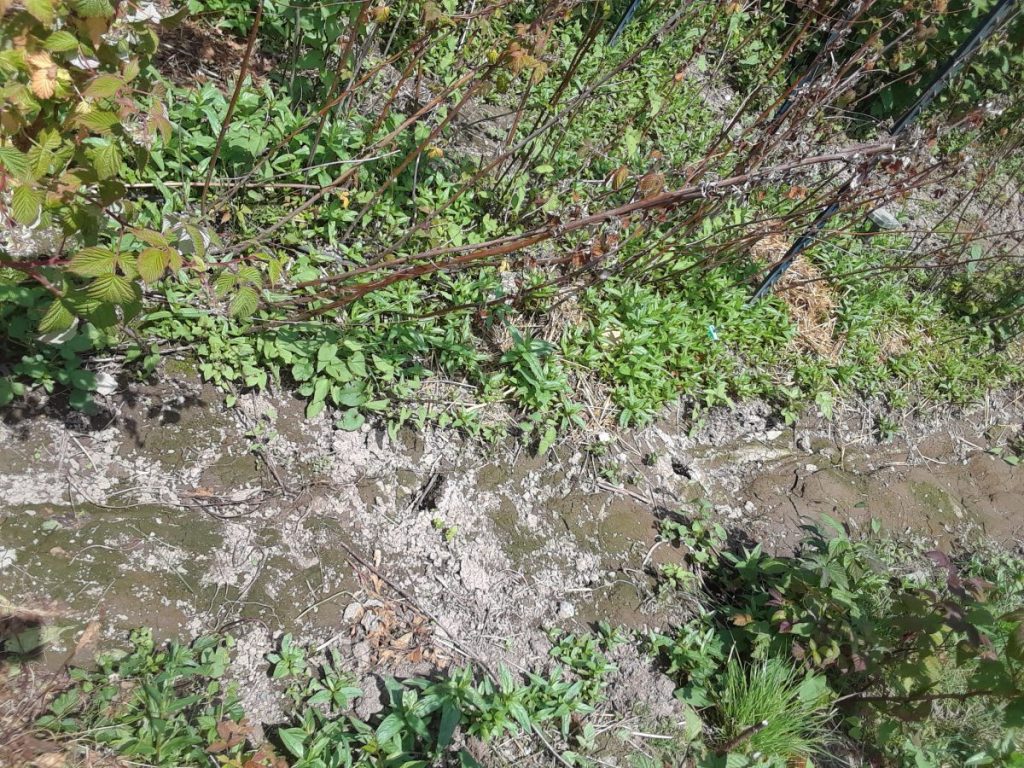
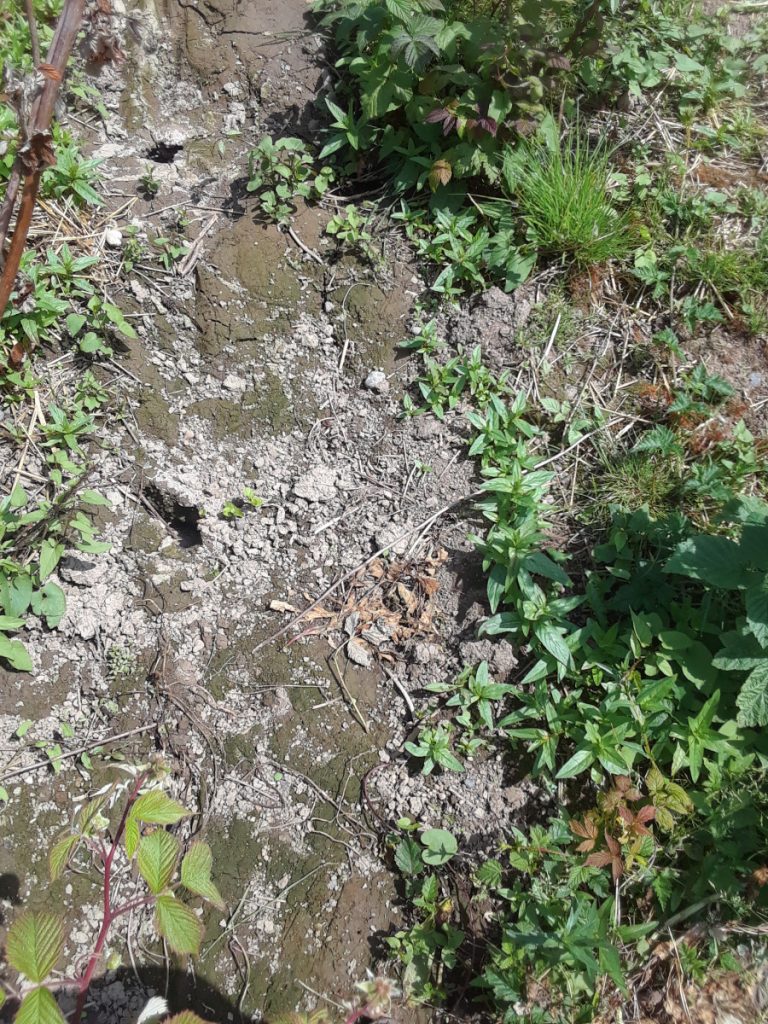
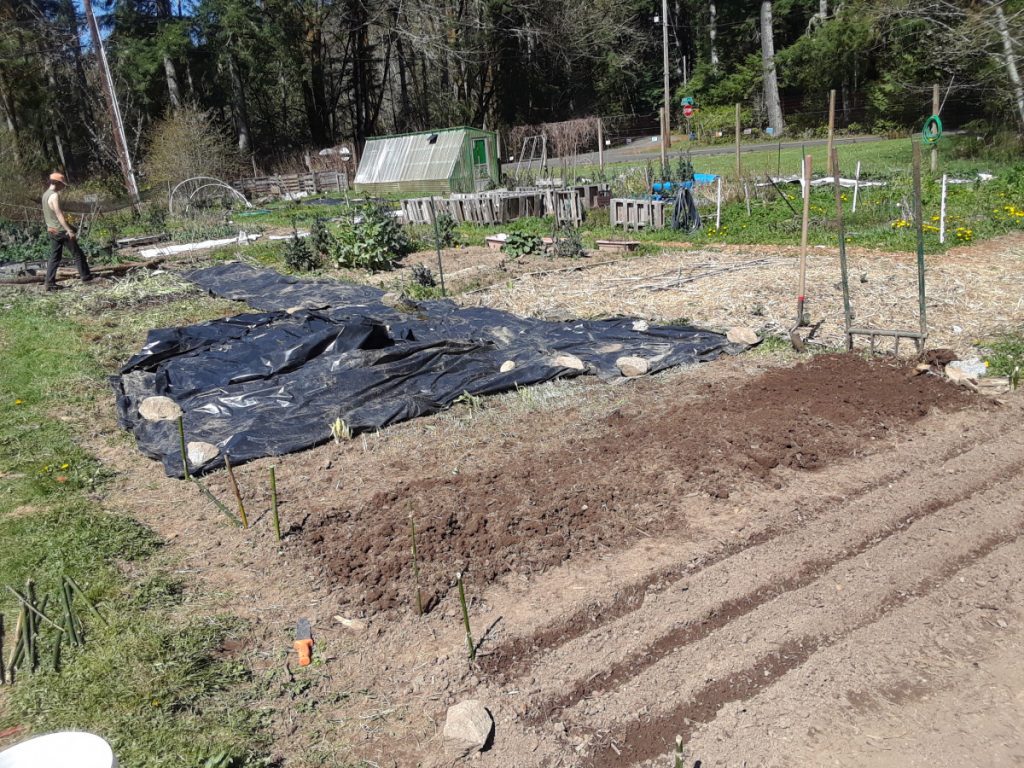
The soil at Buzz and Blossom Garden has a high clay content, which retracts and cracks when moisture levels decrease. But, as it is a space that has been cultivated every year for over 30 years, there are areas that have been amended over and over so the immediate top few inches of the soil can vary. The next picture is only 3 paces away from the above large cracks. It has a totally different texture, being much more crumbly, doesn’t have cracks, and is the location of a massive dump of straight peat moss from two years ago that didn’t get spread around evenly. When this patch is planted, you can see a difference in plant growth where there is the “peat moss pit” and the native soil.
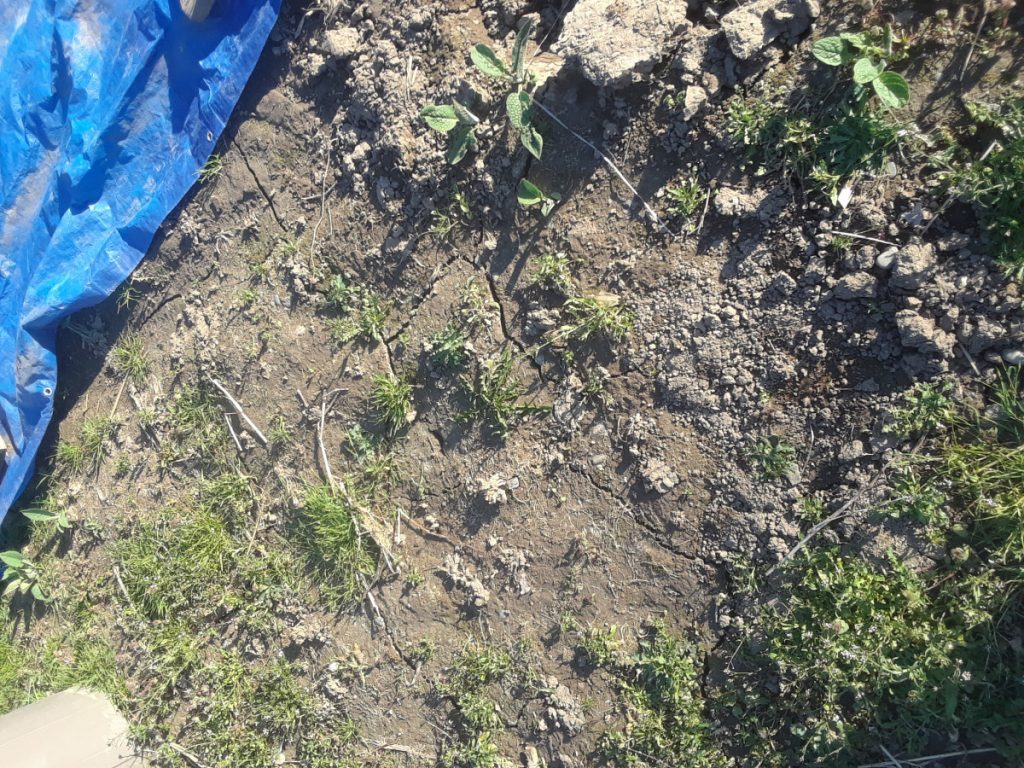
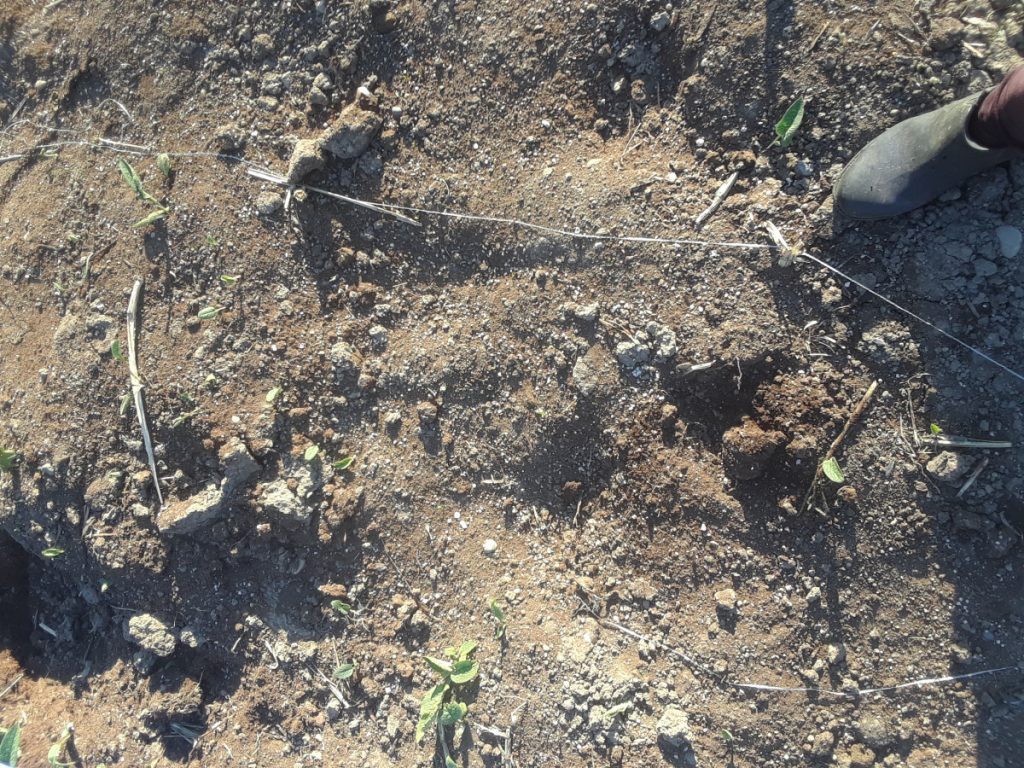
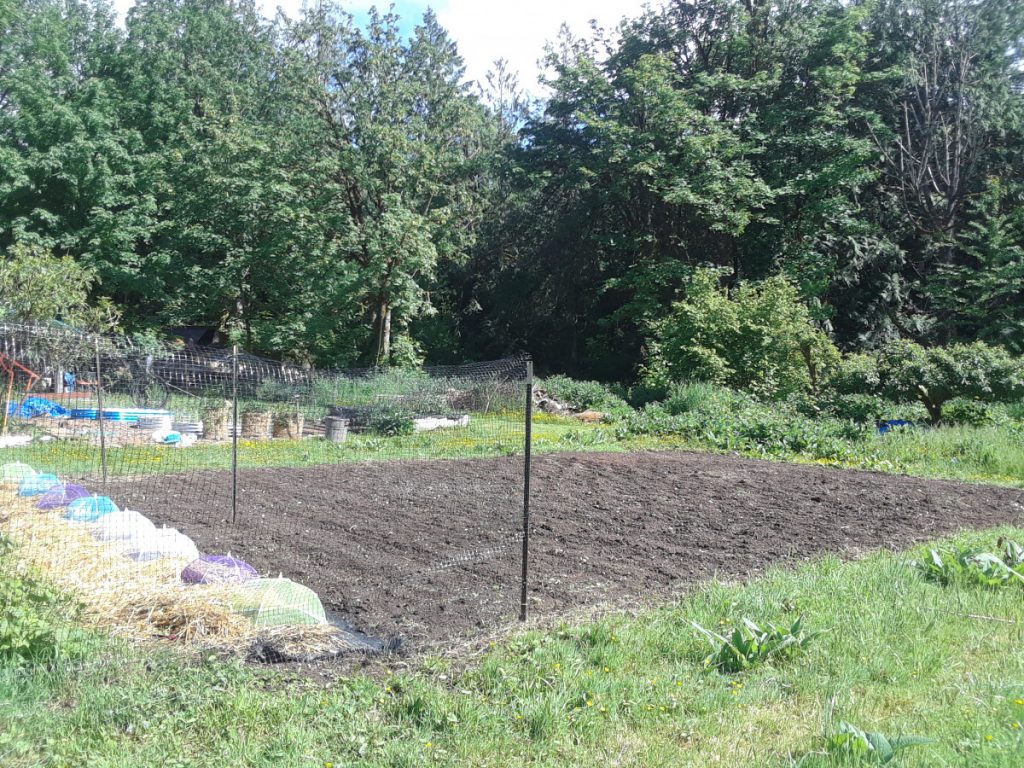
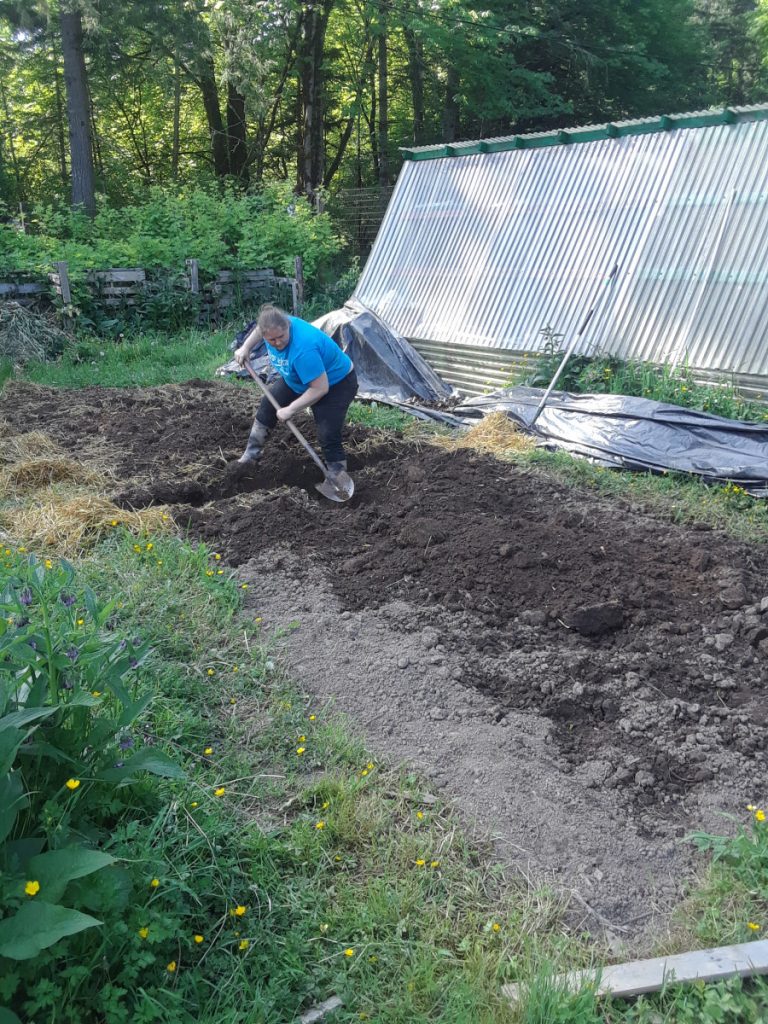
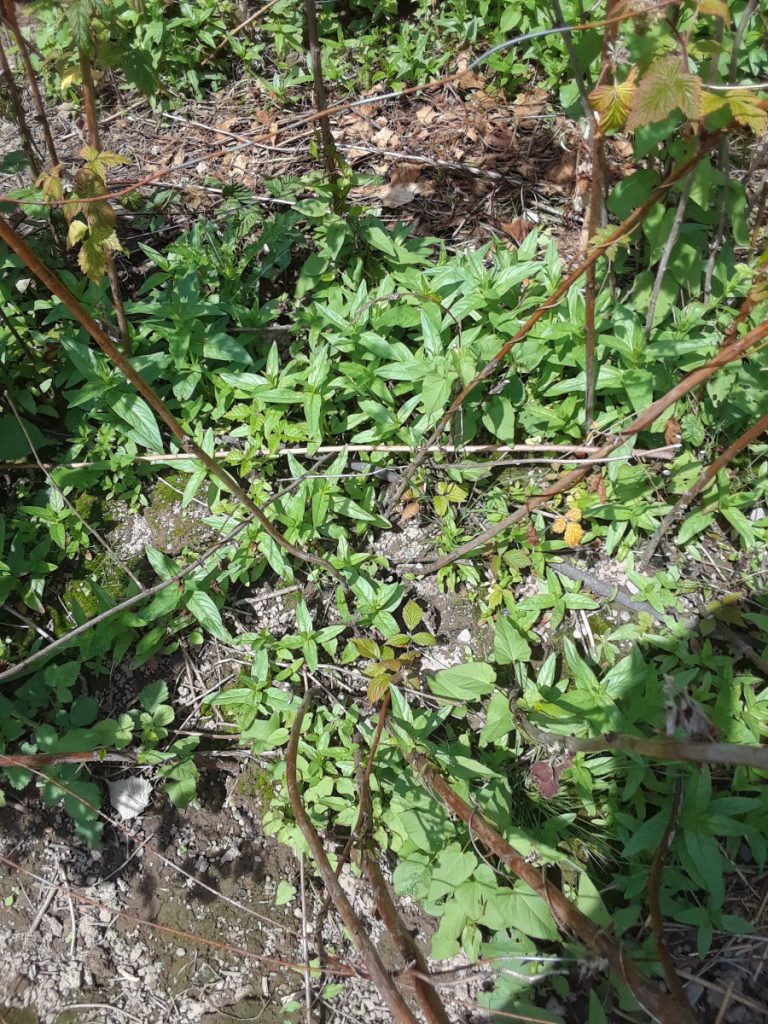
Here we have the corn patch. Every year, my neighbors grow corn on this square. It’s a pretty big patch and grows enough corn to feed many people in the neighborhood. The harvest period last 3 to 4 weeks. They process and freeze what’s not eaten fresh. Every year, we spend the early spring digging out comfrey, before they have a friend plow the space. There is always lots of weeding to do because the comfrey gets spread a ways and recently crops have been less successful. Upon a soil test, it was discovered that this area was highly acidic, which makes sense after my neighbor realized she hadn’t put lime down this past winter. The course of action they decided to take was add extra compost and fish fertilizer when planting and watering and lime heavily in the winter. It wouldn’t be my first choice to keep tilling because it definitely makes the comfrey situation worse, but I understand their thought process.
Seed Sowing Experiment:
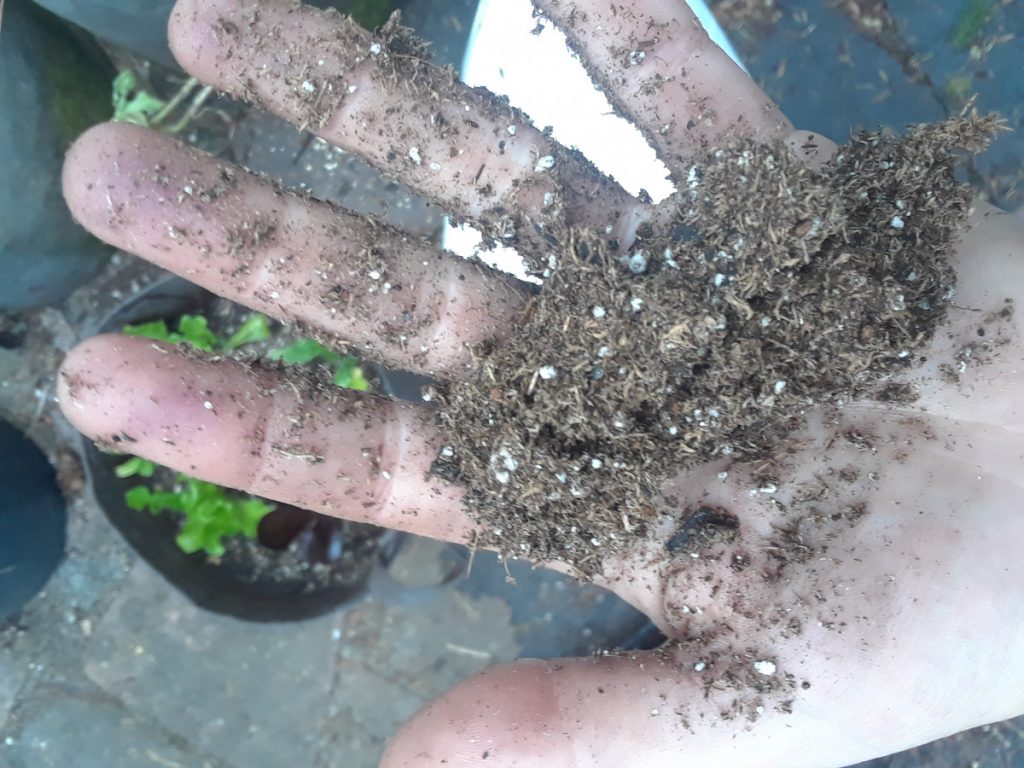
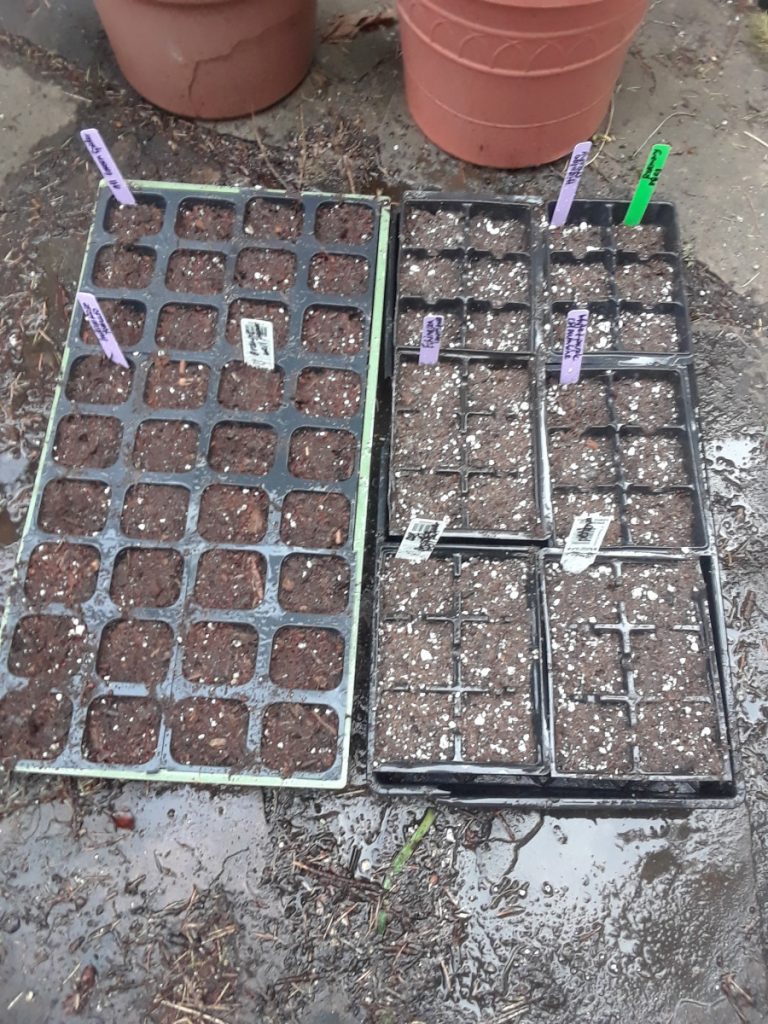
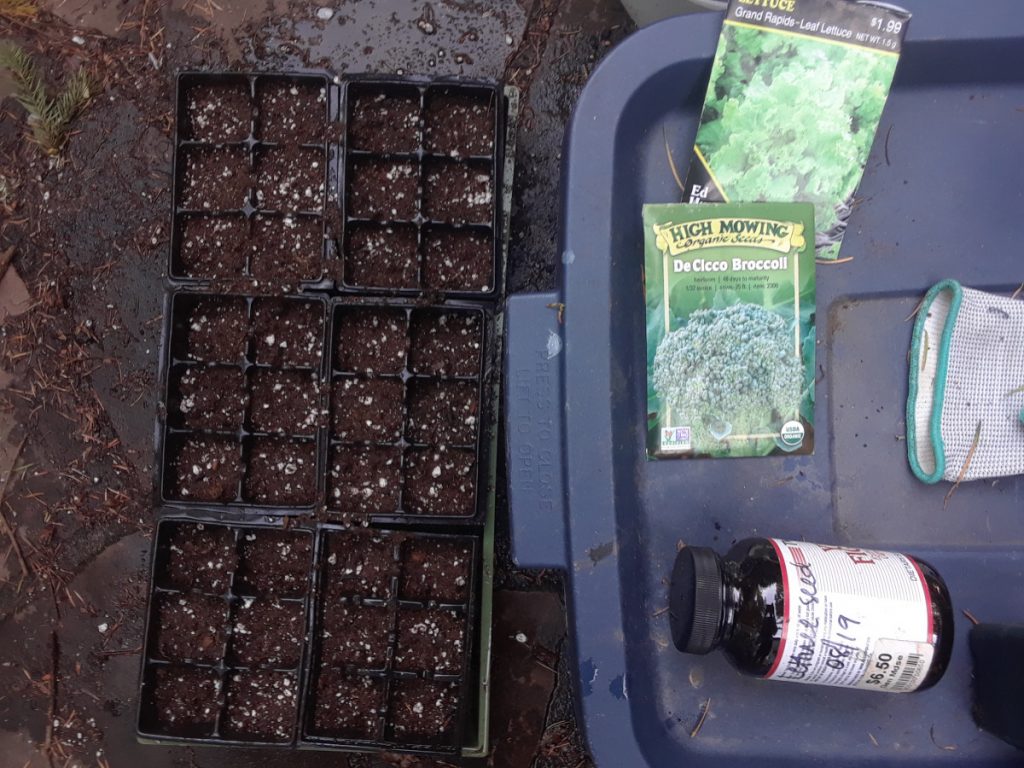
I sowed seeds using two different soils to see which would be the “most successful”, a mix by Caleb and a bagged seedling mix from Four Corners. I will gauge “success” by how quickly seeds germinate and how many of them germinate, however I am unsure of the viability of some of the seeds I had collected. I think it will still be worth comparing the results. I sowed the same broccoli seeds in each mix to compare. Caleb made a seedling mix consisting of a blend of coconut fiber, compost from the Evergreen campus that I believe Steve made in a class last year and some bagged seedling mix from Four Corners.
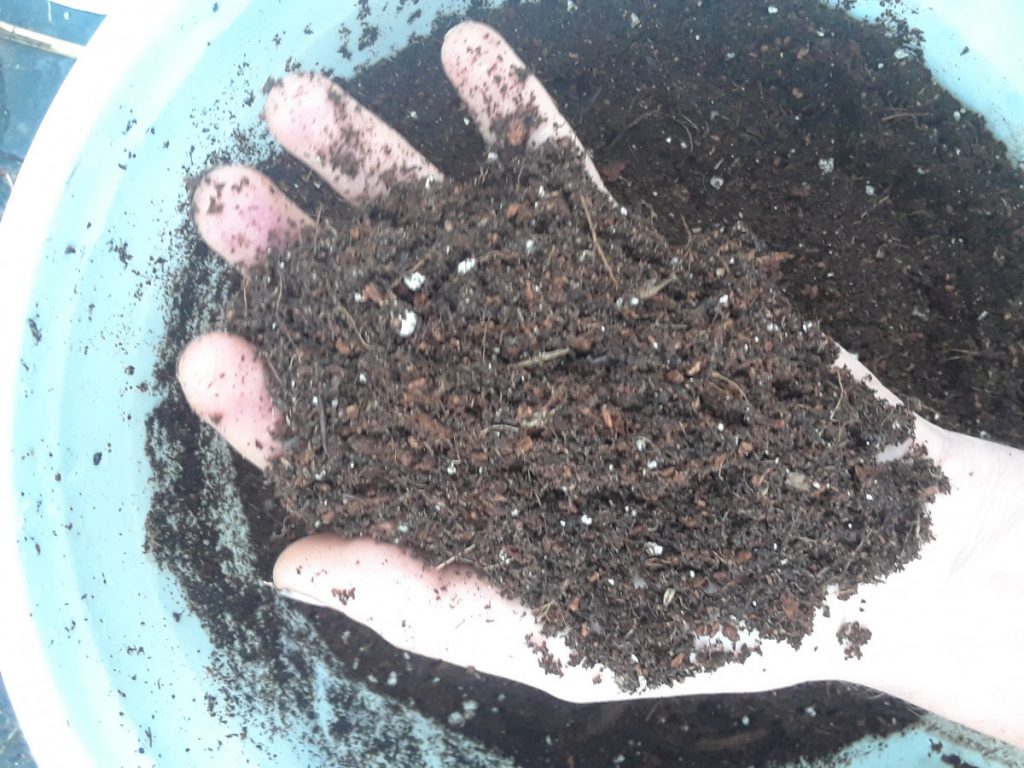
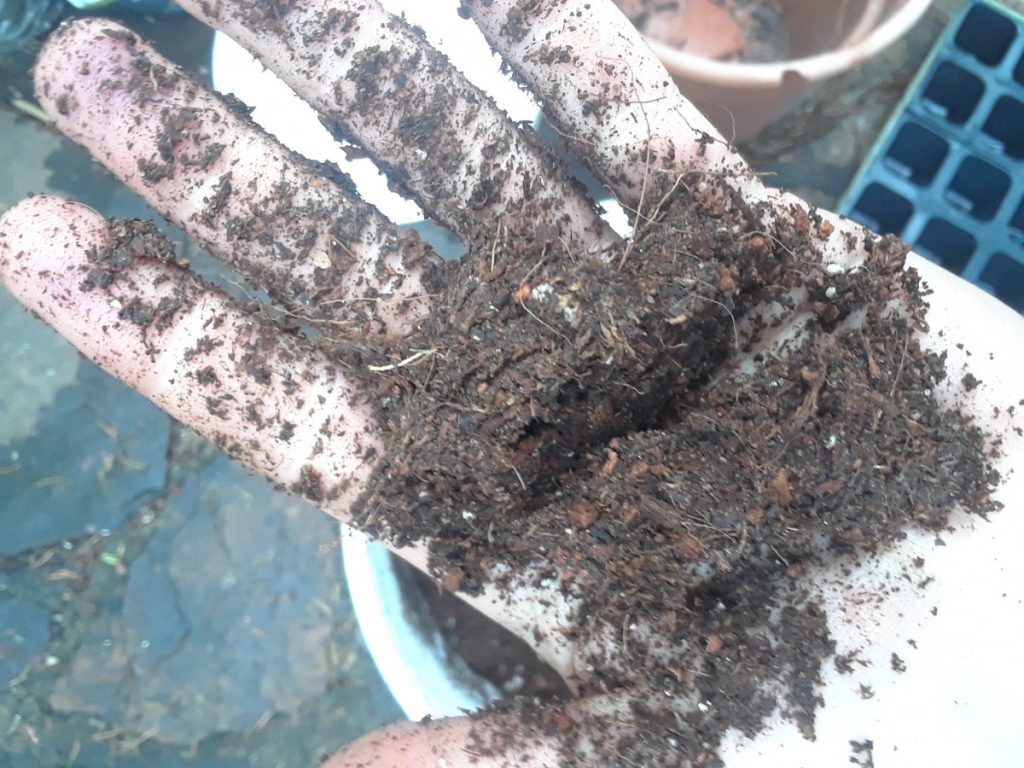
Caleb’s mix is quite crumbly and dark in color, with a great earthy smell. On the right, I attempt to form it into a ball and it holds some shape, but breaks off in large chunks.
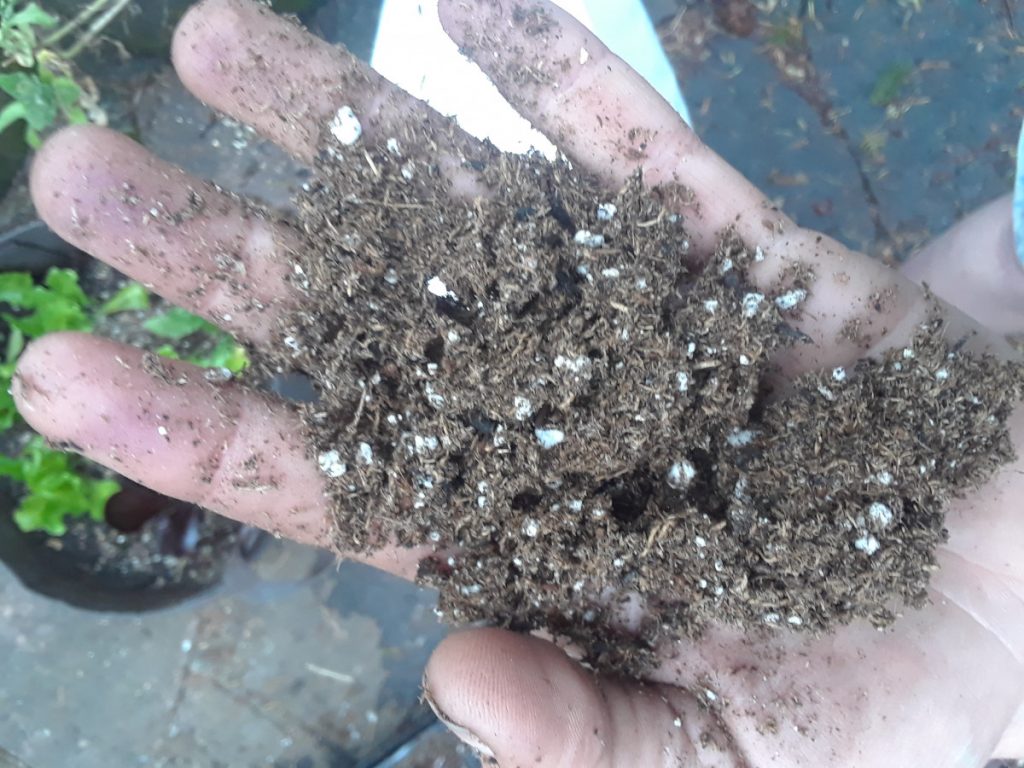
The Four Corners seedling mix is quite fluffy and airy, almost too fluffy. It doesn’t have much mass to it, smells dusty, and is light in color. On the right, it would appear that it holds a ball form well, however in actuality the ball crumbled apart quite easily into small chunks.
L: Caleb’s mix R:bagged seedling mix Notice the difference in color when wet
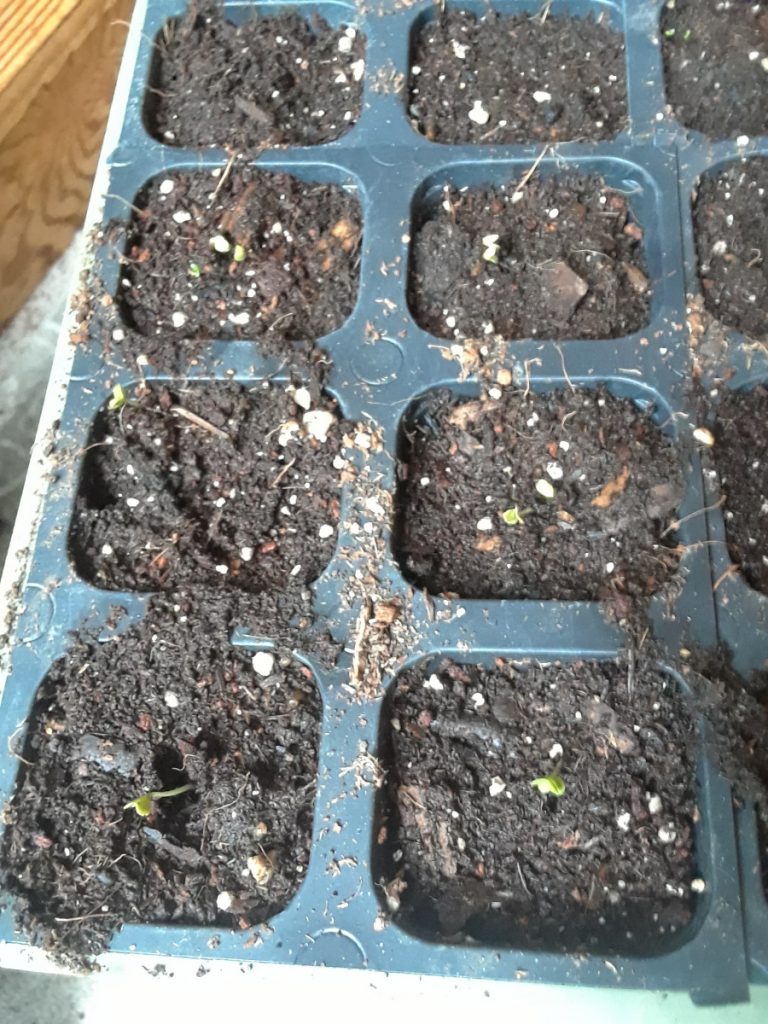
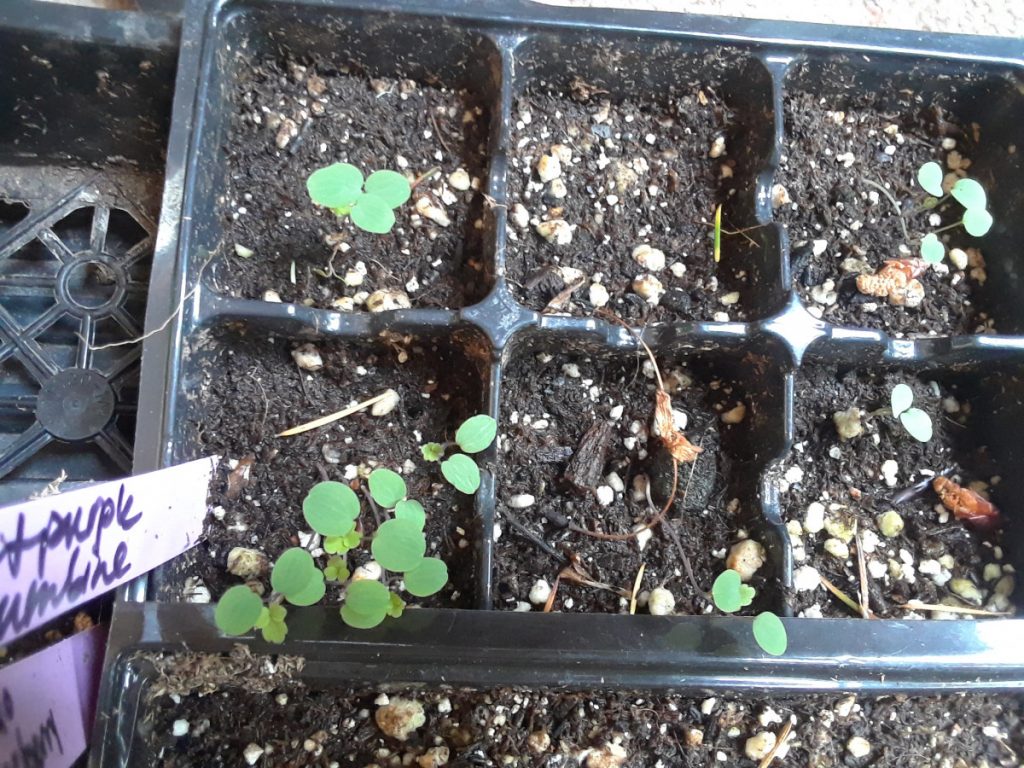
Caleb’s mix is the “winner”! Broccoli seeds came up four days later, and by the end of that day, the other broccoli in the other seedling mix came up too.
Follow up:
All the orange peppers came up!
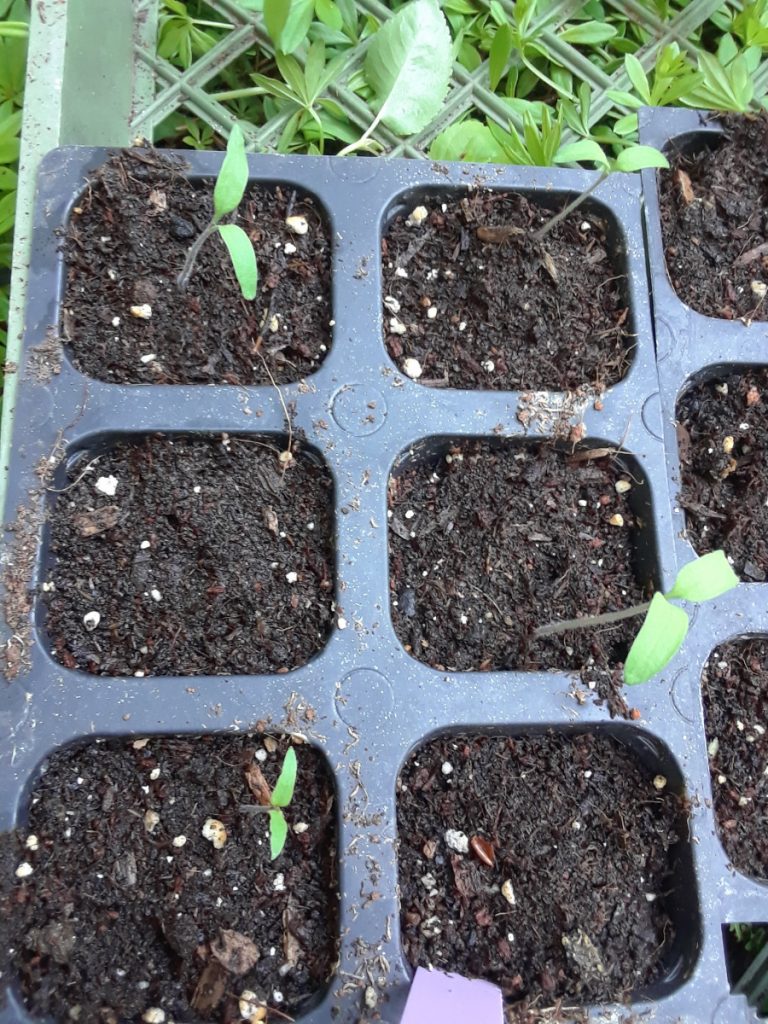
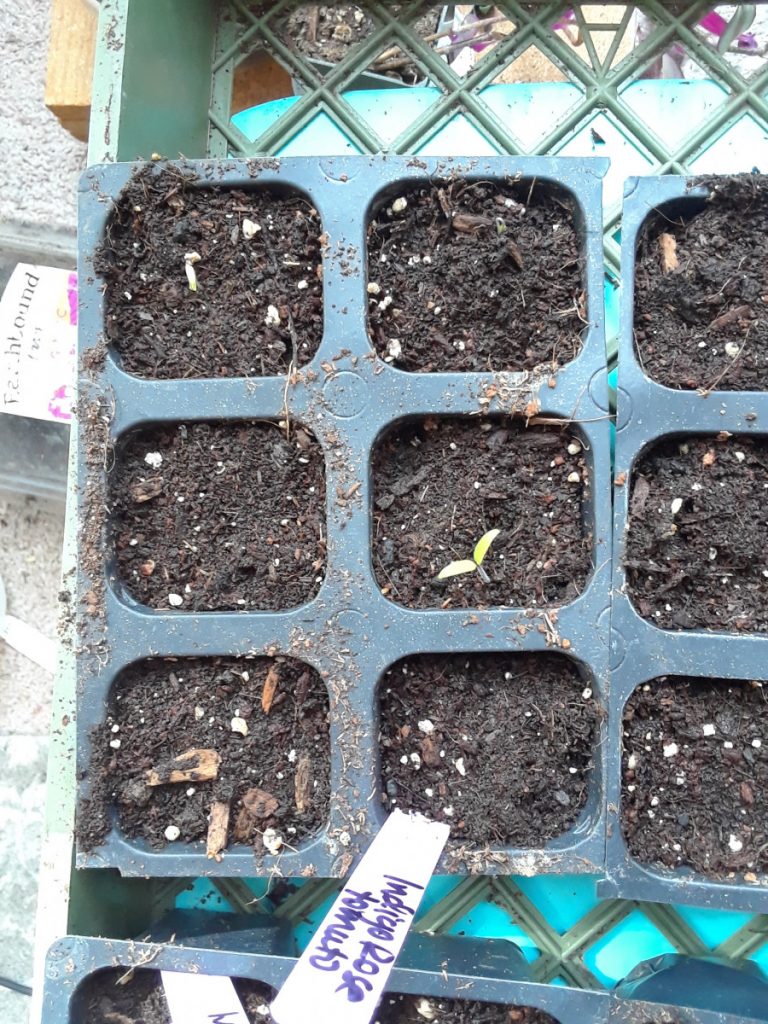
Indigo Rose Cherry Tomatoes!
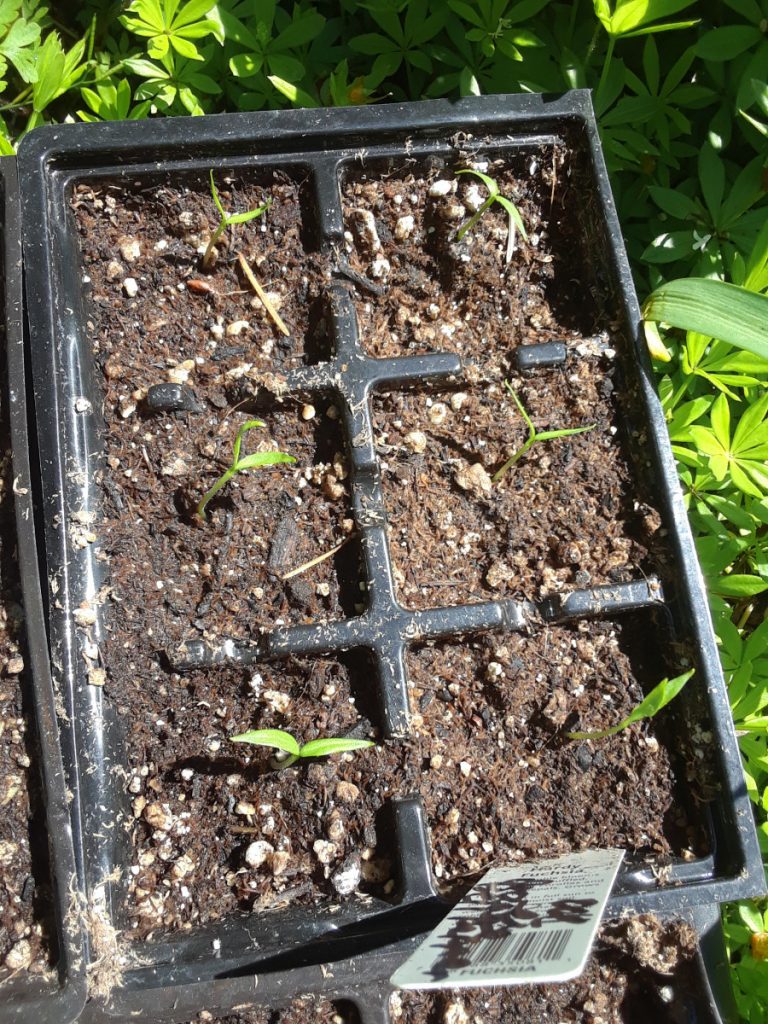
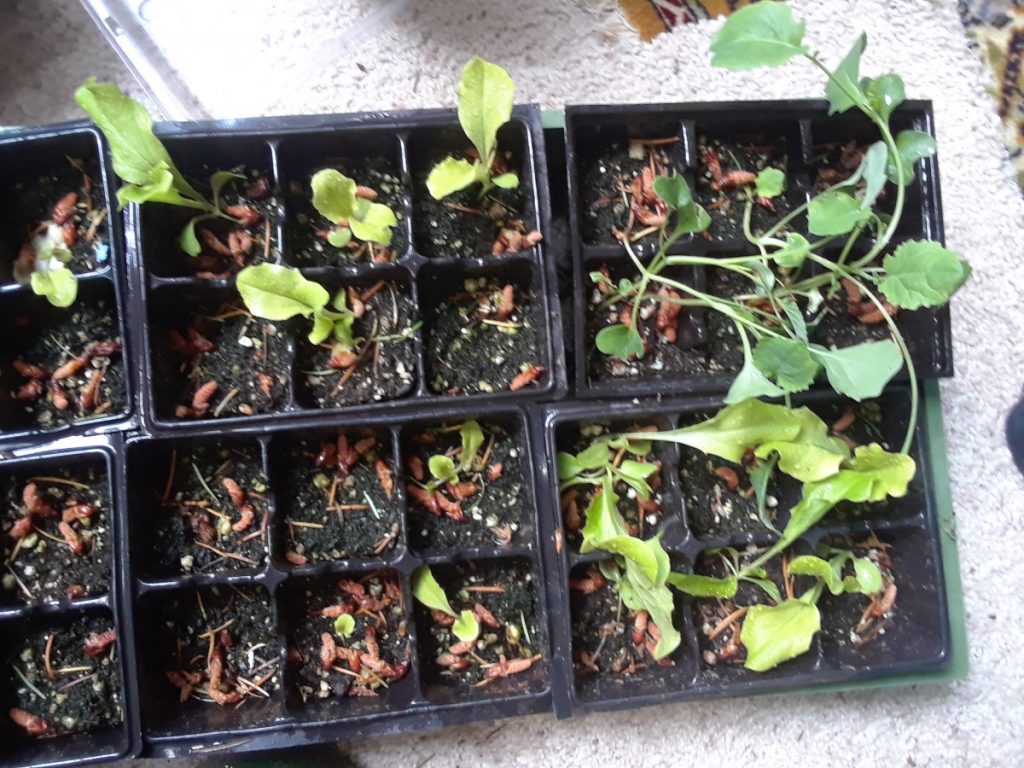
Each tray had about 60% germination. 4.5 6-packs came up in Caleb’s mix first, followed closely by 4 6-packs of the bagged seedling mix. Some of the seeds I sowed were questionable, so it was expected to not have full germination. Other factors that may have limited my success include inconsistent temperatures and birds, seeing as I was bringing the trays inside and outside with no protection, definitely saw signs of birds and wasn’t totally consistent bringing the trays in every night. Even still, I was able to grow 8 lettuce and 6 broccoli starts to plant in Buzz and Blossom garden. I have learned that temperature consistency is very important. Dr. Dirt gave us a hot tip, watering seeds and starts with warm water helps with germination and growth.
Soil at the Evergreen Community Garden:
Caleb and Class Plot:
Note the color change when the beds are wet!
The first bed!
The last bed!
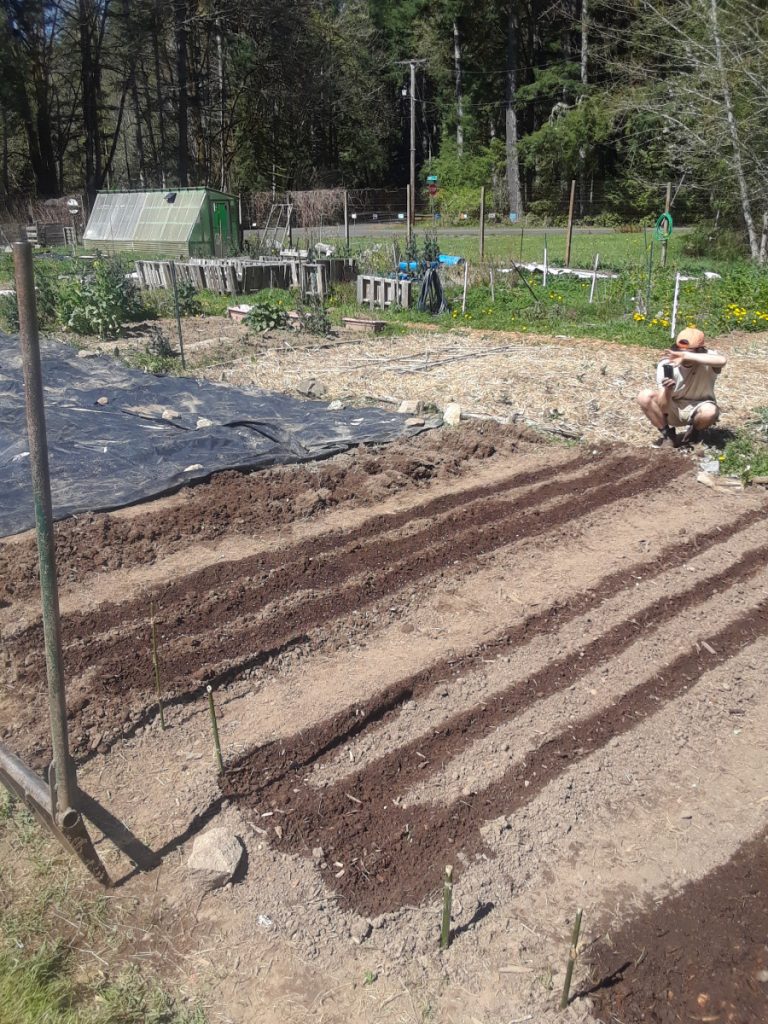
The soil in the class plot is a red brown color, dense when wet and dusty and crumbly when dry. The red is still visible even when compost was added to planting beds. Red tones in soil can imply high levels of iron oxides.
I noticed an immediate difference between the plot I am sharing with another classmate that is located in the corner of the community garden, around 50 feet away.
The soil in this plot is more grey, with a “fluffy” and easily crumbled texture, suggesting it is higher in organic matter. It was a dark wet color when we first starting clearing weeds and dried to a grey crunchy dust. This plot also gets shade sooner than the class plot, which is right in the middle of the whole garden space. I think that may account for the higher water contents.
Note the dark areas that have been recently watered
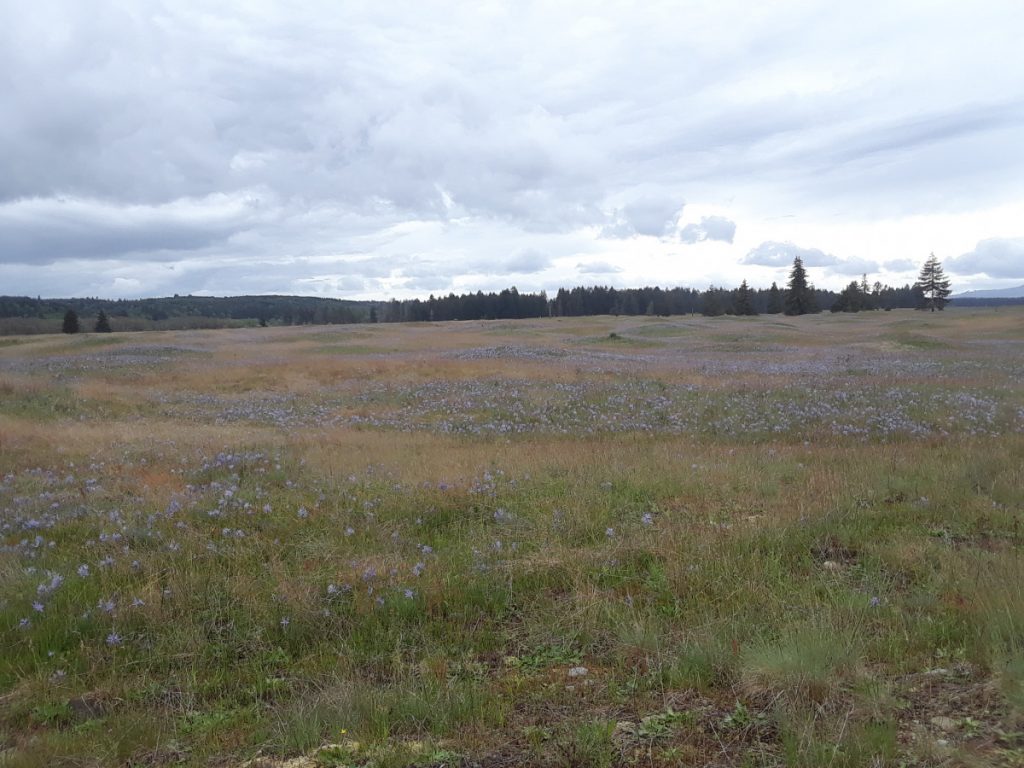
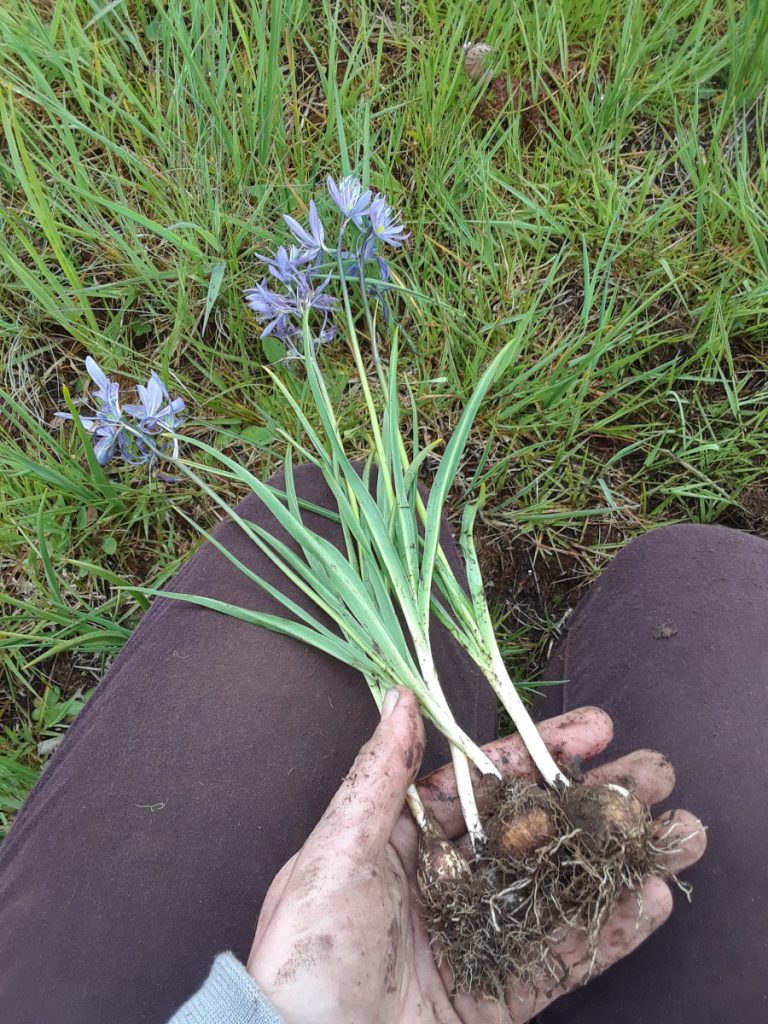
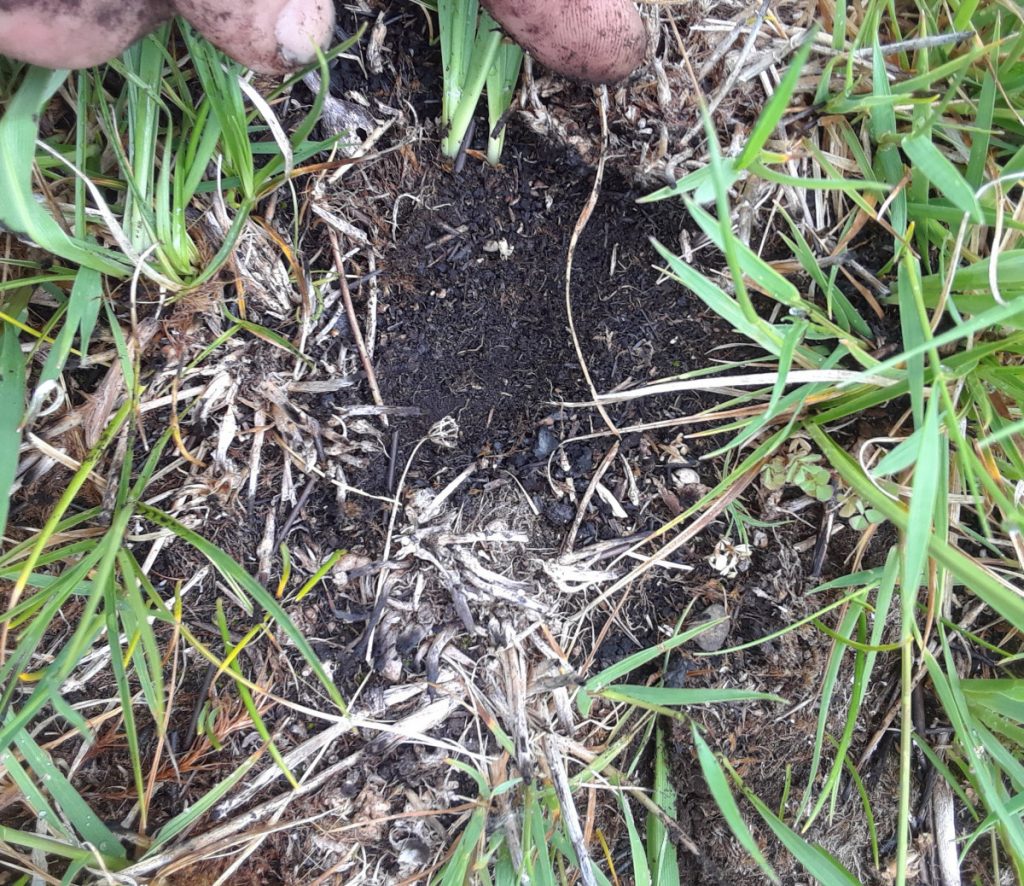
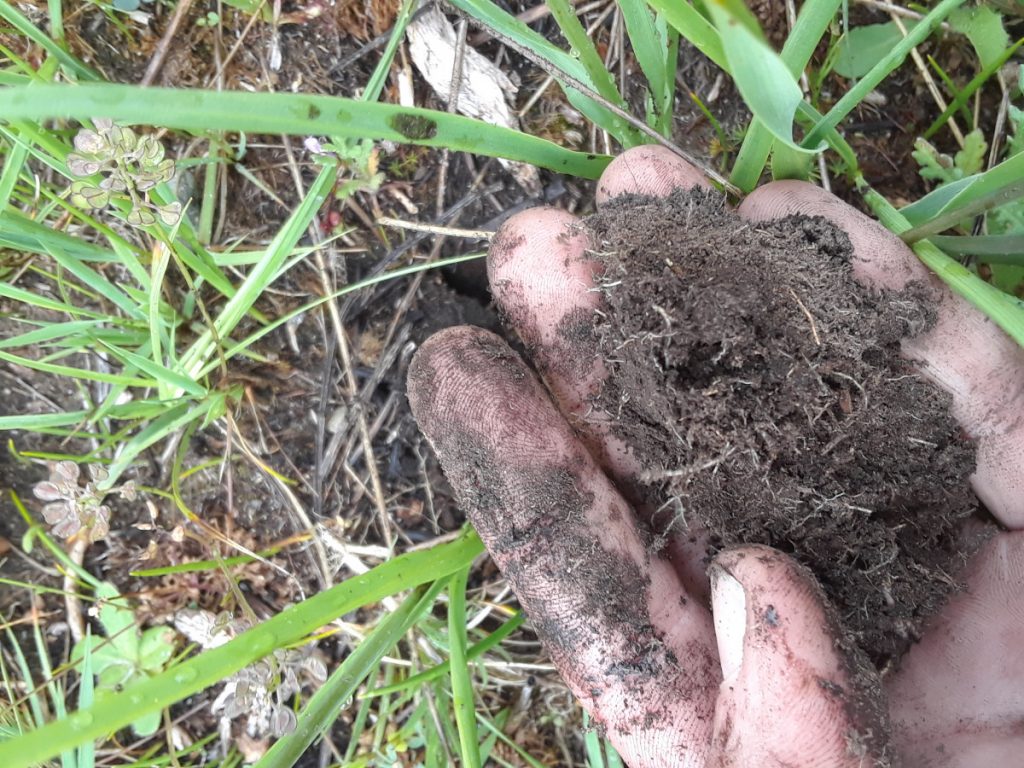
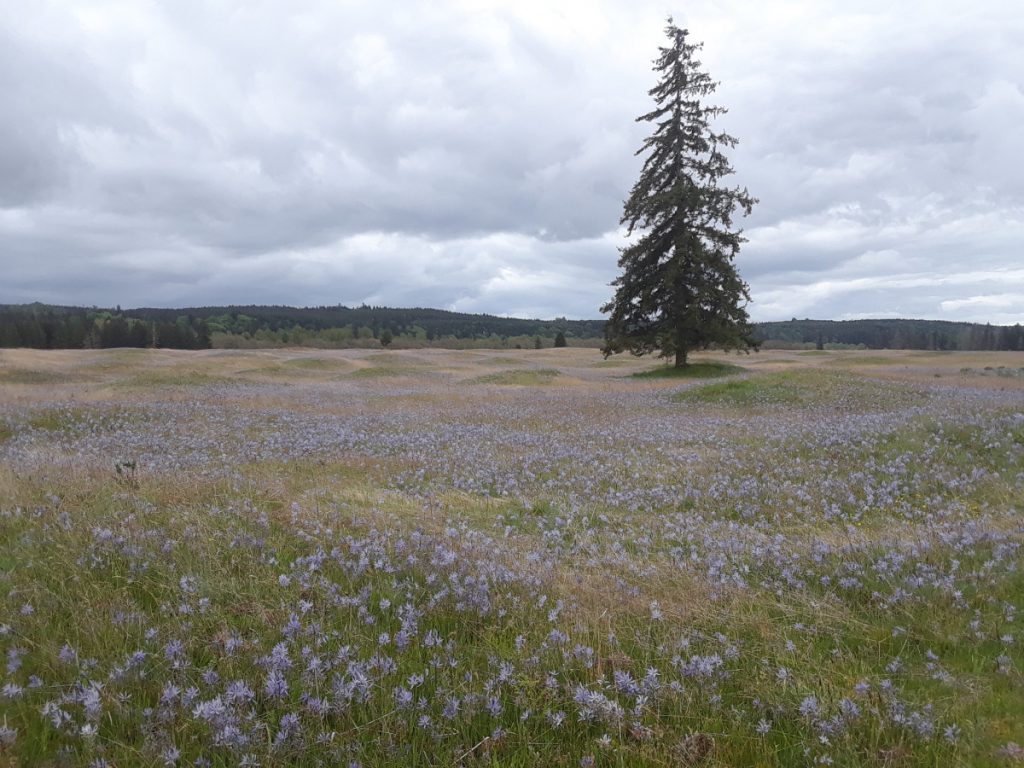
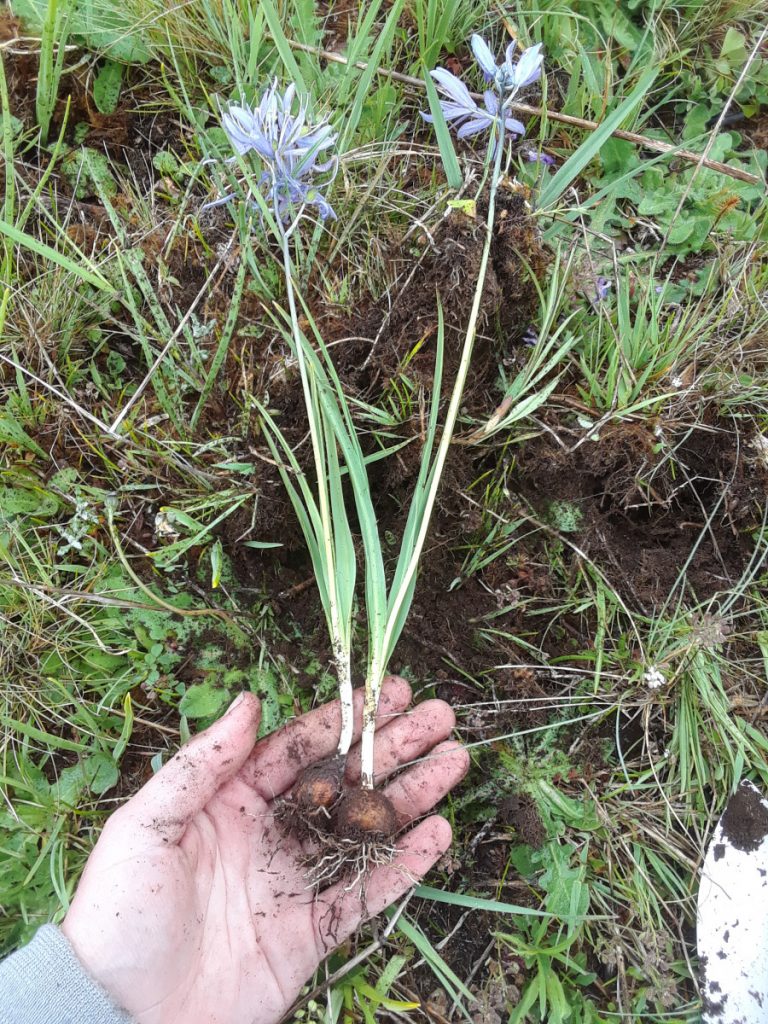
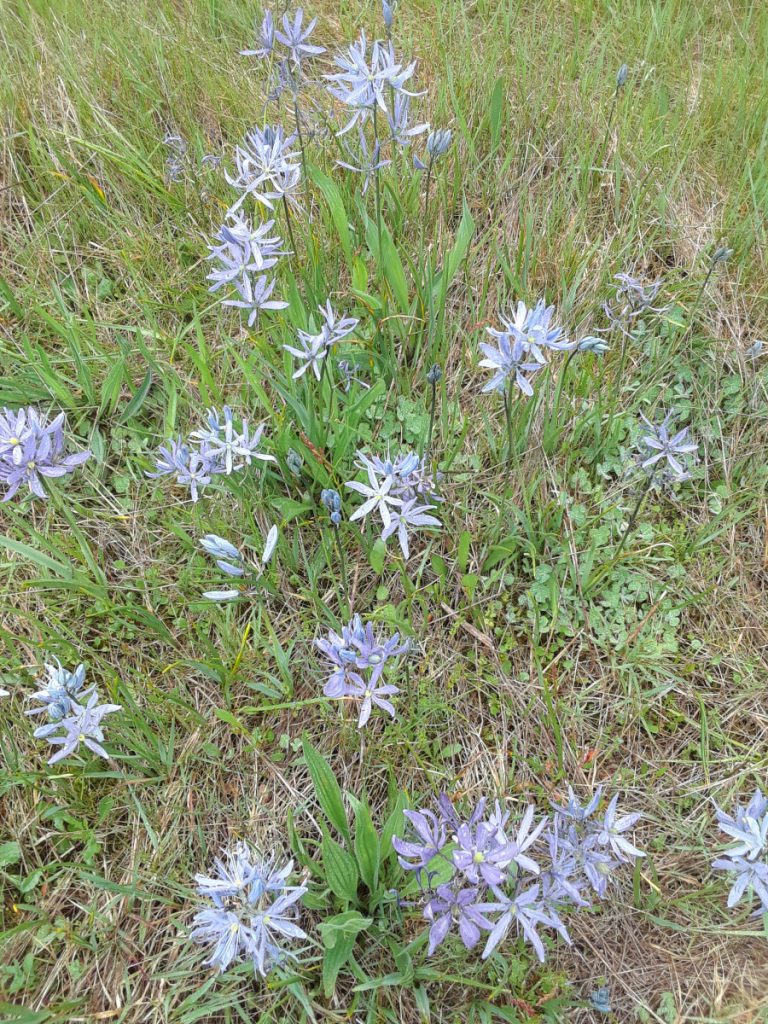
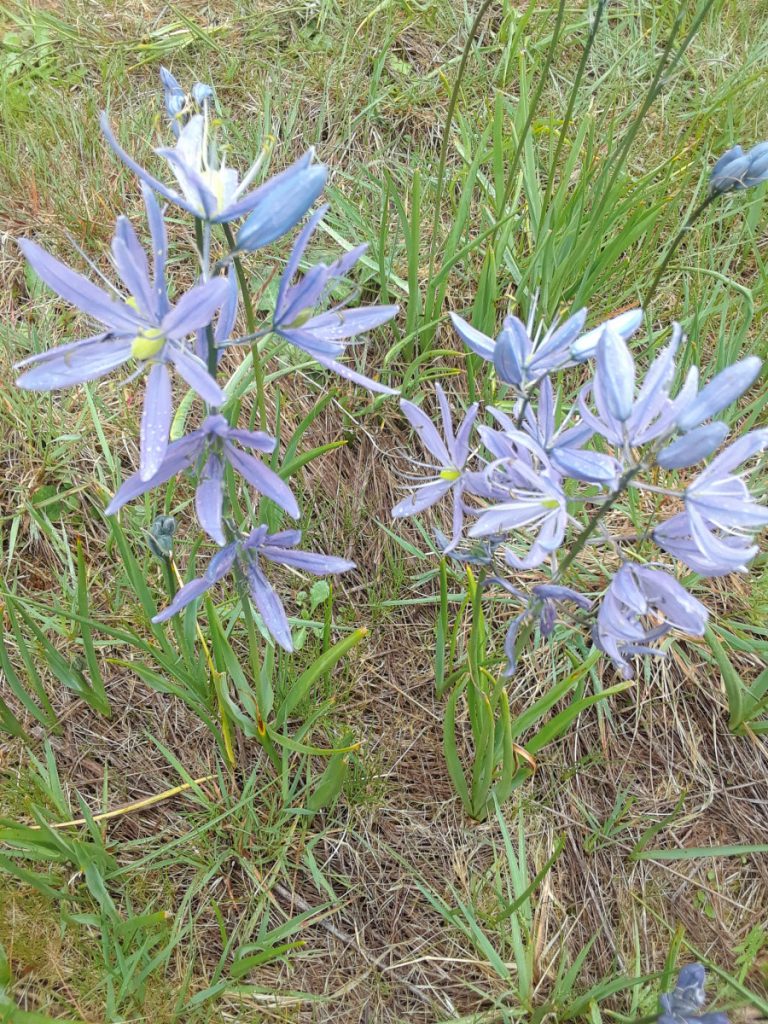
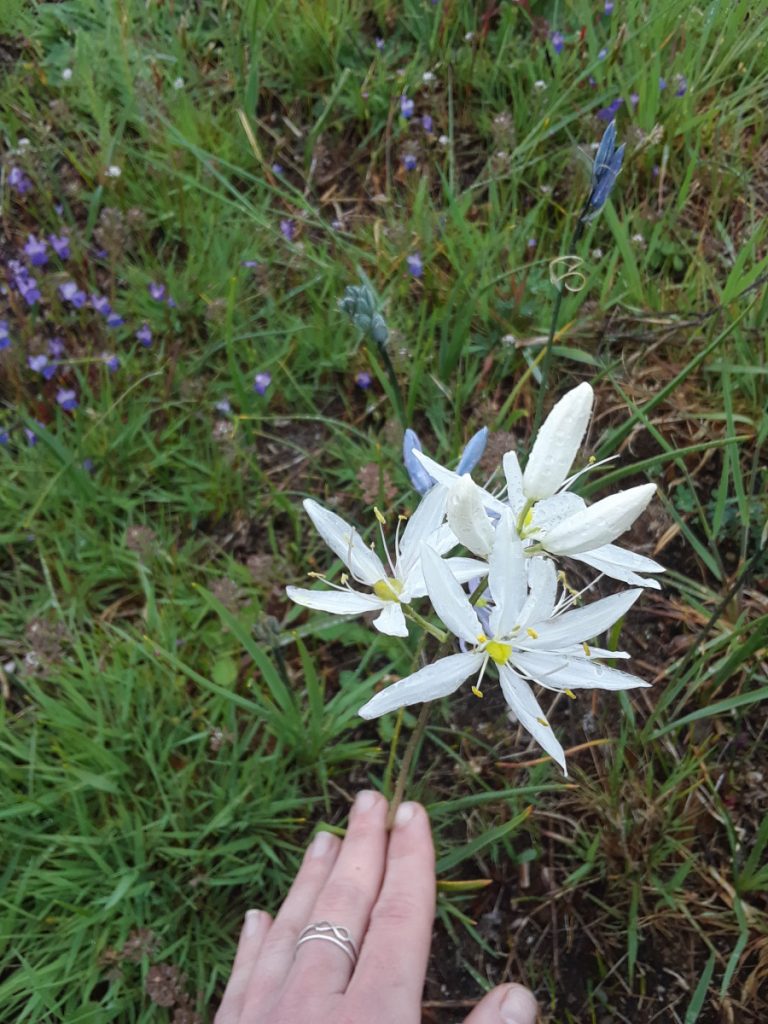
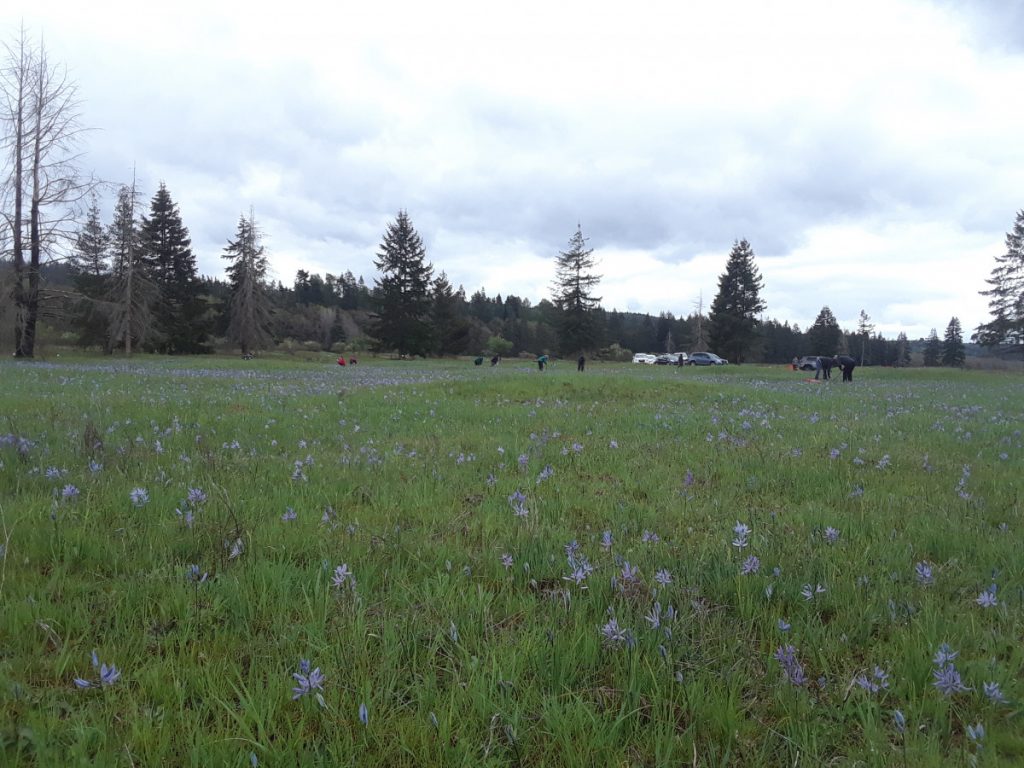
Glacial Heritage Preserve is a sliver of prairie owned by Thurston County. On various websites, this site is described as “an example of the Puget Prairie ecosystem seen by settlers in the 1800s” but more importantly it is the ecosystem Salish tribes inhabited and tended for thousands of years. The Squaxin Island Tribe held a camas harvest there and I joined them. Members of the group had traditional digging picks made of bone or antler, to sink down into the earth 2 inches away from the camas stem and 4 to 6 inches down, pushing up, to uproot the camas bulb. Some were buried even deeper. I used a hori-hori knife. The soil was stony, hard to dig through, full of roots and plant matter, and also had a silky smooth feel to the silt. There was a 1/4 inch layer of soot over the entire area we stood. The preserve is divided into different sections that are burned periodically. Generally, the area is closed to the public so I felt very grateful to be able to be there.
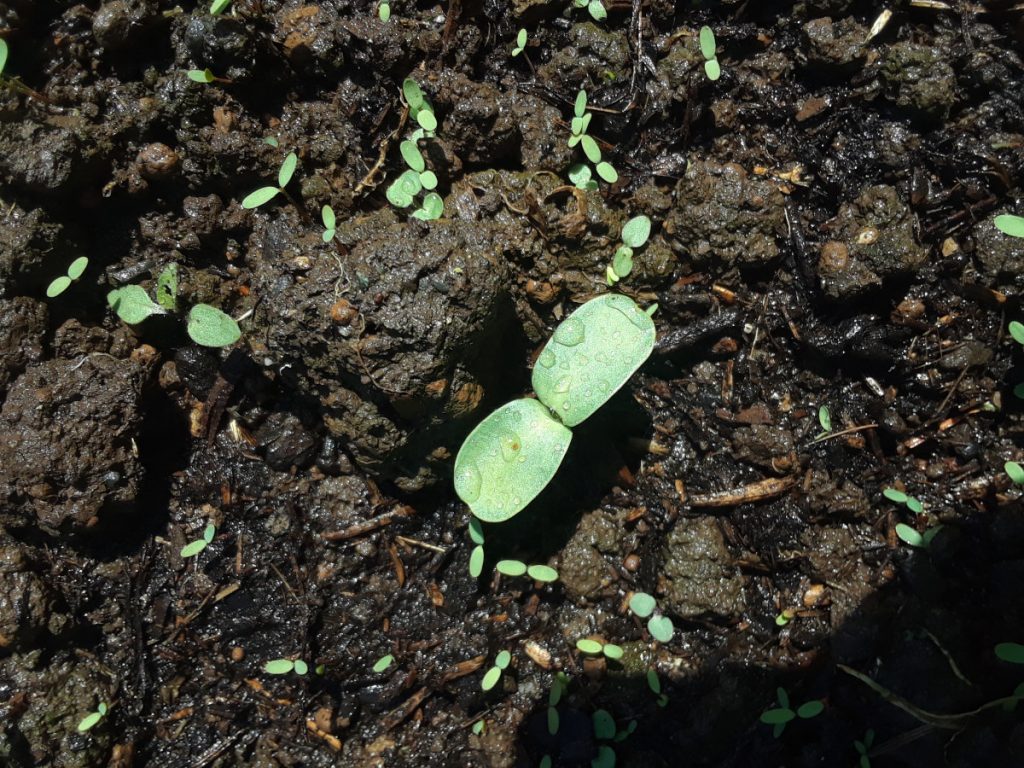
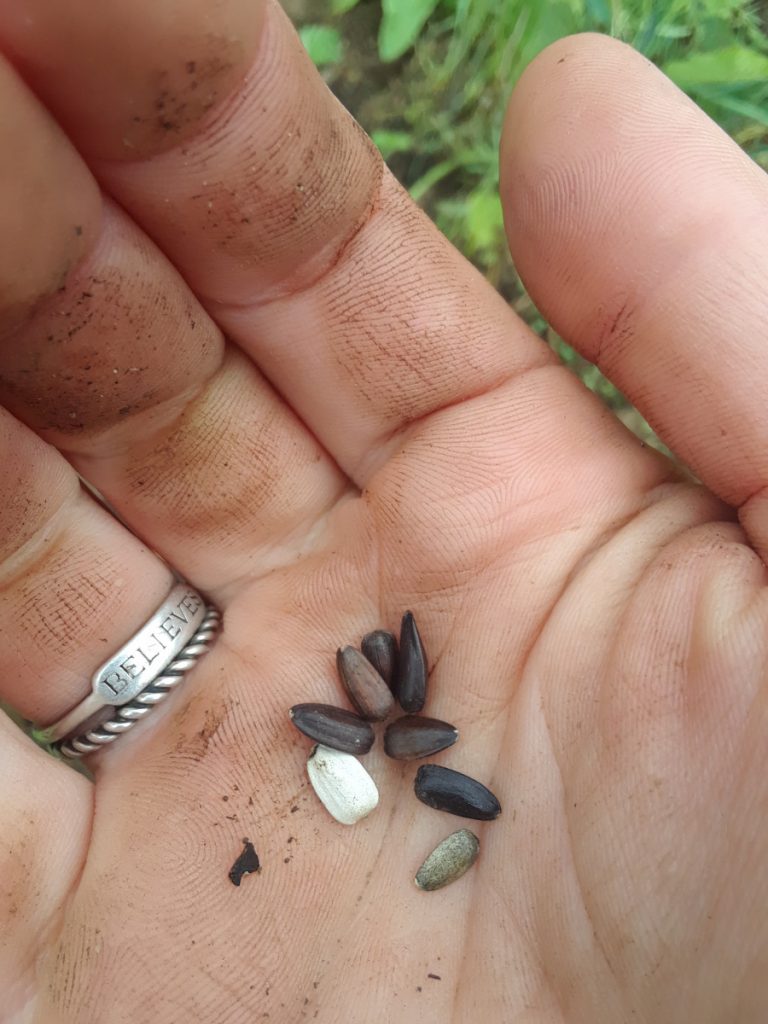
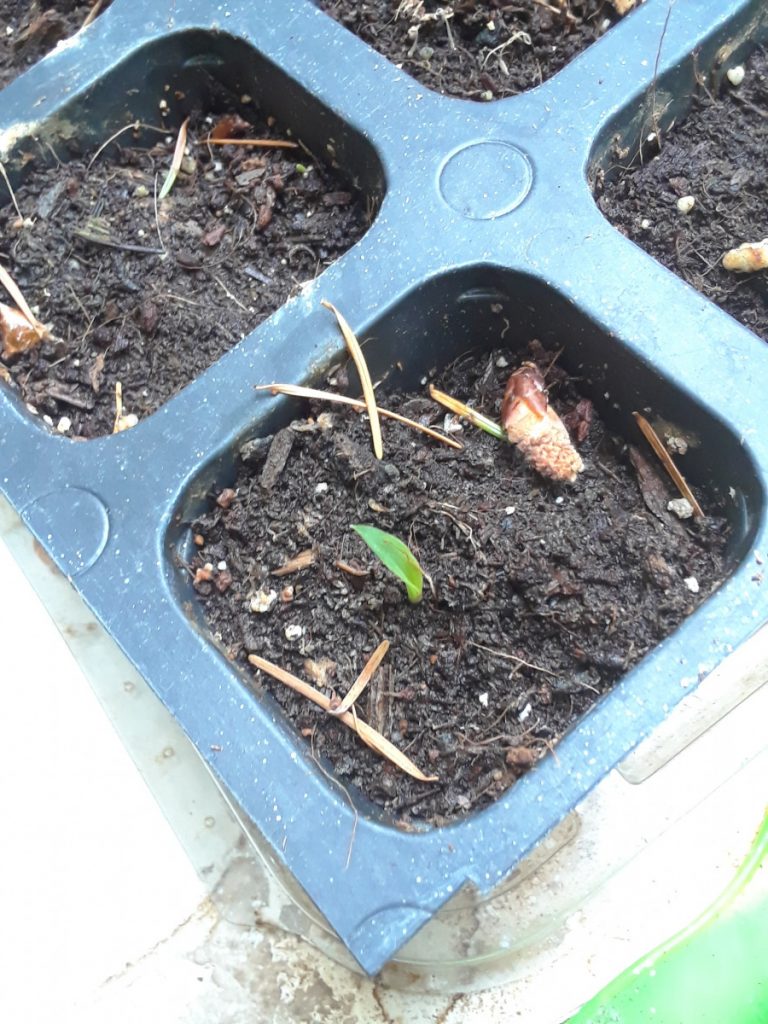
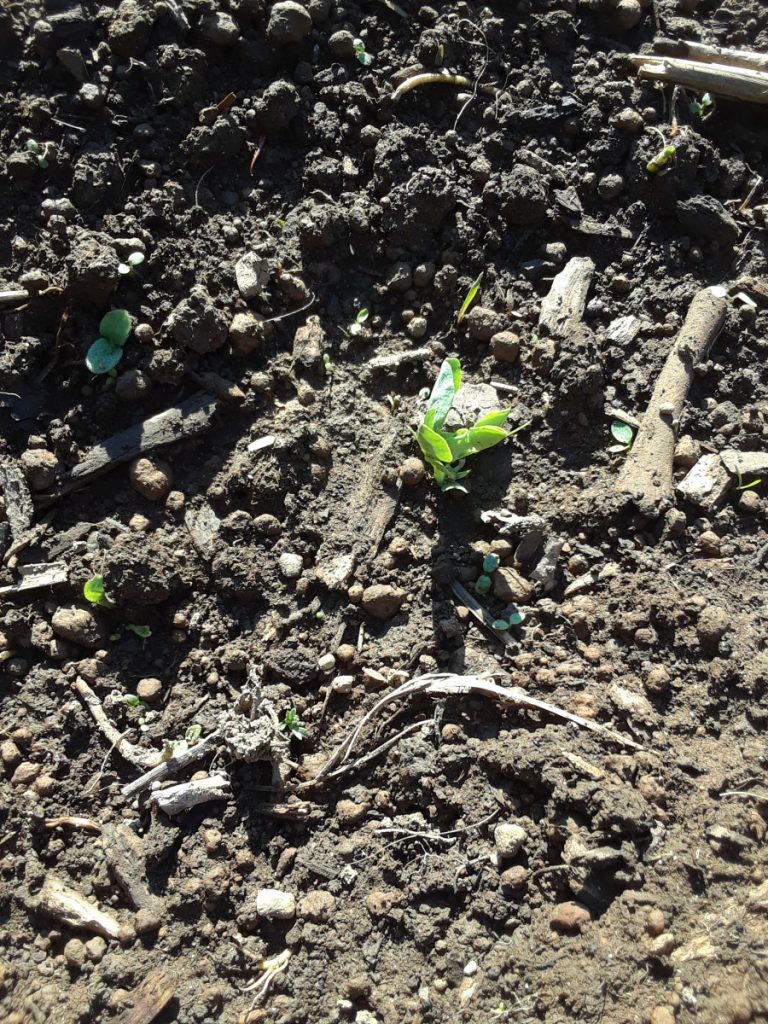
Is it a sunflower? Or is it a thistle? Time and warmth will tell. I also found that the calendula and nasturtium have sprouted, huzzah!
Duck Tales: Peace and Eggs At Last
After nearly two weeks of moody broody behavior, the ladies have finally gotten over their baby fever and territory issues and have gone back to napping together and laying eggs. Rejoice! I have made an effort to keep them entertained and well fed, as their daily gifts are quite delicious and appreciated.
Herb Garden is Complete!
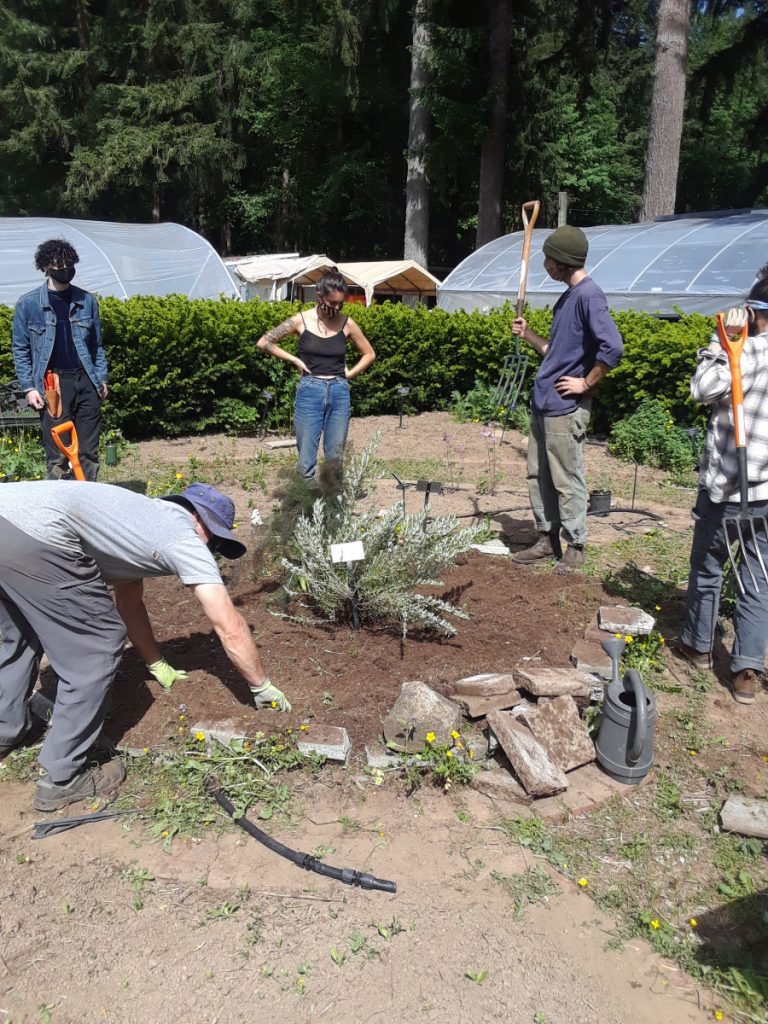
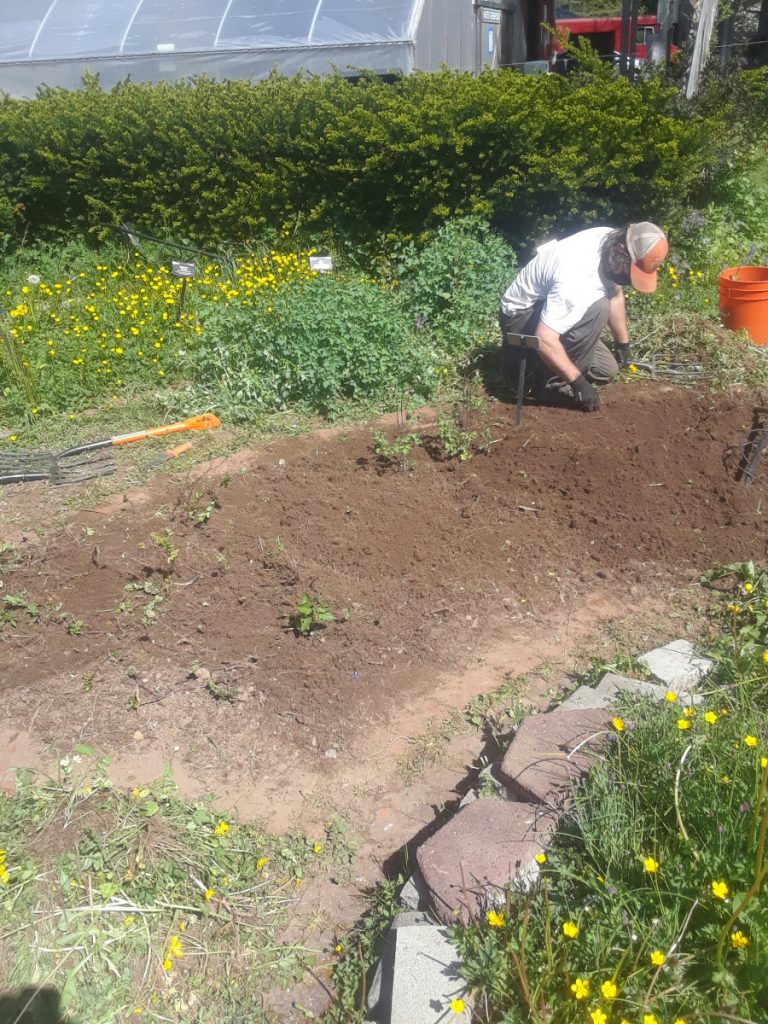
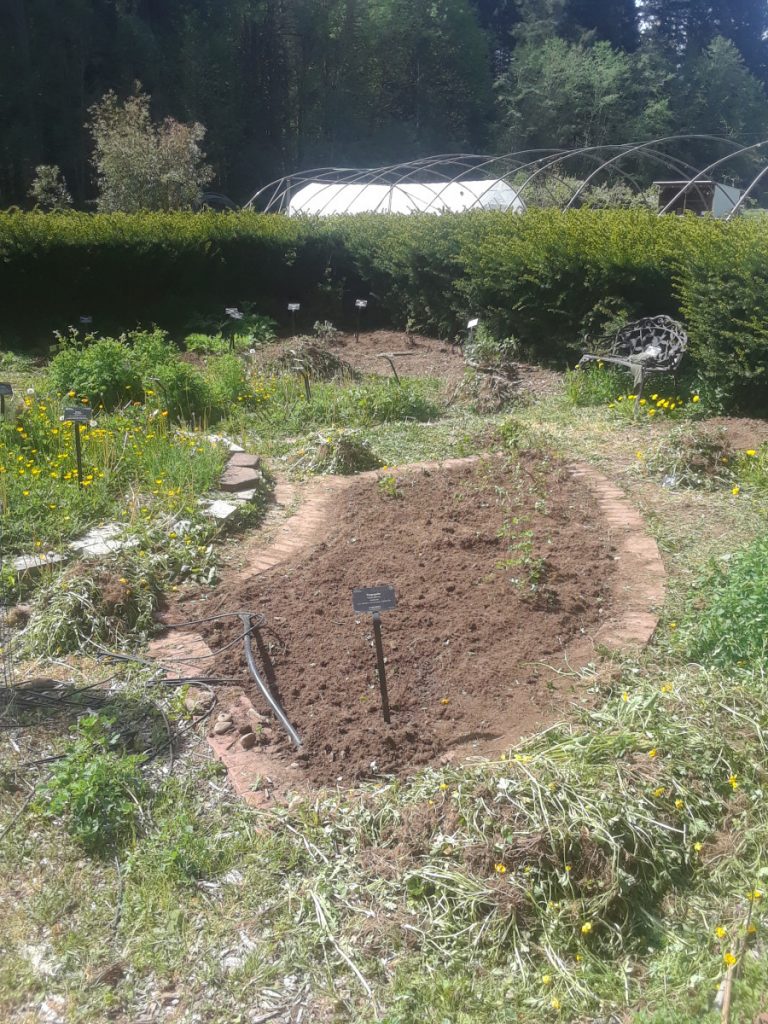
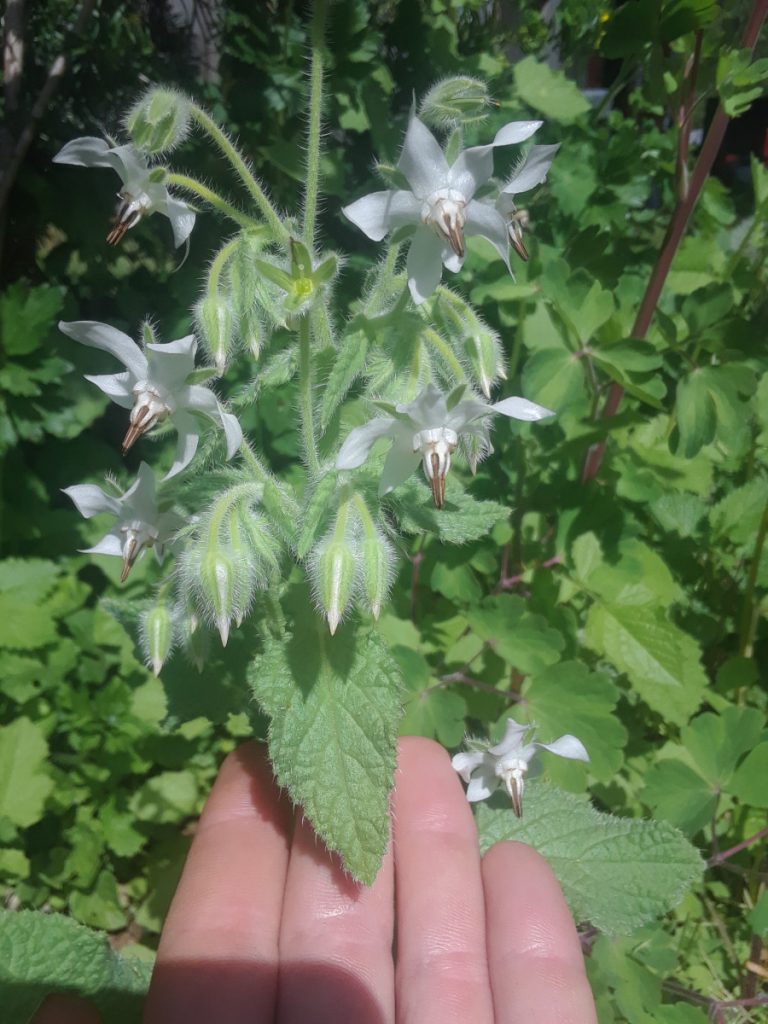
We lent a final hand raking hedge clippings to use as mulch in the paths, while mint was planted. Now it looks like a real herb garden! I said hello to the white borage once more and will check back periodically to look for seeds. It was a such a cool opportunity to work in this space.
Keep the Gardens Watered!
With seeds in the ground in several places and (finally) warm temperatures, watering will be of most importance this week. Including for humans, so stay hydrated while you catch some vitamin D.
SeedLinked: Gathering Info
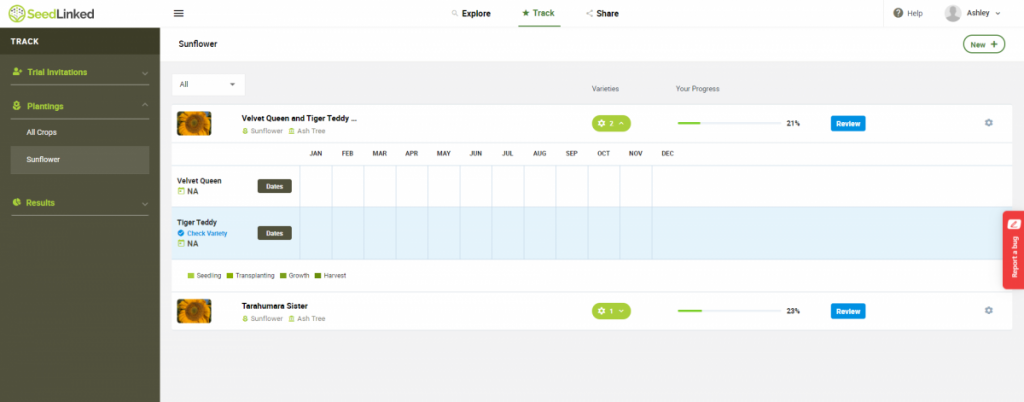
I have started entering in data to SeedLinked, such as the date the sunflowers were seeded. I am looking forward to having more time to spend on learning how to navigate SeedLinked better because it is really a cool website and tool. I am grateful for an introduction to this useful technology and see it being an important, relevant tool in the future.
Culinary Breeding Network partners with Log House Nursery!
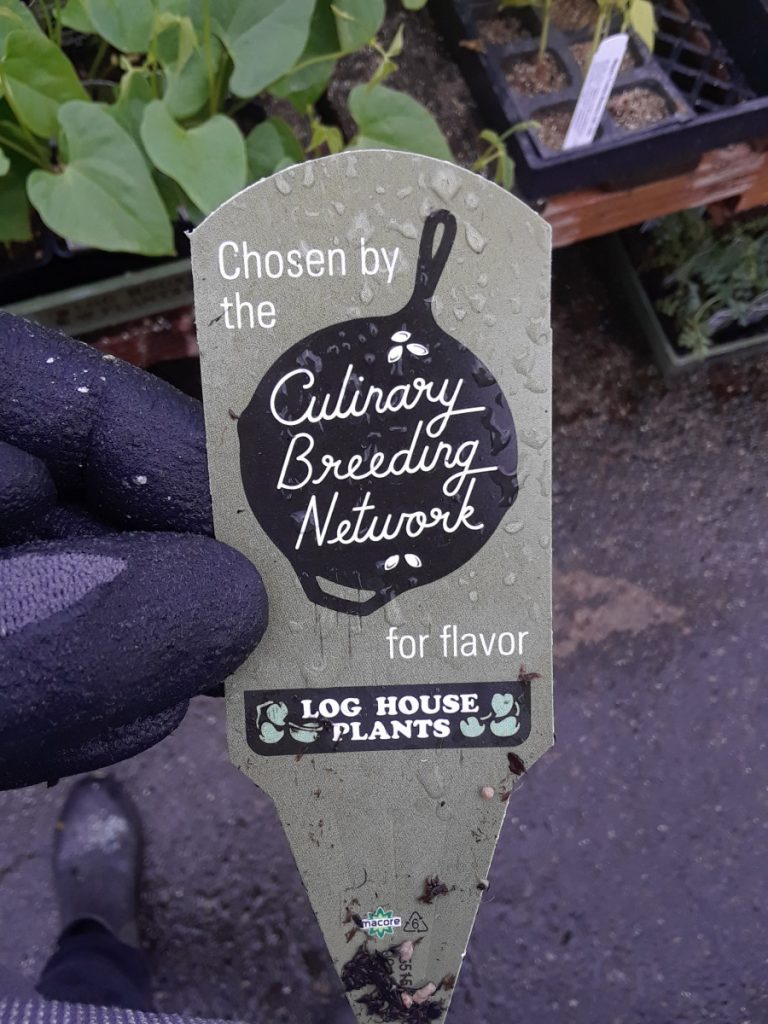
Spotted in the wild, the Culinary Breeding Network has partnered with Log House Plants to bring varieties that they have chosen for flavor! All their hard work is paying off and reaching so many people! Now when people ask me, “What’s a good [insert any vegetable here]? I just want a good one.” I can look for these new tags and be sure, that this one is a good one. We got several trays of this selections in eggplants, peppers, kales, cucumbers, beans, and chard. I’m looking forward to seeing more!
WEEK NINE: Sowing Sisters
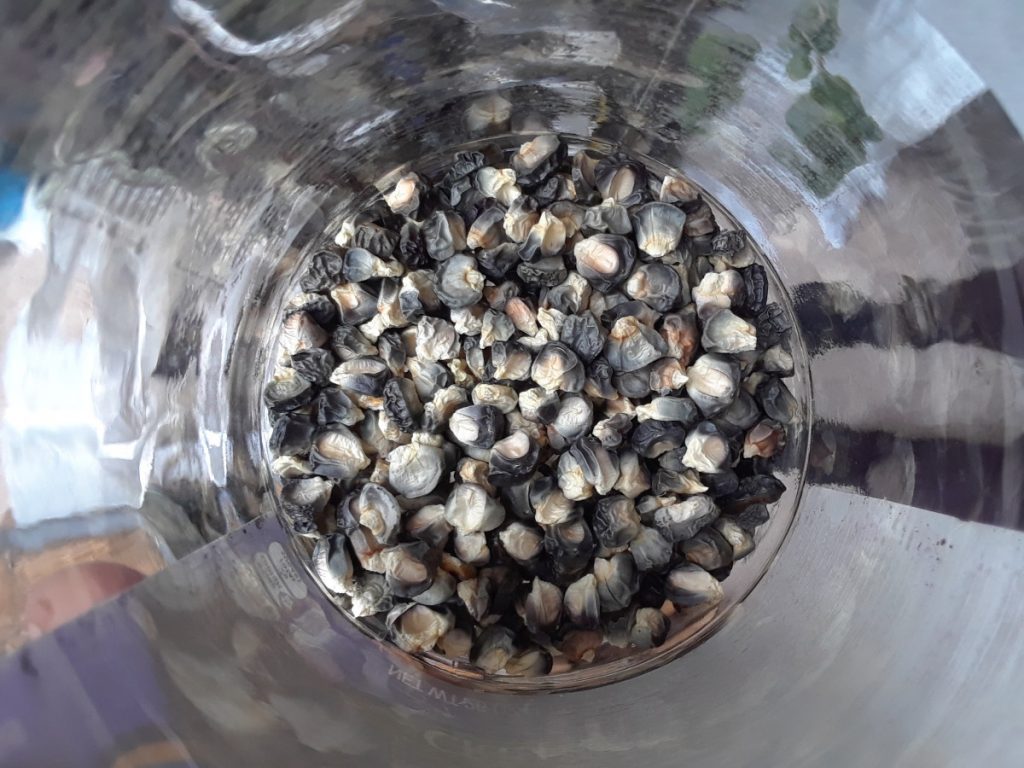
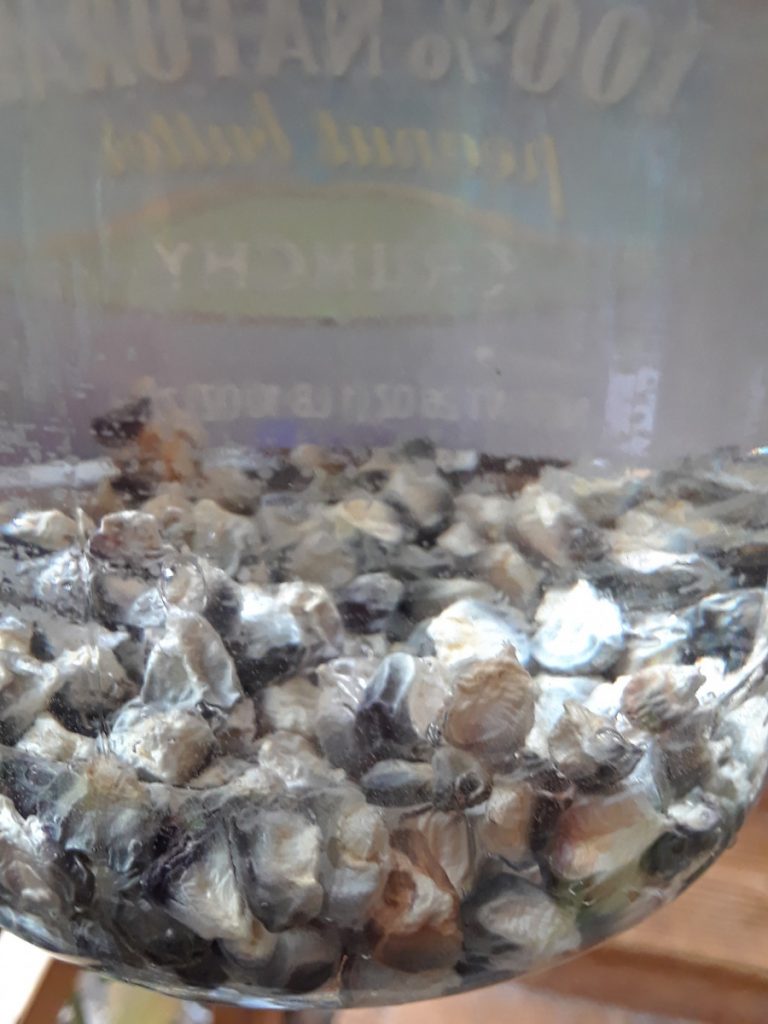
Long awaited, we have planted the corn! Hooker’s Sweet Blue Corn, and she is beautiful.
Hooker’s Sweet Blue Indian Corn was supposedly developed, other sources say “obtained” by Ira Hooker in the 1920s near Olympia, Washington. I wanted to set myself up for the best success so a variety from this area and used to PNW weather sounded like a good idea. It matures early in 75 to 80 days, producing 4 to 4.5 foot tall stalks with 5 to 7 inch ears that start white and yellow and mature to a blue blush. I cannot wait to taste this corn.
All watered in
Evergreen Community Garden: Harvests!
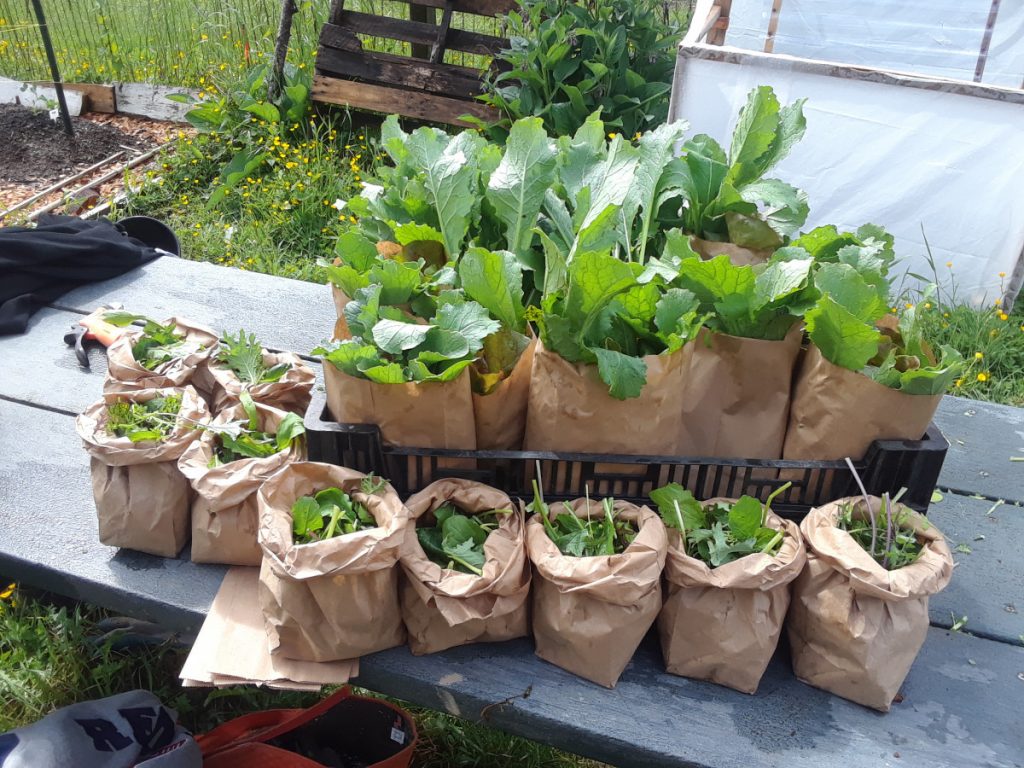
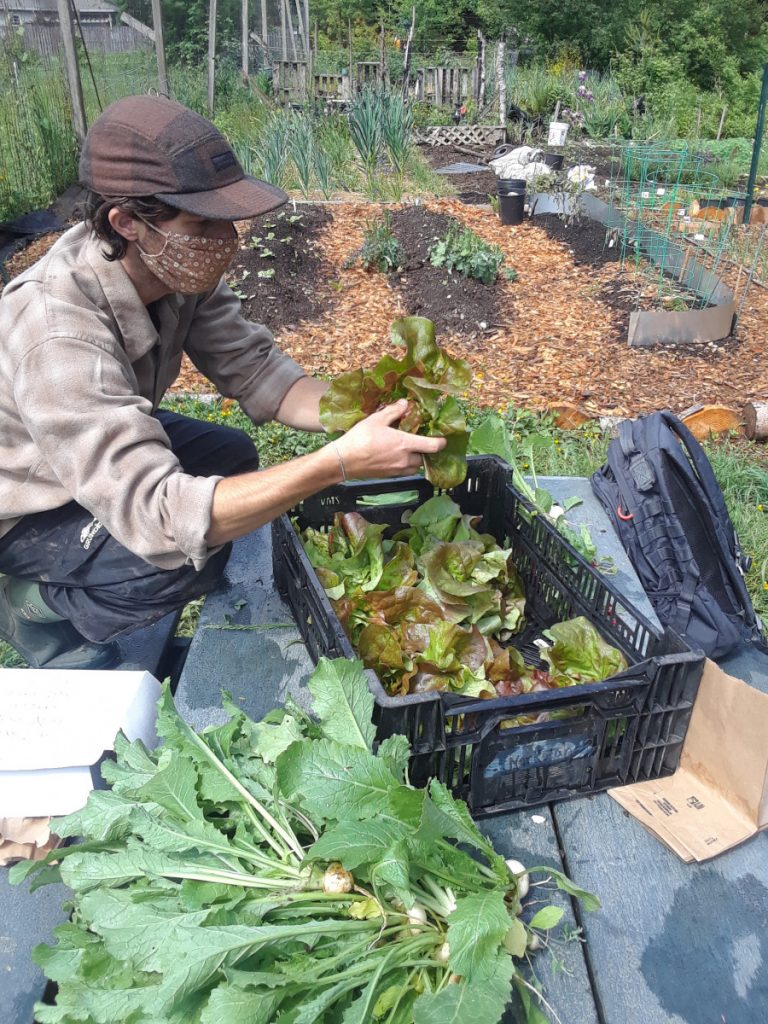
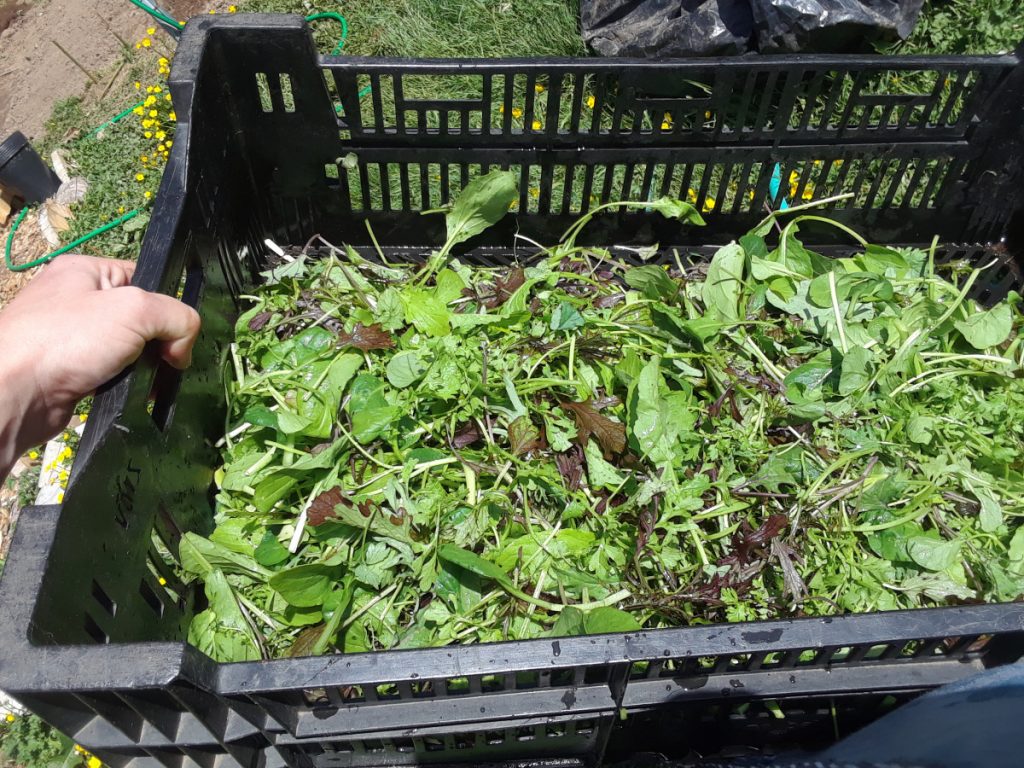
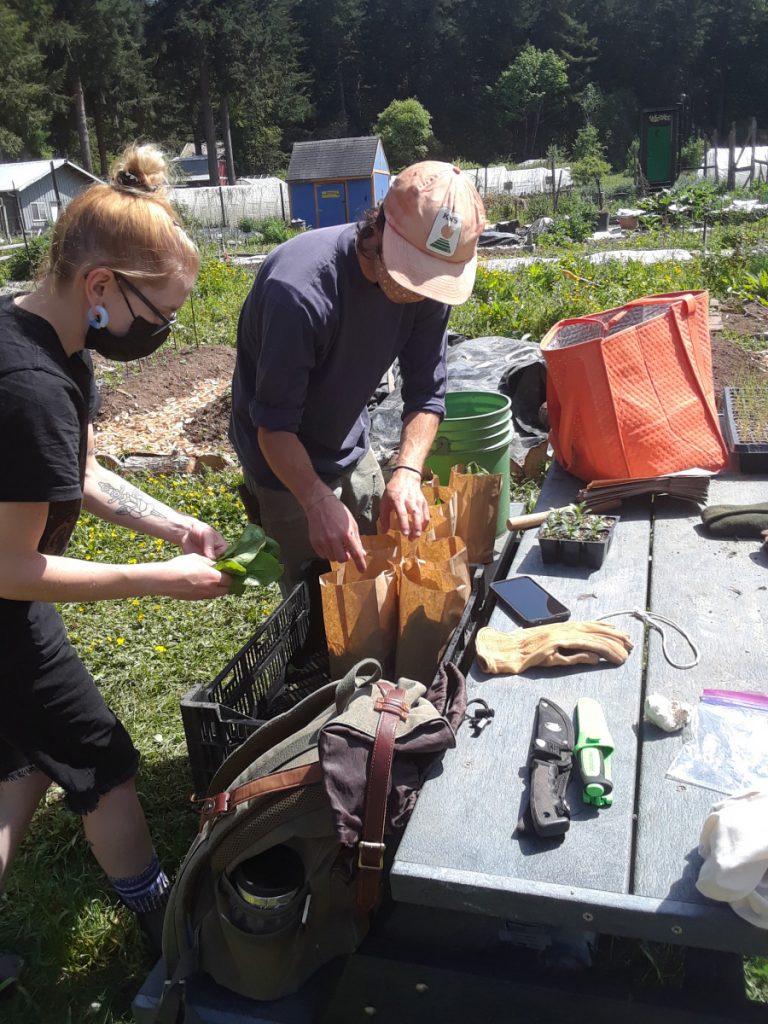
The brown bags are of spicy lettuce mix. The large bags have radish, turnips, and this gorgeous red and green head lettuce. We washed and bagged and distributed the harvest to classmates.
Our wonderful TA, Caleb Poppe!
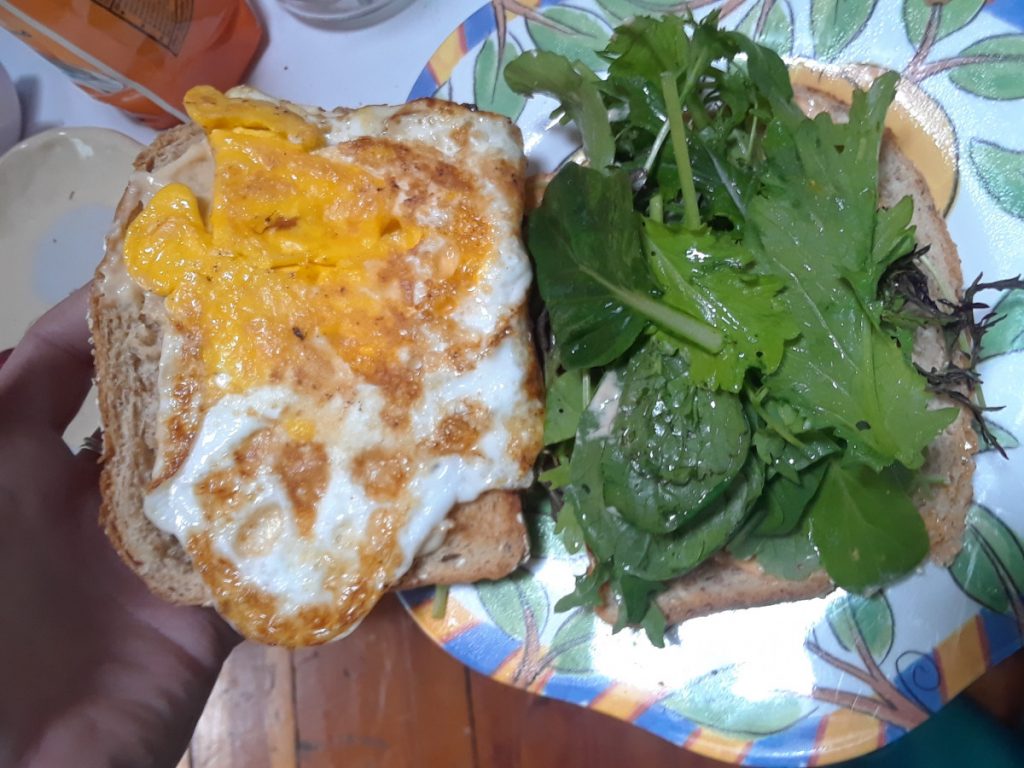
What a great way to wrap up the quarter! I enjoyed another week of salads and sandwiches, making for one happy herbivore!
Duck egg, garden greens, hummus on wheat
A Spot of Earth for Sunflowers:
I planted more sunflowers! I knew I had to get them in the ground soon so I just went for it and made several lines here for them.
The two varieties planted here are Velvet Queen and Tiger Teddy. Velvet Queen has a black center with deep red and orange colors, 7 foot tall stakes and 10inch blooms. The Tiger Teddy is a hybrid of Tiger’s Eye bi-color and Teddy Bear sunflowers, produce orange and sunset colored double petal blooms. Both varieties make for excellent cut flowers.
Buzz and Blossom: Corn, Squash, and Brussel Sprouts
Corn Patch
Bed of Brussel Sprouts!
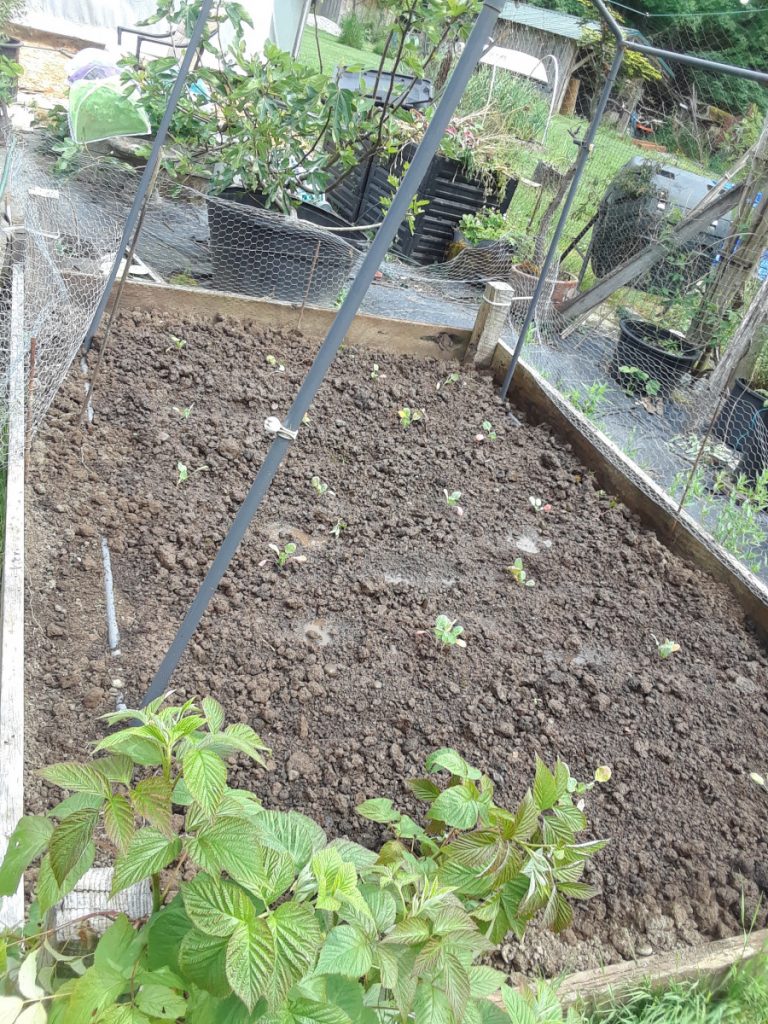
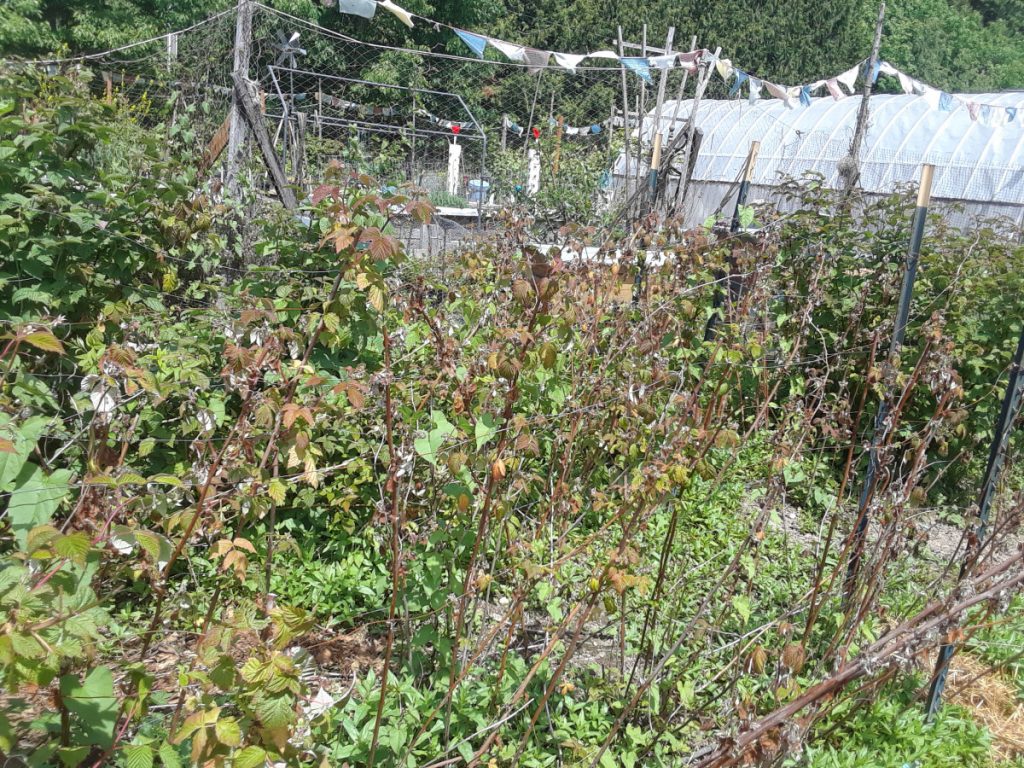
We got a lot of work done in Buzz and Blossom. We planted corn and squash, delicata and yellow summer squash, and a bed of Brussel sprouts. Unfortunately we lost a patch of the raspberry lines to mole tunnels. They dug huge tunnels right under and all the plants above those tunnels dried up and died.
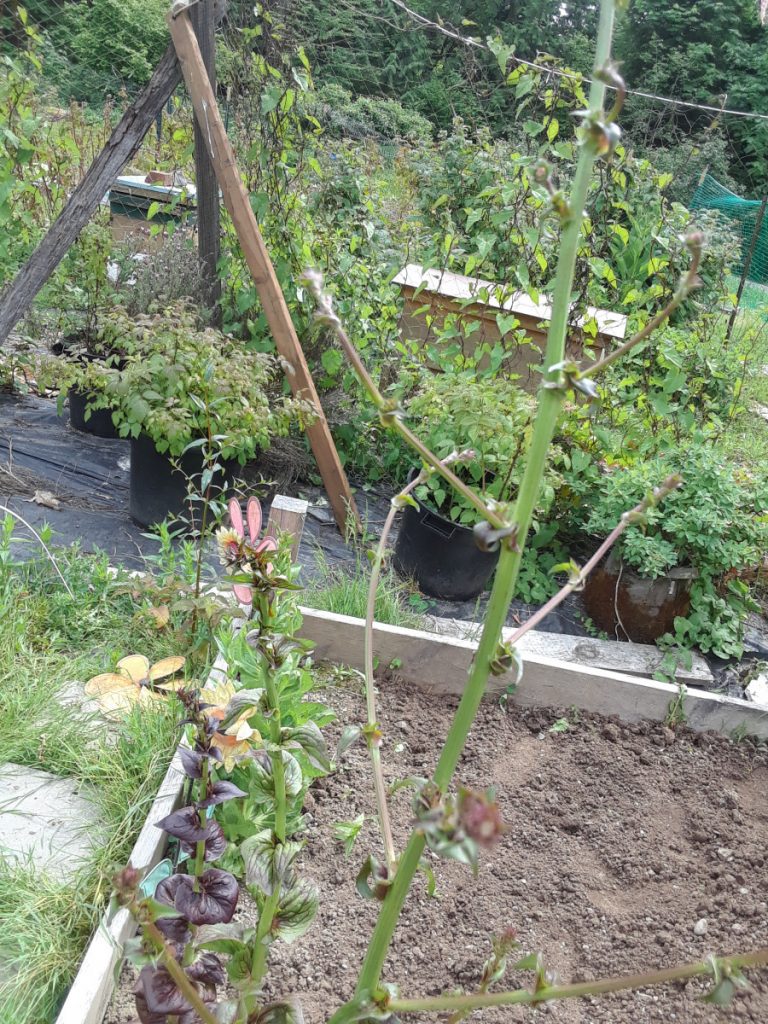
The radicchio I planted last fall has gone to flower! I am definitely going to collect seeds and try again.
Fruit and Seedling Update:
How can I even compete?
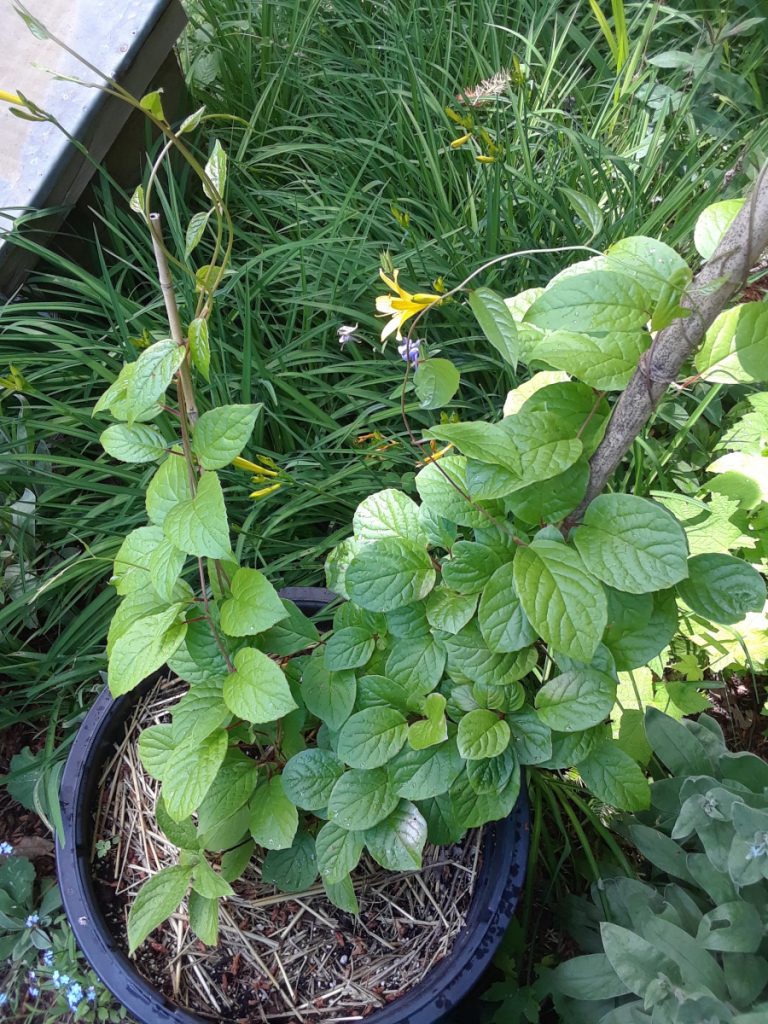
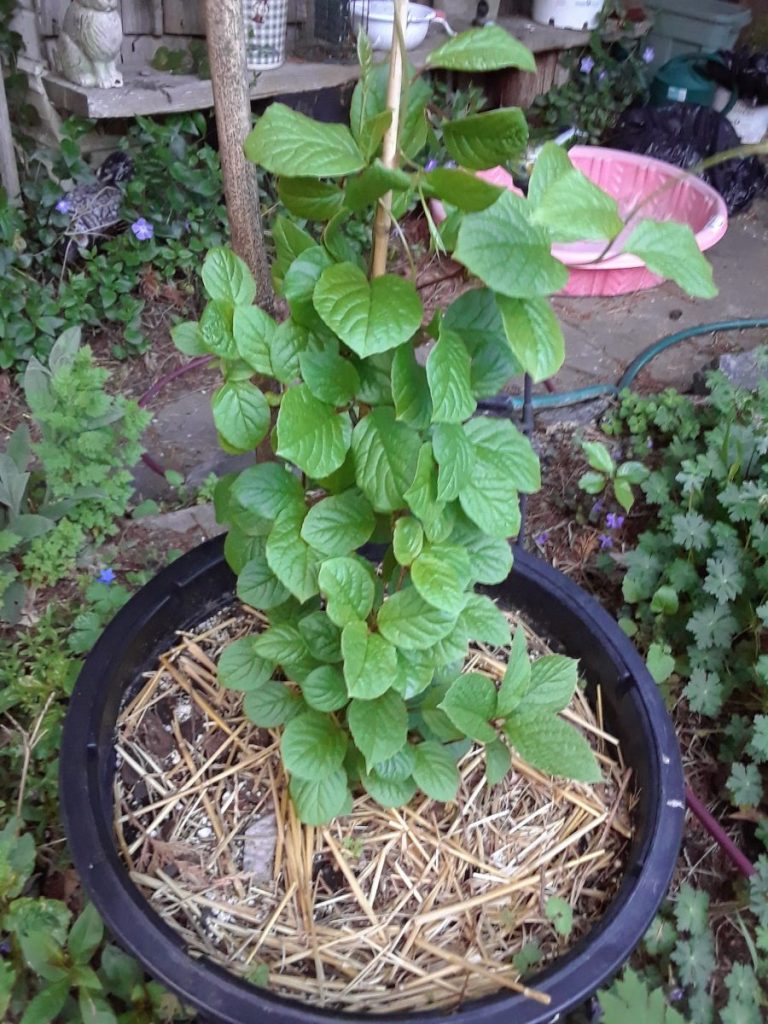
Schisandra Vine!
The Schisandra Vine has doubled in size. I’ll need to add another pole to climb on soon for the other shoots. The plant mass itself has many vines coming out from the root ball. I’m wondering how tall it will be by the end of the season.
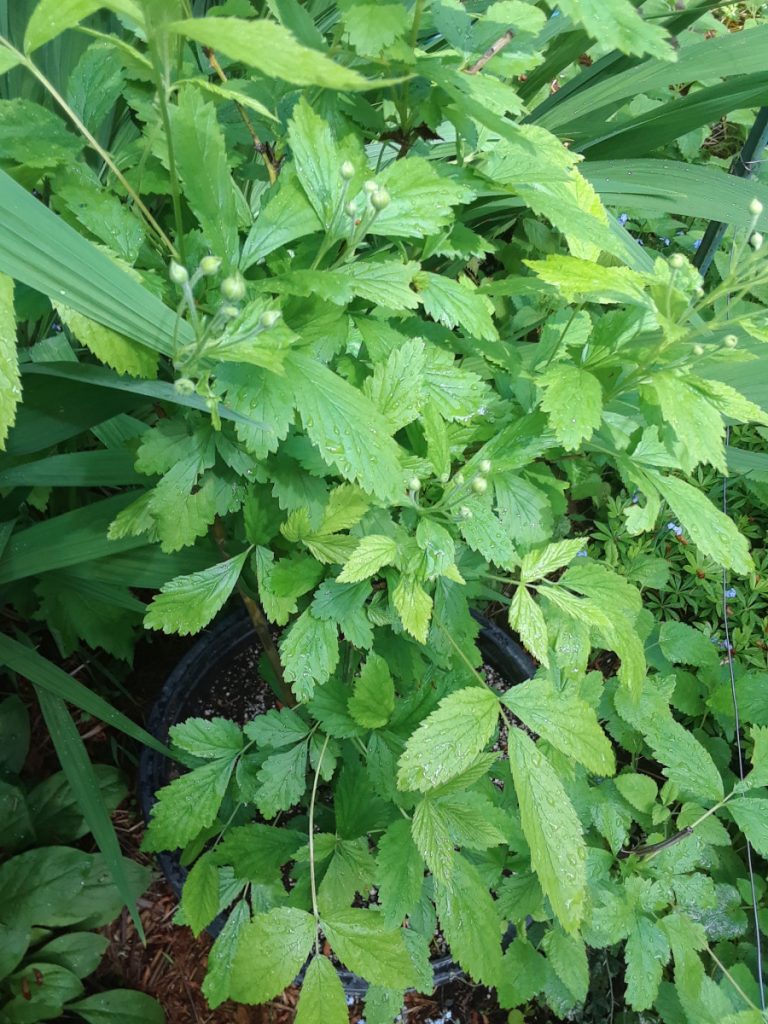
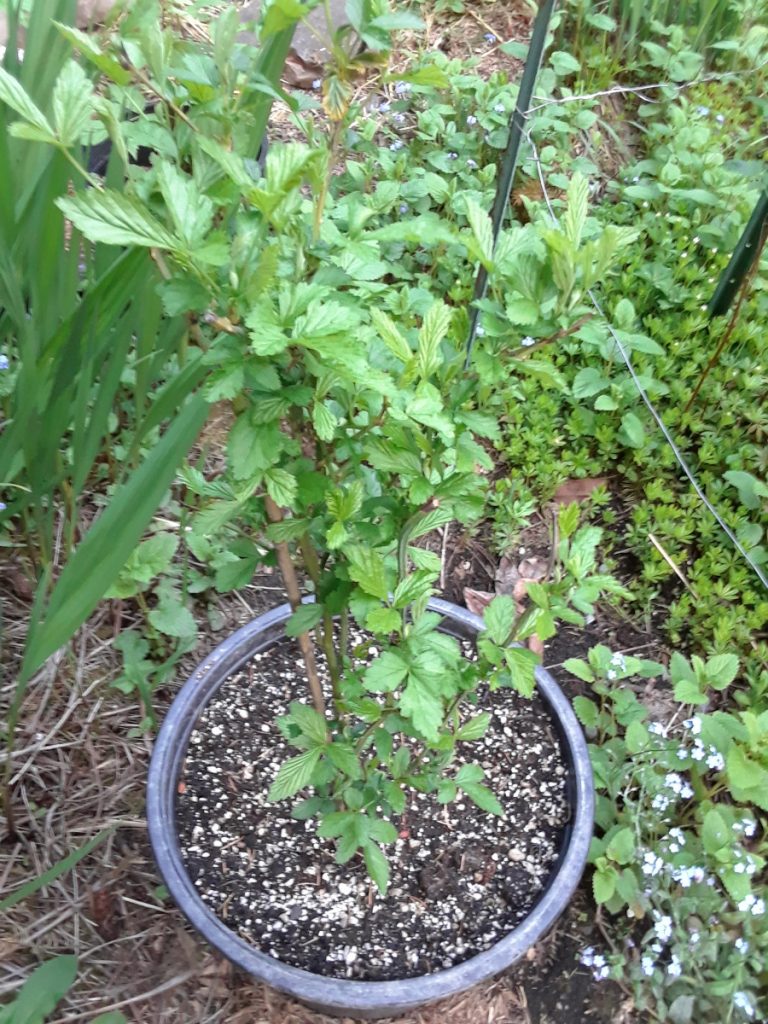
Snowbank Blackberry
The snowbank blackberry has flower buds! They look pretty green but there are several of them! The cane has gotten twice as thick as well since I planted it. I am really looking forward to tasting these berries. Perhaps I’ll muddle them with gin and tonic for a summer cocktail.
Seedlings are in okay shape. I definitely learned a lot of lessons here. I had some loss to birds and cold weather, as I brought them in and out and forgot them outside once or twice. Not a total loss though, I will have around 8 or 10 lettuce and 5 or 6 strong broccoli starts to sow at Buzz and Blossom. I need more warmth to have more success with seedlings.
This is a green spider plant! Sprouted from seed! I have 2 different kind of variegated spider plant and collected this seed from a non variegated spider plant. It worked!
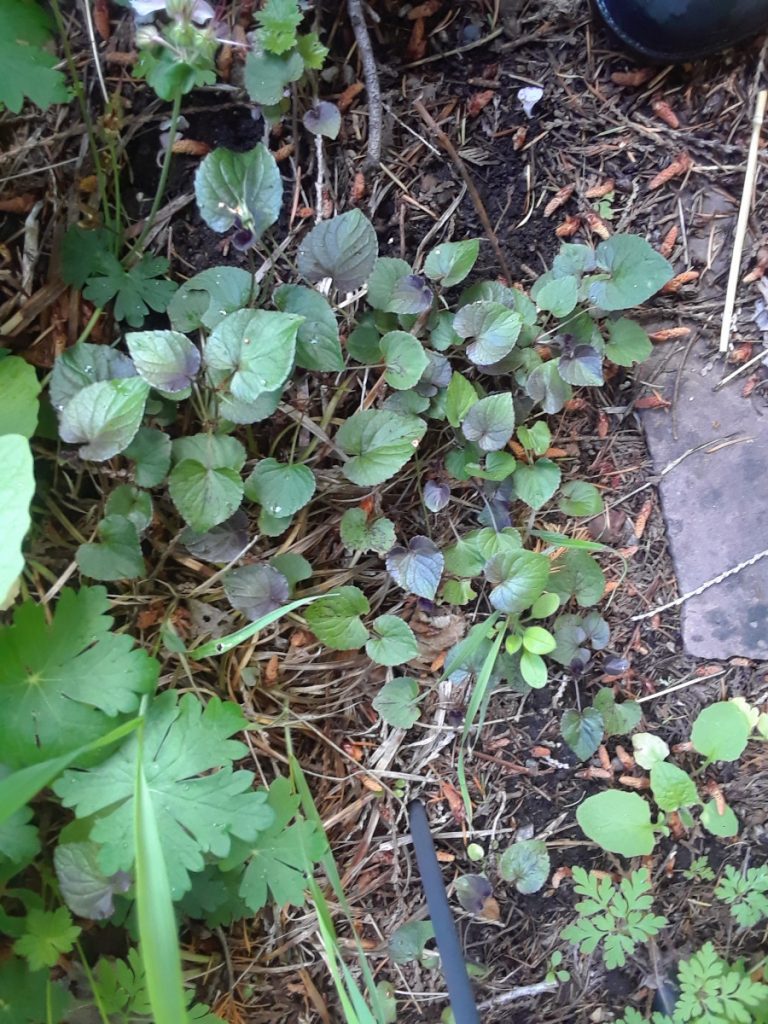
I’ve noticed patches of wild violet in my gardens. I always try to keep clear of them because they are just beautiful at the beginning of spring.
WEEK EIGHT: Sharing, Side Quests, and Sunflowers
ever thankful
his approach to love he said was that of a farmer most love like hunters and like hunters most kill what they desire he tills soil through toes nose in the wet earth he waits prays to the gods and slowly harvests ever thankful
“Land” by Palestinian poet Suheir Hammad
her approach to love she said was that of a farmer most love like hunters and like hunters most kill what they desire she tills soil through toes nose in the wet earth she waits prays to the goddesses and slowly harvests ever thankful
variation on “Land” by Palestinian poet Suheir Hammad
Side Quest: A Friend In Need
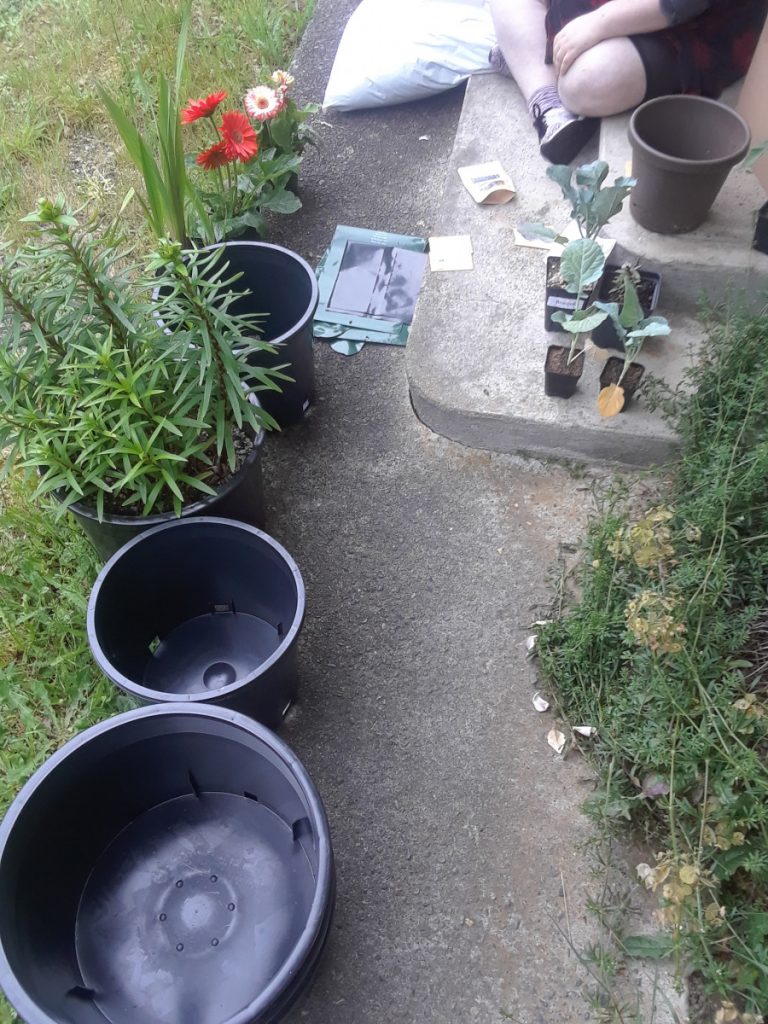
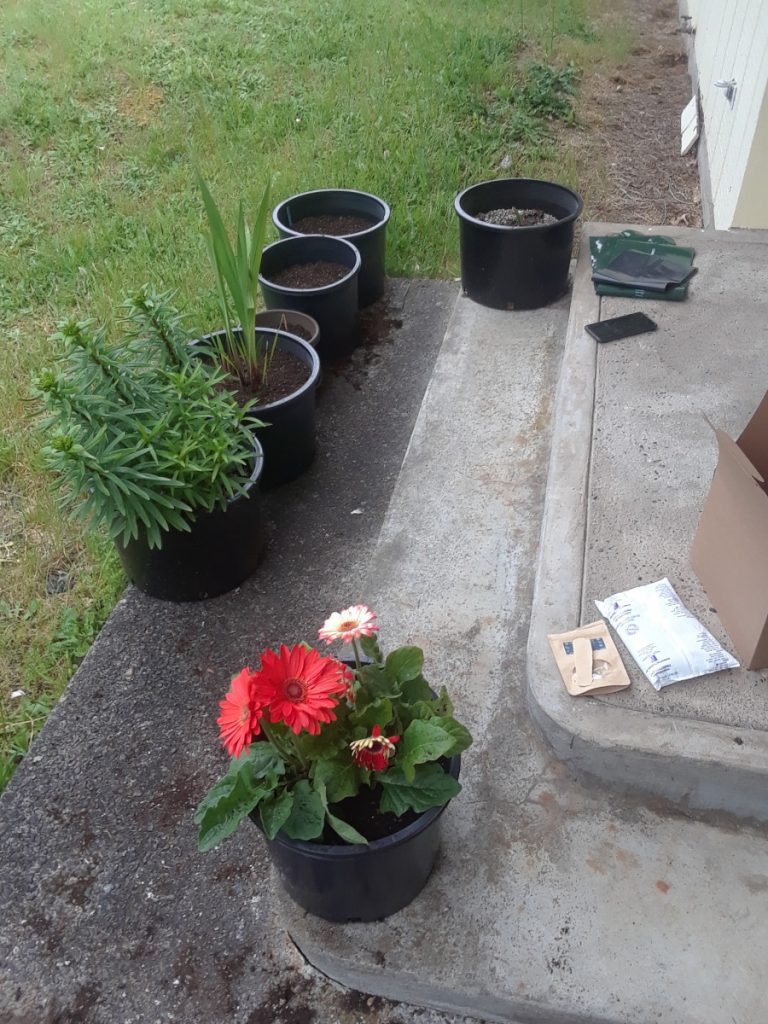
I helped my friend make a container garden! After spending the winter mostly indoors, my good friend O was ready for some spring in her life and asked me to help her get some flowers and veggies planted in containers! I was happy to help.
We planted lily, gladiolus, gerbera daisies, and milkweed and wildflowers from seed. We also planted broccoli and tomato, and cucumber by seed. She is looking forward most to the flowers and seeing how the vegetables progress. I am looking forward to watching her growing interest in gardening.
Sharing with the Community of Community Gardening:
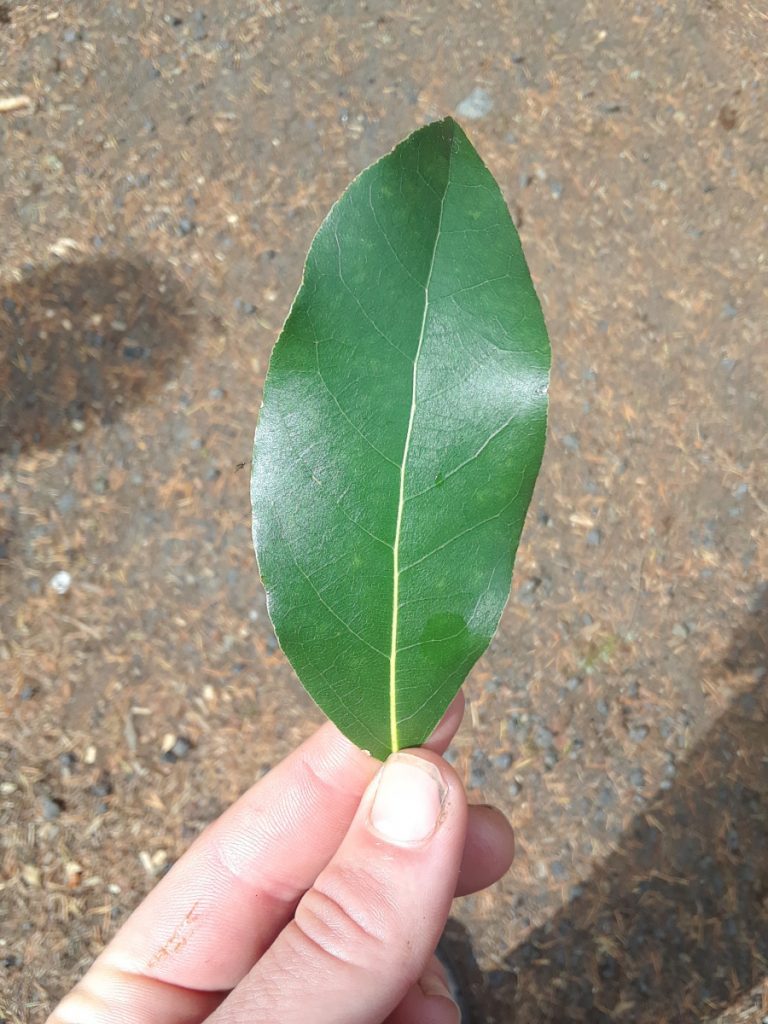
On Tuesday, I shared with classmates some Bay Leaf from a tree in my yard. I was glad to see excited looks on the eyes of my peers. It’s a great tree, about 20 feet tall, probably 20 years old or more. It makes small white and yellow flowers that become hard black berries. It’s very fragrant and makes great tea. I also gave a student who is doing a cooking project a few ducks eggs to experiment with. If you haven’t tried duck eggs, I highly suggest it!
I brought Bay Leaf for class!
Donated Starts to the food bank School Garden Program!
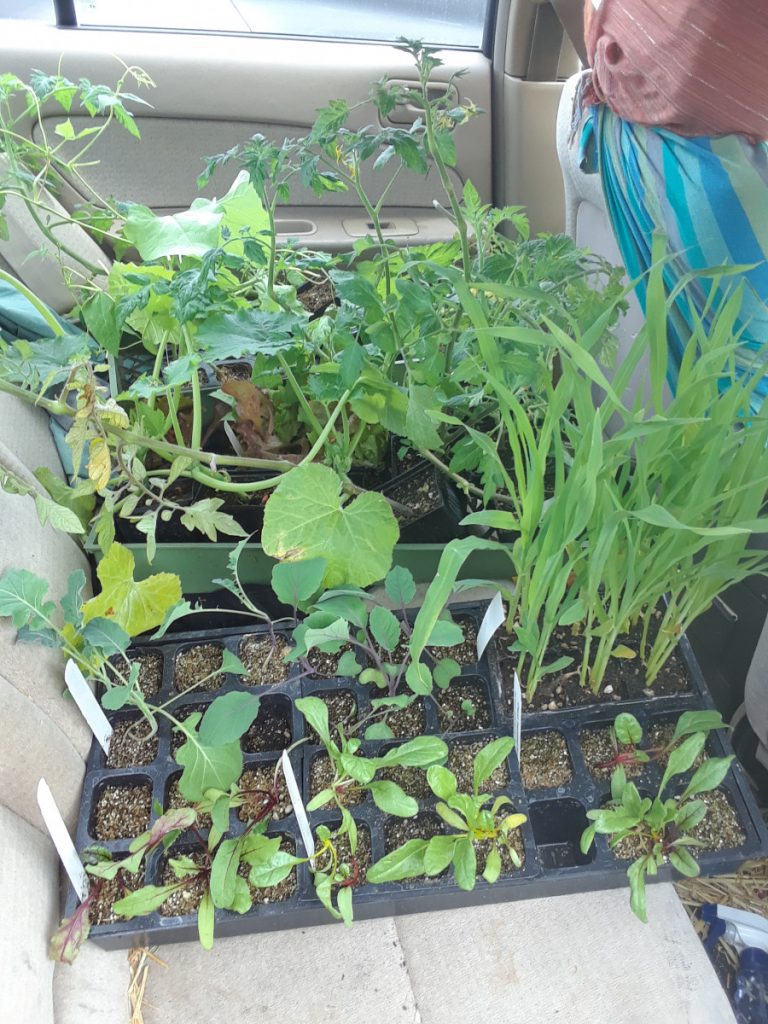
I am a Lion’s Club member and a few times a month, I volunteer at the food bank for our plastic recycling project, sorting plastic to be recycled into building materials. We partnered with the food bank through the School Gardens Program to do this. So I have become friends with the coordinator and was able to donate to her some veggie starts form my work. Corn, beets, chard, cabbage, tomatoes, summer squash, and also 3 large grape vines! I made the suggestion of planting the grape vines there at the warehouse for employees and that may be possibility. I am a big fan of the program because I think it’s important to teach kids about gardening and growing food to learn that food doesn’t just come from the grocery store.
Yauger Park: Bloomin’ and Groovin’
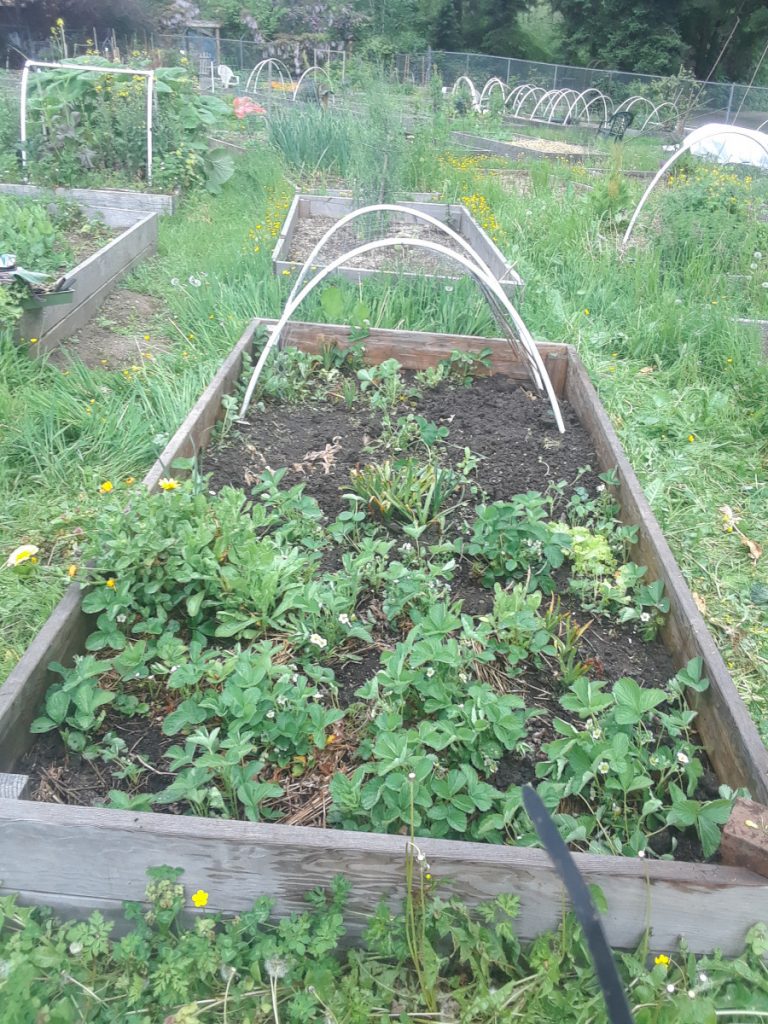
Strawberries, calendula, nasturtium, lettuce, and more flowers
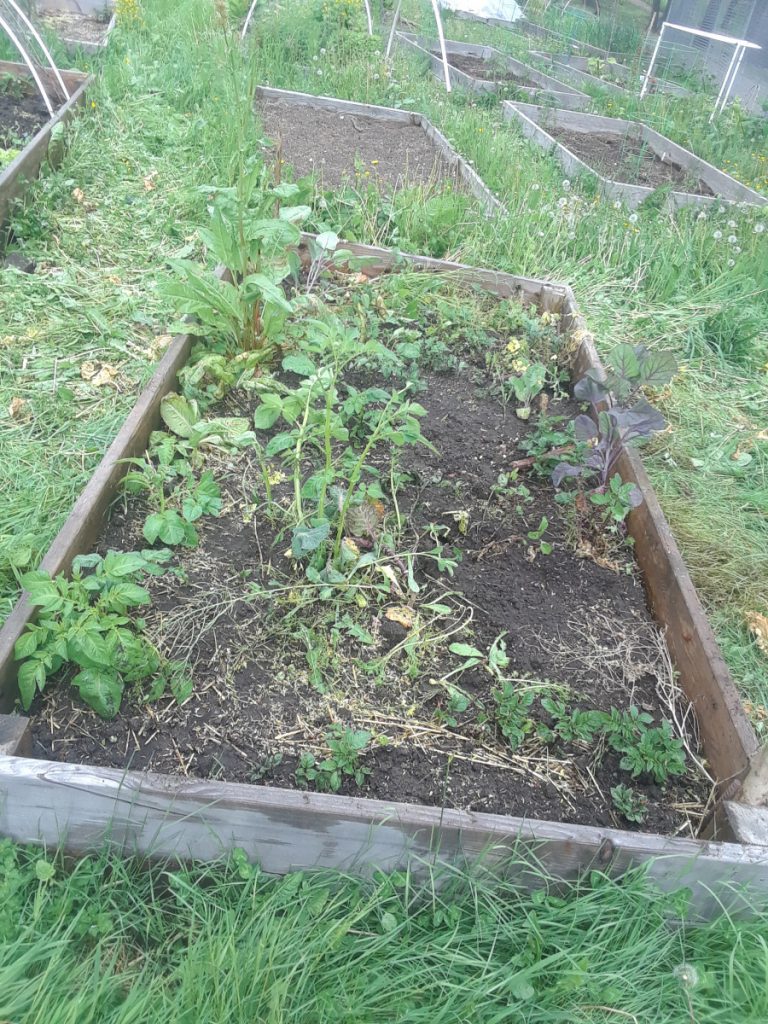
potatoes, sorrel, lettuce, and collards
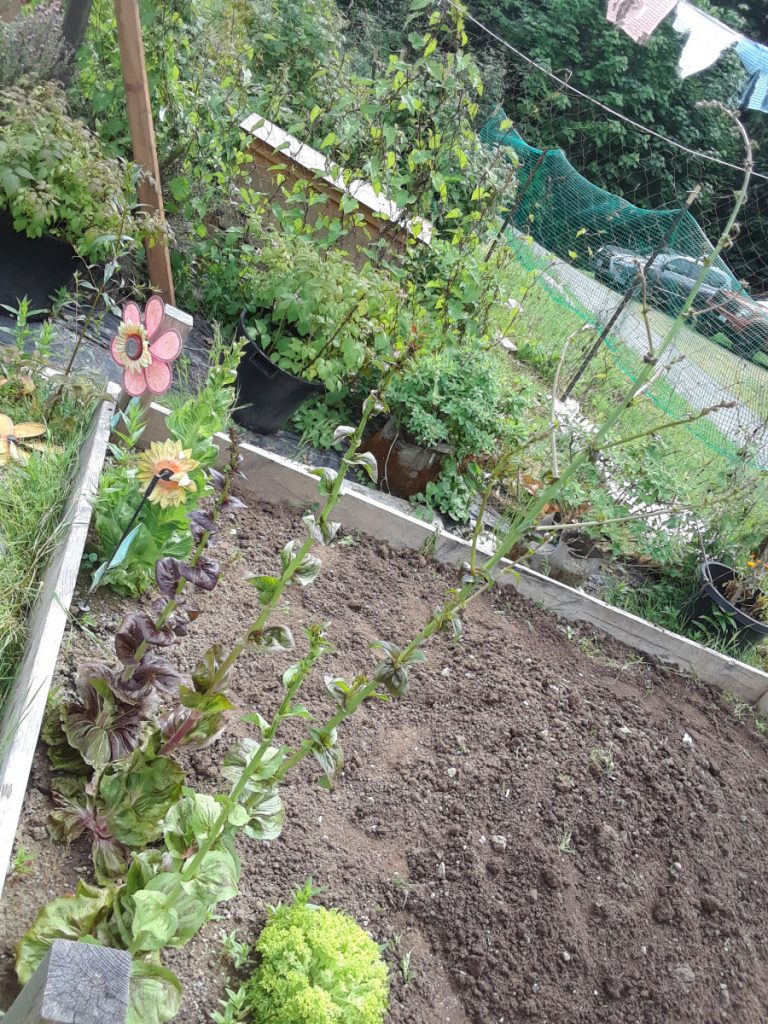
My Yauger Park plots are in spring mode! I’ve got lots of flowers on my strawberries, which I am really excited for. Calendula and nasturtium are coming up. Lettuce starts growing. The potatoes are coming up. I buried them a little deep so I was kind of worried but it’s looks like they will find their way up just fine. The sorrel is going to seed, I am looking forward to collecting them. Unfortunately I have a big problem with many tunnels from moles and voles underneath the beds, and so after harvest this year, I am going to dig everything up and out completely.
Evergreen Community Garden: Last Bed Dug!
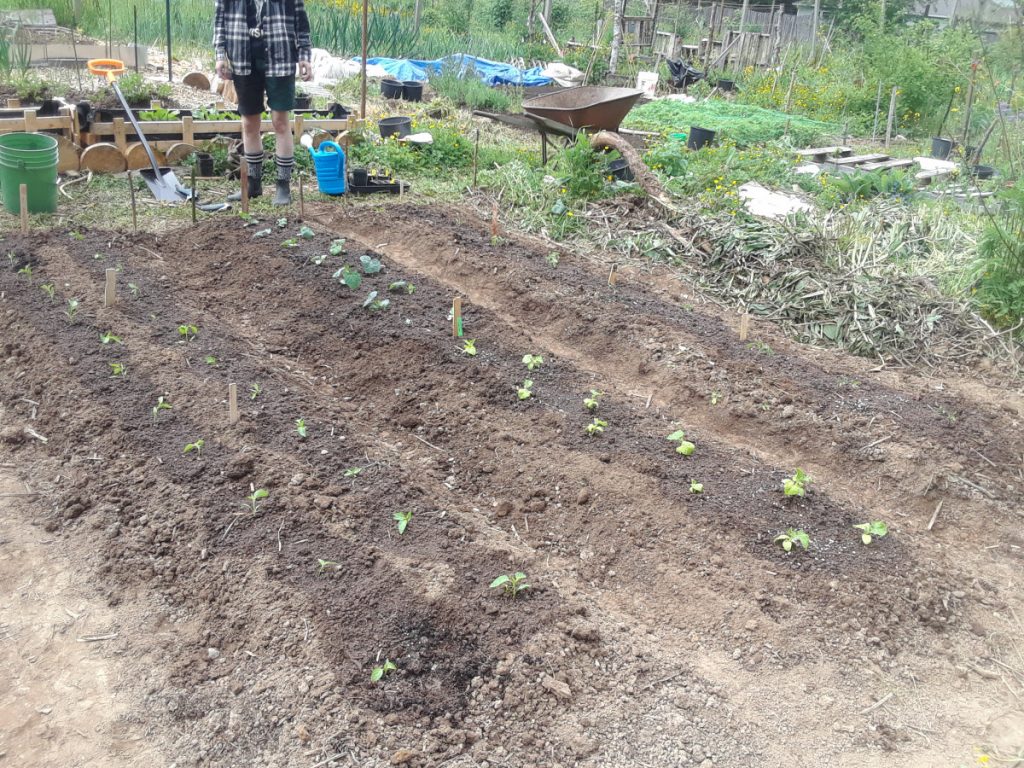
On Tuesday, we dug the last bed! It was such a cool feeling to see the whole plot finished and all dug out. We were only able to do it all as a team!
Thursday, we transplanted peppers, cucumbers, and tomatoes. All the beds are planted!
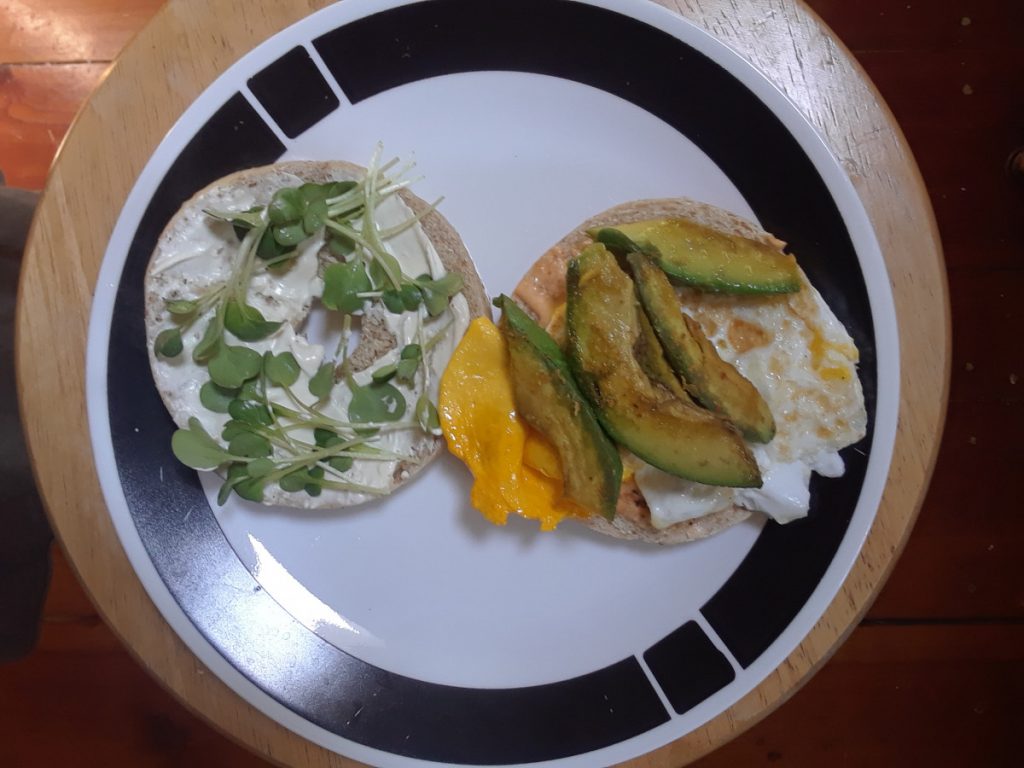
Caleb gave me some microgreens, radish and alfalfa. I ate them on sandwiches and salads all week!
Radish microgreens, duck egg, grilled avocado, with cream cheese on a bagel, yum.
Sowing the First Sister: Tamahara Sunflowers
In the wet earth along the front and right side, the first sisters were planted. Tarahumara sunflowers grow 6 to 9 feet tall and produce 10 inch blooms that hold many white edible seeds that a great roasted. If we are successful, we will roast them in the fall. I also planted calendula, nasturtium, red bunching onions in spaces between mounds.
Second Side Quest/ Search for More Space for Sunflowers:
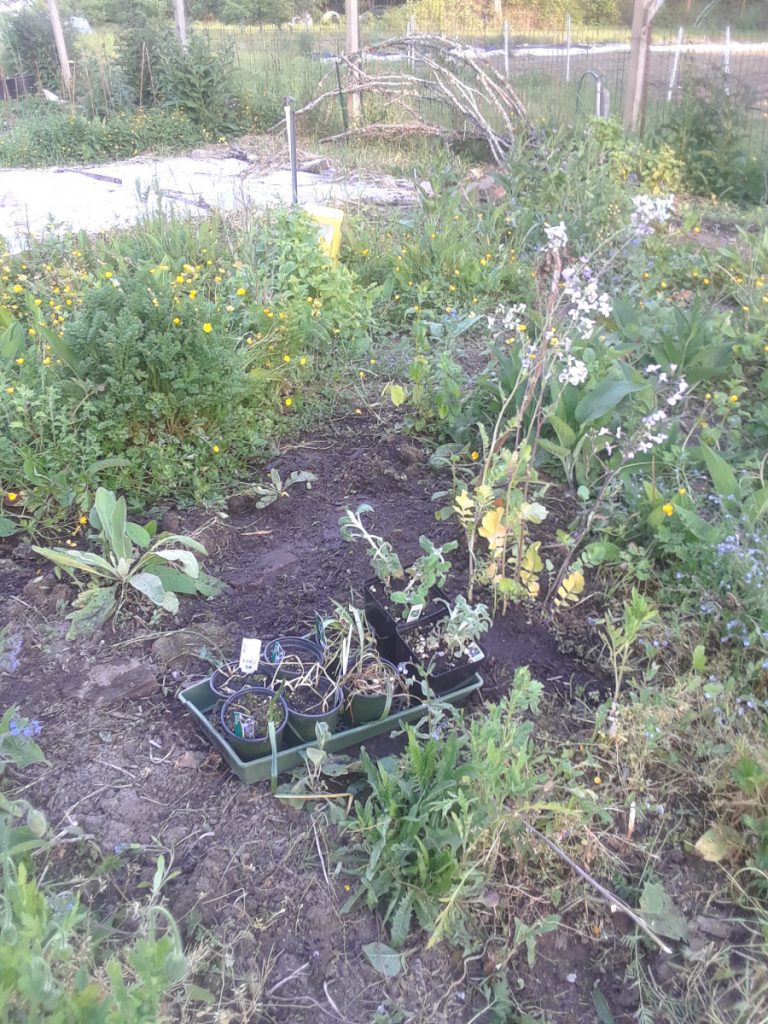
Another classmate has tended part of an overgrown herb and flower plot and planted mullein and other flowers for bees and pollinators. I see an opportunity for sunflowers and other gems as well, so I started clearing out the undesirable plants. I found many poppies, yarrow, oregano, mints, lemon balm, catnip, mullein, and potatoes in this patch of paradise. I planted rat’s tail radish, a kind of radish that doesn’t make much of a root and instead it’s big juicy seed pods are what’s eaten. I have had other radish seed pods and they are super yummy, with a cucumber or snow pea consistency but light fresh radish taste.
WEEK SEVEN: Ceremonial Radish
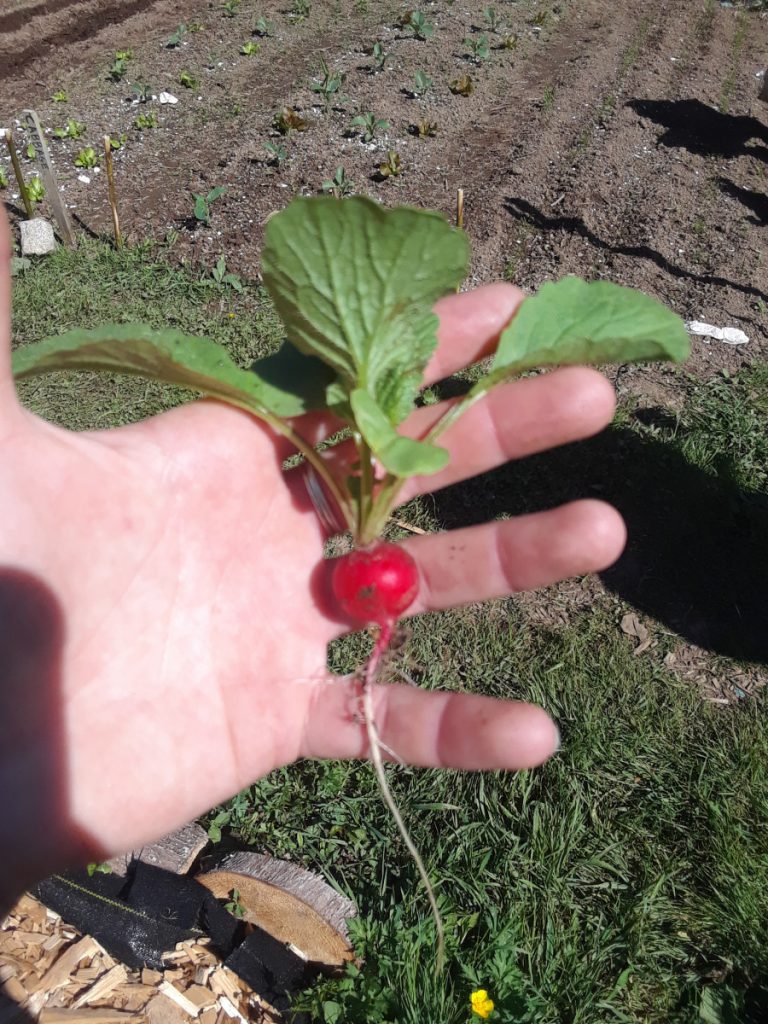
I ate the whole thing. It was sweet with spring.
Tuesday! The first radish from our community garden! In true ceremony, we gathered, we spoke, and we ate radish. In it’s entirety, sweet with spring, lightly spicy, gritty, with fuzzy leaves but that is not a complaint.
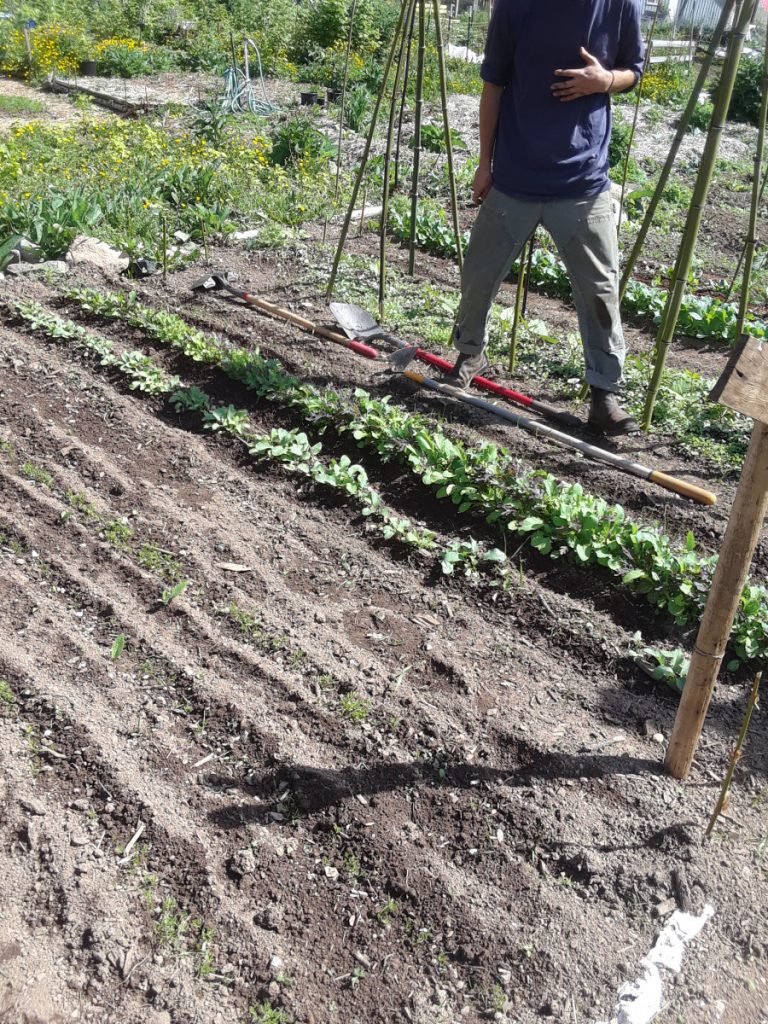
The potatoes are mounded, and cabbage and lettuce are looking good too. We all dug a new bed at the untilled end. Almost done!
More Tastes of Spring:
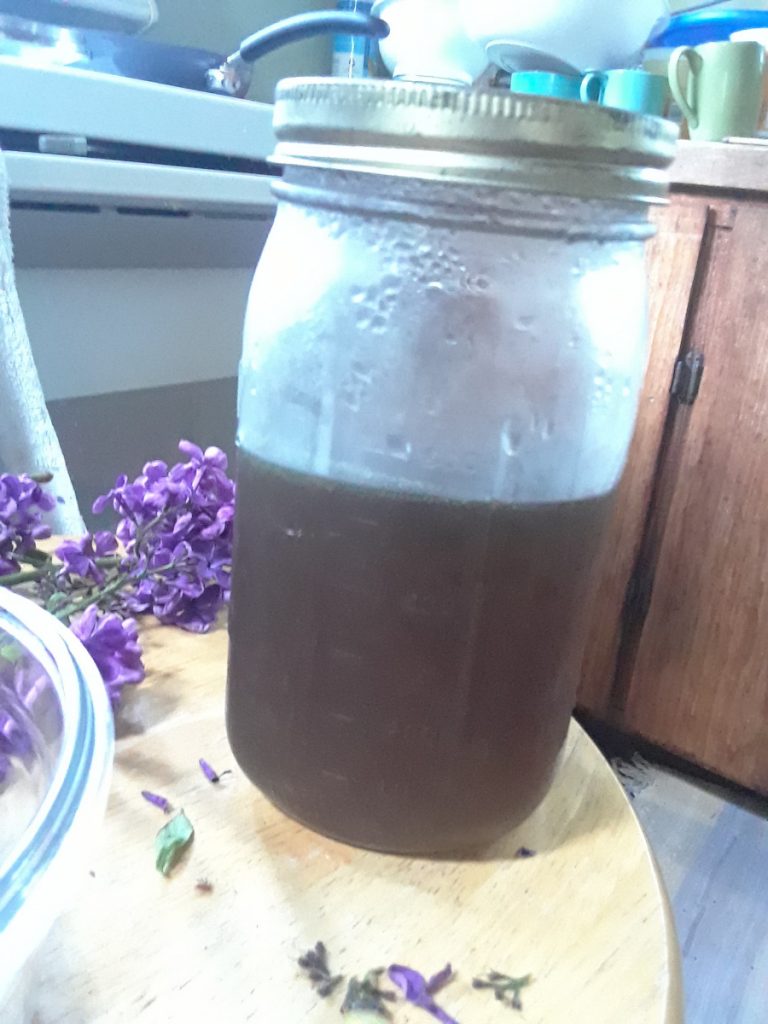
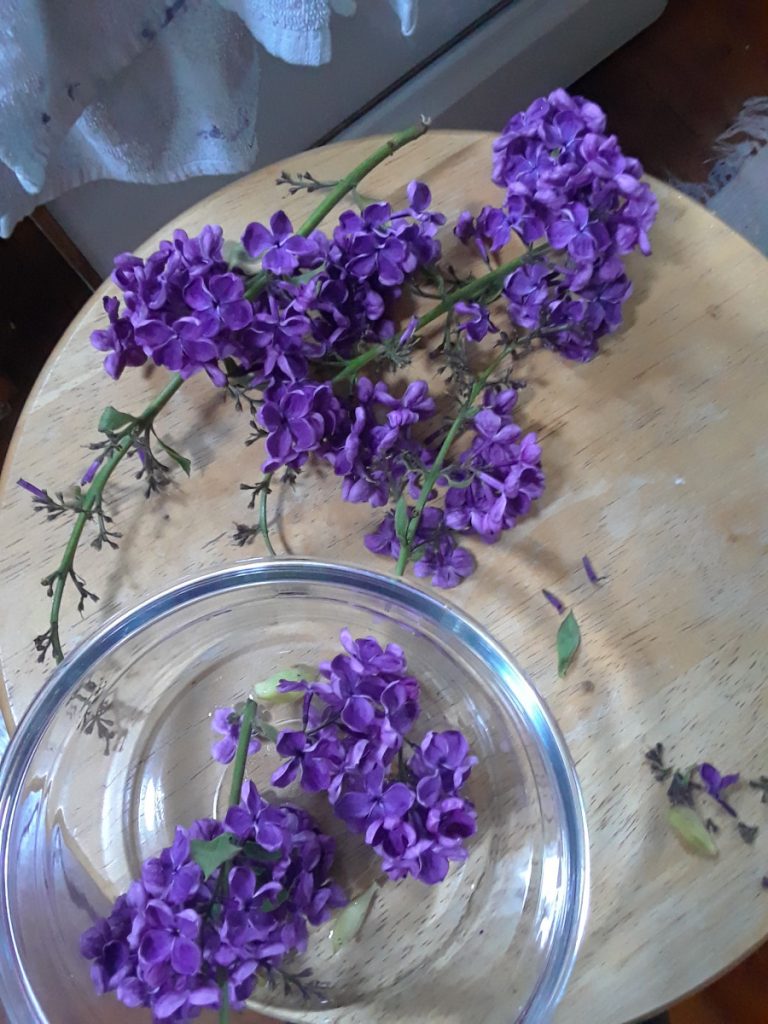
I made a lilac simple syrup from a bush in my yard. She smells very fragrant, deeply floral and sweet. The syrup tastes like what dreams are made of and candied flowers.
All the orange peppers came up!
Thursday we wrapped up the week with helping again the herb garden. We all worked together to liberate the very middle bed that is front and center. It was great to see how much we could get done when we concentrated our efforts. We re-planted a chunk of chives, yarrow, and rosemary, freeing their roots from the choke hold of buttercup. The day was sunny and warm and almost perfect. I found myself envious of the garden snakes, bathing in the sun without thumbs, no bother to be busy.
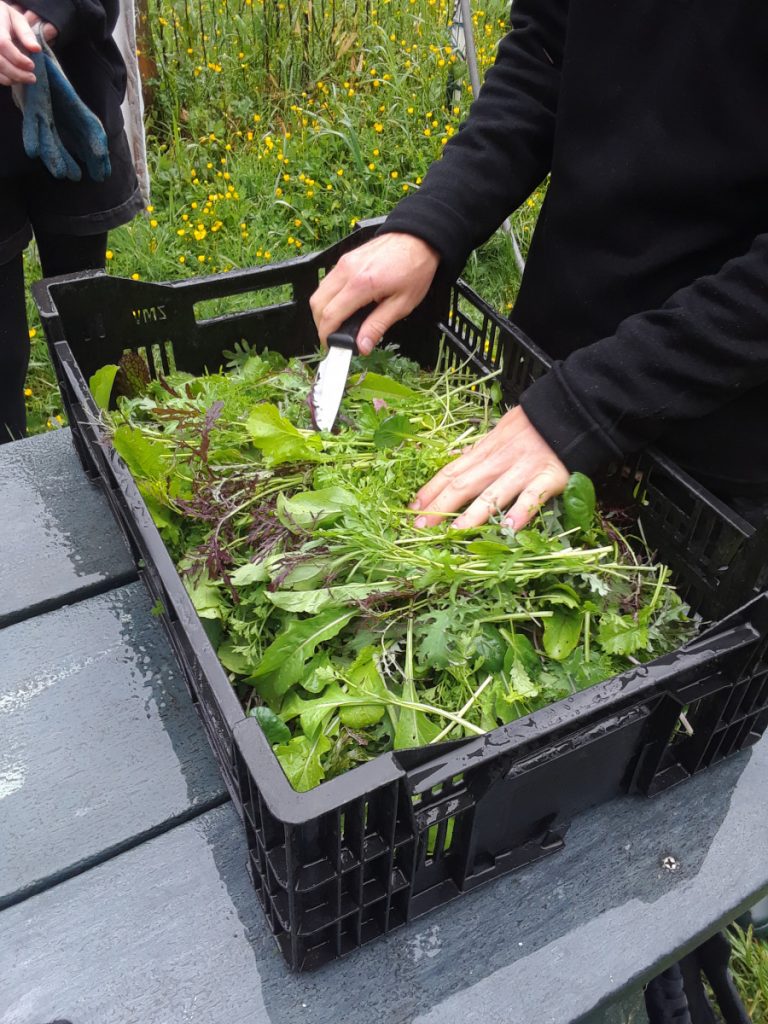
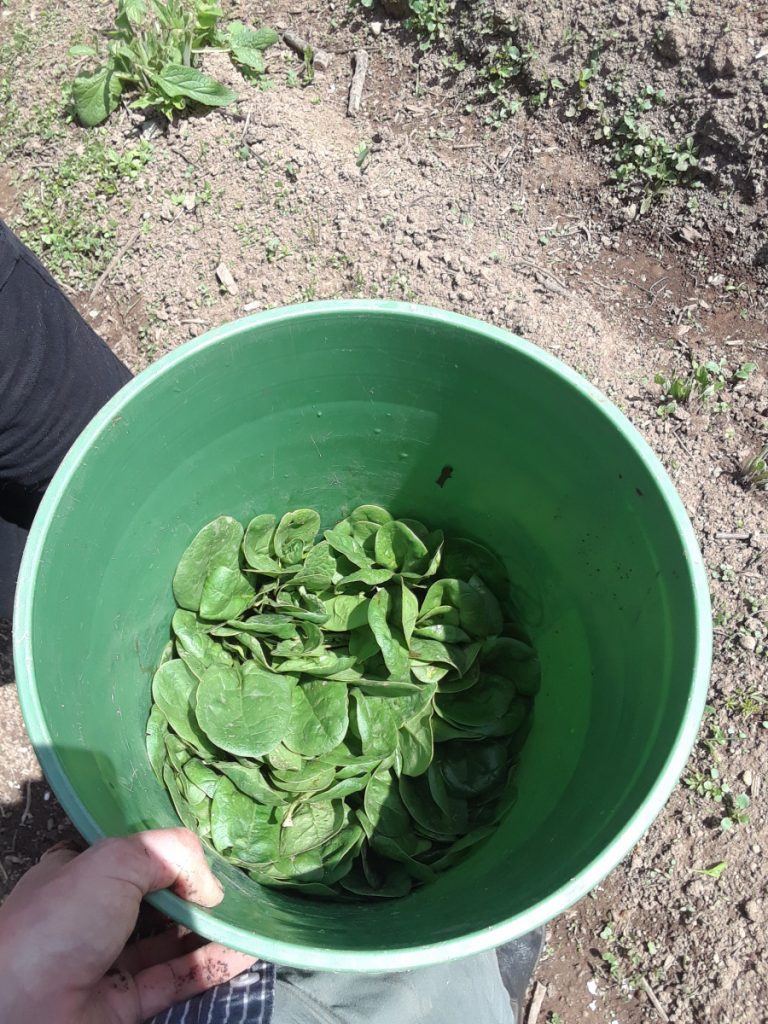
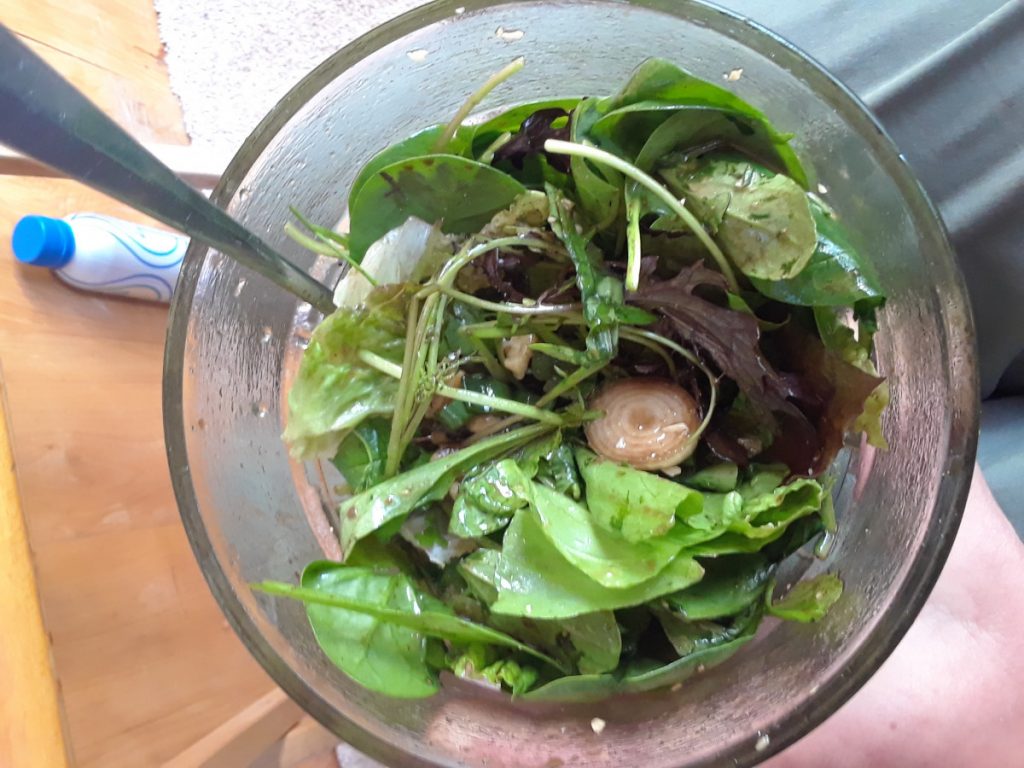
Afterwards, we harvested the first salad greens! Bitter salad mix and spinach. It was so delicious. Caleb walked us through the whole harvesting and cleaning process, with insight from a large scale. I went home and immediately covered the greens in balsamic vinegar, added green onions, walnuts, sharp cheddar cheese, salt and pepper, and chowed down.
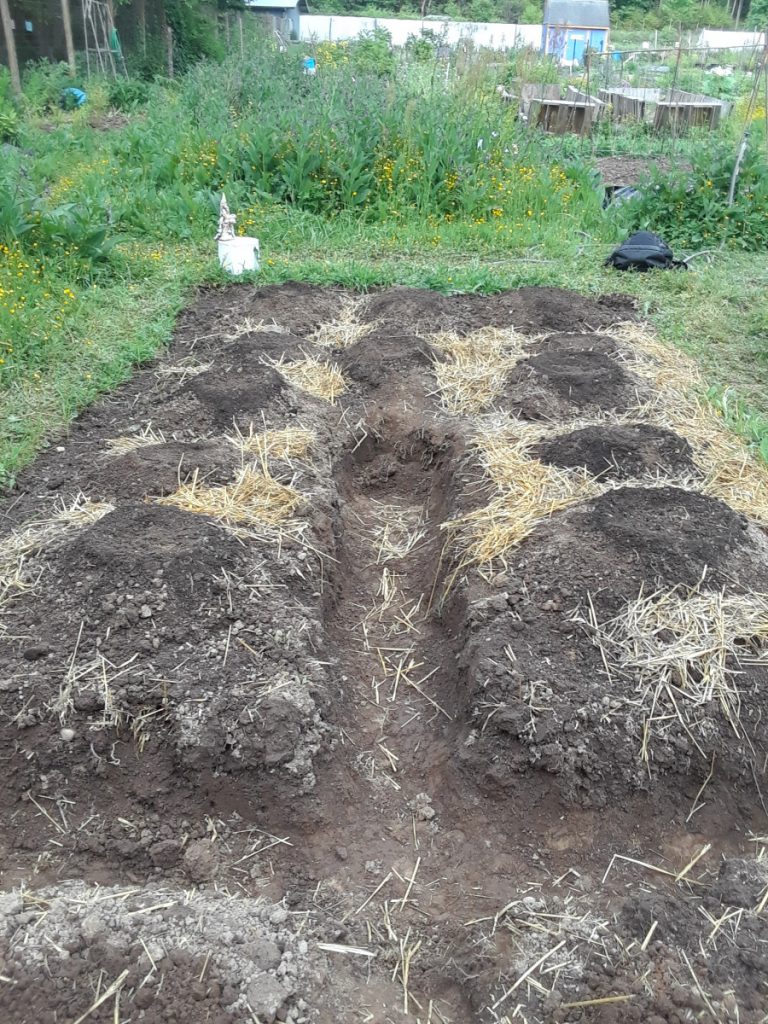
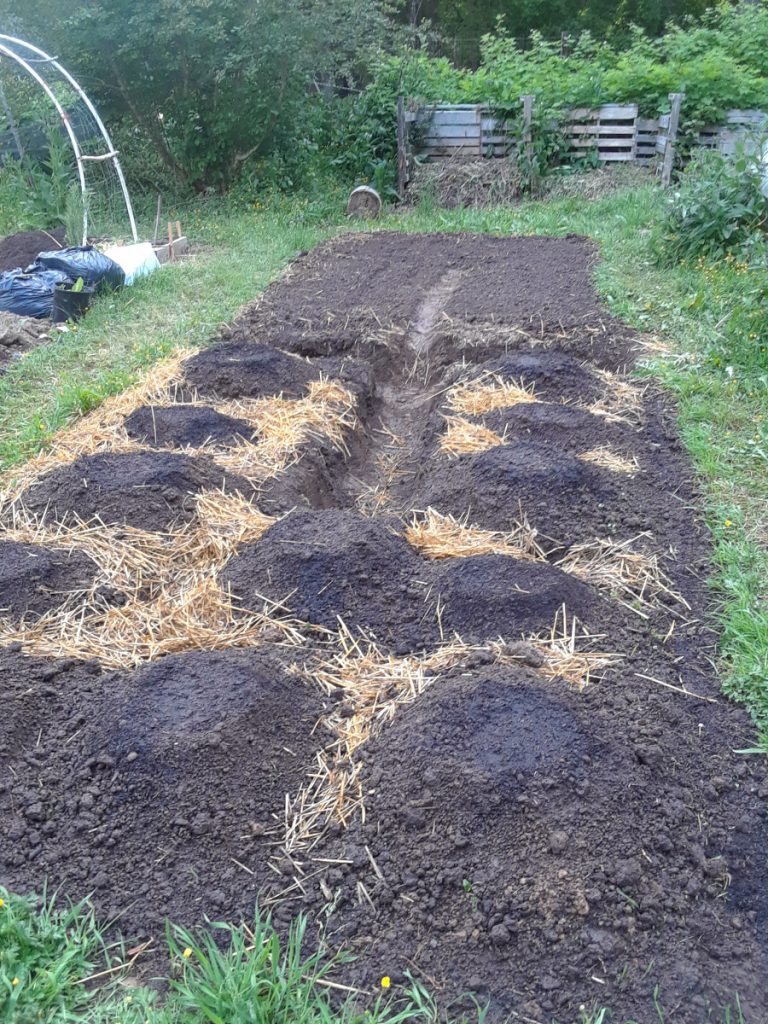
Mounds Built for the Sisters:
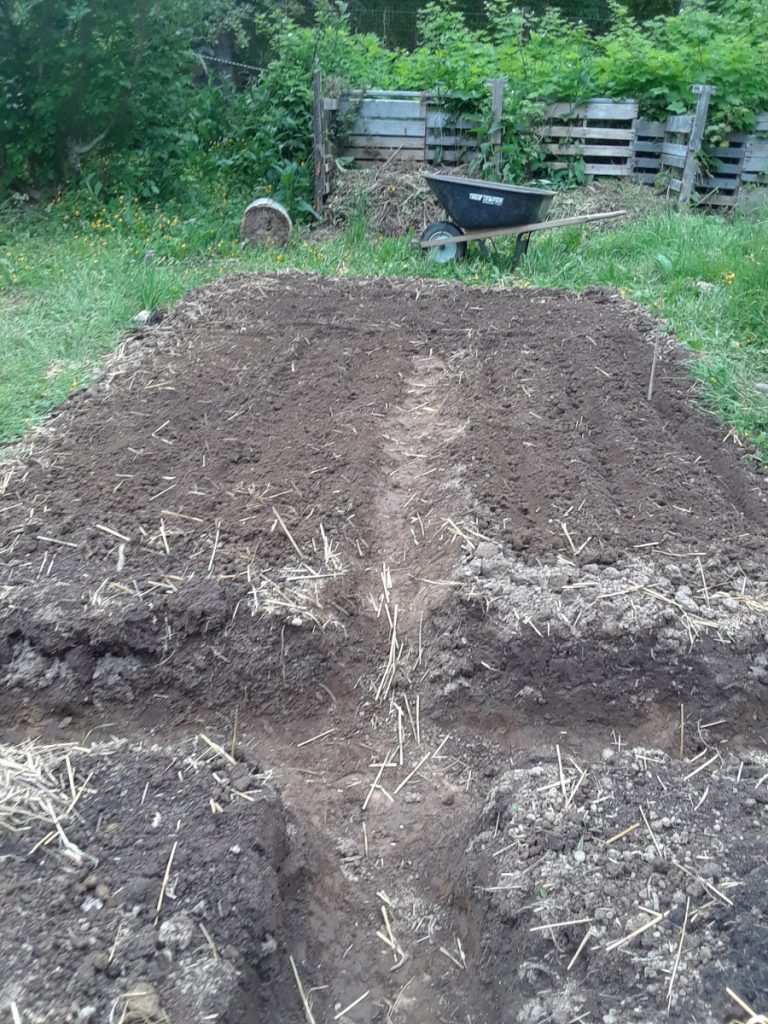
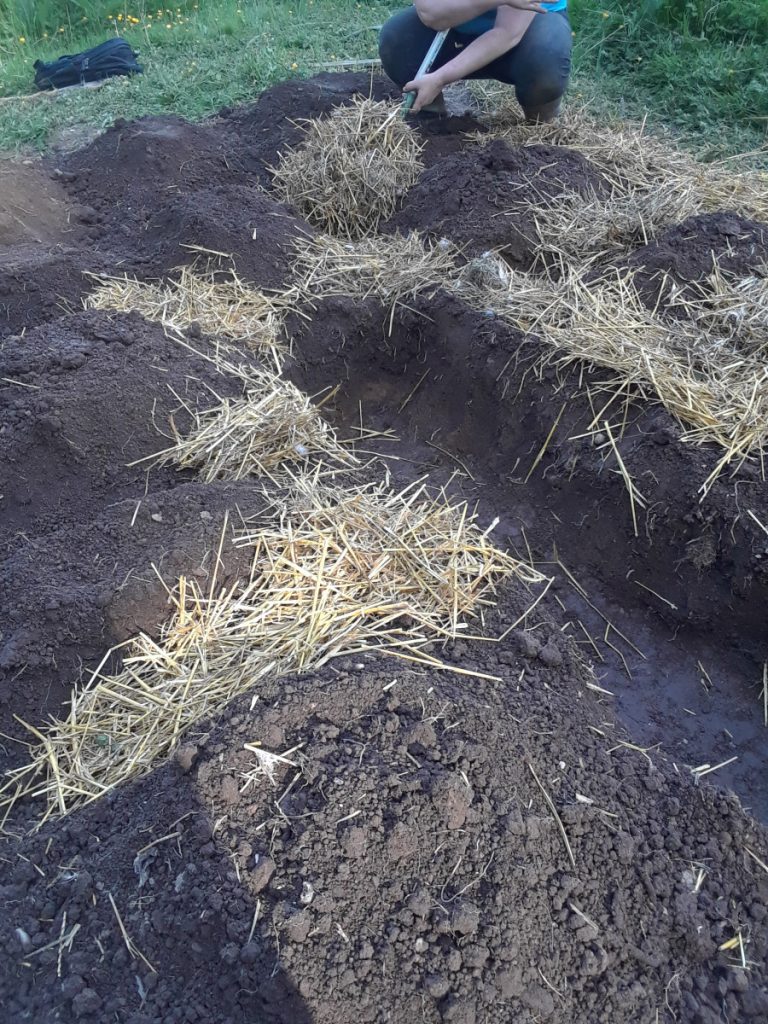
Digging the path
keeping some space covered to hold moisture
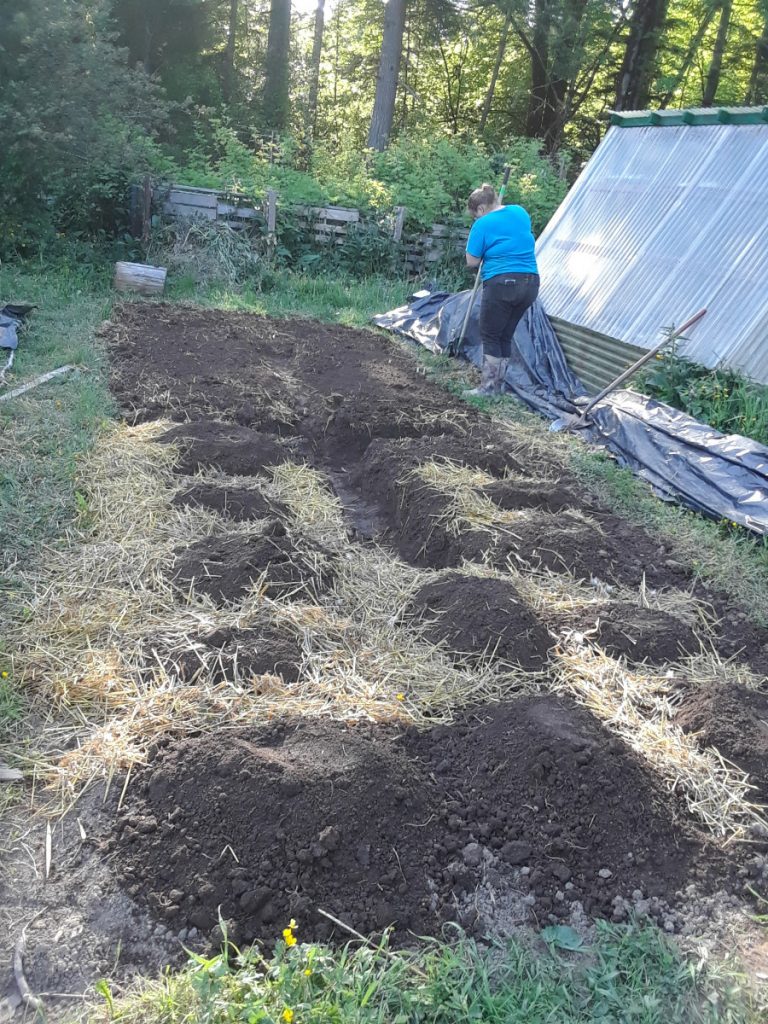
Mounds on one side, rows on the other
Smaller mounds for squash and large mounds for corn and beans
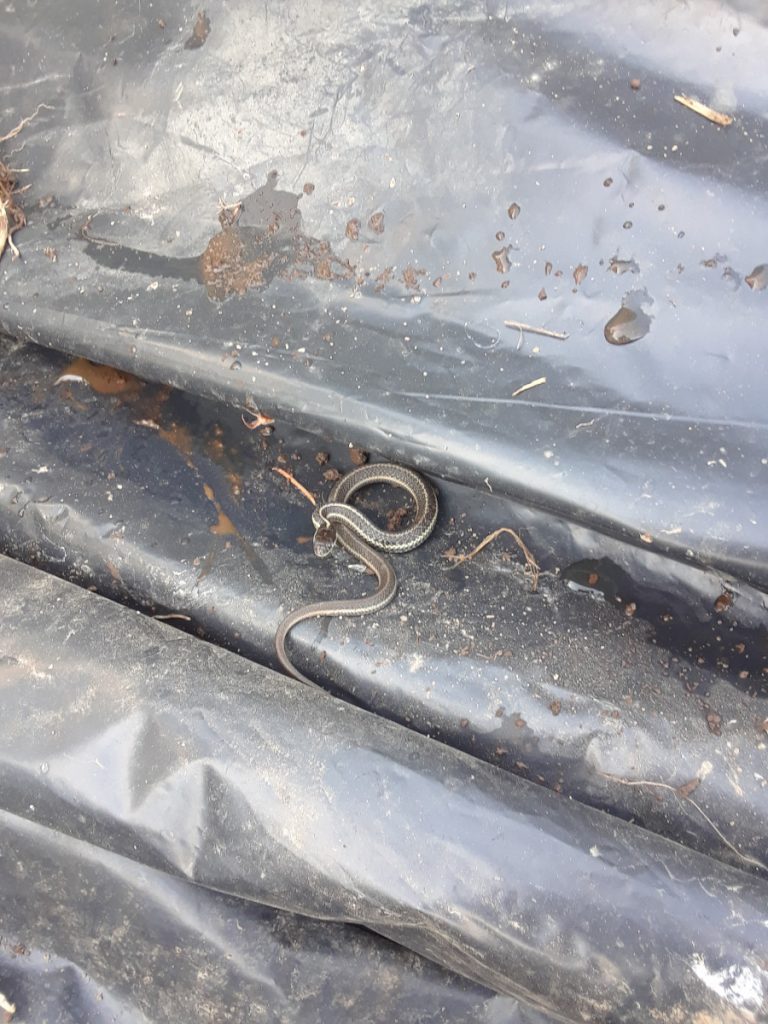
Brave One who kept striking at our rake
Close to 20 or so snakes here in this photo
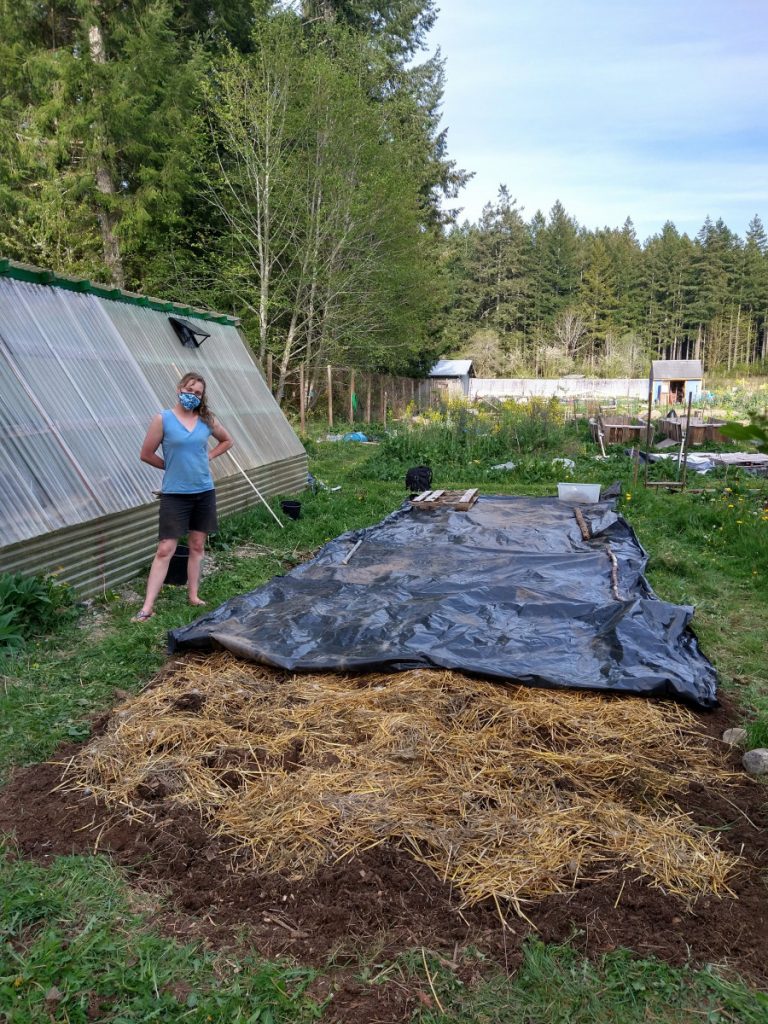
Sarah and I built our mounds for planting! There were many many snakes under the tarp but clear of voles and mice! We decided to split the space into two planting methods, Wompanog mounds and alternating rows of beans and corn, with squash in the back. We also intend on calendula, nasturtium, and SeedLinked sunflowers. It was so nice to spend time in this space together and I am so excited to plant.
WEEK SIX: Rains, Seeds, Weeds, and the Burnt Prairie Grasslands
Photo by: Caleb P
We dug more beds in the untilled area of our plot. Making our way through! Lots of weeding too! I am really enjoying getting to converse with my classmates and teachers. Never a dull moment.
Seeds are popping off! Take a look!
Indigo Rose Cherry Tomatoes!
Hidalgo Stachys aka Stachys albotomentosa: a fuzzy evergreen perennial with red tube flowers – THIS IS SO EXCITING
Swiss variety of Orange Bell Pepper from Territorial Seeds
And even PETUNIAS, wow!
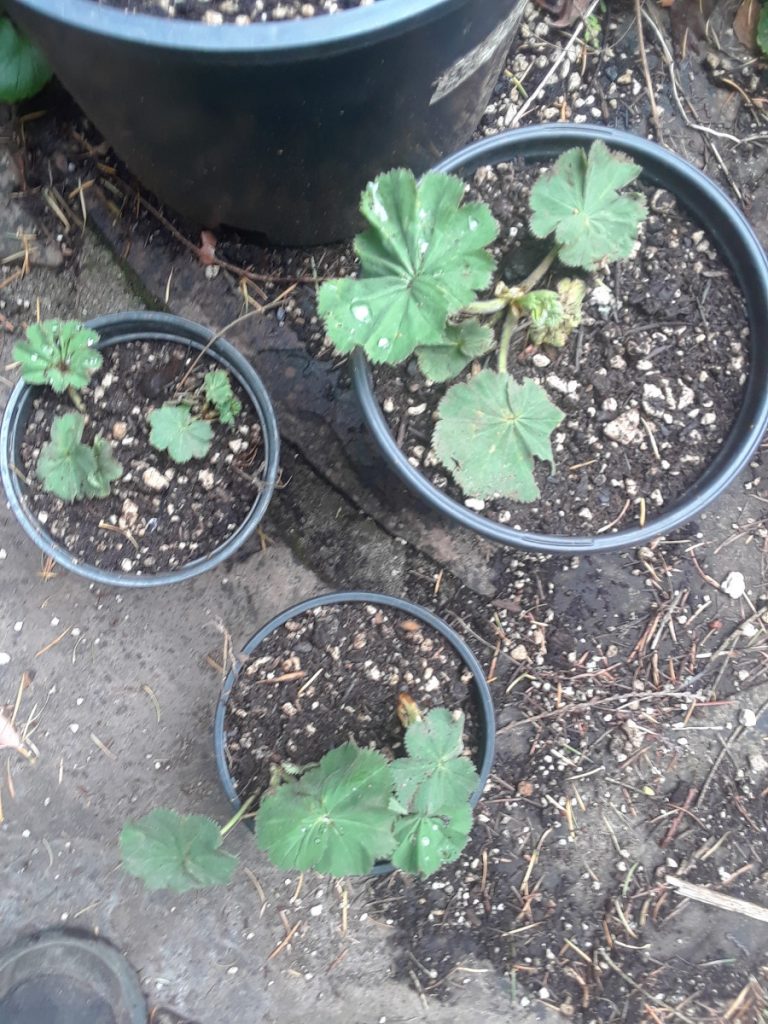
Salvaged Lady’s Mantel to transplant to my Yauger Garden plots!
Duck Tales: Bella turns to Beast
Broody and Moody, Bella, usually docile and shy, has turned extra territorial and mean towards Bossy after deciding to hatch the ceramic egg I stupidly placed in nest boxes to encourage them to lay in a place I could easily reach. After removing the fake egg and clearing out the bedding to change the nesting area, there was little to no change in behavior. Tis a fool who tries to reason with fowl. I put myself between them and it was perhaps the bravest moment of my life, as these miniature dinosaurs are quite intimidating while they work through nature’s calling. Here’s to hoping they won’t seriously injure each other.
Camas Harvest with Squaxin Island Tribe:
I saw a flyer on social media that was an open invitation to join the Squaxin Island Tribe for a Camas harvest at the Glacial Heritage Preserve and I knew I had to take this opportunity. It was so humbling and amazing to be out there in a space that is usually closed to the public. There were around 30 or 40 people in attendance. I was a little shy and stayed to myself some but was able to make a few friends. I met a gardener for the tribe, Elizabeth, who invited me to visit their garden, which I certainly will. I also met Evergreen staff member, Sarah Hamman.
WEEK FIVE: Going Up
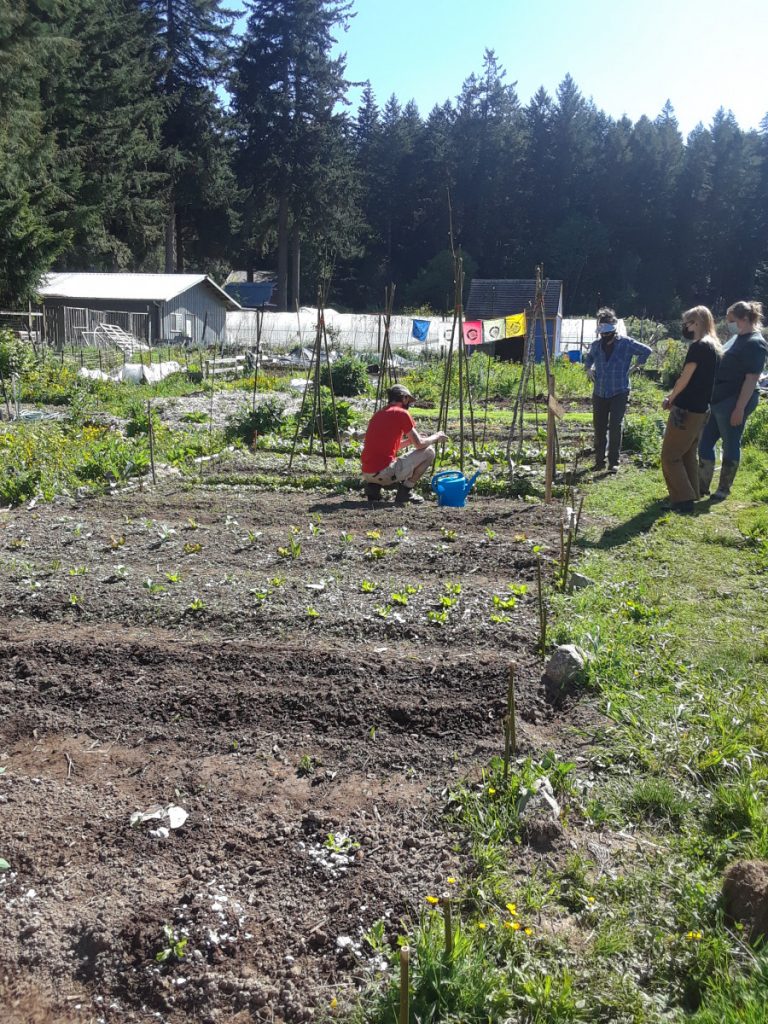
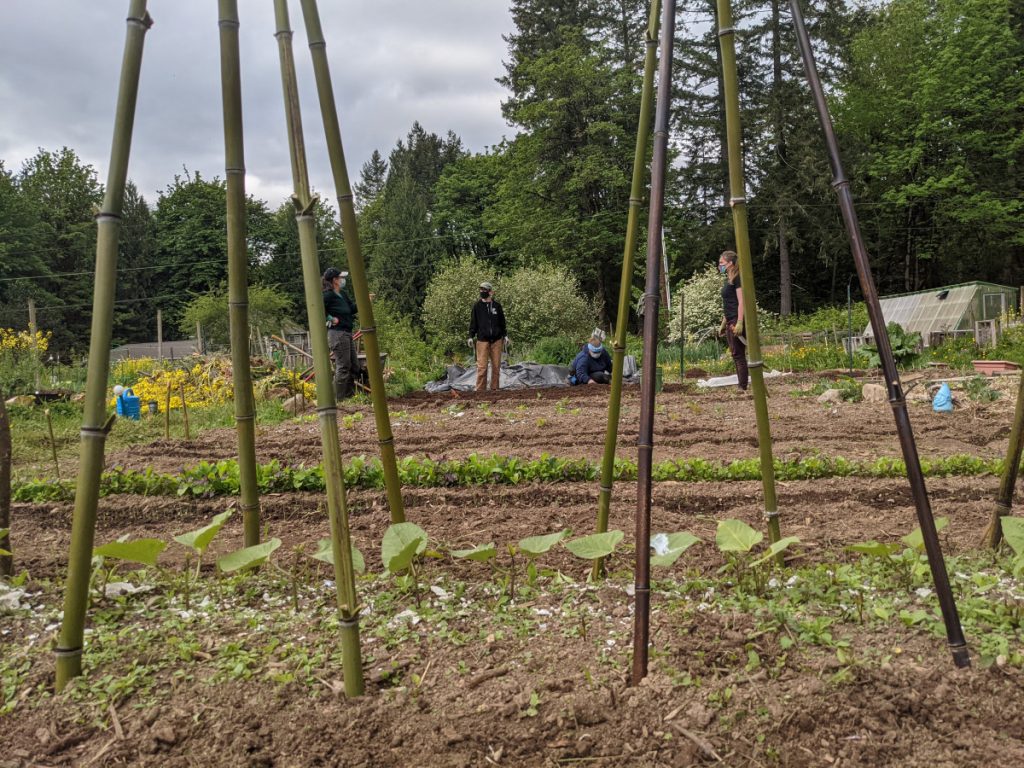
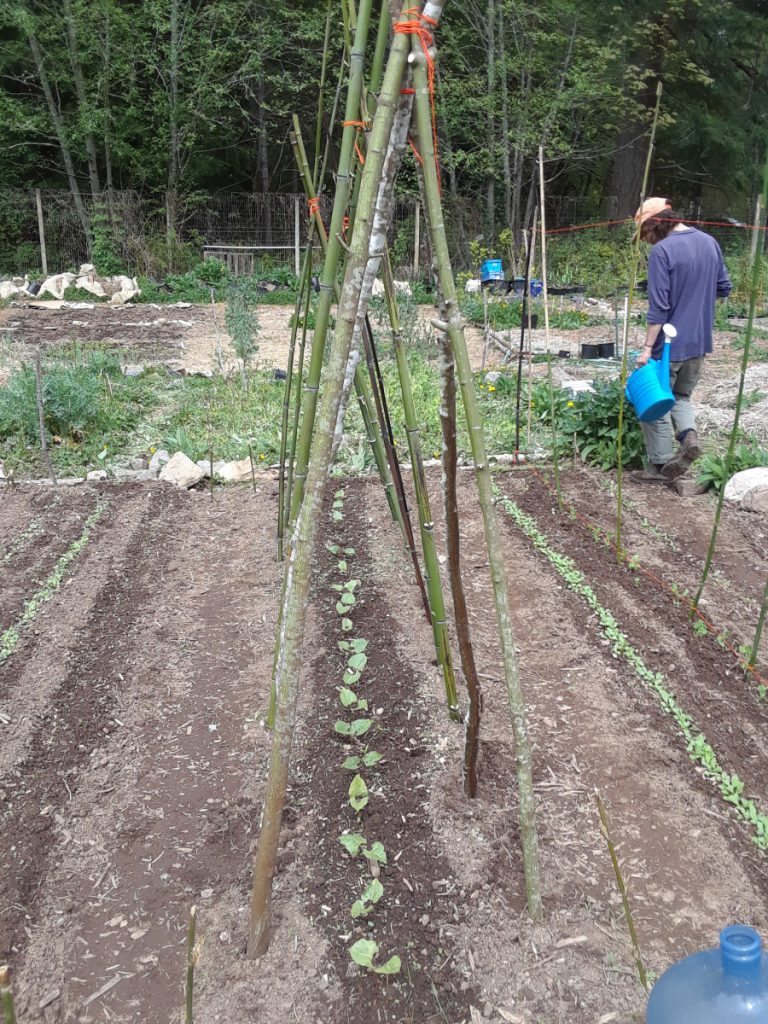
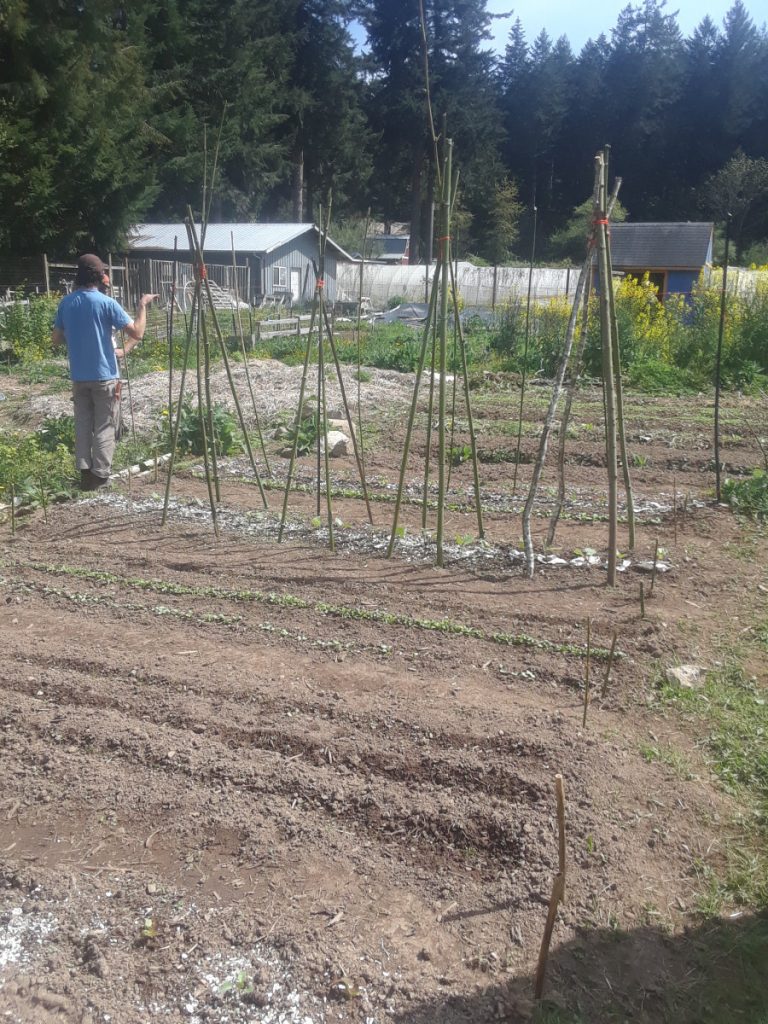
This week we put trellis up for peas and beans!
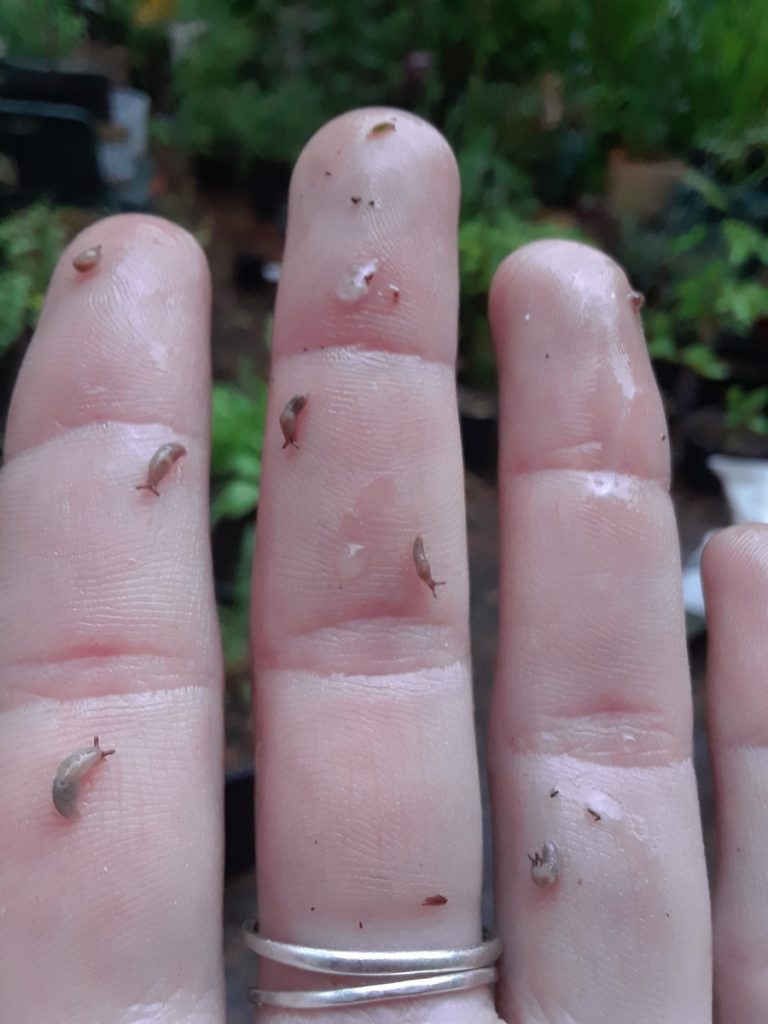
Using bamboo and twine, we gave the new vines support to climb. Caleb also dusted the starts with crushed eggshells and oyster shells to protect from slugs.
On Thursday, our group joined Alegra and weeded a bed in the Evergreen Herb Garden. What a neat space! Fabulous learning opportunities all around.
A lovely surprise, right near the entrance, a beautiful white borage grows.
What a beauty!
I hope I can return sometime later and collect seeds…
Update on sown seed experiment:
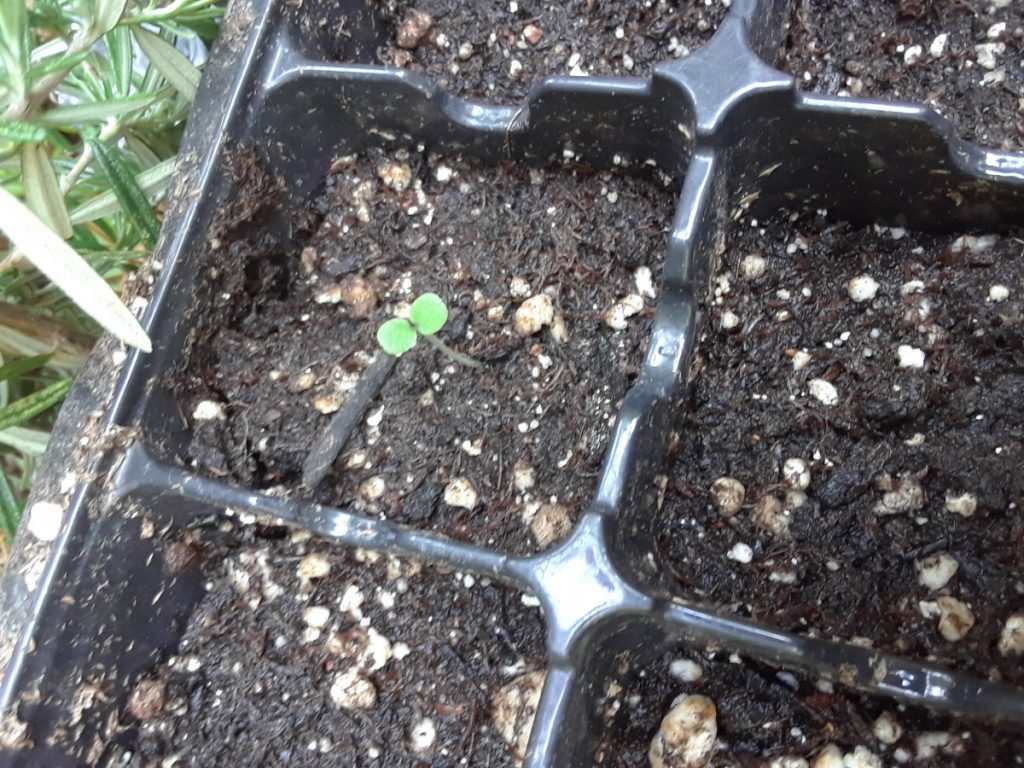
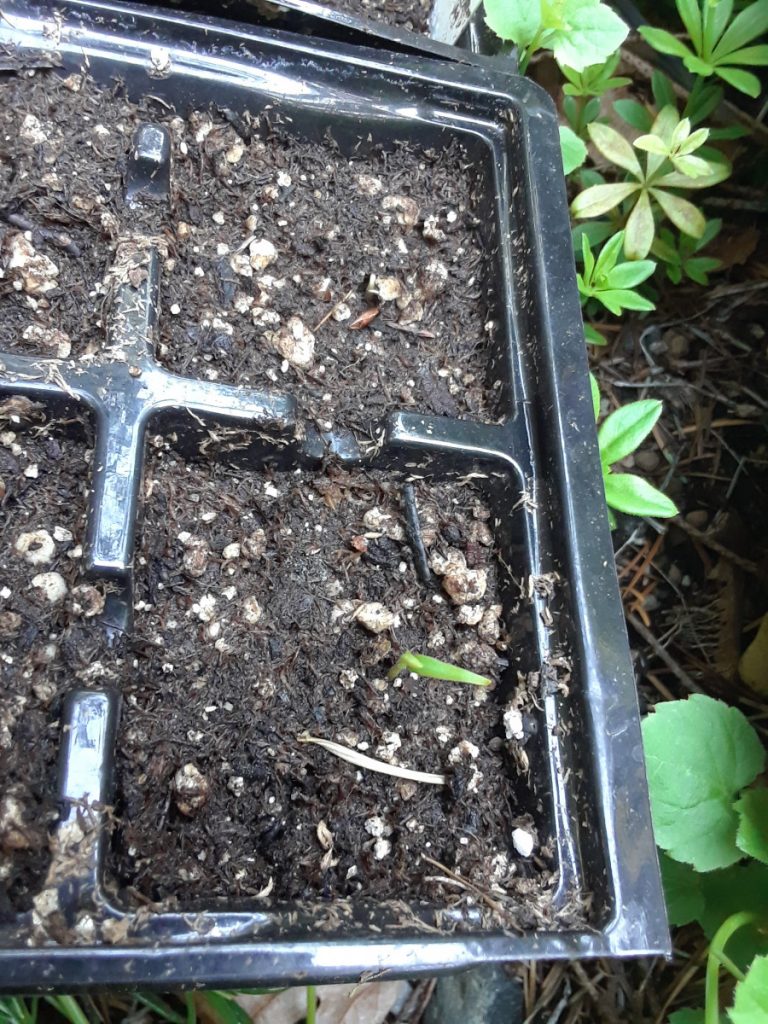
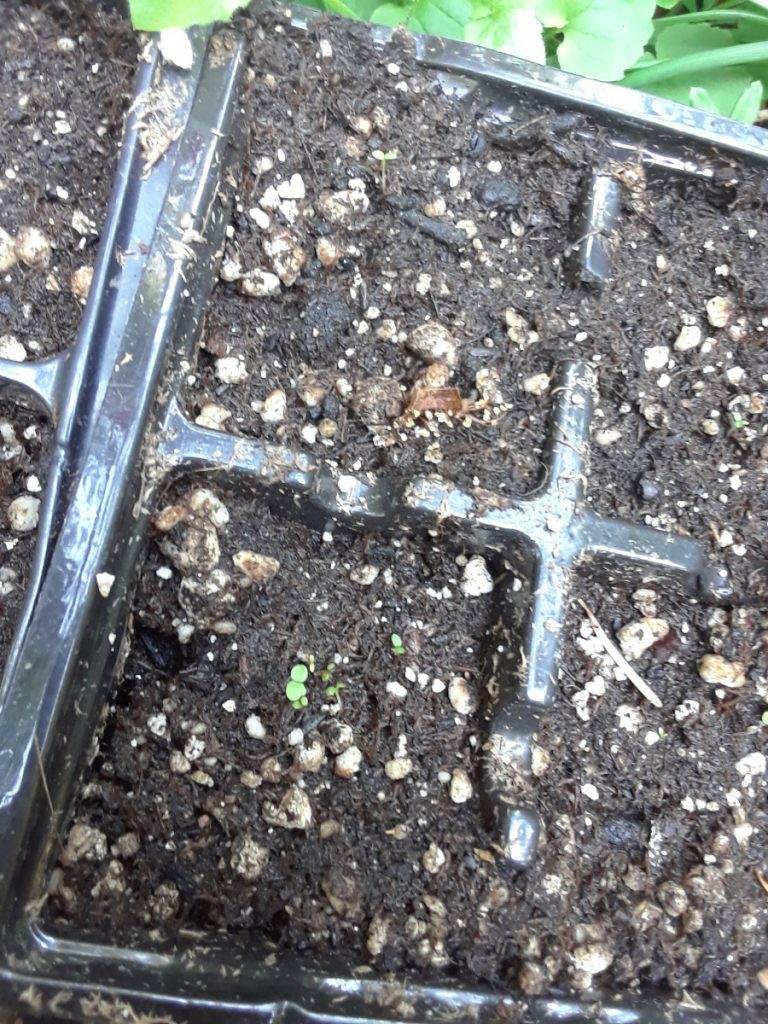
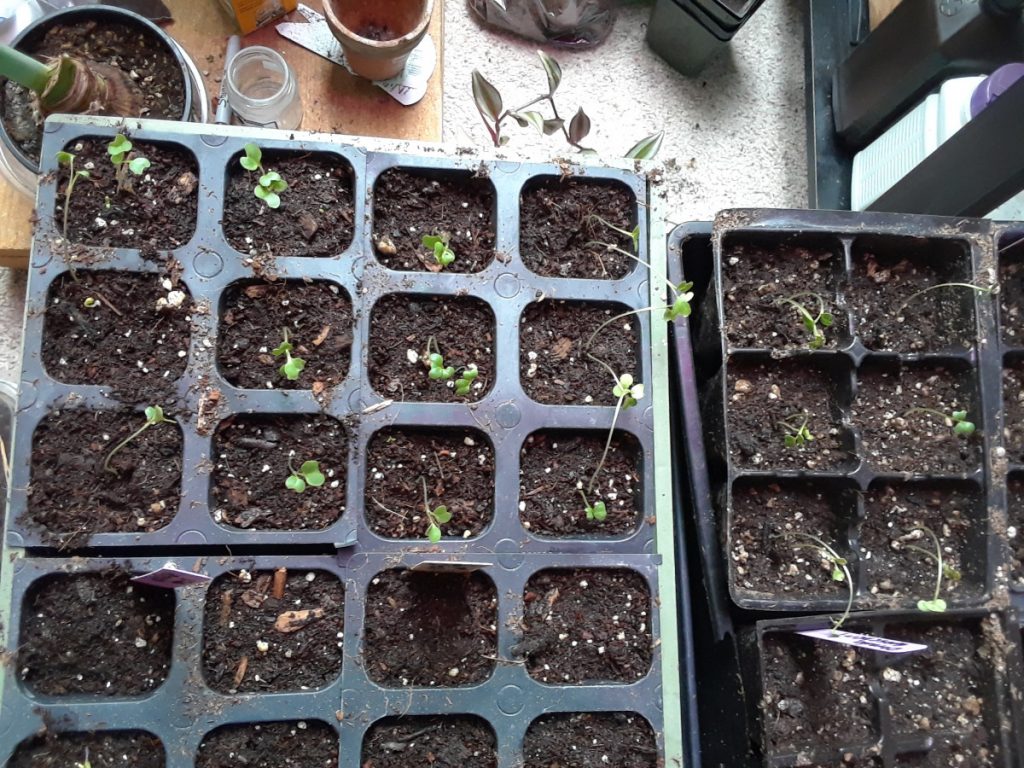
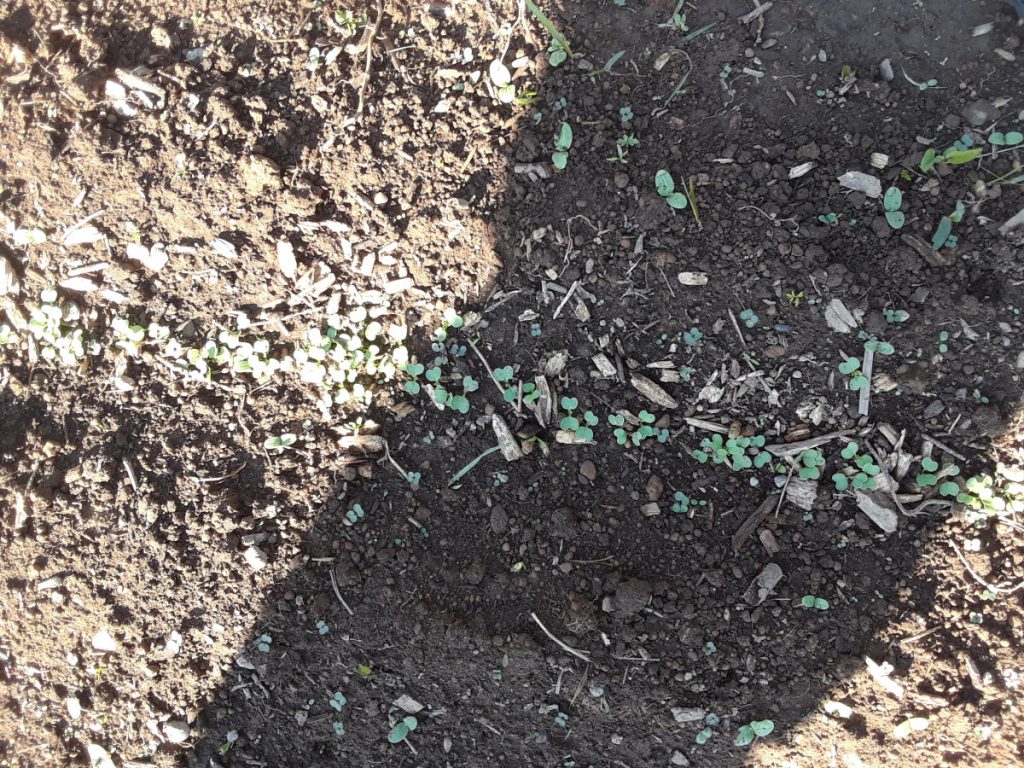
The seeds I sowed last week have begun to come up! The broccoli starts are very leggy, unfortunately, so I have been moving them outside during the day to get unfiltered sun and bringing back in at night to keep them warm. The tomatoes have also come up! All the seeds in Caleb’s mix came up first.
I started another tray of broccoli and lettuce as well. Most of these I hope to plant in Buzz and Blossom Garden.
Ed Hume lettuce, De Cicco Broccoli, and lettuce seed I saved from 2019 that I’ve been using ever since with no issues.
Buzz and Blossom: Beds and Berries
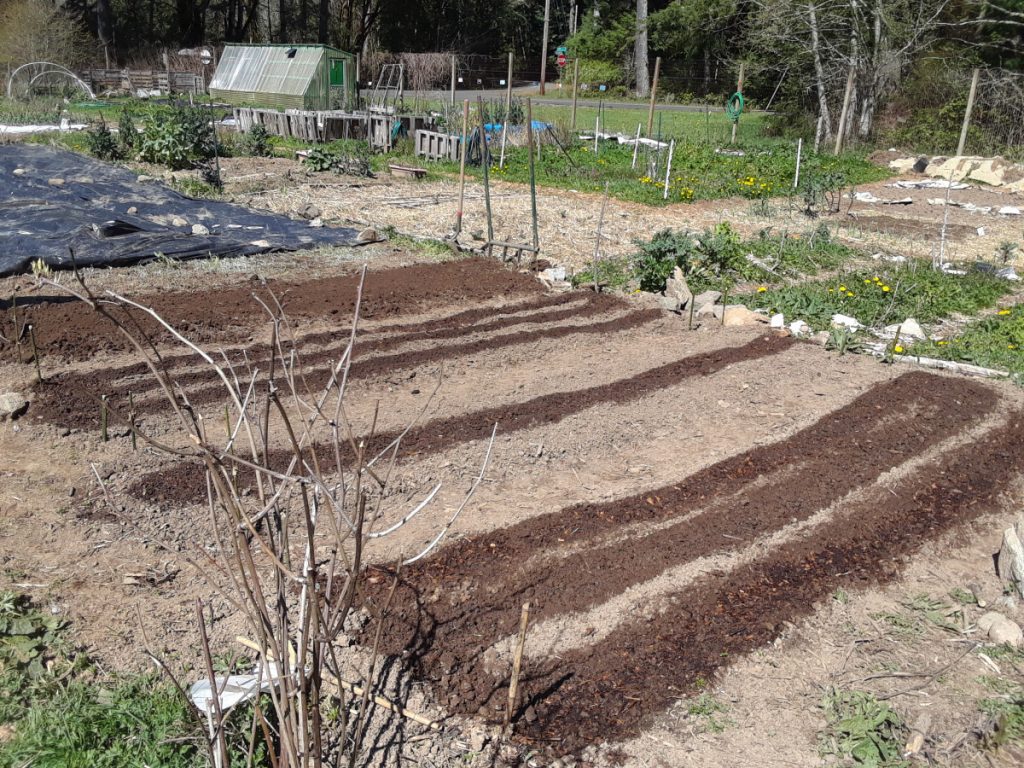
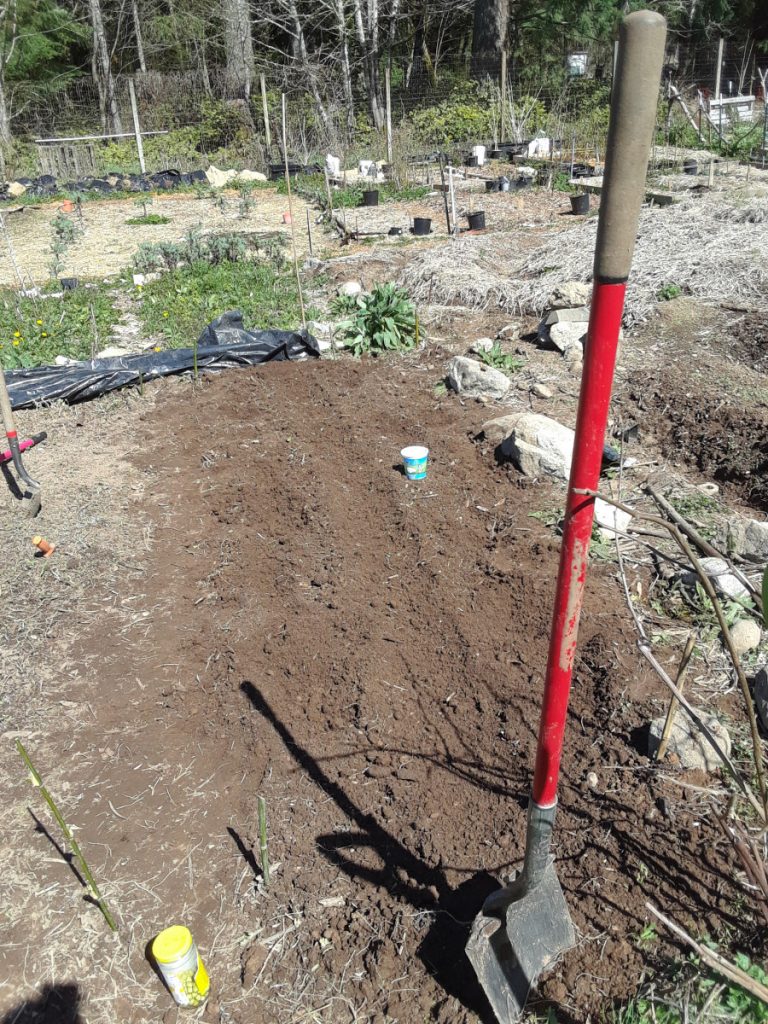
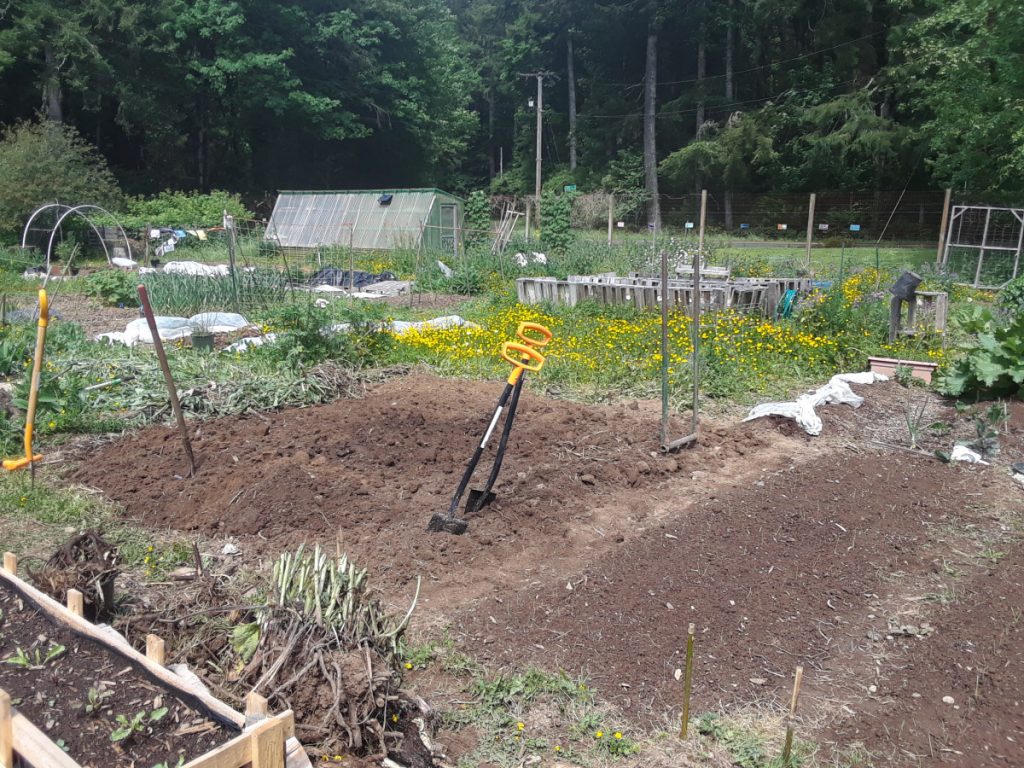
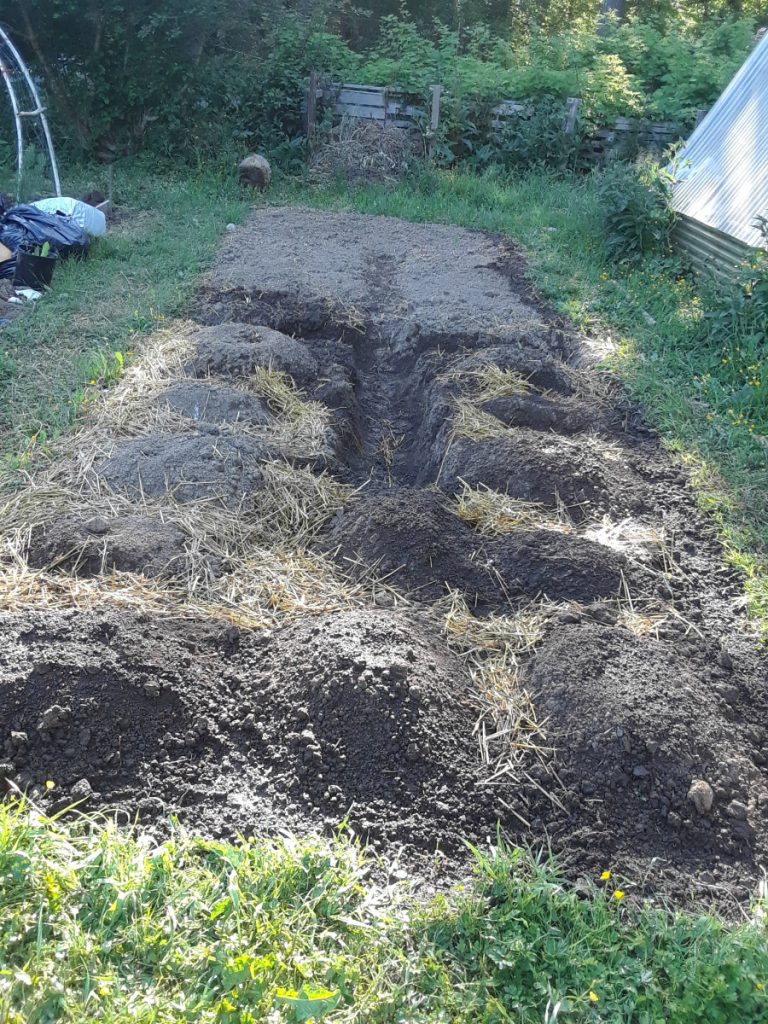
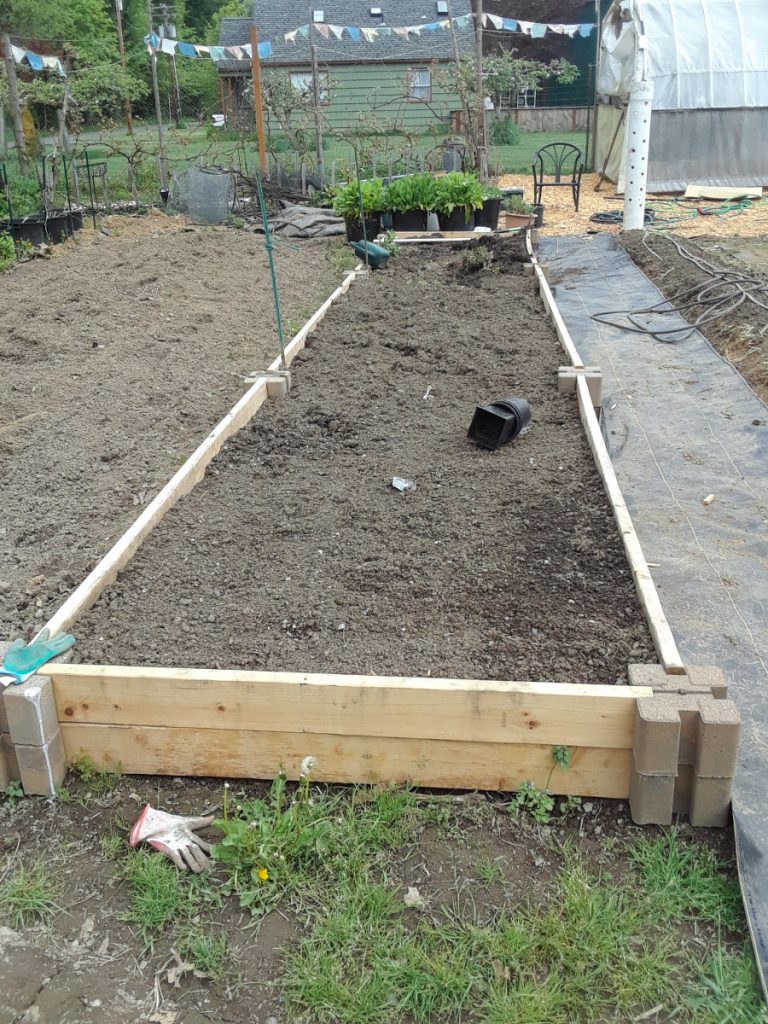
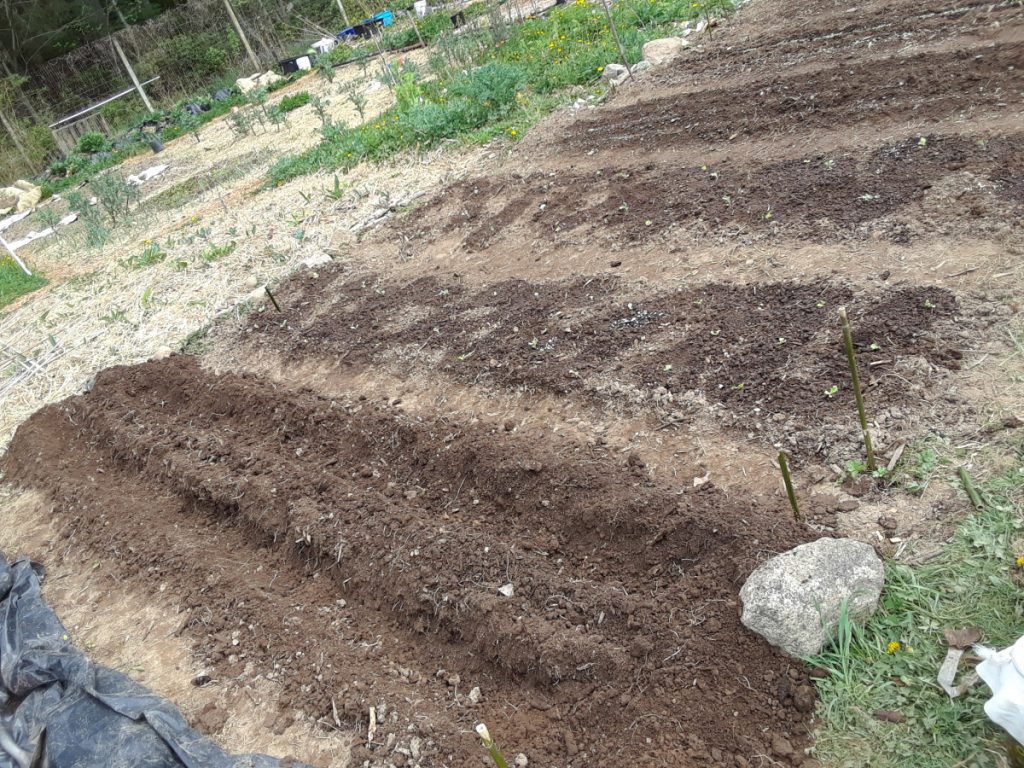
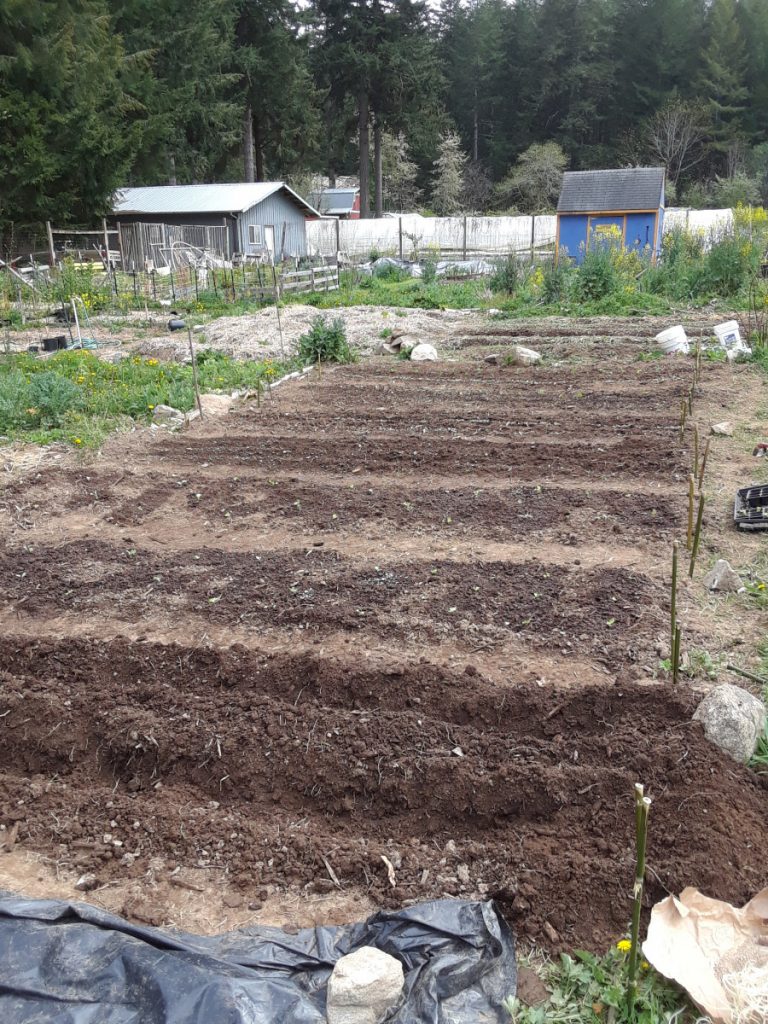
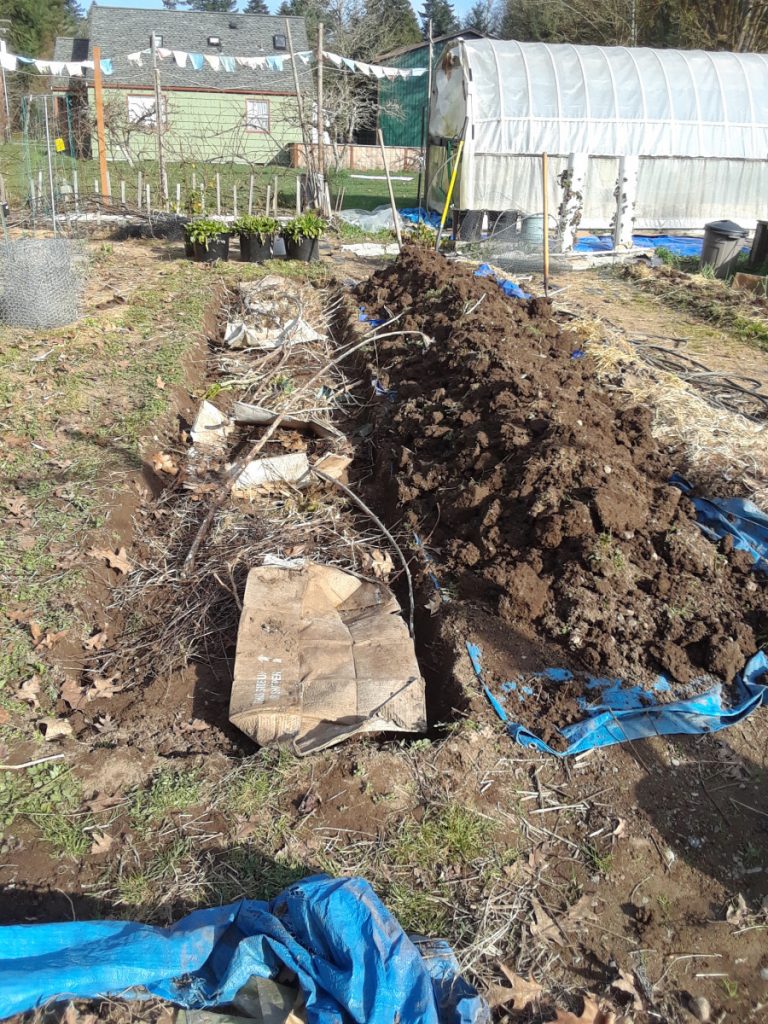
These are three hügelkultur beds that we have begun planting in! We dug a trench and filled with woody debris, straw, big stalks of kales and other plants, and small debris and filled with soil and topped with compost. We decided to give the last bed, photo far left, walls to raise it up some. The area these beds take up used to be tilled every year and the owners of the garden would like to move away from those practices and when they researched more about hügelkultur, it was decided to add some to the space. I am happy to be here for the journey and I think it will be a good addition to the ground in the long run.
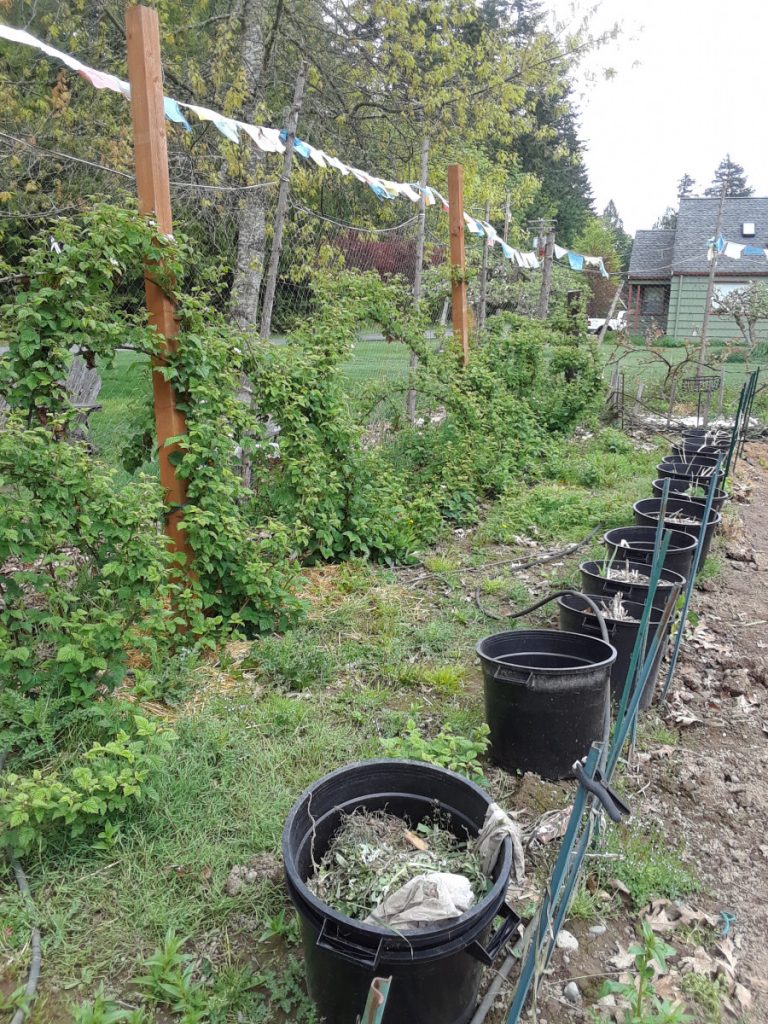
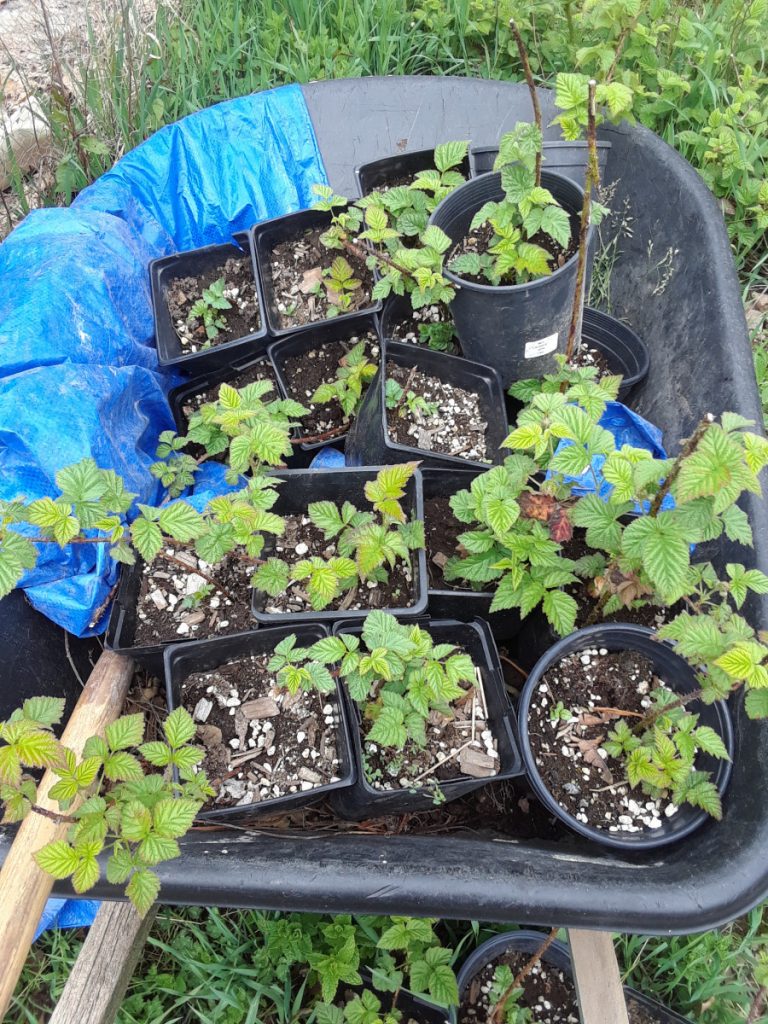
The line of berries in the left photo is a unique blackberry cultivar created over 50 years ago by my neighbor’s uncle Otis, so we call them Otis berries. They seem similar to Logan and Tay berries, with the vines being very thorny, very vigorous, and tons and tons of berries. We have to prune them heavily in the fall or they will literally take over the world. The berries themselves are kind of tart and sweet and super delicious, with a very deep red and purple color. Right now, they are about to burst with flowers and it is a real treat to watch the many bumble, honey, and native bees at this buffet. I think it’s the most wonderful time of year when they become ripe. We always make an event of picking the first flush and try to get as many as we can. We freeze them as we pick them and after they’re through, we make a big batch of the best damn jam ever. It has become a most treasured tradition for me since I made friends with these wonderful people. When we prune them in late fall, there are always many shoots and the last two years, I have managed to pot up quite a few each year, and we sell them to raise money for the garden.
Sister’s Garden Coming Soon:
We are still planning which varieties we would like to grow together. So far, we like the idea of acorn squash and zucchini. Now to ponder beans.
WEEK FOUR: The Garden Grows
Turnips!
Peas bursting through the soil!
We started weeding, as our seeds have begun to germinate! Dr. Dirt dug two beds lickety-split like it was cube of butter, showed us kids how it was done.
We ended the week planting potatoes! Productive Fingerlings that Caleb had kept from last year’s crop, fabulous.
Planted Potatoes on the last day of week 4!
4/22/2021 Lots of germination happening: lettuces, radish, turnip, beans, peas, and green onions! also phacelia and clover!
A Space for Sisters: Prepping the Earth
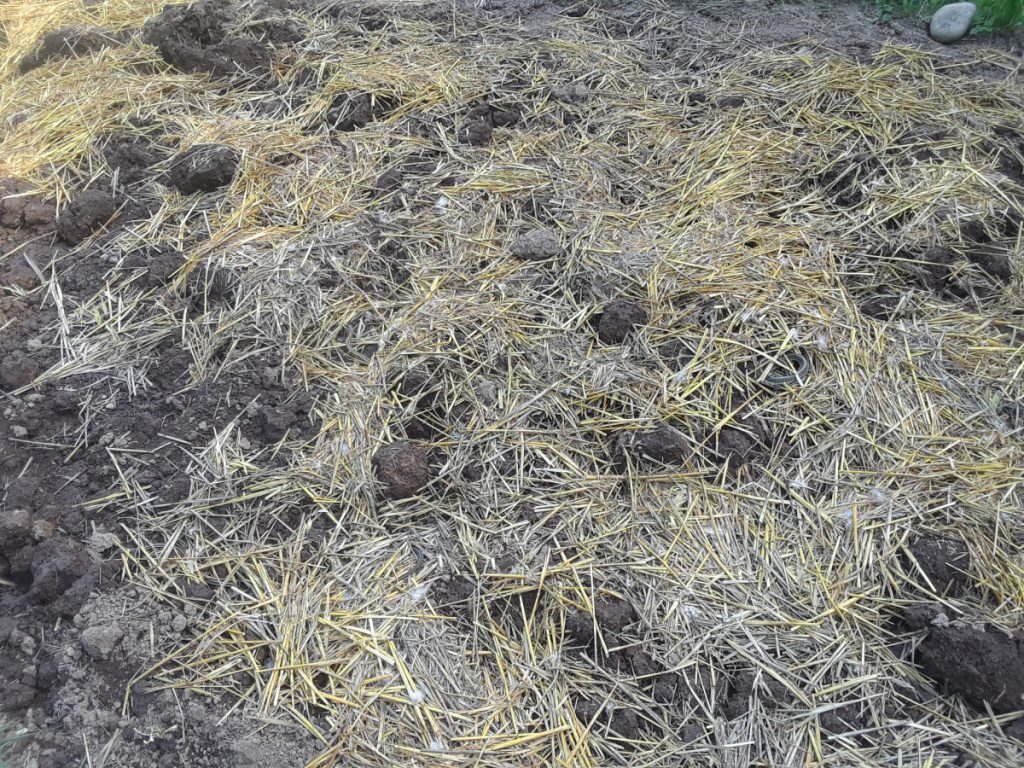
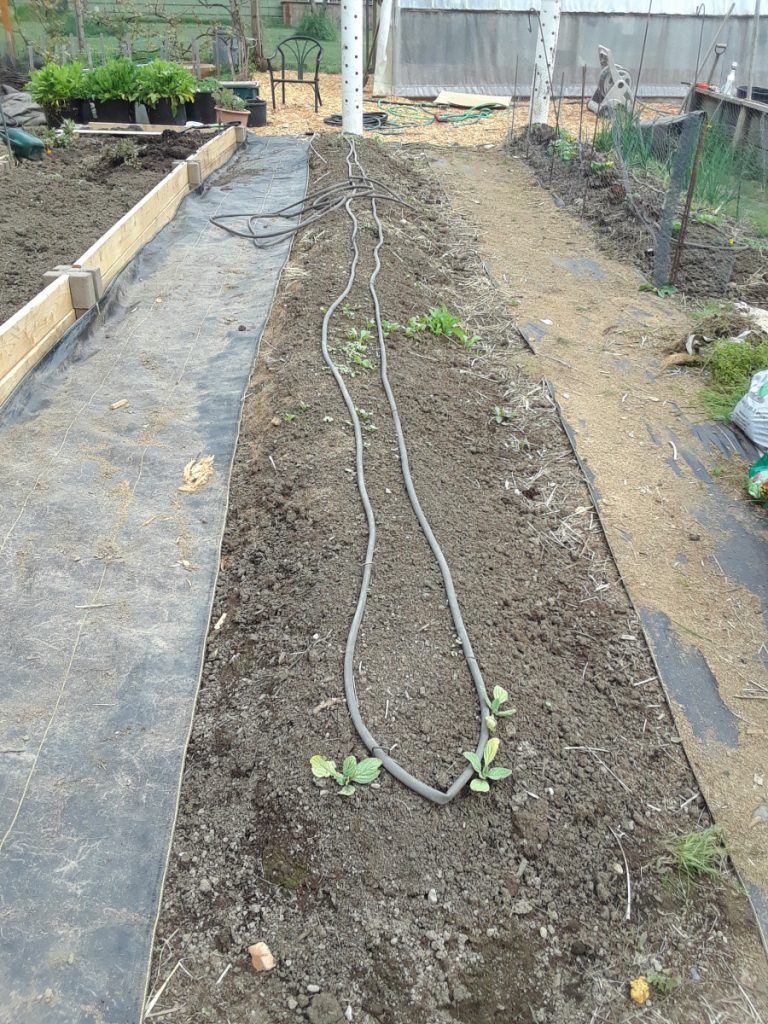
We are almost done digging out weeds and unwanted plants from our plot. We are covering the bare Earth with duck soiled straw from my ladies, to suppress weeds and add nutrients. We will leave the straw on the surface, as a mulch, rather than turning in because doing so would withhold nitrogen from plants in order to break down the straw.
SeedLinked Member: I am ready to compare and record my experiences growing sunflowers!
Latest Additions to my personal gardens: New Fruit
Schisandra Vine Schisandra chinensis
The Schisandra Vine is a cold hardy perennial native to Northern China and Eastern Russia. The berries are said to be nutritious, have a tart and lemon-like flavor, and makes tasty tea and juice. There are many medicinal uses as well and it is popular in Chinese medicine. It is sometimes called the Five Flavor Berry because its complex combination of flavors described as salty, pungent, sweet and tart skin with bitter seeds. This vine is a variety called Eastern Prince and is self fertile.
Snowbank White Blackberry
I also added a White Blackberry! This berry will be translucent and milky white, with a pink hue, and have all the taste of a blackberry. I am guessing it will be on the sweeter side. The plant doesn’t have huge thorns and I am hoping this 18in deep pot will be enough space for at least this year.
I don’t have much full-sun space to put perennials in the ground at my current living situation, but there is some space I can use, so for now these plants, and a few other goodies like a Reliance Peach, are in big pots in sunny spots until I find a bit of Earth to make their home.
Sowing Saved Seeds: An Experiment
Last year, I saved many different seeds from flowers and herbs. I’m not sure how viable most are, but I felt the need to do so in my own bones, and so I sow.
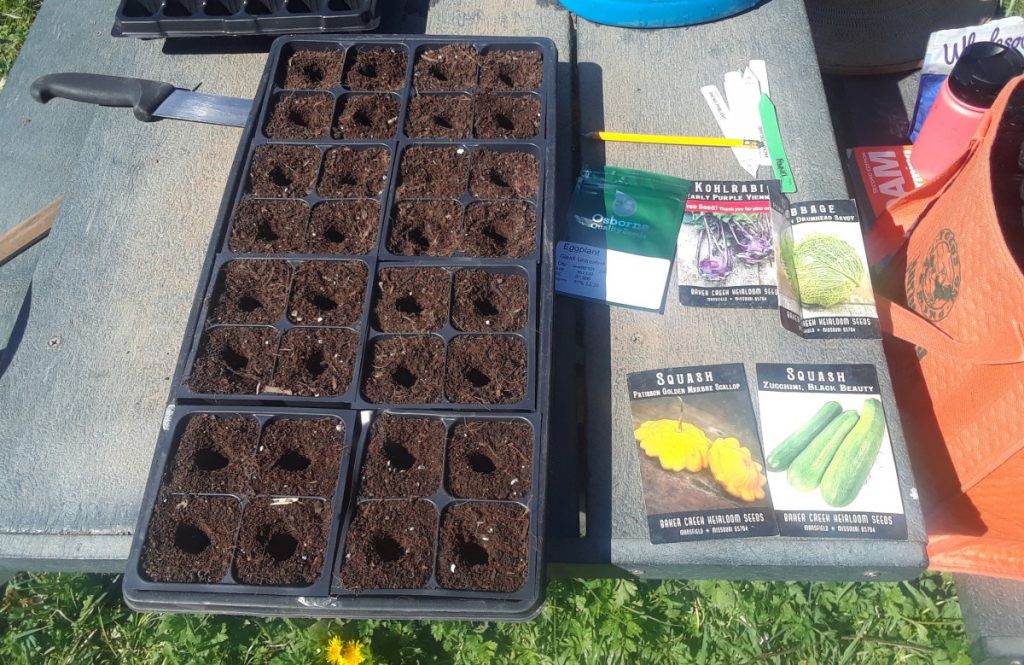
This round, I will sow rosemary seeds I collected from a 30+ year old rosemary plant, Hidalgo Stachys (I am particularly excited about these) seeds I collected from plants at the nursery I work, non variegated spider plant seeds just for fun, petunia seeds I collected just to see what happens, columbine, and an ornamental variety of echinacea. These are all seeds I have personally collected. I will also sow orange bell peppers, indigo rose tomatoes, and De Cicco broccoli that I purchased.
I want to compare a bagged seedling mix from Four Corners Farm and Garden in Castelrock, WA to a seedling mix that Caleb made and gifted me. His mix is a blend of coconut fiber, compost and some of the same bagged seedling mix from Four Corners.
L: Caleb’s Mix R:bagged seedling mix
Just 4 days later, the broccoli popped up in Caleb’s mix!
babies
WEEK THREE: Gardening Through Chaos
Meet the ladies, Bella and Bossy!
L: Bella R: Bossy
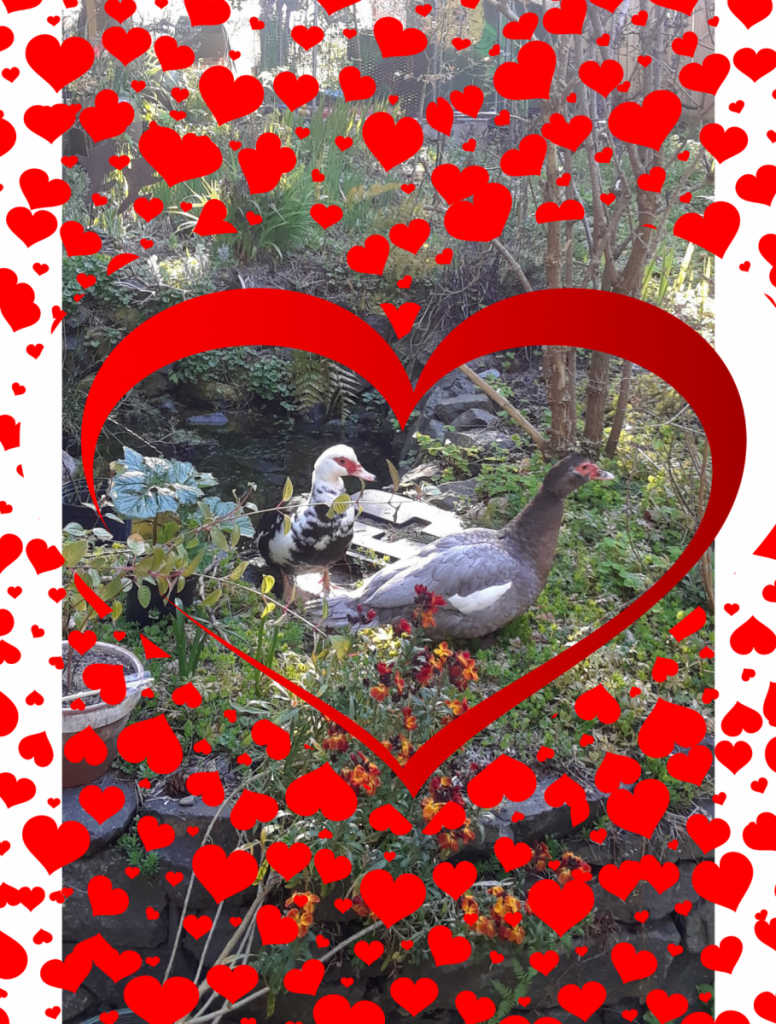
Bella, aged 2, and Bossy, aged 3, are female Muscovy ducks who were gifted to me and my neighbor in Fall of 2020 when their original owner moved and couldn’t keep ducks at their new house. Bossy first came with her sister Bluey, but sadly Bluey flew away in October, shortly after they arrived. My neighbor found Bella on the internet from a big farm near Shelton shortly after that because ducks are flock animals and we didn’t want Bossy to be unhappy. They mostly get along, but Bossy often lives up to her name and tries to take the dominant position. This is our first spring together and we are learning a lot! They started laying eggs in March, they are big and delicious and have very thick shells. We let them forage, and feed them peas, greens, dried grubs, and feeder fish, along with grain as they wish. The soiled straw from their coup is a great addition to the garden. These gals are really smart and have started warming up to us, even asking for pets!
Evergreen Community Garden: A lesson in communication!
I had a conflict on our usual Tuesday meeting, but was able to meet our fabulous TA the next day, Wednesday, and helped prep a bed for planting!
Prepped a new bed!
Note the color change when the beds are wet!
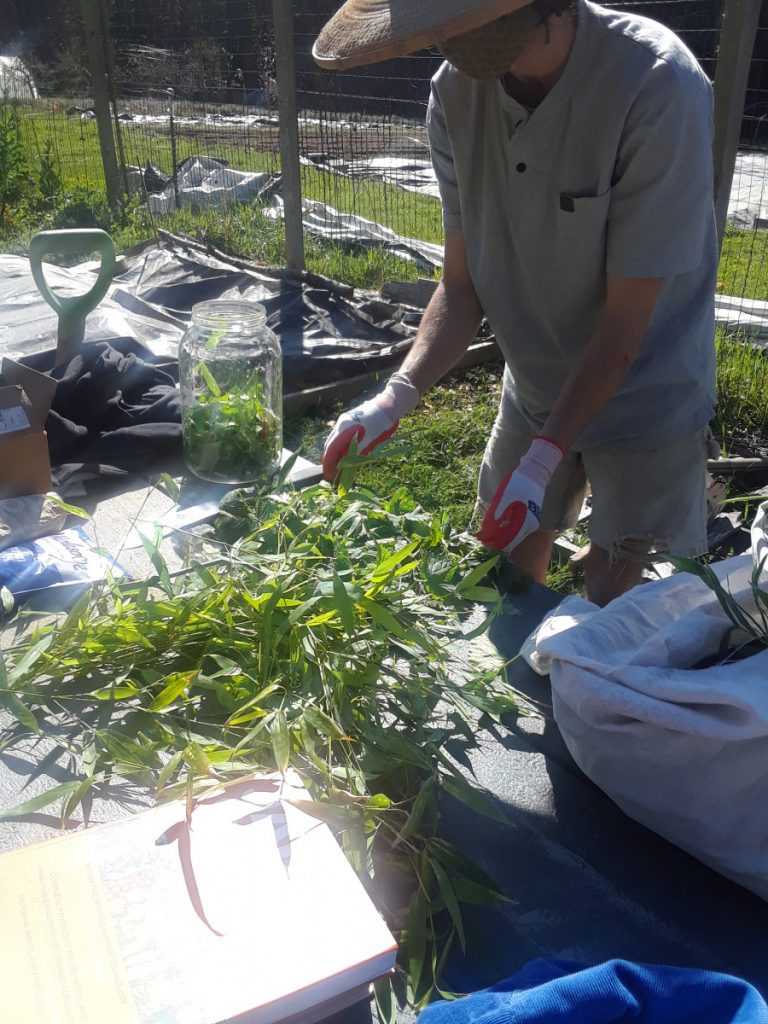
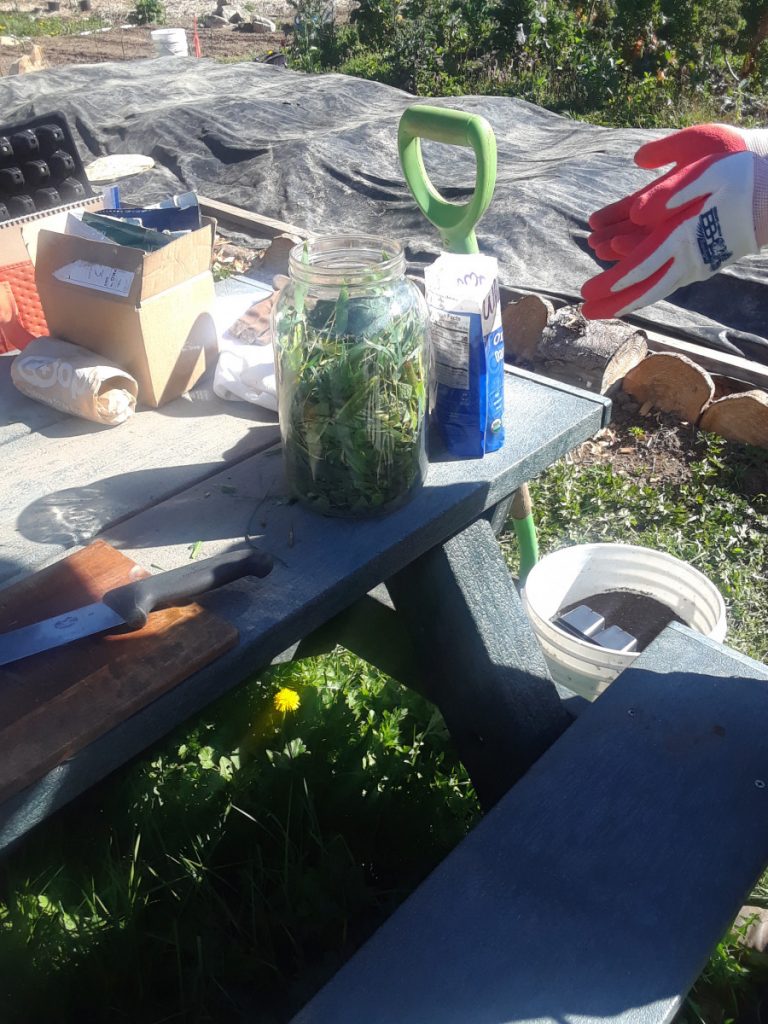
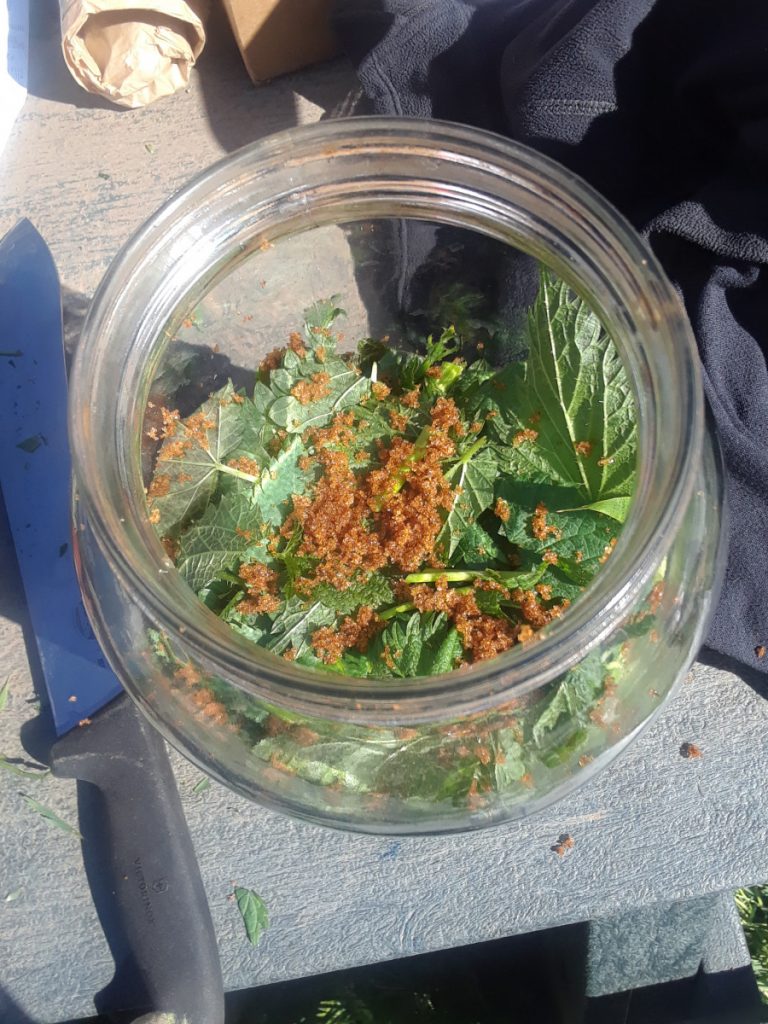
On Thursday, we made Fermented Plant Juice! FPJ is a fermented plant beverage of sorts, made with plant scraps and brown sugar. The solution is nutritious for plants and boosts soil health! For our FPJ, we used nettle, a small amount of dead nettle, comfrey leaves, bamboo leaves, grass, and angelica, cut into chunks, layers with brown sugar, and muddled until juicy. We will leave it in a dark place for about a week and check for small frothy bubbles.
Making Fermented Plant Juice
Layers of plant matter and brown sugar
More planted beds!
More seed sowing!
We also planted a bed and sowed more seeds. The space is getting fuller and fuller!
Yauger Park: Potatoes
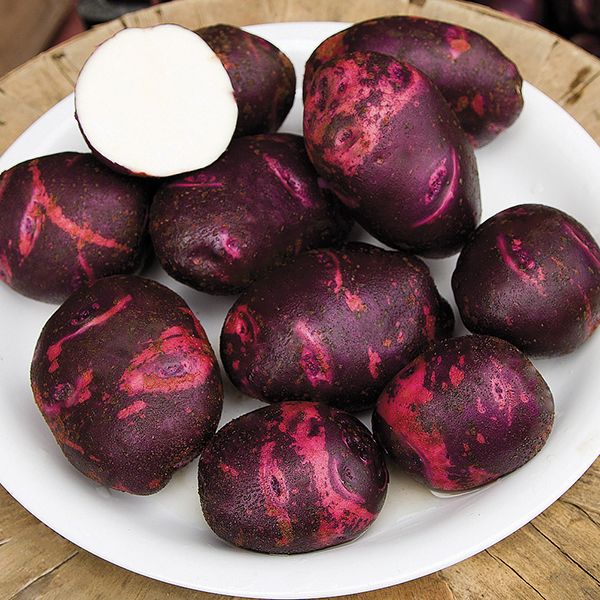
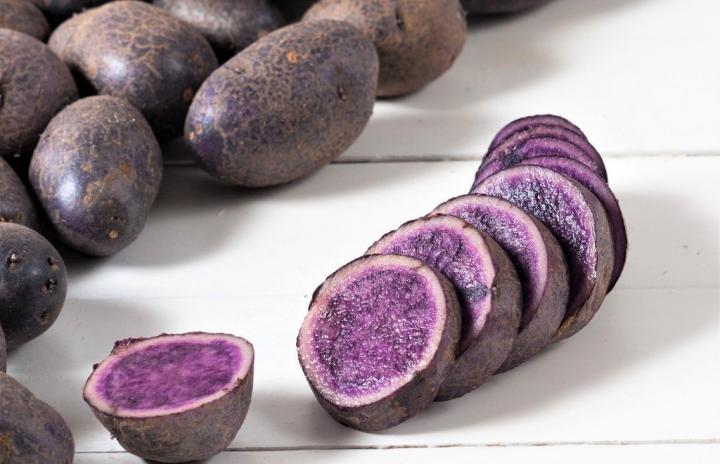
This week I planted more potatoes in the community garden plot. I chose two different varieties that I really wanted to taste: Purple Viking and All Blue.
Purple Viking Potato! Photo Credit: High Mowing Seeds website
These early season potatoes have a beautiful marbled pink and purple skin with white flesh. They are supposed to be versatile in cooking, with a firm texture. I should expect a harvest in 60 to 80 days, sometime end of June beginning of July.
All Blue Potato! Photo Credit: The Old Farmer’s Almanac website
These heirloom potatoes are high in antioxidants and are said to keep their beautiful color when cooked. I love eating purple vegetables, especially purple potatoes, so I am particularly excited to grow these spuds. They mature in 90 days, so around July I should have a good harvest of beautiful blue babes.
Seedlinked: Sunflowers Have Arrived!
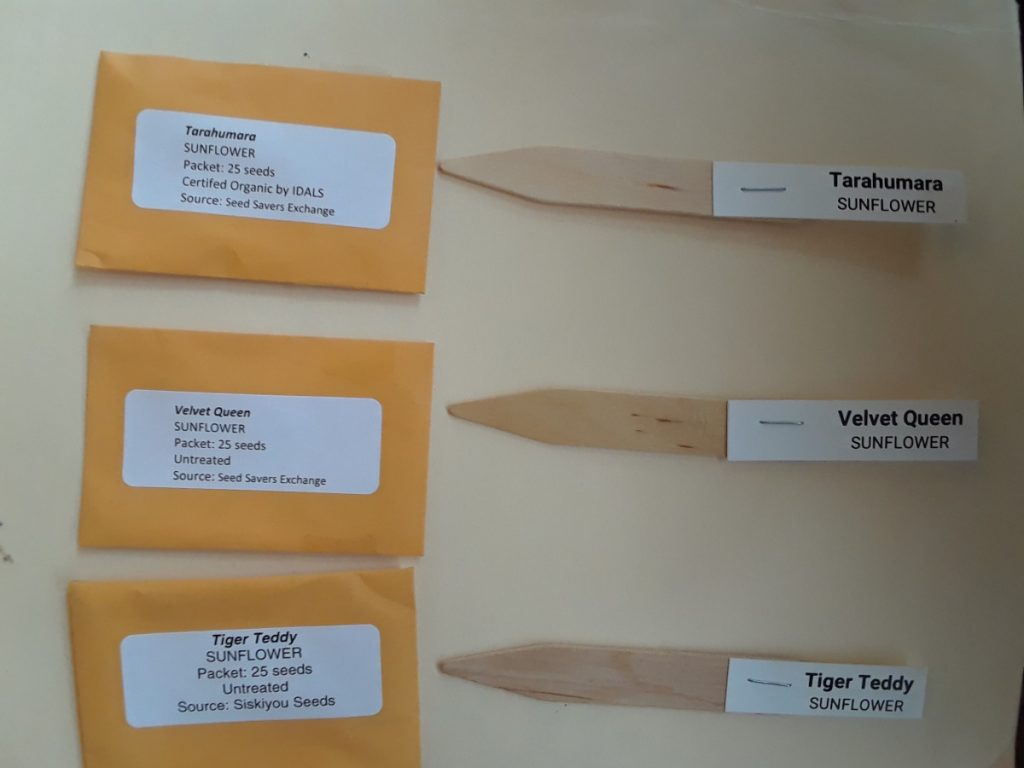
We have 25 seeds of each variety! While pondering where to plant these seeds, an opportunity to collaborate with a classmate lends solution!
Three (Four? Five?) Sisters Garden: Traditional Indigenous Ecological Knowledge: Collaboration with Sarah Dyer
Sarah Dyer and I have decided to collaborate on a space that is about 10′ X 28′ and grow Three?(Four, Five, several) Sisters! We have begun prepping the space to build mounds and have been discussing many design options. I drew up some ideas and will make modifications to our design before we dig out our paths.
WEEK TWO: Intros and Seed Sown
#1 (4.5) First In-Person Tour of Evergreen Community Garden!
Tuesday we were introduced to the community garden and went over housekeeping and procedures. Thursday, we built a bed and planted peas!
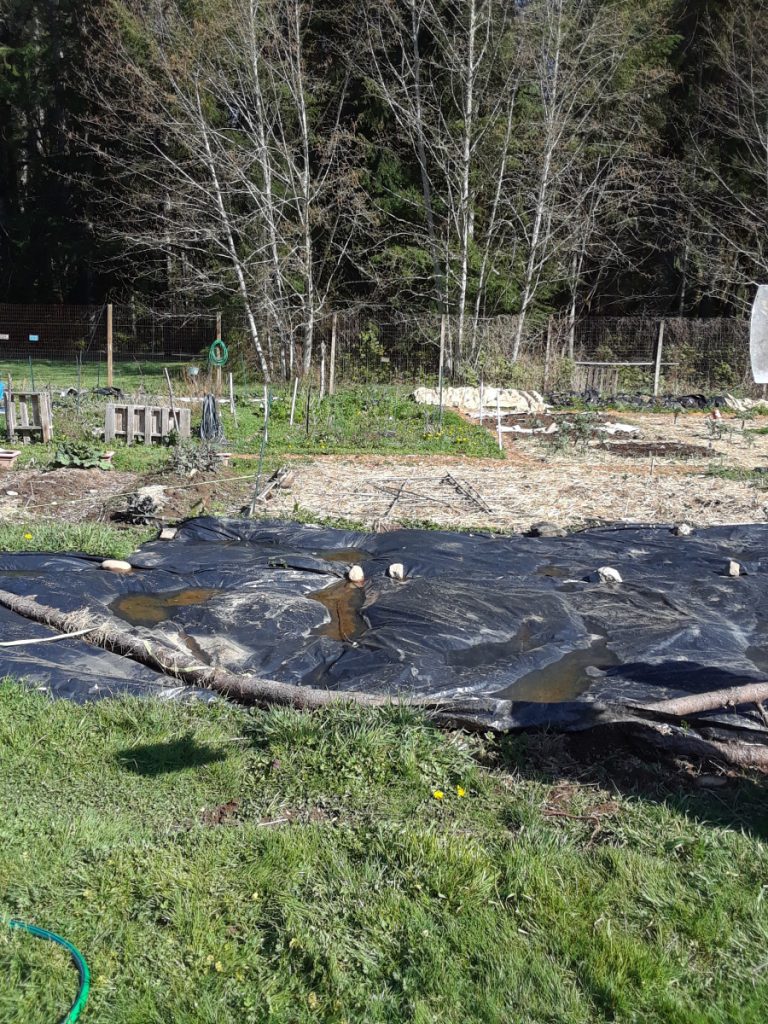
The space!
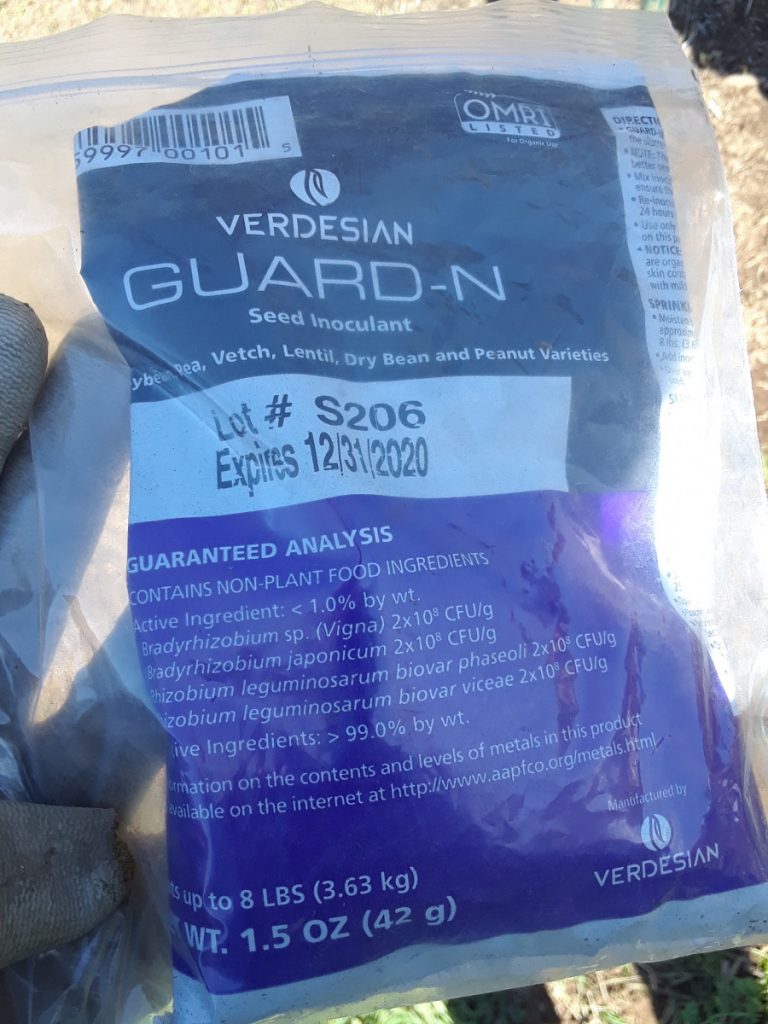
Pea inoculant
The first bed!
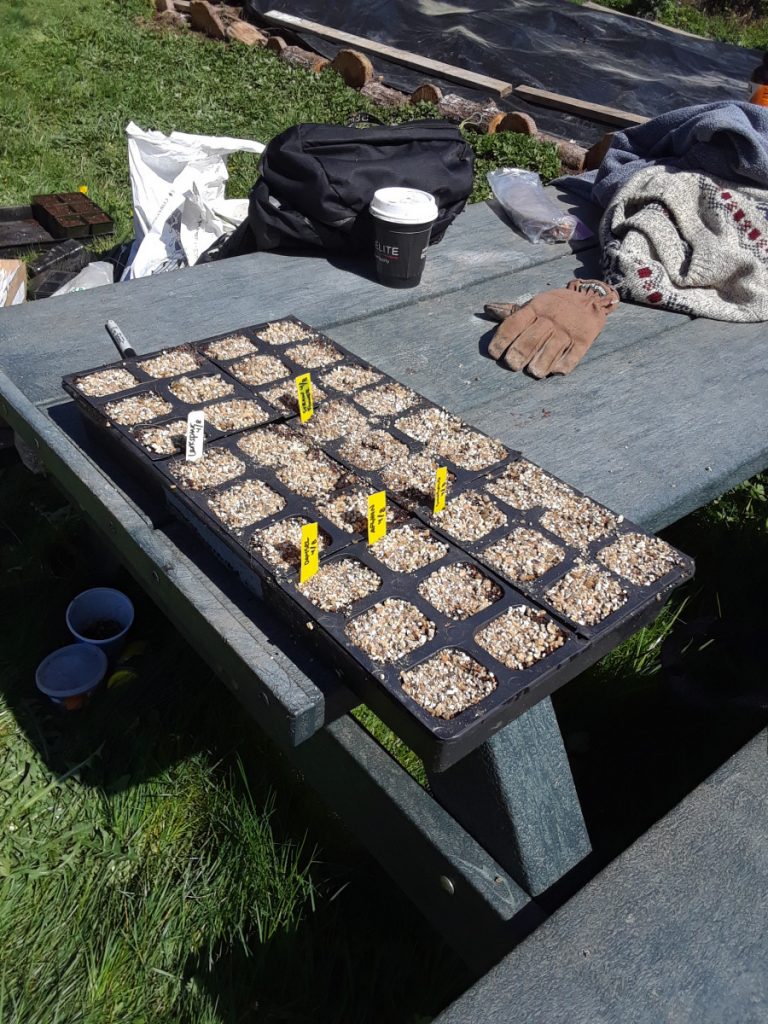
sown seeds!
We are off to a great start!
SeedLinked: Sunflowers
We await the arrive of the sunflower seeds, while I ponder where to plant them….
We will be sowing two ornamental varieties of sunflowers: Velvet Queen, a deep purple 8in beauty with a sunset of colors. Tiger Teddy: a double bloom bicolor flower with shades of orange and bronze.
We will also sow a variety called Tarahumara, which is good for roasting and eating the seeds and with success, we can roast and eats these flowers in the fall!
WEEK ONE
My Journey of Garden Stewardship
March 2021
During Week 1, I was able to help finish up a hugelkultur bed at my neighborhood garden.
Summer 2018
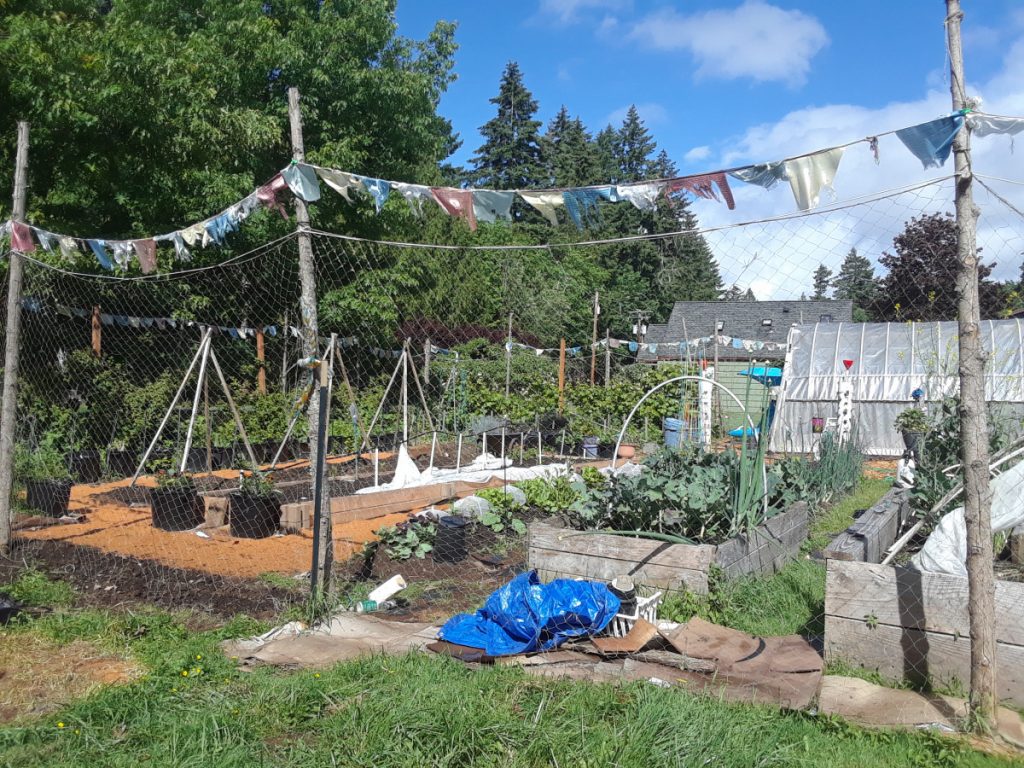
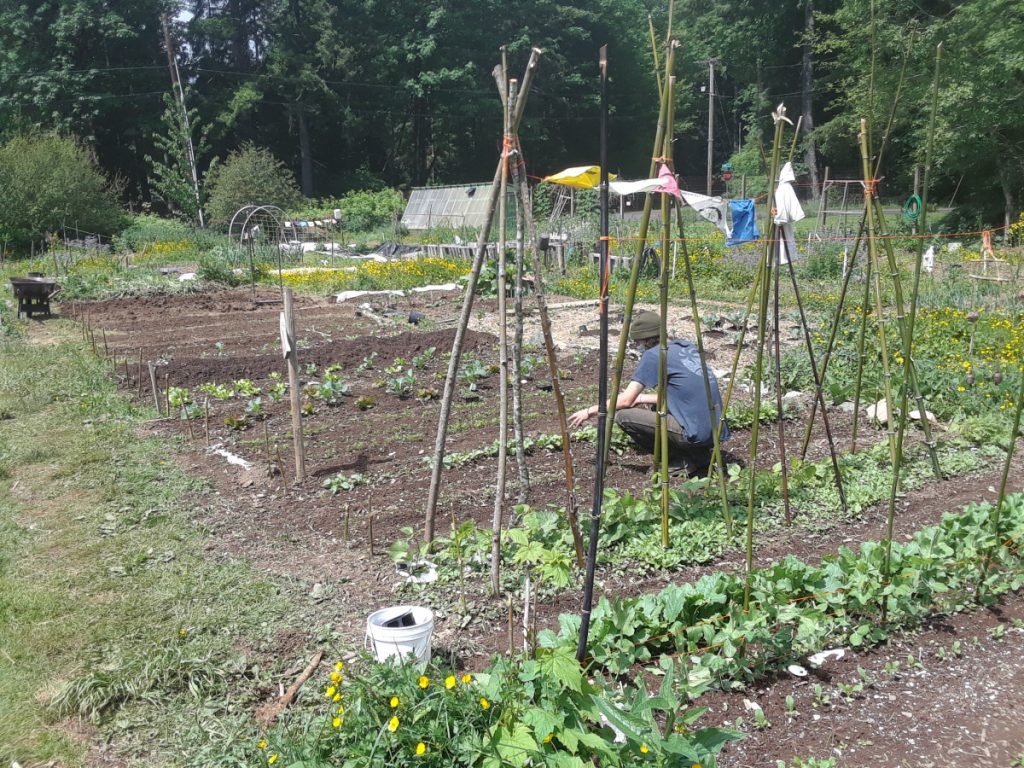
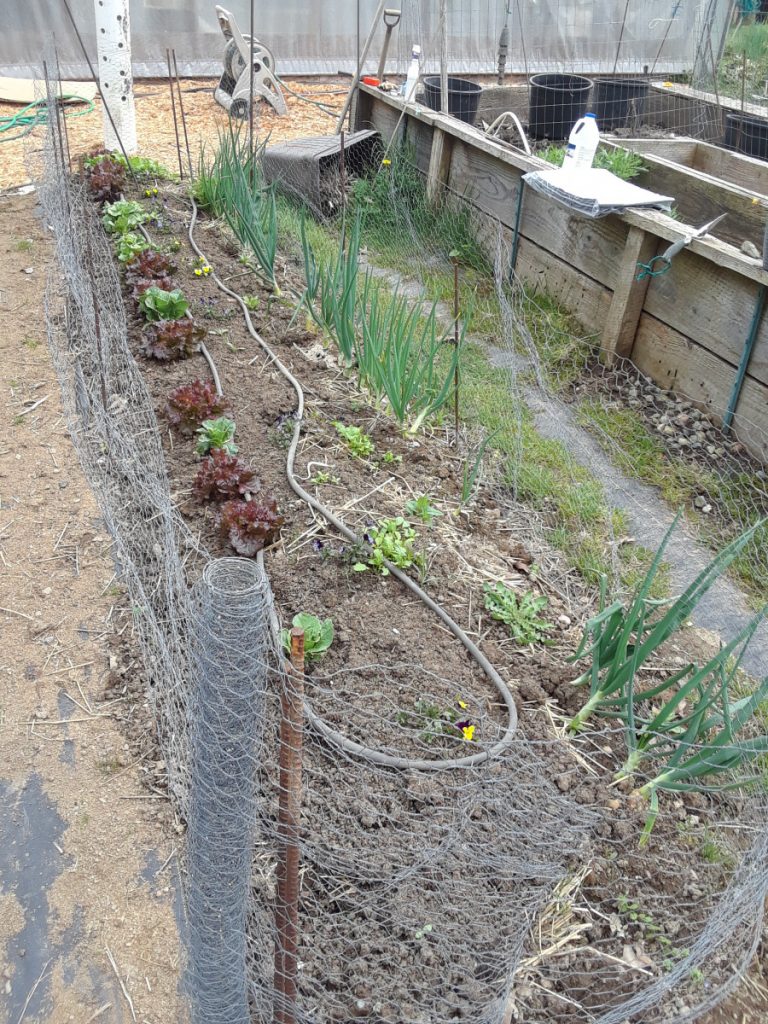
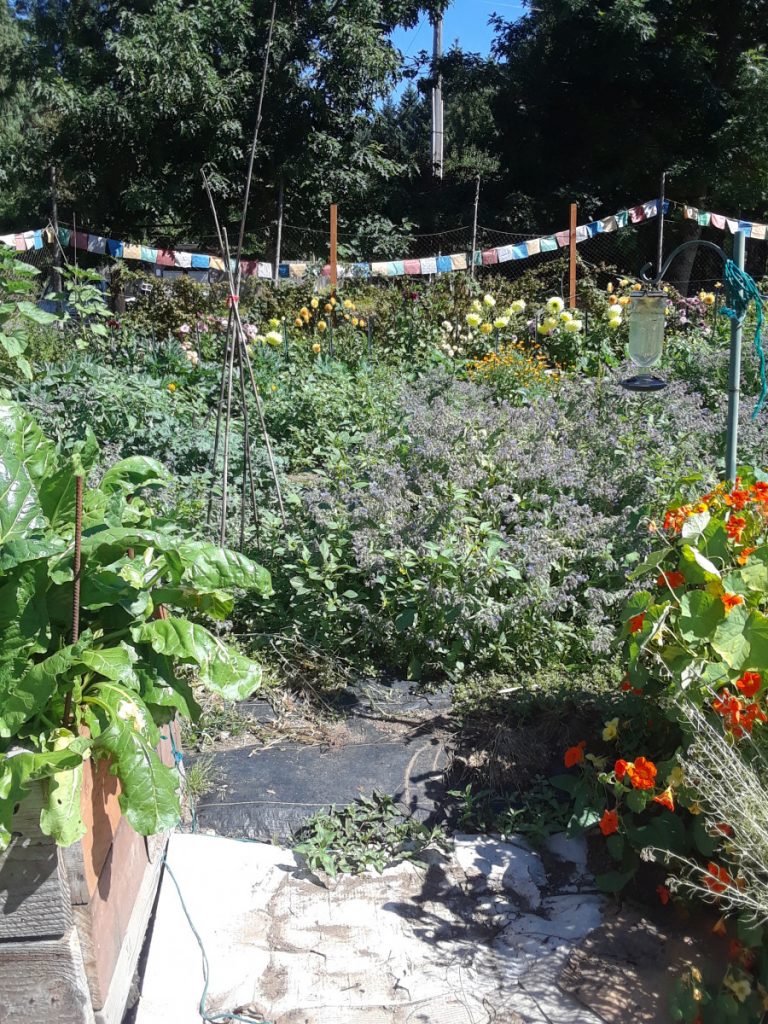
Buzz and Blossom Garden was curated by my wonderful neighbors more than 30 years ago. I have been lucky to help them tend for the last 3 years, this summer being my 4th! The garden grows lots of beans, greens, onions, broccoli, garlic, corn, squash, tomatoes, and lots of flowers. There are also 4 beehives, and this last winter all 4 hives survived! Most recently, we have built 4 long hugelkultur beds, planted some broccoli and lettuce, and are preparing to plant lots more!
Community Garden at Yauger Park!
I have 2 plots at the Yauger Park Community Garden.
The raised beds are 5′ X 10′ and about 12in deep. In one bed, I inherited an everbearing strawberry patch that takes up half the space, and the other side I filled with flowers, such as calendula, nasturtium, hyacinth, wallflowers, and lettuces. The other bed, I inherited Yukon gold potatoes that keep making potatoes and seed potatoes and collards. I also add lettuce, sorrel, and broccoli. This year I will be planting new varieties of potatoes.