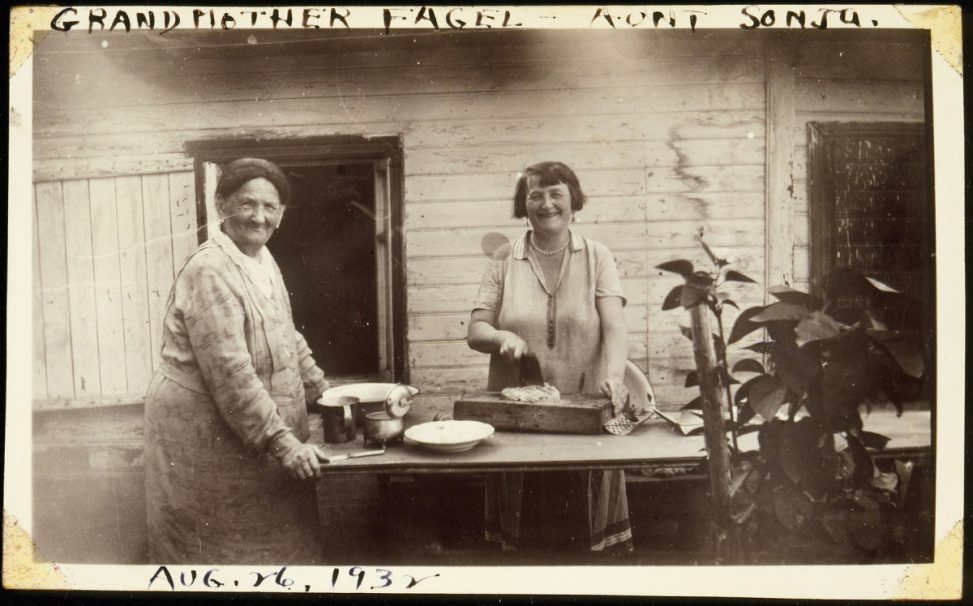
I watched the film Horodok: A Shtetl’s Story 1920-1945 directed by Tierza Amizur Berman to get a deeper understanding of what shtetl life was like for Jews in the early 20th century. It is comprised of archival footage and interviews with residents of the shtetl in their older years. The ex-residents went over the layout of the town: around 1,200 people lived in houses that surrounded a square with many shops and even a theater where plays would take place. Most of the houses had gardens in the back, growing radishes, cucumbers, and potatoes. Many people also kept some geese and a cow. The majority of the population was poor, but the community was strong.
At first glance Horodok seems like a pastoral haven, a place where Jews could build a community uninterrupted by outside groups. However, this was not entirely true. The lives of Jews in Eastern Europe were at the mercy of government, who assaulted Jewish communities with anti-Semitic policies and pogroms to kill Jews and destroy their towns. Laws surrounding where Jews can live, where they can travel, and what they can or cannot do changed all the time. Eastern European Jews were faced with a total loss of control every day, their lives held in the hands of those who cared for them very little. There was no way to know what the next day might hold.
Not just in nineteenth century Eastern Europe but throughout history, Jews have faced this loss of autonomy. To balance this lack of control, Jews turned to private ritual and community where they could have a say in every aspect. In their small towns, where the population was 85-95% Jewish, they had total control of the cultural and social environment. Ritual was hugely important to these communities, going to temple together, celebrating births and weddings as a community. In the home, the importance of ritual had the same value. Families would cook holiday meals and celebrate and pray together, their private rituals something that could not be changed by a the ever shifting policies of the Czar or by the how much or little families had.
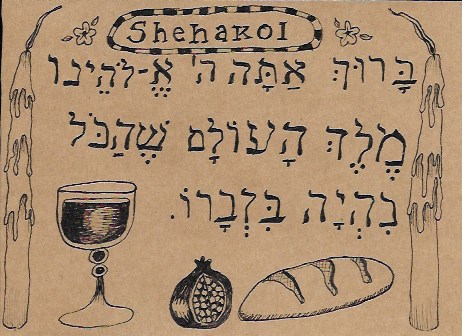
In the film, a woman describes the great care her mother and aunt used when making matzo for Passover. The women covered their heads, careful not to get a singe hair on the matzo and her father had a special stamp for the dough. Once the matzo was prepared, they were brought to a communal padrat (special matzo oven) to be baked under the watchful eye of a rabbi. In Yaffa Eliach’s book There Once Was a World, Eliach describes the cooking process of other foods prepared during Passover saying, “the rest of the special Passover foods were prepared…with the same ritualized attention to detail,” (Eliach, 430). Food and cooking is a huge part of Jewish religious ritual, playing a large part in most ceremonies and holding much religious significance.
During Hanukkah, a Horodok woman remembers making latkes with her mother and eating them in their small house by candlelight with the rest of the family. Only a few years later, both her parents were killed in a concentration camp. Even still, after all the horrors she has witnessed and lived through, the sound of her father’s voice chanting prayers over their food still rings out strong in her memory.
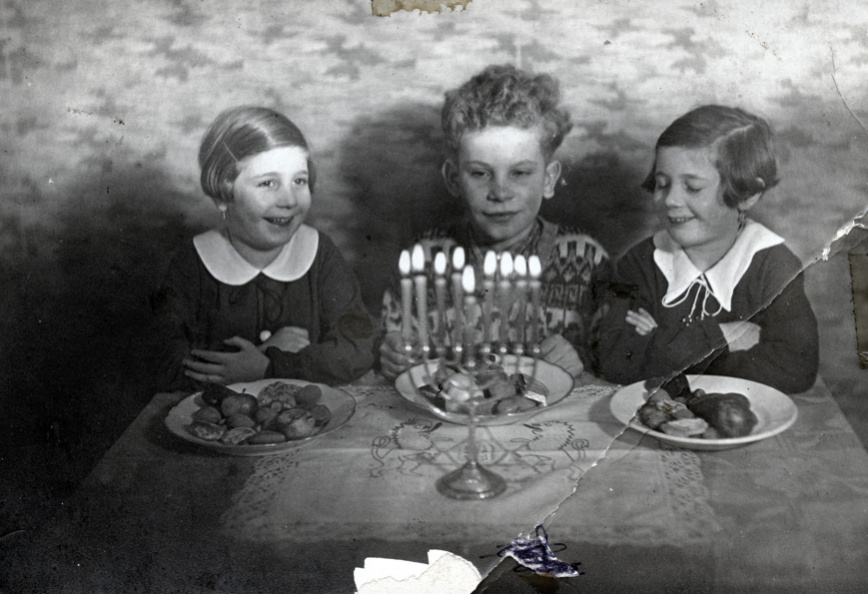
Food is a way to create memories and rituals that cannot be taken away by government policies or actions. It is a way to exert control over your environment in small but mighty way. In the face of extreme poverty, forced moving, starvation, and even the Holocaust, one thing that Jews could keep with them is their private rituals. Food, being one of these rituals, was a way to take back the freedom Jews did not possess, something that belonged entirely to them and no one else.
Leave a Reply