Eating Memoir Week 7
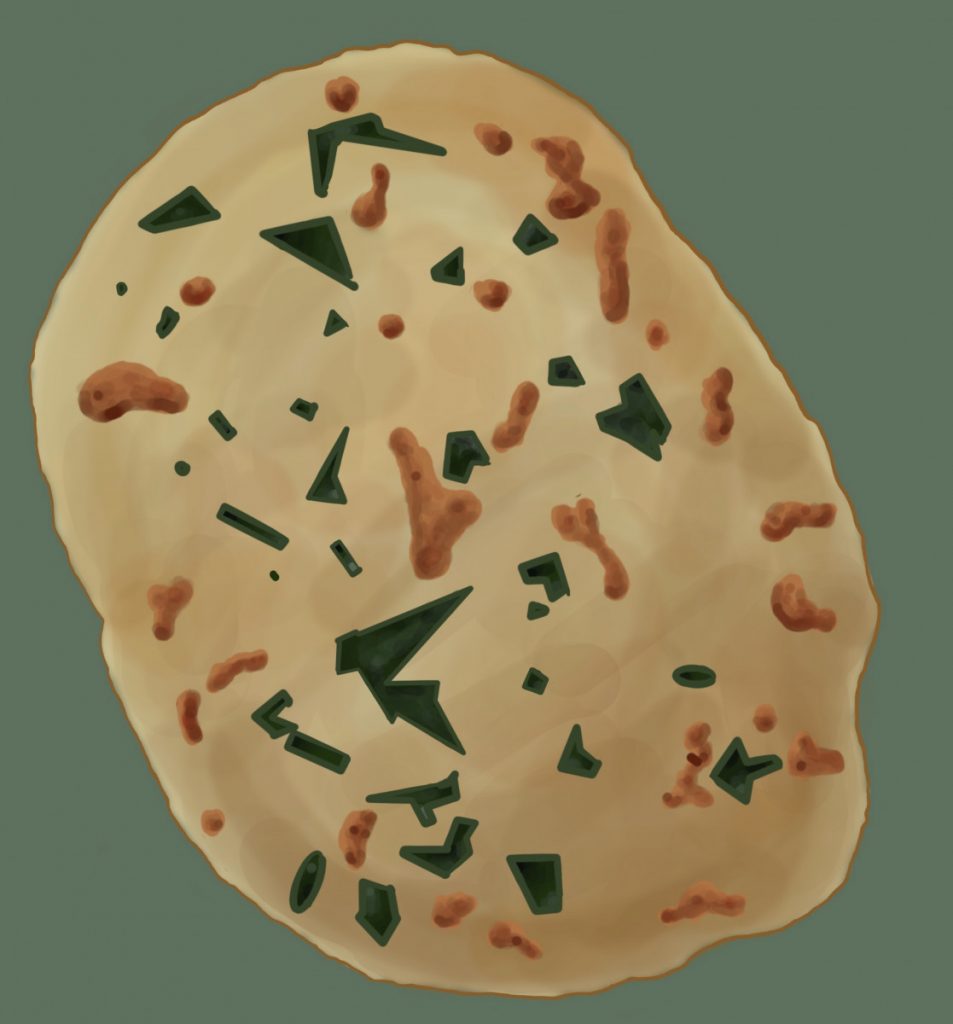
“The nan is the staff of life for the Uyghur people; it has an almost sacred significance” (Dunlop, 2008, p. 243).
The Uyghur people are not the only ones who treat bread as if it is sacred. Bread is eaten in many different religions across the world and regarded as very sacred. The love for bread (specifically nan bread) is something that the Uyghur people share with many other people in the world. “The Uyghur share their nan-baking technology with the Persians (who probable invented it), Afghans, Uzbeks, Northern Indians, and Turks, among others, and it has ancient roots in the region” (Dunlop, 2008, p. 243). This is one strong example of the ability food has to unite people, and the way food travels. “The cooking of the Uyghur people… has echoes of both East and West” (Dunlop, 2008, 239). Flat bread has been consumed widely across many cultures for centuries. The consumption of flat bread is one thing that almost everybody shares in common. What sets the Uyghur people apart from everybody else, is that their nan is said to be the best.
One thing that seems to make everybody gravitate towards bread, is that it is an incredibly versatile food. “The nan is a bread with many uses. It can serve as an edible platter for kebabs or juicy steamed dumplings; or be used to wrap food for takeaway. It is imminently portable… even stale bread can be resurrected by dipping in tea” (Dunlop, 2008, p. 244). Many people eat their food wrapped in flat bread or sandwiched between slices of bread. Bread can be used as a way to “beef up” your meal. During the Great Depression meatloaf became a staple meal, as people discovered that they would use less meat if they added in bread. In last week’s cooking lab, bread was added into chili to thicken up it up. Bread is a beloved food because it goes with almost anything. It is used to elevate so many different kinds of food without being a distraction.
Food Lab
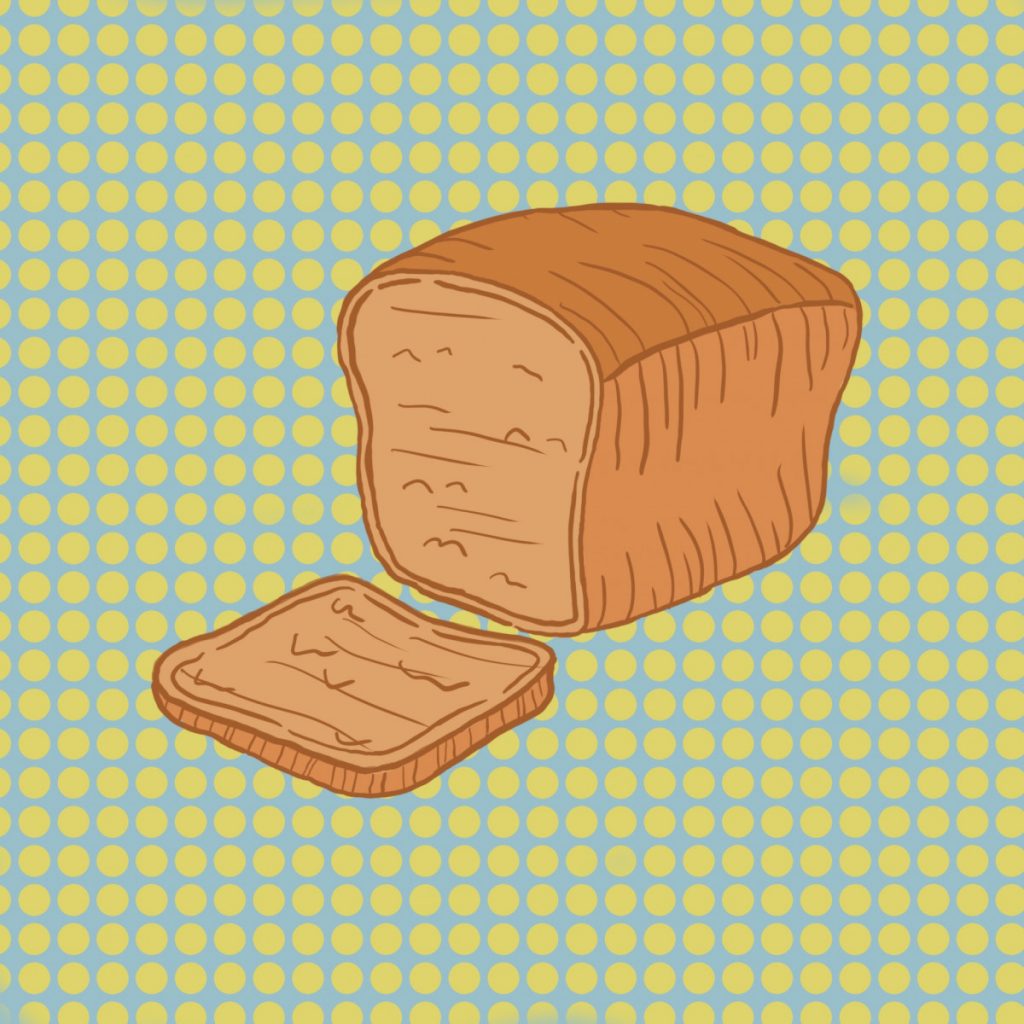
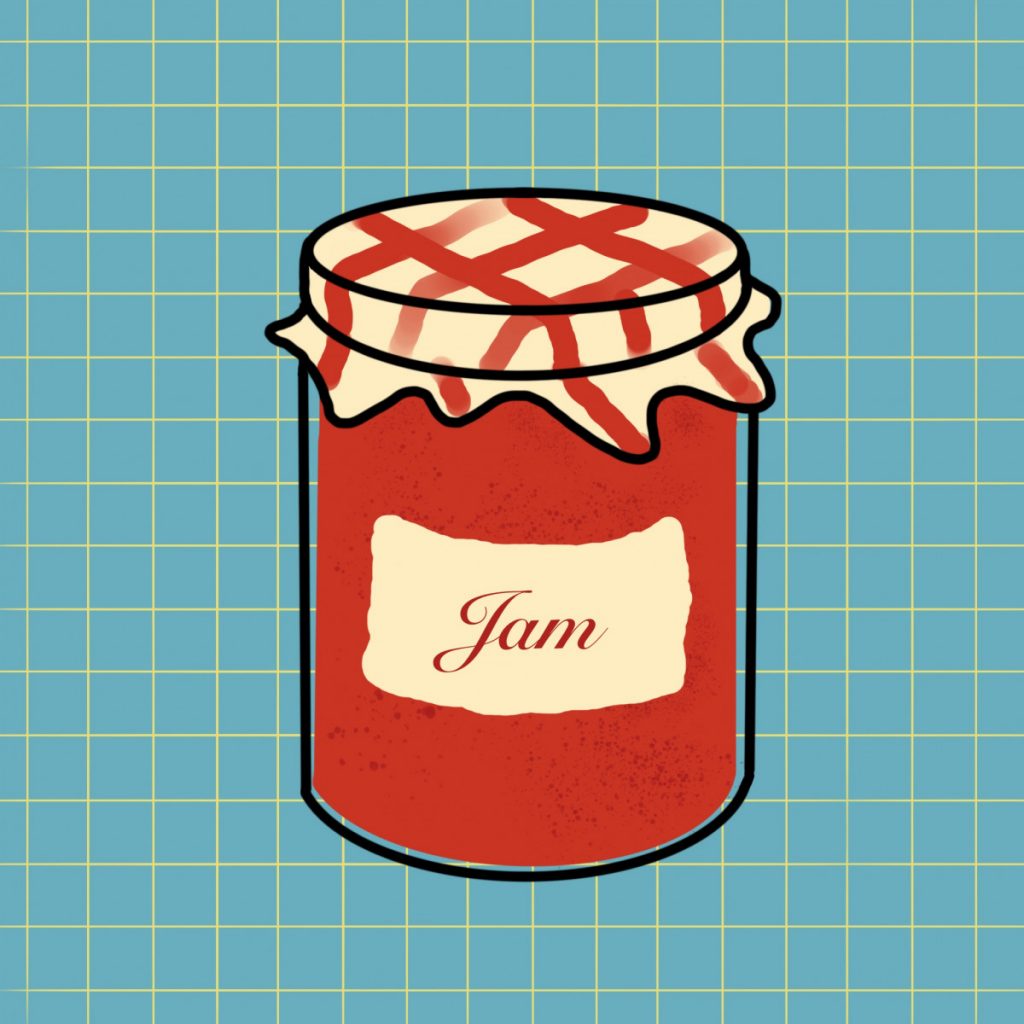
The bread that was used in last week’s chili was homemade, and was the bread that I decided to make for this week’s cooking lab. My mom was also making homemade freezer jam at the same time. I thought I would include it in the lab, as bread and jam pair so well together. In chapter 14, Fuchsia Dunlop describes the process of making nan bread. “Inside, his wife and sister rolled the dough into large rounds, and pricked a pattern into it… They smeared each round with mashed onion and oil, and flipped it, upside-down, onto a padded cushion. Ahmad then thrust the cushion into the oven… Ten minutes later, when he hooked it out, the bread was a ravishing golden brown, patterned Elaborately with quill-pricks and morsels of roasted onion” (Dunlop, 2008, p. 243). I wish I could say that the bread I made came out looking so flawless. It wasn’t as good as the bread made last week, because it didn’t rise very well and was a little dense, but it did taste good. The jam turned out really nice, and it tasted great spread across the bread.
The Recipe
Bread
- 1 cup water
- 1/2 cup sugar
- 1 1/2 tbsp. Oil
- 1 tbsp. Yeast
- 1/2 tsp. Salt
- 3 cups flour
Jam
- 2 cups crushed strawberries
- 4 cups sugar
- 1 box pectin
Drawing Lab
“Immigrants move across forms of art, music, fashion, and cuisine, but art forms migrate as well, from immigrant communities to the mainstream and back” (DiMaggio, 2010).
One thing that has become clear to me while reading Art in the Lives of Immigrant Communities in the United States by Paul DiMaggio, is that cuisine and visual arts Hove both played extremely similar roles among immigrant communities and have both had very similar effects on society. “The arts- music, cuisine, visual images- have always been a source of comfort for sojourners” (DiMaggio, 2010). There are many different forms of expression, and they all have similar effects on the world. “By resorting to artistic forms, often derived from tastes acquired in their country of origin immigrants strengthen bonds with other members of their own national and ethnic communities while using art as a bridge to connect… Artistic expression thus plays a significant role in immigrant adaptation- it humanizes strangers, making them comprehensible and even appealing in their adopted country” (DiMaggio, 2010). Artistic expression is extremely powerful, no matter what the medium.
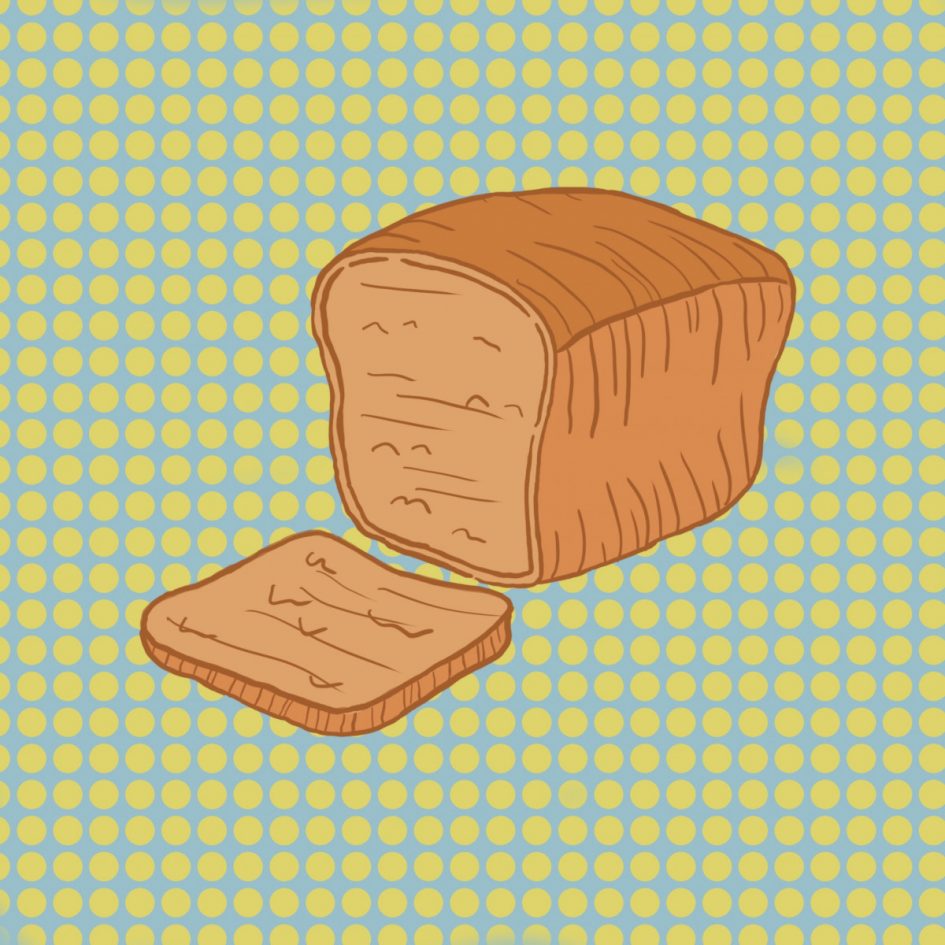
This is the first week that I have had my iPad, so this is my first entirely digital drawing lab. Last week I did my first digital drawing, and this week I decided to experiment with it some more. For my eating memoir, I decided to draw some nan bread, as I was very inspired by the physical description Dunlop provides for it. It didn’t turn out looking how I had imagined. I wasn’t happy with how it turned out, but I felt myself doing a little better with each drawing as I am adjusting to the learning curve of digital art. For the cooking lab I illustrated the homemade bread and jam we made.
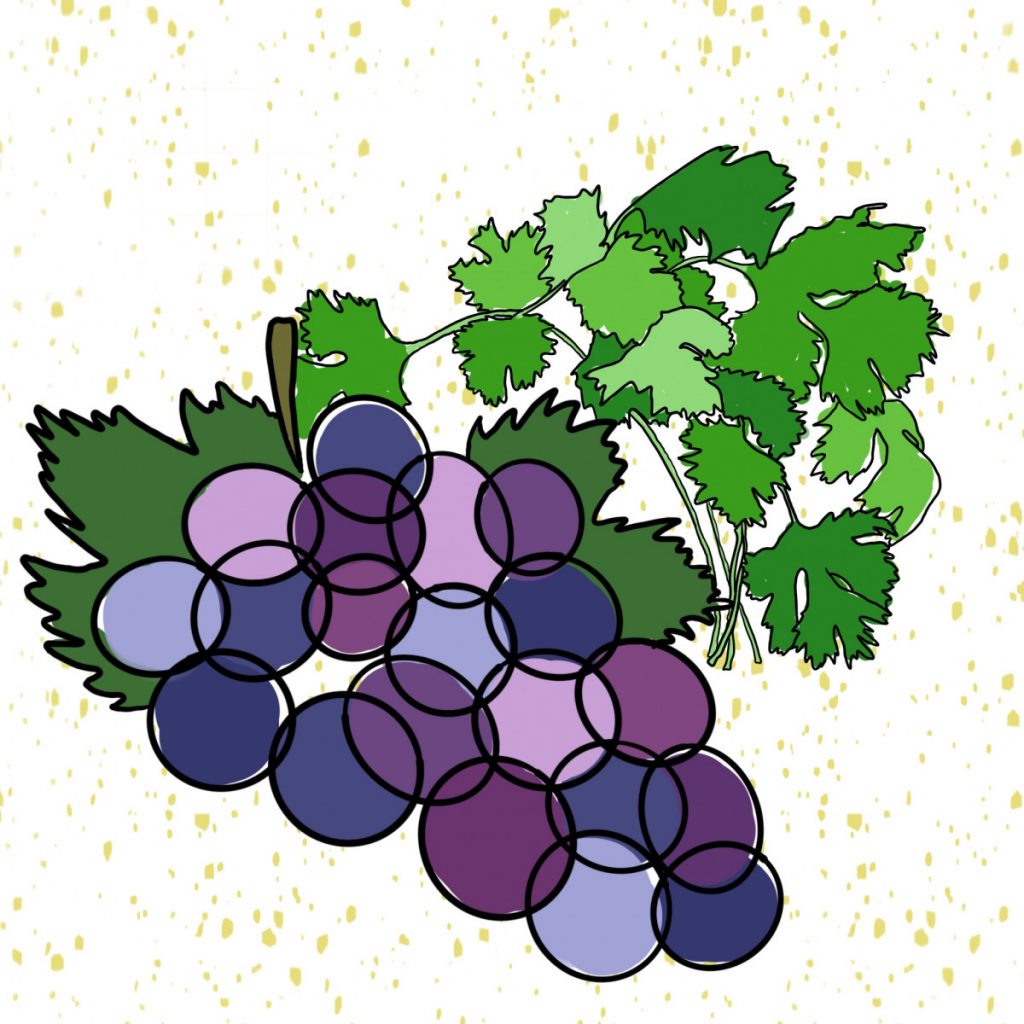
In chapter 14 of Shark’s Fin and Sichuan Pepper: A Sweet-Sour Memoir of Eating in China, Fuchsia Dunlop explains “when the Han Dynasty Chinese envoy Zheng Quinn passed through this area in the second century BC on his missions from Chang’an to the kingdoms of Central Asia, legend says he returned with new foodstuffs that were to have a lasting impact on Chinese cuisine: grapes, alfalfa, coriander and sesame, all of which are still of volatile importance in the Uyghur diet” (Dunlop, 2008, p. 238). Because of this, I chose to illustrate grapes and coriander in front of a sesame backdrop. Because I am trying to experiment, I wanted there to be a distinct difference in the style of my four illustrations this week. I feel that I accomplished this well, and I really think that I improved with each illustration I did.
Leave a Reply