
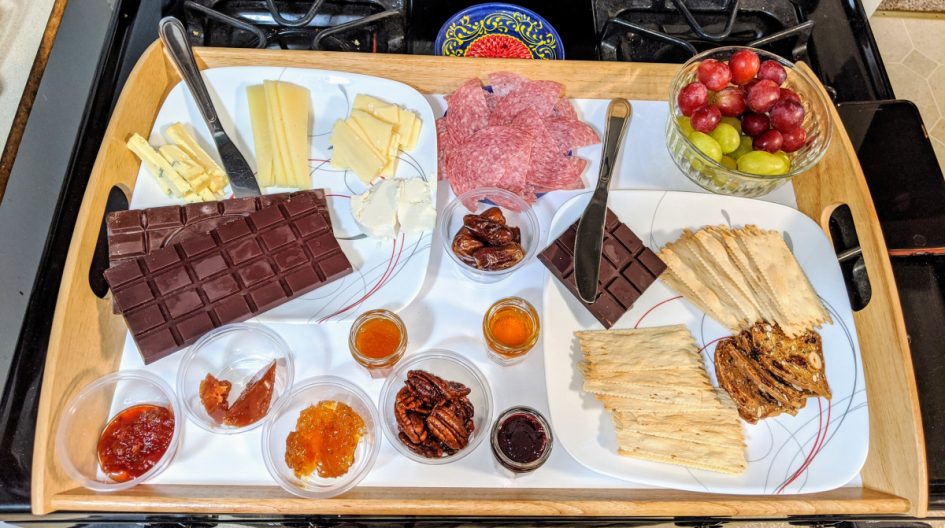
Cheese and chocolate board
Photo by Val
Preparation
Cacao Farmers Taste Chocolate for the First Time
Kiss the Ground, Dir. Josh Tickell
#9a Tasting Lab: Chocolate
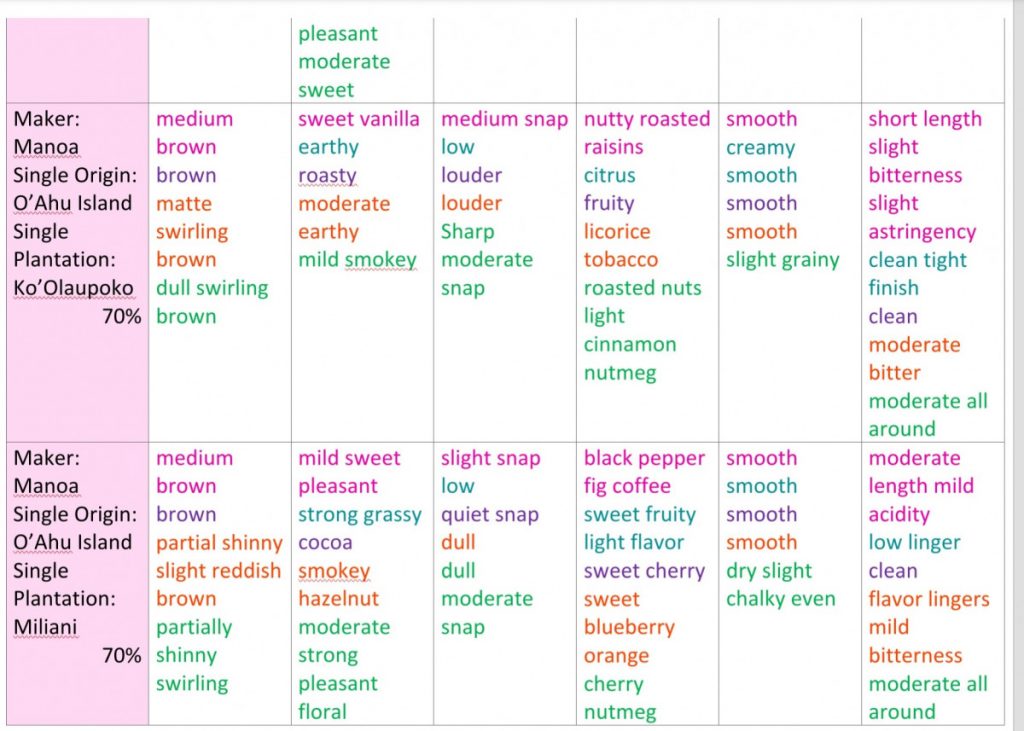
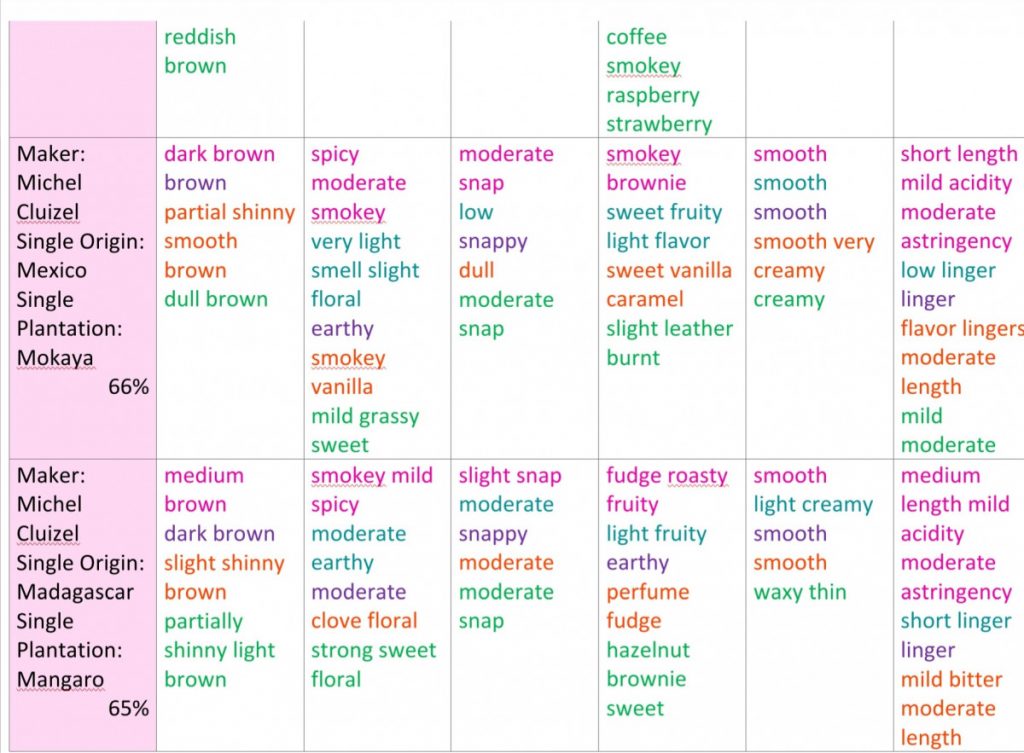
Tasting of 6 different single origing/ single plantation chocolates
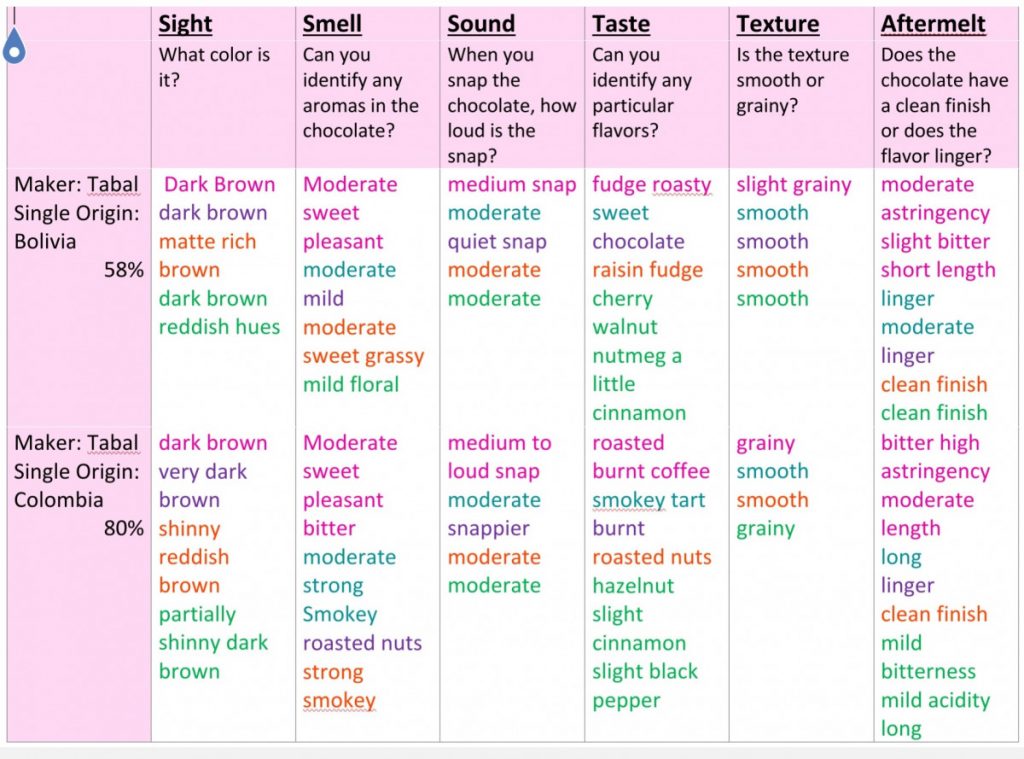

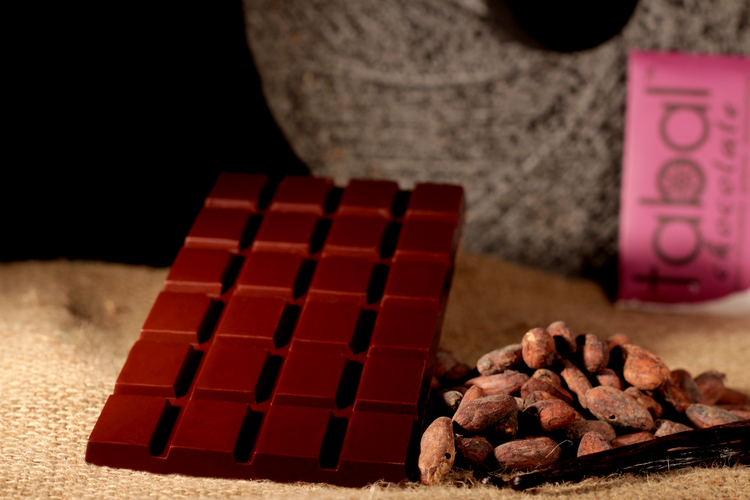
Bolivia 58% 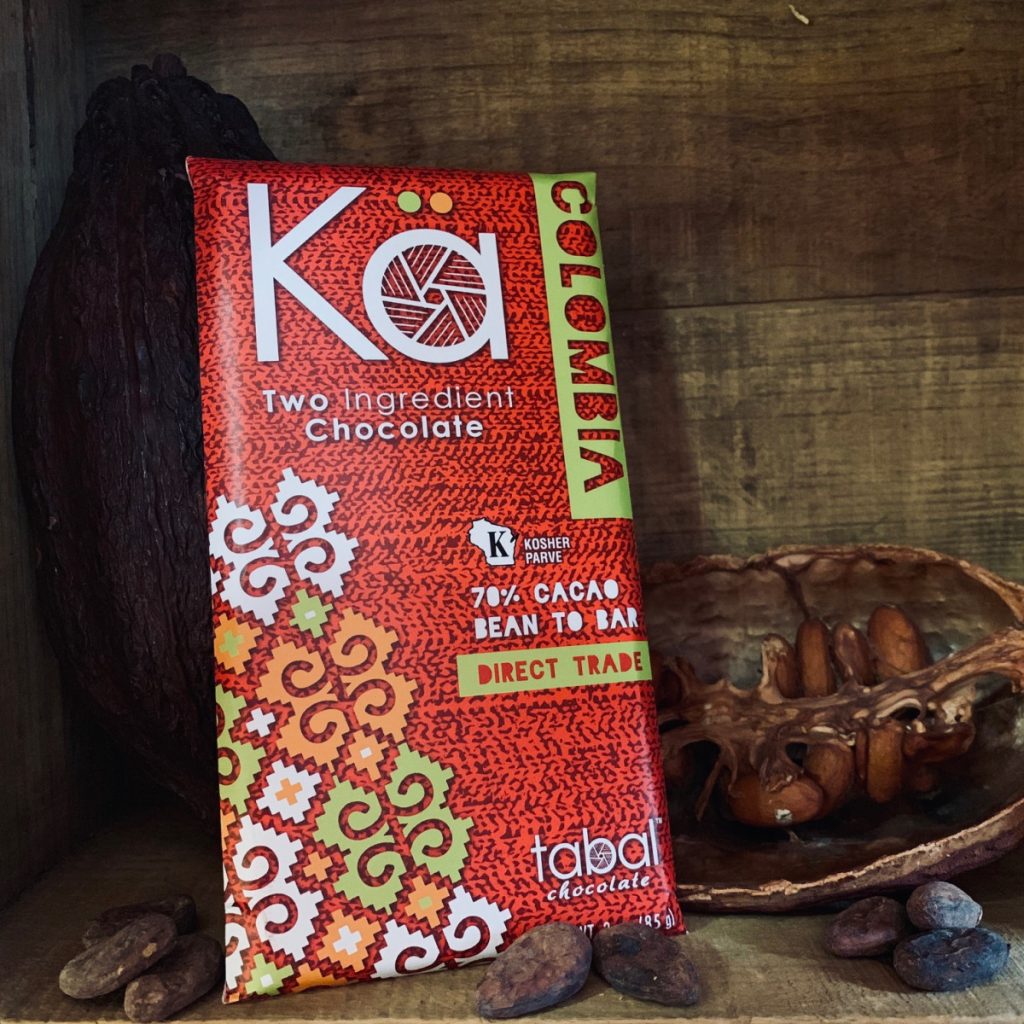
Colombia 80%
Photos by Tabal Chocolate
http://tabalchocolate.com/
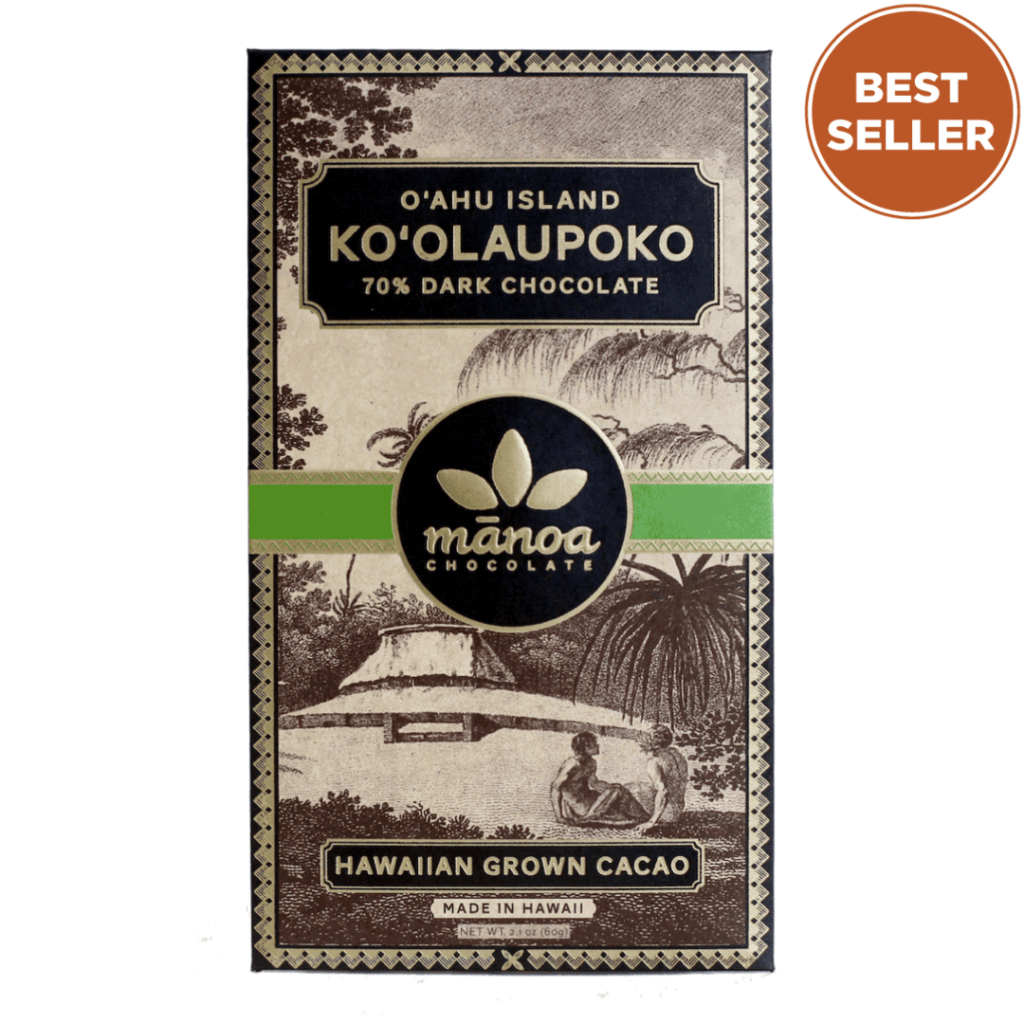
O’Ahu Ko’Olaupoko plantation 70% 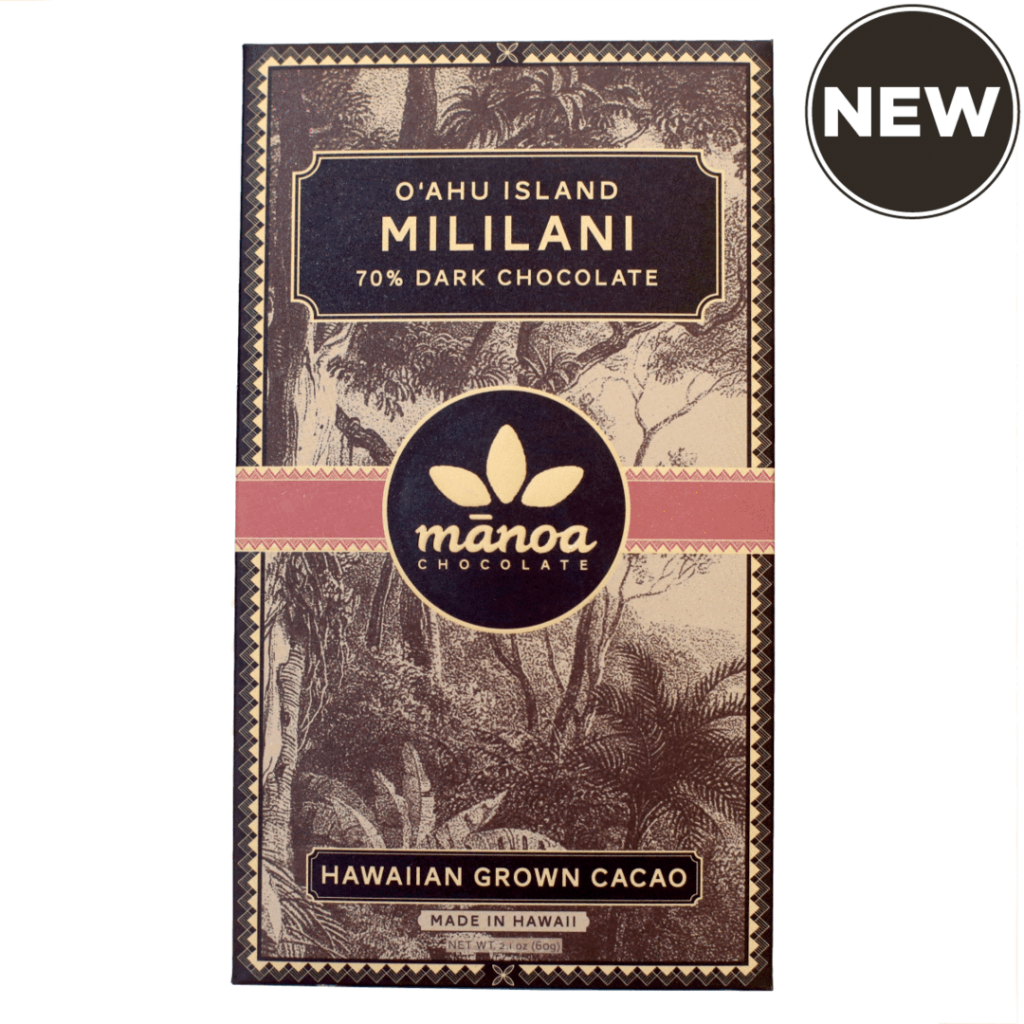
O’Ahu Mililani Plantation 70%
Photos by Manoa Chocolate
https://manoachocolate.com/
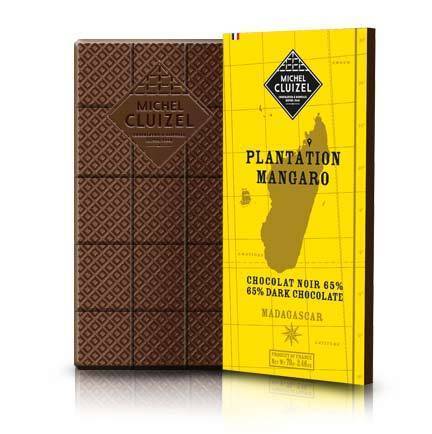
Madagascar Mangaro plantation 65% 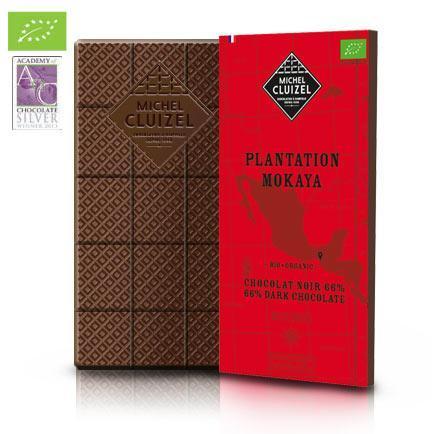
Mexico Mokaya plantation 66%
Photos by Michel Clluizel
https://cluizel.us/
Flavor wheel/chart used in my home chocolate tasting
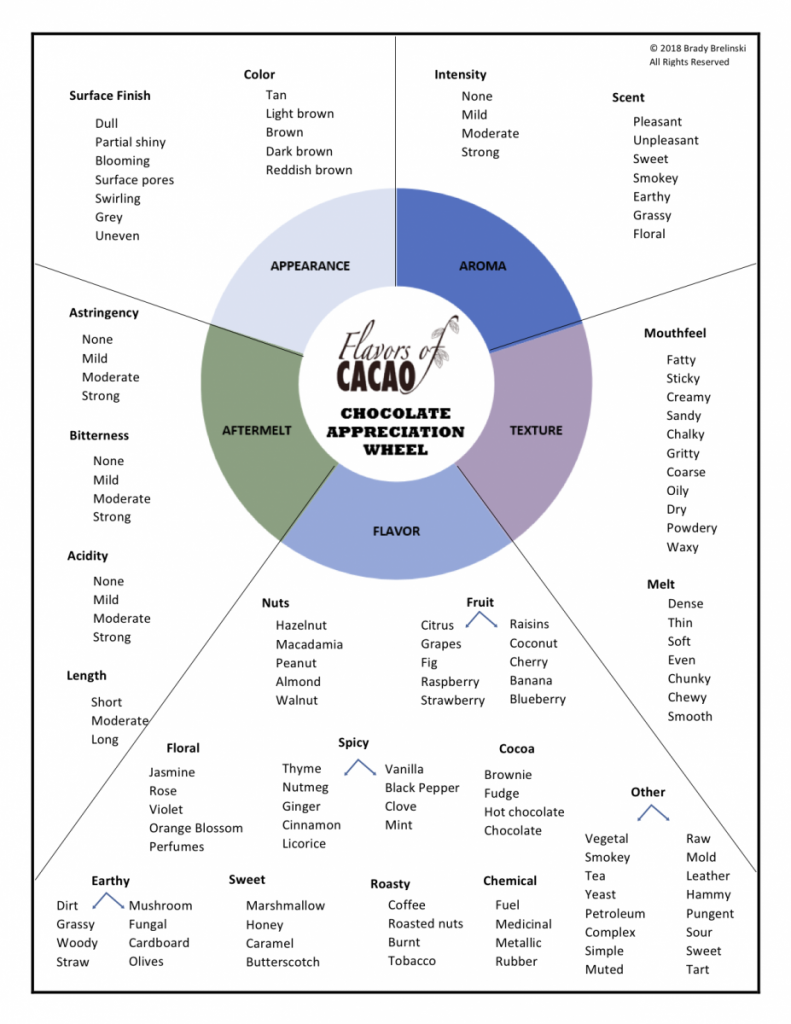
Image by Flavors of Cacao
Fermentation
Drying
Roasting
Cracking & Winnowing
Grinding
Conching
Tempering
Inclusions
#9b: Foodoir: Your Story of Tasting Place
“Once you beging embracing your own heritage and culture and you interweave it with what you’re doing; it transforms into a soul completion journey of ‘Finally I am home.’ I am coming back to Africa, coming back to love, coming back home, and most of all coming back to a place of healing. From there, I began looking at my idenity through food.” Page 278
-Michael Twitty
Life for me really only started a couple years back for me. Most of my life I dealt with crippling anxiety and depression. My only escape was through horses. It wasn’t until I found the right therapist did my life start to bloom. I soon found out about a study abroad to Barcelona at my community college, and decided this is what I needed to do. Never in my wildest dreams before would I have ever thought I would be leaving the country to be studying on my own in a foreign place, where I did not speak the language.
My first trip to Spain was the start of my exploration into food. Food was one of the main issues I was afraid of and had many conversations with my therapist about what I was going to do when I got to Spain. I was unprepared for how fresh all the food was going to be. I spent a lot of time wandering grocery stores and fresh markets. I also spent much of my time looking up and enjoying restaurants. Barcelona had a wide variety of restaurants from the regular Spanish and tapas restaurants to Italian, and Mexican restaurants and they are all amazing. I don’t think I found a restaurant that I did not like.
My mom joined me in Barcelona when my quarter ended and we spent a little over three weeks making our way around Spain. We enjoyed our time wandering around looking for places to eat, the late nights dinners with a bottle of wine, and laughing and enjoying the Christmas lights on the walks back to the Airbnb past midnight. Every city we stopped in we looked for nummy food and wine items to bring back with us. In Seville, my mom booked us a tour with Devour Tours. We spent well over 4 hours on a tour of Seville, learning about its history and stopping at some of the best and well known restaurants, tapas bars, and bars in the city. This experience changed my view on food. Now I wanted to learn more about Spanish history and culture and do more food tours.
When I went back to Spain for the third time, and my second study abroad, I was hoping to be able to work on my Spanish and get an internship with Devour Tours for this year.
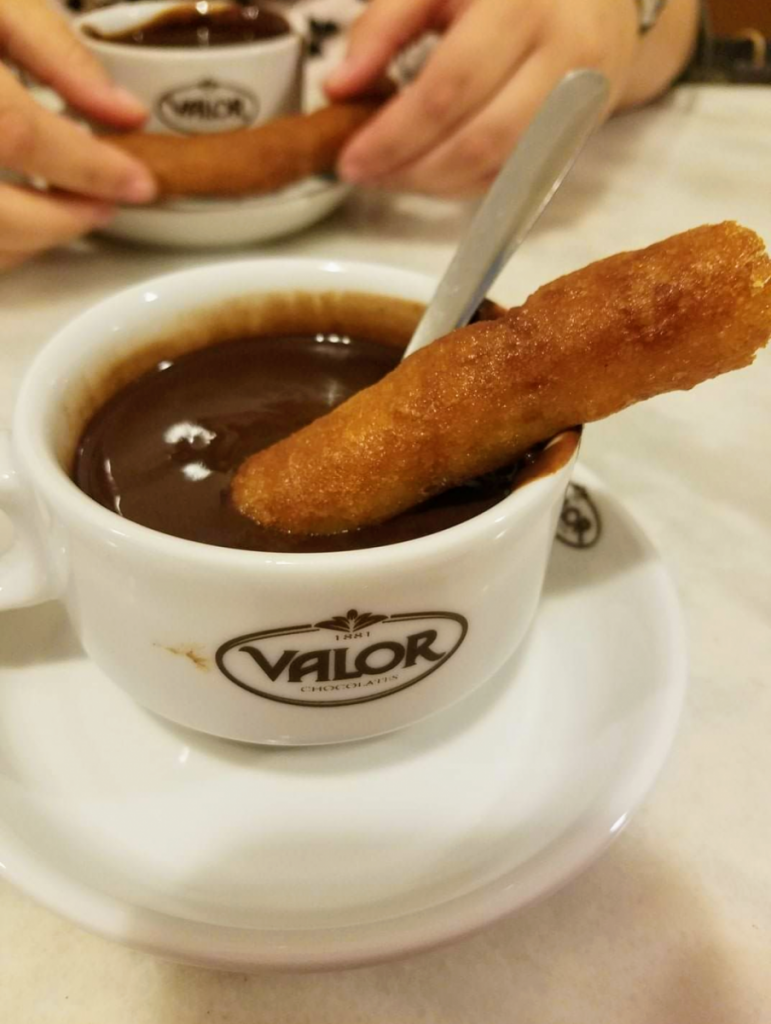
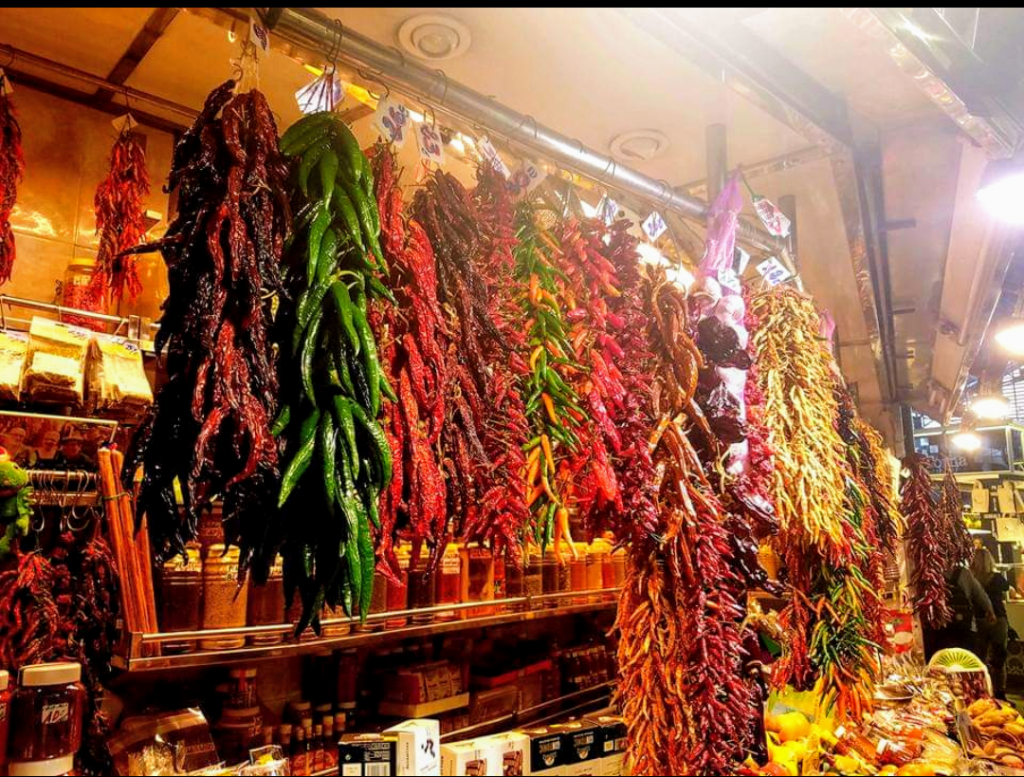
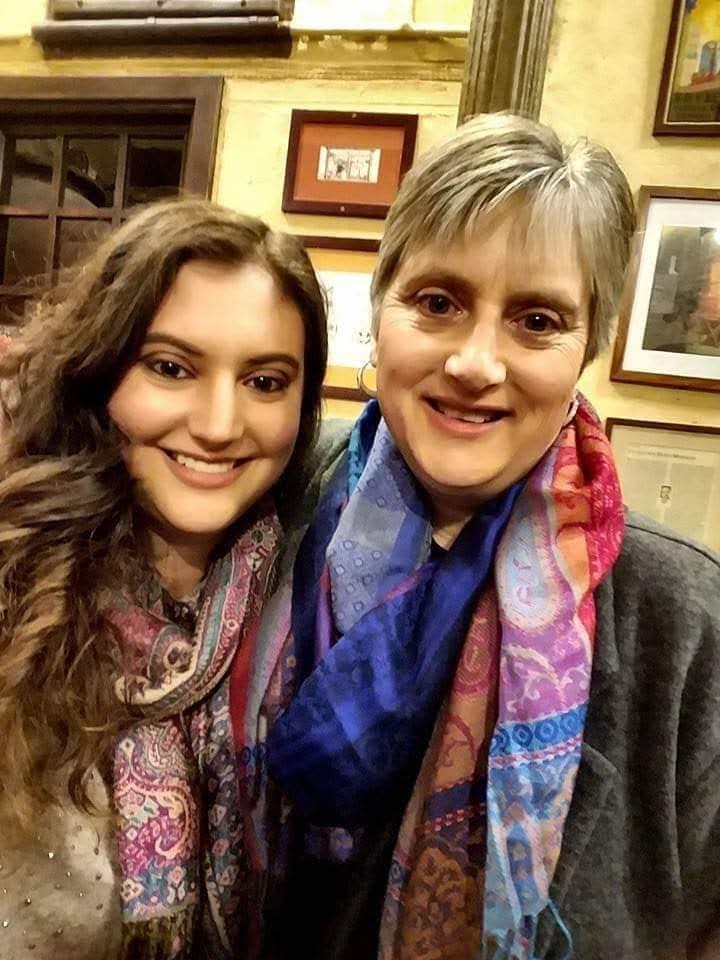
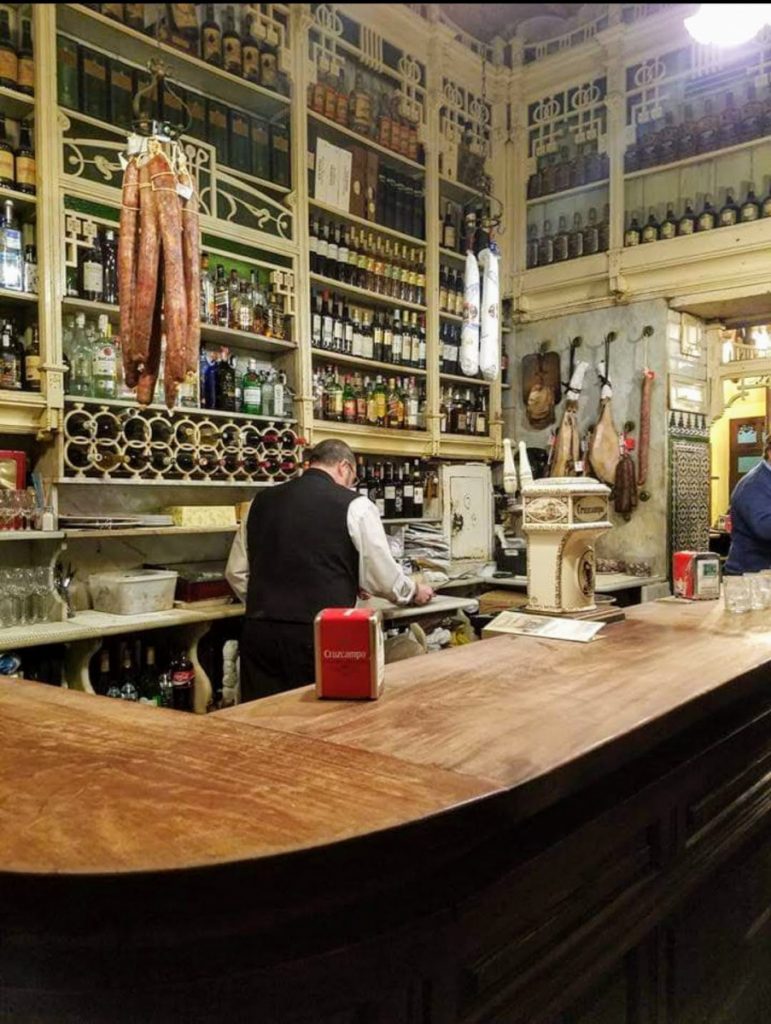
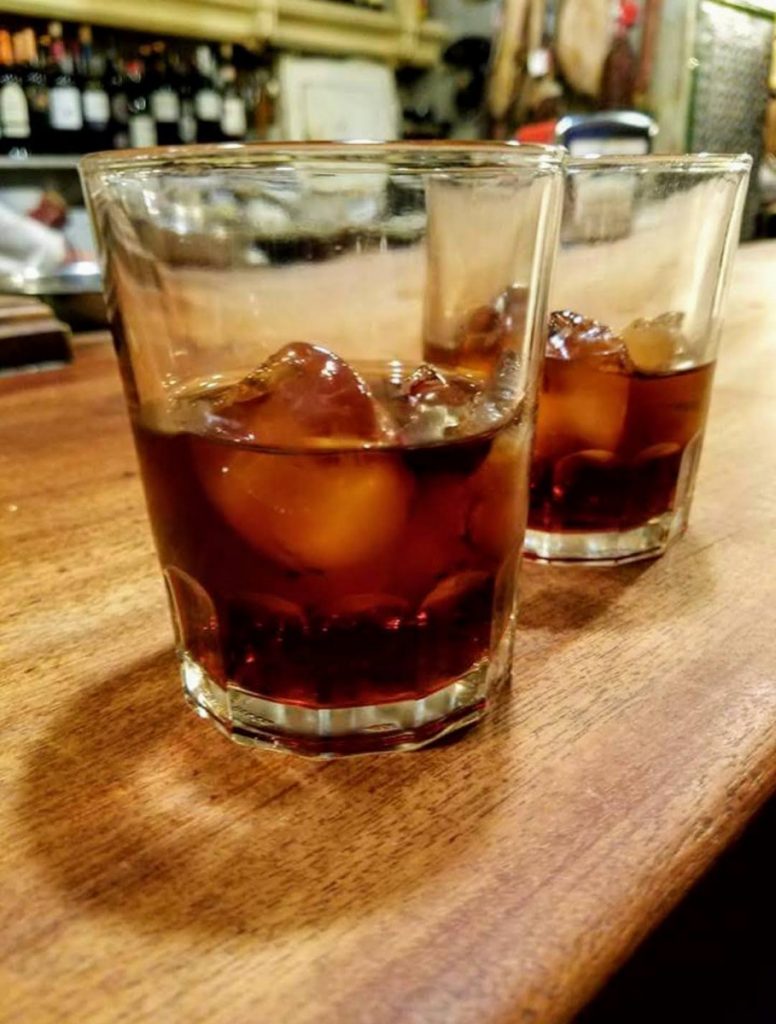
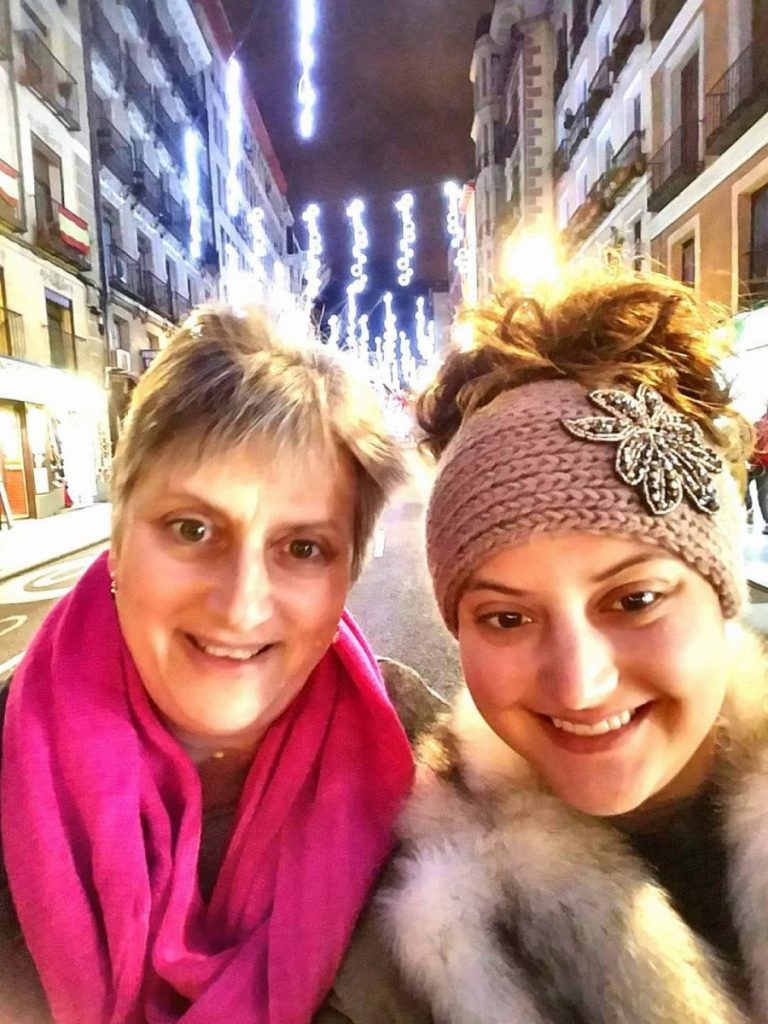
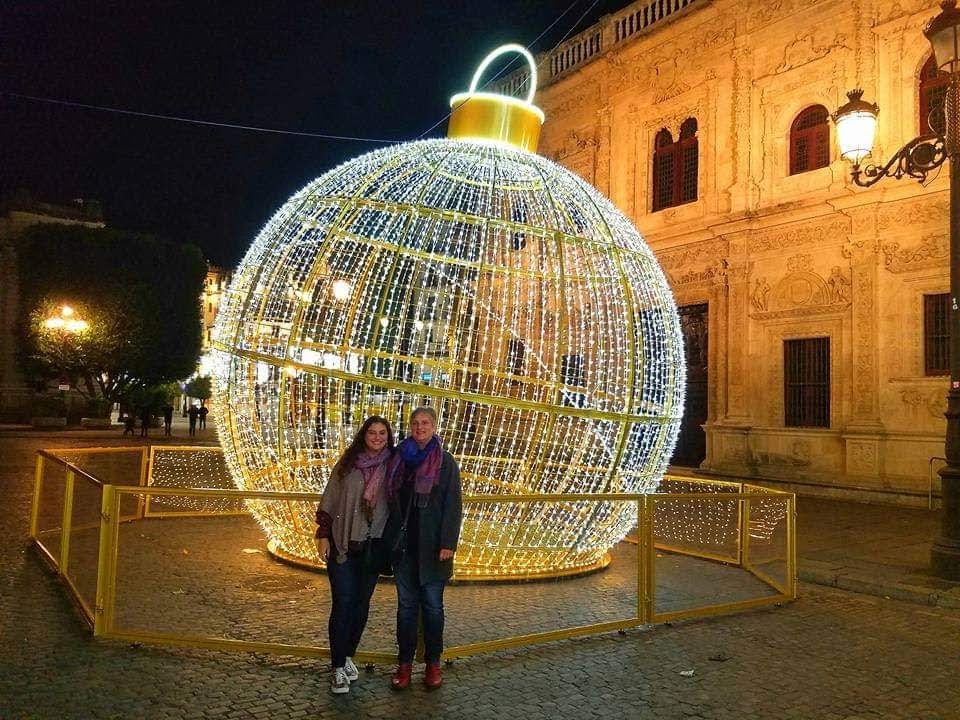
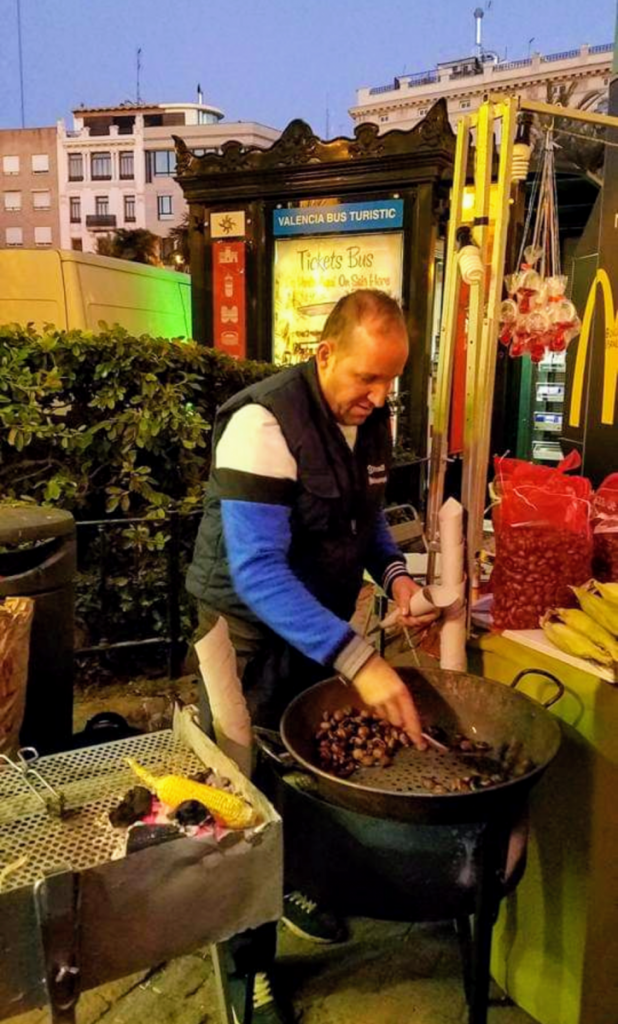
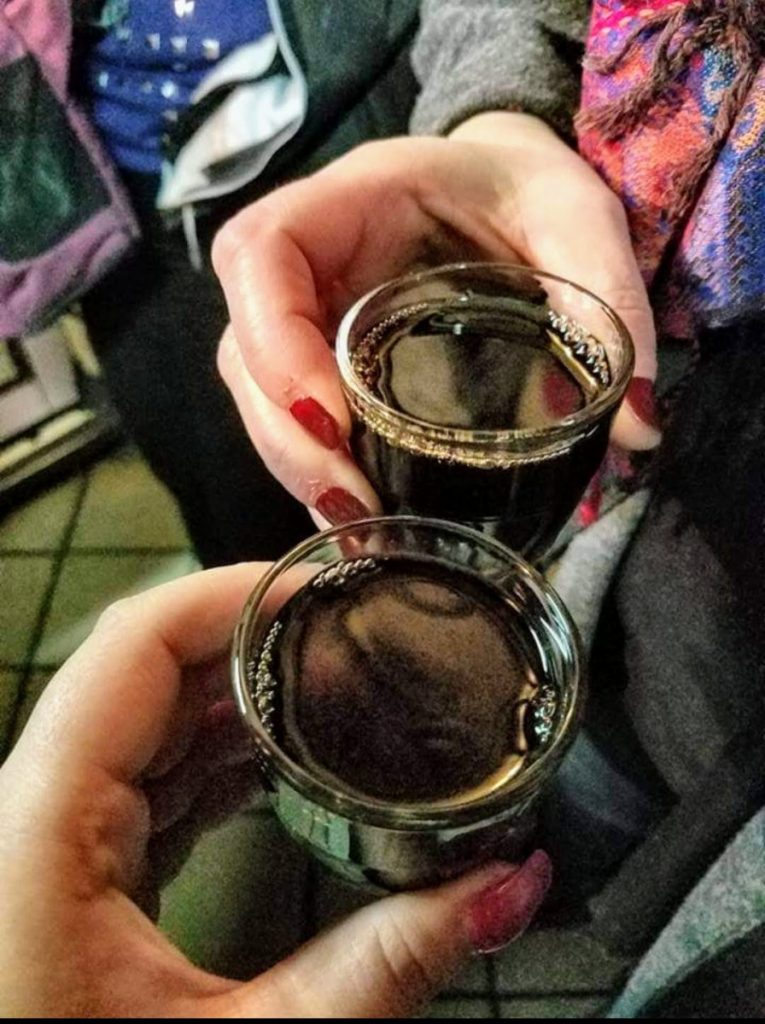
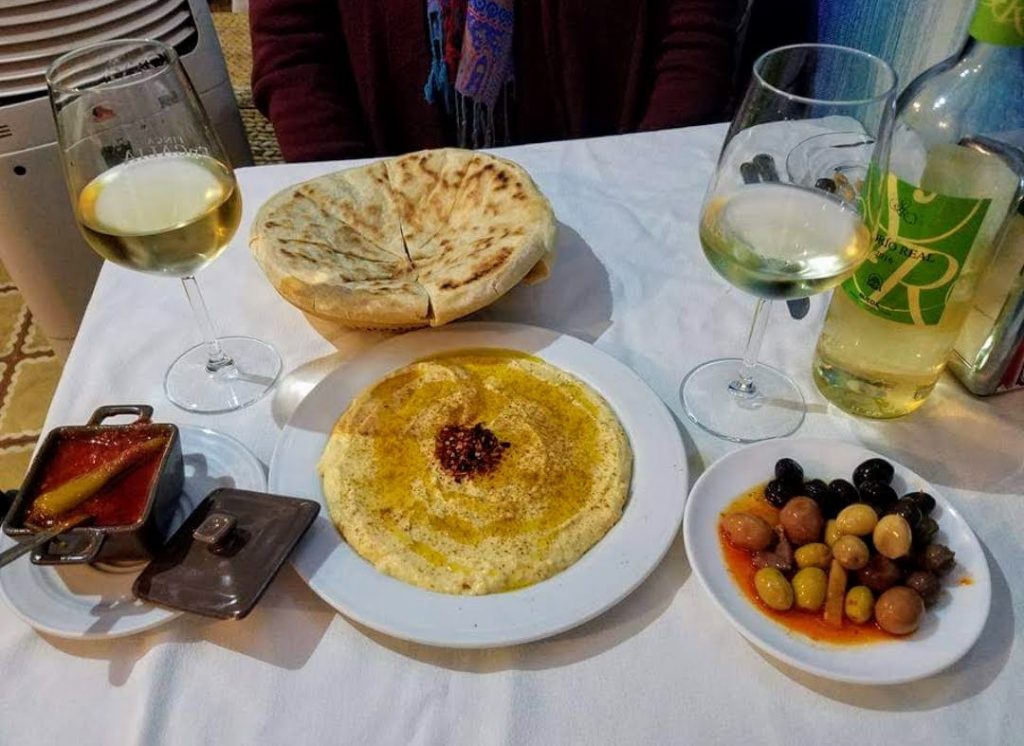
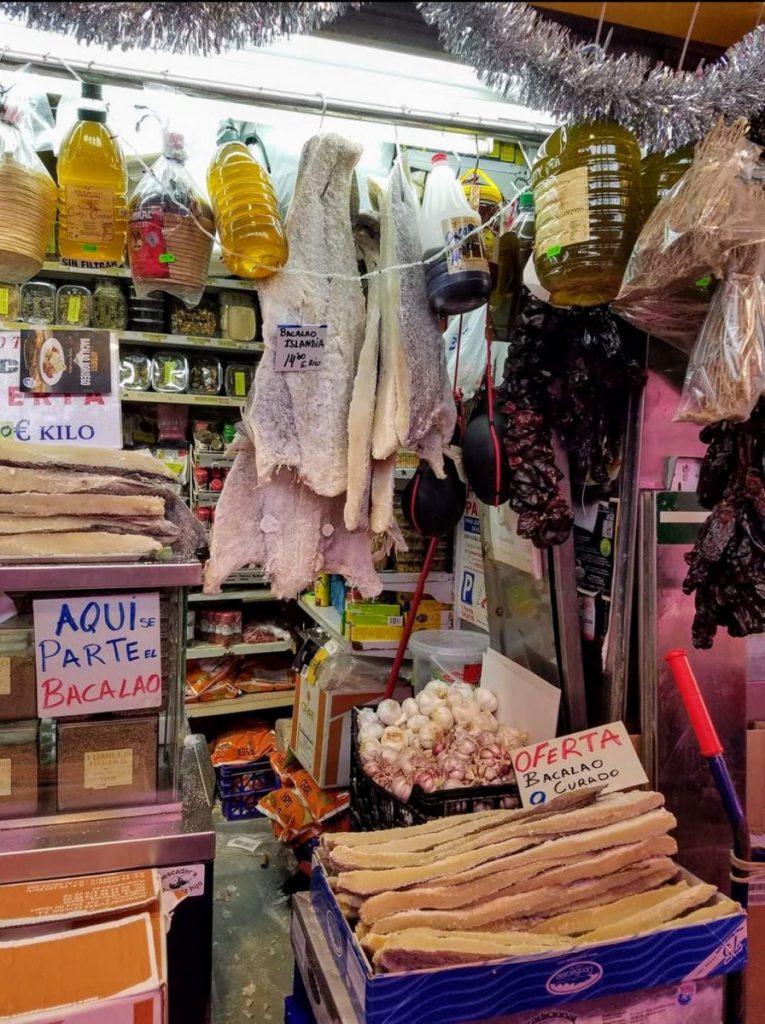
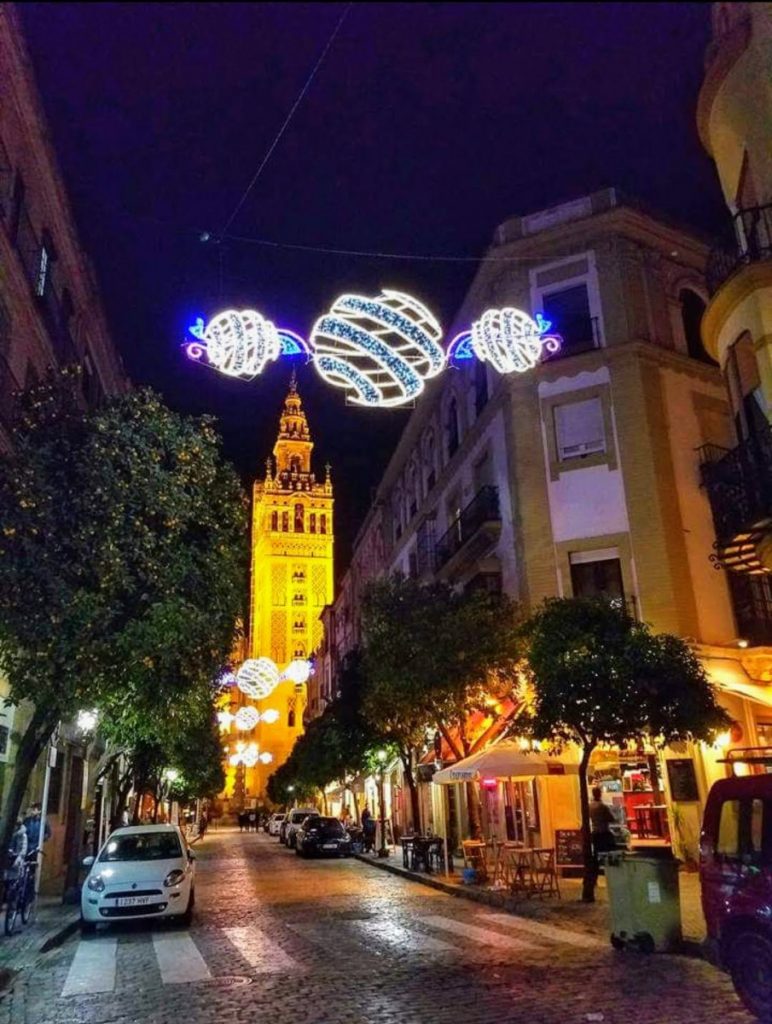
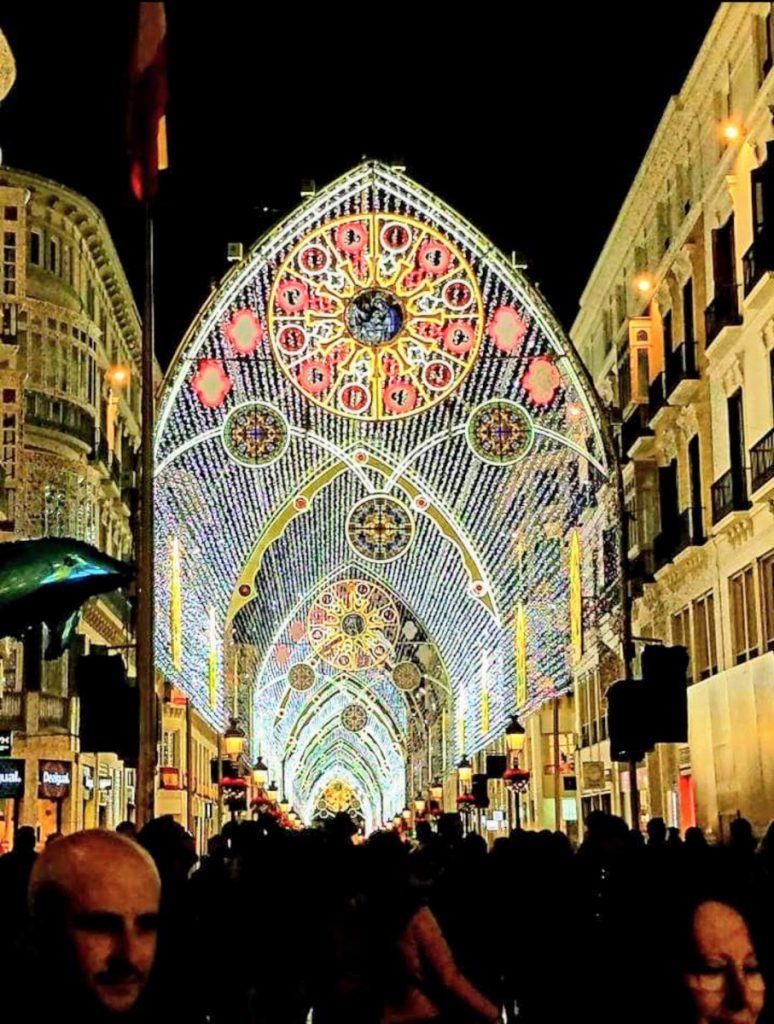
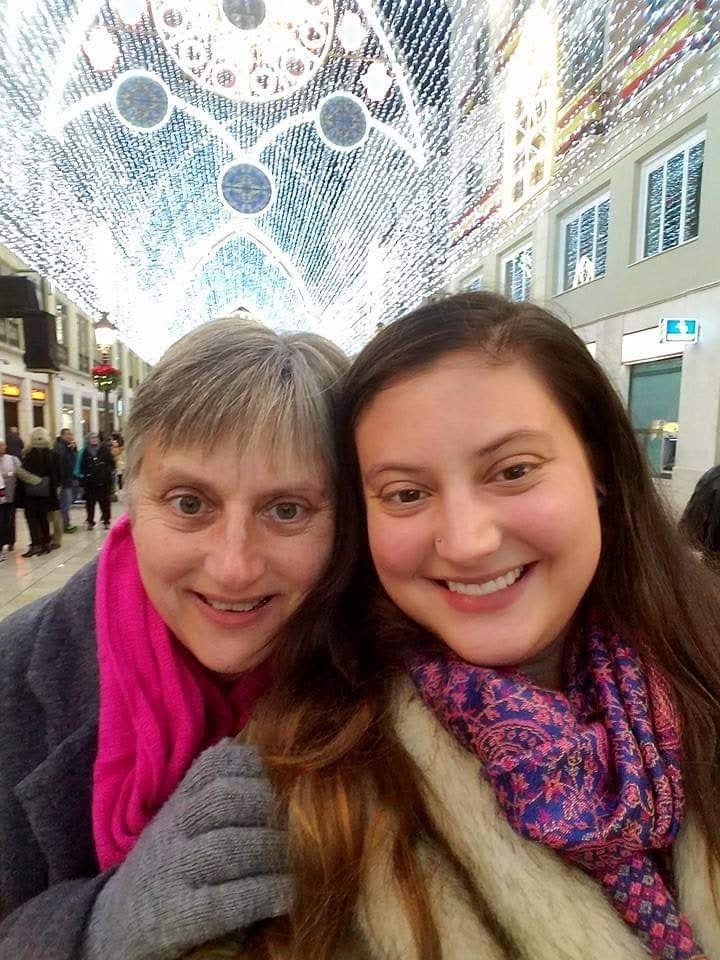
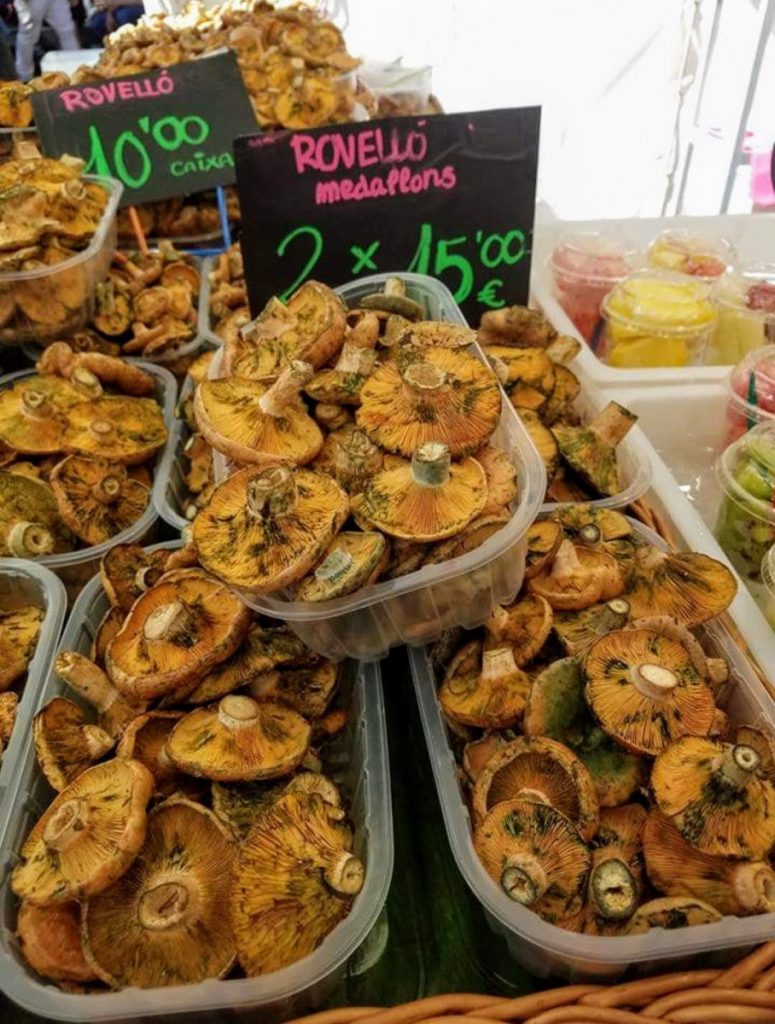
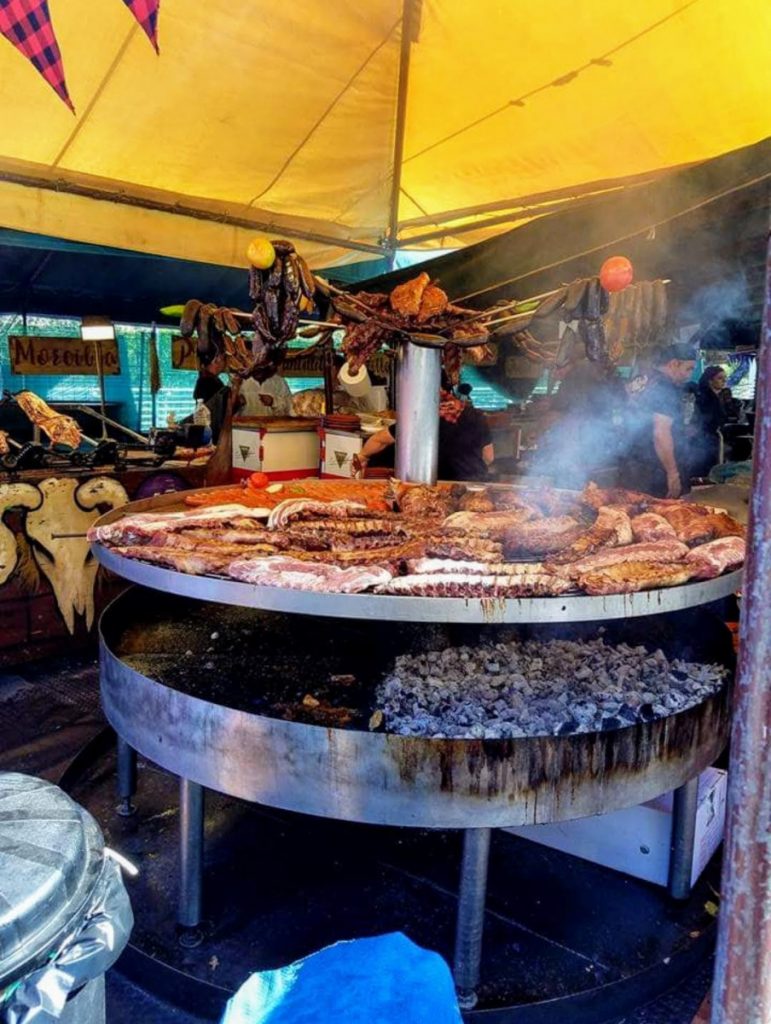
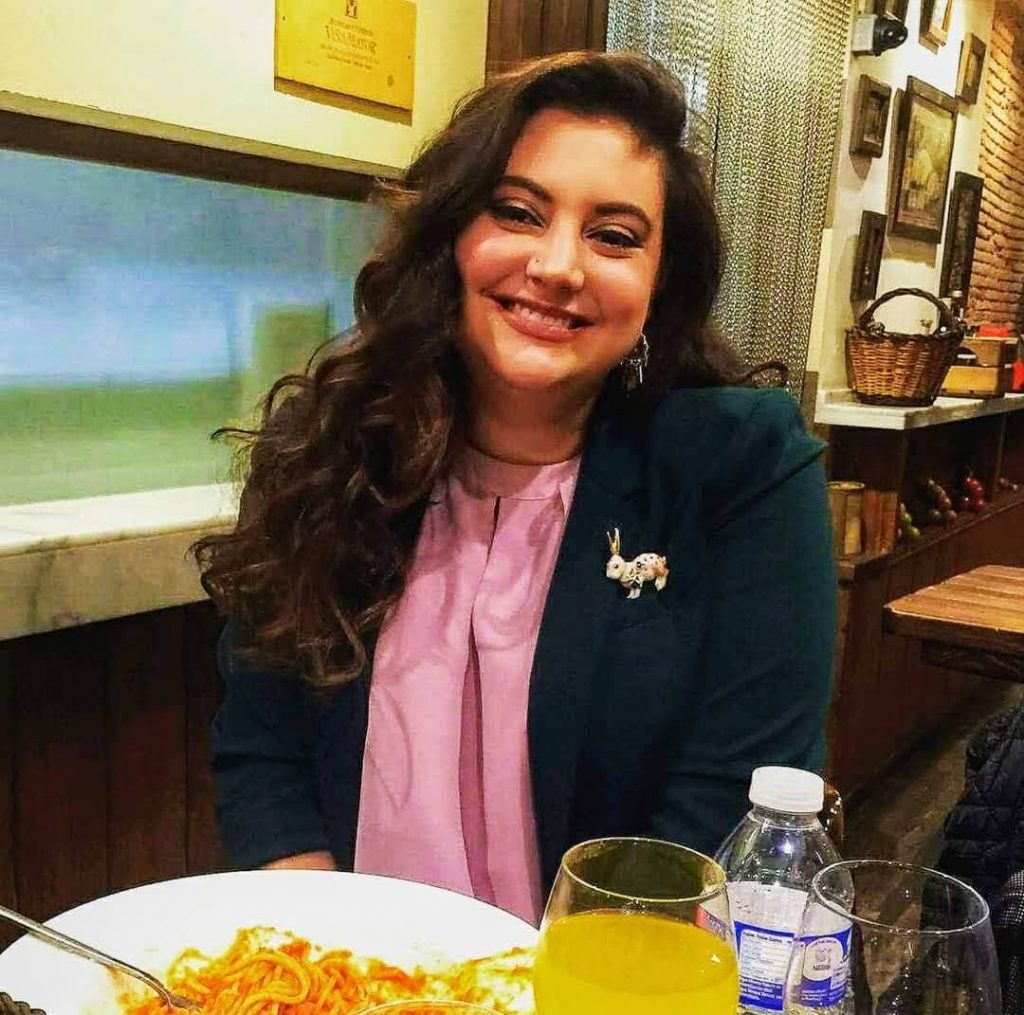
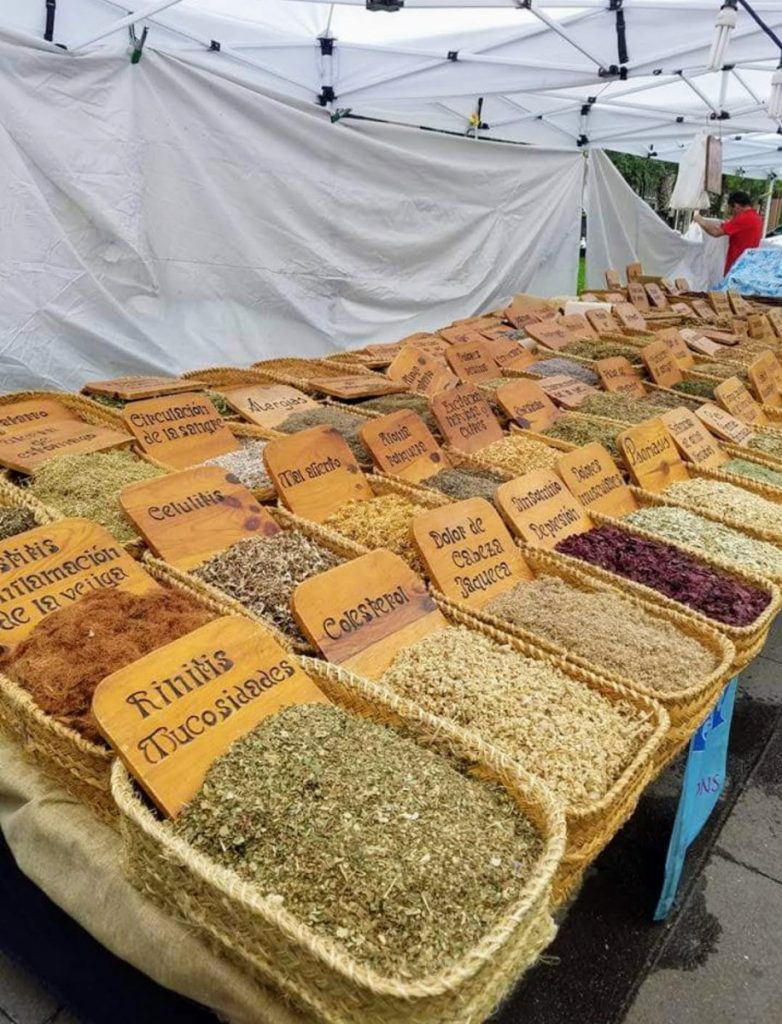
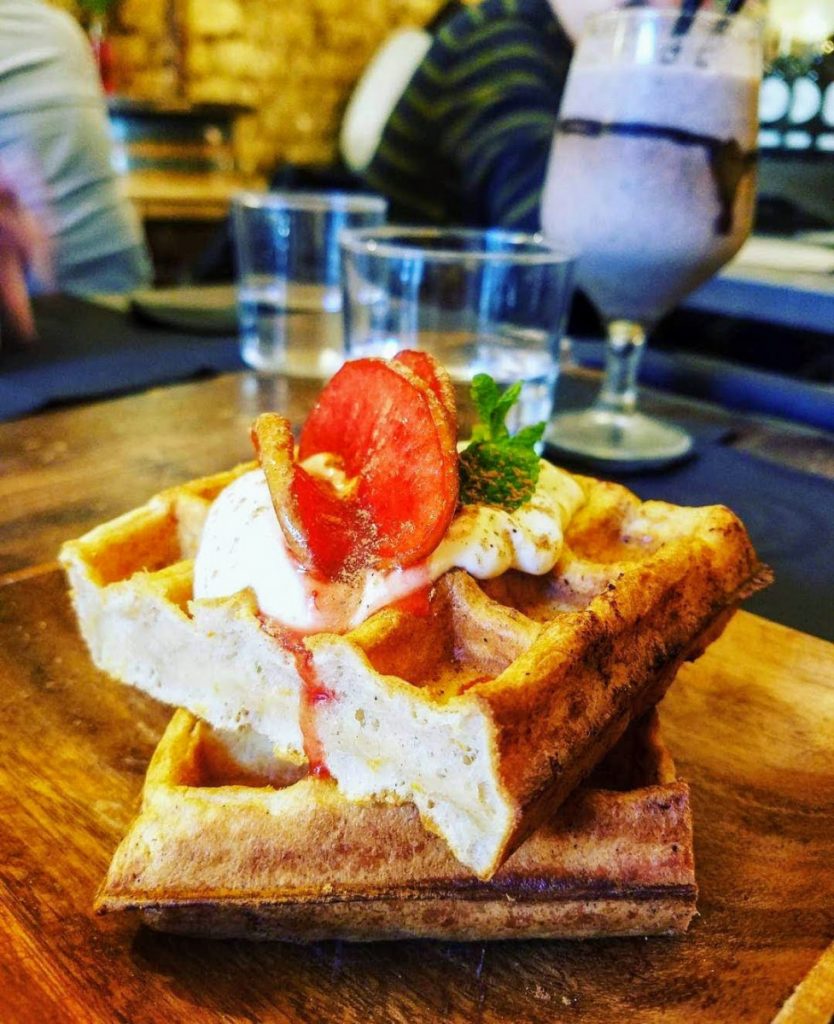
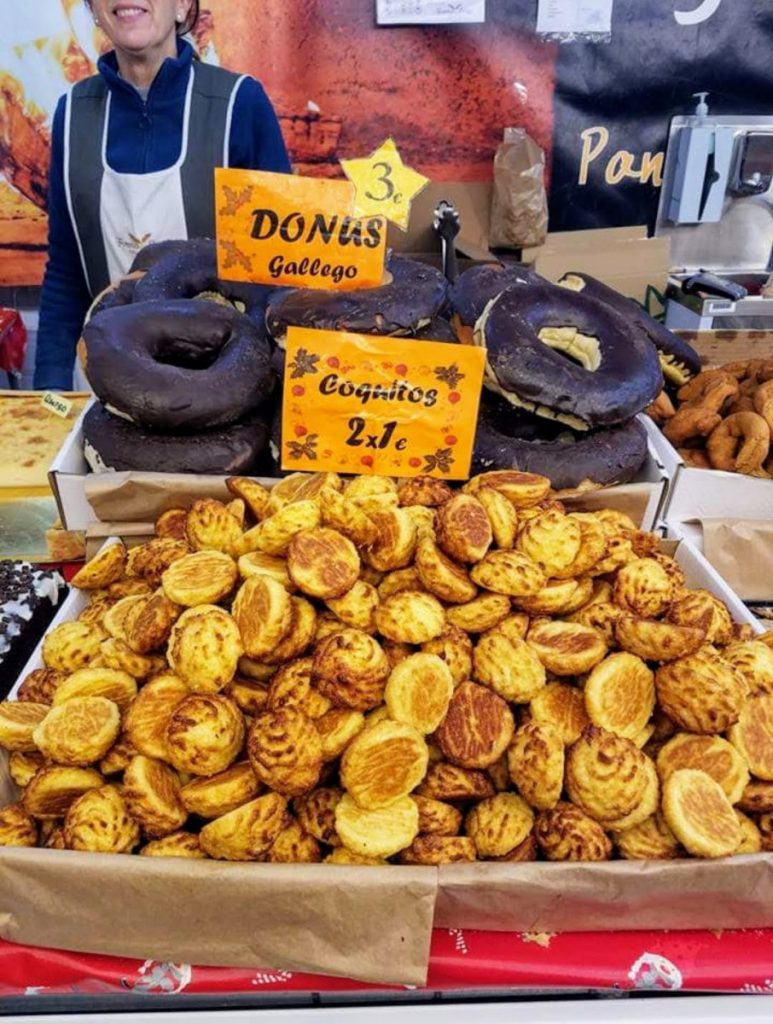
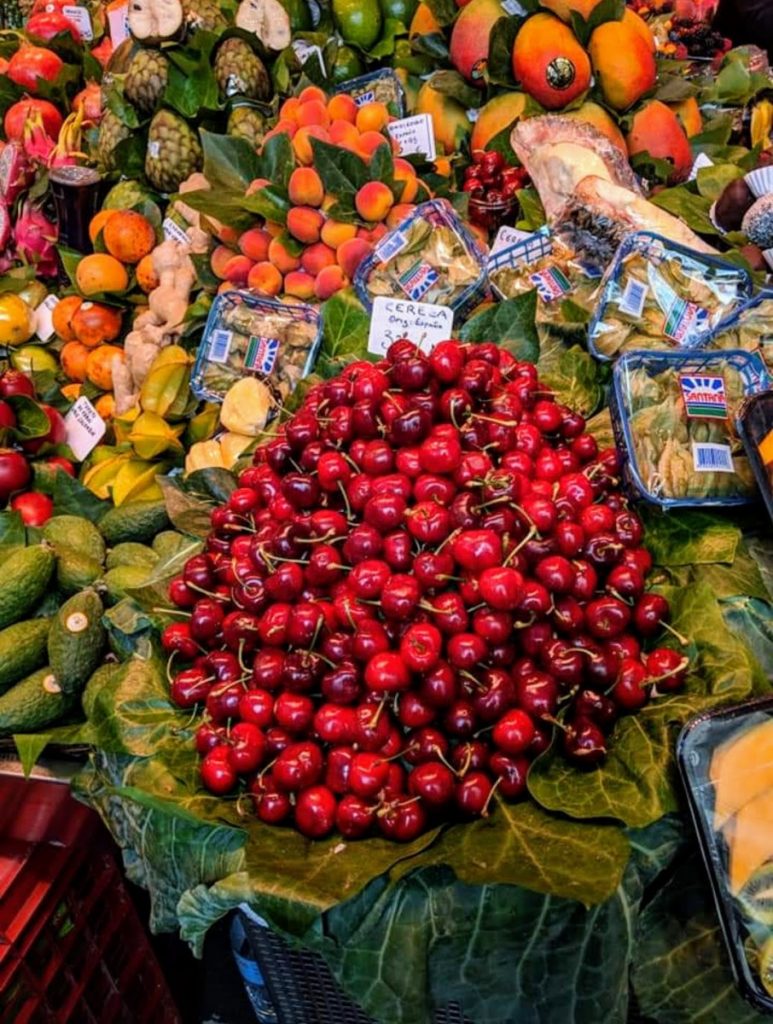
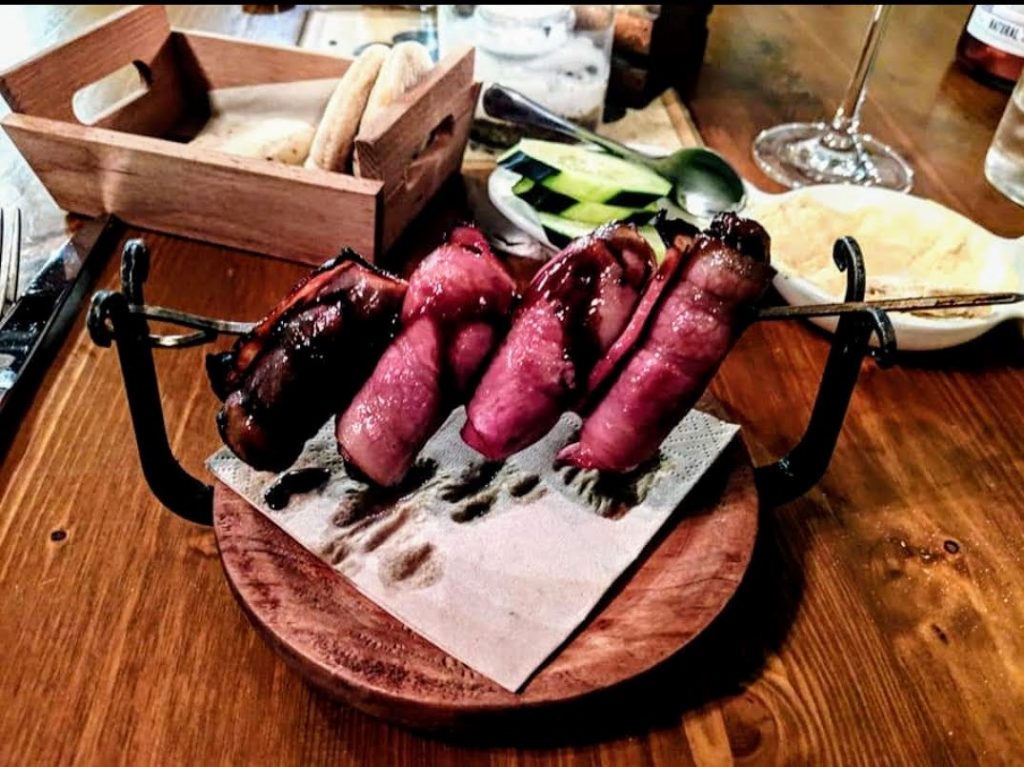
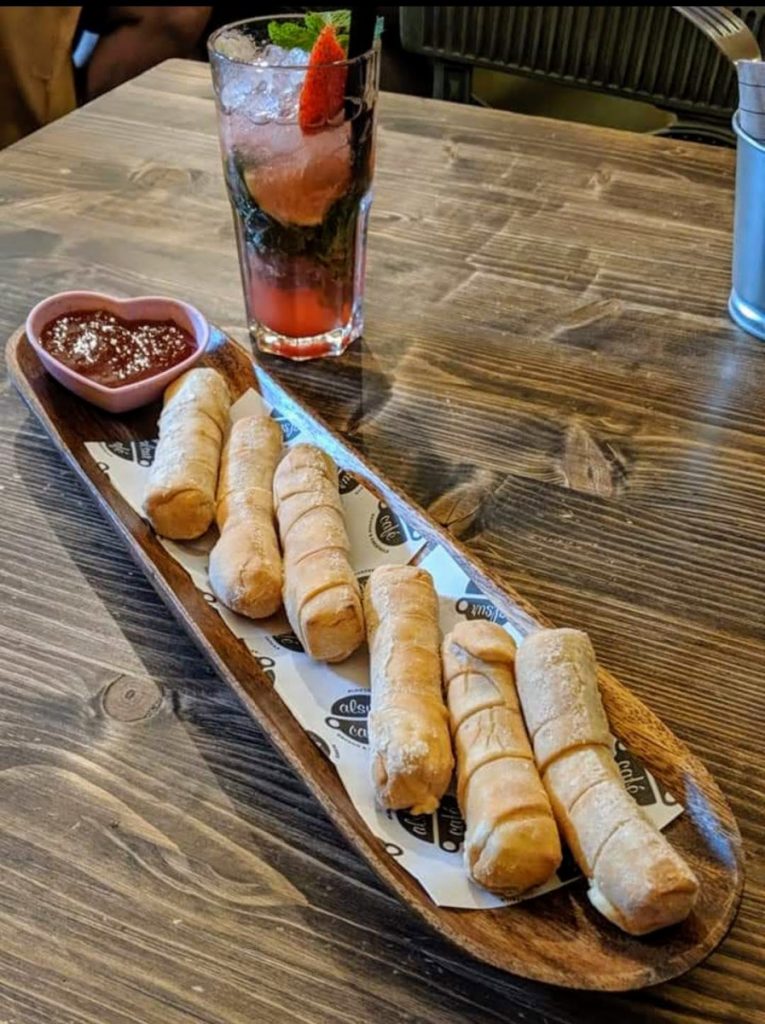
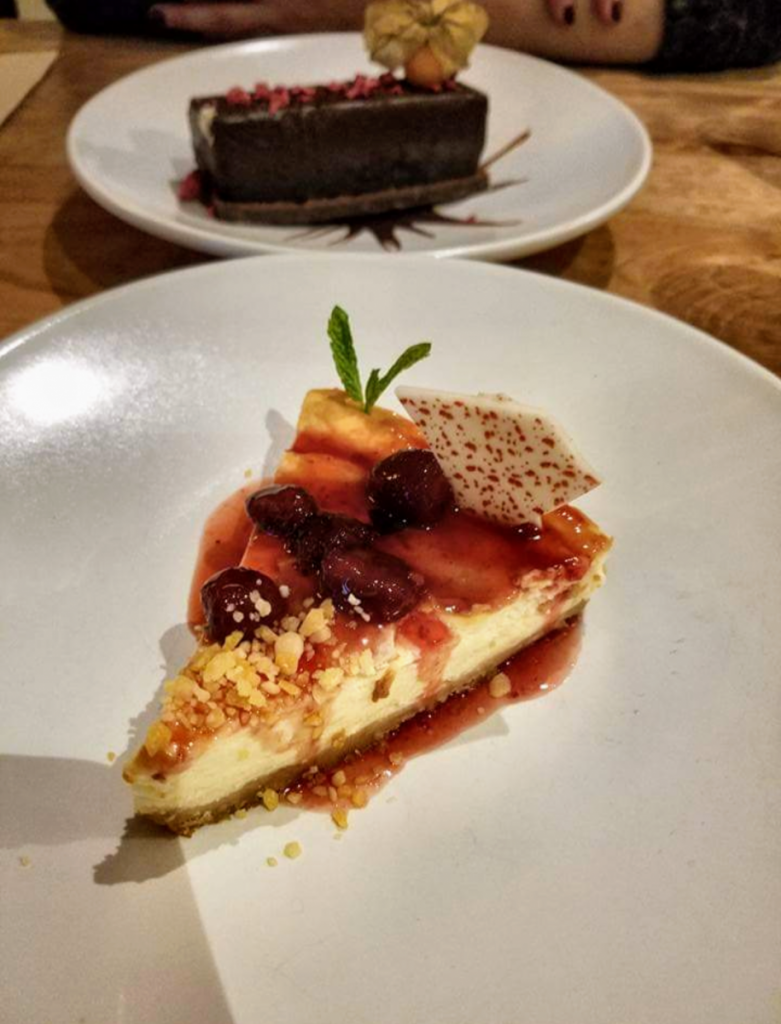
Photos by Val
#9c: Food Justice
Since cocoas early days, it has been used as a political tool and as a power and social status. From the time that European colonizers landed in the Americas there has been forced labor in the production of cocoa. The European colonizers first used the indigenous people, but because of disease and also violence they were forced to look for other laborers; this is when the Spanish colonist started to import African slaves to South America and the Caribbean. Even in today’s cocoa industry there is still unfree labor.
When the price of a chocolate bar is broken down into the different sections of production, it is clear that farmers are some of the most poorly paid for their efforts into the production of that chocolate bar. Retailers take the biggest share at 44 percent, chocolate manufactures take the next share at 35 percent, cocoa farmers take 6.6 percent, and cocoa transporters and traders only receive 2 percent.
There are five companies that dominate the European and North American chocolate markets: Mars, Mondelez, Ferrero, Nestle, and Hershey. These chocolate manufactures took in almost two-thirds of the value of chocolate in 2016; chocolates global market value in 2016 was $100 billion. The other big companies that play a role in the production of chocolate are Barry Callebaut, Cargill, and Olam. These companies are the processors, also known as grinders. These three grinders grind around 60% of all traded cocoa, but they pretty much have no public face, along with little to no connections to chocolate. Cargill is actually a huge face in the agricultural and feed production industry.
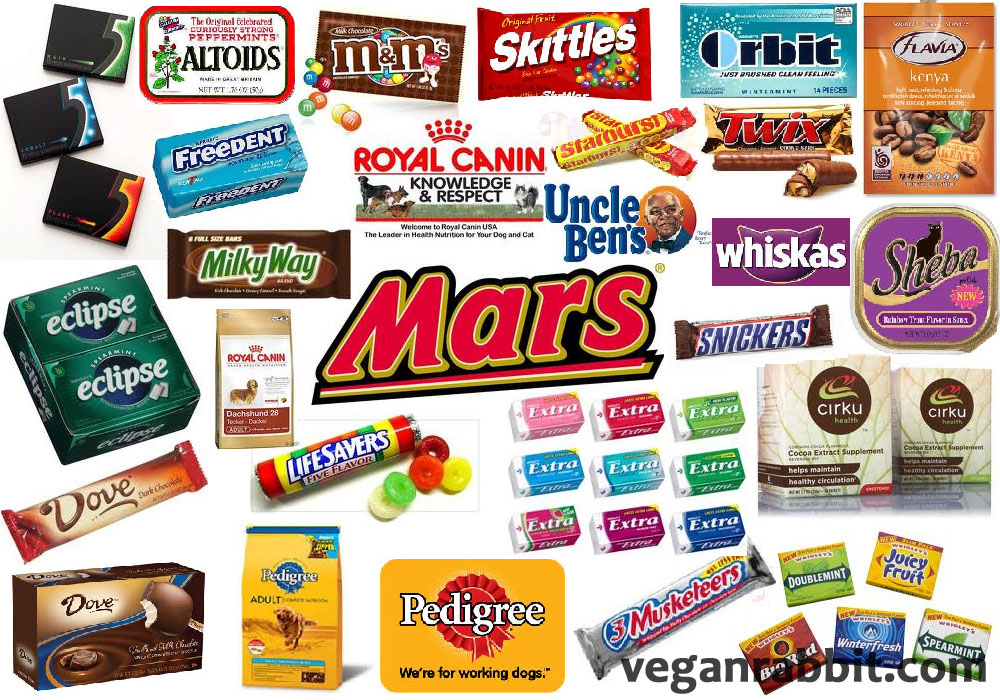
http://worldkings.org/news/world-top/top-100-business-founders-in-the-world-no-83-franklin-clarence-mars-mars-incorporated 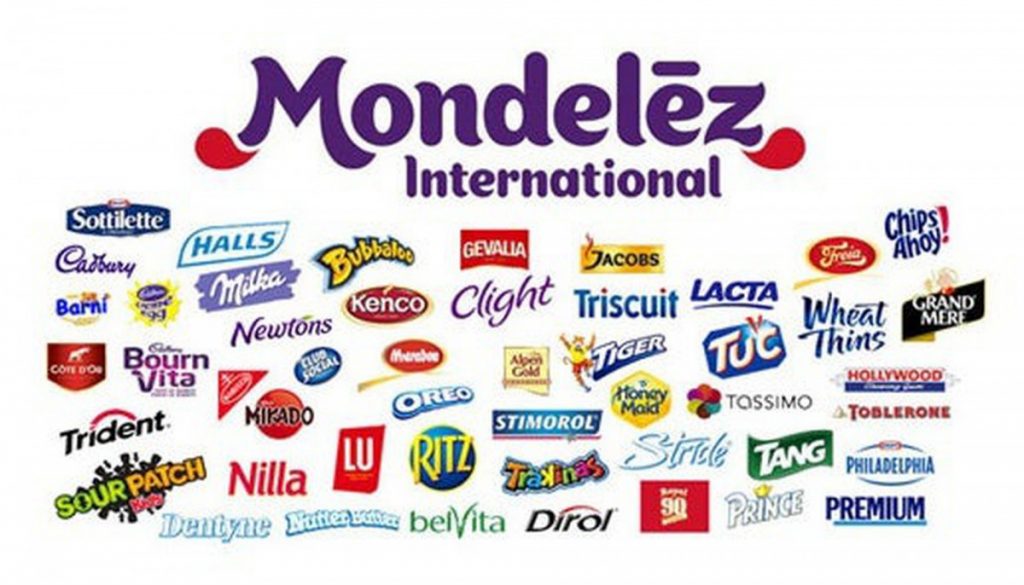
https://www.fool.com/investing/general/2016/03/08/3-reasons-to-be-bullish-on-mondelez-international.aspx 
https://www.ferrero.com/the-ferrero-group/a-family-story 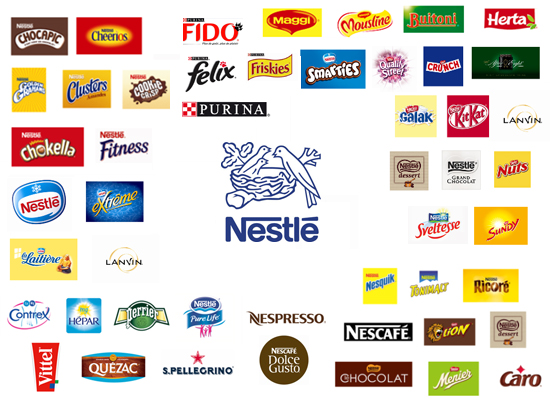
https://mpk732t22016clusterb.wordpress.com/2016/08/29/__trashed-5/ 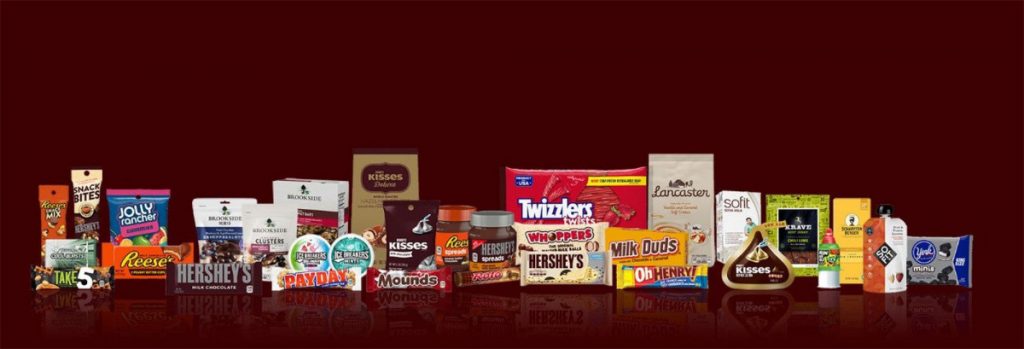
https://www.fool.com/investing/2018/02/01/why-hershey-co-stock-slumped-today.aspx
#9d: Agroecology
The long-term cultivation of high yield cocoa in a monoculture system produces negative environmental impacts, such as land fatigue and then the reliance on expensive, environmentally toxic, inputs. Cocoa agroforestry systems do no increase pest and disease incidence compared with monocultures, under good cultural management practices.
In agroforestry systems farmers plant a variety of crops, such as timber trees, fruit trees like bananas, papaya, and coconut, oil palm, rubber trees, cashew trees, tropical spices, and chili plants. With the variety of heights from the different trees this helps bring shade for the cocoa trees, all the variety of plants bring in a wide array of insects that will then help protect against unwanted insects, all the plant varieties also help build up the soil and help with nitrogen fixation, and all these plants can help bring in year-round income and provide food security. Also, the increased space between vulnerable cocoa trees helps reduce the susceptibility of disease spreading amongst trees.
#9e: Climate and Resilience Event Series/Semina
“And there you have the key to understanding chocolate terroir. The groves of aromatic flavor beans are still out there, hiding in the fertile backwaters of the Americas, the old indigenous strongholds. To find them, you have to put on your fedora and get in touch with your inner anthropologist.” (Jacobsen, p. 251)
Dr. Pauline Yu talks in great depths of how the rapidly increasing carbon in the environment has a great impact on our oceans. This then has an impact on the organisms living within those waters. At the beginning of the talk, she states that there have been other times in planet earth’s history where there have been periods of higher levels of carbon dioxide, but when those periods happened, they happened over a slow period of time allowing the organisms living at the time to adapt to these higher levels. Living organisms now day do not have time to adapt to these rapid changes and it is becoming detrimental. In American Terroir Jacobsen talks about pockets of cocoa trees that are assumed to be pre-Columbian. These ancient, classical trees have survived and adapted over the ages. With the unknown possibility of the future climate, are we putting these ancient rare trees in danger, just like how we are putting our ocean organisms in danger with our increase carbon emissions? Are we willing and ready to lose these varieties of Theobroma Cacao?
““In Chiapas there’s some really old, really unique tree stocks that are thought to be the classical, pre-Columbian cocoa,” Alex told me. “A lot is just growing in the jungle. We’ve found some amazing beans where there’s actually no way to get them out. No roads, no organization. We could go up into those hills with Zapatistas, but it’s a very challenging environment. We could do limited-edition bars with really small quantities that travel down the river in canoes and go across the mountain range on donkeys, but we’ve been focusing on becoming a viable business…..”” (Jacobsen, p. 262)
If craft chocolatiers focused more on small unique stock, where there was a need for things like boats and donkeys for transportation instead of vehicles could the chocolate industry actually cut down their carbon foot print?
#9f: Bibliography
“A Report into Tackling Child Labor.” YouTube, uploaded by Nestle, 10 December 2019, https://youtu.be/Hws6TlSNcj0.
“Chocolate: The Journey From Beans to Bar.” Rainforest Alliance, Rainforest Alliance, 31 July 2014, www.rainforest-alliance.org/pictures/chocolate-from-bean-to-bar.
“Dynamic Agroforestry Plantation With Cocoa At A Large Scale.” YouTube, uploaded by Ecotop Consult, 26 December 2017, https://youtu.be/cW15wz5spP4.
Leissle, Kristy. Cocoa. Polity Press, 2018.
MacLeod, Murdo J. “Cacao.” The Cambridge World History of Food, Cambridge University Press, 2000, pp. 635–641. Bloomsbury Food Library, www.bloomsburyfoodlibrary.com.evergreen.idm.oclc.org/encyclopedia-chapter?docid=b-9781474208710&tocid=b-9781474208710-Cacao001.
“Review Guide.” Flavors of Cacao – Review Guide, flavorsofcacao.com/review_guide.html.
Scheuerell, Steve. “Agroecology Week 9 Chocolate.” 2020.
“The Challenge of Child Labour & Chocolalte.” YouTube, uploaded by World Cocoa, 19 October 2020, https://youtu.be/Y8j0zXmLvlY.
“This farmer is saving the jungle by growing food in it.” YouTube, uploaded by World Economic Forum, 14 August 2019, https://youtu.be/1Q6O_Q-HTJY.
Tickell, Joshua, and Rebecca Harrell Tickell. “Kiss the Ground.” Netflix, 22 Sept. 2020, www.netflix.com/title/81321999?s=a.
Leave a Reply