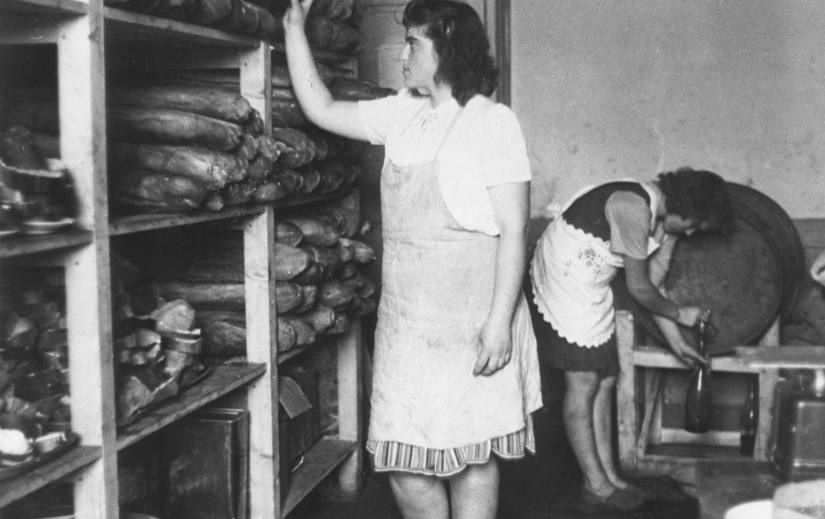
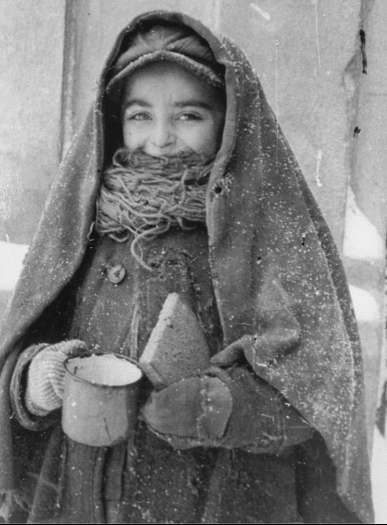
During the many famines that rocked Russia and Eastern Europe in the late nineteenth and early twentieth centuries, it was often Jews who bore the brunt of food shortages. Suffering with food insecurity even in years without famine, Jews found themselves with barely anything to eat in times of famine.
Jewish women had to find a way to feed their families with what little they had. This is where black bread comes in. In the years prior to World War Two, “no less that 90 percent of Lithuanian Jews subsisted on black bread and potatoes”(Hungering for America, 162). This hearty and dense bread can feed people for months. Often served alongside potatoes with borsht, cabbage, or herring it was a staple in Jewish homes even when there wasn’t famine.
My Experience with Black Bread
After reading several books where this bread came up, I wanted to try my hand at making it. Upon finding a recipe I was sort of taken aback. The ingredient list is unlike anything I have ever seen before, hosting a number of strange combinations. This strangeness made me question if these were the same recipes that the Jews I have been reading about used as I am not sure whether these ingredients would have been available. Each recipe claims to be historically accurate but I am not sure about that. Nonetheless, I tried my hand at this bread.
I found the taste to be really strange. Sort of like rye bread, but with a perfumed sweetness that was unexpected. The bread is super dense but also moist. The smell and taste honestly gave me a headache and I could not eat more than a few bites. However, I could see how this might be good with a sour borsht and pickled herring to balance the sweetness.
Black Bread Recipe
- 2 cups rye flour
- 1 cup all purpose flour
- 1 tsp sugar
- Pinch of salt
- 2 cups bran cereal
- 2 tbsp caraway seed
- 2 tsp coffee grounds (you can also use instant coffee)
- 2 tsp onion powder
- 1/2 tsp fennel seed
- 2 packs of instant dry yeast
- 2 1/2 cups water
- 1/4 cup vinegar
- 1/4 cup dark molasses
- 1 square unsweetened chocolate
- 1/4 cup butter
In a bowl combine one cup water (warm), sugar, and yeast and allow for yeast to bloom, about five minutes.
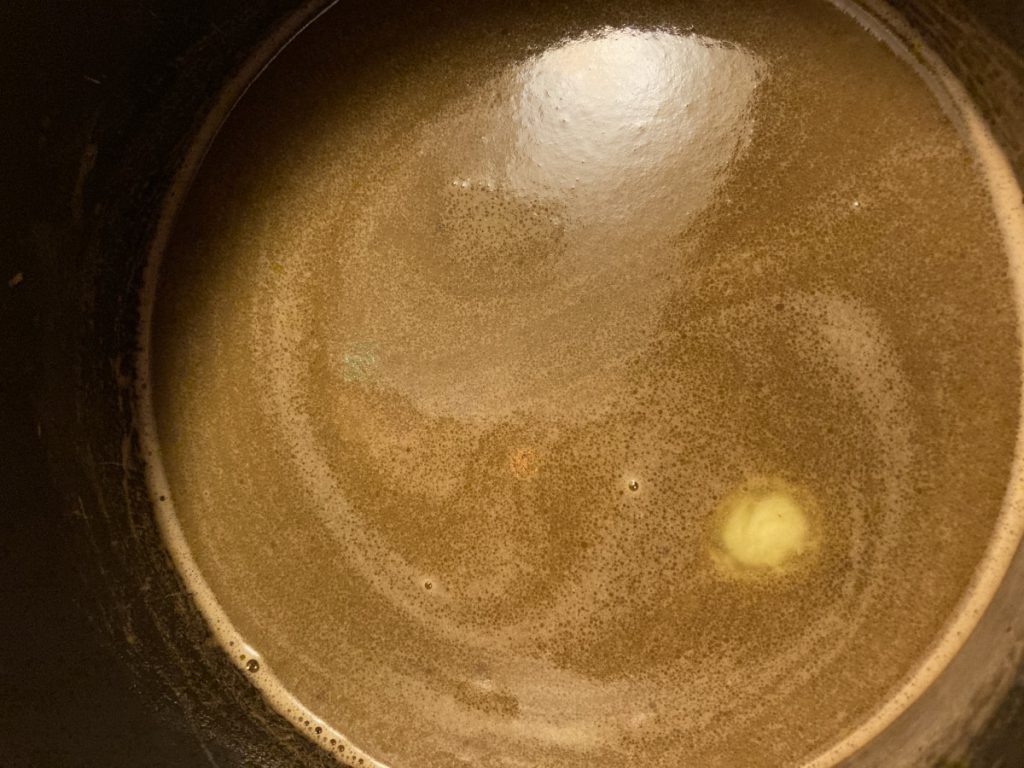
Mix together the two flours, salt, cereal, spices, and coffee. Set aside. In a saucepan warm the remaining water, butter, molasses, vinegar and chocolate until the butter and chocolate have melted. Make sure that the mixture never reaches a boil.
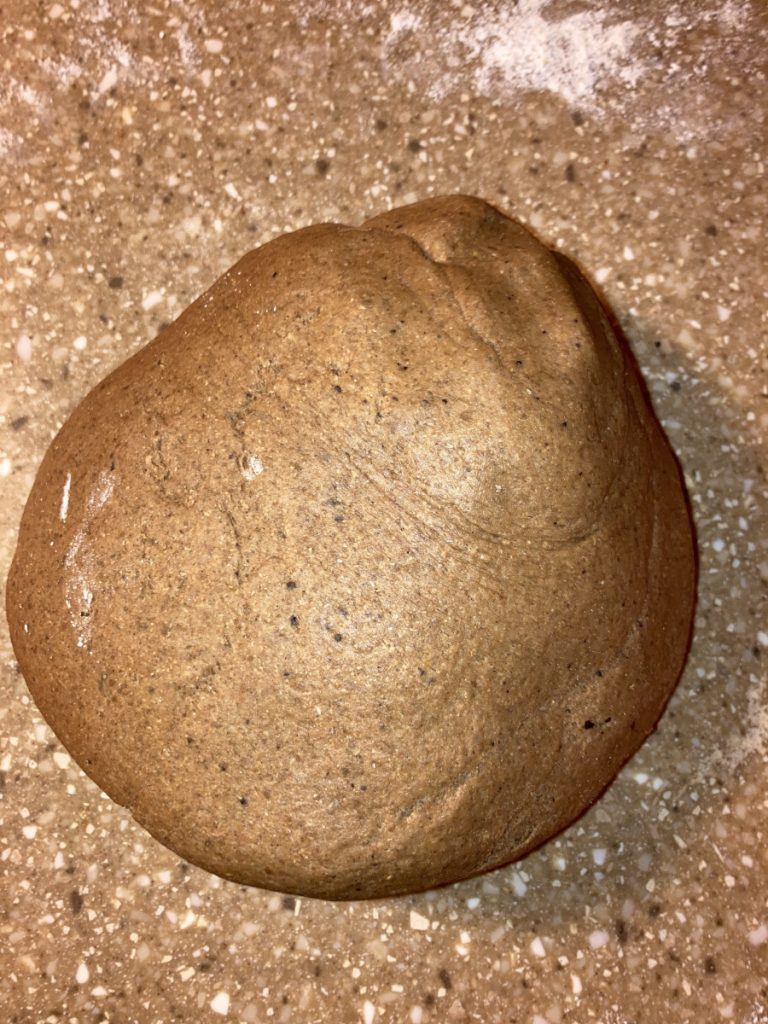
Then, combine the yeast mixture, and the dry and wet ingredients gradually until you have formed a soft dough. Turn the dough onto a floured surface and let sit for fifteen minutes. Then knead until smooth and elastic, about ten to fifteen minutes. The dough still may be a bit sticky but that’s fine.
Place in a greased bowl and let rise in a warm place until it has doubled in size, about one hour. Once it has risen, punch down and let rise for another hour.
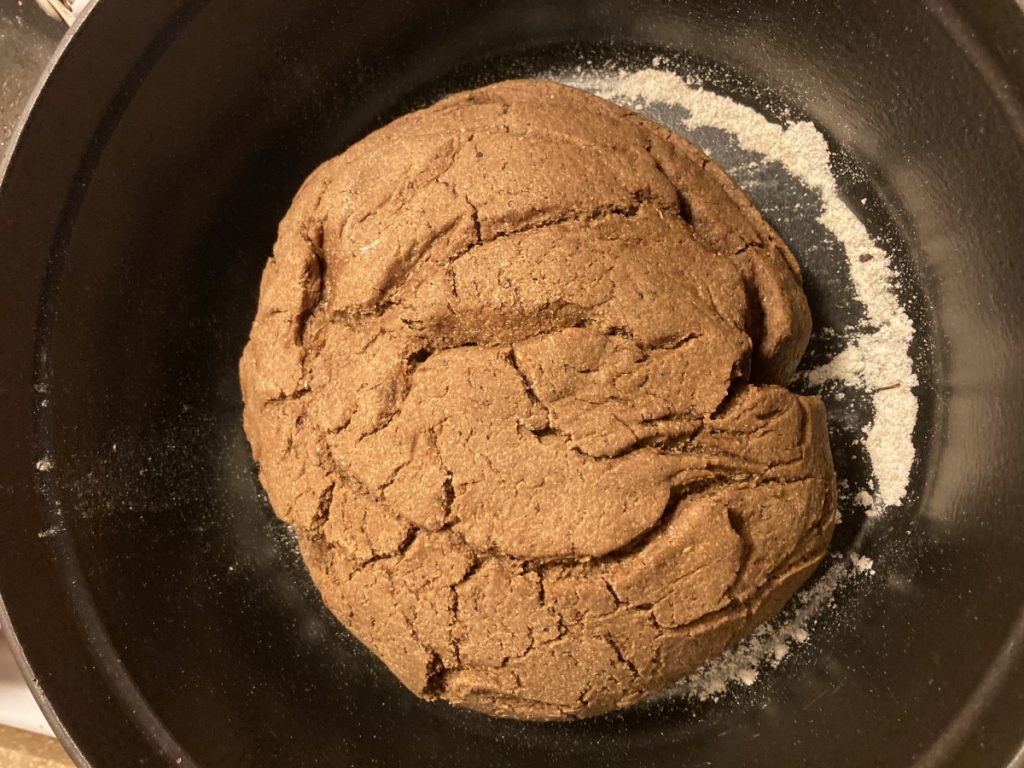
While the bread is rising, preheat the oven to 350 degrees. As the oven preheats put a dutch oven in it so that it becomes hot. Once the dough is ready to bake flour the bottom of the pot and place the dough inside. Bake for 45 to 50 minutes.
Leave a Reply