Bibliography

Song, B., Song, Y., Fu, Y., Kizito, E. B., Kamenya, S. N., Kabod, P. N., Liu, H., Muthemba, S., Kariba, R., Njuguna, J., Maina, S., Stomeo, F., Djikeng, A., Hendre, P. S., Chen, X., Chen, W., Li, X., Sun, W., Wang, S., … Liu, X. (2019). Draft genome sequence of Solanum aethiopicum provides insights into disease resistance, drought tolerance, and the evolution of the genome. GigaScience, 8(10), giz115. https://doi.org/10.1093/gigascience/giz115

Michel, N. A., Sylvie, D. N., Ysidor, K. N., Bernard, S. T., & Joseph, D. A. (2018). Comparison of the Physicochemical Properties of Aubergine (Solanaceae) Varieties Solanum aethiopicum gilo and Solanum melogena Grown in Northern Côte d’Ivoire. Journal of Experimental Agriculture International, 29(2), 1–9. https://doi.org/10.9734/JEAI/2019/45654

Adiletta, G., Russo, P., Crescitelli, A., & Di Matteo, M. (2016). Combined Pretreatment for Enhancing Quality of Dried and Rehydrated Eggplant. Food and Bioprocess Technology, 9(11), 1912–1923. https://doi.org/10.1007/s11947-016-1778-y

Barbosa‐Cánovas, G. V., Fontana, A. J., Schmidt, S. J., & Labuza, T. P. (Eds.). (2007). Water Activity in Foods: Fundamentals and Applications (1st ed.). Wiley. https://doi.org/10.1002/9780470376454

Kitchen Butterfly. (n.d.). The Easy: Quick Pickled Garden Egg Slices. Kitchen Butterfly, MY GUIDE TO FOOD – EXPLORING AND MAPPING INTERSECTIONS BETWEEN NIGERIAN CUISINE AND FOODS OF THE WORLD. Retrieved October 17, 2024, from https://www.kitchenbutterfly.com/2013/the-easy-quick-pickled-garden-egg-slices/

CONSORZIO MELANZANA ROSSA DI ROTONDA. (n.d.). RED EGGPLANT OF ROTONDA DOP. https://www-melanzanarossadirotondadop-it.translate.goog/statuto-e-scopi-del-consorzio/?_x_tr_sl=it&_x_tr_tl=en&_x_tr_hl=en&_x_tr_pto=sc

worldcrops.org. (n.d.). Solanum gilo. https://worldcrops.org/crops/jilo

Chimsah, F. A., Nyarko, G., & Abubakari, A.-H. (2020). A review of explored uses and study of nutritional potential of tamarind (Tamarindus indica L.) in Northern Ghana. African Journal of Food Science, 14(9), 285–294. https://doi.org/10.5897/AJFS2018.1744

CABI. (2022). Solanum anguivi (p. 110314) [Dataset]. https://doi.org/10.1079/cabicompendium.110314

Calright instruments. (n.d.). EXTECH RF12 PORTABLE BRIX REFRACTOMETER (0 TO 18%) WITH ATC [Vendor]. https://calright.com/product/extech-rf12-portable-brix-refractometer-0-18-atc/

Kleinhenz, M., & Bumgarner, N. (n.d.). Using °Brix as an Indicator of Vegetable Quality: An Overview of the Practice. https://ohioline.osu.edu/factsheet/HYG-1650#:~:text=Sugars%2C%20pectins%2C%20organic%20acids%2C,many%20fruit%20and%20vegetable%20juices.

Inductively Coupled Plasma Mass Spectrometry (ICP-MS) Information. (n.d.). Inductively Coupled Plasma Mass Spectrometry (ICP-MS) Information. https://www.thermofisher.com/us/en/home/industrial/spectroscopy-elemental-isotope-analysis/spectroscopy-elemental-isotope-analysis-learning-center/trace-elemental-analysis-tea-information/inductively-coupled-plasma-mass-spectrometry-icp-ms-information.html

Thresh Seed Co. (n.d.). Jilo Comprido Verde Claro. https://www.threshseed.com/products/jilo-comprido-verde-claro

Fructibus. (n.d.). File:3 x Orient Express eggplant 2017 A1.jpg. https://commons.wikimedia.org/wiki/File:3_x_Orient_Express_eggplant_2017_A1.jpg
S. aethiopicum, Past and Future.

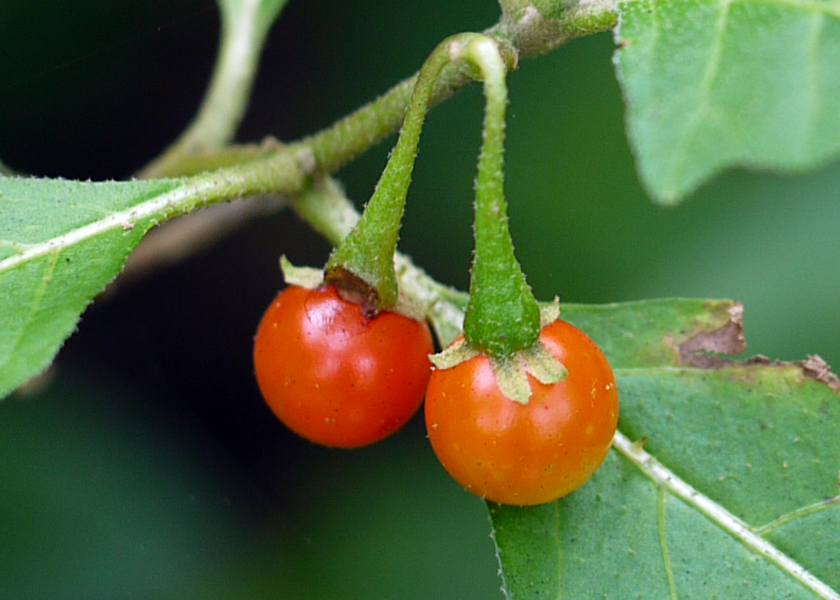
Solanum aethiopicum is though to have been domesticated in Africa from Solanum anguivi, and spread across western africa and became a part of the traditional cuisines of Nigeria, Senegal, Uganda, Côte d’Ivoire, and Burkina Faso among others. from here it spread across the world, becoming a popular vegetable in Darjeeling, Sikkim and Nepal. It has also followed the Trans-Atlantic slave trade, appearing in various caribbean cuisines and across Brazil.

Solanum anguivi from (CABI, 2022)

Solanum Aethiopicum also began being cultivated in the southern italian commune of Rotanda. It was brought back by italian soldiers after the conclusion of the First Italo-Ethiopian war. It is now a Registered DOP product, under the name of Red Eggplant of Rotonda, or Red Melanzana di Rotonda.

Logo from CONSORZIO MELANZANA ROSSA DI ROTONDA

Genetic resources.

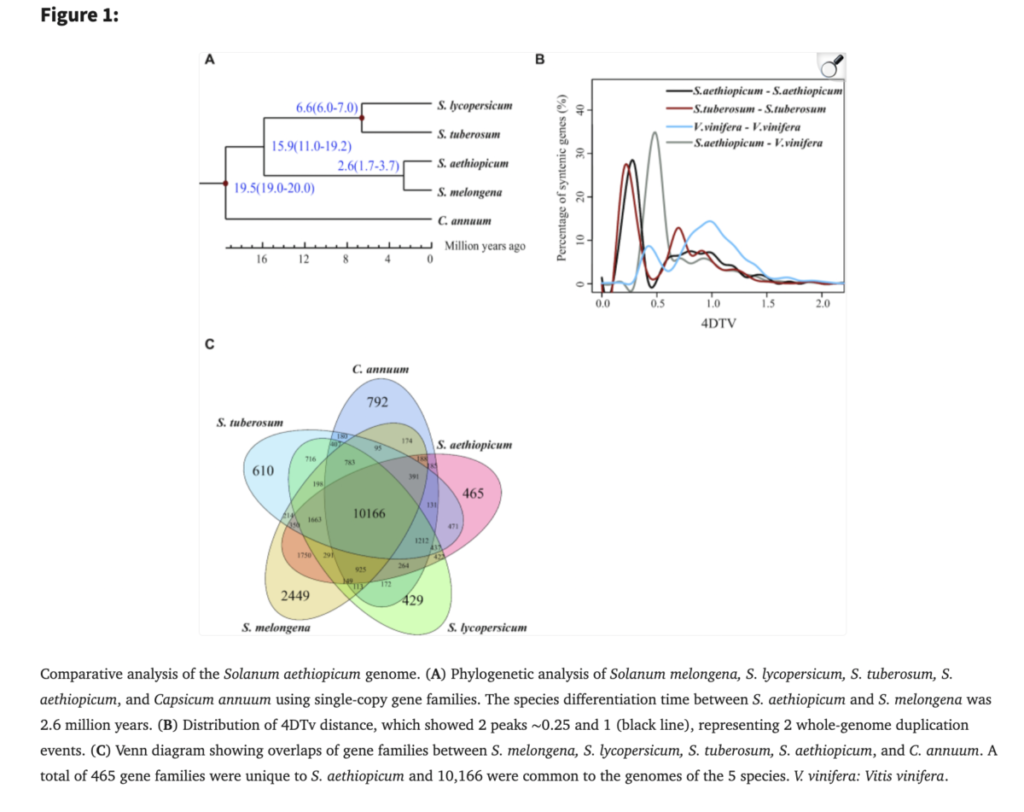
S. Aethiopicum has been used as a source of disease resistant promoting genes for S. Melongena, and had a 1.02 Gb draft genome assembled in 2019, more than 37,000 genes were annotated, of which almost 35,000 were found to code for proteins. These genes have an will continue to serve as a source of genes that can improve disease resistance and genetic diversity of more economically important varieties of S. Melongena, due to their ability to hybridize.

Figure From (Song et al., 2019)

Processing and Recipes

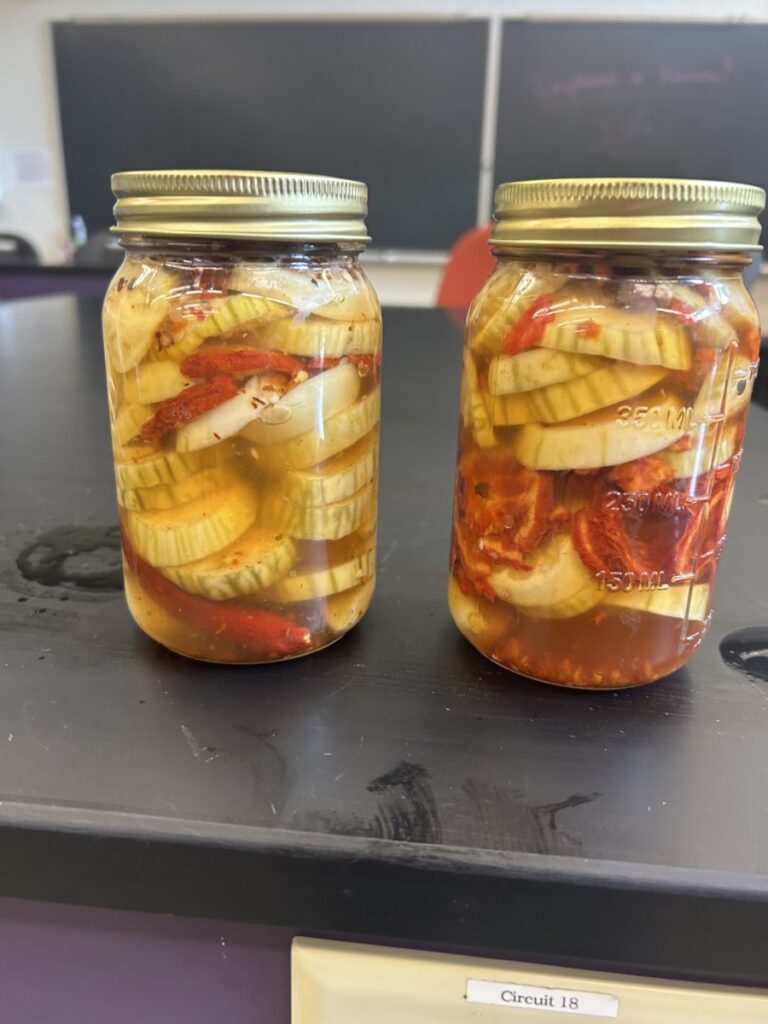
Processing S. Aethiopicum has been a bit of a learning process. While both scientific and culinary resources exist, they aren’t common or easy to find. Among the most helpful, were Combined Pretreatment for Enhancing Quality of Dried and Rehydrated Eggplant (Adiletta et al., 2016), and the recipe The Easy: Quick Pickled Garden Egg Slices (KitchenButterfly.com, 2013). These recipes allowed for the development of several recipes that help to make S. Aethiopicum delicious to a wider variety of palettes.

The recipe that has had the most success is the simplest, both in preparation and taste, and has the most possibility to be further developed by experimenting with seasonings, cook times, and different oils.

Bitter Eggplant Chips

3 Tbsp sea salt

¼ cup cooking oil

1 Tbsp trehalose sugar

1 full sheet of sliced S. Aethiopicum

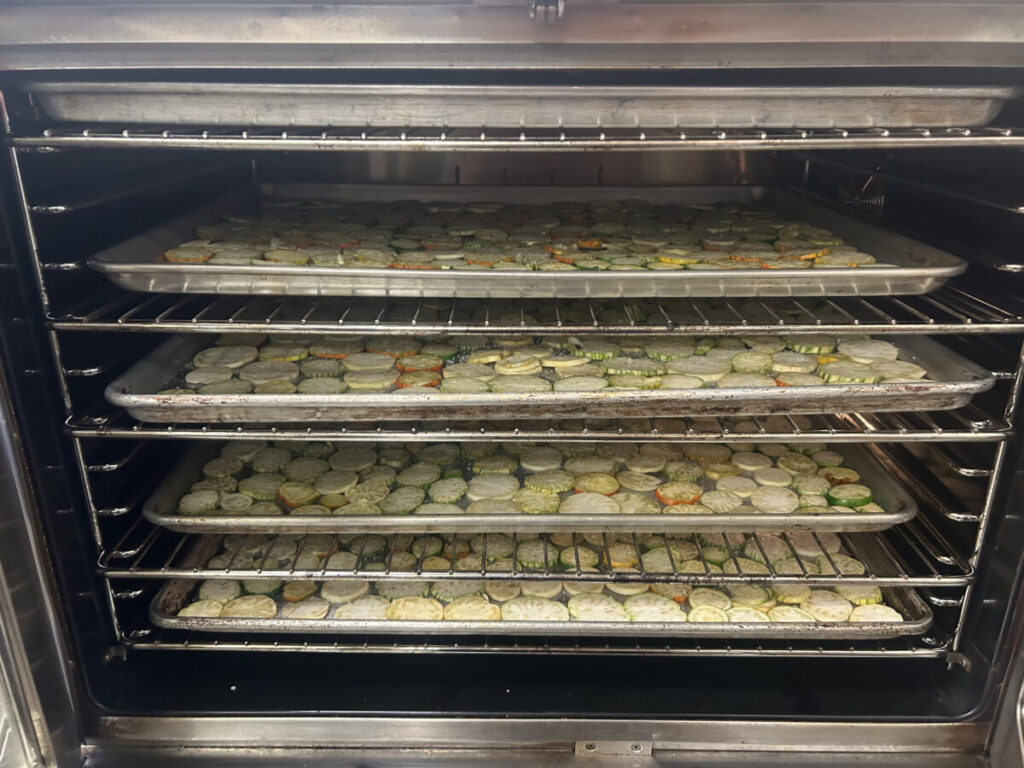
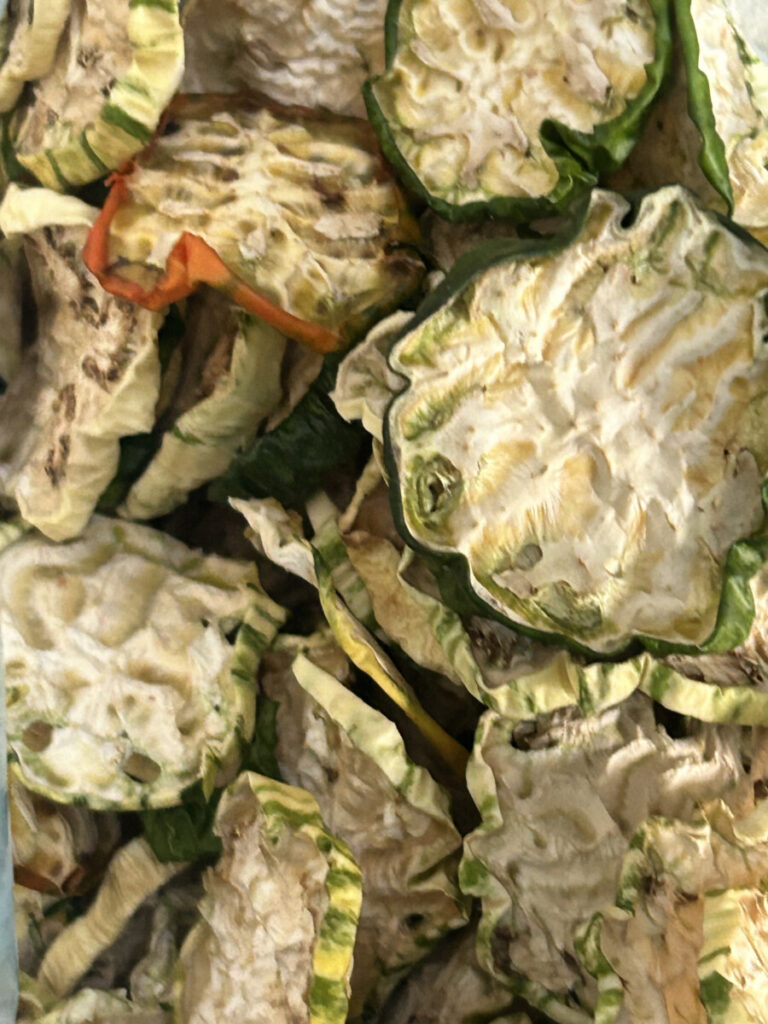
Slice the eggplant to ~1/8 inch thick with a mandolin, lightly coat with oil, and lay out over tray sprinkle salt and trehalose sugar on the halves of the slices facing up. Preheat oven to 150 degrees Fahrenheit, and turn on the internal fan to its highest setting, leave it for 5-7 hours, occasionally testing by bending a chip, when dry (roughly 10% original moisture) they will break cleanly. after this, they are ready for storage. It takes about 4 trays to fill a gallon bag. They should then be frozen until ready to be eaten. They can be seasoned the same way you’d season any other dry vegetable, but using a store bought dry marinade or other seasoning packets is a quick and easy way to add other flavors.

Pickled Gilo

This recipe is heavily based on a recipe published by Kitchen Butterfly in 2013. So credit where it is due, you can find their recipe here. My first exposure to Nigerian cuisine has been through their blog and recipes, which I highly recommend you check out here. They have recipes, articles, and a wide variety of other media.

Ingredients (yields 2 12 oz jars)

1 cup water

1 cup white vinegar

1tsp Sea salt

2-3 long pepper pods

2-3 pods star anise

1 Tbsp chili flakes

4-5 cardamom pods

4-5 dried paste tomato slices

4-5 dried pepper slices (sweet or hot, both add in their own ways)

1 Tbsp sugar

sliced bitter eggplant (enough to fill the jar 3/4 of the way)

Sterilize jars, lids and rings in boiling water, put to the side on a clean, dry, towel.

Combine water, vinegar and spices in a saucepan over medium-high heat, wait until boiling. This will be our brine.

While waiting, fill jars 3/4 to the top with bitter eggplants and add 2-3 dried tomato slices and 2-3 dried pepper slices to each jar.

When the brine is boiling, reduce heat and wait until simmering. The brine should take on an amber color.

Once cooled to a simmer, fill jars to the top with brine, then put the lids on, dont tighten the ring too much as air needs to escape to form a seal.

Boil jars for 10-15 minutes before taking them out. they should seal in 5-10 minutes.

Wait at least a week, then enjoy.

These recipes, while simple or based on the work of others, took some time to develop, and considering the goal of ~600 bites, I have spent a lot of time harvesting and slicing bitter eggplant.

On average, a harvest took 2-3 hours, and processing could take anywhere between 2-3 hours if frozen without drying, or 7-8 hours if drying first.

I harvested on September 10th , 16th, 23rd, 30th, and October 7th. throughout these harvests I collected

I processed eggplant on September 9th, 11th, 17th, 18th, 19th, 23rd, and 27th. And in total processed around 120 Lbs of bitter eggplant. 20-25 lbs were frozen, and the rest into chips. if we assume that chips are around 15% moisture, the yield should be around 12 Lbs of chips. which sounds about right.

I experimented with several flavorings for bitter eggplant chips, but the most successful in my opinion was a ranch flavoring, which i just used 1/4 pack of hidden valley ranch mix, which was plenty for the 1/2 Lb that I seasoned with it. Any store bought seasoning packet would likely work well, but the seasonings I made from scratch weren’t as successful. I think this is due to a lack of ingredients and not having much experience with seasoning chips. I also thing a big difference was that the store bought seasonings contain monosodium glutamate, which brings an umami flavor to the chips that pairs well with the eggplants natural flavors.

I also experimented with using a food dehydrator instead of an oven to dehydrate the chips. this worked well for removing, but concentrated the bitter flavors.

I also experimented with soaking the sliced eggplants in a brine before drying. this extended the drying time, and they ended up a bit too salty, i’m sure it could be good with adjustment to the salt:water ratios, but due to the limited time slots in which I had access to the sustainable agriculture lab, the extra drying time outweighed the potential benefits of brining.

How did I get here?

My initial reason for getting involved with this project was to run an analysis on the nutrient content on S. aetheiopicum and compare it to S. melongena. This for a number of reasons, the chief of which being time constraints, did not happen. but I am going to discuss a few ways I had considered going about this.

Brix value

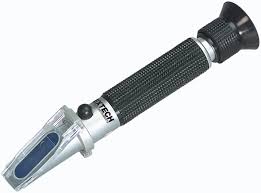
The initial idea I came to this project with was to use a refractometer to measure the soluble solids of each eggplant variety. Soluble solids can be anything that, as the name suggests, is water soluble and a solid. Amino acids, pectins, organic acids, and sugar all fall into this category, with sugars being the most abundant, and in most cases, important.

Image Credit: Calright Instruments

A Brix refractometer can only be used with a homogenous liquid, so the eggplant fruit would have to be blended thoroughly before testing. This test would provide a very simple and rough comparison of the nutrient contents of the different varieties. It would not measure anything besides the relative abundance of soluble solids across varieties.

Image Credit: Ohio State University

Following the advice of many people who are more knowledgable than me, I came to the conclusion that the data from a Brix test would do very little to further my understanding of the nutritional value of S. aethiopicum, and that other methods would provide more valuable information.

ICP-MS

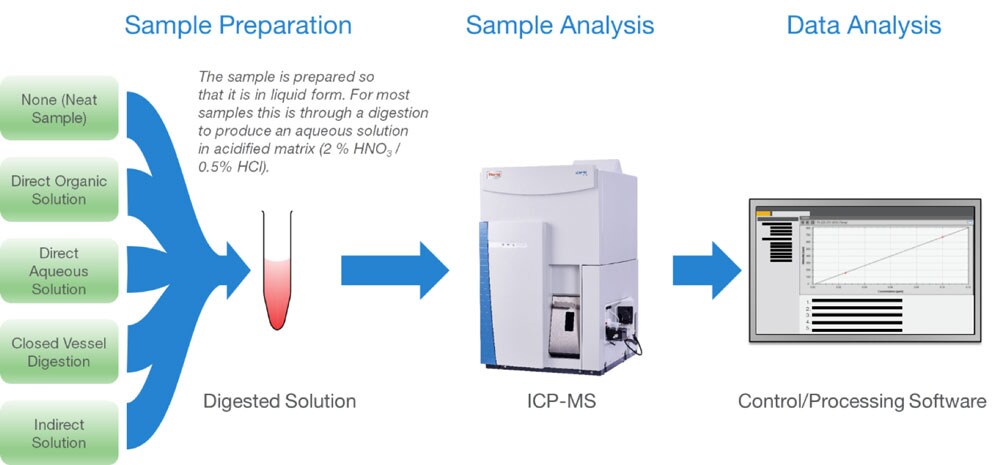
Inductively coupled plasma mass spectrometry is a method for analyzing the elemental contents of a biological solution down to parts per trillion. It works by taking a solution, aerosolizing it, and transferring it into argon that has been heated to the point it enters a plasmatic state. This ionizes the elements in the solution. Once ionized, the ions are extracted from the plasma into a vacuum, where ion optics guide the ions to the mass spectrometer. Here they are separated based on their mass/charge ratio, and measured based on the number of ions striking the detector per second.

Image credit: ThermoFisher Scientific

This would have worked well, but due to the number of varieties, and the repetitions necessary for each variety to ensure quality data, ICP-MS was not a viable method for this project.

That being said, there is one more big reason why my project pivoted to it’s current state.

SOMEONE ELSE ALREADY DID IT.

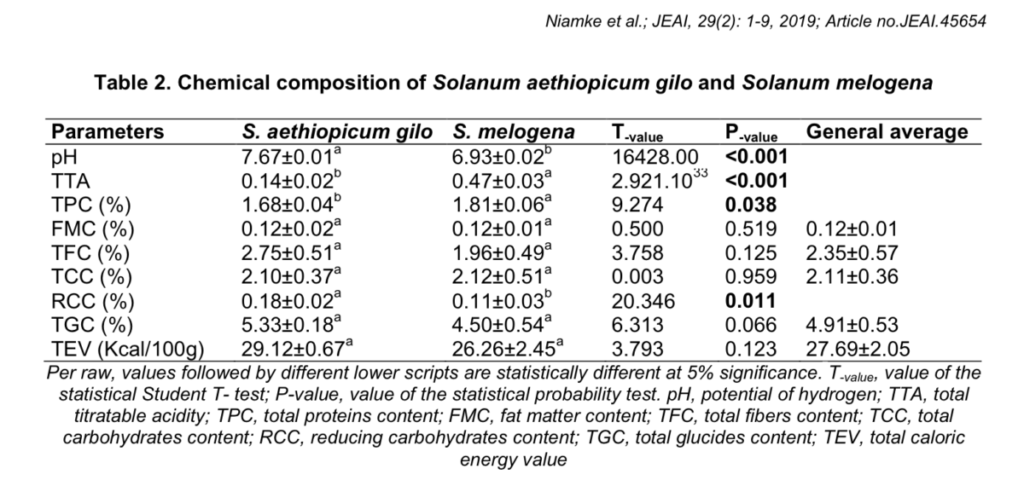
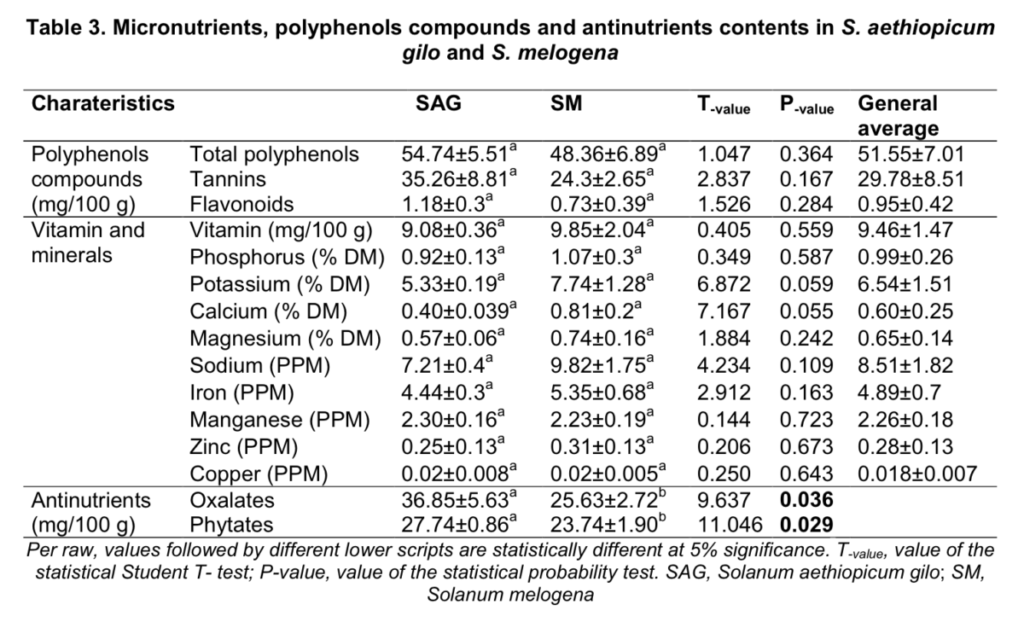
In my research, looking for methods for nutrient analysis, I came across a paper from Journal of Experimental Agriculture International. This paper, Comparison of the Physicochemical Properties of Aubergine (Solanaceae) Varieties Solanum aethiopicum gilo and Solanum melogena Grown in Northern Côte d’Ivoire, goes over the methods and results of a nutritional analysis and comparison of S. aethiopicum and S. melongena grown in Côte d’Ivoire, West Africa. 10 kg of both types of eggplant were purchased from 3 local markets. These fruits were then processed and measured for many different values using various methods.

Graph from Niamke et al.; JEAI, 29(2): 1-9, 2019; Article no.JEAI.45654

These results show that the nutrient values are similar, with S. aetheopicum mainly containing more polyphenols and fiber, both of which are beneficial for gastric, cardiovascular, and immune system health, as well as lowering blood sugar and preventing cancer. This could suggest that S. aethiopicum could have some health benefits over S. melongena.

This study, along with the challenges that come with the other methods of nutrient analysis, led me to pivot my research into a more practical direction, that being the preservation and preparation of the large quantity of bitter eggplant we had grown.

Harvest Procedure & Varieties

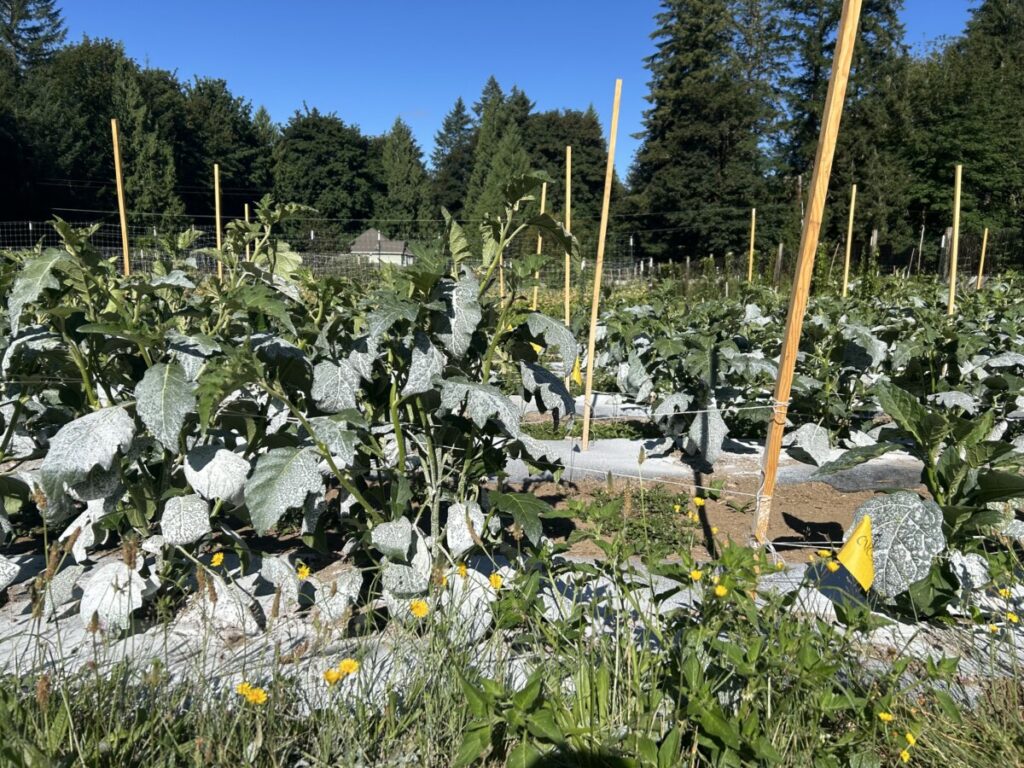
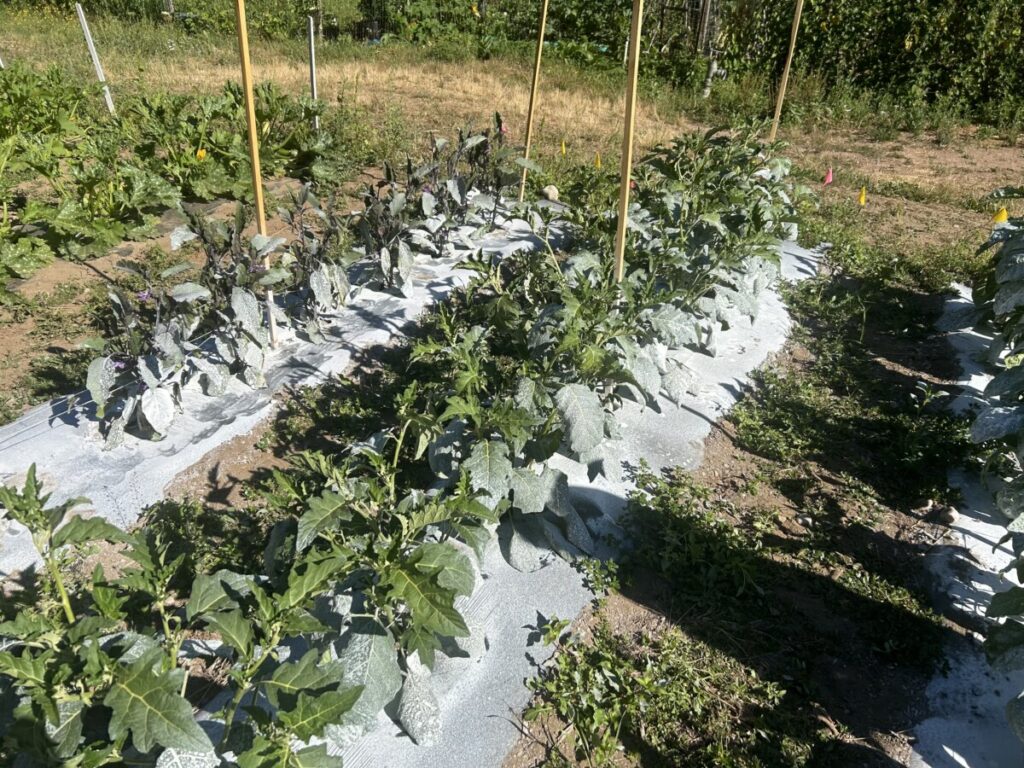
Harvesting Bitter Eggplant is a straightforward procedure. The process for this trial is to harvest by row, block, and variety. Each variety gets three blocks, with three blocks for row, giving us a total of fifteen blocks, five rows, and five varieties. Each block is tracked for performance separately, and combined to track the overall performance of the variety.

The varieties are as follows

Simians White

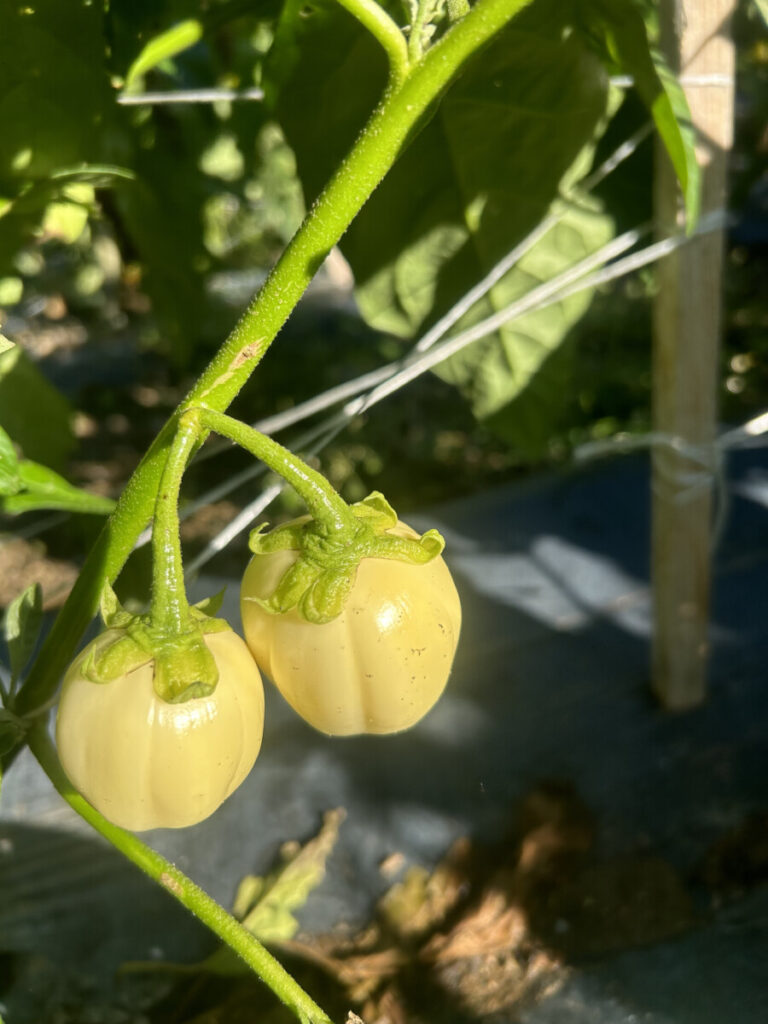
Simians White is a variety that performed very well. It has a lightly bitter taste, with some floral and spicy undertones. The texture is reminiscent of a cucumber, and is harvested anywhere between the size of an egg to large enough to fill your palm. The skin is white and without any particular patterning. The variety tended to the most palatable to the most people among the varieties in the trial.

Zebra

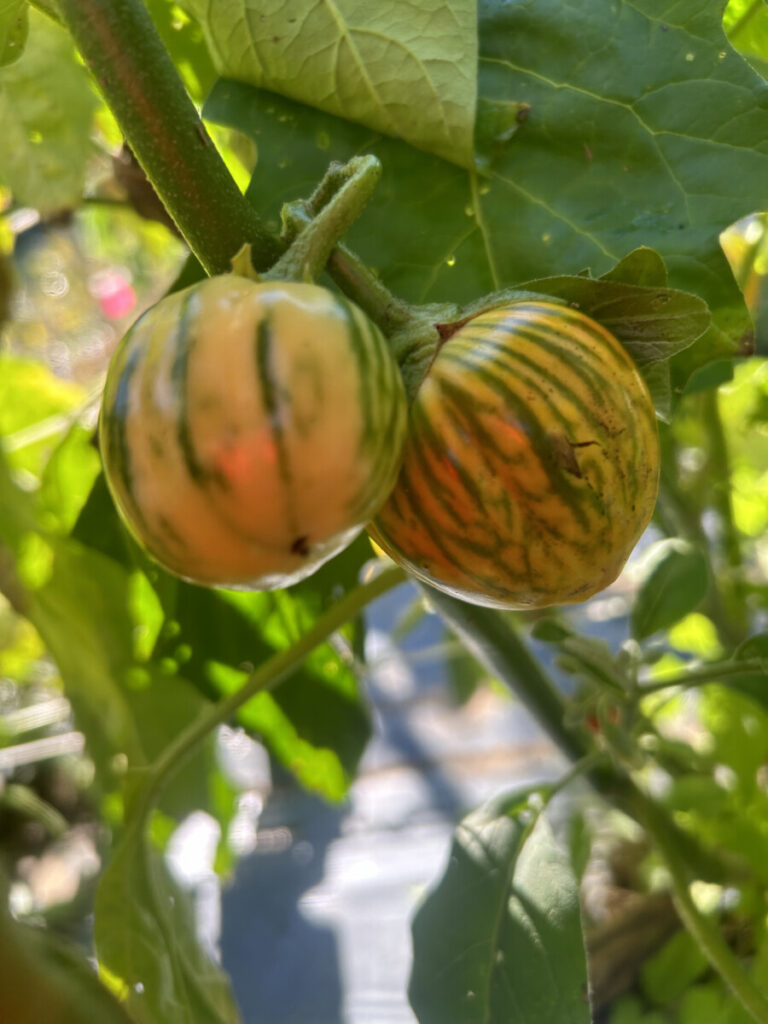
Zebra is a variety very similar to Simians White, with all the same flavors and notes, just slightly more intense, and with slightly smaller fruit. They have distinctive striped patterning, and tend to hold slightly more moisture.

Morro Redondo

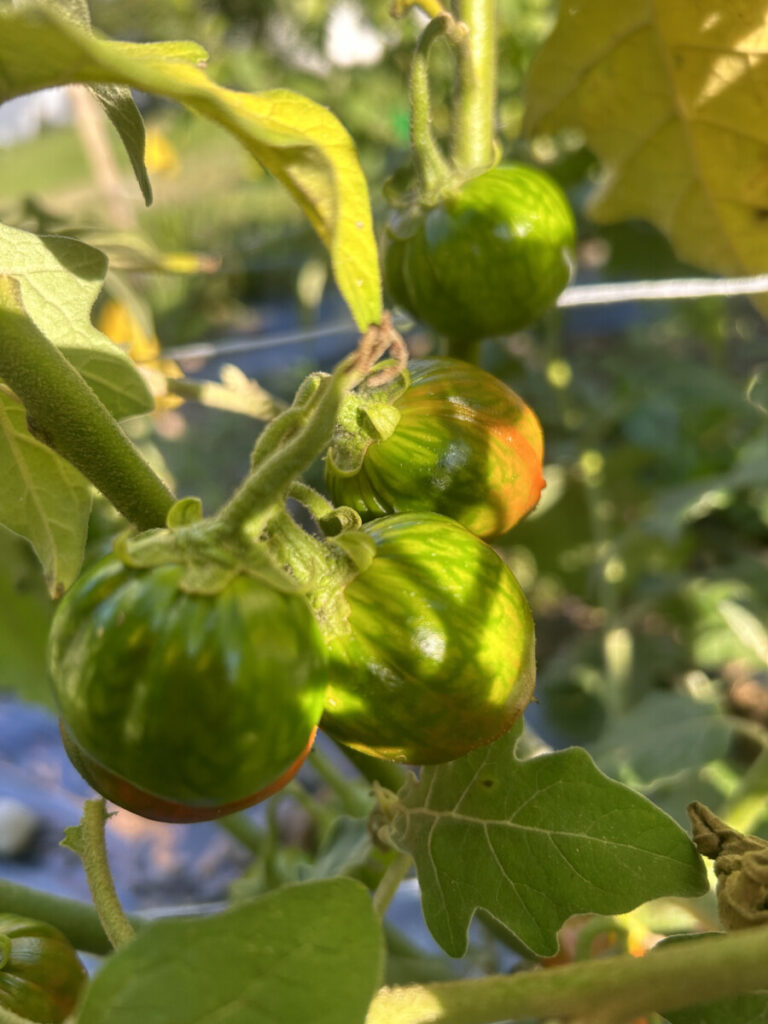
Morro Redondo is a variety closer to what you may find in some parts of southern Italy, but was bred in the Brazilian municipality for which it was named, Morro Redondo. It is a smaller variety than Simians White or Zebra, and is generally harvested around the size of a golf ball. It is much more bitter on the front of the palate, and has a softer texture with thicker skin. It has strong peppery notes, and a distinct scent. It lagged behind in production for most of the summer, but has increased significantly in October, as the other varieties wind down.

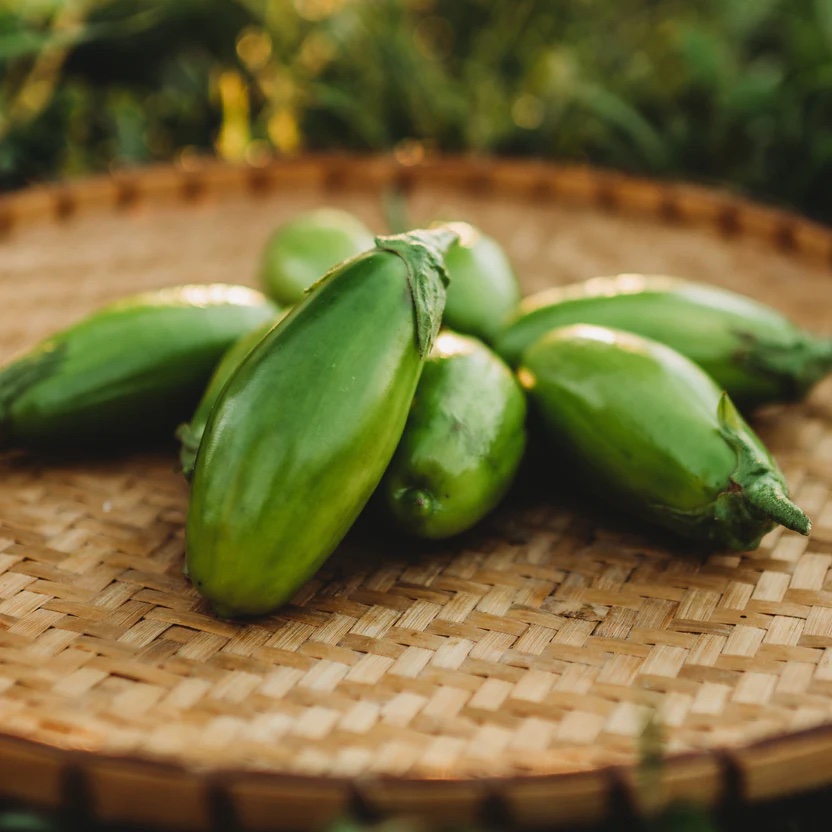
Comprido Verde Claro

Photo credit: Thresh Seeds Co.

Comprido Verde Claro is another Brazillian bred variety, which unfortunately, has not performed well in fruit production. They have a milder taste than Morro Redondo, while keeping the more peppery notes that come with it.

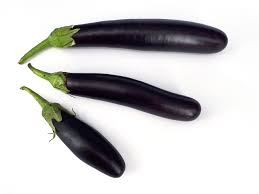
Orient Express

Photo Credit : Wikimedia Commons

Orient Express stands out, as it is a different species than the other varieties in this trail. Orient express is a variety of the species S. Melongena, while the rest are varieties of S. Aethiopicum. It was chosen as a control, as we have grown it on The Evergreen State College Organic Farm in the past, and have harvest data from previous years. This allows us to account for variables outside our control (Growing Degree Days, Average Temperature, Precipitation, etc.) may skew our results. It isn’t the ideal control, but was deemed to be the most similar crop that we have past performance data for.