This week was spring break for our schools so we had another week of garden prep. This week I spent my time preparing myself for the job ahead and thinking about the social-emotional significance of garden teaching. This week we were joined by an Americore member who is doing a service at Lacey Elementary as a reading specialist. We were able to talk a lot about the ins and outs of the Americore program and the morale of the public schools in the area after the pandemic. I was pretty shocked to learn that Americore stipends for 40 hours a week equate to around $10 an hour. Our team talked a lot about the exploration of young people in internships and programs like Americore. An example is how it is common for Americore members and interns to get assigned the ‘dirty work’ or hard undesirable jobs because they are in a temporary position and often are not properly valued.
After having these discussions I wanted to briefly state why I find value in internships to solidify my intentions/ goals moving forward. My experience at Evergreen, like many others before me, has been extremely unconventional. I have been able to play around and experiment with different learning styles and have found that I really need hands-on experience and find so much purpose in getting my hands dirty and taking control over my education. I need to be able to see the ‘real world’ value in any academic endeavor and need to be able to have autonomy over my time and my learning. I am very privileged to have the opportunity to attend a University that allows me to have this degree of freedom and I am grateful to end my time here with this work. I feel that ending my time at Evergreen with these internships is a great keystone experience for my journey here.
The other theme that came up heavily this week was the state of mental health in children entering in-person education after lockdown. I think a lot about how the experience of the pandemic affected all of us socially, emotionally, physiologically ect, and how the implications of this collective trauma will affect us further down the line. There have been a lot of new/more prevalent needs present in public schools and students have been needing extra care after going through such a large trauma. I have not worked with kids actively since right before the pandemic began so I am slightly nervous about jumping back into with this new world context. But I also feel ready to provide the energy that I am able to give to working with kids and providing them a valuable learning experience. I also feel that it is somewhat of a social responsibility to nourish and support younger generations. I feel that gardens are a wonderful healing space for public schools to incorporate during this time.
This week I began to read The Well-Gardened Mind: The Restorative Power of Nature by Sue Stuart Smith. The book touches on the healing and restorative power of gardening and tending to plants as a healing act. She relates tending to a garden space to a primal experience where we are able to touch into the natural cycles of the Earth while simultaneously connecting to ourselves. I truly believe in the healing capacity of growing things and feel that all humans can benefit from spending time in the garden. I also believe that it is important for childhood development and by learning and playing in growing spaces students are able to connect and relate to the natural world, in a way that is often lacking in this new age of Ipad learning and Zoom classrooms.
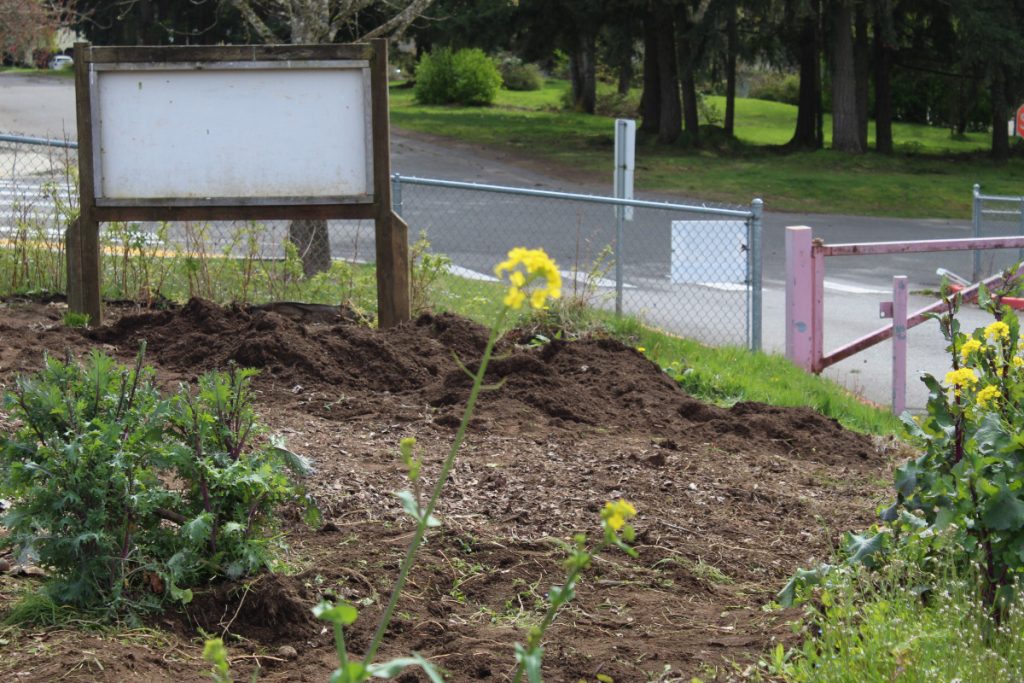
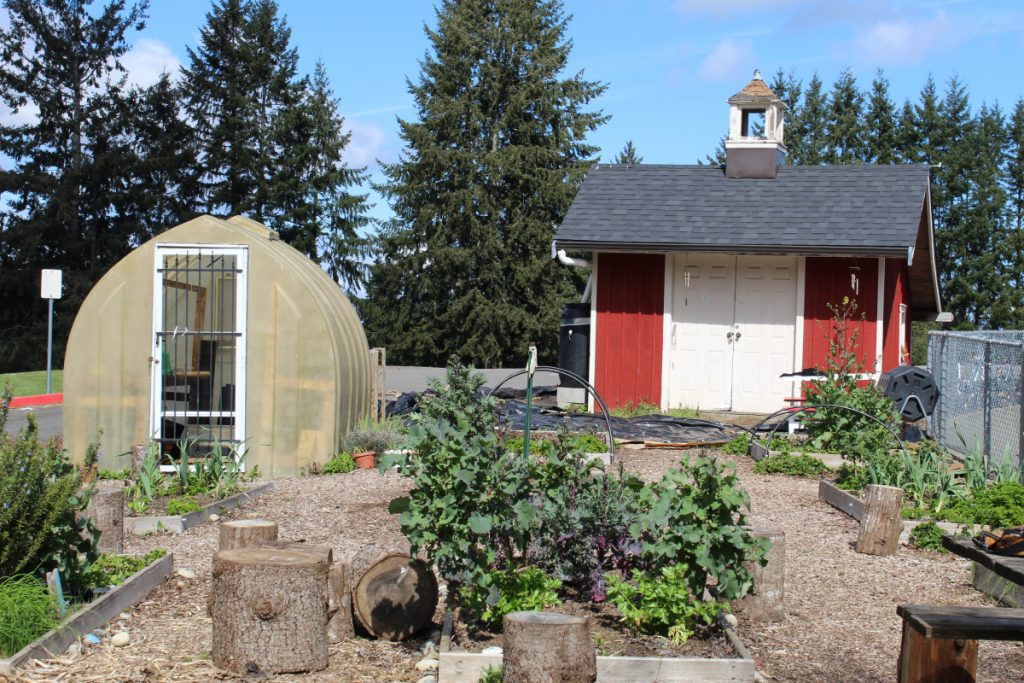
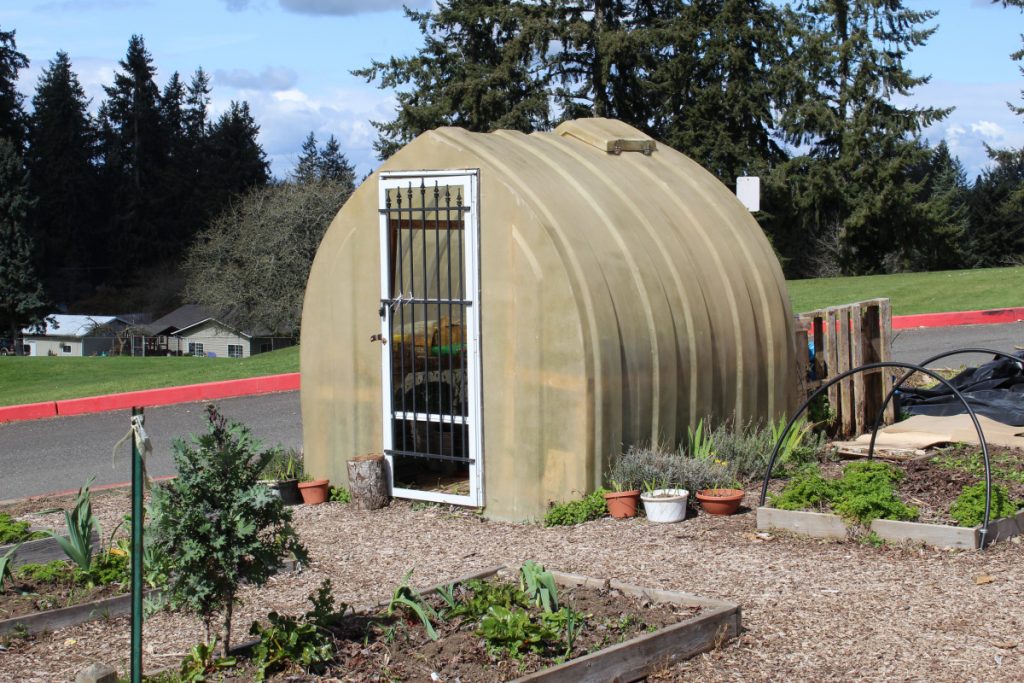
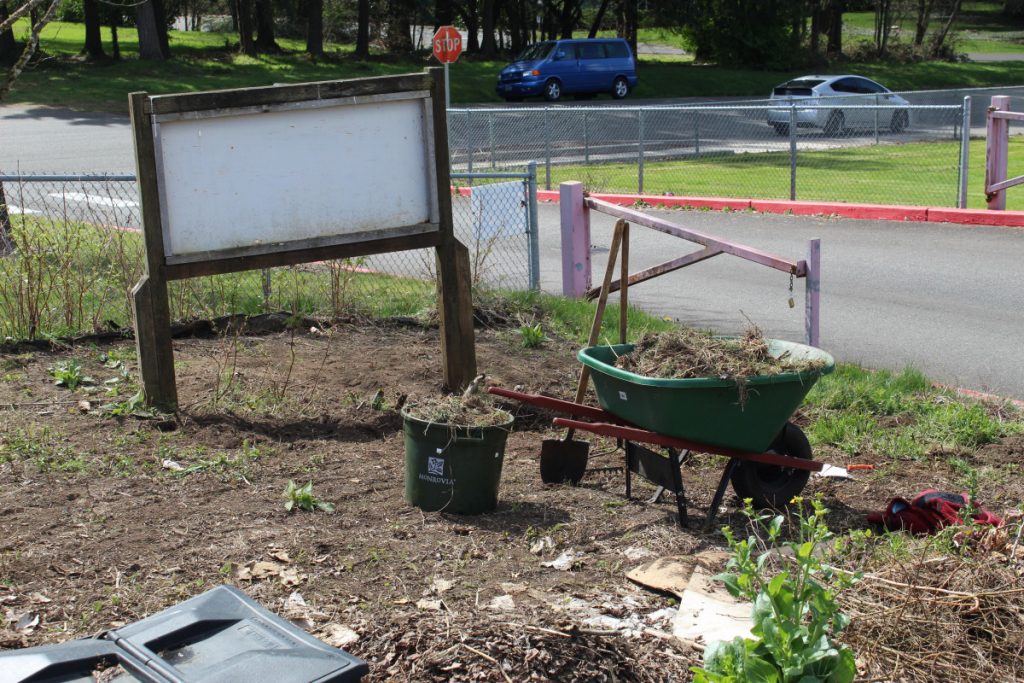
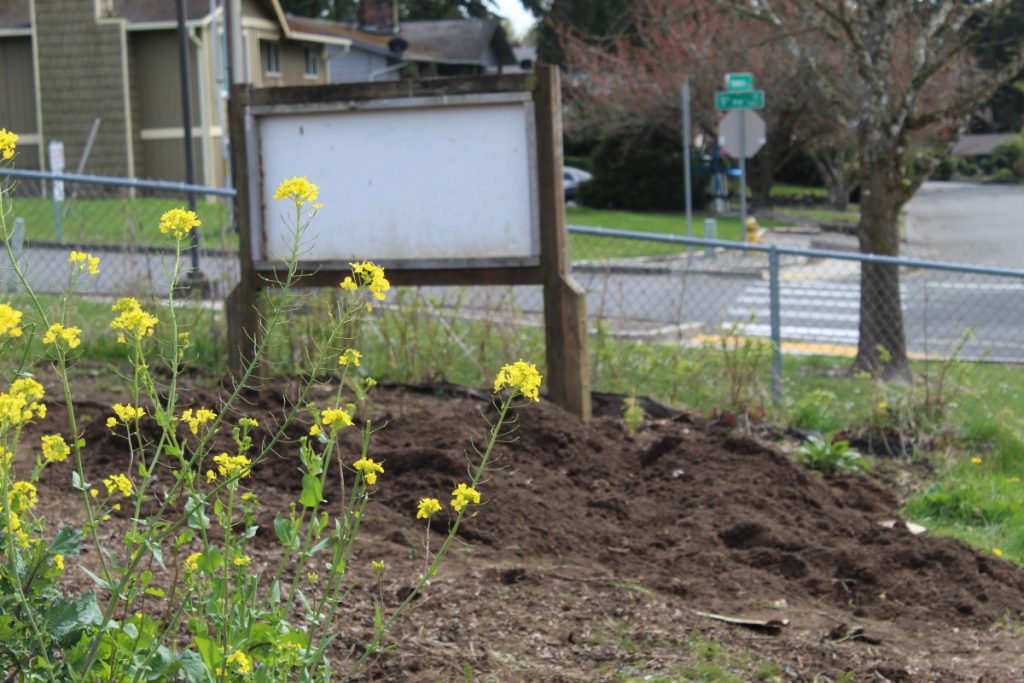
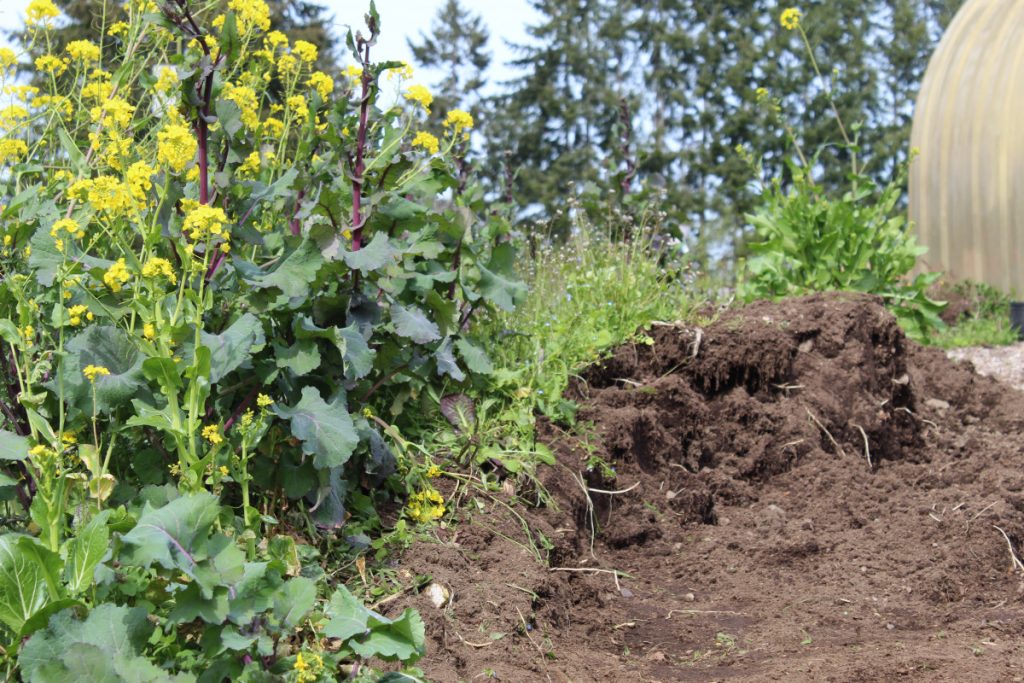
In the garden, we were able to get a team together and get some progress done on leveling out that corner of the garden. Our work consisted of saving and transplanting sunflower starts, sorting through leftover weed piles, and carting them out of the garden, as well as breaking into the soil pile that has been sitting to level out that corner of the garden I was working on last week. It was nice to have a team of people to get a solid chunk of work done.
I am beginning to put together a lesson plan for teaching various age groups about weeds and invasive species. The garden at Lydia Hawk is overrun with horsetail, an important nitrogen fixer and cultural plant that can often become a garden pest. We also talked about how a previous student pointed out the presence of the invasive cabbage moth and left believing that the little yellow butterflies they once were enamored with were bad for the garden and ultimately ‘bad butterflies’.This inspired a conversation about ‘good’ vs ‘bad’ in relation to plants and insects in the garden and in a larger sense of the black and white morality dogma that is present in western culture. We talked about how to approach reframing our outlook on these ‘bad’ plants or weeds and teaching that to our students. I will have more to share on this when my lesson plan is complete.