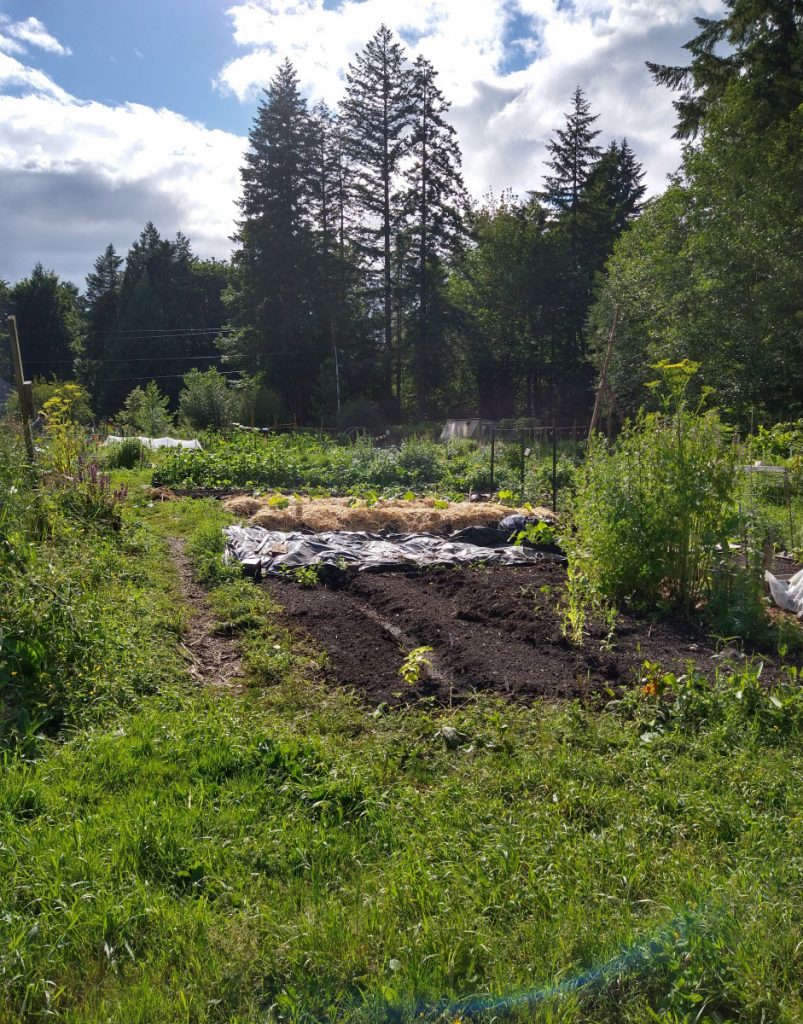
The Community Garden in 2021 – Photo Credit: Sarah Dyer
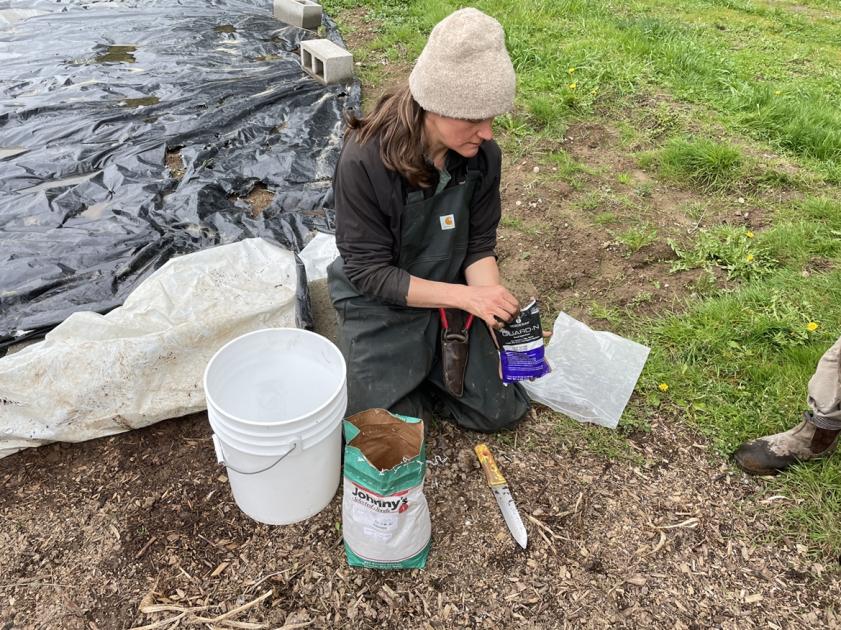
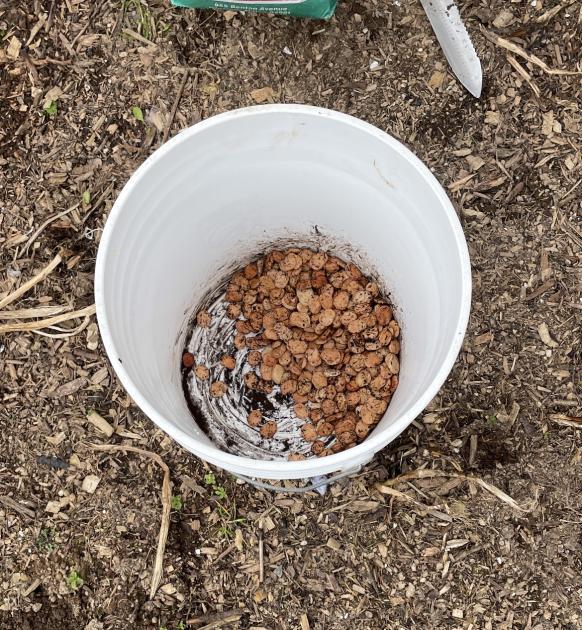
Farm manager Beth Leimbach inoculates fava beans – Cedar
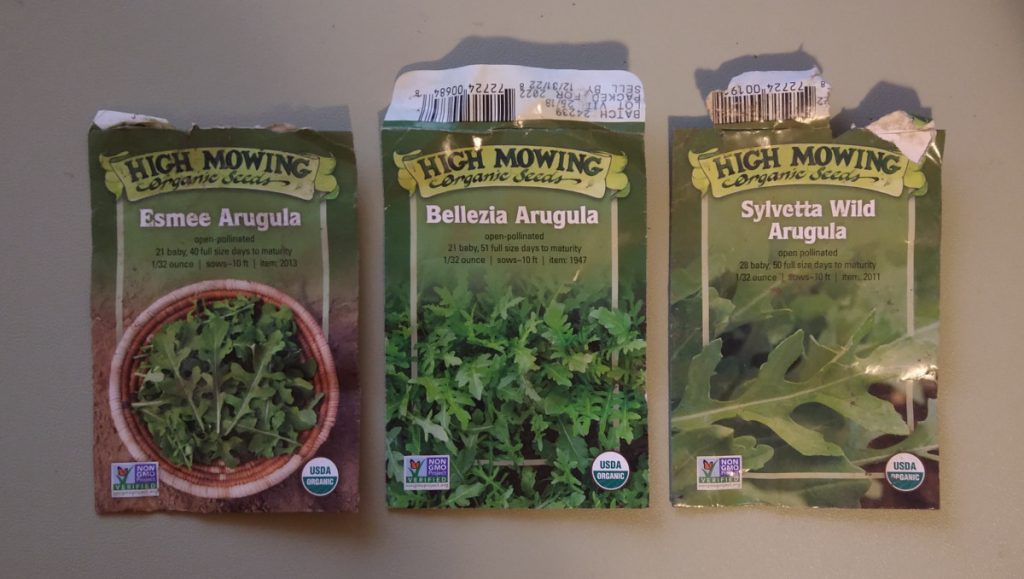
Three types of arugula in our plot. Photo credit : Sarah Dyer
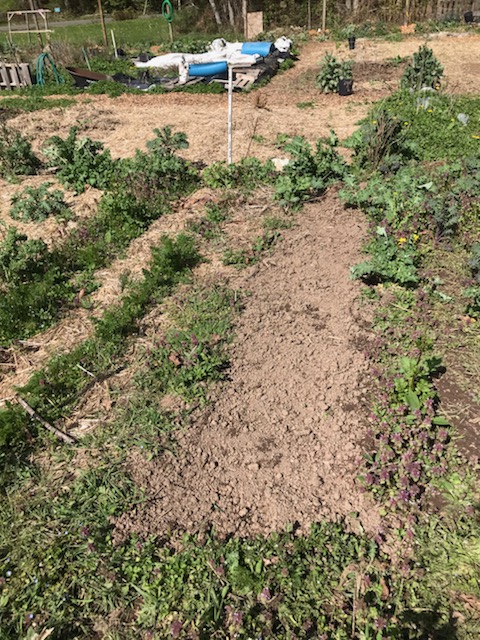
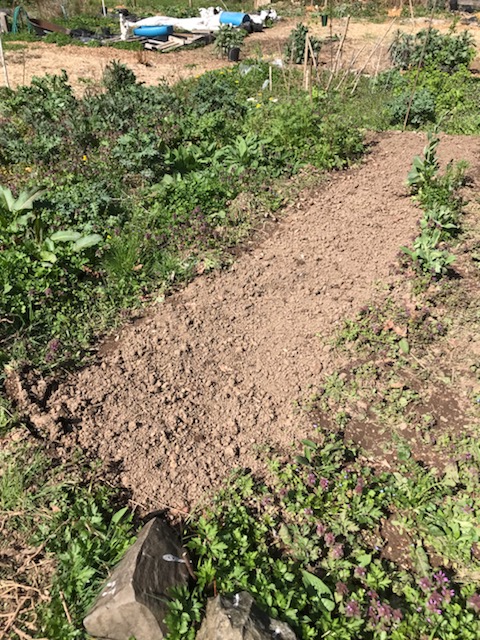
Cleared beds! Photo credit: Zoe Dewitt
Cleared beds! Photo credit: Zoe Dewitt
Fava beans donated to our program by the farm. Photo credit: Cedar
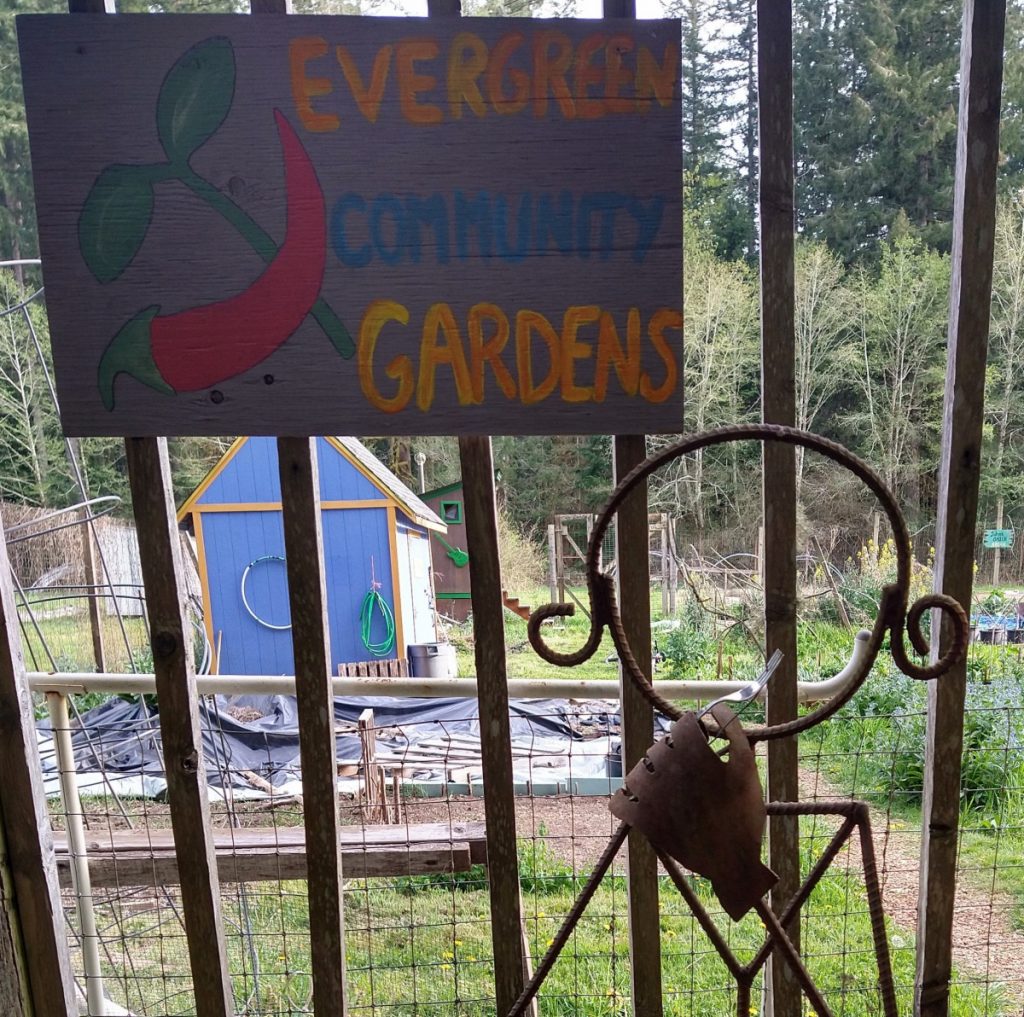
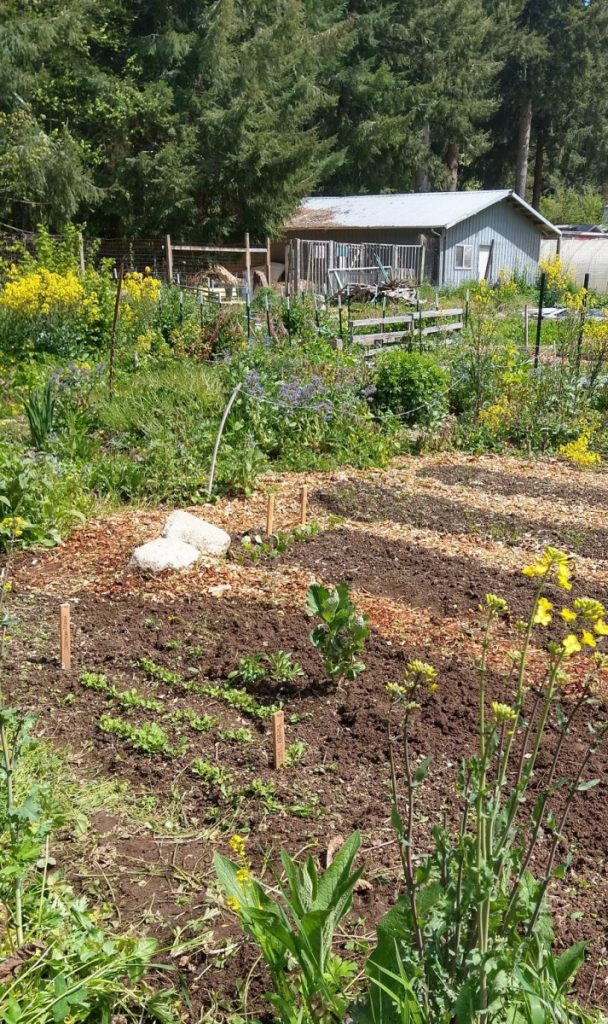
Evergreen Community Garden. Photo credit: Sarah Dyer
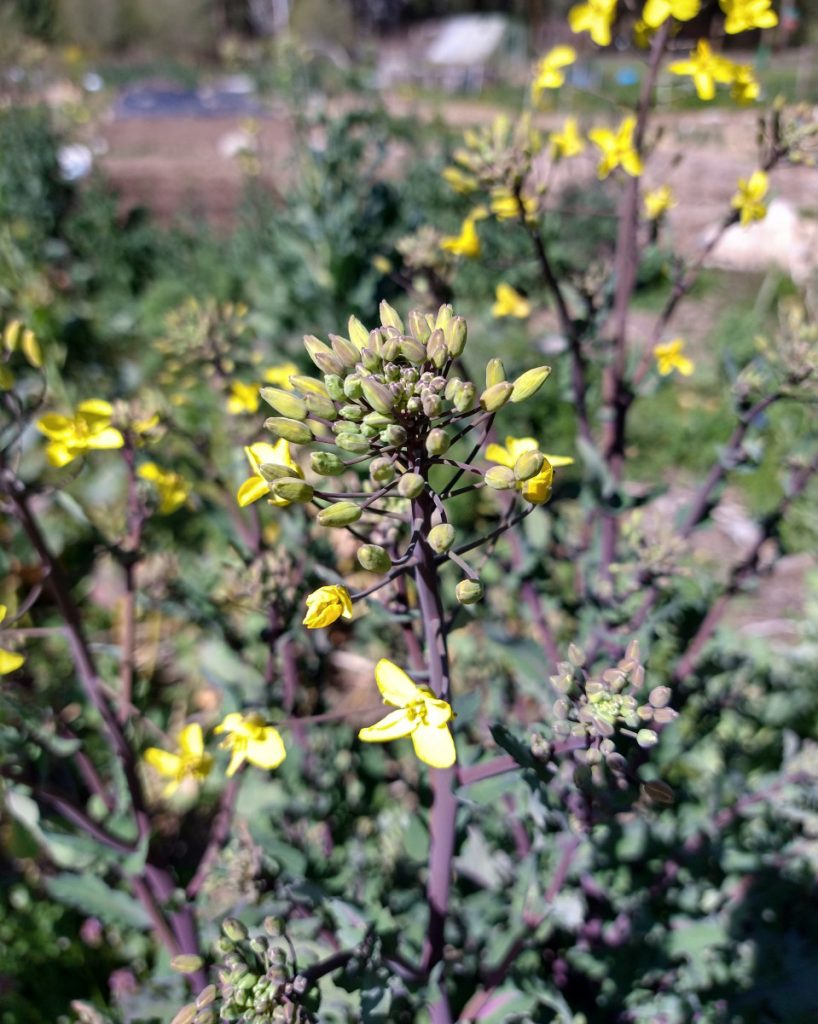
Kale raab is such a beautiful springtime treat. I love the yellos, white, and purples that dot the garden each March and April. Photo credit: Sarah Dyer
Farm manager Butch! Photo credit: Sarah Dyer
Work Party Flyer Photo credit: Sarah Dyer
Volunteers in the snow. Photo credit: Sarah Dyer
Farm intern Maleah Upah Photo credit: Sarah Dyer
Food and Agriculture intern Zoe Dewitt Photo credit: Sarah Dyer
I had to dance in the April snow. Photo credit: Maleah Upah
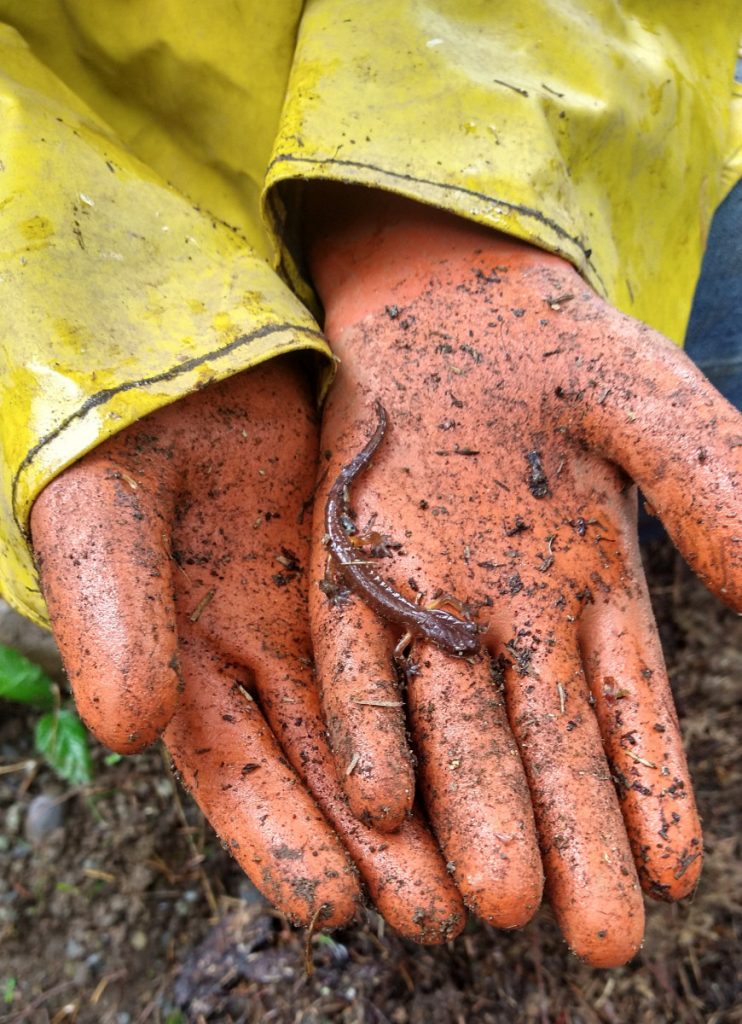
A tiny salamander appears. Photo credit: Sarah Dyer
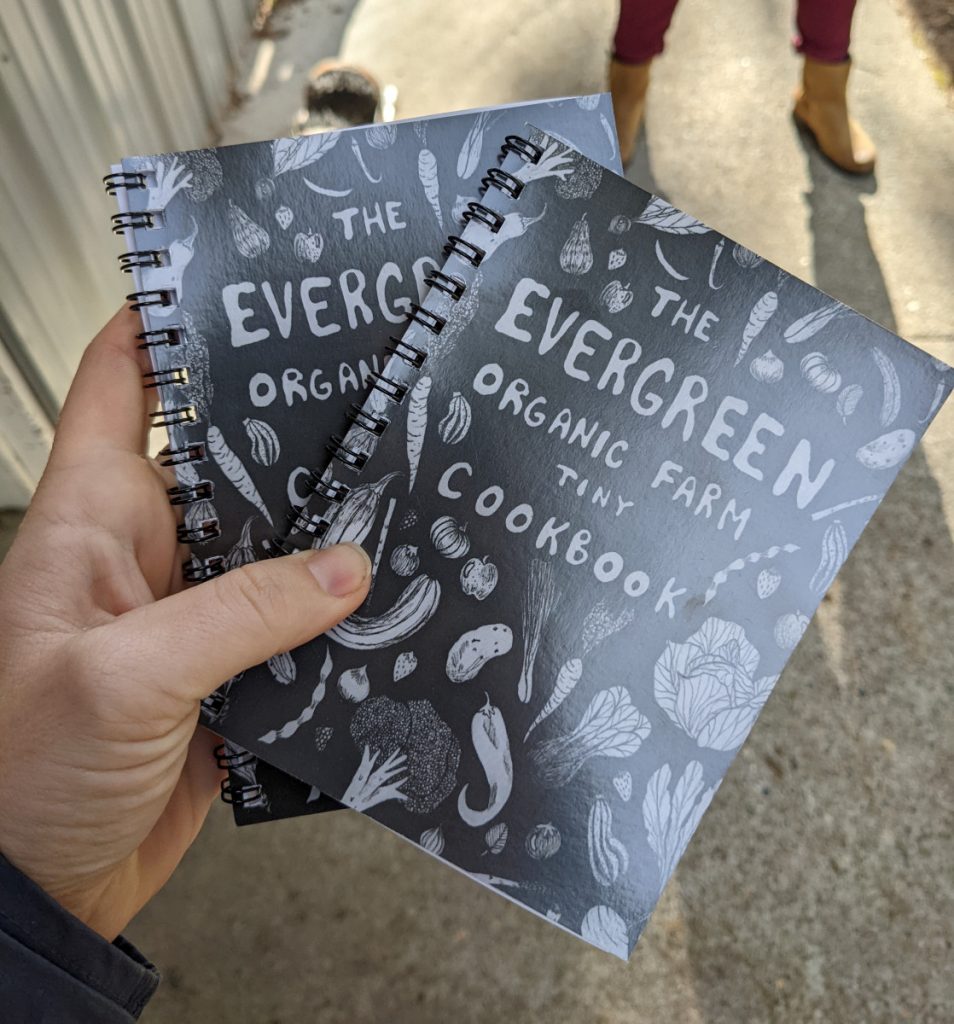
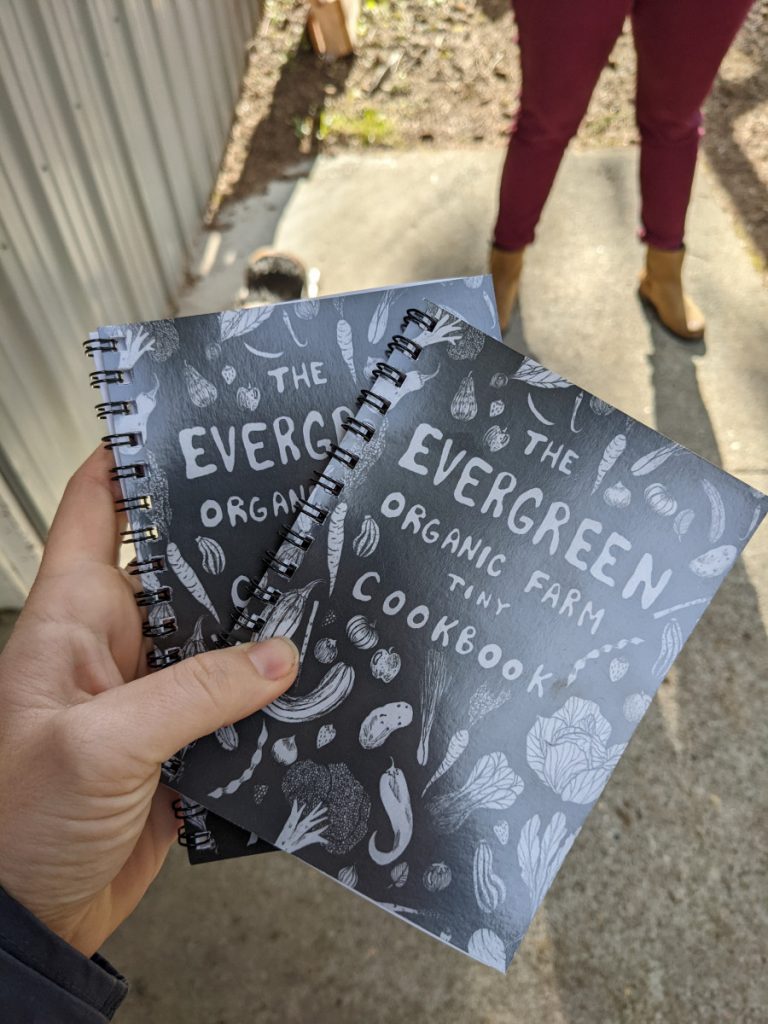
The Evergreen Organic Farm Iny Cookbook, written by me! Photo Credit: Karen Hill
SCARF Meeting Photo Credit: Sarah Dyer
Rodent Repellent Image Credit: Lowe’s
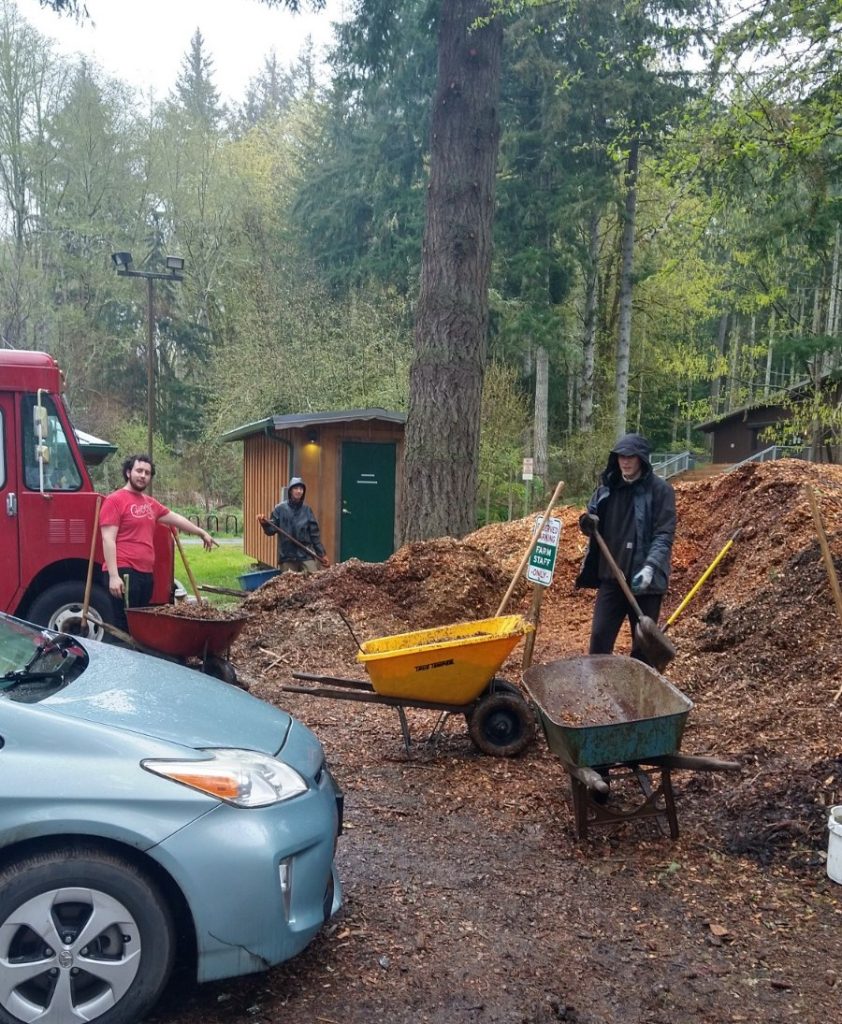
Wednesday afternoon of week five, laying massive amounts of wood chips. Photo Credit: Sarah Dyer
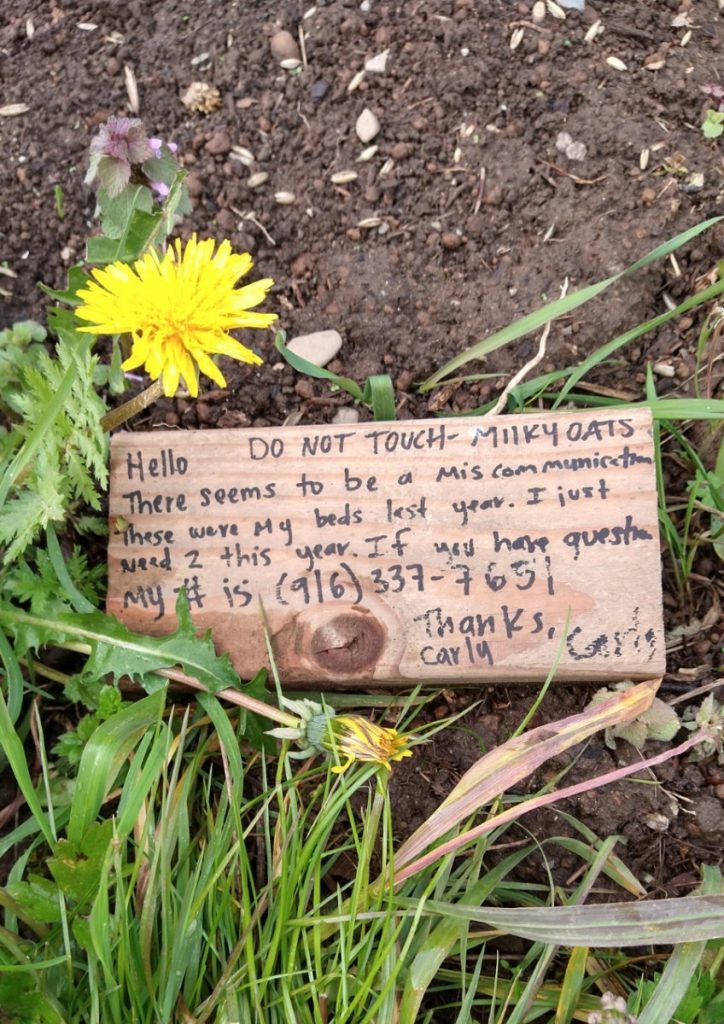
Miscommunications happen (and sometimes provide an opportunity for community building. Photo Credit: Sarah Dyer
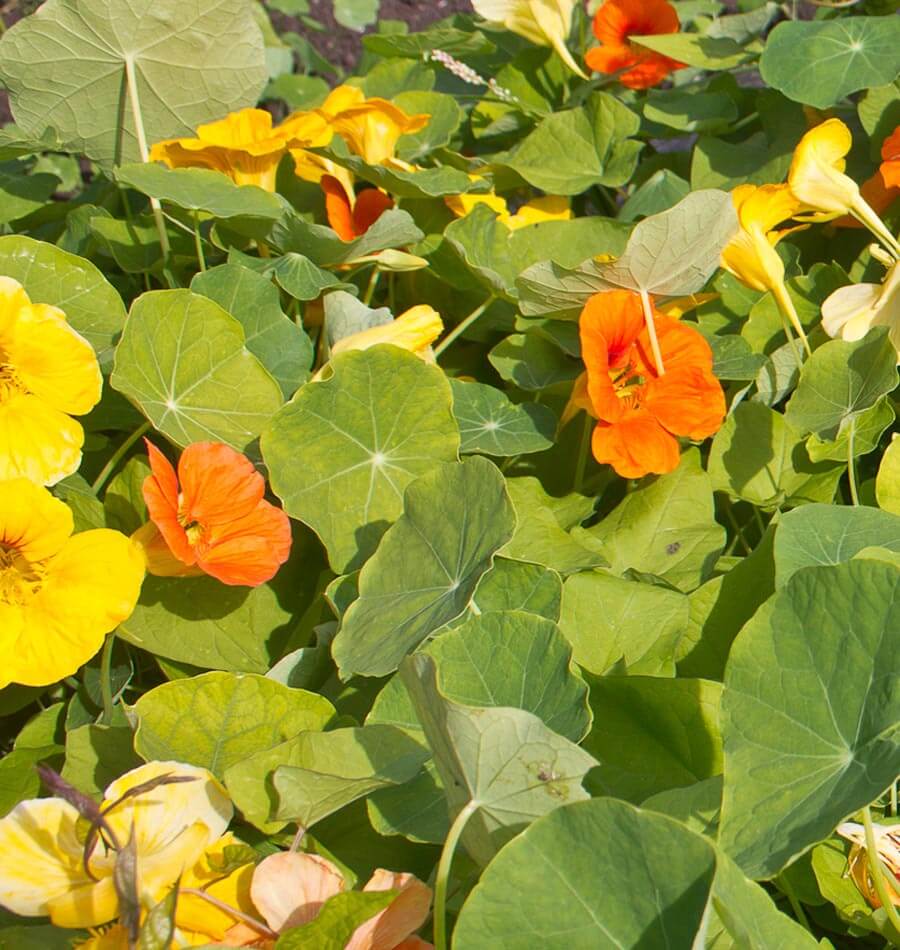
Tropaeolum majus Nasturtium Some native South Americans used nasturtium medicinally, apparently due to its antibiotic and antibacterial properties. Nasturtium is a species of flowering plant in the family Tropaeolaceae, originating in the Andes from Bolivia to Colombia. It is an easily grown annual with disc-shaped leaves and brilliant orange or red flowers. All of the above-ground parts of the plants are edible. Photo Credit: West Coast Seeds
“The Ukranian Family” by Marc Chagall Chagall was from Vitebsk, Belarus, and painted this heartbreaking piece in the early 1940s to show the horrors of war. Notice the farm animals and trees in the painting, wreathed in waves of flame; many of Chagall’s feature semi-pastoral themes like animal husbandry and subsistence farming.
Image Credit: @kannbwx
Image Credit: BBC
Image Credit: USDA
Image Credit: USDA
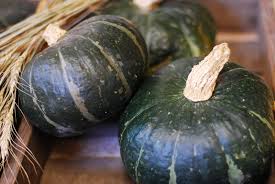
Cucurbita maxima “SWEET MAMA” KABOCHA WINTER SQUASH Days to Maturity: 100 This unique kabocha that produces on a very space-saving short vine. In trials, Sweet Mama was also among the earliest to mature. The dark green fruit reach about 8 inches across and 4 inches tall with striking gray ribs and speckles. Inside, the meaty flesh is a dark yellow with a nutty flavor and superior sweetness. Photo Credit: Holmes Seed Company
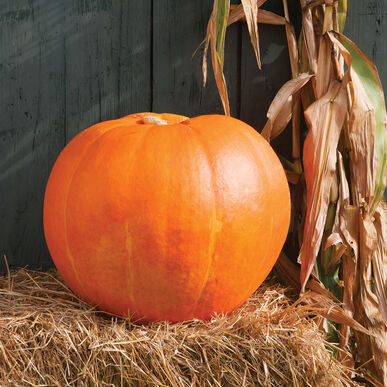
Cucurbita maxima “BIG MOOSE’ PUMPKIN Days to maturity: 110 Giant pumpkins with bright color. Orange red in color with some lighter streaking and light ribbing. Great for eye-catching roadside displays. Average weight is 50–125 pounds! Photo Credit: Johnny’s Selected Seeds
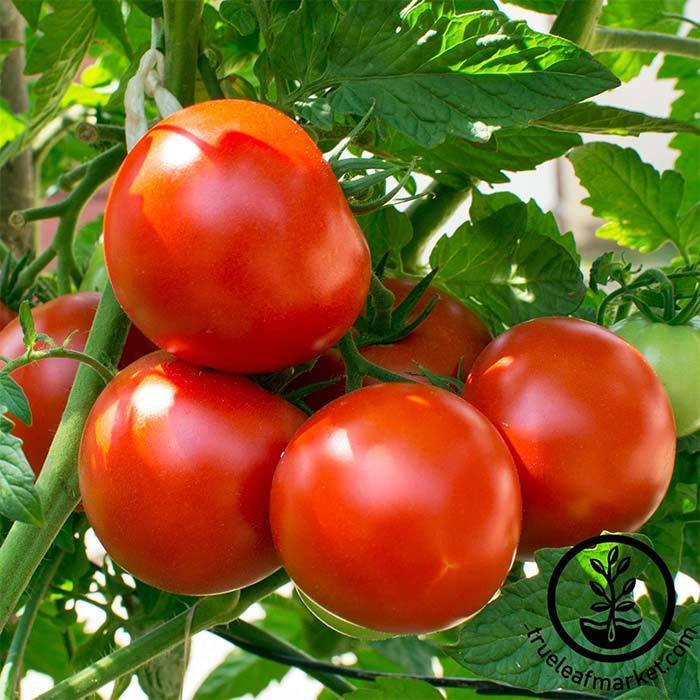
Lycopersicon lycopersicum “OREGON SPRING” TOMATO Days to maturity: 55-80 This determinate variety was developed at Oregon State University. Part of this breeding effort was to develop a variety which could be set out in very cool spring temperatures. They can go out in April if freezing can be prevented. Tomatoes are full sized, 4 inches across, with fine color and texture. Yields are high and flavor is great, nicely acidic. Photo Credit: Pinetree Garden Seeds
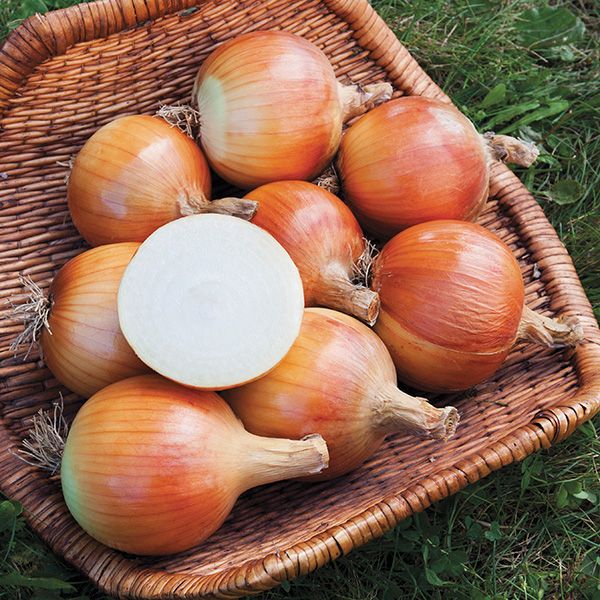
Allium cepa “YANKEE” (F1) ONION Days to Maturity: 108 DAYS Very productive storage variety with medium-sized round bulbs. Strong resistance to downy mildew and intermediate resistance to pink root. Yield and excellent storage qualities similar to Copra F1. Dark brown skins and bulbs that remain hard and sound until spring. Photo Credit: High Mowing Organic Seeds
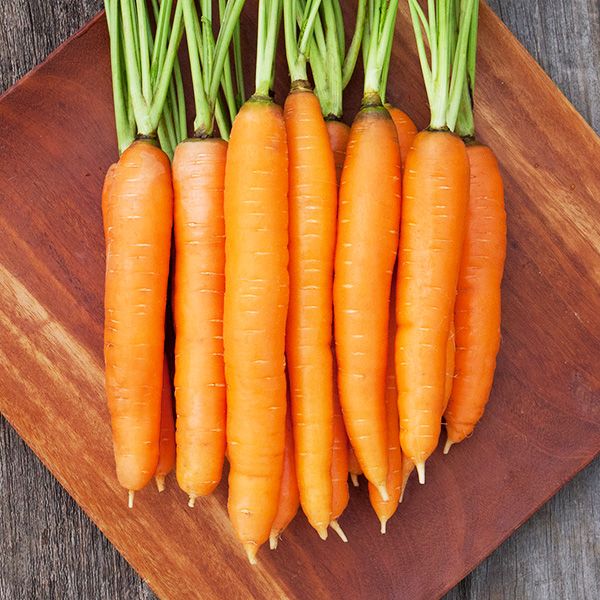
Daucus carota “DOLCIVA” CARROT Days to Maturity: 105 Exceptional storage carrot developing sweetness and maintaining quality deep into the storage season. Great sweet flavor, juicy crunch, and strong field resistance to Alternaria. Slightly tapered roots have good uniformity, bright color and strong tops. Widely adapted and versatile for bunching or storage. Image Credit: High Mowing Organic Seeds
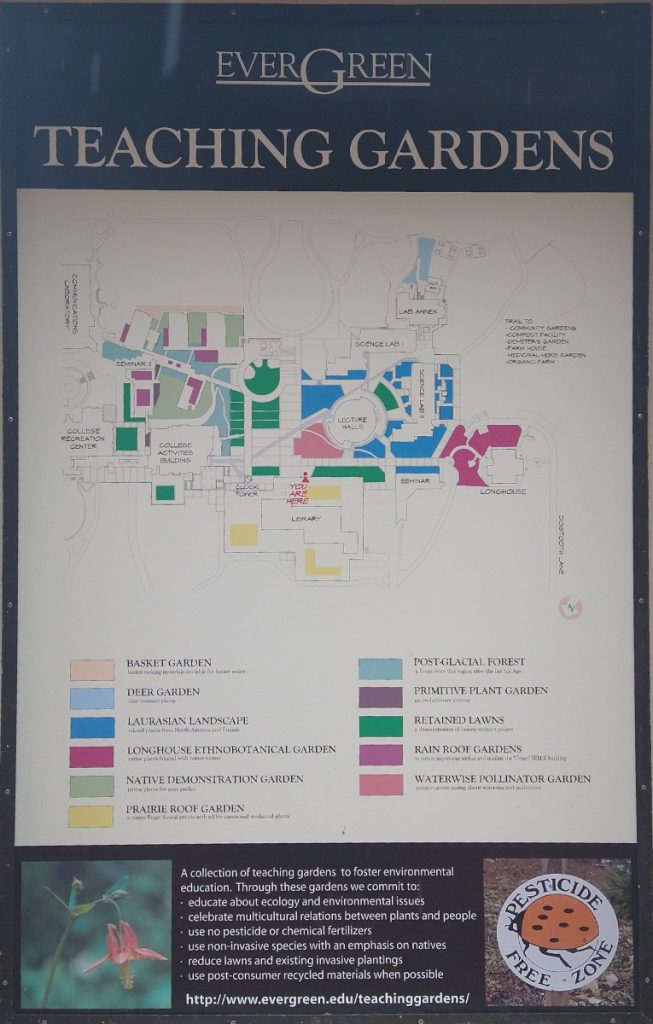
Teaching Gardens at The Evergreen State University
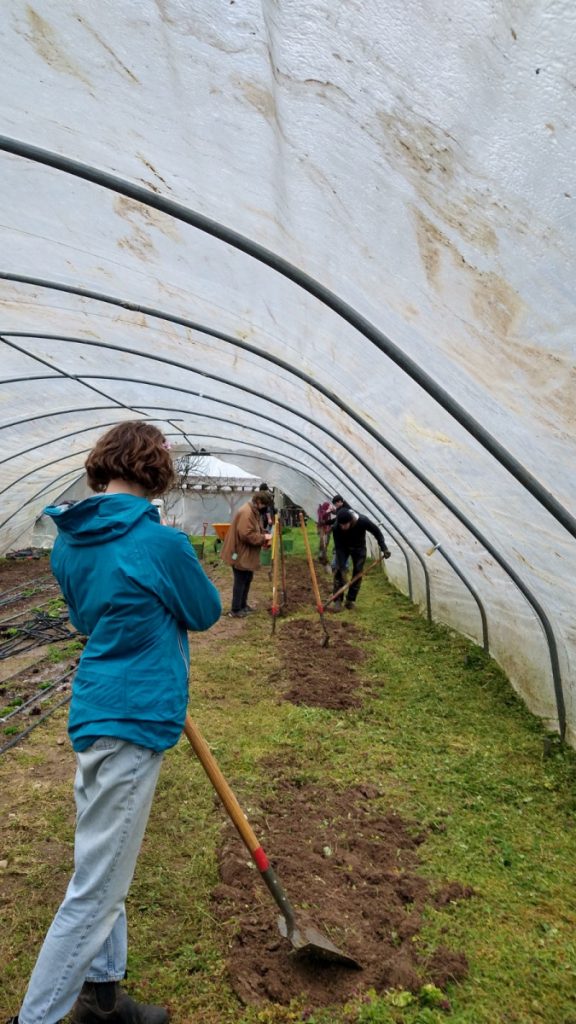
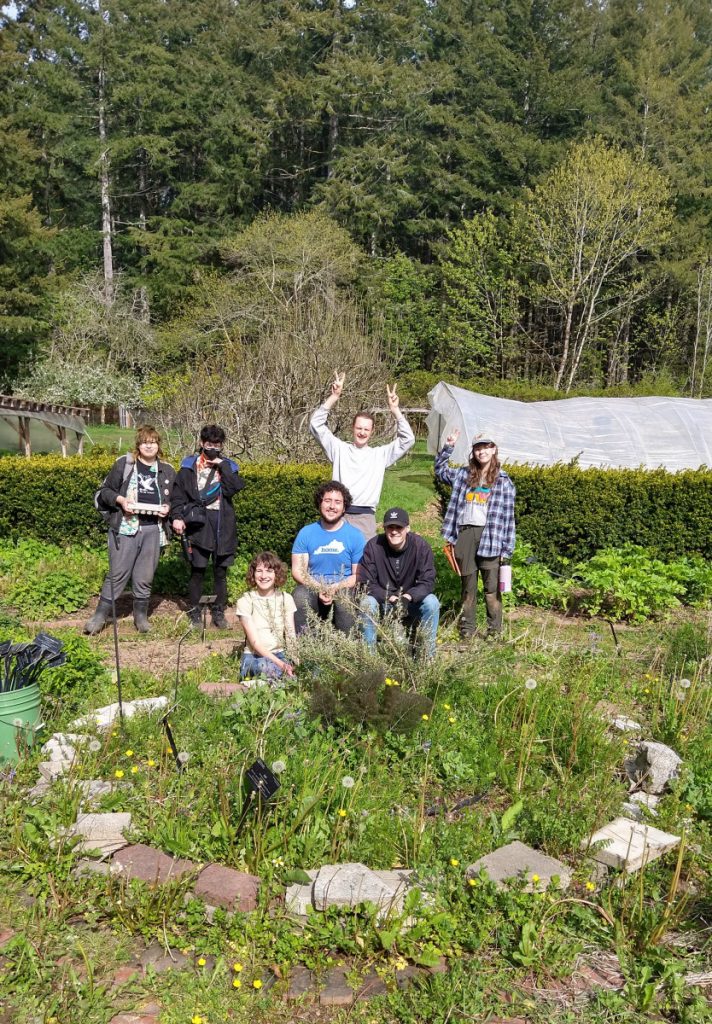
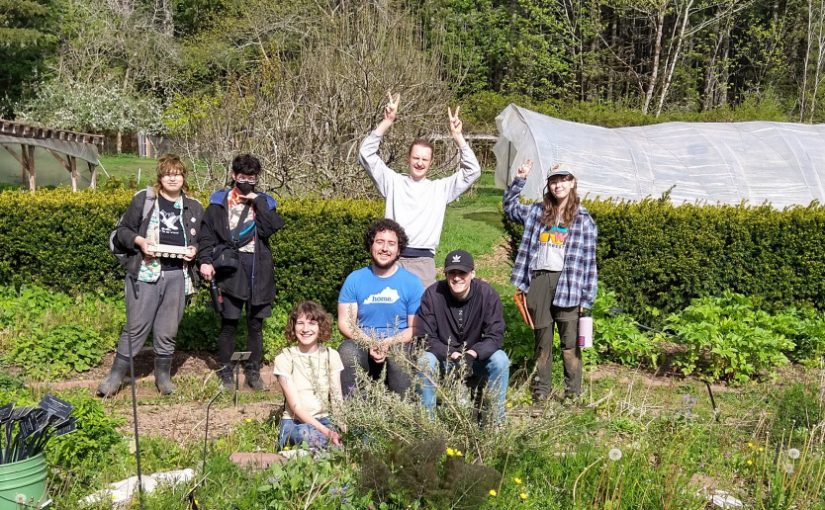
Farm Volunteers on 5/4/2022
Image Credit: Sarah Dyer
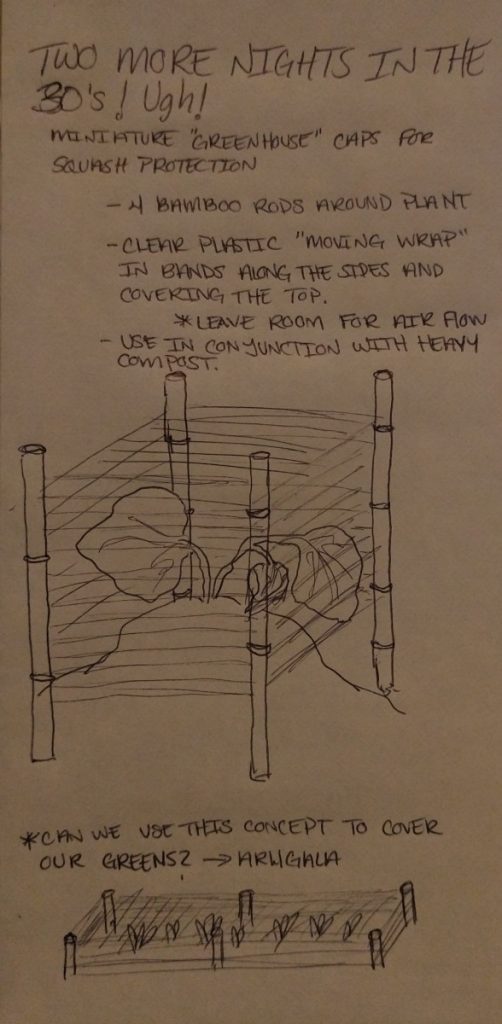
Drawing of my frost protection scheme for squash.
Image Credit: Sarah Dyer
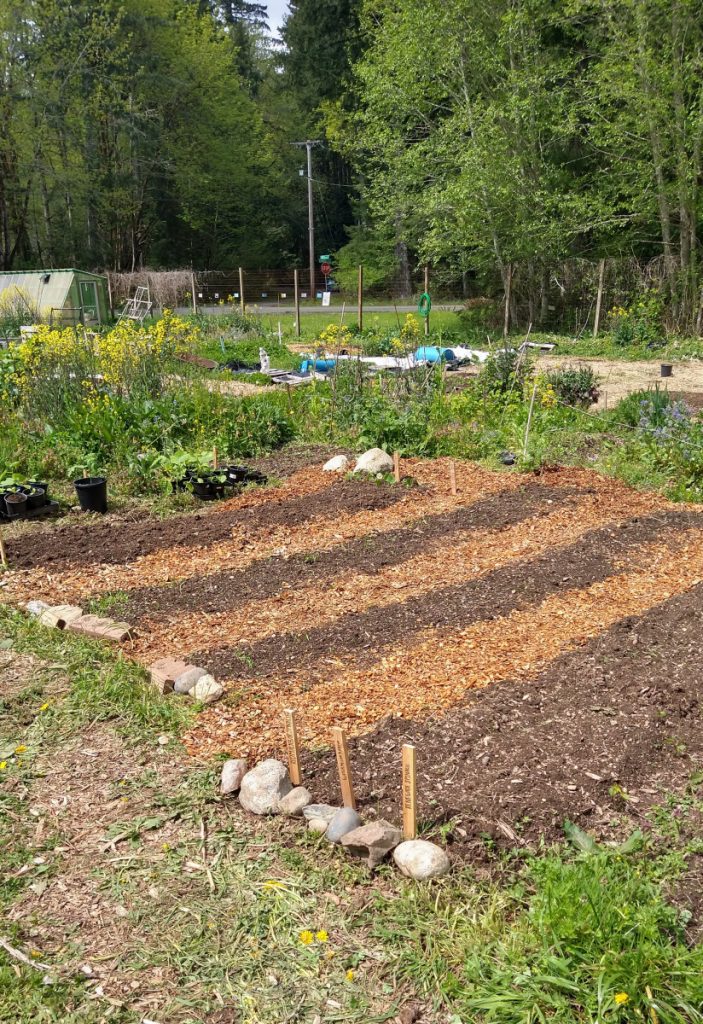
Woodchipped paths in our garden to beat back the weeds.
Image Credit: Sarah Dyer
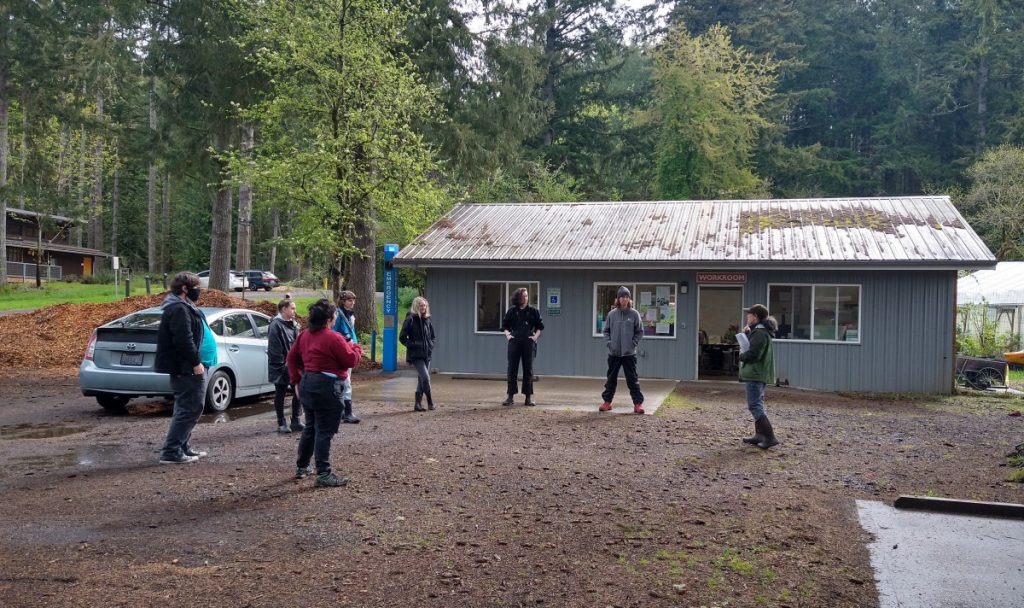
The Taste Programs meets before our Manday morning gardening session.
Image Credit: Sarah Dyer
Volume I of the Organic Farm Tiny Cookbook is almost sold out, so I will be working with the 2022 POIF program to produce a second volume. Image credit: Karen Hill
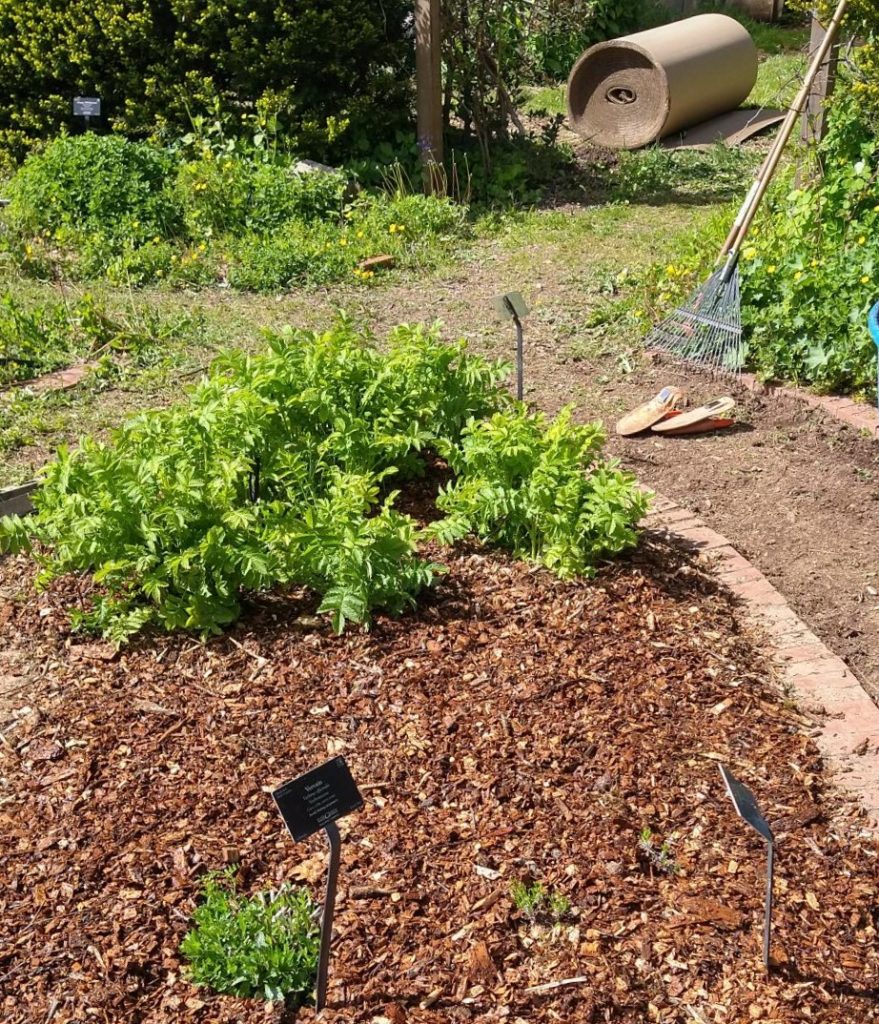
Woodchipped herb garden beds are looking so clean! Image credit: Sarah Dyer
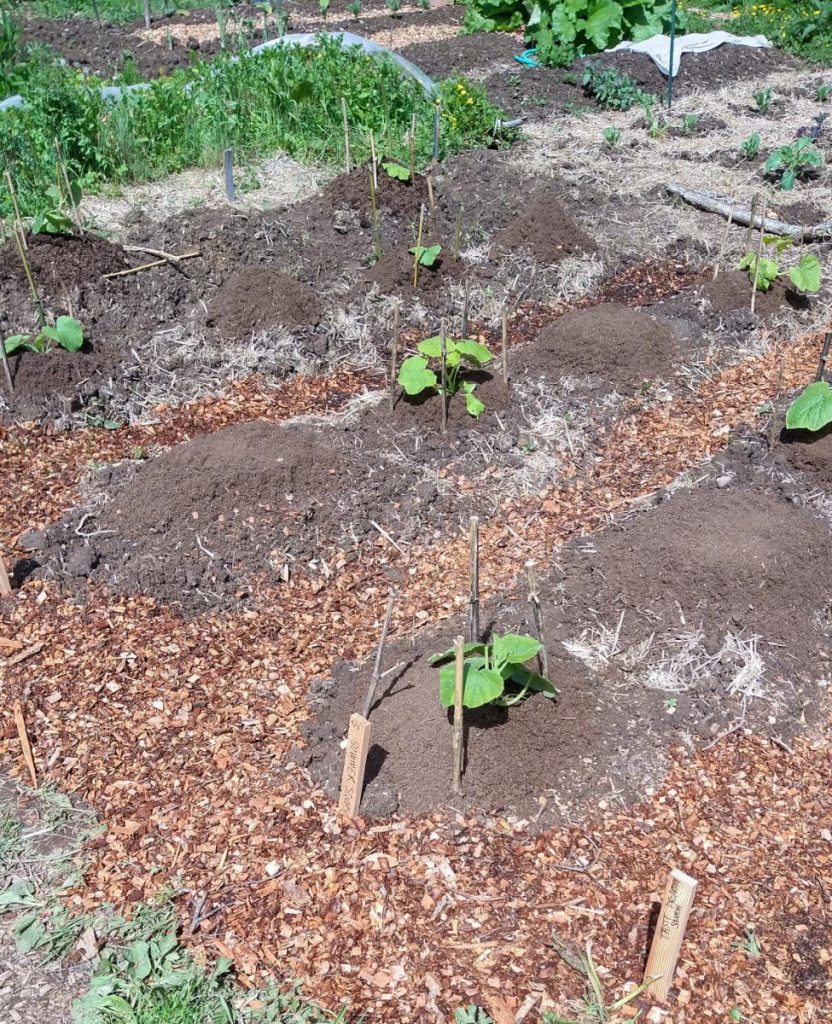
Squash seedlings after being mulched with mushroom compost and watered. Image credit: Sarah Dyer
Another bed weeded! Image credit: Sarah Dyer
Please enjoy this visual journey through my Mellon Foundation funded, ten-week internship. I’ve truly enjoyed the collaboration with multiple facets of the Food and Agriculture Pathway and can’t wait to utilize all that I’ve learned to continue serving the community at The Evergreen State College.